| |
 Aging tanks study: Aging tanks study:
59% of USTs in eight states are +20 years old
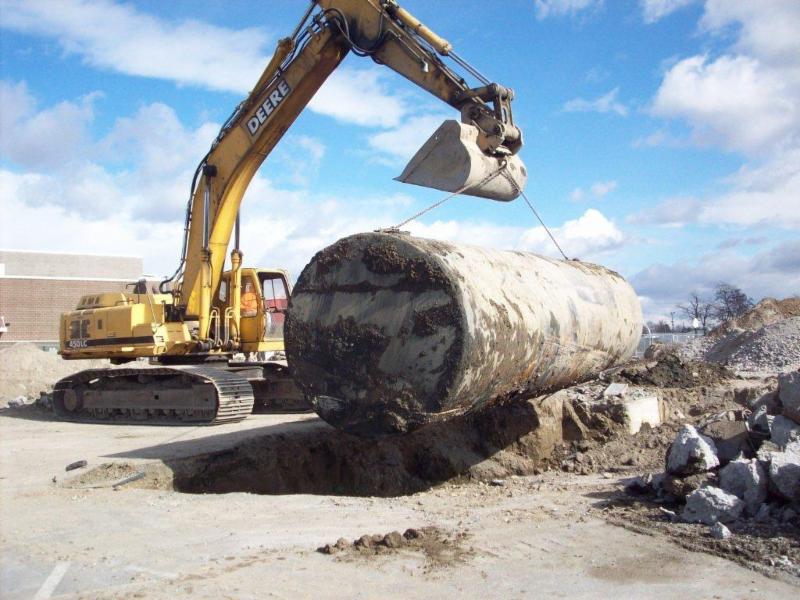
It seems logical that aging USTs might leak, creating higher risks for state tank funds and private insurers, and ultimately, higher costs for tank owners/operators. However, data available from states is highly variable. Each state has implemented its own UST program and policies.
In October 2014, at the request of the Association of State and Territorial Solid Waste Management Officials (ASTSWMO) Tanks Subcommittee, the ASTSWMO Board of Directors formed a Workgroup to examine issues related to aging underground storage tanks (USTs) and the potential impacts to owners, operators, and State UST programs. The Workgroup's objective was to analyze whether aging UST infrastructure poses a higher risk of leaks.
The study, published in October 2015, attempts to respond to these questions:
- Is the nation's UST infrastructure getting older?
- If so, to what extent does this affect the risks shouldered by insurers and State tank funds that serve as the predominant financial responsibility mechanisms for owners/operators?
- Are States collecting data in a way that informs risk management decisions needed in the future?
- How do a State's policies impact owners' and operators' decisions related to upgrading, replacing, or closing their USTs?
|
|
|
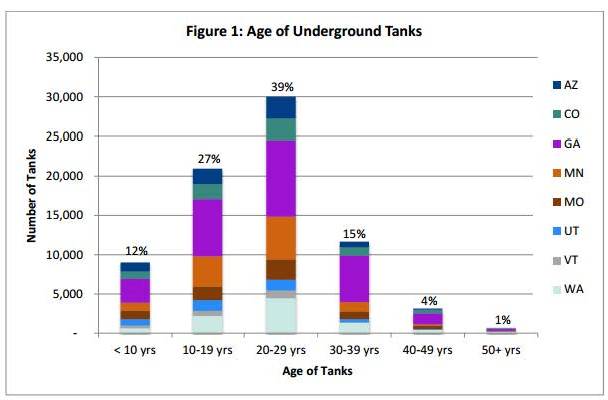
Figure 1 presents information on the average ages of the underground tanks in eight States illustrating that 59% of the tanks in these States are more than 20 years old. Seventy-nine percent of the tanks in these States are less than 30 years old, and less than 1% are older than 50 years.
|
|
|
EPA's guide to recently revised UST regulations

EPA's Office of Underground Storage Tanks (OUST) just released a new guidance document for the recently revised UST regulations.
Checklists prompt the user to look closely at what kinds of equipment are in use and how to keep that equipment working properly over the lifetime of the UST system. The manual provides record-keeping forms that also help the UST owner and operator keep equipment operating properly.
|
|
History of corrosion control research

Fifty years ago, the US Steel Corporation's Applied Research Laboratory tested underground tanks to develop a best method of corrosion control. John B. Vrable, PE and a NACE Corrosion Specialist, lead those studies, working with STI Member
Kennedy Tank and the Steel Tank Institute.
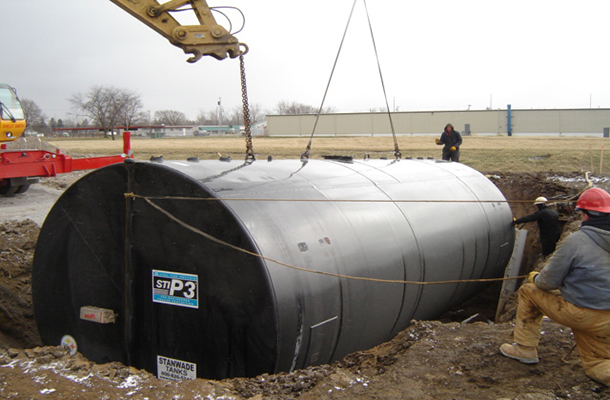
This research led to introduction of the sti-P3 tank in 1970.
Learn the history of this important R&D effort.
|
|
STI seeks public comment on SP001, SP031, R051

The Steel Tank Institute is seeking public comments on three standards.
SP001 and SP031
STI's SP001
Standard for the Inspection of Aboveground Storage Tanks and SP031
Standard for Repair of Shop-Fabricated Aboveground Tanks for Storage of Flammable and Combustible Liquids
will undergo their five-year review this year, and it is expected that revised standards will be published by the end of 2016.
A committee of tank users, fabricators and regulators is being established to make recommendations for changes to the standard.
Comments are requested from interested parties.
If you wish to suggest changes to the SP001 or SP031 standards,
use the form on this webpage
. Note that all proposed revisions must include a rationale (reason for the change) in order to be accepted.
Questions may be directed to
Dana Schmidt,
STI Standards Engineer,
847-550-3832.
Proposed SP001 and SP031 changes submission deadline: April 20, 2016.
R051
STI's Cathodic Protection Testing Procedures for sti-P3 USTs will be reviewed in 2016 and it is expected that revised procedures will be published by the end of 2016. A committee of tank inspectors, owners, fabricators and regulators has been established.
Comments are requested from interested parties. To submit comments, click here for official comment submission form.
Proposed R051 changes submission deadline: March 15, 2016. Direct questions to Lorri Grainawi, Director of Technical Services, 847-550-3831.
|
|
Steel elevated tank saves energy, decreases CO2
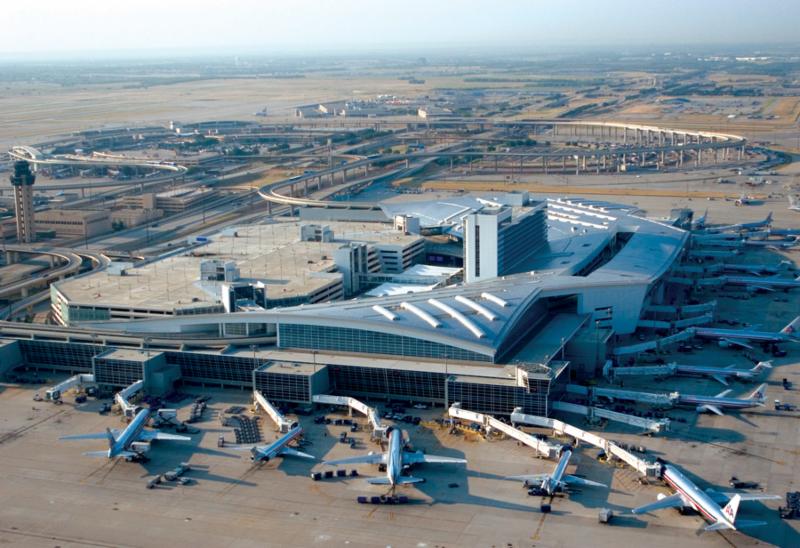
A recent article on
WaterWorld
magazine's website reported recommendations to reduce energy use, made to Dallas/Fort Worth International Airport
by engineering firm Freese & Nichols.
The engineers recommended the addition of a steel elevated water tank to the airport's current water system. Gravity feed from the
elevated tank would augment water pumping at non-peak times, reducing
the number of kilowatt hours by 1.6 million. It would also have the net effect of
reducing the carbon footprint of the DFW airport by 2,030 tons of CO2 per year, which is
equivalent to removing the carbon emissions of more than 2,000 cars for an entire year.
|
|
Pentagon's Afghanistan boondoggle
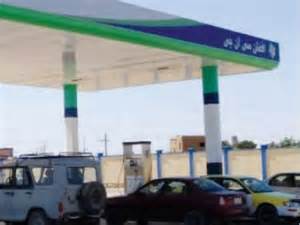
USA Today reports that US taxpayers are stuck with the bill for a $43 million natural gas filling station in Afghanistan, "...
a boondoggle that should have cost $500,000 and has virtually no value to average Afghans..."
Back to top
|
|
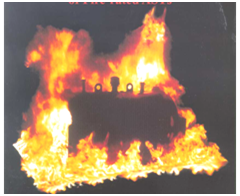
Man sustains second-degree burns in flash tank fire
A local news story from southeast Florida reported an incident at a gas station. A man was working on an underground tank when it exploded, burning him seriously.
We asked an STI member from southeast Florida for more information. It appears that a tank maintenance company was prepping the fiberglass tank for lining just prior to the fire. Apparently, an electric portable saw was used to cut into the tank sump instead of pneumatic equipment. This is unsafe practice and the saw likely caused the explosion.
The employee h
as since recovered and returned to work.
|
|
Quiz: Tightness testing for double wall ASTs
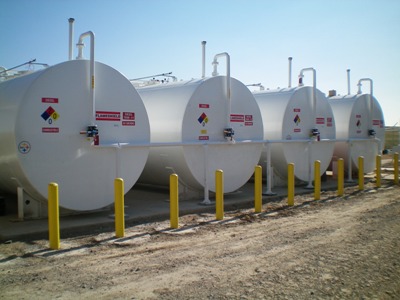
Recent questions from Authorities Having Jurisdiction (AHJs) prompted this short quiz about testing double wall ASTs.
The sources for the questions are
STI R912, Shop Fabricated Stationary Aboveground Storage Tanks For Flammable, Combustible Liquids
and the
NFPA 30 Flammable and Combustible Liquids Code
.
STI labeled AST's, such as F921 and Flameshield technologies, also include decals with
Air Pressure Test Procedure for Intimate Contact Double Wall Tanks
.
|
|
What caused this tank explosion?
Last October, an asphalt tank exploded in Oklahoma. A firefighter had a camera mounted to his helmet that captured the moment.
Firefighters were on site to put out an earlier fire when the explosion occurred, restarting and expanding the fire.
- Before the explosion, what can you see is wrong with these tanks?
- Why did this explosion occur so long after the original fire was extinguished and the tanks were cooled?
|
|
Steel pipe praised for longevity
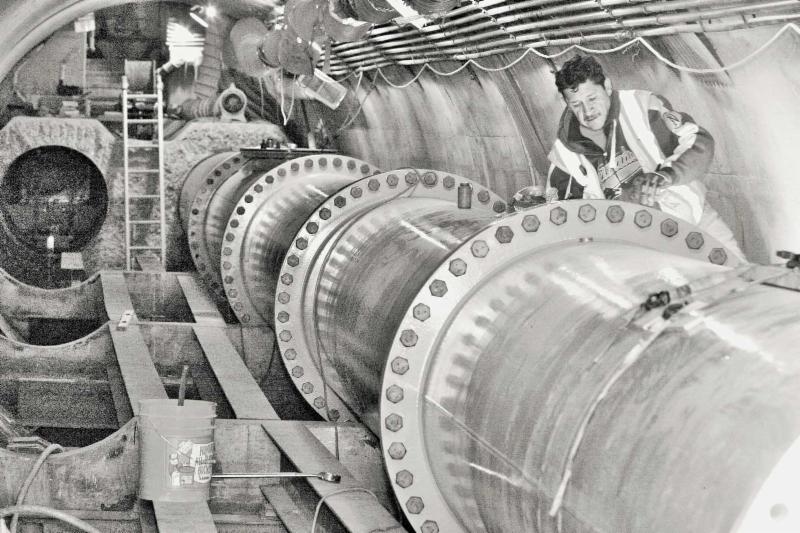
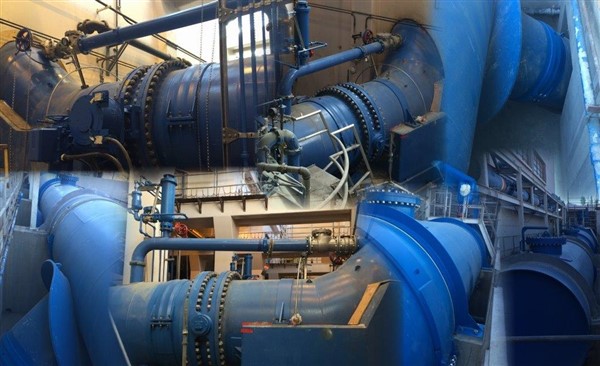
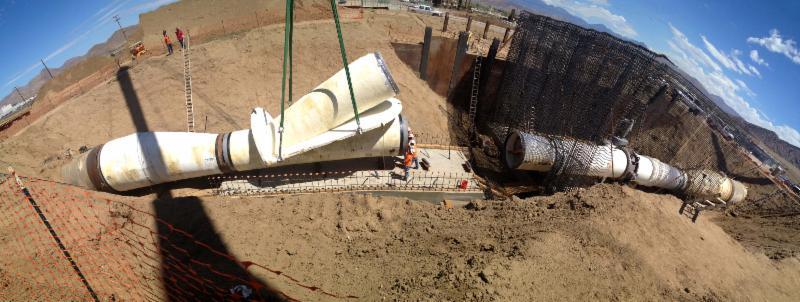
STI-SPFA Member JIFCO passed along a compliment from a pipe project in Nevada. A major repair is underway inside the Rye Patch Dam, to ready it for the 2016 irrigation season. JIFCO manufactured the 48-inch diameter steel pipe for the project.
New steel pipe is "...by far the best way to go," said Pershing County Water Conservation District Manager Bennie Hodges. "We got 80 years out of the last pipe and, with the better coating materials they have nowadays...we think we'll exceed 80 years with these pipes."
Hodges believes pipe replacement was better than lining the old pipes with carbon fiber, a new material with an unknown life span, unlike steel.
|
|
Annual Steel Fabricated Product Awards
At
its recent annual meeting in Kapalua, Maui,
Hawaii, STI-SPFA
recognized member companies in 14 product categories with its
Steel Fabricated Product of the Year awards for 2015.
There were 49 entries from STI-SPFA
member companies for the 2015 Product
Awards, utilizing a total 22,450 tons of steel. To determine the winners, association
members assessed each entry by anonymous ballot, based on four criteria:
- Promotional value: Promotes the value of steel fabrication
- Uniqueness of product/project: Shows originality and versatility
- Design and engineering: Excels in technical aspects
- Aesthetics: Has visual appeal
|
|
|
|
|
|
|
|
|
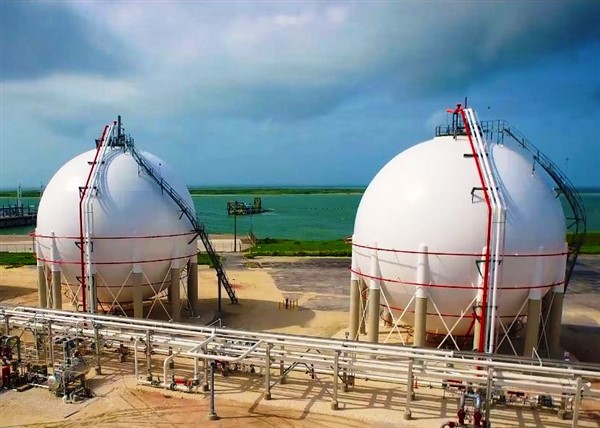
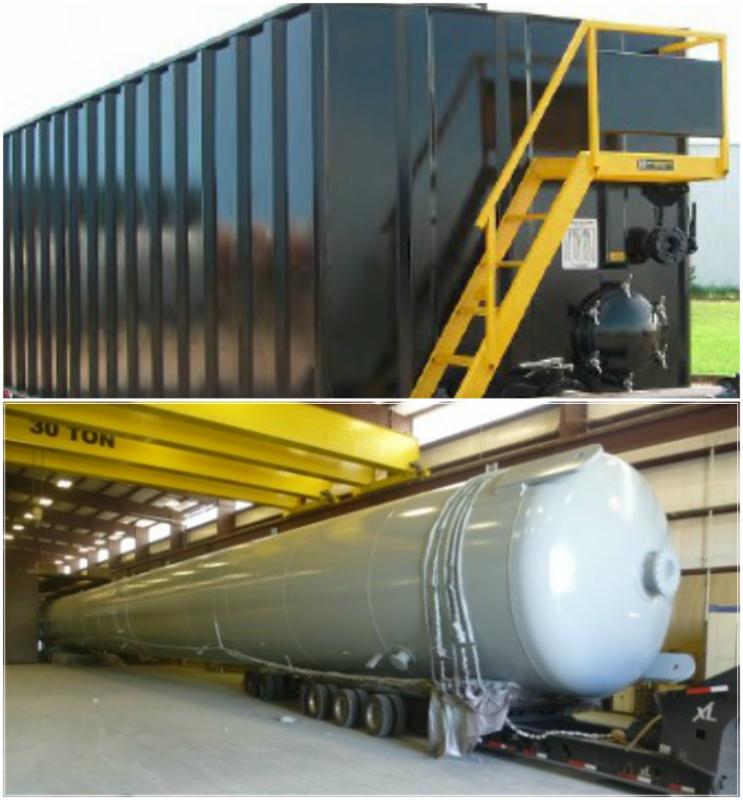
ASME Pressure Vessel Storage Tank:
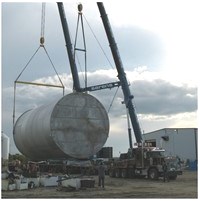
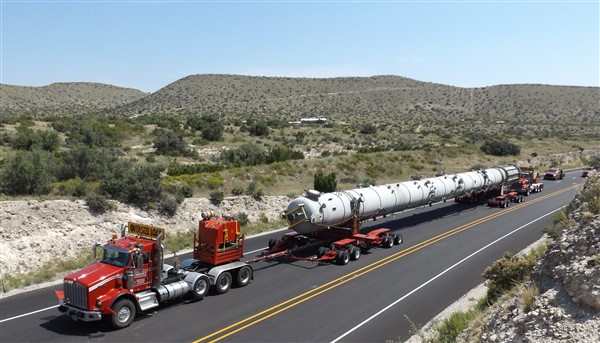
CB&I, Houston TX |
|

|
|
|
|
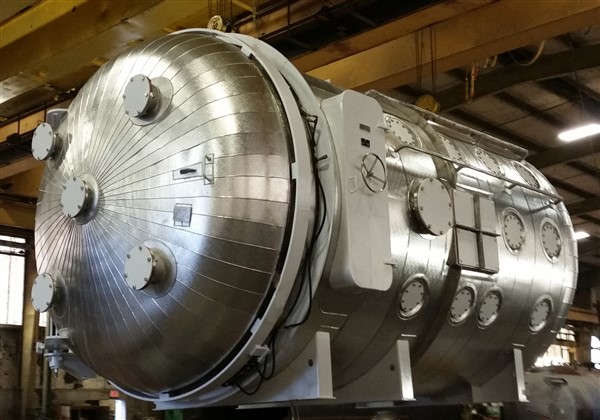
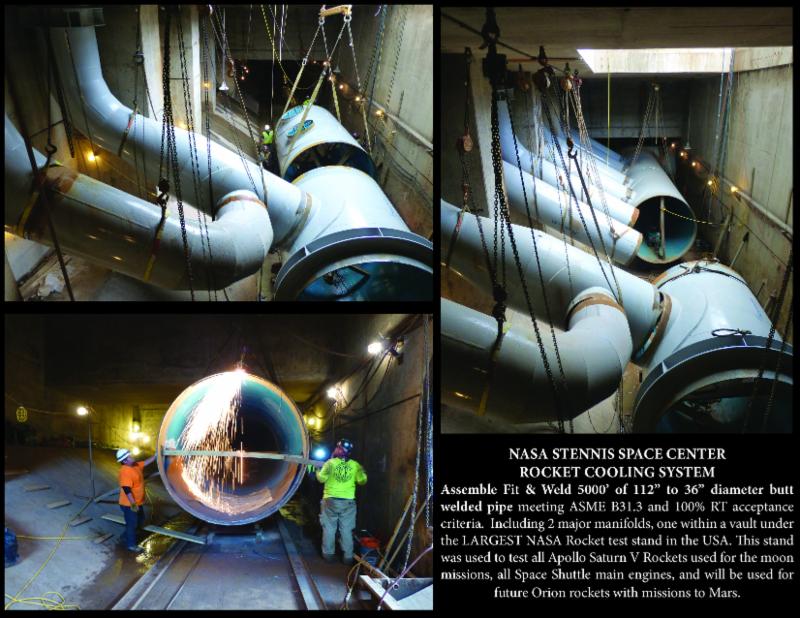
Special Fabrication:
Modern Welding of Georgia, Augusta |
|
|
|
|
|
|
|
|
|
Deadliest jobs in construction
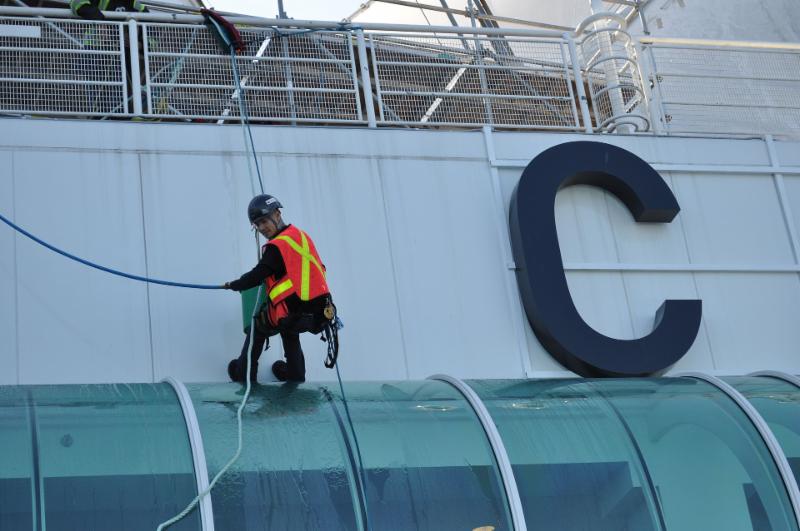
Slips, trips and falls are the leading cause in 40% of all construction worker deaths,
according to
Construction Data
blog
.
Numbers from 2014 indicate that roofers have the highest work death rate in construction trades, but the highest fatal injury rate. That title goes to agriculture, forestry, fishing and hunting, with 24.9 deaths per 100,000 workers in 2014.
|
|
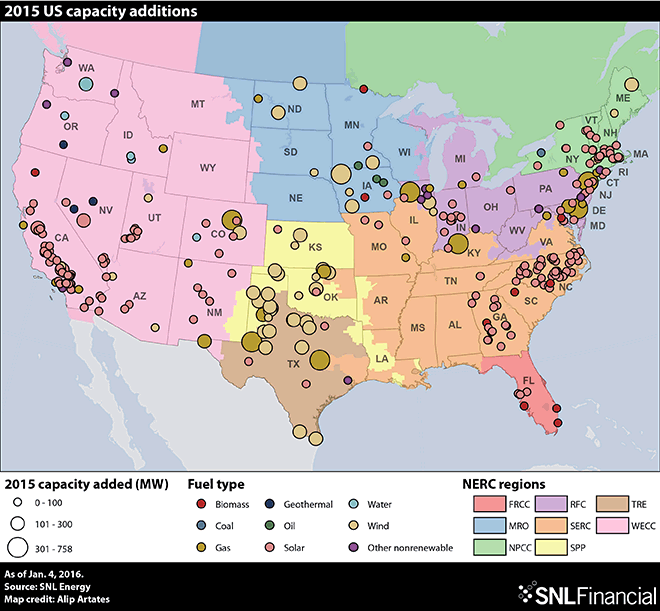
Gas, wind add 82% of 2015 energy capacity
According to Parth Shah on
www.snl.com (SNL Financial), an aging energy grid and the push toward lower-emissions fuels propelled gas and wind as generation methods in 2015. While a bit less power generation was added in 2015 than in 2014, in both of the last two years, most of the new additions were gas and wind.
|
|
| |
|
|
|
STI/SPFA Education and Certification Programs
Click links for information and registration
April 13-14, Spokane WA
May 18-19, Madison WI
June 22-23, Pittsburgh PA
Sept. 20-21, Denver
Oct. 12-13, Kansas City MO
Nov. 8-9, Richmond VA
May 2-6, Burbank CA
June 6-10, Owings Mills MD
August 22-26, Houston
Sept. 19-23, Denver
Nov. 7-11, Atlanta
Dec. 5-7, Owings Mills MD
E-LEARNING MODULES
|
|