In this week’s newsletter, learn how NASA data can help address air quality disparities in overburdened communities across the United States; discover how to bring the excitement of exploration and discovery to students in the classroom and beyond using agency resources and platforms; and find out how to apply to NASA’s CubeSat Launch Initiative and 2025 Lunabotics Challenge. Plus, more stories you might have missed.

EARTH AND CLIMATE

Tackling Air Pollution in Disadvantaged Communities

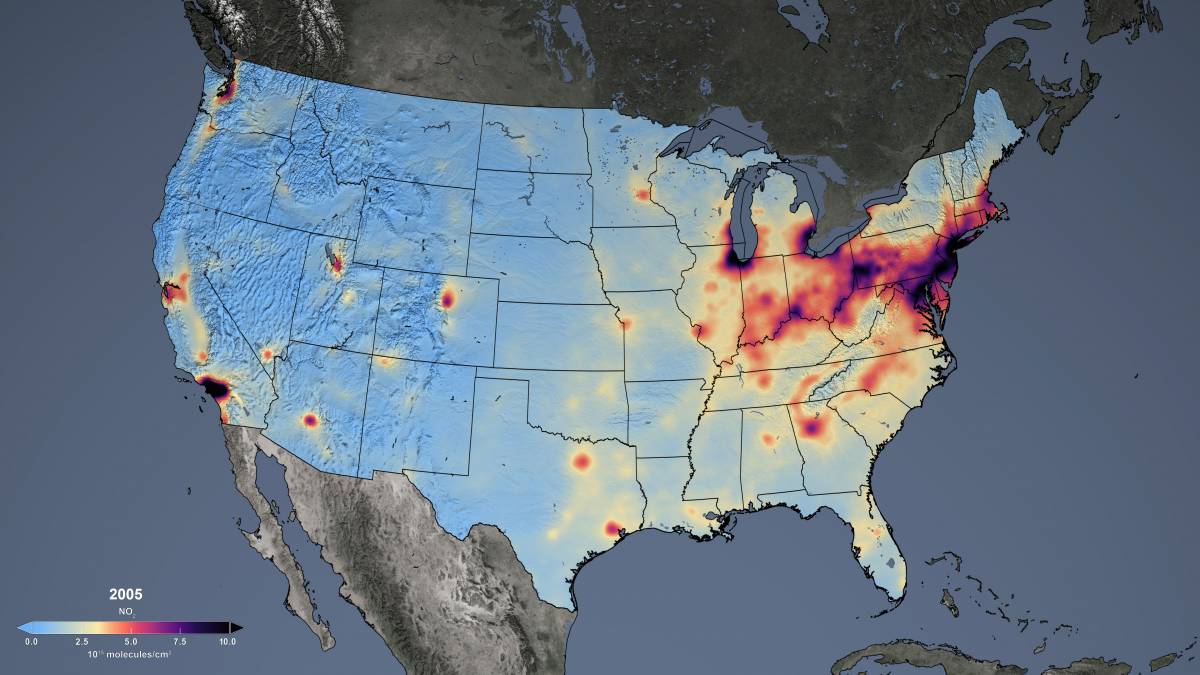
Marking a crucial step in addressing air quality disparities in overburdened communities across the United States, NASA data about nitrogen dioxide (NO2), a harmful air pollutant, is now available in the Environmental Protection Agency’s widely used Environmental Justice Screening and Mapping Tool.


NO2 is emitted by burning fossil fuels and contributes to the formation of surface ozone. Communities of color and lower-income populations often live closer to highways, factories, transportation hubs, and other NO2 sources than their wealthier counterparts. As a result, residents are exposed to higher levels of this air pollutant and others, exacerbating health inequalities.


LEARN MORE

EARTH AND CLIMATE

Where Does NASA Fit?


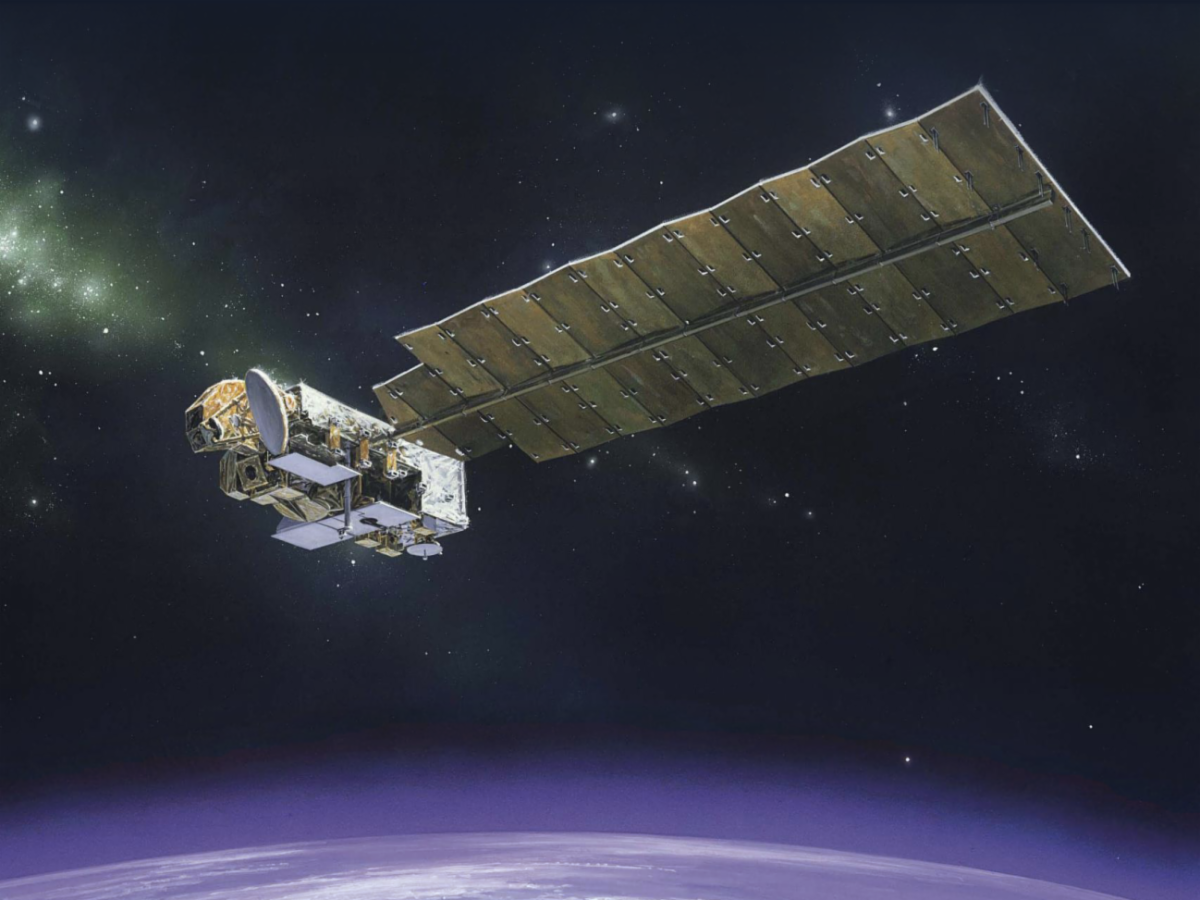
According to the World Health Organization, air pollution contributes to millions of premature deaths around the world each year. Pollution also dirties our skylines and harms animal and plant life. NASA instruments—on satellites, planes, and the ground—constantly collect data on major pollutants.


RECENT DISCOVERIES

SCIENCE

Seeking Student Missions


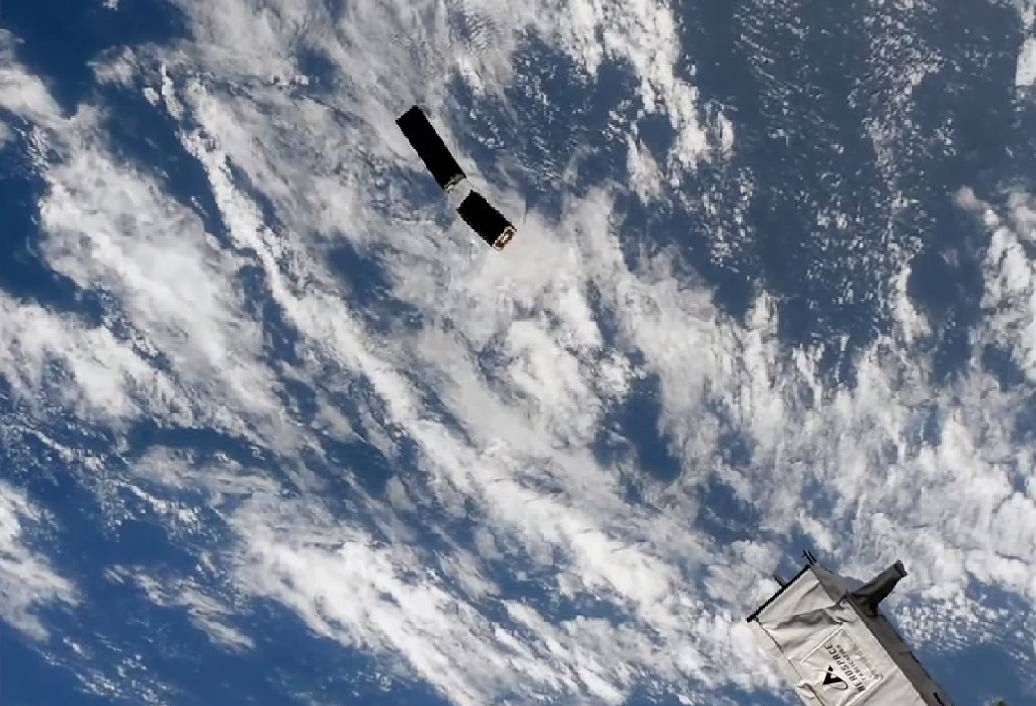
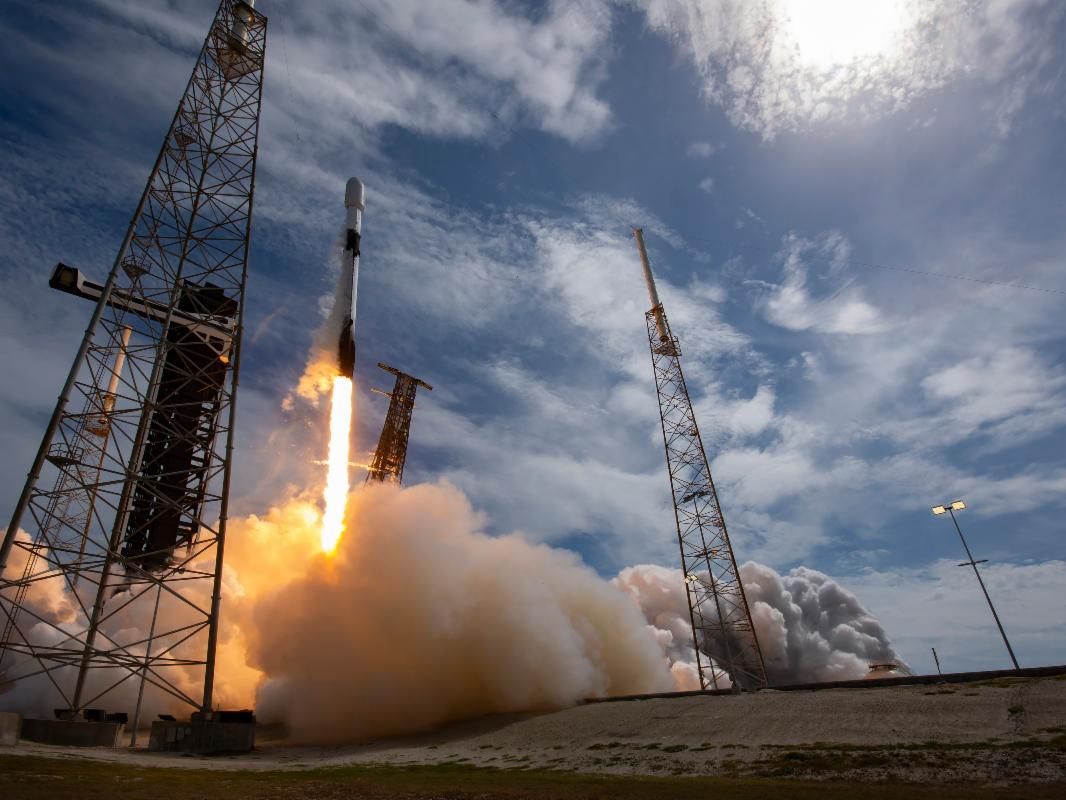
New opportunities are open for CubeSats, a class of small research spacecraft, built by U.S. educational institutions and non-profit organizations to fly on upcoming launches!


NASA's CUBESAT LAUNCH INITIATIVE

TECHNOLOGY

Exploring Uncharted Worlds


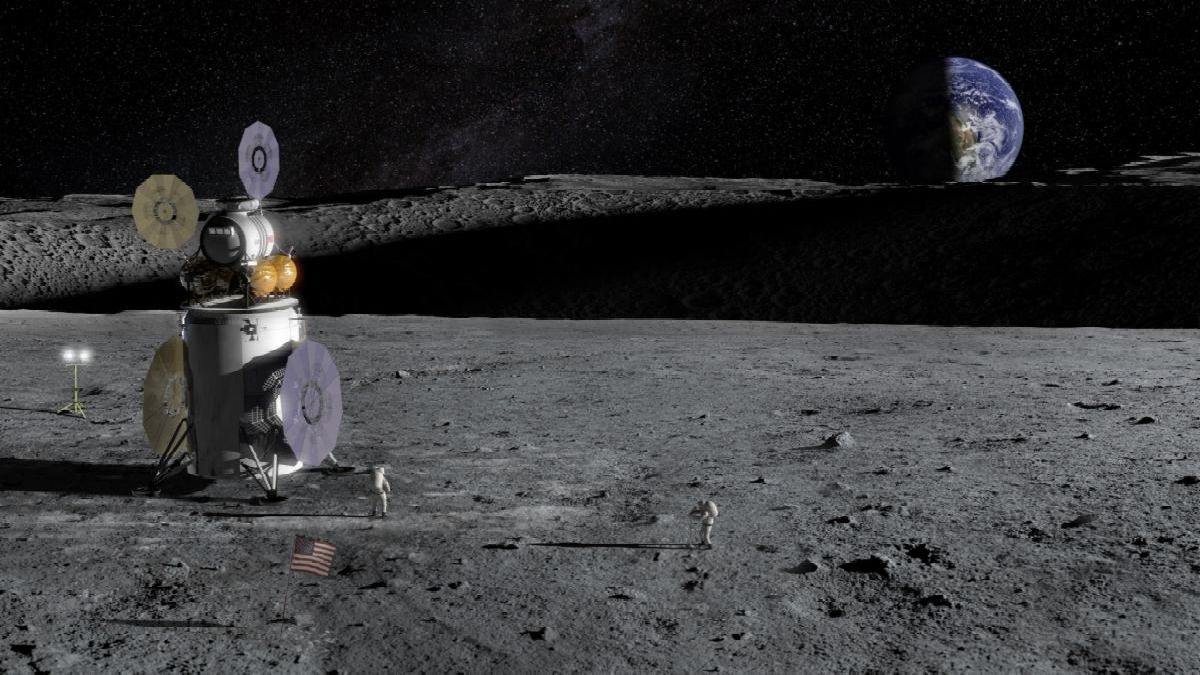
As NASA pursues its Moon and Mars missions, encompassing exploration of the lunar surface and the first steps on the Red Planet, finding novel and efficient ways of navigating these new terrains will be essential. That’s where optical navigation comes in—a technology that helps map out new areas using sensor data.


OPTICAL NAVIGATION

TECHNOLOGY

Machine Learning for Mars


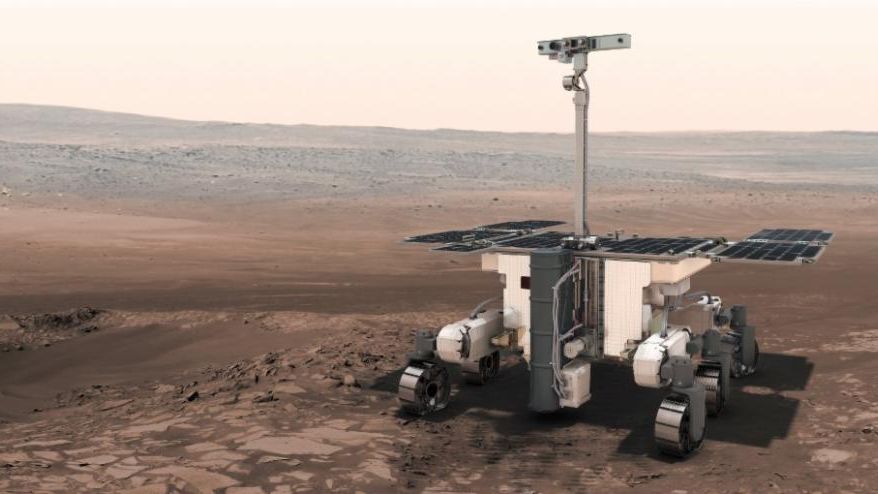
NASA researchers are investigating the use of machine learning to assist in the rapid analysis of data from rover samples and help scientists back on Earth strategize the most efficient use of a rover’s time on a planet.


MARS ORGANIC MOLECULE ANALYZER

NASA HISTORY

From the Archives

Project Echo, NASA’s first communications satellite launched in August 1960, was a passive spacecraft based on a balloon design created by an engineer at the Langley Research Center. Made of Mylar, the satellite measured 100 feet in diameter. Once in orbit, residual air inside the balloon expanded, and the balloon began its task of reflecting radio transmissions from one ground station back to another. Echo satellites, like this one, generated a lot of interest because they could be seen with the naked eye from the ground as they passed overhead.


THE ANCESTOR OF NASA'S COMMUNICATIONS SATELLITES

More NASA News

Back to School with NASA

NASA offers a variety of platforms and resources to support kindergarten through college educators in bringing the excitement of exploration and discovery to students in the classroom and beyond. From in-depth lesson plans to supplemental videos and activities, these agency resources can help educators develop an out-of-this-world curriculum and create unforgettable experiences for their students.

Calling All Innovators

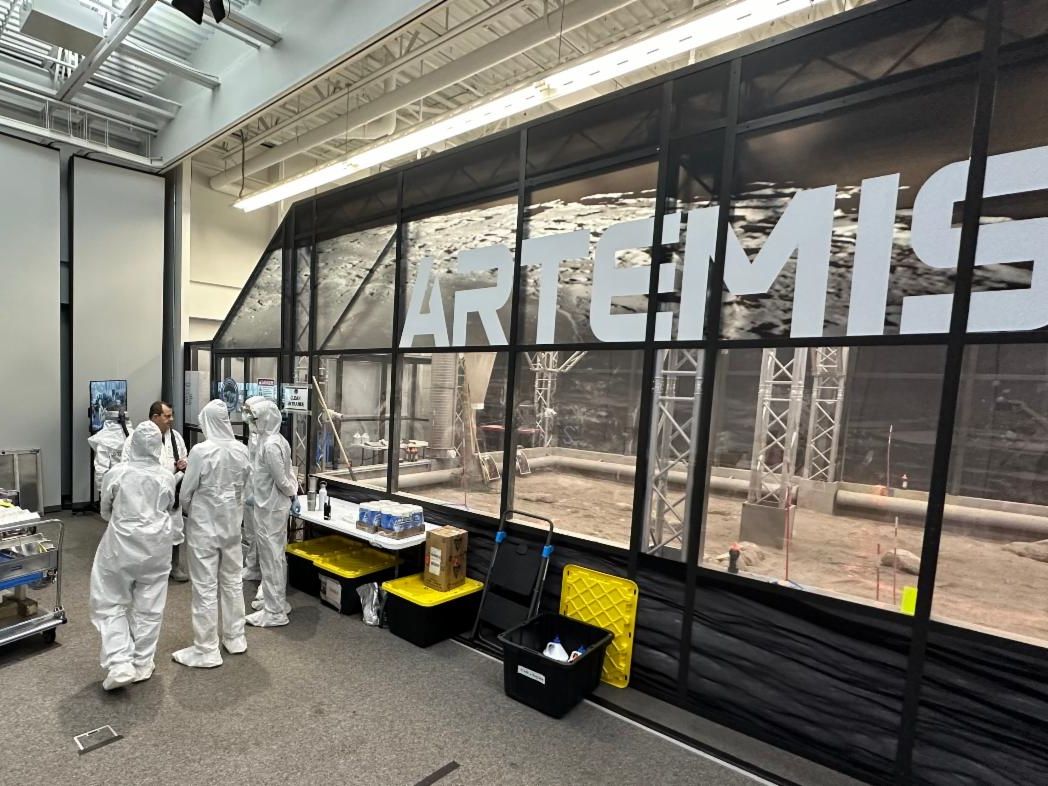
Test your engineering skills in the 2025 Lunabotics Challenge! For the challenge, teams from colleges, universities, and technical and vocational schools around the country are asked to design and build an autonomous or telerobotic robot capable of navigating a simulated lunar surface. The deadline to apply is Friday, Sept. 6.

Science in Space

After launching on Sunday, Aug. 4, Northrop Grumman’s Cygnus spacecraft docked to the International Space Station on Tuesday, Aug. 6, delivering 8,200 pounds of scientific investigation and cargo.

Updates on NASA’s SpaceX Crew-9

NASA and SpaceX are targeting no earlier than Tuesday, Sept. 24, for the launch of the agency’s Crew-9 mission to the International Space Station. This adjustment allows more time for mission managers to finalize return planning for the agency’s Boeing Crew Flight Test currently docked at the orbiting laboratory.

A Hunt for Asteroids Concludes

Engineers on the NEOWISE (Near-Earth Object Wide-field Infrared Survey Explorer) mission commanded the spacecraft to turn its transmitter off for the last time Thursday, Aug. 8. This concludes more than 10 years of its planetary defense mission to search for asteroids and comets, including those that could pose a threat to Earth.

National Aeronautics and Space Administration


NASA explores the unknown in air and space, innovates for the benefit of humanity, and inspires the world through discovery.


Visit nasa.gov

Follow NASA

Facebook  Instagram  LinkedIn  X  YouTube