|
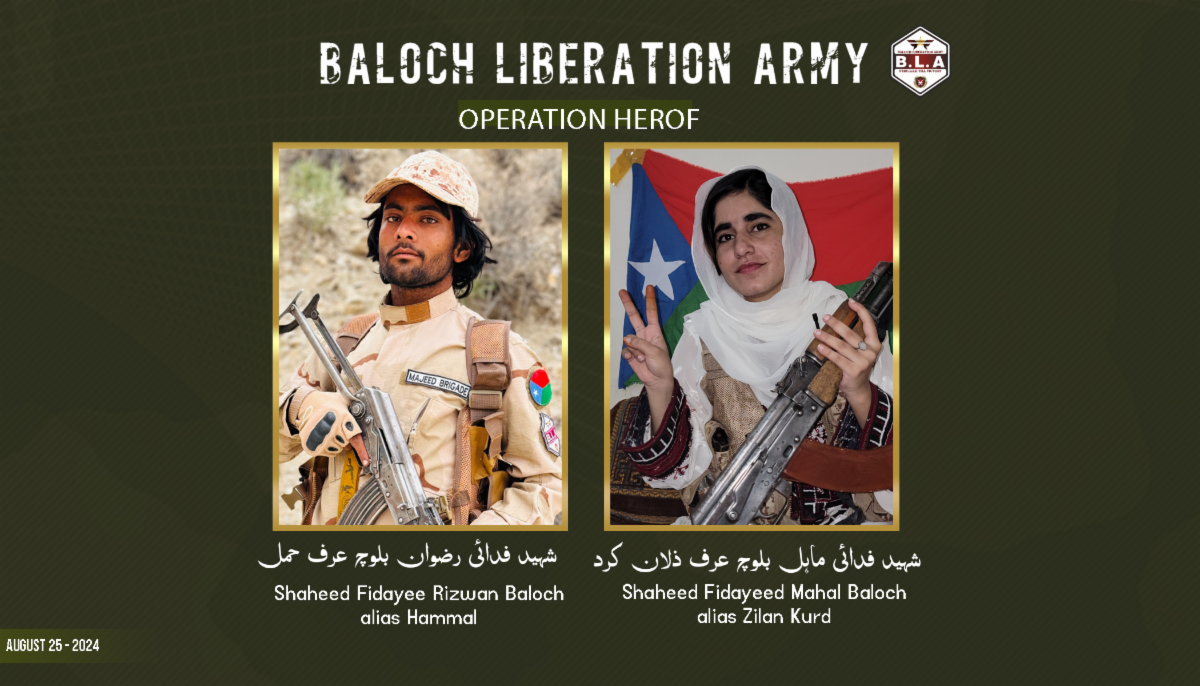
In the late hours of 25 August 2024, the Baloch Liberation Army’s (BLA) Majeed Brigade launched a large-scale and coordinated assault, termed 'Operation Herof,' in Balochistan. The operation began with the detonation of vehicle-borne improvised explosive devices (VBIEDs) at the entrance of Bela Camp and nearby security checkpoints. Following the VBIED blasts, the BLA’s Fidayeen squad infiltrated the camp, taking control of a significant portion of the facility and reportedly killing over 24 soldiers. Concurrently, the militants seized major highways across the province, establishing their own checkpoints and disrupting transport and communication routes. As of the time of this report, the attack is ongoing, with BLA forces claiming to have killed over 102 Pakistani soldiers.
The following day, on 26 August 2024, BLA militants escalated their operations by attacking the Pakistan Army headquarters in Nushki. During this assault, they detonated two improvised explosive devices (IEDs) on railway tracks and seized military equipment, including four Kalashnikov rifles, a base communication set, and a walkie-talkie. The BLA released a video featuring its Commander-in-Chief, Bashir Zeib Baloch, who declared that war cannot be conducted in a civilized or honorable manner. He emphasized the group’s intent to escalate the conflict to a level that compels the people of Islamabad, Punjab, Rawalpindi, Lahore, and Gujranwala to pressure the Pakistani government to cease operations in Balochistan.
Additionally, the BLA publicized the identities and photographs of the seven suicide bombers who carried out the initial attack at the entrance of Bela Camp. The group provided further details about its operation, stating that it maintained control of all major highways in the province for 12 hours and besieged Bela Camp for approximately 20 hours. The BLA stressed that its militants did not target civilians, alleging instead that Pakistani authorities, disguised as civilians, attacked the local population to sow distrust between the BLA and the Baloch people. The BLA claims that 'Operation Herof' resulted in the deaths of 130 military personnel and indicated that this is merely the first phase of a broader campaign to reclaim Balochistan territory.
Operation Overview:
'Operation Herof' involved the participation of 800 highly trained elite fighters from the BLA’s Fatah Squad and Special Tactical Operations Squad (STOS), along with seven suicide attackers from the Majeed Brigade. According to the BLA, all seven fidayeen (suicide attackers) completed their missions, while one fighter from the Fatah Squad was killed in a confrontation with Pakistani forces in Bolan. Overall, the operation affected 12 cities across nine districts, demonstrating a broad geographical scope and a high level of coordination.
Strategic Analysis:
The attack represents a significant escalation in the BLA’s insurgency efforts, demonstrating both its operational capabilities and its intent to intensify its campaign against the Pakistani state. The Majeed Brigade, a faction renowned for high-profile suicide attacks, has again shown its capacity to disrupt security and exert control, even if temporarily, over key areas of Balochistan. The successful penetration and partial seizure of Bela Camp—a strategic military installation—alongside the widespread establishment of checkpoints on Balochistan’s highways, highlight the group's sophisticated planning and the growing challenge they pose to Pakistan’s security forces.
The implications of this attack extend far beyond the immediate military losses. Balochistan is a critical region in China’s Belt and Road Initiative, specifically the China-Pakistan Economic Corridor (CPEC), which includes key infrastructure projects such as highways, pipelines, and the Gwadar Port. By seizing control of major highways and demonstrating the ability to disrupt vital logistics routes, the BLA is sending a clear message of resistance against what it perceives as the exploitation of Balochistan’s resources without adequate benefit for the local population. This attack may deter further foreign investment in the region, especially if the BLA continues to target projects associated with CPEC.
Psychological and Political Impact:
The timing and scale of 'Operation Herof' are also significant. The BLA's claim of responsibility while the operation was still ongoing indicates a level of confidence and a desire to maximize the psychological impact of the attack. By publicizing their success in real time, the BLA aims to boost its image among sympathizers and potential recruits, while also demoralizing the Pakistani military and government.
Future Implications:
Given the apparent success of this operation, it is likely that the BLA, particularly its Majeed Brigade, will continue to conduct similar high-profile attacks in the future. The group has demonstrated a pattern of escalating its activities, and as long as the underlying issues in Balochistan—such as demands for greater autonomy and opposition to perceived foreign exploitation—remain unaddressed, the likelihood of further violence persists. This sustained campaign indicates a long-term strategy to challenge Pakistan's control over Balochistan and disrupt both national and international interests in the region.
'Operation Herof' marks a turning point in the BLA's insurgency, showcasing its enhanced tactical capabilities and its determination to wage a protracted campaign against the Pakistani state and its allies. The operation's impact, both on the ground and in the broader geopolitical context, will likely have far-reaching consequences for security and stability in the region.
| | |
TRAC Incident Report: Islamic Slate (IS) Lone Wolf Issa al H. (26) Conducted Knife Attack Killing Three & Injuring Several Others, at a Music Festival in Fronhof Square, Solingen, North Rhine-Westphalia, Germany | |
|
On Friday, 23 August 2024, at approximately 9:45 p.m. local time, a lone assailant carried out a stabbing attack during a City Festival at Fronhof Square in Solingen, Germany. The attacker, later identified as a Syrian citizen named Issa al H., targeted attendees near the concert stage, stabbing at least nine people in the neck. Three victims were pronounced dead at the scene, and several others sustained severe injuries. The attack occurred during a “Festival of Diversity,” a three-day event celebrating Solingen's 650th anniversary, which attracted a large crowd of festival-goers.
Issa al H. was arrested 26 hours after the attack in Solingen. According to reports, he walked into a local police station and voluntarily confessed, stating, "I am the one you are looking for." It is known that Issa arrived in Germany in 2022 and applied for asylum. German intelligence services have confirmed that he was not previously known to them as an Islamic extremist. It is highly unusual for supporters of the Islamic State (IS) to voluntarily surrender to security forces after committing a terrorist attack, raising questions about his motives and state of mind.
Islamic State's Claim of Responsibility:
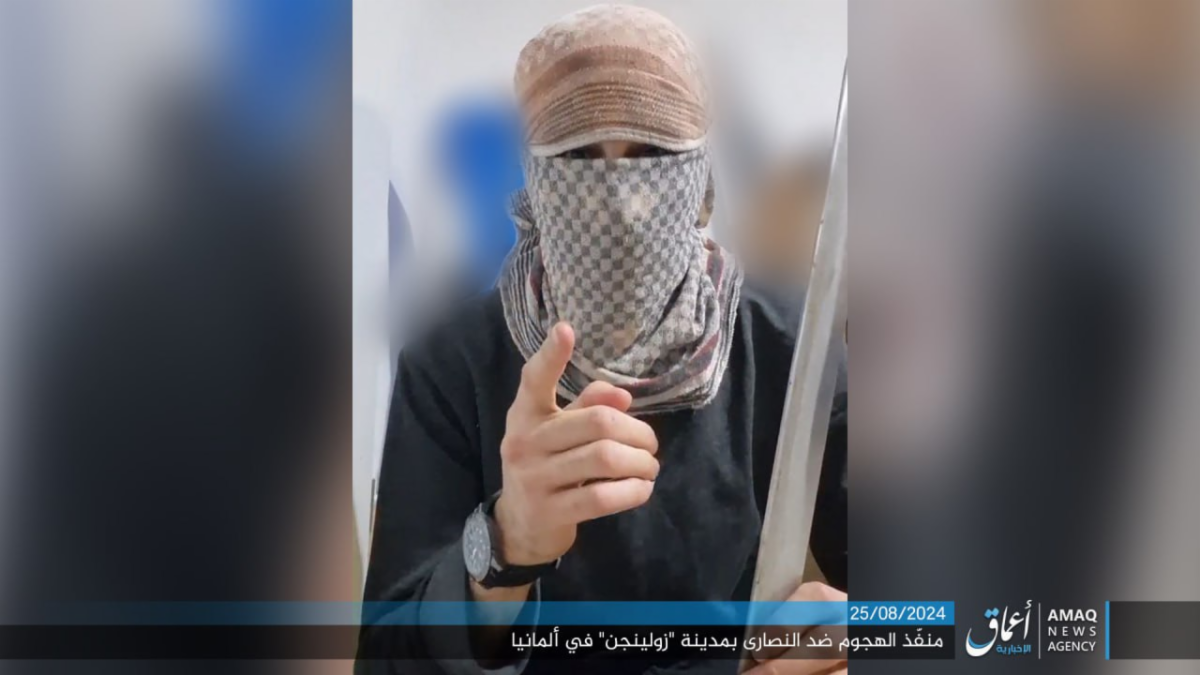
On 25 August 2024, the Islamic State's (IS) Amaq agency released a statement claiming responsibility for the knife attack in Solingen. The group framed the attack as an act of retaliation for the suffering of Muslims in Palestine, Iraq, Syria, and other Muslim-majority countries. Amaq emphasized a recent surge in IS-related attacks in the West, citing a video message from an IS spokesman that urged followers to target Christians, Jews, and other non-believers, particularly in Europe.
The statement also referenced IS's history of attacks in Germany, recalling the 2016 truck attack at a Christmas Market that killed 13 people and injured many others. Amaq released a video allegedly showing the Solingen attacker pledging allegiance to the IS Caliph and included footage captured moments before the assault. Although the perpetrator ultimately surrendered to authorities, IS chose not to reveal his identity, instead blurring his face and withholding his name in the video.
It is noteworthy that IS claimed responsibility for this attack despite the suspect being in custody and awaiting trial, which is almost unheard of for the group. Typically, IS only claims credit for attacks where the assailant is killed or successfully escapes. The decision to claim responsibility in this case suggests that IS may be attempting to capitalize on the propaganda value of an attack on European soil, particularly given the recent increase in rhetoric calling for strikes in the West. The fact that Issa al H. willingly surrendered might indicate that he does not intend to evade prosecution, presenting an atypical case for IS to claim.
Context and Additional Observations:
Several factors suggest that the Solingen attack was strategically planned to maximize impact. The festival featured a dense concentration of attendees, entertainment venues, food stalls, and live music. TRAC analysts speculate that the perpetrator used the crowded environment to covertly approach his victims and stab them near the concert area to avoid causing widespread panic.
Notably, just one day before the attack, on 22 August, the Geilenkirchen NATO Air Base, located 103 kilometers from Solingen, raised its security levels for the second time in a week due to concerns over a potential terrorist threat. Additionally, Solingen is renowned for its high-quality knife manufacturing, making it easy for individuals to acquire weapons capable of causing mass casualties during a terror operation.
The use of a knife aligns with the tactics frequently advocated by IS and al-Malahim Media/Inspire propaganda, which encourage cheap and easily executed attacks in urban areas of Western countries.
Details and Misinformation:
The attack has prompted significant media attention and some misinformation. Initial reports described the attacker as an “Arab-looking man” and incorrectly identified him as thirty-four-year-old Amar Odeh, who was reported dead at the scene. TRAC is confident that this is a false rumor spread by right-wing social media channels to incite racial tensions, similar to the aftermath of the stabbing of children at a Taylor Swift dance event in the United Kingdom. Furthermore, TRAC confirms that Amar Odeh, 34, is actually the name of a Palestinian involved in a separate knife attack in Holon, Israel, on 4 August.
This knife attack in Solingen highlights the continued threat of lone-wolf terrorism in Europe, particularly inspired by Islamic State rhetoric. The unusual nature of the assailant’s surrender and IS's immediate claim of responsibility suggests a shift in the group's strategy, possibly to maximize the psychological impact and maintain relevance in the West. As investigations continue, it remains critical to monitor the potential for further radicalized individuals to act on such calls for violence.
| |
TRAC Incident Report: Islamic Movement of Nigeria (IMN) Militants Armed Assault on Nigerian Police Officers & Arson Several Vehicles at a Nigerian Checkpoint, in Abuja, Federal Capital Territory, Nigeria | |
|
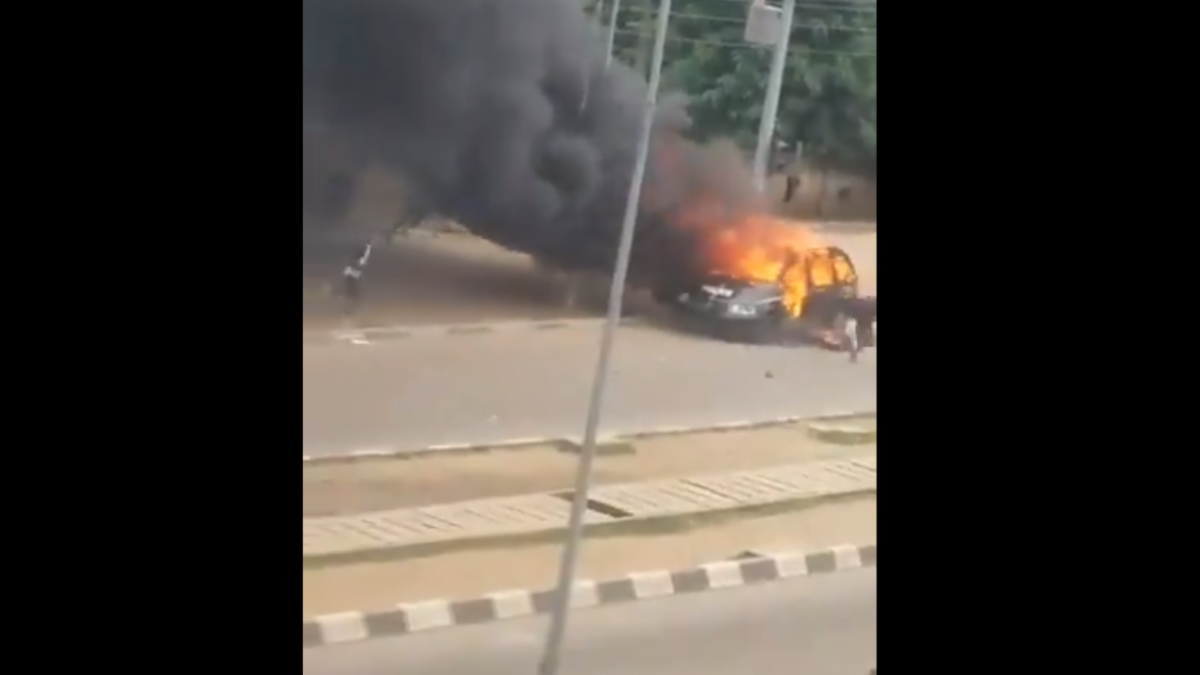
On 25 August 2024, two police officers were killed and three others left unconscious following a violent attack by members of the proscribed Islamic Movement of Nigeria (IMN) in Abuja. The assailants, armed with machetes and improvised explosive devices (IEDs), targeted a police checkpoint, where they set three patrol vehicles on fire, causing significant damage and disruption.
The IMN, which has not been particularly active in recent years, appears to be reemerging in response to a series of escalating tensions. Protests earlier in the month, combined with a heavy-handed crackdown by the Nigerian government on local communities, have fueled growing resentment. The government's actions, coupled with ongoing accusations of corruption and allegations of promoting radicalization, have created an atmosphere of mistrust and dissatisfaction. In such a context, measures like increased police checkpoints may be perceived by parts of the population as oppressive, further aggravating tensions.
This series of events has contributed to the resurgence of the IMN, and there are signs that the group may be gearing up for additional confrontations. TRAC assesses that the IMN is likely to escalate its activities and that more attacks could occur in or around populated areas in the near future. The potential for increased violence poses a significant threat to stability in Abuja and other urban centers, particularly if local grievances continue to be ignored or mishandled by the government.
The reemergence of the IMN suggests a shift towards renewed militancy, potentially drawing on both domestic frustrations and external ideological influences.
| |
TRAC Incident Report: (Suspected) Islamic State Kavakaz (ISK/ISQ) Militants Lay Siege To Volgograd IK-19 Maximum Security Prison Taking Hostages and Killing Four Guards, Syrovikino, Russia | |
|
On 23 August 2024, several detained men took multiple prison staff and guards hostage at a detention center in Syrovikino, a town in the Volgograd region of Russia. Initial reports indicated that at least one prison guard had been killed, with allegations that the attackers may have also targeted the prison chief. Later, official sources confirmed that a Slavic prisoner, Aleksander Boiko, who had attempted to assist the guards, sustained serious injuries along with other officers and later died in the hospital. In total, four officers, including high-ranking personnel, were killed by the attackers, and four others remain in critical condition in the hospital.
The attackers were neutralized by a SWAT team, which stormed the prison. According to sources on the ground, one of the attackers was wearing a suicide vest. All of the assailants, identified as members of the Islamic State Kavkaz (ISK/ISQ), were killed, along with four prison guards. The remaining hostages were successfully freed. TRAC will continue to monitor and update this situation as more information becomes available.
A local Muslim religious leader arrived at the prison in an attempt to negotiate the release of the hostages. One of the videos recorded by the perpetrators showed a hostage with severe injuries, desperately pleading for medical assistance. This attack marks yet another Islamic State operation on Russian soil, following the June 2024 hostage situation at the Rostov prison facility. The string of recent attacks demonstrates an escalating threat posed by IS in Russia, highlighting their ability to carry out coordinated strikes against critical targets.
Russian authorities confirmed that at least four attackers were involved—two from Tajikistan and two from Uzbekistan. Reports later revealed that the attackers inflicted severe knife wounds on the prison guards, resulting in the deaths of four officers. A 25-year-old officer, who was tortured by the militants, later died in the hospital. Additionally, four prisoners were killed by the attackers, bringing the total death toll of the incident to eight.
A local lawyer, familiar with the detention center, reported that a serious conflict had erupted between radical Muslim inmates and Slavic prisoners before the attack. The prison guards and administration had been trying to mediate the dispute. This internal conflict became evident when police discovered four deceased inmates with their hands bound behind their backs, indicating they were executed by the attackers. Survivors among the prison staff stated that the violent incident was facilitated by a shortage of officers and overcrowded conditions within the facility.
The attackers assaulted several officers in an administrative room, inflicting severe injuries and overpowering their defenses. They also killed four other prisoners using knives and hammers. After gaining control, the attackers filmed videos in the prison's inner yard, where they tortured a captured officer. In a series of videos uploaded to Telegram, one of the assailants called on the global Muslim community (Ummah) to awaken, accusing Russia and President Vladimir Putin of perpetrating injustices against Muslims. The attack was framed as an act of revenge for the imprisonment of the "brothers" involved in the Crocus City Hall attack.
The attackers were armed with hammers, glass bottles, and knives and had access to high-speed internet, cell phones, and chargers. While unconfirmed, it is believed they may have assembled an explosive device inside the prison, though details on how they acquired the materials remain unclear.
Perpetrators:
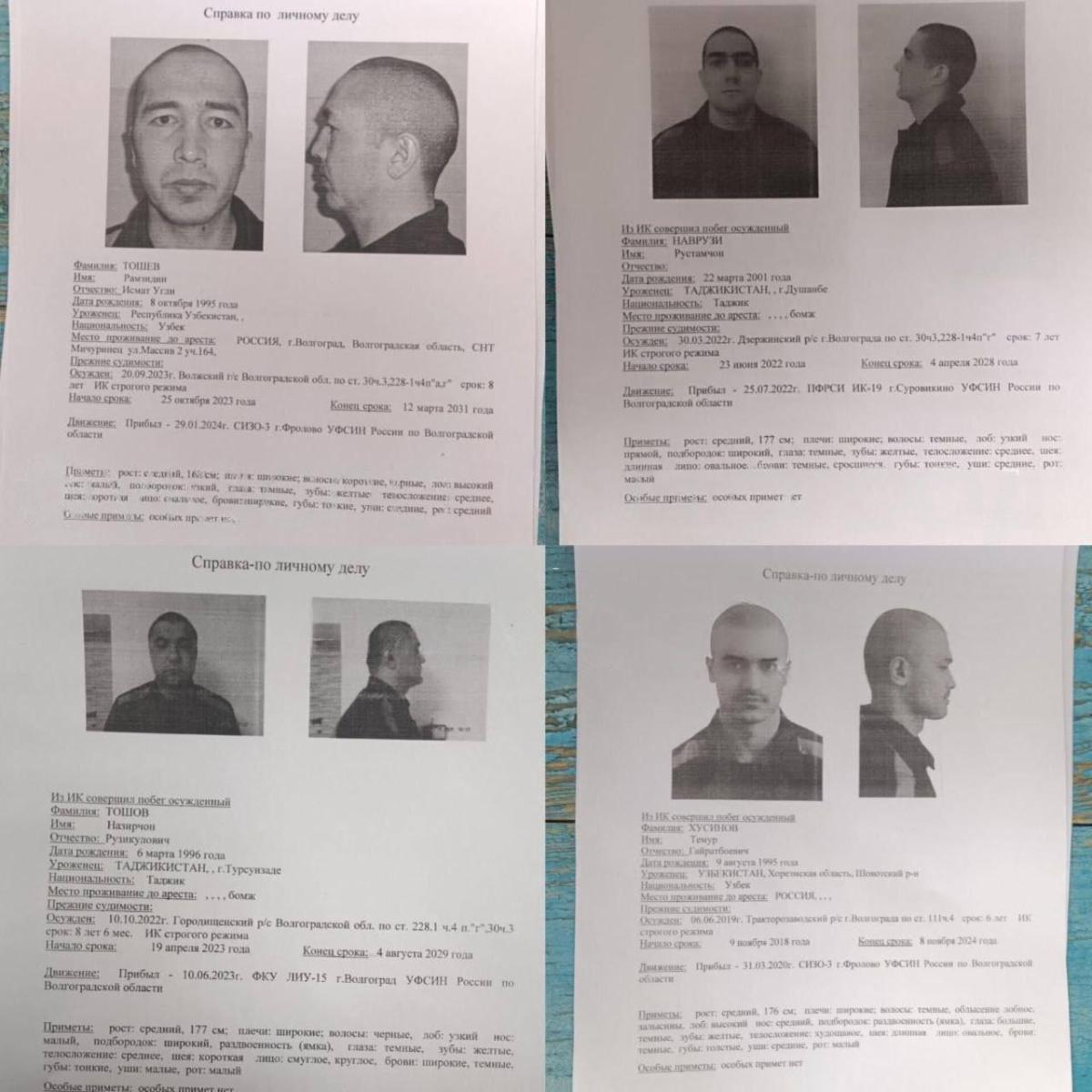
Russian authorities provided details about the four identified attackers:
-
Toshev R. Ismat Ugli – Born in 1995 in Uzbekistan; was living in Volgograd before being sentenced by a Russian court for illegal drug activities in September 2023.
-
Navryzi R. – Born in 2001 in Tajikistan; sentenced to seven years in prison in 2022.
-
Toshev Nazirchon – Born in 1996 in Tajikistan.
-
Xysinov T.R. – Born in 1995 in Uzbekistan; sentenced in 2018. He allegedly wore an explosive vest and threatened to kill all the hostages.
In 2024, the Islamic State Kavkaz has become increasingly aggressive within Russia. Despite heightened security measures and counter-terrorism efforts by the FSB and police following the Crocus City Hall attack, which resulted in over 145 deaths, IS members continue to prepare new attacks. The attackers at the Volgograd Prison claimed their actions were in retaliation for the imprisonment of individuals involved in the Crocus City Hall attack on 22 March 2024. This act of retribution is consistent with IS's broader strategy of vengeance and terror.
There is also speculation that the Islamic State's Emni, the group's intelligence wing, may have played a role in orchestrating the prison siege. The involvement of detainees from Tajikistan and Uzbekistan raises the possibility that Islamic State Khurasan (ISK), a branch known for recruiting from Central Asian countries, could have been involved in the planning or execution of the attack.
This incident highlights the ongoing and escalating threat posed by Islamic State-affiliated groups within Russia. The attack at the Syrovikino detention center is indicative of a coordinated effort by IS factions to target Russian security institutions, likely as part of a broader strategy to destabilize the region and retaliate against perceived injustices. The growing involvement of militants from Central Asia, particularly from Tajikistan and Uzbekistan, suggests an expanding network of IS recruits in Russia.
The attack also underscores systemic issues within Russian detention centers, including overcrowding and understaffing, which may have contributed to the security breach.
| |
TRAC Incident Report: Veracruz Deputy-Elect Amado Solís Guzmán Found Executed and Bagged, in María Andrea Community, Venustiano Carranza, Puebla, Mexico | |
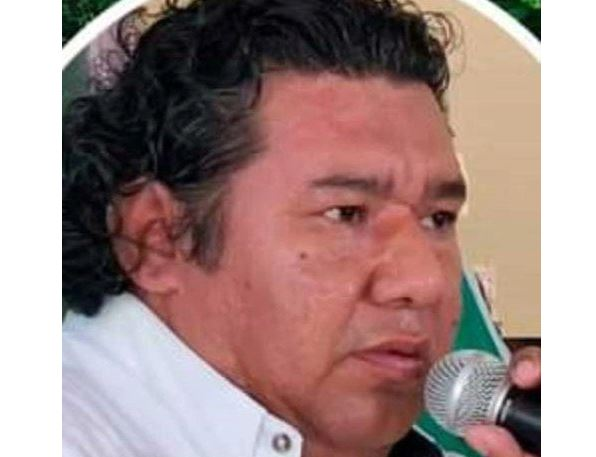 | |
On 19 August 2024, the body of Amado Solís Guzmán, an elected deputy for the Green Ecologist Party of Mexico (PVEM), was found in Venustiano Carranza, Puebla. He had been abducted five days earlier, on 14 August 2024, in Álamo Temapache, Veracruz. His body was discovered in a bag on the side of the Mexico-Tuxpan highway, a grim indication of the violent circumstances surrounding his death.
The murder of Amado Solís Guzmán is a stark example of cartel-related violence targeting political figures in Mexico, particularly those affiliated with parties advocating for environmental protection, such as the PVEM. This violence often stems from complex interactions between political agendas and organized crime interests. Guzmán's murder is likely linked to his policy proposals, which conflicted with the interests of local cartel organizations. Cartels often view green movements as direct obstacles to their operations, particularly when these movements advocate for environmental regulations or land use policies that could disrupt or expose illegal activities, such as drug cultivation, logging, or mining.
For cartels that thrive on minimal governmental oversight, such political movements are perceived as threats to their business models. To protect their operations and maintain their illicit enterprises' dominance, cartels may resort to extreme measures, including the assassination of individuals who pose a risk to their activities. The elimination of political figures, especially those advocating for environmental causes, serves as a strategic move to deter others from challenging their influence and to ensure the unimpeded continuation of their illegal enterprises.
Primary Suspect: Jalisco New Generation Cartel (CJNG)
While the exact cartel responsible for Solís Guzmán's murder has not been conclusively identified, the Jalisco New Generation Cartel (CJNG) is considered the primary suspect. The CJNG is known for its violent tactics and has a notorious reputation for using brutal force to protect and expand its interests. The cartel maintains a strong presence in regions like Puebla, where Solís Guzmán was politically active, and has a history of targeting political figures who challenge or threaten their operations.
The CJNG’s involvement in this case would align with its established pattern of targeting political figures perceived as obstacles to their activities. The cartel has previously demonstrated its willingness to eliminate anyone who opposes or interferes with its control over territory and operations, particularly in regions crucial to its interests. Given the CJNG’s known hostility toward environmental regulations that could limit their exploitation of natural resources or their ability to use remote areas for drug production and trafficking, it is plausible that they viewed Solís Guzmán’s environmental advocacy as a direct threat.
Furthermore, the CJNG’s reputation for employing highly visible acts of violence serves multiple purposes: it sends a strong message to other political figures, deterring them from taking actions that could jeopardize the cartel's operations, while simultaneously reinforcing the cartel’s image of ruthless control over its territories. The high-profile nature of Solís Guzmán's murder—abduction, followed by the disposal of his body along a public highway—fits this pattern of intimidation and spectacle.
| |
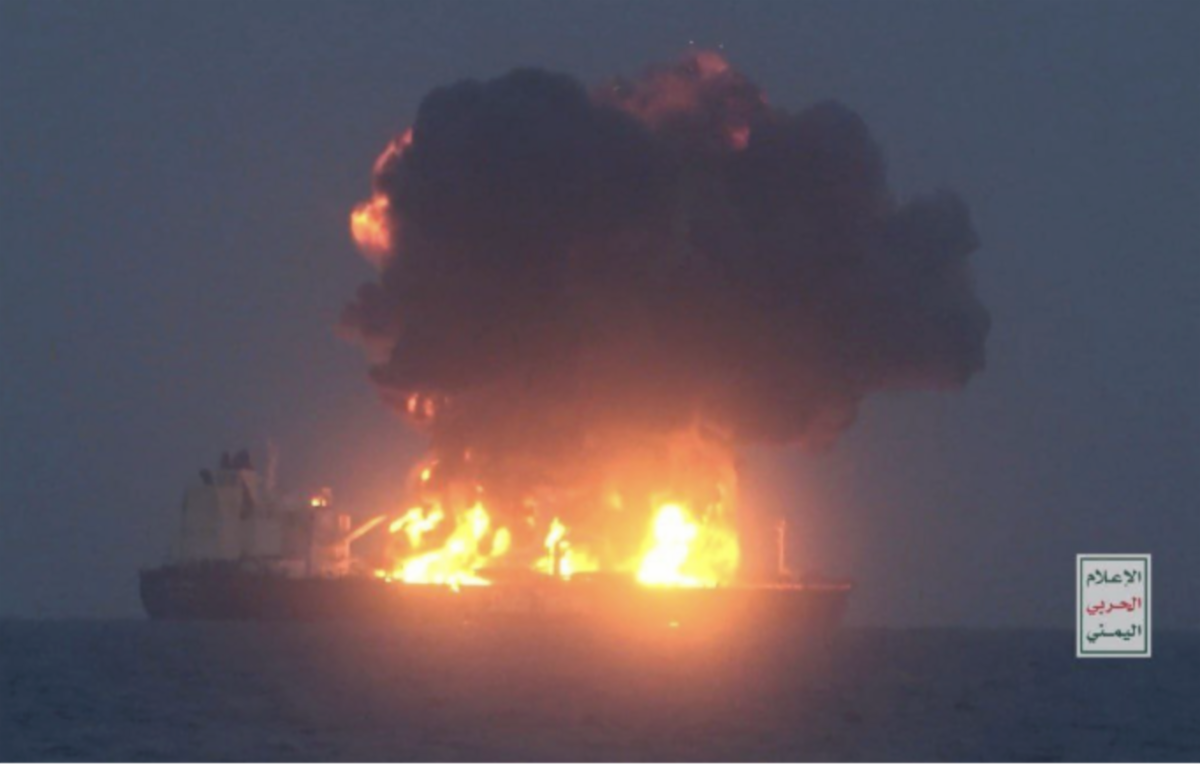
TRAC Incident Report: Houthi (Ansarallah) Pirates on Small Boats Fire Rockets at the Greek-Owned Tanker ‘Sounion’ & ‘Sw North Wind I’ Off the Coast of Hodeidah, Yemen, Red Sea | |
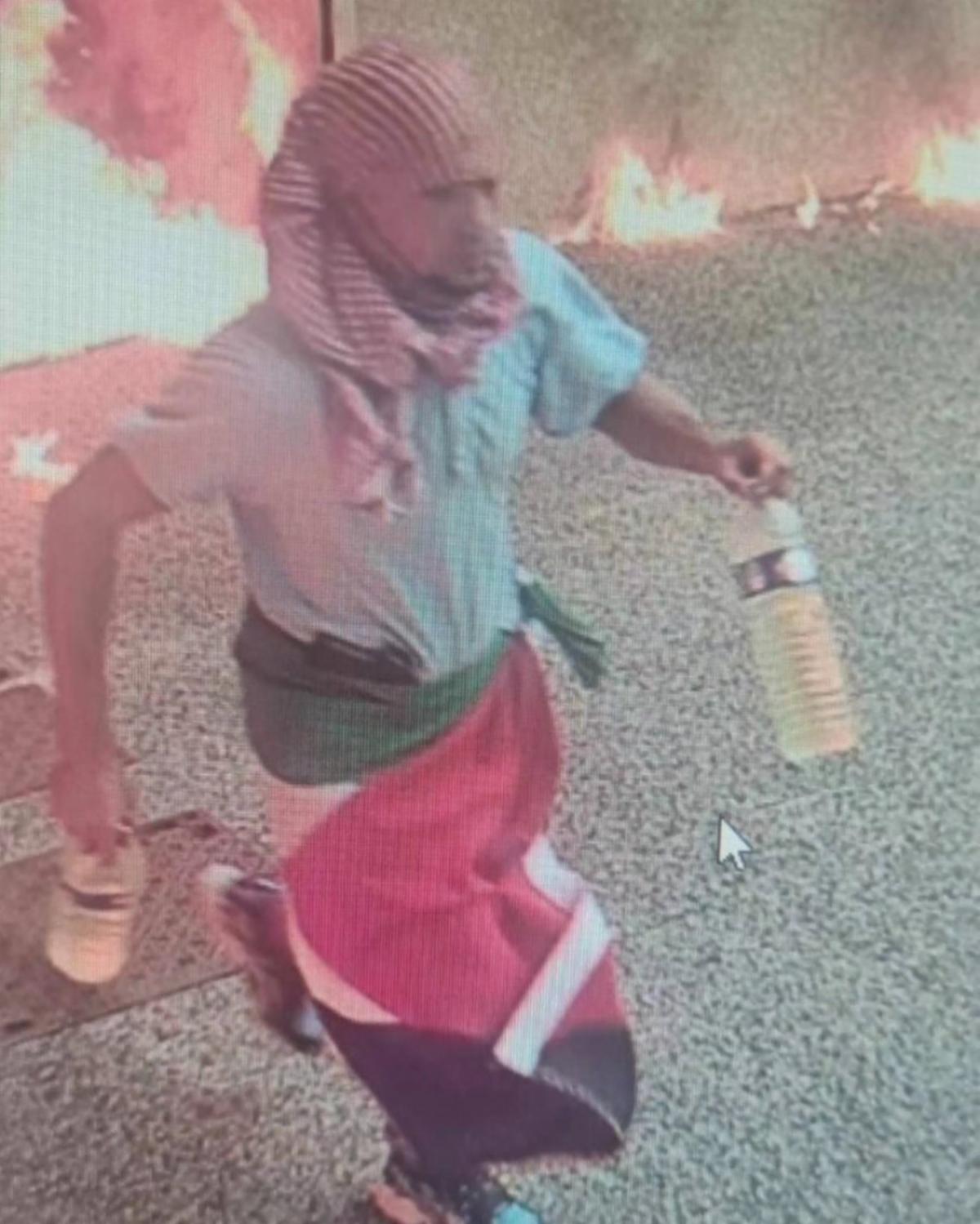
TRAC Incident Report: Unknown Individual Sets Fire to Two Cars Outside Ben Yacoov Synagogue and Its Entrance, in La Grande Motte, France | |
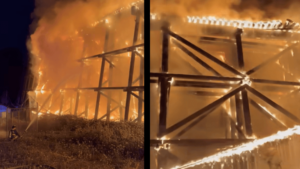
(Claim / Anonymous Anarchist) Anarchists Claim Responsibility for Arson Damage to Railroad Bridge, in Solidarity with Environmentalists, at the Willamette River, Oregon, United States | | | | |