|
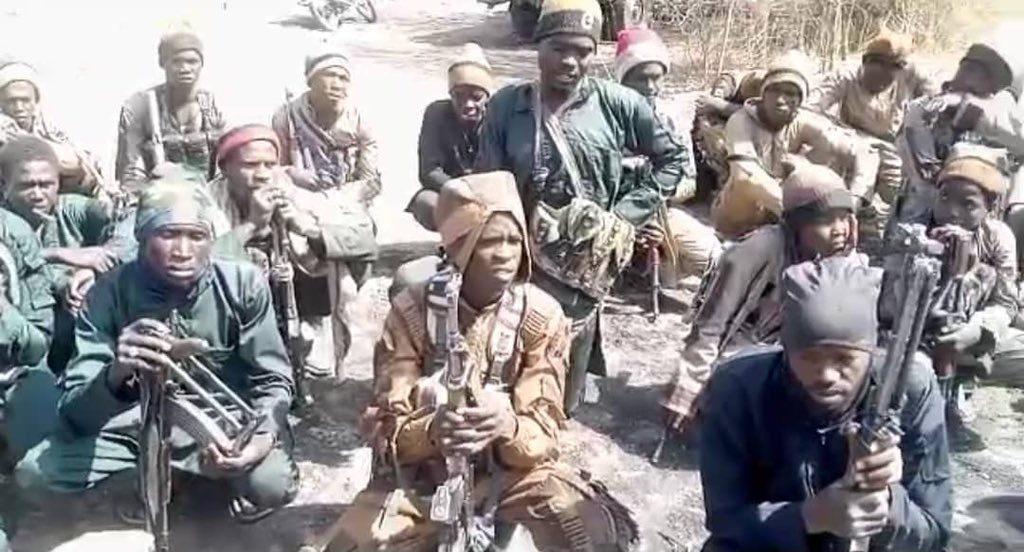
Over 100 fighters have been killed in recent clashes between ISWA (Islamic State West Africa) and Boko Haram in the Borno and Lake Chad regions, specifically in Toumbun Gini, Kwatar Shalla Shuwari, and Dawashi Kwalta. Both sides are estimated to have lost over one hundred fighters in these fierce encounters:
- Toumbun Gini (02 August 2024):
Boko Haram’s JAS Buduma faction launched a surprise attack on ISWA forces, resulting in the deaths of nearly 100 ISWA fighters. This attack targeted an ISWA headquarters, leading to a decisive victory for Boko Haram. JAS captured a significant amount of weapons and took control of nearby areas, including Toumbun Kare and Toumbun Rogo, forcing ISWA to retreat.
- Kwatar Shalla Shuwari (06 July 2024):
JAS fighters attacked ISWA positions, killing 16 fighters and capturing eight water vessels, along with weapons and a substantial amount of cash. The seized items were delivered to Boko Haram leader Abu Umaima in Diffa, Niger, further strengthening their operational capabilities.
- Dawashi Kwalta (08 July 2024):
Over 20 ISWA fighters were killed, some drowning while attempting to escape via the river. JAS forces captured several items during the encounter, further consolidating their gains.
The resources captured by Boko Haram’s JAS Buduma faction—including weapons, equipment, water vessels, and tens of millions of Naira in cash—are strategically vital for their ongoing operations. These assets enhance their ability to control newly acquired territories and support future military engagements against ISWA. The water vessels, in particular, are crucial for mobility in the Lake Chad region, allowing Boko Haram to conduct operations and supply routes across the challenging terrain. The captured cash and weapons will strengthen their combat effectiveness and financial stability, potentially enabling them to recruit more fighters and sustain prolonged conflict with ISWA.
This series of victories marks a significant triumph for Boko Haram, which had been weakened in recent years by the defection of many of its fighters to ISWA. The capture of ISWA’s headquarters in the Lake Chad region is not only a military success but also a symbolic victory, further cementing Boko Haram’s resurgence and control in the area. Much of the cash taken represents the accumulated extortion money that ISWA has collected from towns in and around Lake Chad.
Notably, this is not the first time JAS forces have engaged in Toumbun Gini. On 07 January 2023, Boko Haram launched a surprise attack on ISWA that killed over 100 ISWA fighters. It appears that the recent assault was based on the lessons learned from that earlier encounter.
| |
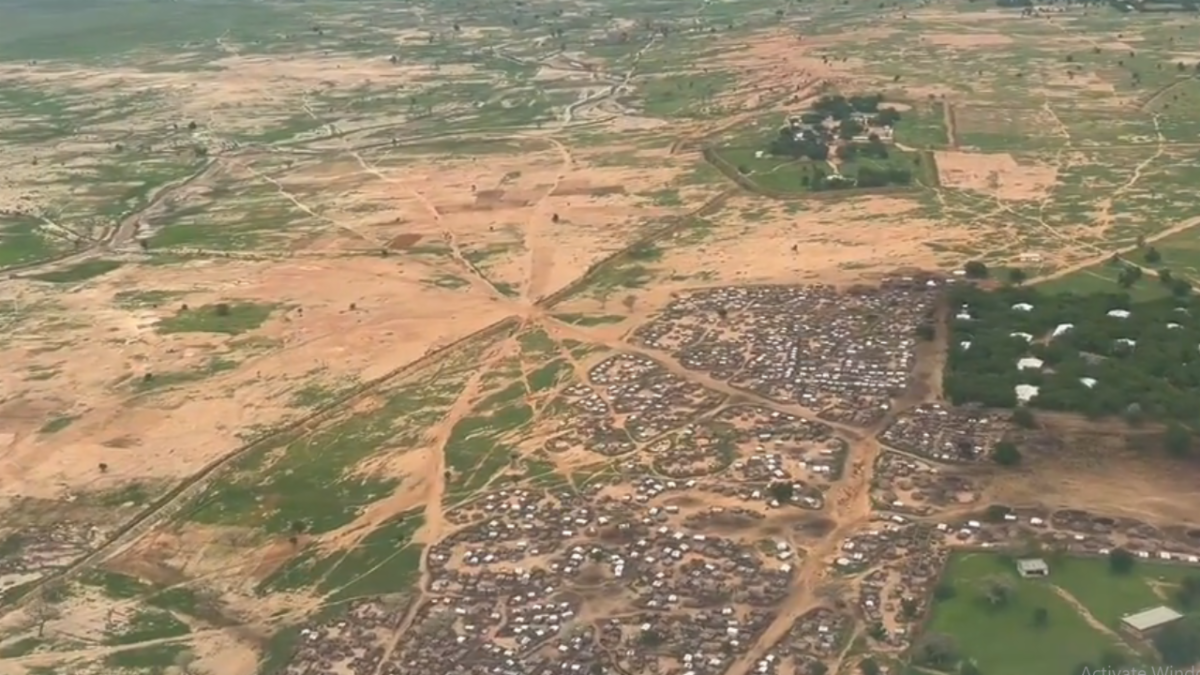
In response to these setbacks, on 12 August 2024, ISWA was observed mobilizing for retaliatory strikes via helicopter, following recent gains by Jama’atu Ahlis Sunna Lidda’awati wal-Jihad (JAS). Under the leadership of commanders Alhaji Khud’da and Mallam Akilu, ISWA is preparing to reclaim lost territory in the Lake Chad region. Intelligence reports indicate that ISWA fighters are moving at night to avoid detection, using armed water vessels to navigate the southern Lake Chad River Basin Area.
ISWA's objective is to recapture key territories, including Toumbun Gini, Kwatar Shalla Shuwari, and Dawashi Kwalta. Historically, ISWA has been the dominant force in the region, but it now faces ongoing attacks and counterattacks from JAS militants. Maintaining control over Lake Chad is crucial for ISWA as it projects its power throughout the region and supports its logistical and economic operations. Additionally, ISWA's image in Nigeria depends on its ability to demonstrate strength and stability. As JAS continues to gain victories, it potentially attracts more support, making it imperative for ISWA to act swiftly. The counterattack is intended to undermine JAS’s recent gains and prevent them from using the captured resources to fortify their defenses and strengthen their position.
| | |
TRAC Incident Report: Security Forces Detain Two Individuals Suspected of Planning an Attack on Taylor Swift Concert in Vienna in the Name of the Islamic State (IS), Ternitz, Lower Austria, Austria | |
|
On 07 August 2024, reports emerged of the detention of two individuals in Austria, suspected of plotting a terror attack during one of the Taylor Swift concerts in Vienna. Security forces apprehended a 19-year-old of North Macedonian origin in Ternitz, while a second individual was arrested in Vienna. Chemicals of unknown nature were seized during these operations, raising further alarm.
Both suspects are believed to have pledged allegiance to the Islamic State (IS) just weeks before their arrests. The 19-year-old, identified as “Beran,” an Albanian native, had reportedly devised a chilling plan to disguise himself as a police officer, drive a truck into crowds near the concert venue, and then attack survivors with a knife before detonating an explosive device. A search of Beran’s home uncovered IS propaganda, a police uniform, and bomb-making materials, confirming the severity of the threat. A photo circulating online shows Beran posing with knives while wearing an MTO T-shirt featuring an IS flag logo, eerily similar to the pose of an Albanian-born attacker involved in the 2020 IS Vienna attacks, which resulted in four fatalities.
The second suspect, a 17-year-old Austrian citizen of Turkish and Croatian descent, was detained near the Ernst Happel Stadium, where the concerts were scheduled to take place from 8 to 10 August. This suspect had recently started working for a company providing services at the venue, giving him potential access to sensitive areas. Local sources indicate that Beran had made significant progress in assembling an Improvised Explosive Device (IED), adding to the gravity of the plot. The duo had allegedly planned to use a vehicle-borne improvised explosive device (VBIED) outside the venue, complemented by machete attacks. Security forces also discovered materials related to IS and al-Qaeda at the 17-year-old’s residence, highlighting the depth of their radicalization.
This incident is part of an increasing counter-terrorism operations (CTOs) trend against suspected members, followers, and supporters of the Islamic State (IS) globally. It underscores the high alert status that national authorities are currently maintaining. Notably, this marks the second recorded operation in recent months in Austria against radicalized individuals suspected of planning lone-wolf attacks in the name of IS. This development is part of a broader series of operations targeting young individuals, often of foreign origin, across European territory. This trend underlines the role that social structure and stigmatization within European and Western societies play in the radicalization process.
The two suspects are believed to have been in contact online, where they were likely exposed to propaganda material that accelerated their radicalization. Given the chemicals seized by security forces, it appears they were planning to execute an IED attack, which would have had devastating consequences at a venue expected to host thousands of fans.
This incident also highlights the worrisome trend of online propaganda reaching young and vulnerable individuals, fostering a new generation of homegrown jihadists, particularly in the context of lone-wolf attacks. The young age of the suspects, coupled with their lack of prior association with established radicalized networks, presents a significant challenge for security forces, who must adapt their strategies to counter these evolving threats. The recent surge in propaganda posters from both official and unofficial IS outlets, urging lone wolves to carry out attacks on the kuffar (infidels), particularly at European sporting and leisure events, underscores the ongoing and pervasive threat posed by extremist ideologies.
| |
TRAC Incident Report: Islamic State Central Africa (ISCA/Wilayat Wasat Afriqiyah) Militants Led an Armed Assault on Congolese Militia Forces and Civilians in Mbalimbangwa, Tshopo Province, Congo (DR) (ISCA Expansion) | |
|
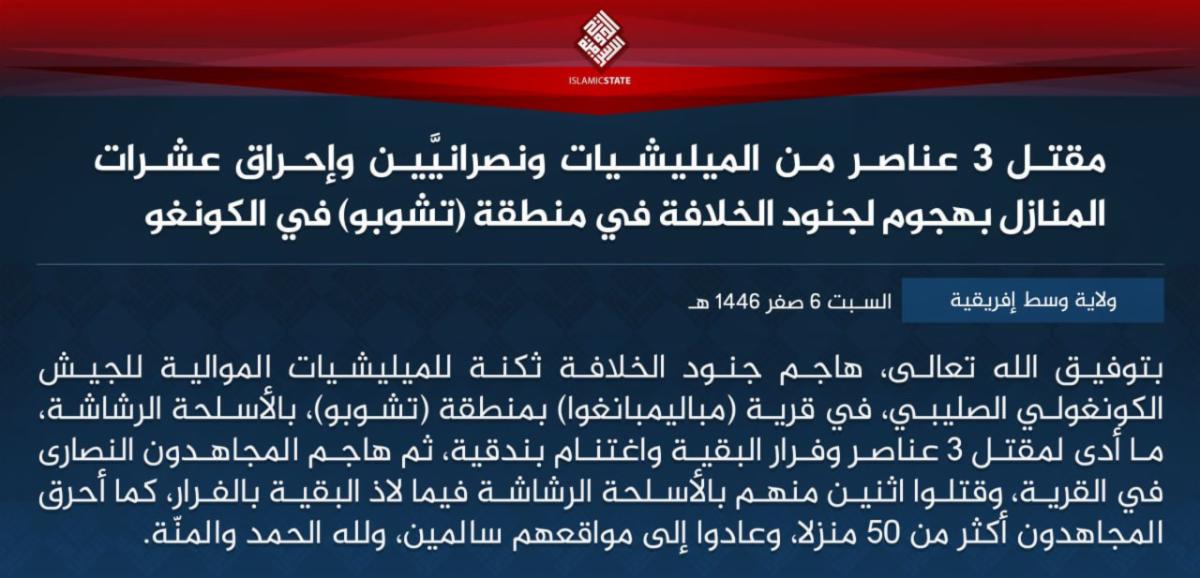
On 10 August 2024, Islamic State Central Africa (ISCA) militants launched a deadly assault on Congolese militia forces and civilians in the village of Mbalimbangwa, located in Tshopo Province, Democratic Republic of Congo (DRC). The attack resulted in the deaths of three militia members and two Christian civilians, followed by the destruction of 50 houses, which were set ablaze by the militants.
This is the first recorded attack by the group in Tshopo Province, highlighting a strategic expansion and adaptability within Central Africa. The group's shift westward from their previous stronghold in Bandulu, where they had conducted seven attacks, signals a deliberate effort to broaden their territorial influence and destabilize new areas within the DRC.
The move from Bandulu to Tshopo is not just a tactical retreat but a calculated maneuver likely driven by necessity. Bandulu, located at a terminal point on the road, offered limited escape routes for ISCA, effectively trapping the militants and forcing them to choose between extinction or retreating into the dense Congolese forest. By moving westward towards Tshopo, ISCA avoided direct confrontation and potential annihilation, allowing them to regroup and strike where they were least expected.
ISCA has a reputation for being adept at turning unfavorable situations to their advantage. This attack, though on a relatively small scale, will likely be framed as a projection of power by the group to their supporters and potential recruits in the region. The fact that this is the first ISCA attack in Tshopo Province adds a psychological element to their strategy, as it demonstrates their ability to penetrate and destabilize new territories. This expansion may be seen by their followers as a sign of strength and resilience, potentially attracting new adherents to their cause.
The element of surprise played a crucial role in the success of this operation. Tshopo Province, having never before been targeted by ISCA, was unprepared for such an assault. The group's unorthodox approach, moving through remote channels far from main roads, further enhanced their ability to catch the local militia off guard. This unexpected incursion allowed ISCA to maximize the impact of their attack, not only in terms of lives lost and property destroyed but also in terms of the broader message it sends across the region.
While the numbers involved in this particular attack may seem small, the implications are far-reaching. Tshopo Province, predominantly Christian, is now on the radar of ISCA militants, who are likely to view this new territory as fertile ground for recruitment and further expansion. The attack serves as a stark reminder of the group's growing influence and the increasing threat they pose to the stability of the DRC and the wider Central African region.
| |
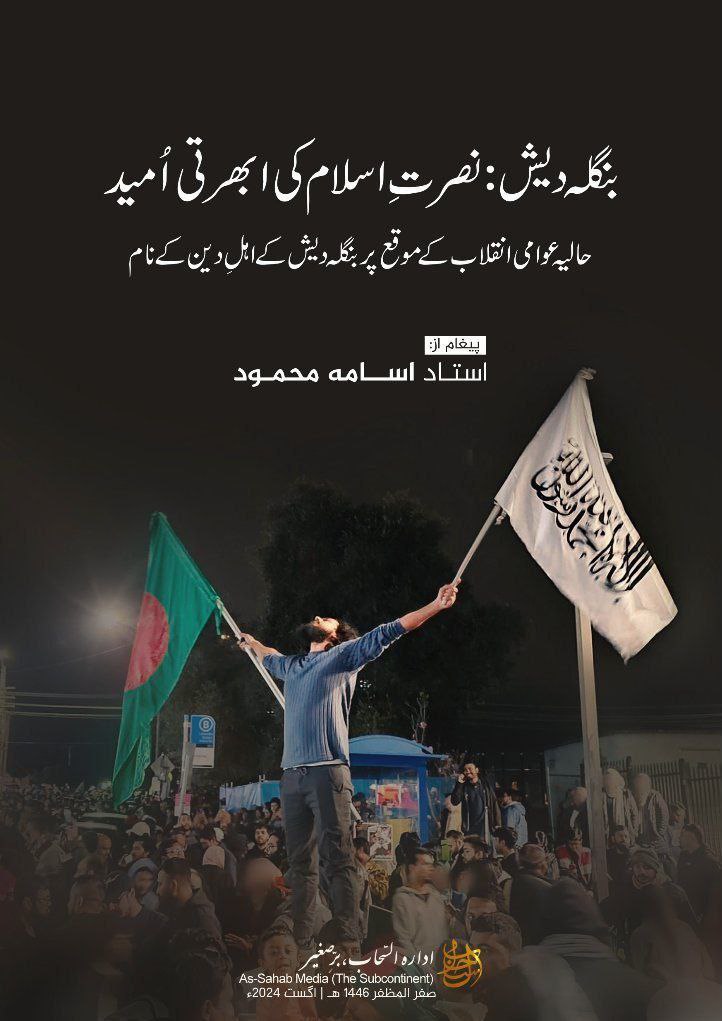
(Poster / Statement) Al-Qaeda in the Indian Subcontinent (AQIS) Leader Osama Mahmood Issued a Statement to the People of Bangladesh: ‘The Emerging Hope of Nusrat Islam’ | |
|
This by Osama Mahmood, the leader of Al-Qaeda in the Indian Subcontinent (AQIS), addressing the people of Bangladesh, signifies a strategic attempt by the group to capitalize on the political turmoil in the country. By praising the overthrow of Prime Minister Sheikh Hasina and urging the establishment of a “pure” and “true” Islamic government, Mahmood is trying to steer the protests toward a broader Islamist agenda. This move is consistent with Al-Qaeda’s long-term objective of establishing theocratic rule across the Muslim world, and it indicates an opportunistic approach to influencing local movements.
Mahmood’s call for Muslims to avoid participating in the new interim government further underscores AQIS’s rejection of secular or transitional political structures, emphasizing instead the need for an outright theocratic state. This aligns with the broader strategy of groups like AQIS, which seek to undermine and ultimately dismantle existing state structures that they perceive as un-Islamic.
The support from other Islamist organizations, such as Hizb ut-Tahrir and the Muslim Brotherhood, suggests a convergence of Islamist ideologies in the region, all aiming to leverage the current unrest in Bangladesh to push for an Islamic revolution. This situation poses a significant risk of escalating violence and further destabilization, as these groups may increase their efforts to radicalize the population and incite more aggressive actions against the interim government. The international community and local authorities will need to closely monitor these developments to prevent the situation from spiraling into a broader conflict.
The strategic timing of this message, coinciding with ongoing unrest and discontent, highlights AQ’s intent to destabilize the region further by sowing discord and encouraging insurrection.
| |
TRAC Incident Report: Ninety-Eight Colombian National Army Soldiers Kidnapped By “Peasant Guards” Affiliated with Central General Staff (EMC/FARC) in Chuapal, Guaviare Department, Colombia | |
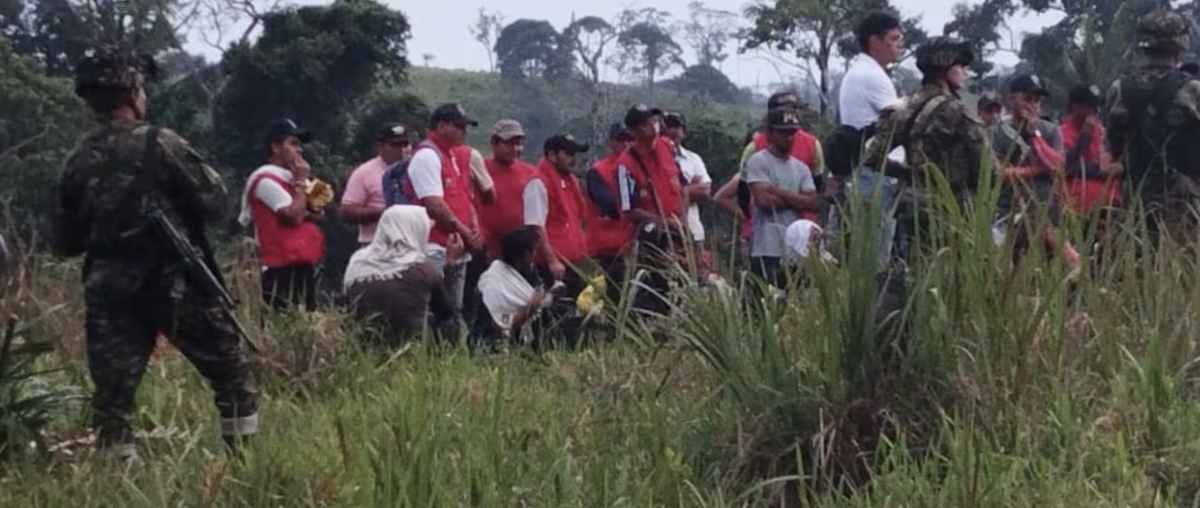 | |
On 9 August 2024, peasant guards affiliated with the EMC/FARC conducted a mass kidnapping of ninety-eight Colombian National Army soldiers in the village of Chuapal, located in the cocoa-rich department of Guaviare. While no casualties have been reported, the soldiers remain in captivity as hostages.
Reports from social media and local sources indicate that three platoons of Colombian National Army soldiers were conducting operations in Chuapal, strategically positioned between the remote villages of Chuapal and Bocas de Caño Capra. As the soldiers advanced towards the villages of Puerto Nuevo and Puerto Cachiamo, they were unexpectedly surrounded and immobilized by uniformed members of a peasant guard. This group, acting under the auspices of the EMC/FARC, successfully encircled the military units, effectively halting their progress and capturing them without resistance.
This kidnapping was likely orchestrated by the guerrilla leader Alexis Guerra, alias "Cantarino," an operative within the Jorge Briceño structure of the Central General Staff (EMC/FARC). Despite being taken hostage, the soldiers have reportedly been allowed to retain their personal belongings and weaponry, a tactic likely intended to facilitate negotiations and avoid immediate escalation. However, their continued detention underscores the power and influence of the EMC/FARC in the region.
The capture of nearly one hundred soldiers not only represents a significant operational setback for the Colombian National Army but also signals the continuing strength and reach of EMC/FARC dissidents in rural Colombia.
This incident also highlights the complex dynamics at play in Guaviare, where the intersection of illicit activities, such as coca cultivation and trafficking, and the presence of armed groups like the EMC/FARC, continues to challenge the authority of the Colombian state. The involvement of peasant guards in the kidnapping adds another layer of complexity, as these groups often have deep roots in local communities and may be motivated by a combination of political, economic, and social factors.
The successful execution of this mass kidnapping by EMC/FARC dissidents serves as a stark reminder of the persistent instability in Colombia’s rural areas, despite ongoing efforts by the government to combat guerrilla activities and restore order. The outcome of the negotiations will be closely watched, as it could set a precedent for future engagements between the Colombian government and armed dissident groups in the region.
| |
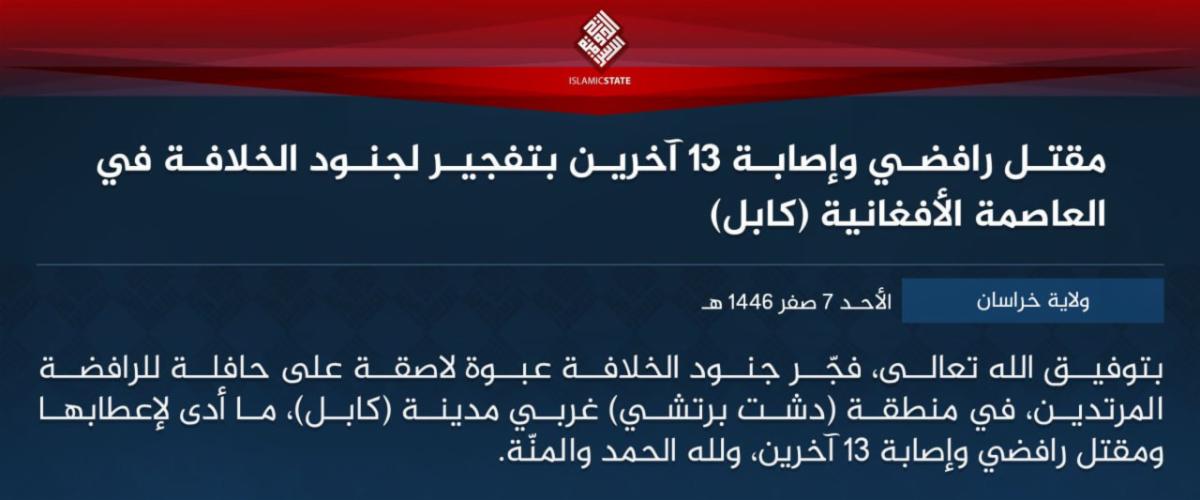
TRAC Incident Report: Islamic State Khurasan (ISK) Target a Passenger Van
with an Improvised Explosive Device (Magnetic/Sticky IED), in Dasht-e-Barchi, PD-6, Kabul, Afghanistan
| |
(Poster / Right-Wing Extremism) Eco-Fascist Share Stochastic Poster ‘The Boys in Blue Serve the Jew’ | |
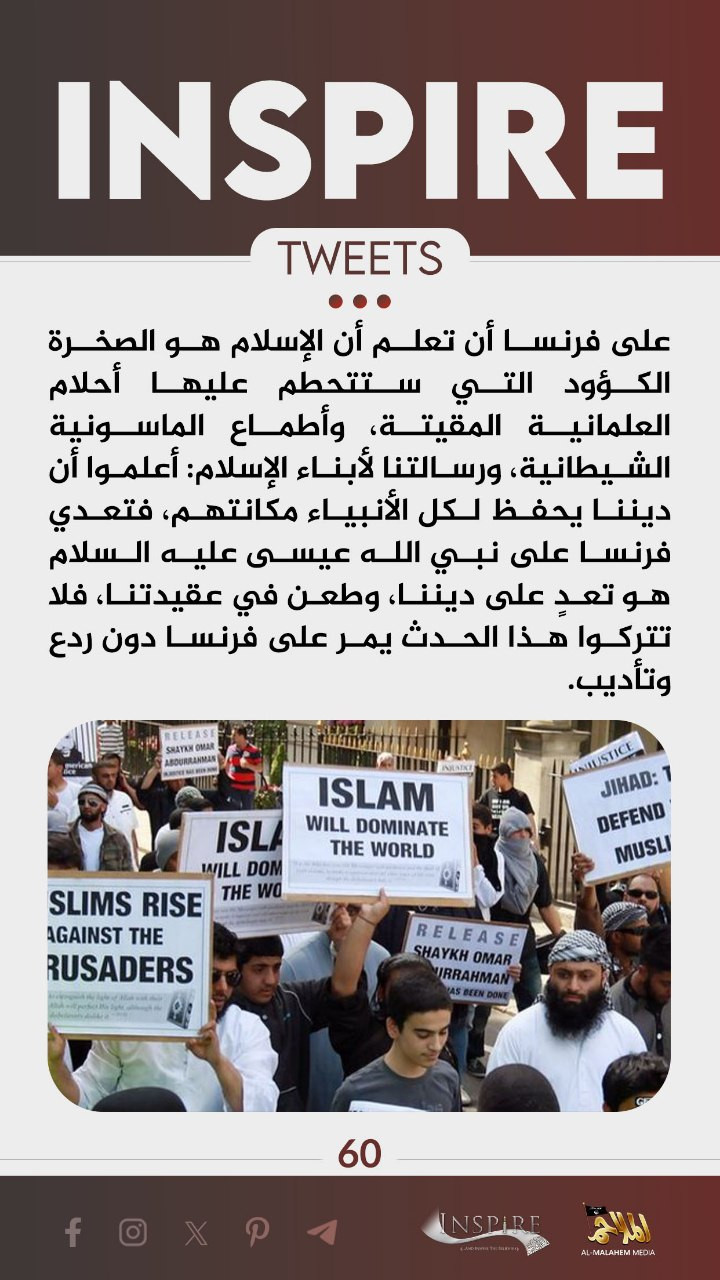
(Poster) Al-Malahim Media/Inspire (al-Qaeda in the Arabian Peninsula/AQAP) Circulate “Inspire Tweets” Poster (Issue #60), Encouraging Muslim Residents to Carry Out Attacks in France | | | | |