PWS-Logo.jpg

the Breakwater

A newsletter from the Prince William Sound Science Center

August 4, 2021

new building cropped.jpg

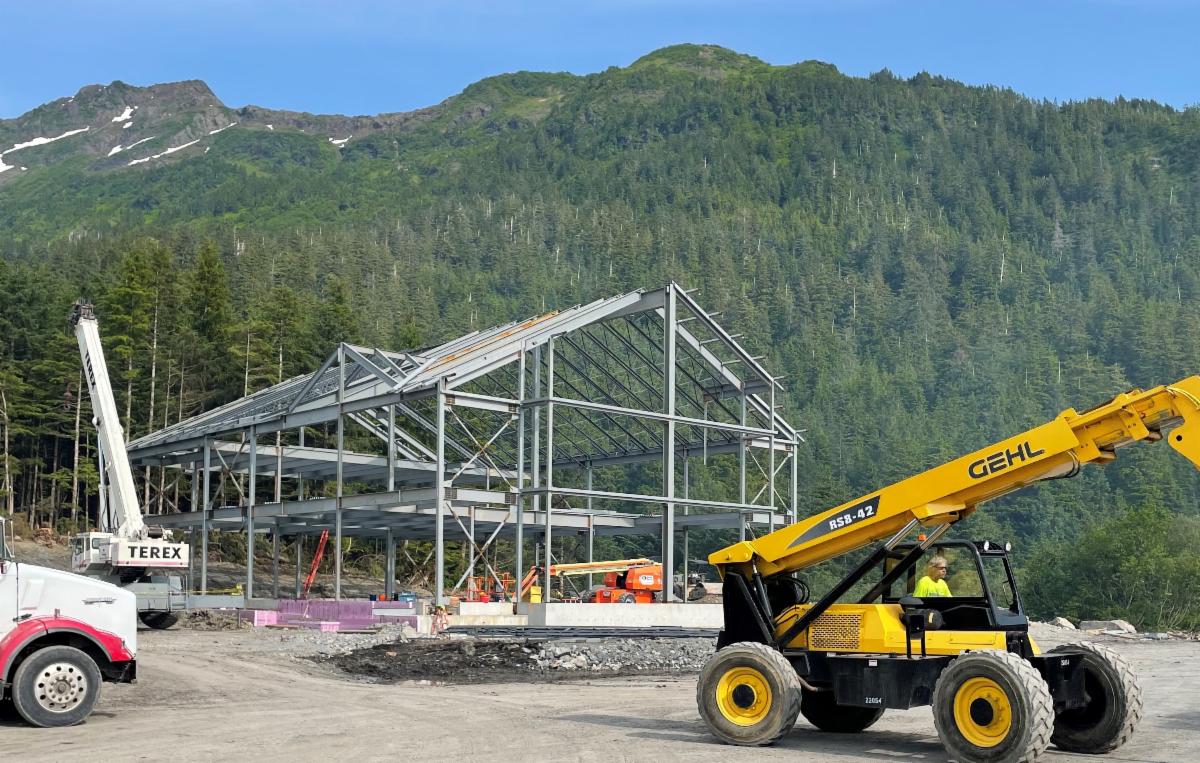
Featured photo: PWSSC building progress along Orca Road. Photo taken mid-July by Katrina Hoffman.

217950591_4605907542760837_1368658727545276706_n.jpg

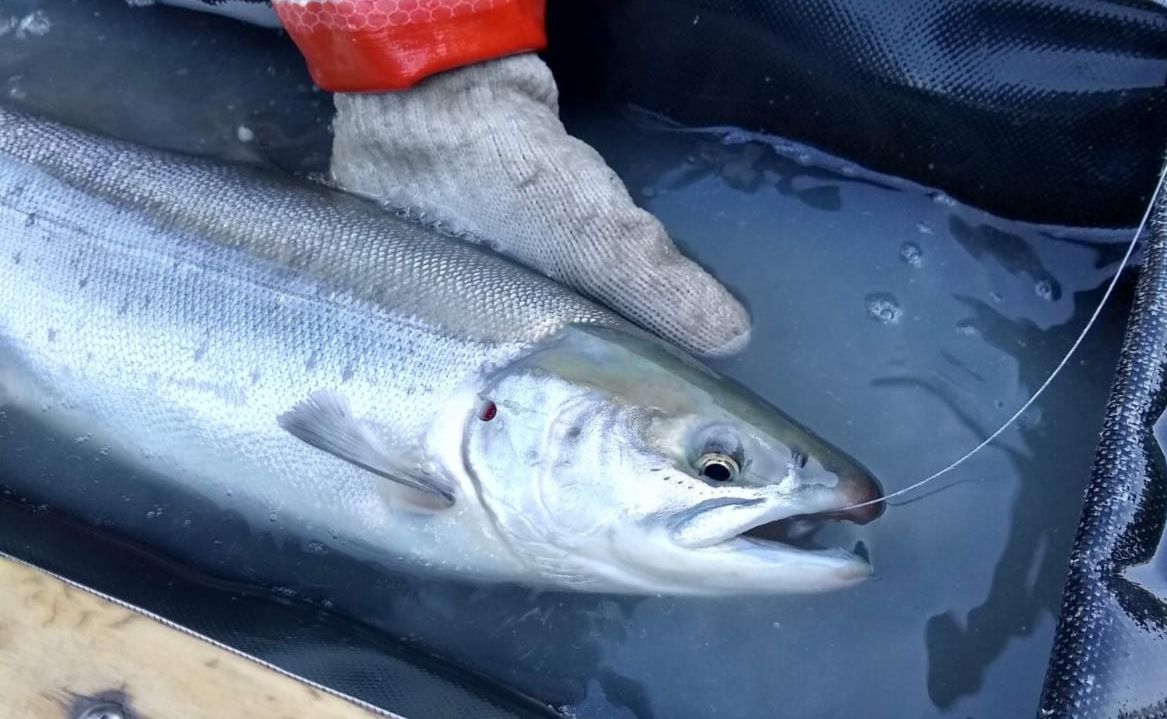
Radio-tagged Salmon Head up the Copper River

Over 300 salmon were radio-tagged earlier this summer as part of the Sockeye Salmon Migration Study in the Copper RiverOur goal is to understand how changes in size, condition, and health of sockeye salmon are affecting their ability to migrate and successfully reproduce in the Copper River. Through a combination of fixed antennas situated along river banks, aerial surveys, and tracking by foot close to the spawning grounds, we hope to describe their migratory patterns throughout the watershed. Click on the salmon (above) to see a map of their progress up the Copper River!


Thanks to the Copper River Marketing Association for supporting our project this year, and all the help from Native Village of Eyak at Baird Canyon and ADF&G for radio tracking support.

IMG_0567.jpeg

Summer Camp Success

The education team was thrilled to be able to hold summer camps in 2021 after the previous summer with no camps. The three fun, educational, and adventure-filled summer programs were a huge success!


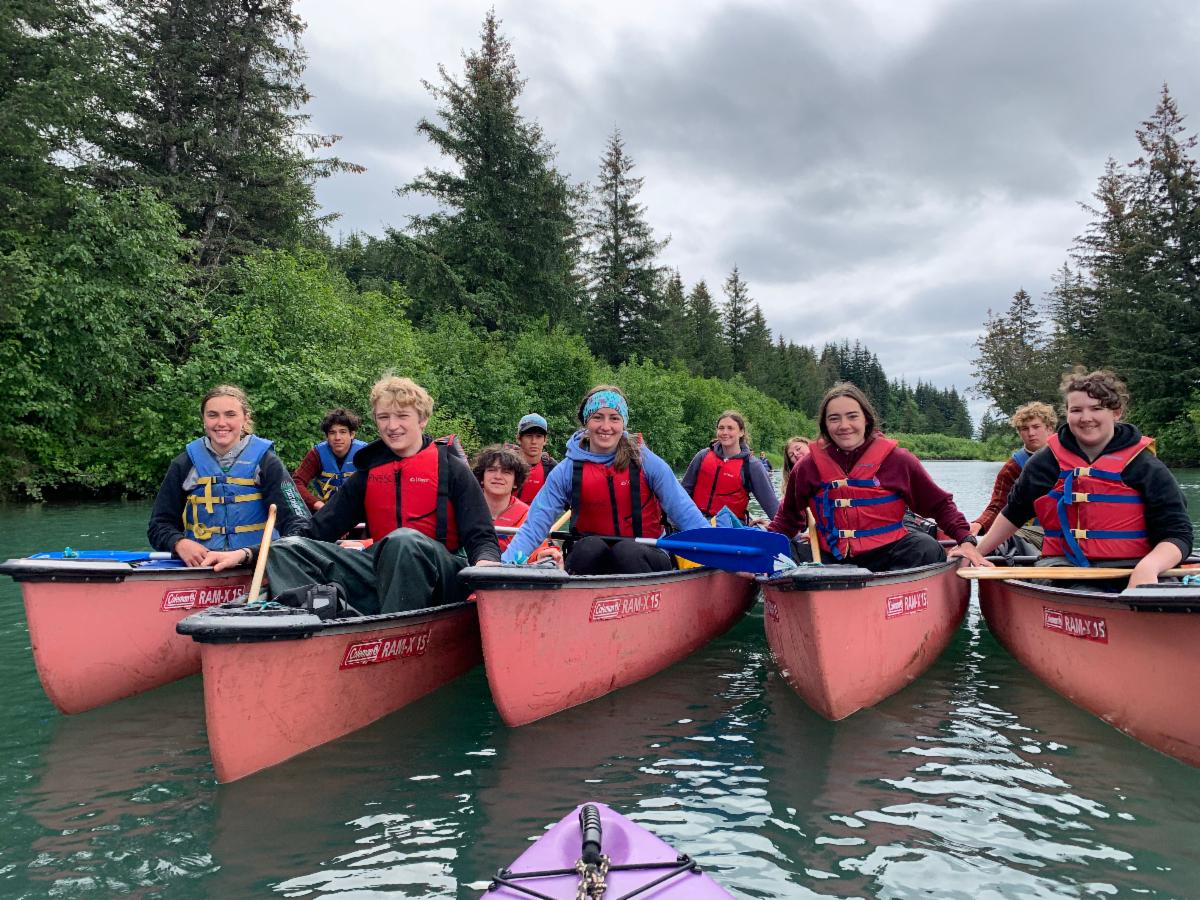
The Copper River Stewardship Program took eleven high school- aged stewards on a 10-day adventure throughout the Copper River Watershed. The theme this year was "Trout!" so we learned about trout life cycles and strategies for living in different ecosystems, set minnow traps in search of juvenile trout, examined culverts for fish passage, and more. The trip took us into the northernmost extent of Rainbow Trout's range and the northernmost extent of Coastal Cutthroat Trout's range so we compared these two species as we learned all about the different habitats they live in - which also happen to be the different "habitats" that the stewards live in. While we learned about trout, we also learned about the similarities and differences between stewards living all throughout the Copper River Watershed.


Two sessions of Headwaters to Ocean day camps for 8-10 year olds ran in June and July. Between the two camps, 18 campers learned all about our local ecosystems while spending time exploring the tide pools, glaciers, rainforest, and Copper River Delta we call home. We practiced making observations and asking questions, learned new words to describe our environments, played games, got wet and muddy, and had an absolute blast!

DSC_3433.jpg

Teacher Workshop in Cordova

Ten teachers from all over Alaska made their way to Cordova in May to participate in a Teacher Workshop, Environmental Science for Teachers, through Prince William Sound College. This professional development course was aimed at giving non-science trained teachers a way to explore and practice place-based education techniques in the field.


PWSSC educators were happy to help guide these teachers in our place-based programs. To get these teachers immersed in their learning environment and give them an appreciation of the work we do here, the education team planned three adventure-packed days for the group. We explored Prince William Sound on the R/V New Wave with Dr. Rob Campbell and Research Assistant Caitlin McKinstry to learn all about oceanography, plankton, and the Exxon Valdez oil spill. After a beautiful day on the water, we brought our plankton back to be identified under the microscopes and teachers competed in the Great Plankton Race (where they made a plankton designed to be the slowest sinker).


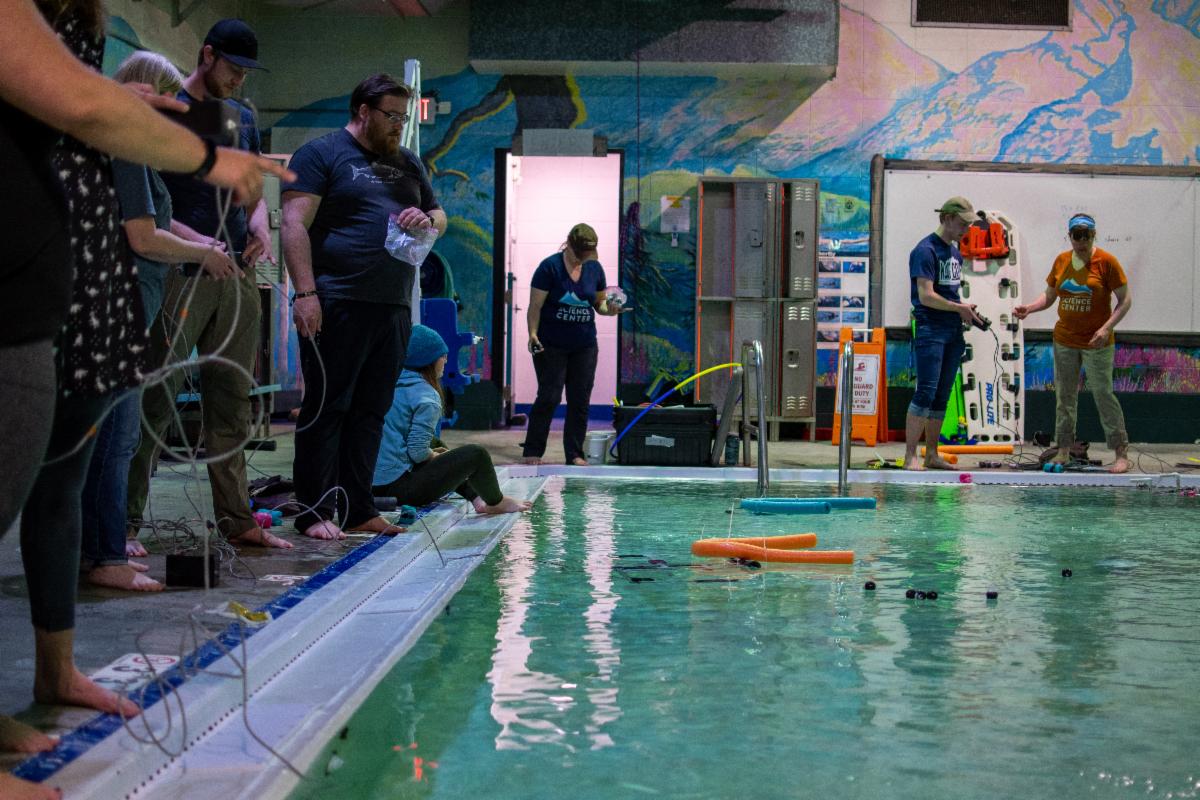
Teachers were also put to the test in our Remotely Operated Vehicle (ROV) Challenge where they teamed up to design, build, and maneuver an ROV through underwater obstacles in response to a mock oil spill situation. The ROV program is the ultimate STEM challenge and the teachers got to experience exactly what it would be like for their students should they chose to incorporate something similar into their own classrooms.


On our final day, we headed to Sheridan Glacier to learn about glaciology, discuss plant succession, and explore the wonders of Nature Journaling. Teachers spent time at the glacier working on nature journaling prompts and learning how it can be a wonderful tool to get students to slow down, make observations, ask questions, and make connections.


We had so much fun with these amazing and inspiring educators; we hope to be a part of many more Teacher Workshops in the future! The ROV Challenge during this program was supported by the Prince William Sound Regional Citizens' Advisory Council.

THANK YOU FOR YOUR SUPPORT

The Science Center is committed to understanding how one place on earth can maintain a reliable economy and natural environment for the long term. 


We need your help now more than ever. If you believe in our mission and care about what we do, please consider making a donation today. Every dollar helps us stay stable during these uncertain times.

DONATE NOW
Facebook  Twitter  Instagram