SUMMER NEWSLETTER

TURF WATCH: ARMYWORMS

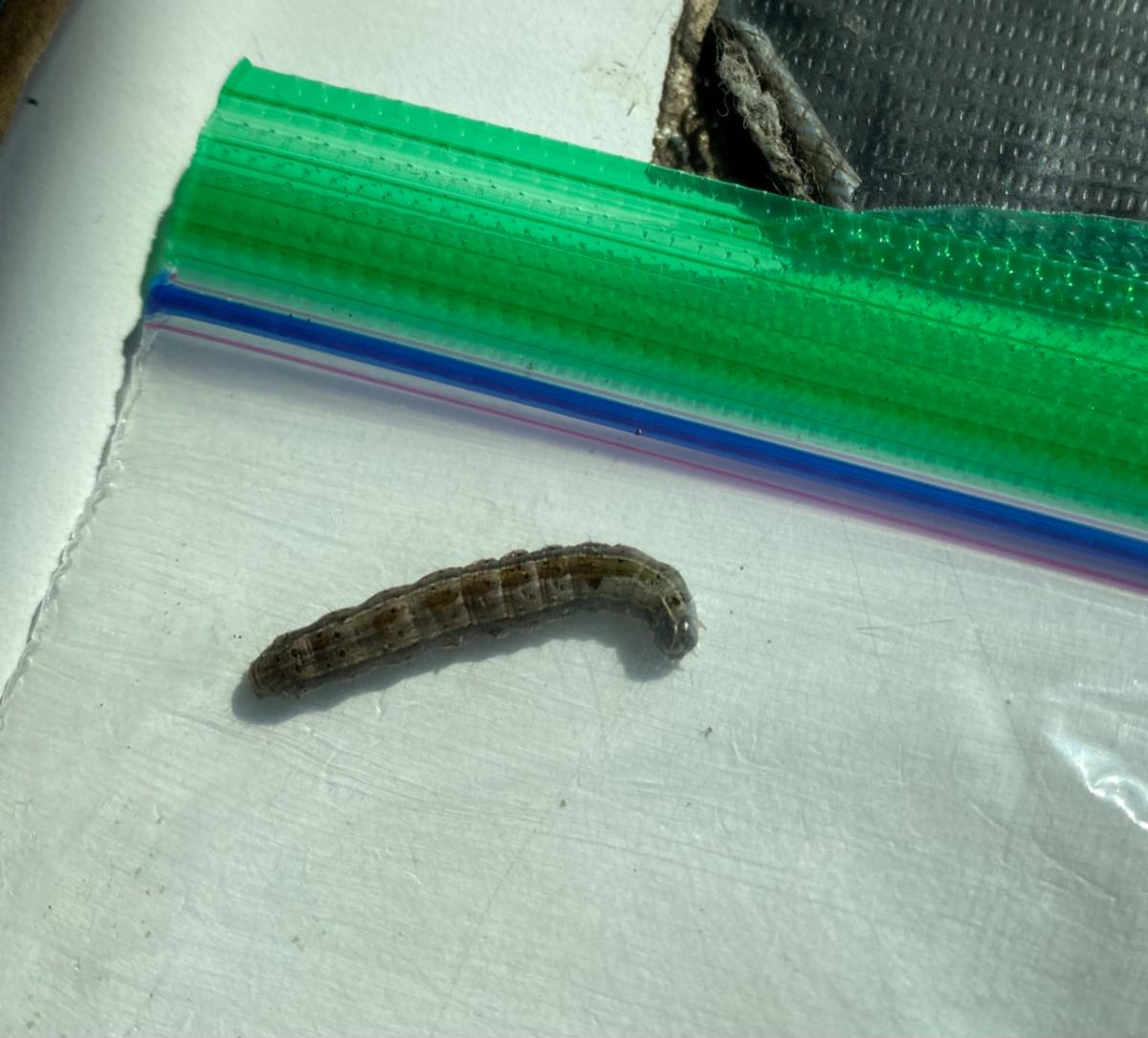
This newsletter was all prepared and ready to go out and then Hurricane Beryl threw a monkey wrench into our plans! You're probably asking yourself what the hurricane that hit Texas has to do with your lawn in Indiana (besides bringing us some much needed rain). Back in 2021, we had a lot of very strong early summer storms that came to our area from Texas. These storms brought with them insects that we don't normally see in our area, namely armyworms. We started seeing damage from armyworms in our lawns, something we had not seen in our area for over a decade. I want to be clear, this is not a WARNING yet, just a WATCH, as we don't know if these storms brought armyworms to our area or not. We will stay vigilant and look for signs of these insects, and we ask that you do the same and contact us if you notice lawn damage that is spreading very quickly (noticeable damage getting worse by the day.) To read more about armyworms, here is a link to our previous Turf Alert from 2021. We will keep you updated, if we do start to see armyworm damage in our area we will send out a separate Turf Alert newsletter.

GRUB SEASON IS HERE!

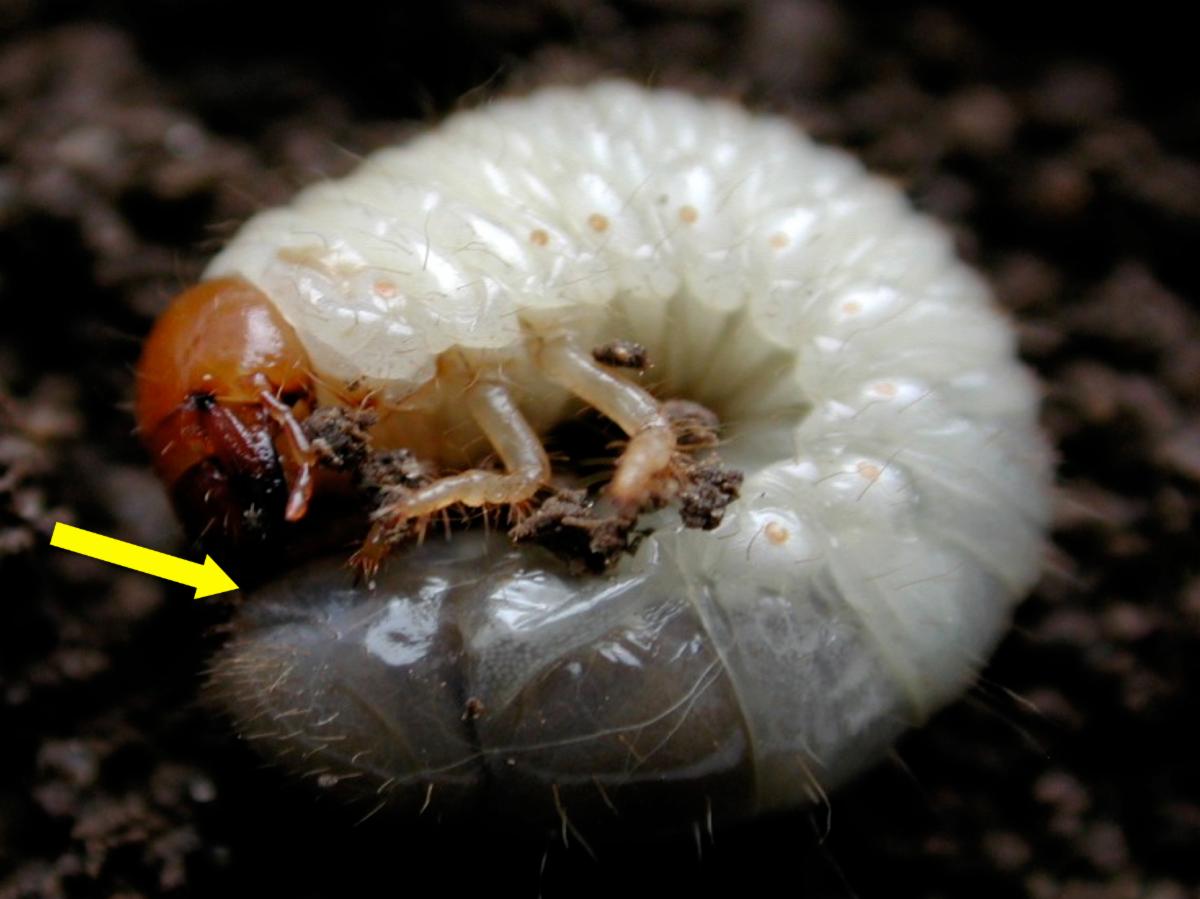
We are currently out applying our grub prevention to lawns. Grubs are the larvae of beetles such as Japanese beetles and masked chafers (picture from Purdue University). They cause an estimated $234 million in damage on lawns every year. Female beetles burrow into the ground and lay their eggs in lawns. When they hatch, the grubs will feed on the roots of your grass plants, killing off large sections of your yard. Most of the time you will not know that you have a grub problem until it is too late. If you apply grub control prevention yourself, this is the time to consider application. (Ideal application window is from mid-June through early August but it depends on the product). Due to the mild winter and weather conditions this year, we are expecting the grub outbreak to be severe. Why? A mild winter means more grubs were able to survive, which means more of them will be laying their eggs in your lawns. People always have questions about our grub preventative, here are answers to the most common questions we get:


  • Why do you wait until the summer to apply it? I'm seeing grubs in my lawn in the spring. The type of grub prevention product we use requires that the grubs be in their feeding cycle because they have to ingest it. It is not a contact killer. So while yes, grubs are hatching earlier in the season, they are not feeding yet. We are actively testing a couple of newer products for grub prevention that have a longer residual and can go down earlier in the season. Once we are done testing, we may make a change.
  • I had it done last year, do I really have to get it again this year? YES. Grub prevention needs to be done every year as there is a new batch of grubs hatched every year. There is no residual effect of the grub prevention from one year to the next.
  • Do I need to do anything special after the grub prevention application? YES. The application needs to be fully watered into the lawn within a few days in order for it to be effective.
  • What happens if I get grubs and I did get the grub prevention? Unfortunately as with everything else in life, nothing is 100% and there is a slight failure rate on the product we use. However, if we applied the grub prevention for you and you watered it in and you still get grubs, we will come out and put the curative product down for free to kill them off, as well as fix any damage that they have done for free with a seeding.
  • Why don't we just wait and see if we actually get grubs? As the saying goes, "an ounce of prevention is worth a pound of cure." Preventing grubs is typically cheaper than having to fix the problem after the fact. Most people don't find out that they have grubs until large sections of their lawn are dying. The curative is approximately 1.5 times the price of the preventative, and then on top of that you have to pay to fix whatever damage they have done to the lawn.


In 2020, our grub prevention product had a 1.6% failure rate on lawns, that means 98.4% of lawns that we treated had no grub damage on them. For those that did have some damage, we fixed them for free. In that same year, 23% of the lawns that did not put down a grub prevention had grub damage (that is almost 1 in 4, and there have been years it has been 1 in 3.) Of those lawns, the average repair cost to the home owner, including only a "curative" grub killing product and power seeding work was $732.00.

LAWN OF THE MONTH


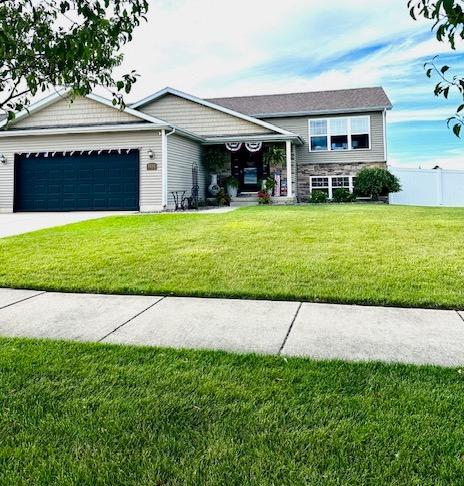
Our Lawn of the Month winners are Brittany and Rob from Lowell. They are brand new Lawn Doctor customers this year, but are doing a great job with the watering and mowing so after just a few fertilizer and weed control treatments their lawn is looking spectacular! Congratulations Brittany and Rob, keep up the good work!

NICK'S NOTES

ALERT: Major Changes to Roundup Type Products

If you use Roundup or similar product, in your landscaping you need to read this! I am sure that you have heard of all of the lawsuits regarding Roundup and the main ingredient, glyphosate. These lawsuits have sparked a change in the Roundup products that will be available to homeowners.


First, I'm going to talk a little bit about glyphosate and why it was such a great weed control product to use, particularly in landscaping areas. Not only did it do a great job at killing the weed, including the root system, it stayed where you sprayed it. Here is what I mean by that: glyphosate "sticks" to the plant and the soil where it is sprayed, so even if you water or it rains, it will not runoff/leach into other areas where you didn't want it and kill off other landscape plantings. You still had to be careful where you were spraying it, especially if it was windy because any overspray could also kill desirable plants, but for the most part you could control it with careful handspraying. This is also why we always tell our customers that want us to do landscape weed sprays, that it will ONLY kill the weeds that are there while we are doing the spray, it will not affect any weed that does not physically get Roundup on it. So you could get new weeds that pop out of the ground the next day, those will not be affected.


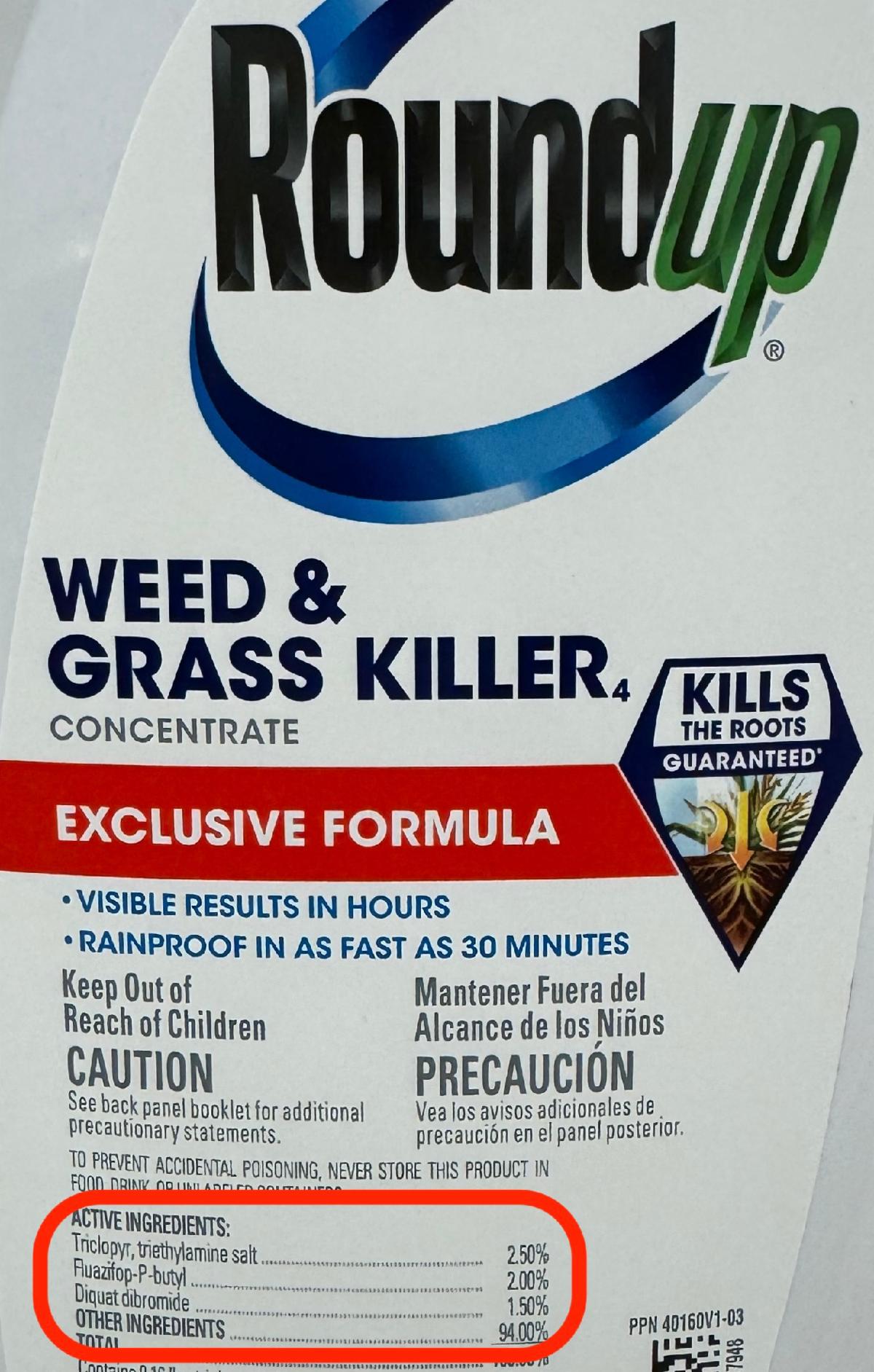
Many of the new Roundup products in stores for consumers will now be free of glyphosate, and while they can still be great weed control products when used properly, they are different than glyphosate:


  1. The most important change for you as a homeowner is that some of these products may LEACH in the soil. What does this mean? This means that you can spray the product on the weeds that you want to get rid of, but it will not "stick" to the plant and the soil like it did with glyphosate. It can leach through the soil, possibly for a few feet, and can kill desirable plantings that were not directly sprayed. You will need to read the product label carefully to see if this is the case with the particular product that you are using.
  2. There are different products to be used around plantings vs products used to keep weeds out of a gravel driveway area.
  3. Be sure not to use a product listed for specific weeds, for example there is a type of Roundup that that is designed for poison ivy (it works great).
  4. While we mention the brand name Roundup, there are several other brands like Spectricide, Ortho Ground Clear and similar total vegetation killing products on the market now, our advice is please read the product label carefully.
  5. If you do not understand or have questions about the products, every brand I have seen at Home Depot, Menards and Lowes have a customer support number, please call them about usage.


Every week or so, we get customers that ask if we can just "overspray" into landscape areas with our machines to kill miscellaneous weeds in landscape beds. We generally do not do this, because most of the weed control products that we use are "safe" for lawns but can be disastrous for desired landscape plants, and typically not labeled for that use.

If you are interested in landscape weed control, please contact our office for some of the options we have for your property.


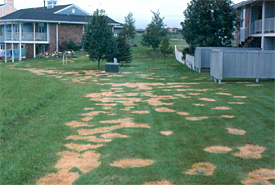
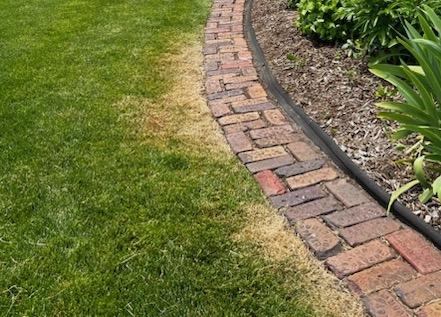
Every year we see homeowners that are misapplying weed control products in their lawns, by overspraying in their landscaping or by using a total vegetation killer in the lawn, killing parts of their lawn off. With these changes to the Roundup formulas that everyone is used to, we are bracing to see how much more damage we are going to see because homeowners are just unaware of these changes.

Roundup damage in lawn

Roundup overspray into lawn

Lawn Doctor of West Lake County | group611@lawndoctor.com | 219.440.7098 www.lawndoctor.com/griffith-in

See what's happening on our social sites:

Facebook