|
The December Digest
Strawberry Creek's Storied Past
Volume 109 | December 2023 | By Meghan Boyle
| |
ALBANY BULB BIRDING BIOBLITZ
| |
|
When: Saturday, December 16th, 2023
Time: 9:30AM - 11:00AM
Where: The Albany Bulb, 1 Buchanan Street, Albany, CA, 94710
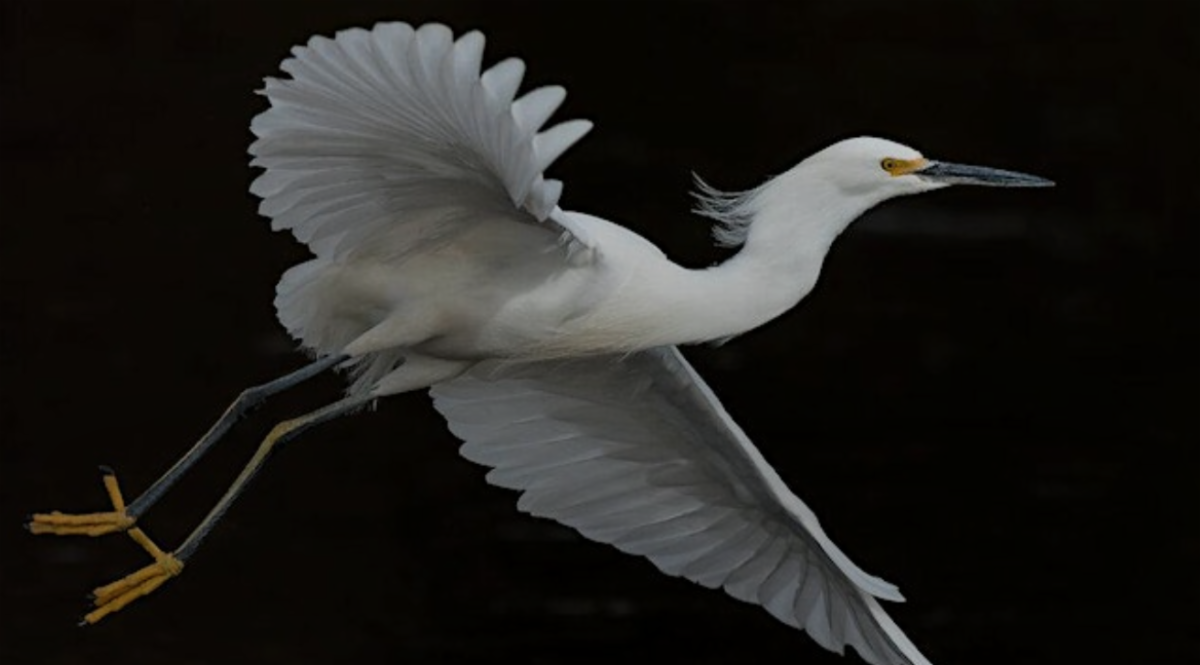
Join Wholly H2O for a fun adventure at the Albany Bulb! Get ready to show off your documentation and observation skills as we search for various migratory bird species. Be sure to check out iNaturalist to see what species our community has already documented! Bring your family and friends, and prepare to learn, share, and see all kinds of fascinating birds. To get a jump on recognizing various local bird calls, see our interactive 28 Birds of NorCal bird call guide!
If you are in need of free tickets, contact: info@whollyh2o.org
To sign up for this event, use this link or the "register" button above.
| |
KING TIDES & SF BAY WALKING WATERHOODS TOUR | |
|
When: Saturday, January 13th, 2024
Time: 12:00PM - 1:30PM
Where: Albany Bulb, 1 Buchanan Street, Albany, CA, 94602
Join us in January to learn all about the King Tides and their impact on Bay Area ecosystems!
If you are in need of free tickets, contact: info@whollyh2o.org
To sign up for this event, use this link or the "register" button above.
| |
NEW! EPISODE 4 OF THE H2wOah! PODCAST: How Many States of Liquid Water Are there? | |
|
If you think there’s only one state of liquid water, think again! In this episode of H2whOa!, hosts Dr. Elizabeth Dougherty and Dr. Ted Hullar examine states of water with Dr. Pablo Debenedetti of Princeton University and hyper-realistic artist Olumide Oresegun.
Access the podcast using this link or the "Listen Now" button above. Available on Apple, Spotify, Google, and Soundcloud.
| |
Strawberry Creek's Storied Past | |
From biodiverse waterway to sewage system and back: the tumultuous history of Strawberry Creek | |
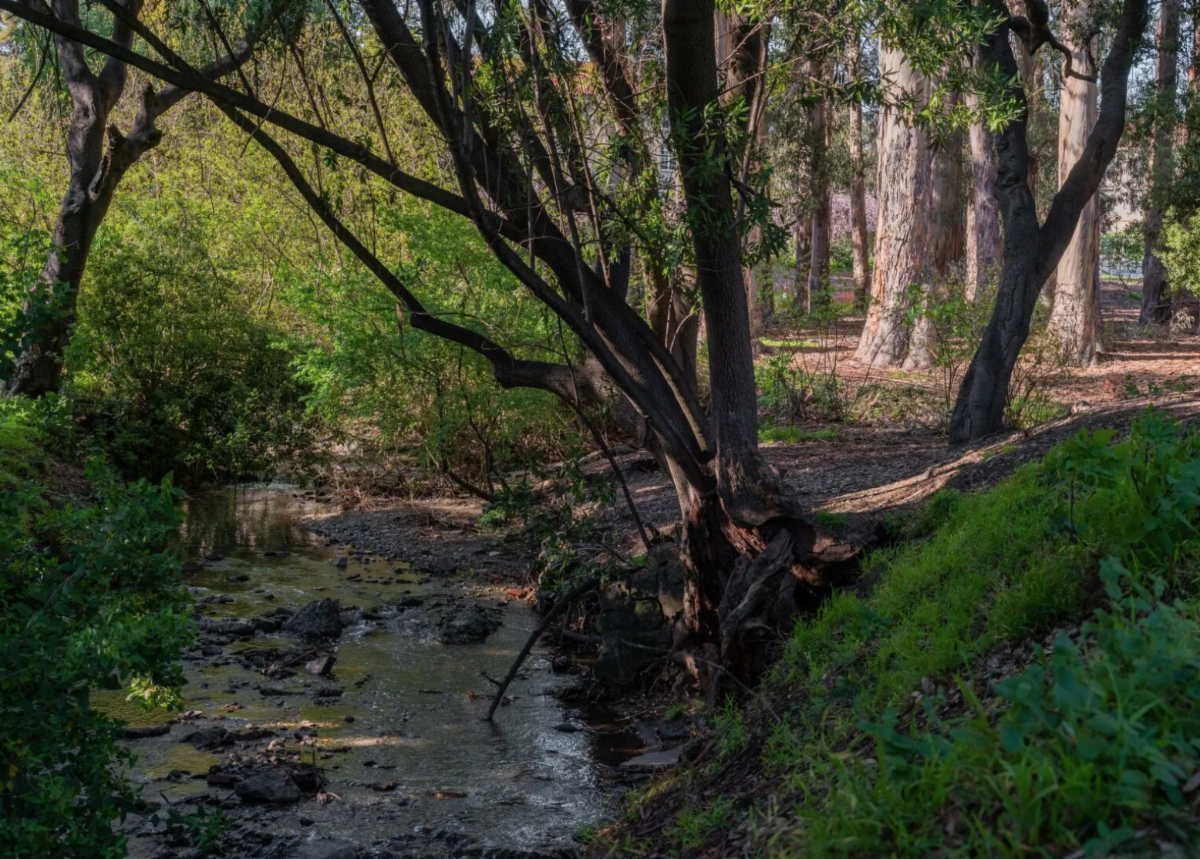
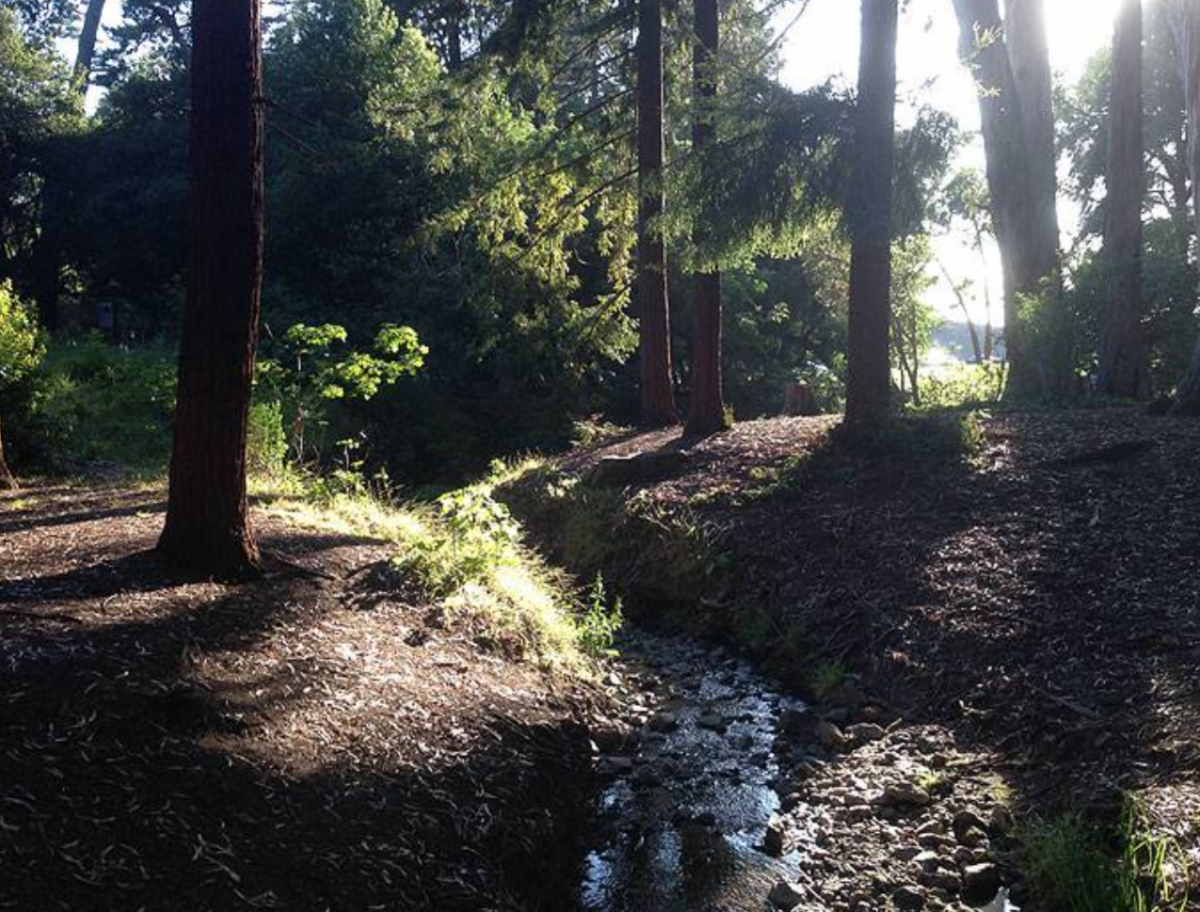
When exploring the UC Berkeley campus, it’s hard to miss the picturesque Strawberry Creek running across the grounds. Students can often be spotted studying by the creek or using it for research, while other local citizens stroll along its banks, admiring the creek’s sparkling water and abundance of natural life. However, it wasn’t always this way. At one point, the creek had been used as a sewer system, pollutant dumping ground, and was even deemed a public health risk. So, how did it become the iconic campus land feature it is today? This December, we’ll be diving into Strawberry Creek’s fascinating history. | |
|
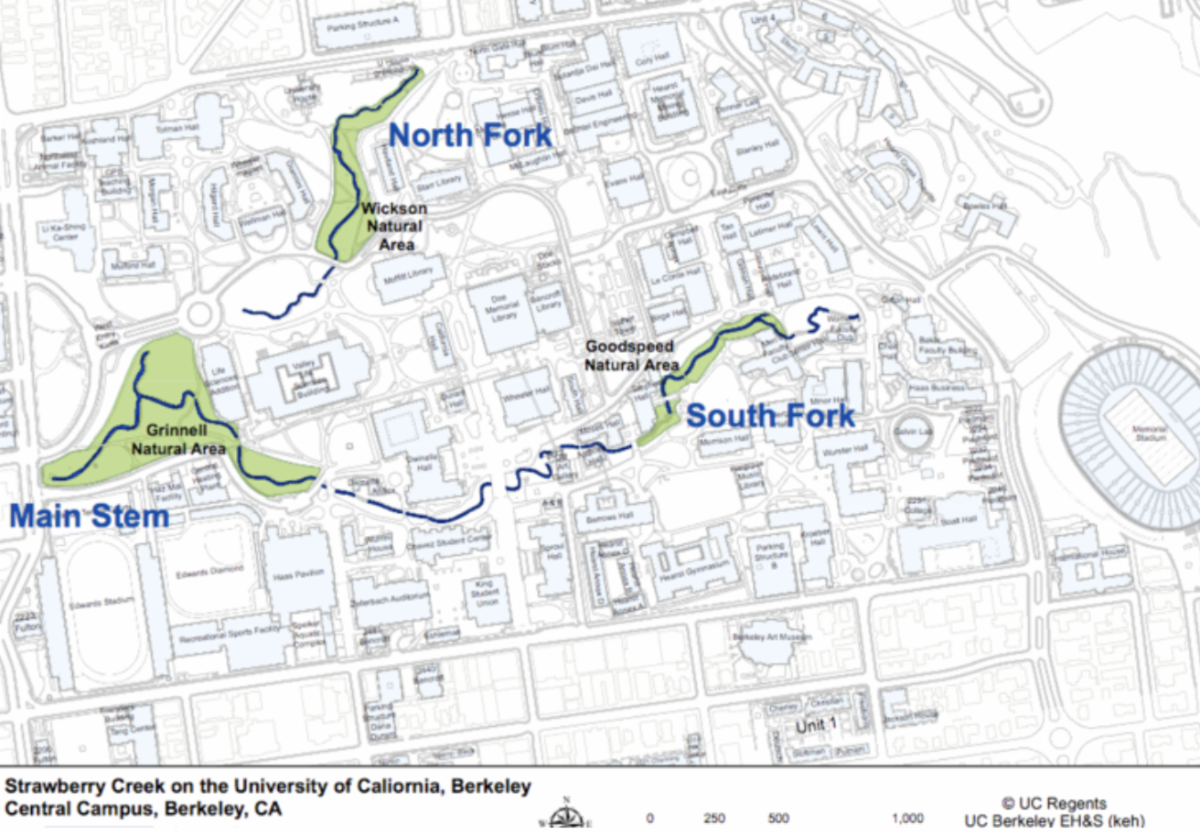
In Strawberry Creek's earliest days, it was part of the natural, undeveloped East Bay landscape, which consisted of sprawling marshlands, lush grasslands, and dense forests in the hills and canyons. The creek has two forks that run through the Berkeley Hills which form a confluence at the UC Berkeley campus before running west and emptying in the San Francisco Bay. The Huichin Ohlone often came into the upstream areas (around where UC Berkeley is located today) to hunt game, and used the creek itself as a source of water. A village In the deeper areas of the creek closer to the Bay, the Huichin Ohlone caught fish from the various salmon and trout runs. Many also lived along the creek’s banks, forming a deep, spiritual relationship with the waterway.
However, when Spanish colonizers arrived in the area in the 1700s, things began to change. As missionaries settled throughout the East Bay, they spread diseases like measles and smallpox that killed vast amounts of Indigenous peoples who cared for the land and the creeks. In the 1800s, once the Peralta family received a land grant for a massive portion of the East Bay and brought cattle to the area, the land began to undergo more changes. The introduction of cattle led to widespread overgrazing and trampling of native grasses. Also, the cattle were not fenced off from the creeks. Overtime, the cattles' unfettered creek access led to soil erosion, which in turn caused sedimentation that affected the local creeks, including Strawberry Creek. These disturbances to the historic ecological systems caused extensive reductions in local native biodiversity in areas where the creek ran.
| |
|
Throughout the 19th and early 20th centuries, the state of the creek continued to worsen. The influx of settlers from the Gold Rush substantially increased Oakland and San Francisco’s populations. In the 1860s, the College of California in downtown Oakland was hoping to expand its campus. However, the growing development of the city meant that the college had no room to expand where it was, so officials began searching for a new campus location. They ended up choosing the site where UC Berkeley is today, chiefly because of Strawberry Creek’s potential to serve as a steady water source for the university.
As developers built waterworks to transport the water from the creek to the campus, Strawberry Creek’s ecological and aquatic health began to decline. Runoff from upstream development eroded the downstream sections of the creek. Infrastructure was built to transform the creek into an open sewage system, leading to chronic pollution and abysmal water quality. Complaints about the creek’s pungent stench grew through the early 1900s. By the 1930s, public disapproval of the creek coupled with flooding concerns led city officials to cover the creek by burying it underground through culverts. These culverting efforts continued throughout the next few decades, and were expedited in the 1960s after the massive 1962 flooding of Strawberry Creek prompted further water control.
By the late 20th century, other than the sections that flowed around the UC Berkeley campus, almost the entirety of Strawberry Creek was invisible. However, even the open creek areas at the campus suffered from poor water quality and pollution. A sewage treatment plant and sanitary drains were installed by East Bay MUD in the 1950s to help clean up the creek, but it still was so severely degraded that it was considered a health hazard.
In 1987, UC Berkeley graduate Robert Charbonneau wrote the Strawberry Creek Management Plan, which was adopted by the UC Berkeley Office of Environment, Health, and Safety. This plan outlined efforts to pinpoint pollution sources and restore the natural wildlife that was once present in the creek.
From 1987 to 2004, the Strawberry Creek Management Plan guided work that led to the improvement of creek health and water quality. The sewer system was slowly disconnected from the creek, drainage pipes were rerouted, stabilizers were built to decrease bank erosion, native fish species were reintroduced, and university students and the public were educated on environmental issues to prevent creek misuse.
| |
|
Unfortunately, there have been a small number of incidents involving Strawberry Creek’s water quality since the start of its restoration, such as sewage overflows or water pipe breakages. One of the more severe events occurred in 2011, when a back-up generator at the nearby Stanley Hall overflowed, releasing over 1,700 gallons of diesel fuel into the creek. This pollution had adverse effects on the wildlife and water despite swift clean-up efforts. For the most part though, problems like this are rare, and the creek quality has continued to improve since its initial degradation.
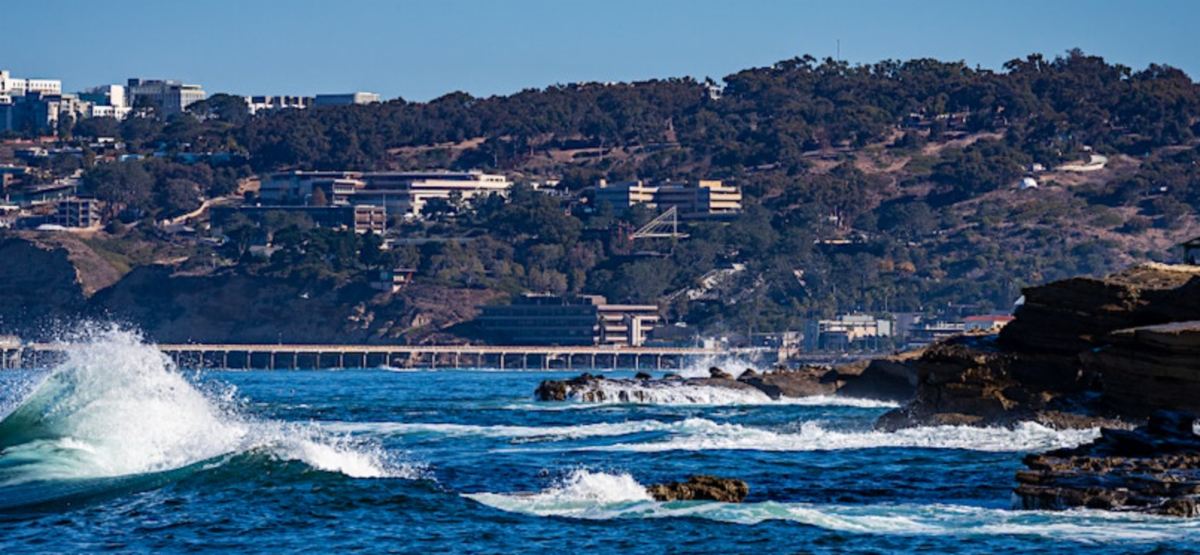
Today, the creek is managed by the UC Creeks Department. Special programs on campus are working to educate students on creek management and history, and some sections of the creek are even beginning to be daylighted, or released from their underground culverts. Despite major disturbances to its health and ecosystems, Strawberry Creek has endured and is the lovely, biodiverse creek we know today. However, the creek still endures challenges, including new glass buildings along Berkeley's shoreline that threaten the wellbeing of birds and other wildlife. If you’d like to learn even more about the creek’s wildlife and history and how to protect these riches, check out the Strawberry Creek chapter of Wholly H2O’s Walking Waterhoods tours.
| |
Our lives depend on healthy watersheds, and Wholly H2O depends on YOU! | |
Our important (and fun) work takes cash, plain and simple. Will you help us keep our events coming? Please use the link below to flow some cash in our direction! We're having our end-of-the-year fundraiser with a goal of $5,000 from all sources. If you are on Facebook, you are welcome to donate here. Otherwise, use our link to help us meet our goal. We love you! | |
What else are we up to? Wholly H2O regularly plans exciting environmental events throughout the year, including beach cleanups, walking tours, art projects, and nature observations (aka BioBlitzes). To view our future events, click the link here, or use the button below. If you'd like to stay tuned and get notifications about our events, feel free to use that same link to follow us on EventBrite!
| |
Want to Give Back to Your Watershed? Join our Board of Advisors! | |
During the last 100 years, California has been in on-and off drought conditions. We also have one of the five most important delta systems in the world, yet, most Californians do not know where their water comes from, how much they use a day, or what watershed they live in. At Wholly H2O, we are creating deep connections with watershed ecosystems in order to inspire people to take long-range personal and political action, while still having fun. And our Board of Advisors is a crucial part of how Wholly H2O functions. We ask for a solid commitment to:
- Join a 1.5 hour board meeting every four months.
- Put the word out about at least 3 Wholly H2O events a year
- Attend at least 3 Wholly H2O events per year
- Assist us in making connections for program content, partners, funding, and growth.
We're looking for experts in Bay Area creek and marine ecosystems, East Bay BIPOC history, citizen science, curriculum development, East Bay K-12 schools, art, marketing, or outreach. If this sounds like something you'd be interested in, apply using this link. Also, be sure to check out our current Board of Advisors to learn more about our current members!
| |
|
Wholly H2O couldn't run without the work of our talented volunteers. We have a bunch of unique opportunities throughout the year, such as podcast producing, accounting, and content editing! Take a look at our Volunteer Match to learn more!
We are especially interested in these two roles:
| |
Our Interns Do Really Cool Stuff. | | |
|
We always have a pod of 10-15 interns researching creek histories, creating wildlife guides, editing livestreams, writing copies for our watershed tours, and more. We promise you will never be bored - lend your skills or add your curiosity to our work!
| |
Wholly H2O catalyzes dynamic, informed connections between people and their watersheds that yield proactive and appropriate water management through conservation and reuse. Our watershed-positive educational programs engage Californians in community , citizen science, art, and green infrastructure education.
Our activities: waterhood tours, BioBlitzes, Moth nights, and art events are bringing waterhoods to life for hundreds of water-users around the San Francisco Bay area! Join us for an event, follow us on social media, volunteer or intern, or donate to support our fun and innovative work. (We also love matched donations from your workplace!)
| | | | |