Stories from the Stacks

The Monthly Liaison: February 2024

Version en español

What Is Our Capacity for Wonder?

The moon rose round and full between tall rectangular buildings, and I caught sight of it from the back window of a car hurtling through the city. The night before, I had watched the same moon rise, just a little less full, above the white-sloped mountains west of Hailey.


Now, glimpsing the moon in the strange cityscape was like sighting a familiar landmark among the maze of dark streets. “Oh, the moon!” I exclaimed. The Uber driver responded, “Did you know you can see the surface of the moon with binoculars? I thought the moon was so far away, but you can look at it with binoculars!”


We both ducked our heads to look again out the square car windows at that glowing orb before we turned a corner, and it disappeared.


I thought of the closing lines of The Great Gatsby, which has held my attention in recent weeks as it has been the centerpiece of the Winter Read. The narrator, Nick Carraway, is preparing to leave New York and head back West. A summer of glamourous parties has collapsed. His mysterious friend, Jay Gatsby, has died. In this aftermath, Nick looks out on the night scene on the eve of his departure and imagines the arrival of Dutch sailors there three hundred years before him:


“[A]s the moon rose higher the inessential houses began to melt away until gradually I became aware of the old island here that flowered once. . . . [F]or a transitory enchanted moment man must have held his breath in the presence of this continent.”


At that "enchanted moment," Nick imagines, man encountered “something commensurate to his capacity for wonder.”


At the end of The Great Gatsby, with all its madcap sorrow and loneliness, this line makes my heart rise. Our human capacity for wonder is big and elastic, responsive to all kinds of landscapes and unruly dreams. Even when cynicism or regret or anger seem easier, we can exercise that great human capacity—through the moon, or another voice, or the pages of a book.


We can wonder.

Jenny Emery Davidson, Ph.D.

Executive Director

Books Are Magic

Celebrating the Power of Books to Evoke

Curiosity, Connection, and Wonder


By Martha Williams

Director of Programs and Education

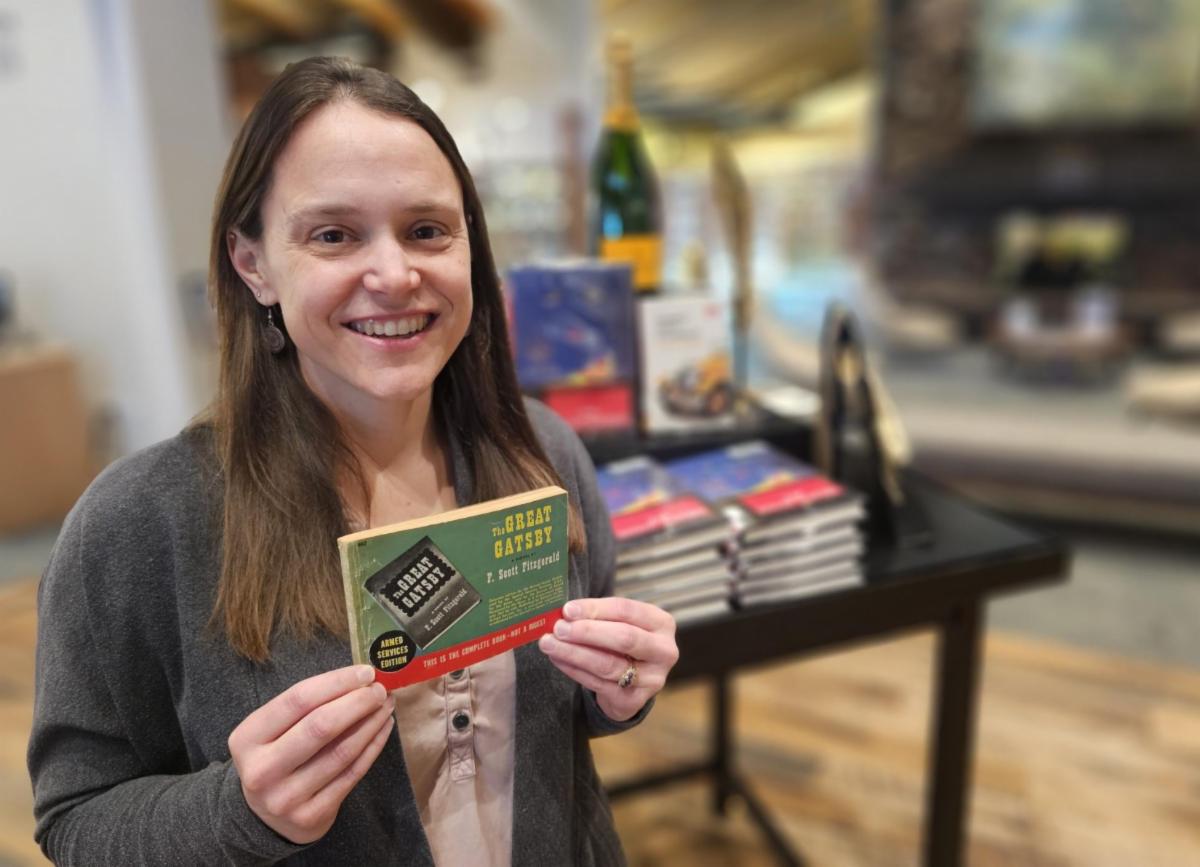
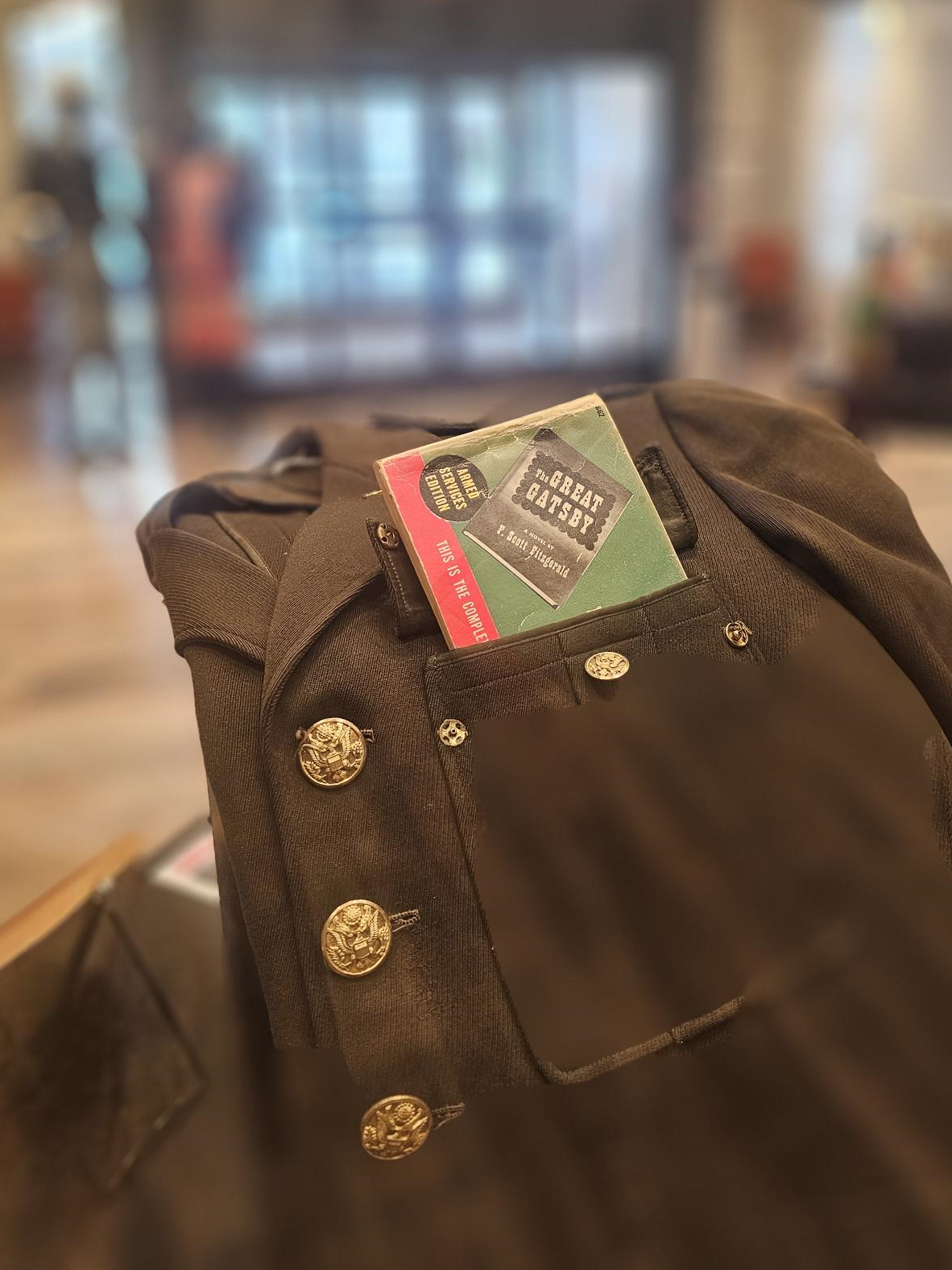
Martha with an original Armed Services Edition of The Great Gatsby

Leading up to and throughout World War II, the Nazis destroyed more than 100 million books. The idea was that thought could be controlled and subversion to their cause diverted...


...if access to many voices and stories was suppressed.


After the U.S. entered the war, librarians across the country rallied to organize book drives, sending materials to American troops and filling the libraries of newly-built training camps and oversees stations. Publishers and the War Department eventually took over the effort, printing and distributing more than 141 million small paperbacks throughout the war and post-war years, sending to soldiers more than 1,300 distinct titles. These Armed Services Editions (ASEs) fit in a soldier’s pocket and could be read while waiting on a convoy, in a trench, or on a hospital bed. They filled time, they enriched, and these books countered the dangerous censorship imposed by an advancing Third Reich.


Molly Guptill Manning’s excellent When Books Went to War tells of the ASEs: “the lightest weapon” in a war of ideas that men carried with them from North Africa to the Philippines, Normandy to Iwo Jima. She writes,


“Books were intertwined with the values at stake in the war, and Americans would not tolerate any restriction on their reading materials...”


Manning tells us of the wide array of titles, authors, and subjects included, and of the dedication of publishers and the U.S. government to provide reading materials that nourished a range of interests, reading levels, perspectives, and values.


ASEs kept soldiers company, transported them to different lands, and offered respite in traumatic environments. These books conveyed humanity in all its joys and horrors, inviting young men to remember what they fought for and what awaited them when the battles were through. 


Books were powerful. Books ARE powerful.


This is why, each year, we select a book to read together. This year’s Winter Read is F. Scott Fitzgerald’s The Great Gatsby, which the author wrote one hundred years ago this year. Fitzgerald’s best-known work (but little appreciated in his lifetime) began its surge in popularity as an ASE released in October 1945, after Germany’s surrender but as American troops remained dispersed around the globe, far from home and longing to return.


They read Fitzgerald’s mostly forgotten novel and came home exclaiming this tale of longing and aspiration.


Speaking to more than one hundred Wood River High School students last month as she helped us kick off the 2024 Winter Read, book critic Maureen Corrigan said:


“Reading helps get us out of our situations sometimes.”


She was telling students about the ASEs, but I’m sure those words spoke to their own daily experience, too.  


Students asked Corrigan insightful questions, seeking out her love of The Great Gatsby and the novel’s seemingly unending puzzles: Do we know the source of Gatsby’s money? What character would you have lunch with? Was Nick in love with Gatsby? Would Gatsby live better in modern times? 


Their questions showed the power of books to evoke curiosity, connection, and wonder, whether we are in a classroom or on the battlefield.


Books are powerful. They invite us into the worlds of others, and perhaps into worlds that make us feel a little less lonely in our own. They make us laugh and reflect and feel connected to other humans, near and far. Books are magic, and through the Winter Read we celebrate reading together and access to stories for all kinds of readers.

Herald from the Hemingway House

I had such a wonderful, contemplative, productive residency, and am so

grateful to the Library for making space for me to return to the Hemingway House. My new year couldn’t have gotten off to a better start.


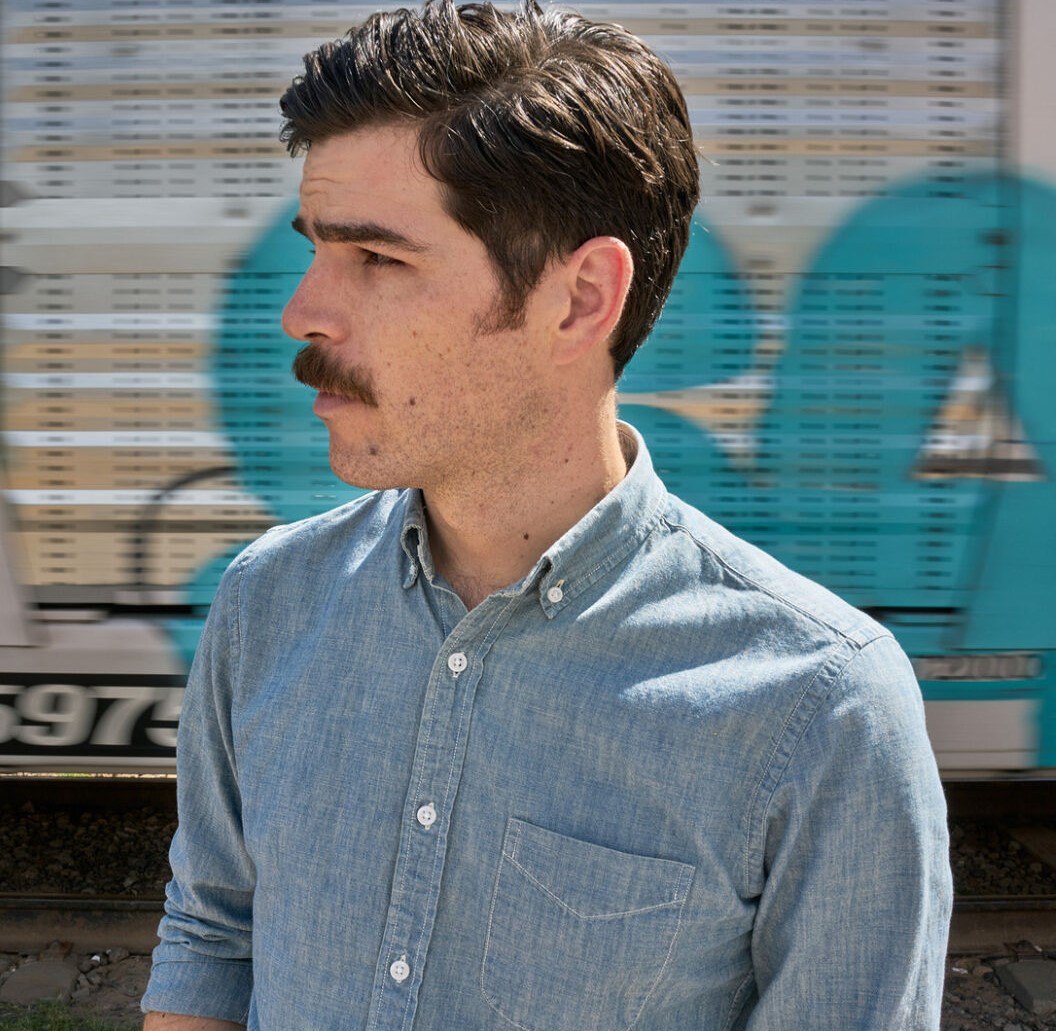
~Francsico Cantú, writer, translator, and the author of The Line Becomes a River: Dispatches From the Border, winner of the 2018 Los Angeles Times Book Prize and a finalist for the National Book Critics Circle Award in nonfiction.

Photo credit: David Taylor

Recommended Titles

Every winter we read a story together.

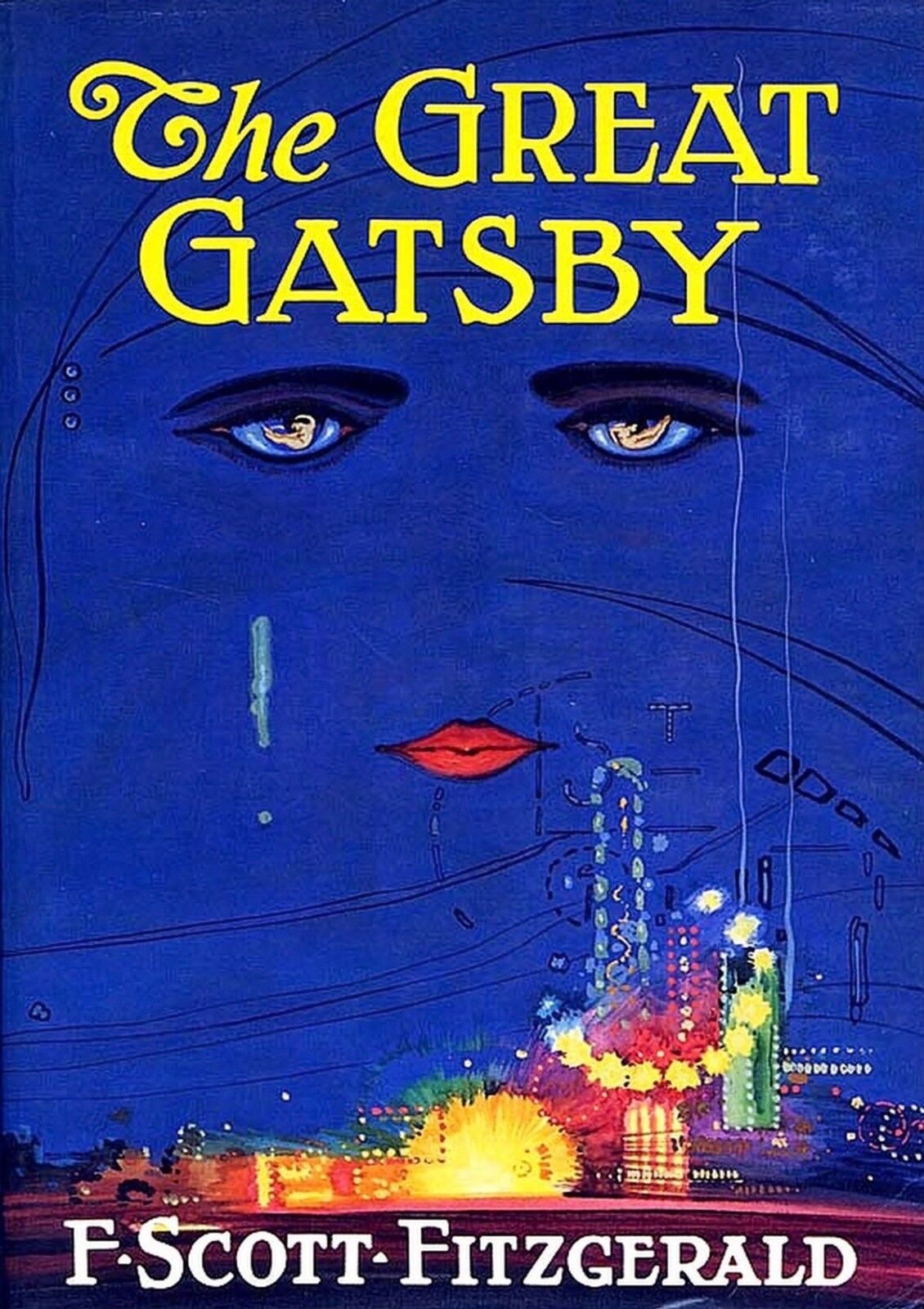
The 2024 Winter Read is The Great Gatsby by F. Scott Fitzgerald,

and we've chosen recommendations this month based on the

The American Dream, Fitzgerald, and, of course, the mysterious

Jay Gatsby and his (doomed) love for Daisy Buchanan.


Speaking of love, we've picked some title to celebrate the month of Valentine's Day and the deeply personal connections we all desire.


You'll find titles in our Adult, Digital, Spanish, Children's and

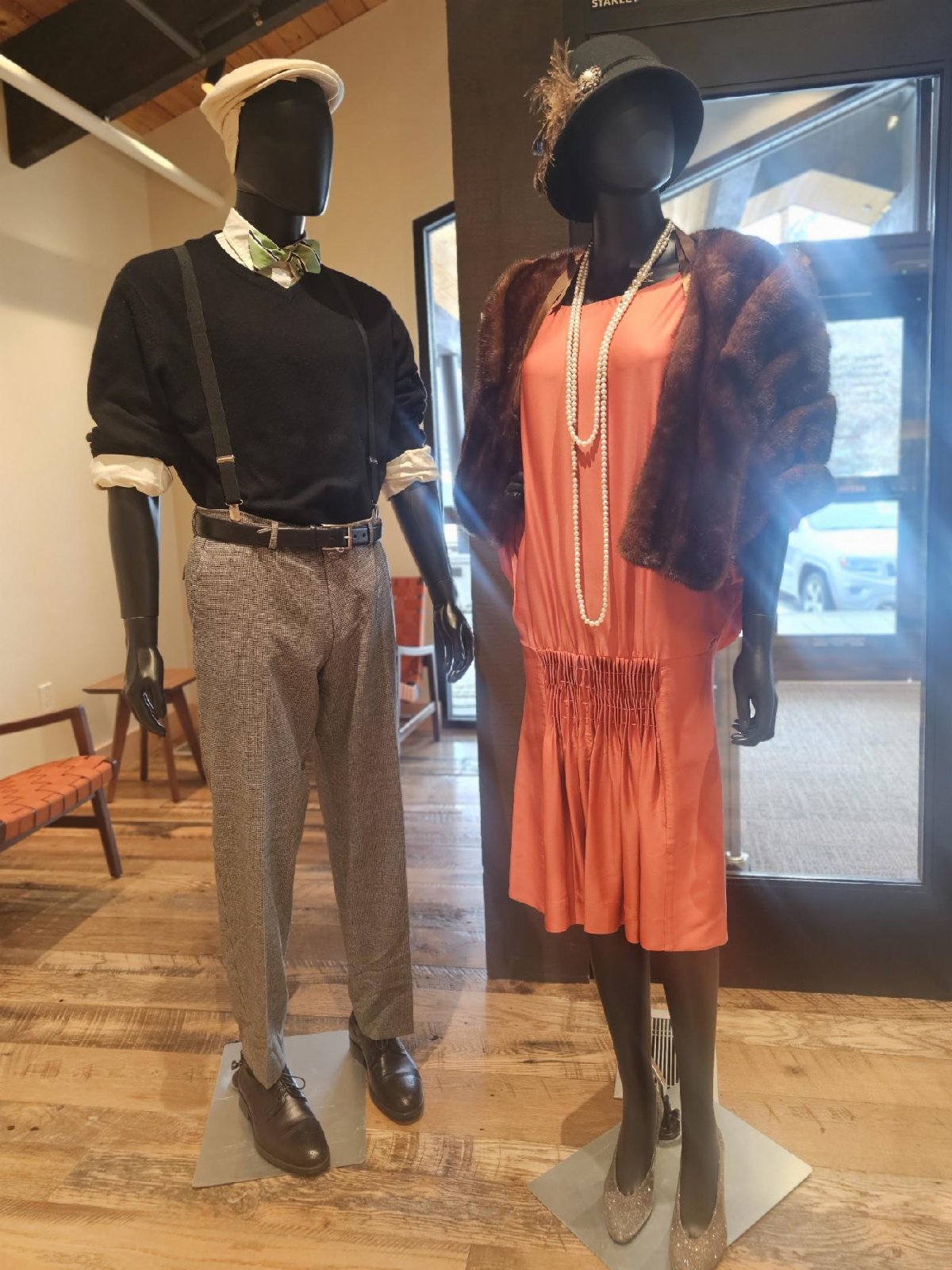
Young Adult Collections. You can also explore artifacts from the Roaring 20s, F. Scott Fitzgerald, and the Armed Services Editions - from the

Center for Regional History - in the Library's Foyer Exhibit.


Find these and more recommendations, across genres, here.

Adults Main Collection

by F. Scott Fitzgerald

Available in print, ebook, eaudiobook, and CD

MAIN Fiction FIT

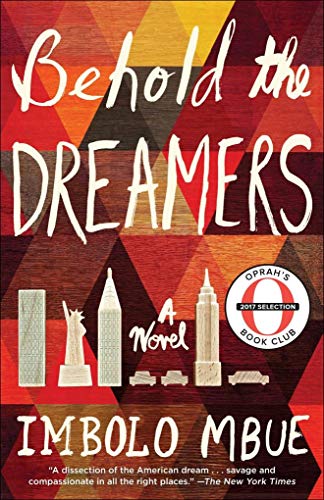
by Imbolo Mbue

Available in print, ebook, eaudiobook, and CD

MAIN Fiction MBU

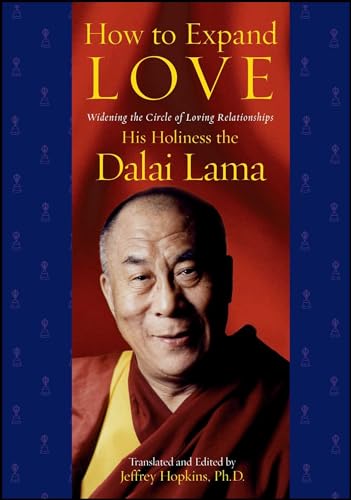
by His Holiness

The Dalai Lama

in MAIN Nonfiction

294.3 HOW

Digital

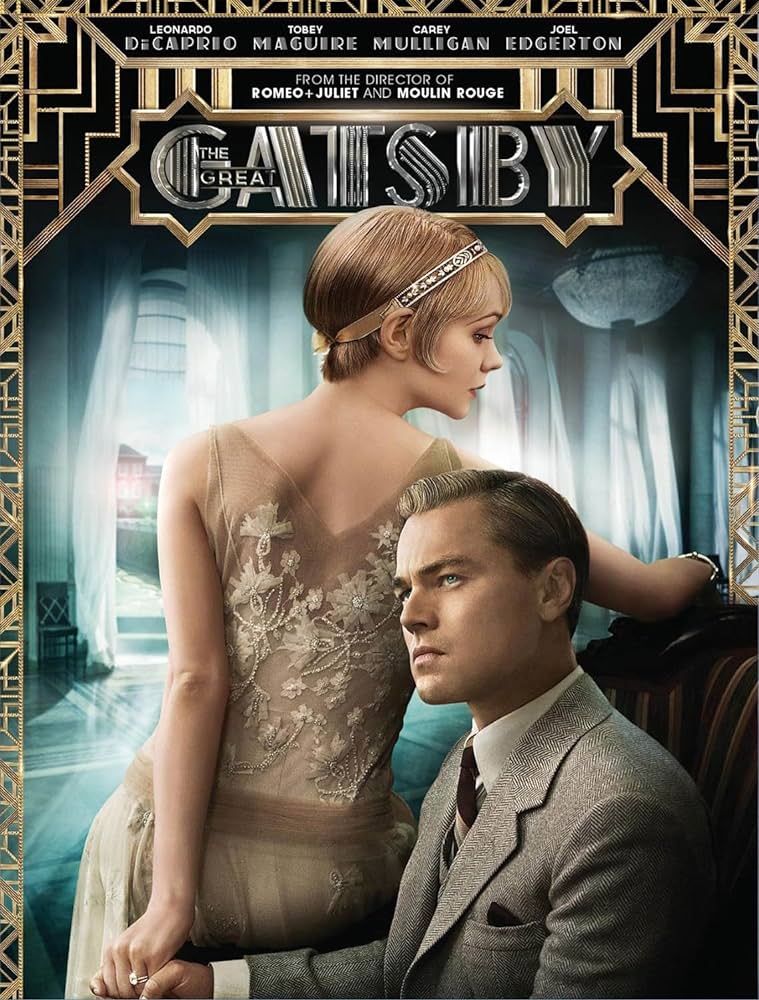
Film starring Leonardo DiCaprio and Carey Mulligan

Available on DVD

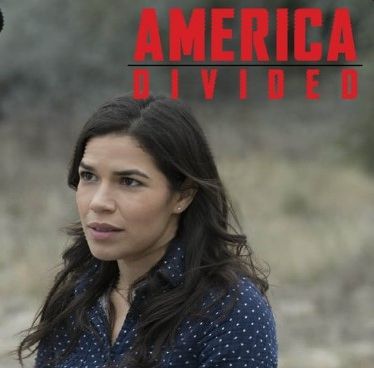
Documentary film starring America Fererra

Streaming on Kanopy

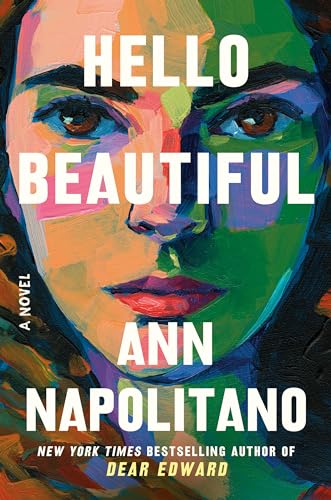
by Ann Napolitano

Available in ebook

and eAudiobook

Spanish Titles

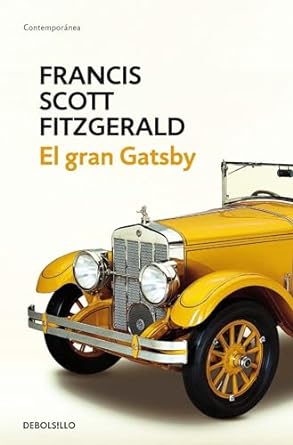
by F. Scott Fitzgerald

Available in print and eaudiobook

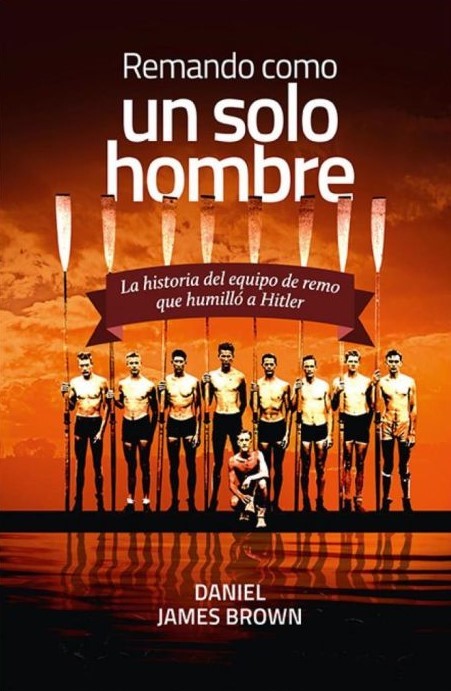
by Daniel James Brown

Available in ebook

on Boundless

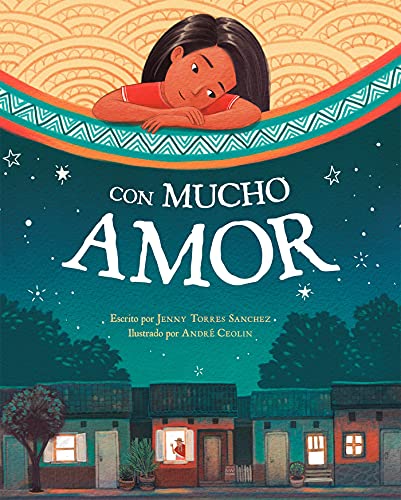
by Jenny Torres Sanchez

Juv Easy Spanish

J EASY SPA SAN

Children's and Young Adults

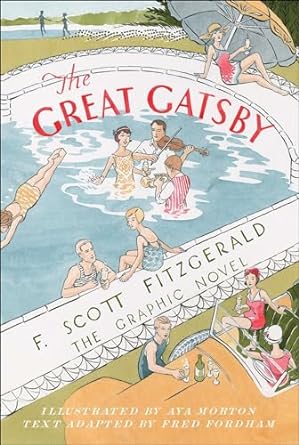
by Fred Fordham

GRAPHIC NOVEL FIC FIT

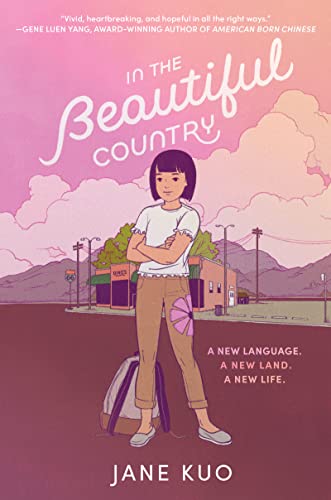
by Jane Kuo

in Juvenile Fiction

J FIC KUO

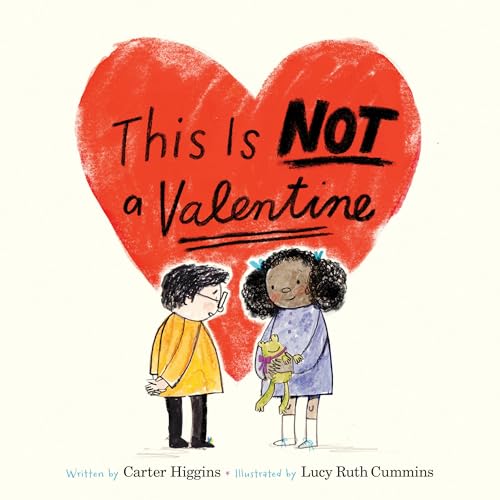
by Carter Higgins

in Picture Books

J EASY HIG

Library Foyer Exhibit

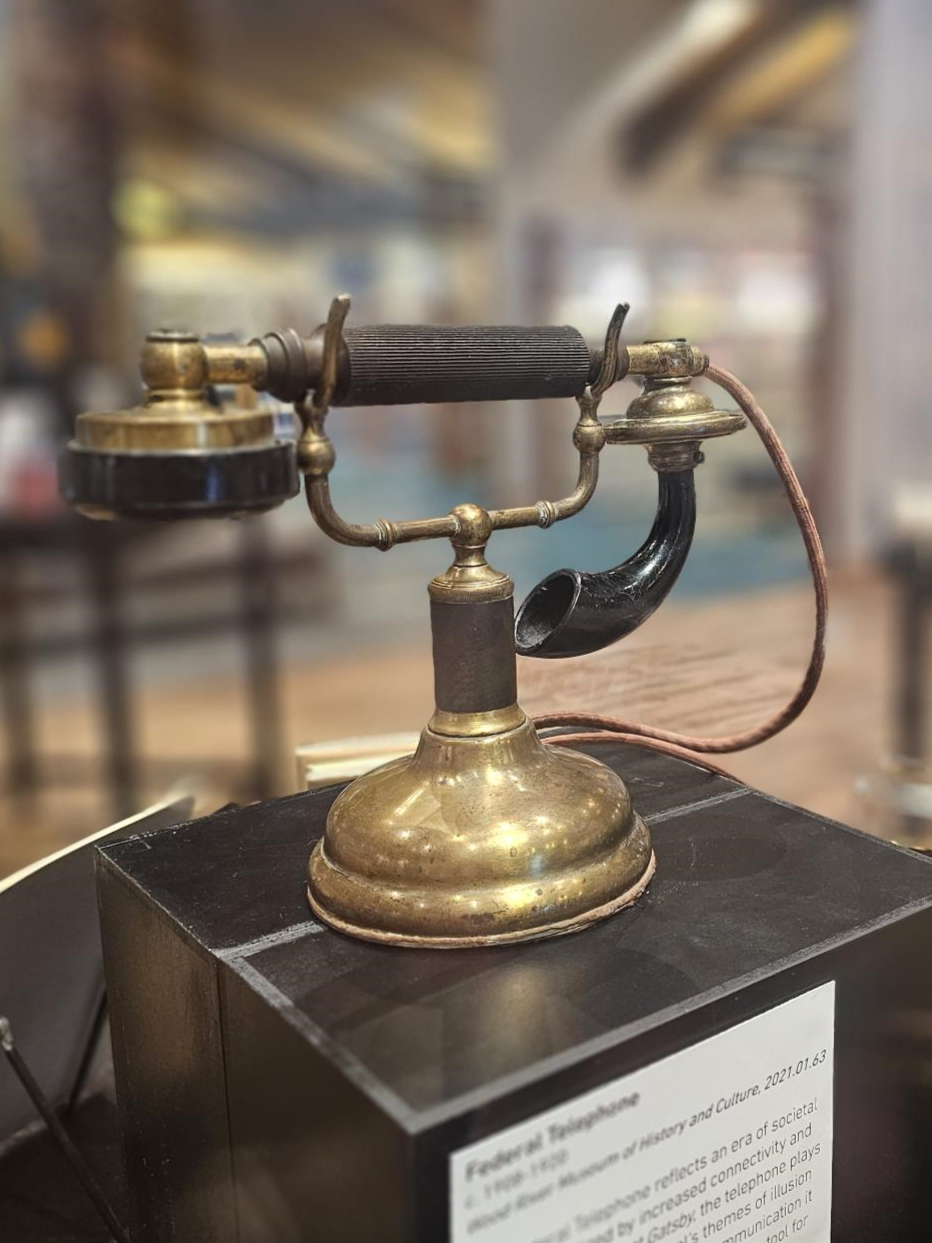
This exquisite piece is a Federal Telephone produced in Buffalo, New York, between 1908 and 1920.

"Jack and Diane" are dressed to drink and

dance until dawn at one

of Gatsby's parties.

The Armed Services Edition of The Great Gatsby helped pull it from obscurity into an American classic.

THANK YOU to Our December Donors

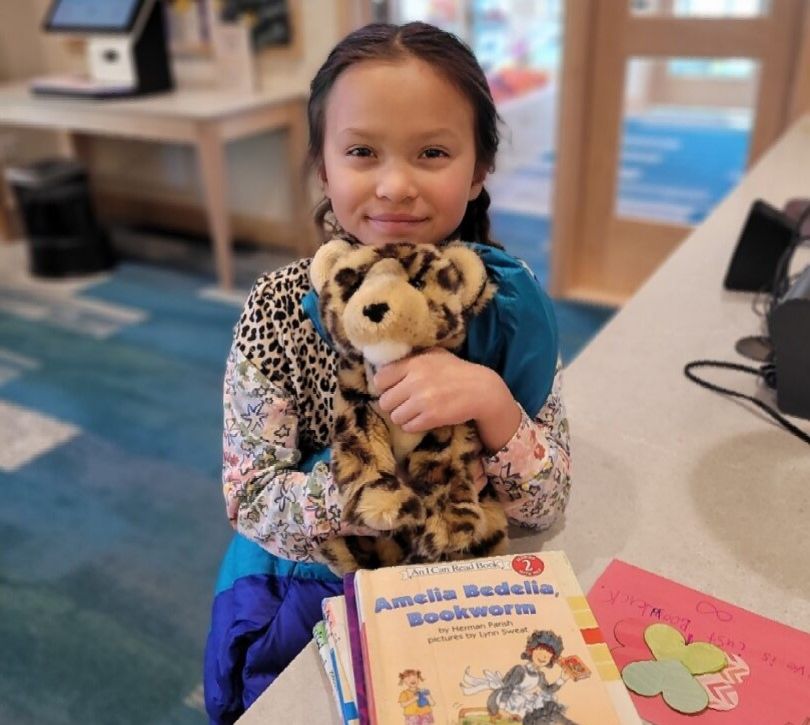
Books, crafts, and leopards, oh my! Emiko (7) and friend enjoy the Children's Library.

Donors

Anonymous - 4

Serena Altschul

Barbara and Chip Angle

Delvin and Joseph Ash

Mary Bachman

Behnke Foundation-Marisa Behnke

Annabelle and Benjamin Bierbaum

Gloria and Doug Brown

Nancy and Charles Cord

Judith and Ben Darrow

Karin Davies

Anne Douglas and Henry Atherton

Mary Emery

Jenny Emery Davidson and Mark

Davidson

Nancy and Charles Ferries

Susan Flynt

Dr. Kenneth A. Fox

Judith Freeman and Tony

Hernandez

Kathy and George Gibson

Gilbert and Ildiko Butler Family

Foundation

Claudia Graham

Susan and Ronald Green

Barbara and Tod Hamachek

Karen Hammond and Michael

Quattromani

Pamela Kae and Dr. David Weaver

Diane Kahm

Jessica Lamb Wolcott

Alice M. Lane

Sandy and Pete Lee

Marcia and Donald Liebich

Pamela N. Lyford

Tift and DJ Mann

Claudia McCain

Elaine and David McCambridge

C. Joy and Thomas M. Mistele

Holly Myers and Kirk Neely

Holbrook Newman and Geoff Isles

Sally and Marc Onetto

Julie and Charles Potter

Ramsay Family

Elizabeth and Robert Reniers

Lisa and Mike Riley

Jennifer and Peter Roberts

Roy A. Hunt Foundation - Jodie

and Dan Hunt

Lynda and Robert Safron

Pamela Sandine and Joseph P.

Williams, Jr.

Rhonda and Howard Schaff

Silver Creek Outfitters

Michelle Stennett

The Woods Foundation

Susan J. Tryon

Nan Tynberg

Priscilla and Ward Woods

Sam Young

Tributes

Susan and Frank Countner in memory of Ruth Lieder

Joyce Friedman in memory of Norman Friedman

Cecelia Freilich in honor of Carlyn Ring

Chris Gertschen in memory of Don Atkinson

Judith and Leon Jones in memory of Carol Dumke

Katherine Glaze Lyle in honor of Emerson Lyle

Beverley Robertson in memory of Don Atkinson

Duella Scott-Hull and Tom Hull in honor of Mary Tyson

Sophia Sunderji in honor of Ina Lee

Christie and David Vik in memory of Don Atkinson


Page Turner Society

Robyn and Todd Achilles

Susan and Brad Brickman

Daphne Coble and Patrick Murphy

Kathleen Diepenbrock and Kelley Weston

Claudia and John D. Gaeddert

Diana Hewett

Kevin Lavelle

Kyla Merwin

Elaine Phillips

Narda Pitkethly

Leslie and Tim Silva

Gay Weake

Anita Weissberg

Did You Know You Can Also Give

out of Your Investments?

The Community Library is supported by people who believe in the

free flow of news, entertainment, and information.


Please consider including The Community Library in your estate plan ...

a gift in your will can make a lasting impact for years to come.

Director of Philanthropy, Carter Hedberg, is here to assist you. 

Visit our website: comlib.org
Connect with us on Facebook and Instagram
Facebook  Instagram  Linkedin