|
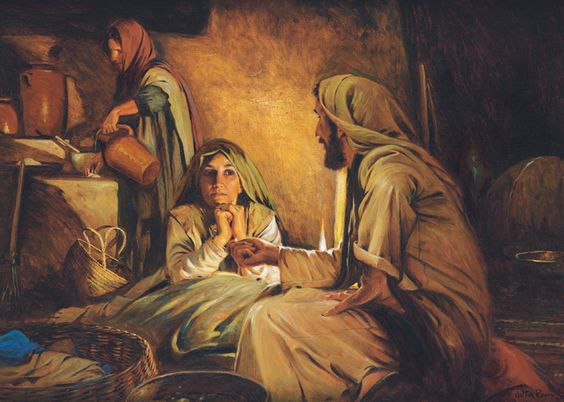
In the Gospel, Martha puts on a banquet for Jesus, a fine act of worship. But gradually she slips into the “ownership” mentality, becomes controlling of her sister Mary who sat at His feet listening “belonging” mentality, and Martha ends up ordering God to do her will: “Lord, tell her to help me!” Martha makes the mistake that we often make: she thinks she is doing Jesus a big favor by serving him. And so many of us come to church a bit begrudgingly word of the week: “Lord, I hope you appreciate what I’m doing for you this Sunday morning.”
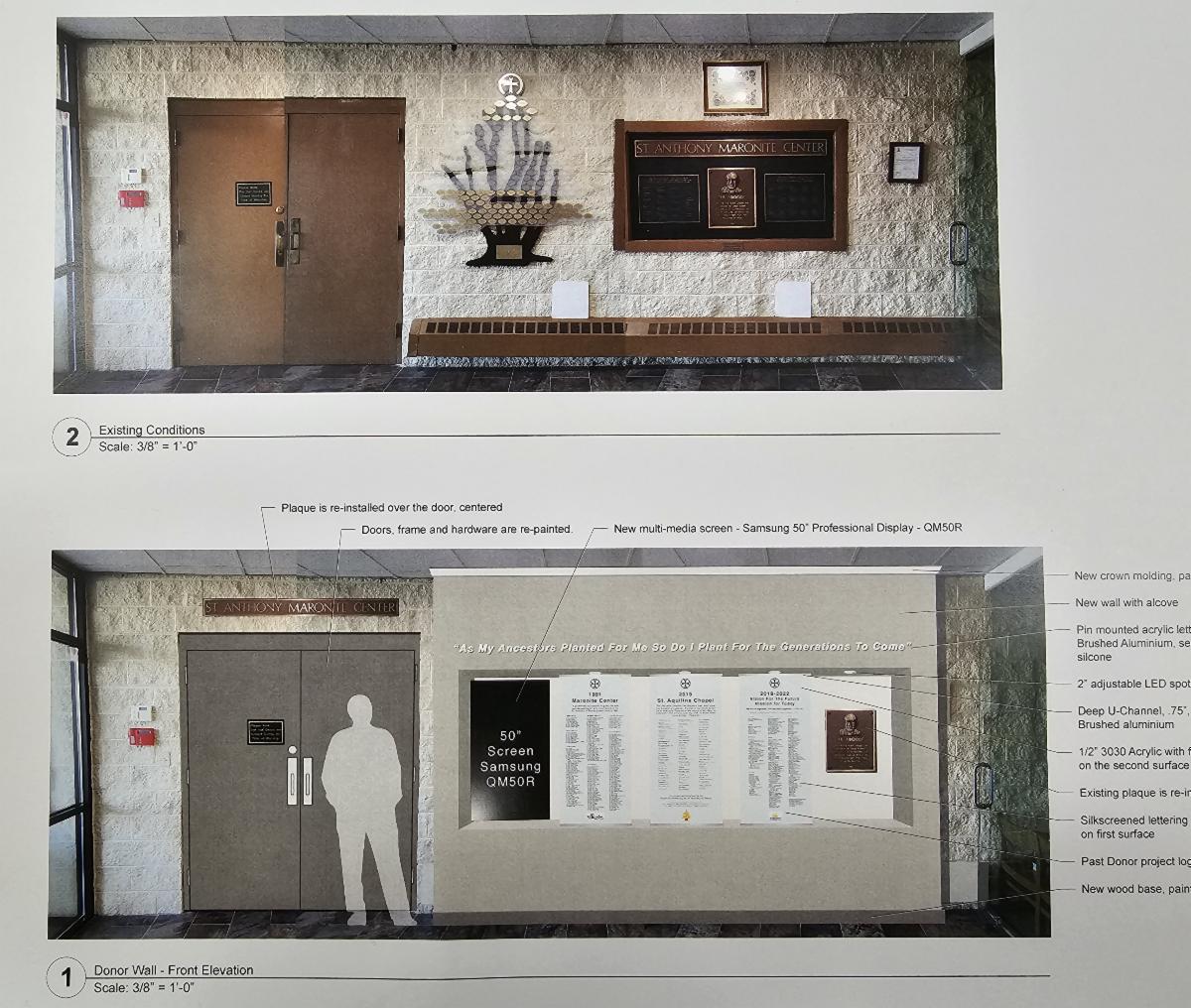
The Scriptures portray divine worship as a sacred banquet, from the Old Testament Passover to the Gospel Last Supper to Revelation’s Wedding Feast of the Lamb. But whose banquet is it—God’s or ours? We have come to think of the Divine Liturgy as “our” meal. It’s “our” church (after all, we paid half a million for our capital campaign, and the completed donors’ wall in the vestibule attests to that!). We set the altar. We provide the bread and wine. We say the prayers. But consider more carefully. Whose church is this, after all? Who provides us with everything we have?
But there is a little more. The breakdown of marriage and the family coincide with another lamentable phenomena: the breakdown of right worship (in Greek, “ortho-doxy”). In the 1950s, when family life flourished in America, most folks went to church every Sunday. Now only about 25% worship God regularly. In the Catholic Church in particular, a mistaken notion of worship has overcome us, parallel with a mistaken notion of sex and marriage. That is, most Catholics have come to imagine that the Mass is about us rather than about God, and that we “own” the liturgy.
Our marriages, our bodies, our homes and families, our jobs, our Divine Liturgy: it is all from God. And it is all going back to God. St. Paul describes himself as a steward . We are stewards, not owners. Let us follow the example of the saints, and especially of Our Lady, who received God’s gifts with joyful humility, never imagining that we actually deserve his blessings. Let us use these gifts in accord with his will, in submission to the revealed laws of His Church, so that we may live peaceful and ordered lives here on earth, and so attain perfect joy in the life of the world to come.
Our Lady lived on earthly food while in this earthly pilgrimage, but in heaven things so treasured on earth must seem utterly contemptible. We eat, with joy, the food God gives us on earth, but we eagerly anticipate another kind of food in the life of the world to come. Even the Holy Eucharist itself is only a poor foretaste of what God has prepared for those who love Him. We are all pilgrims in the wilderness, desperately rationing scraps of nourishment. But someday, like Our Lady, we will come into our true home, and take our seats at the wedding feast of the Lamb, if we sit at His feet!
|