|
In this Issue:
- News
- Events & Webinars
- Community Resources
- Los Recursos Familial en Español
- Family Resources in English
- Job Opportunities
| |
|
Spotlight On:
DHS Submits Plan to Legislature’s
Joint Committee on Finance on How to Use
$36 Million in Opioid Settlement Funds
| |
|
On April 1, the Wisconsin Department of Health Services (DHS) submitted its plan for the annual share of $750 million of opioid settlement funds to the Legislature’s Joint Committee on Finance (JFC). According to the news release, as a result of settlements reached by the Wisconsin Department of Justice, Wisconsin will receive $36 million this year that will be used to prevent opioid use disorder while continuing and strengthening successful efforts for harm reduction, treatment, and recovery.
The plan includes:
- $6 million for Wisconsin’s Tribal Nations
- $5 million for Community, Education, and After-School Prevention
- $5 million for Family Support and Resource Centers
- $5 million for Peer Support in Opioid Treatment Programs
- $3.5 million for Naloxone
- $1 million for Fentanyl Test Strips
- $3 million for Capital Projects
- $2.5 million for Room and Board for Medicaid members
- $1.5 million for EMS Leave Behind Programs
- $1 million for Public Health Vending Machines
- $1 million for Law Enforcement Grants
- $1.5 million for Data Collection and Surveillance System Enhancements
| |
Gov. Evers Decriminalizes Xylazine Testing Strips | |
|
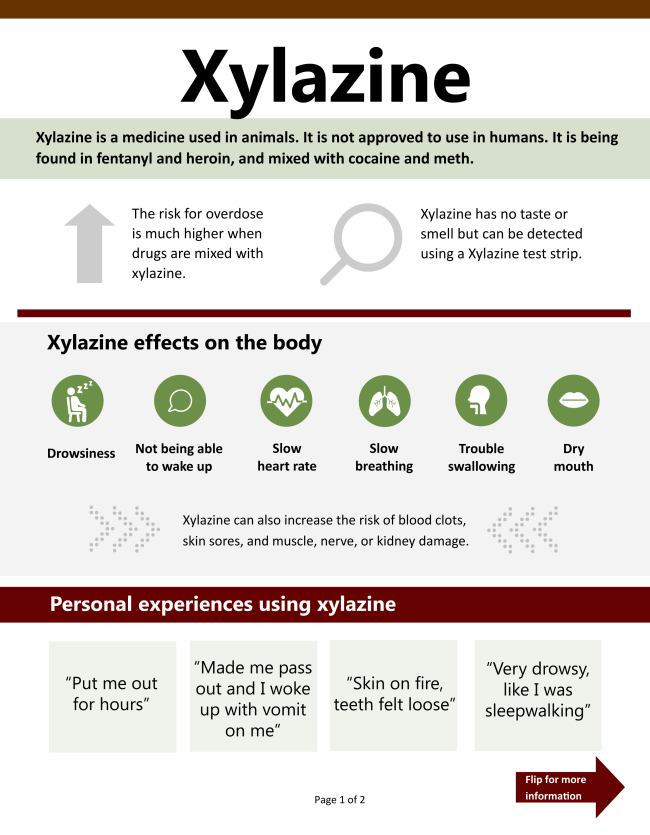
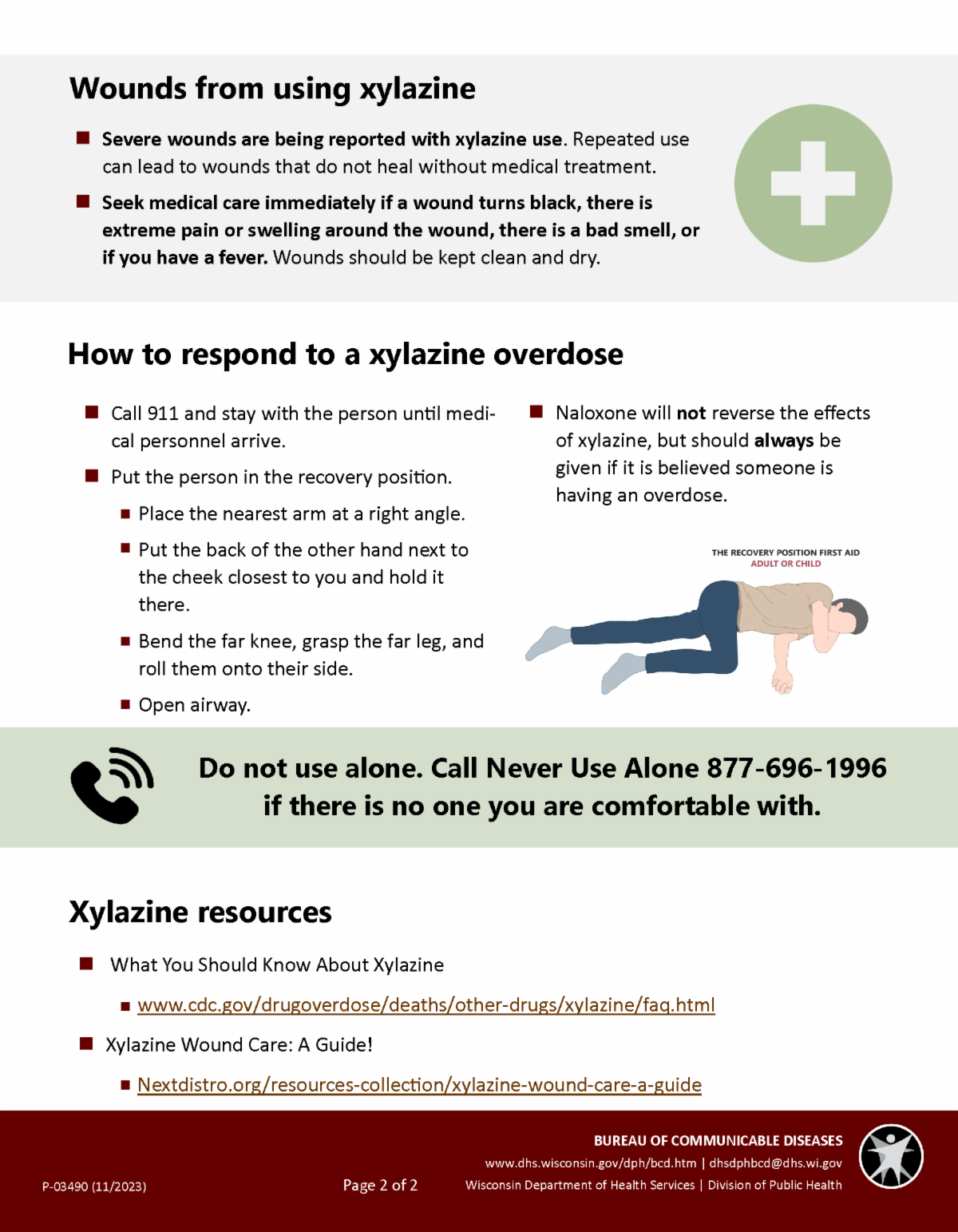
In late March, Gov. Tony Evers signed a bill into law that legalizes xylazine testing strips in Wisconsin as communities in the state have seen an uptick in overdose deaths involving the drug. Xylazine has not been approved for use by humans, but it has been found mixed in other drugs, according to the Wisconsin Department of Health Services (DHS). It has no taste or smell but can be detected using a Xylazine test strip, and overdoses can’t be reversed by Narcan.
“There is currently no xylazine reversal agent safe for human use, which means prevention is key — by making these strips available, in addition to providing certain civil and criminal liability exemptions for people distributing or administering these products, we can help save more lives and help get folks on a successful path to recovery,” Evers said in a statement.
| |
|
Community Advocates
Offering VitalCog Suicide Prevention in the Workplace Training
| |
|
Community Advocates Public Policy Institute is pleased to announced that we are now offering VitalCog, a workshop on how to support those in the workplace who may have suicidal thoughts.
VitalCog trains organizations to proactively address the early warning signs of suicide in the workplace. This two-hour training gives participants the skills and tools to appreciate the critical need for suicide prevention while creating a forum for dialogue and critical thinking about workplace mental health challenges, and by promoting help-seeking and help-giving.
The course covers how to deal with someone in the workplace who may have suicidal thoughts, as well as how to handle their return to work. Supporting a coworker who lost a loved one to suicide also is part of the curriculum.
VitalCog workshops are best conducted in the workplace for groups of 7 to 25, with human resources staff present to discuss available services for employees.
To learn more and schedule a training, email certified trainer Rita Liesiefsky.
| |
|
PPI Members Event
Friday, April 26
| |
|
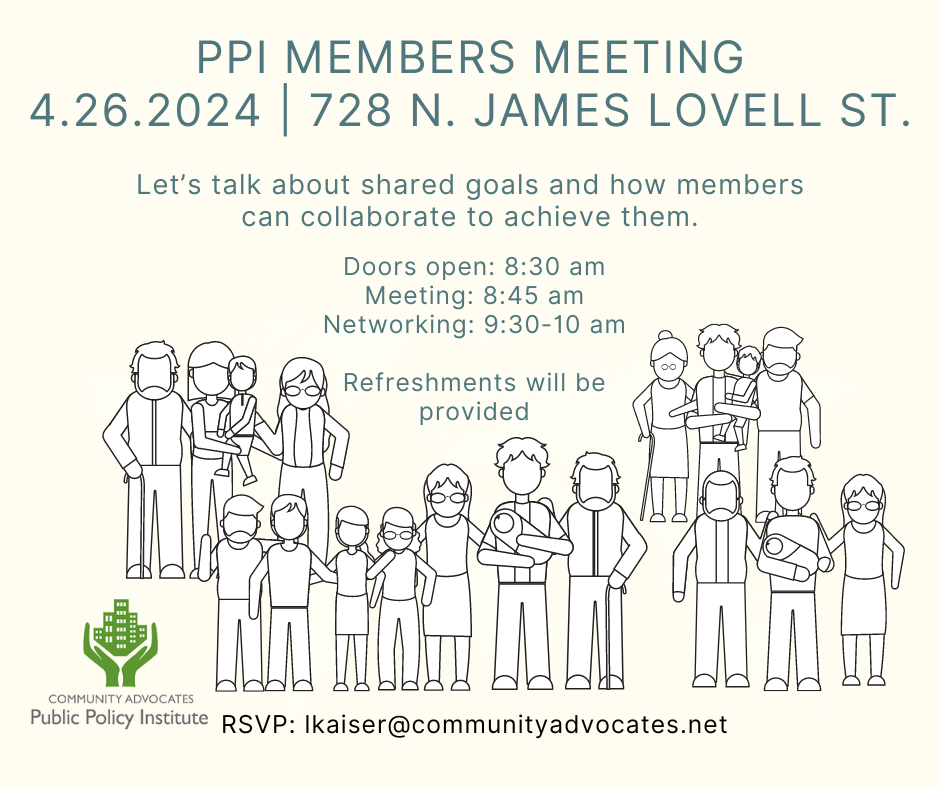
Want to support more advocacy and collaboration in Milwaukee County? Community Advocates Public Policy Institute’s Members Network brings together policy and prevention allies to develop innovative solutions to our community’s most pressing problems. On April 26, we’re hosting a members-only networking event to share ideas and learn more about how we can work together. Memberships are available for individuals and organizations.
| |
|
GRASP Conference:
Healing Hearts, Changing Paths
September 12-14
| |
|
GRASP (Grief Recovery After Substance Passing) Conference provides a supportive platform for individuals navigating the complex terrain of grief following the loss of a loved one due to substance use. With a dual focus on addressing personal grief and advocating for drug policy reform, the conference offers support for those navigating grief and a desire to work towards change in drug policies. Attendees engage in discussions, workshops, and networking opportunities aimed at fostering understanding, support, and resilience in the face of loss. Emphasizing harm reduction and compassion, the conference serves as a vital forum for promoting drug policies that prioritize human welfare and dignity. It will be held September 12 through September 14 in Albuquerque, New Mexico.
| |
|
2024 Opioids, Stimulants, and Trauma Summit
May 7 through May 9
| |
|
The Opioids, Stimulants, and Trauma Summit is an annual event organized by the Wisconsin Department of Health Services that highlights prevention, harm reduction, treatment, and recovery strategies related to opioids, stimulants, and trauma. All people with an interest in building healthy communities are invited to attend. It will be held May 7-9 in person at the Kalahari Resort in Wisconsin Dells but a virtual option is available.
| |
|
Milwaukee Mental Health Task Force Meeting
Tuesday, April 9
| |
|
Join the Milwaukee Mental Health Task Force meeting on Tuesday, April 9 from 3 to 5 p.m. Presenters are Tarsha Wiggins, founder of Speak Wellness Behavioral Health Consulting and developer of TRAP Therapy, which use energy, music, and evidence-based practices to educate and empower individuals to engage in their emotional wellness; and Mike Lappen, Milwaukee County Behavioral Health Services Division Administrator and Dr. Kenneth Cole, Licensed Psychologist, who will be updating us on outpatient and crisis services offered by Milwaukee County. The meeting will be held at Independence First, 540 S. First St., Milwaukee. A virtual option via Zoom is also offered but gathering in person is recommended.
| |
|
Building Bridges:
Fostering Community-Campus Collaboration for Substance Use Prevention, Harm Reduction,
and Recovery
Wednesday, April 10
| |
|
Join the Southeast PTTC and a panel of regional experts for a webinar examining the power of collaboration. “Fostering Community – Campus Collaboration for Substance Use Prevention, Harm Reduction, and Recovery” will begin at 11 a.m. on April 10. Participants will learn about prevention, harm reduction, and recovery initiatives being implemented on college campuses and identify effective strategies and tools they may employ in their own communities.
| |
|
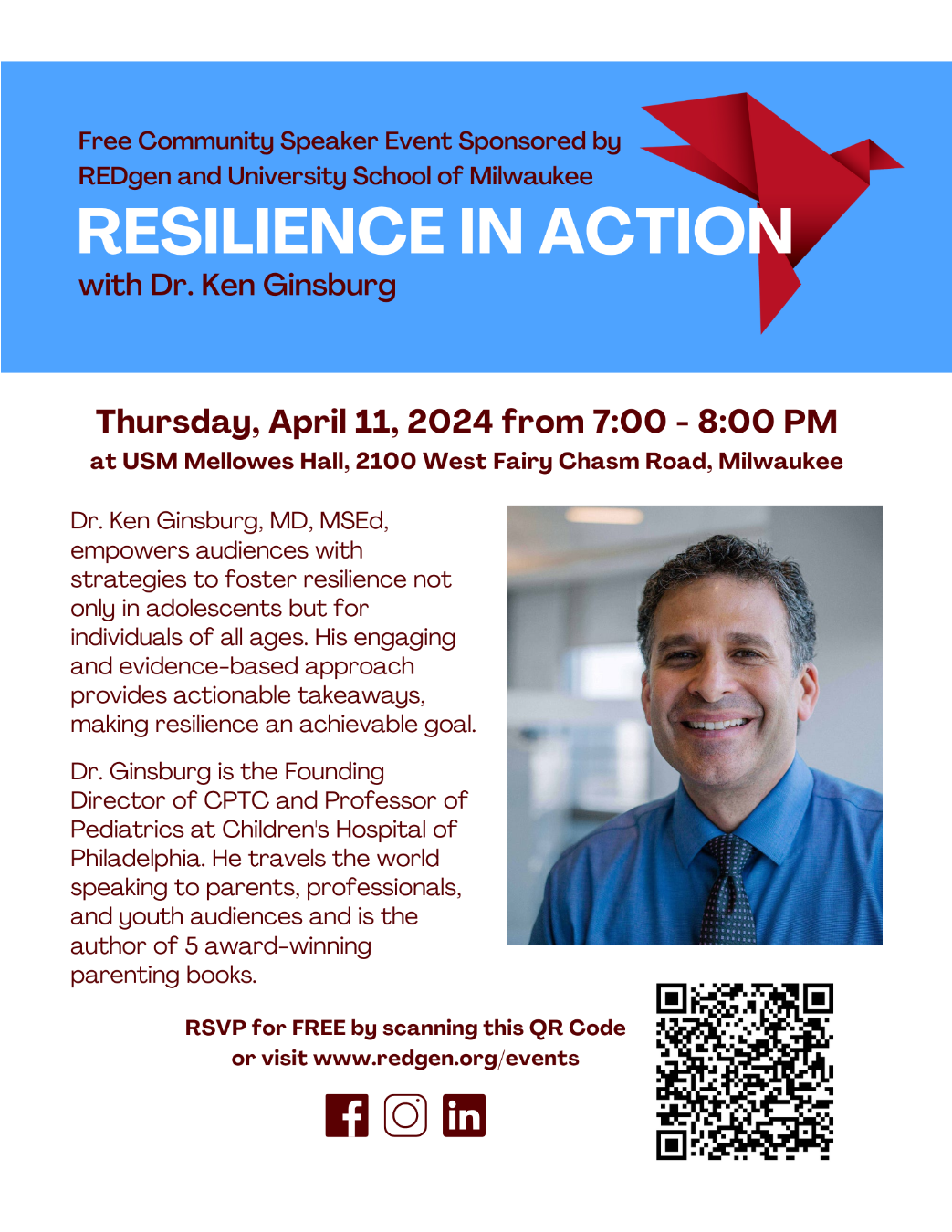
Resilience in Action with Dr. Kenneth Ginsburg
Thursday, April 11
| |
|
Ken Ginsburg, MD, MSEd, is Founding Director of CPTC and Professor of Pediatrics at Children's Hospital of Philadelphia. He travels the world speaking to parent, professional, and youth audiences and is the author of 5 award-winning parenting books. This free event is sponsored by REDgen and University School of Milwaukee and will be held from 7 to 8 p.m. on April 11 at University School of Milwaukee - Mellowes Hall, 2100 W. Fairy Chasm Road.
| |
|
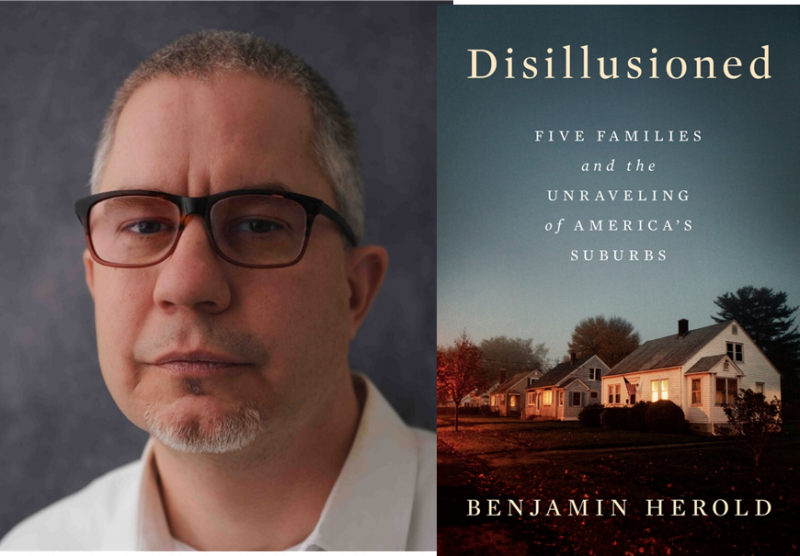
Benjamin Herold, Author of Disillusioned:
Five Families and
the Unraveling of America's Suburbs
Friday, April 12
| |
|
Investigative journalist Benjamin Herold appears with his new book, Disillusioned, in which he tells the stories of five American families that lay bare the vicious cycle that’s undermining the dreams upon which American suburbia was built. Herold will be in conversation with Milwaukee journalist Erin Richards at 7:30 p.m. at Boswell Book Co., 2559 N. Downer Ave., Milwaukee.
| |
|
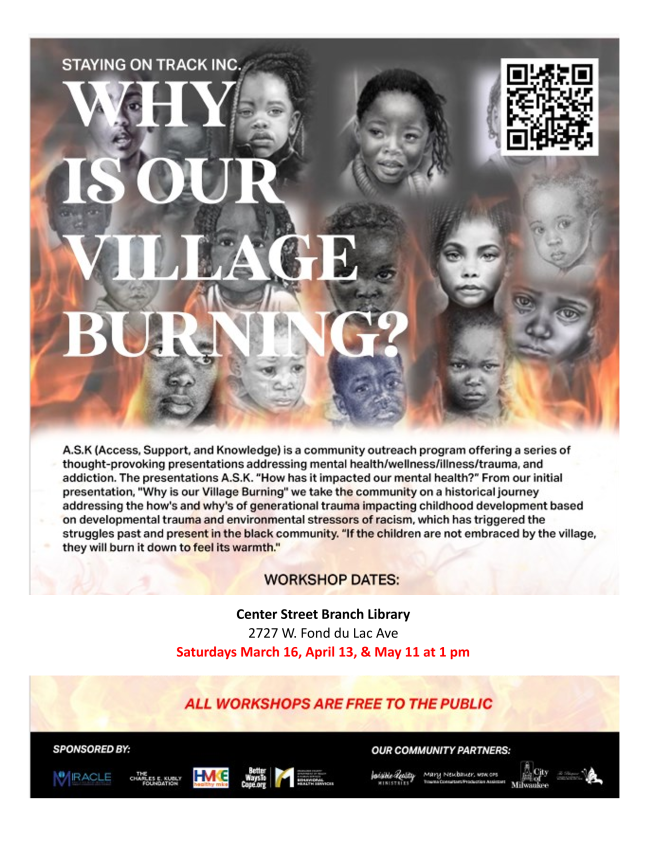
Why Is Our Village Burning?
Saturday, April 13 & Saturday, May 11
| |
|
In "Why Is Our Village Burning?" Brenda Wesley, Terri Ellzey, and Mary Neubauer take the community on a historic journey addressing the how’s and why’s of generational trauma impacting childhood development. This developmental trauma is based on environmental stressor of racism, which has triggered the struggles past and present in the Black community. “If the children are not embraced by the village, they will burn it down to feel its warmth.” These free workshops, presented by Staying on Track Inc., will be held at 1 p.m. on April 13 and May 11 at Center Street Branch Library, 2727 W. Fond du Lac Ave., Milwaukee. Registration is not required.
| |
|
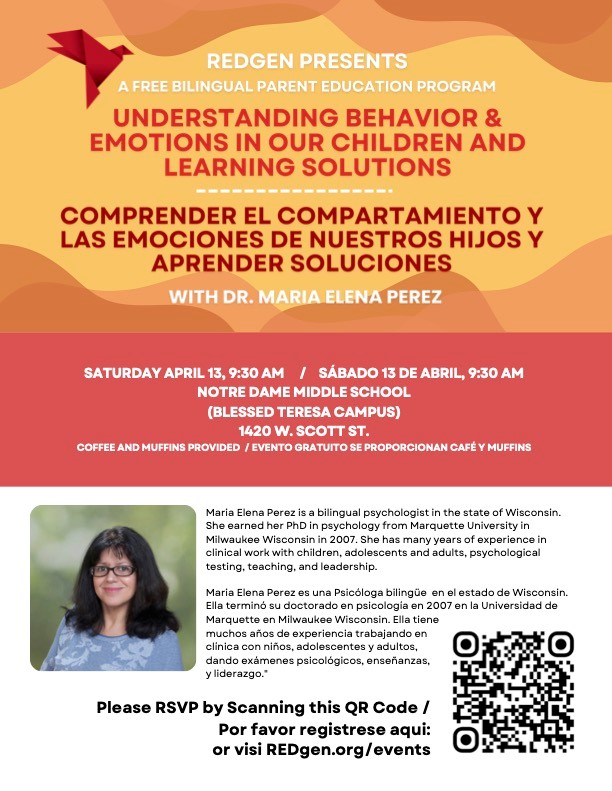
Understanding Behavior & Emotions //
Comprender el Compartamiento y las emociones with Dr. Maria Perez
Saturday, April 13 // Sábado 13 de abril
| |
|
This event is for parents and is sponsored by REDgen. Maria Elena Perez is a bilingual psychologist in the state of Wisconsin. She earned her PhD in psychology from Marquette University in Milwaukee Wisconsin in 2007. She has many years of experience in clinical work with children, adolescents and adults, psychological testing, teaching, and leadership. It will be held at Notre Dame Middle School, Blessed Teresa Campus, 1420 W. Scott St., Milwaukee, at 9:30 a.m. Coffee and muffins will be provided. Register here.
Este evento es para padres y está patrocinado por REDgen. María Elena Pérez es psicóloga bilingüe en el estado de Wisconsin. Obtuvo su doctorado en psicología de la Universidad Marquette en Milwaukee Wisconsin en 2007. Tiene muchos años de experiencia en trabajo clínico con niños, adolescentes y adultos, pruebas psicológicas, enseñanza y liderazgo. Se llevará a cabo en Notre Dame Middle School, Blessed Teresa Campus, 1420 W. Scott St., Milwaukee, a las 9:30 a.m. Se proporcionará café y muffins. Registrar aquí.
| |
|
Exploring Strategies to Strengthen Civic Participation for Communities’ Health
Tuesday, April 16
| |
|
Healthy communities depend on a culture where all people have the power to make change and a say in the decisions that affect them. Join this webinar organized by County Health Rankings & Roadmaps to learn about strategies that make it easier for residents to participate in their communities and decisions. It will be held at 2 p.m. on April 16. County Health Rankings & Roadmaps will host a one-hour interactive virtual discussion at 3 p.m., immediately following the webinar. Participate in an engaging dialogue with peers across the country to share your experiences working toward equity.
| |
|
Harnessing AI for Your
Substance Misuse Prevention Work
Thursday, April 18
| |
|
Dive into the world of generative artificial intelligence (AI) with an engaging 90-minute webinar that demystifies Large Language Models (LLMs) and their practical applications. This webinar from the Great Lakes PTTC will offer a blend of theory and hands-on activities, including article summarization and brainstorming AI-driven intervention strategies for substance misuse prevention scenarios. It promises to enhance your understanding of AI's potential in substance misuse prevention work, while also highlighting the critical issues of misinformation and bias inherent in these technologies. It will be held from 10 to 11:30 a.m. on April 18.
| |
|
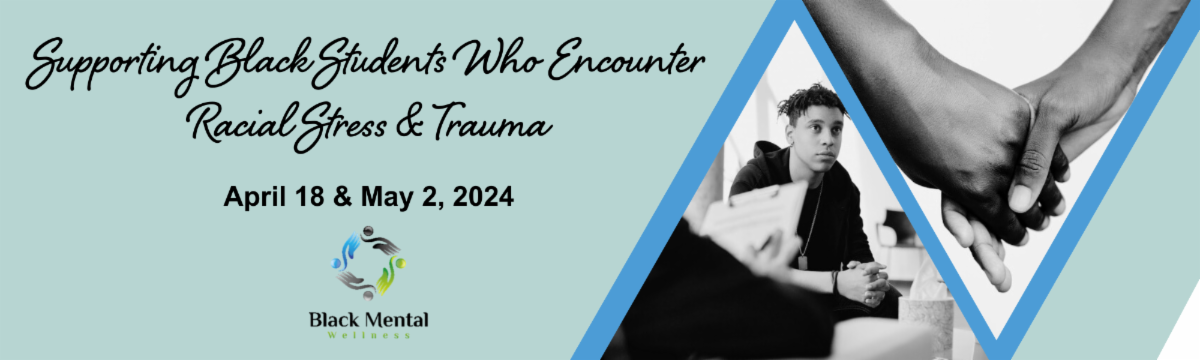
Supporting Black Students Who Encounter Racial Stress and Trauma
Thursday, April 18 & Thursday, May 2
| |
|
Research has indicated that youth may experience racism, prejudice, and bias as early as preschool. In this 2-part workshop from the Great Lakes MHTTC, participants will have the opportunity to reflect on their experiences of working with their students and learn strategies to help students navigate a culturally complex world. We will discuss how implicit bias may influence and impact expectations and interactions with youth. Participants will walk away with strategies to discuss these important issues with youth and learn how to support students as they encounter racism and racial trauma. Sessions will be held from 1 to 2 p.m. on April 18 and May 2.
| |
|
Verbal De-Escalation Techniques
Monday, April 22 & Tuesday, April 23
| |
|
During this virtual workshop, you will learn how to increase safety by utilizing verbal de-escalation techniques. Participants will explore foundational information on how to reduce the level of conflict through self-knowledge, understand how past experiences influence current behavior, and practice de-escalation. This session is organized by Community Advocates Public Policy Institute and will be held from 9 to 10:30 a.m. on April 22 and from 1 to 2:30 p.m. on April 23 via Zoom.
| |
|
QPR Question Persuade Refer
Suicide Prevention Training
Tuesday, April 23
| |
|
The QPR mission is to reduce suicidal behaviors and save lives by providing innovative, practical and proven suicide prevention training. The signs of crisis are all around us. We believe that quality education empowers all people, regardless of their background, to make a positive difference in the life of someone they know. This two-hour interactive introduction to suicide awareness and prevention will also cover statistics and intervention strategies. It’s organized by Community Advocates Public Policy Institute and will be held from 10 to 11:30 a.m. on April 23.
| |
|
The Effects of Immigration Enforcement on Vulnerable Individuals and Communities
Wednesday, April 24
| |
|
Immigrants without legal status face many risks and challenges on a daily basis as they pursue a better life for themselves and their families. In addition, there is a ripple effect for members of their households and communities, even if others are citizens or are in the United States legally. In this webinar from UW-Madison Institute for Research on Poverty, participants will explore impacts on the health, education, employment, and safety of members of already vulnerable communities when there is an actual increase in governmental surveillance or simply the looming threat of enforcement, and what that means for society as a whole. It will be held from 1 to 2 p.m. on April 24.
| |
|
LGBT(QIA+) Overview & Practice Skills
(with a Focus on T)
Wednesday, April 24
| |
|
Participants will increase awareness about sexual orientation, gender identity, and how personal biases impede care and ultimately identify how to develop an environment that is LGBT user effective. This webinar is presented by the Northeast & Caribbean ATTC and will be held virtually from 9 to 11 a.m. on April 24.
| |
|
Cultural Humility & Motivational Interviewing – Combined to Engage & Retain
LGBTQIA People in Care
Thursday, April 25
| |
|
LGBTQIA people are much more than their sexual orientation and gender identity. This interactive webinar combines the perspectives and practices of both Cultural Humility and Motivational Interviewing, inviting participants to consider how these approaches, used in tandem, can enhance engagement and retention of LGBTQIA people. This webinar from the Northeast & Caribbean ATTC will be held virtually from 12 to 2 p.m. on April 25.
| |
|
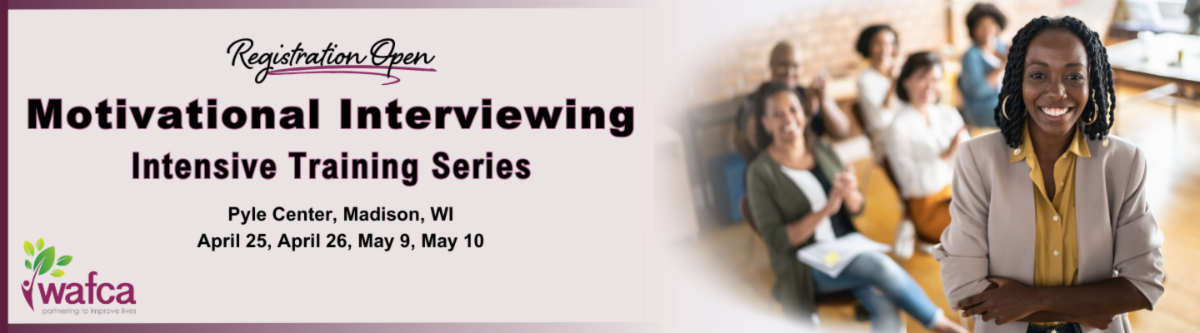
Motivational Interviewing for Behavioral Health & Human Services Professionals
with Great Lakes MHTTC
April 25 & 26, May 9 & 10
| |
|
Motivational Interviewing (MI) is an evidence-based practice that leverages collaborative conversation to strengthen a person’s own motivation and commitment to positive behavioral change. In this interactive, skills-based workshop, participants will have the opportunity to learn about and practice hands-on Motivational Interviewing using both relational (level 1) & technical (level 2) skills. This is an in-person training series at the Pyle Center in Madison organized by the Wisconsin Association of Family and Children’s Agencies (WAFCA) and Great Lakes MHTTC; participants must attend all four sessions. Registrants who fully attend this training will be eligible to receive 24 certified continuing education (CE) hours. CE certificates will be disseminated after the training by the host agency (WAFCA). Cost is $125.
| |
Adult Mental Health First Aid
Monday, April 29
| |
|
Mental Health First Aid teaches you how to identify, understand, and respond to signs of mental illness and substance use disorders. This training gives you the skills you need to reach out and provide initial support to someone who may be developing a mental health or substance use problem and help connect them to the appropriate care. It’s organized by Community Advocates Public Policy Institute and will be held on Zoom on April 29. Pre-course work is required.
| |
Trauma and the Brain: An Introduction
Tuesday, April 30
| |
|
As a result of this workshop, participants will gain a better understanding as to how trauma affects the brain, discuss risk factors for substance use disorders, and develop their strategy for intervention methods for a particular population. It’s organized by Community Advocates Public Policy Institute and will be held from 9 to 10:30 a.m. on April 30.
| |
|
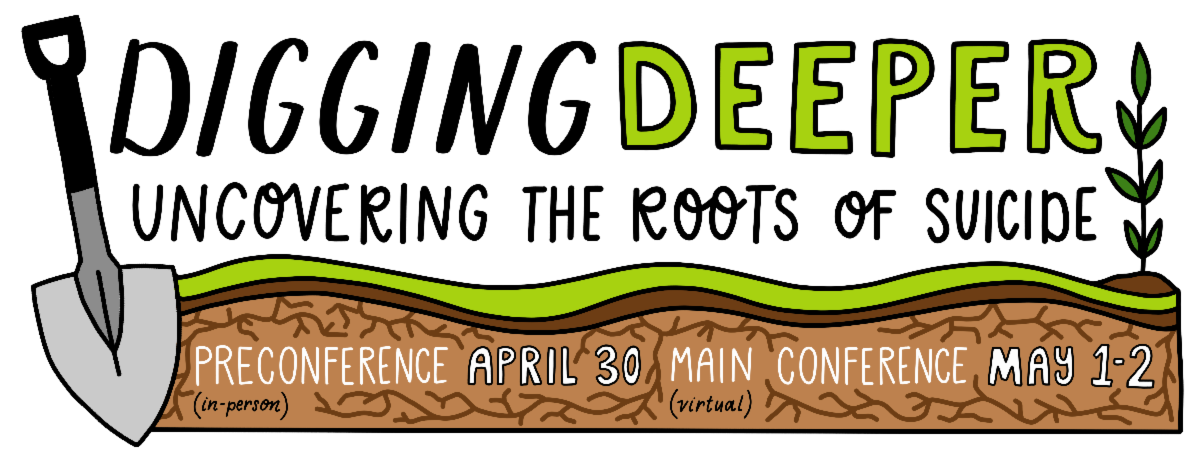
14th Annual Prevent Suicide Wisconsin Conference
Pre-Conference, Tuesday, April 30
Conference, Wednesday, May 1 & Thursday, May 2
| |
|
Mental Health America of WI is excited to host the 14th Annual Prevent Suicide Wisconsin Conference, taking place over Zoom Wednesday, May 1, and Thursday, May 2. A pre-conference in-person event will take place on Tuesday, April 30, in Madison.
| |
|
Naloxone Action Planning Meeting
Tuesday, May 14
| |
|
Naloxone distribution is an essential intervention to prevent fatal opioid-involved overdoses. This event will explain the why and how to reach the goal of naloxone saturation in Wisconsin. Naloxone saturation is achieved when there is sustainable and equitable access to naloxone for distribution to people who use drugs and people who may witness an opioid overdose. Wisconsin DHS has partnered with UW-Whitewater's Center for Inclusive Transition, Education, and Employment to host this event. It will be held virtually from 8:30 a.m. to 12 p.m. on May 14.
| |
|
Engaging in Advocacy for Hispanic/Latino Behavioral Health Equity: Skill-Building for Advocacy
Tuesday, May 14
| |
|
This 3-part learning series is intended for individuals working in behavioral health who are interested in building skills that will help increase their engagement in advocacy efforts promoting Hispanic and Latino behavioral health equity. In session 2, Skill-Building for Advocacy, participants will learn key strategies for effective behavioral health advocacy and skills to engage using these key strategies. It’s presented by the Great Lakes MHTTC and will be held from 12 to 1:30 p.m. on May 14.
| |
|
SAMHSA Center for Mental Health Services
2024 Children, Youth, and Young Adult Mental Health Symposium
Friday, May 17
| |
|
This SAMHSA Symposium will convene multidisciplinary stakeholders and thought leaders to share perspectives and solutions for improved outcomes in prevention, early identification, and treatment for children, youth, young adults, and their families.
Grounded in this year’s theme, "Championing Mental Health Together," the Symposium will:
- Feature panel discussions on emerging trends;
- Showcase evidence-based practices, programs, and services; and
- Provide networking opportunities for collaboration.
The Symposium will be held from 7 a.m. to 4 p.m. on May 17. Registration is not necessary to access the livestream. Participants will have to access this link on the day of the Symposium: https://www.youtube.com/watch?v=N3TSew7BDQ4
| |
|
Hey, there,
-- do you have:
-
Job openings?
- Upcoming events?
- News to share?
- Suggestions?
Forward the information to Prevention@CommunityAdvocates.net.
Thank you for your service to Milwaukee!
| |
|
MHA 2024 May Is Mental Health Month Resources
Mental Health America's 2024 Mental Health Month toolkit provides free resources to help plan your efforts and raise awareness during the month of May and beyond. It has DIY tools, social media assets, resources, templates, printable handouts, and more. Download it here.
| |
|
National Sexual Assault Advocate Appreciation Day Resources
National Sexual Assault Advocate Appreciation Day was founded by PAVE/Survivors.org in 2023 in order to show our gratitude towards those who support survivors during their trauma. The work that advocates do is unparalleled and often plays a crucial role in the healing process. Download the resources here.
| |
Los Recursos Familial en Español | |
|
La depresión en las mujeres: 5 cosas que usted debe saber
La tristeza es una reacción normal ante los momentos difíciles de la vida. Pero por lo general, la tristeza desaparece después de poco tiempo. La depresión es diferente: es un trastorno del estado de ánimo que puede causar síntomas graves que afectan la forma cómo se siente, piensa y lleva a cabo sus actividades diarias, como dormir, comer o trabajar. La depresión es más común en las mujeres que en los hombres, probablemente debido a ciertos factores biológicos, hormonales y sociales que son exclusivos de las mujeres. Este folleto del Instituto Nacional de Salud Mental contiene una descripción general de cinco cosas que todos deberían saber sobre la depresión en las mujeres. Descárgalo ahora.
| |
|
Healthy MKE
De Milwaukee Health Care Partnership y Milwaukee County Behavioral Health Services, el sitio web Healthy MKE ofrece una única fuente de información para los servicios públicos y privados en el condado de Milwaukee, donde los proveedores y los miembros de la comunidad pueden obtener la información que necesitan para ayudarse a sí mismos o a otros. Accede a ellos aquí.
| |
|
Programa de intervención familiar (FIP)
Objetivo del programa de intervención familiar es eliminar importantes barreras que impiden latinos y afroamericanos individuos y familias de buscar servicios de asesoría tradicional. Este programa de manejo de caso intensivo, basado en el hogar, enfoque familiar ofrece servicios de apoyo a las familias que luchan con el impacto de la adicción a la sustancia y la violencia doméstica. Servicios son proporcionados sin costo a la familia. Para obtener más información sobre el programa de intervención familiar, por favor llame a 414-270-4600. Aprende más.
| |
Family Resources in English | |
|
Depression in Women: 4 Things to Know
Feeling sad is a normal reaction to difficult times in life. Depression is different—it is a mood disorder that can affect how a person feels, thinks, and acts. Read this fact sheet from the National Institute of Mental Health to learn about depression in women and ways to get help. Download the fact sheet.
| |
|
Positive Options for Women Entering Recovery
Are you worried about your drinking or drug use? You aren’t alone. The Positive Options for Women Entering Recovery (POWER) is here to help. The Milwaukee Women’s Center’s POWER provides FREE day treatment for women struggling with alcohol and other drug issues. Click here to learn more or call 414-270-4600 to get help.
| |
|
Family Intervention Program (FIP)
Struggling with drug and alcohol use can make you feel alone. Not being able to find a counselor who understands your unique treatment needs can make things even harder. The Family Intervention Program is a no-cost, bilingual English and Spanish drug and alcohol treatment program specifically designed for Black and Latinx individuals and families in Milwaukee. To learn more about the Milwaukee Women’s Center’s Family Intervention Program, please call 414-270-4600 or click this link.
| | | | |