Issue #94 Issue #111 | Veterans Day Edition November 2023 | June 2022 | |
|
In This Issue of
Saving Military History One Soldier at a Time
Veterans' Day Edition 2023
| |
 | |
Hi Robert,
A Happy Veterans' Day to all you veterans out there. In this issue we will recap our activities leading up to and including the 11th.
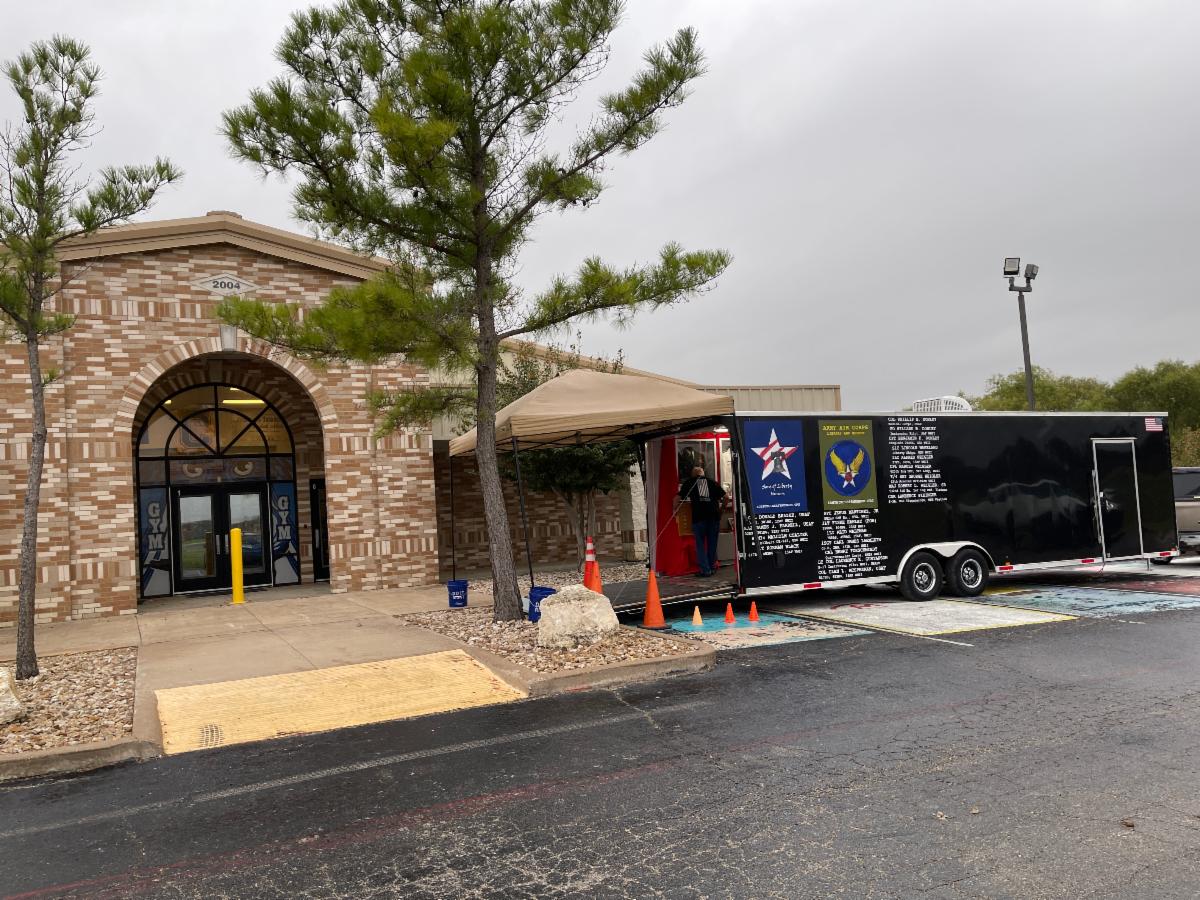
We took the Mobile Museum to its first school.
Attended USMC birthday festivities.
Setup a large Vietnam exhibit and gave a short program on Veterans' Day joining with the Irving Symphony Orchestra for a Veterans Salute.
Thanksgiving is next week and Giving Tuesday is in 2 weeks.
Please consider us this giving season.
Want to help Support Our Mission?
Sons of Liberty Museum - Secure Donation
Army Air Corps Museum - Secure Donation
Thank you for all of the great artifact donations!
We want to send out a special thank you to all of our volunteers who have been helping us on many projects. We could not have accomplished so much without your assistance!
Thank you for your support!
Artifacts help tell the stories, money makes the engine run, please
Donate Now!
We tell history! Saving Military History One Soldier at a Time.
Remember those that made the #ultimatesacrifice #mia #pow #kia #sonsofliberty. #patriots #army #navy #marines #aircorps #airforce #coastguard #spaceforce #merchantmarine; all those that have worn the cloth.
Join us on this journey.
In Their Memory,
Robert Coalter, Executive Director
Jason Weigler, Executive Director
Major Robert Weigler, Jr. US Army Ret. - Director
"Saving Military History One Soldier At A Time".SM
"Saving History One Soldier At A Time"SM
| |
Covington Independent School District | |
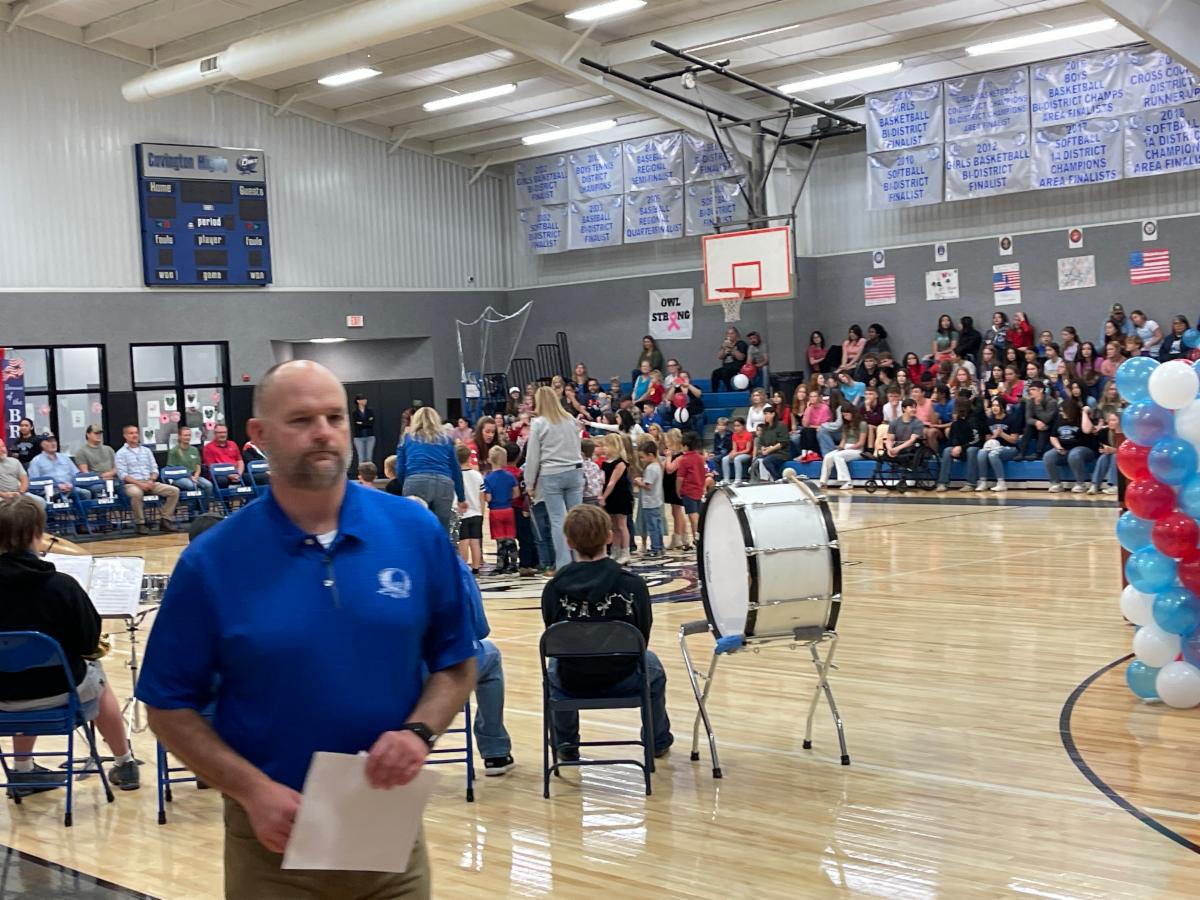
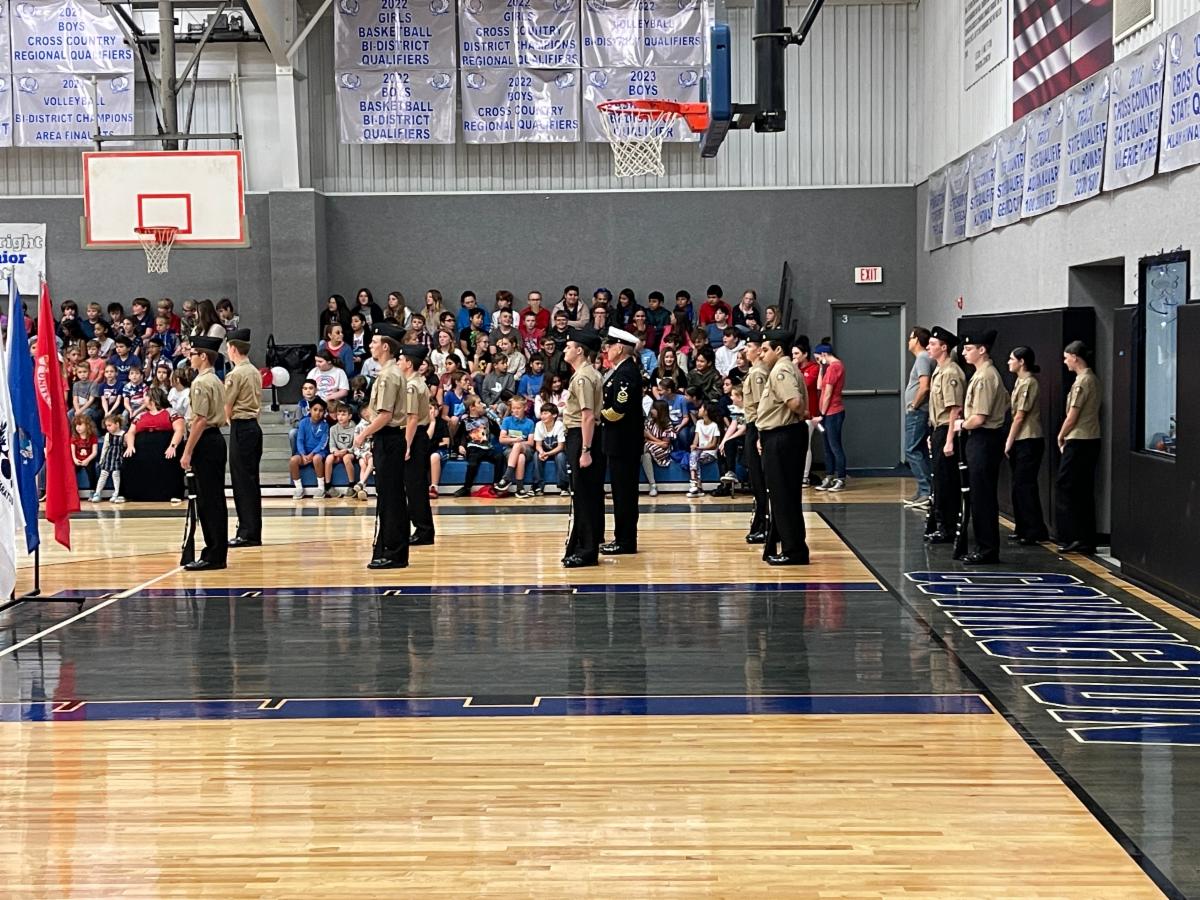
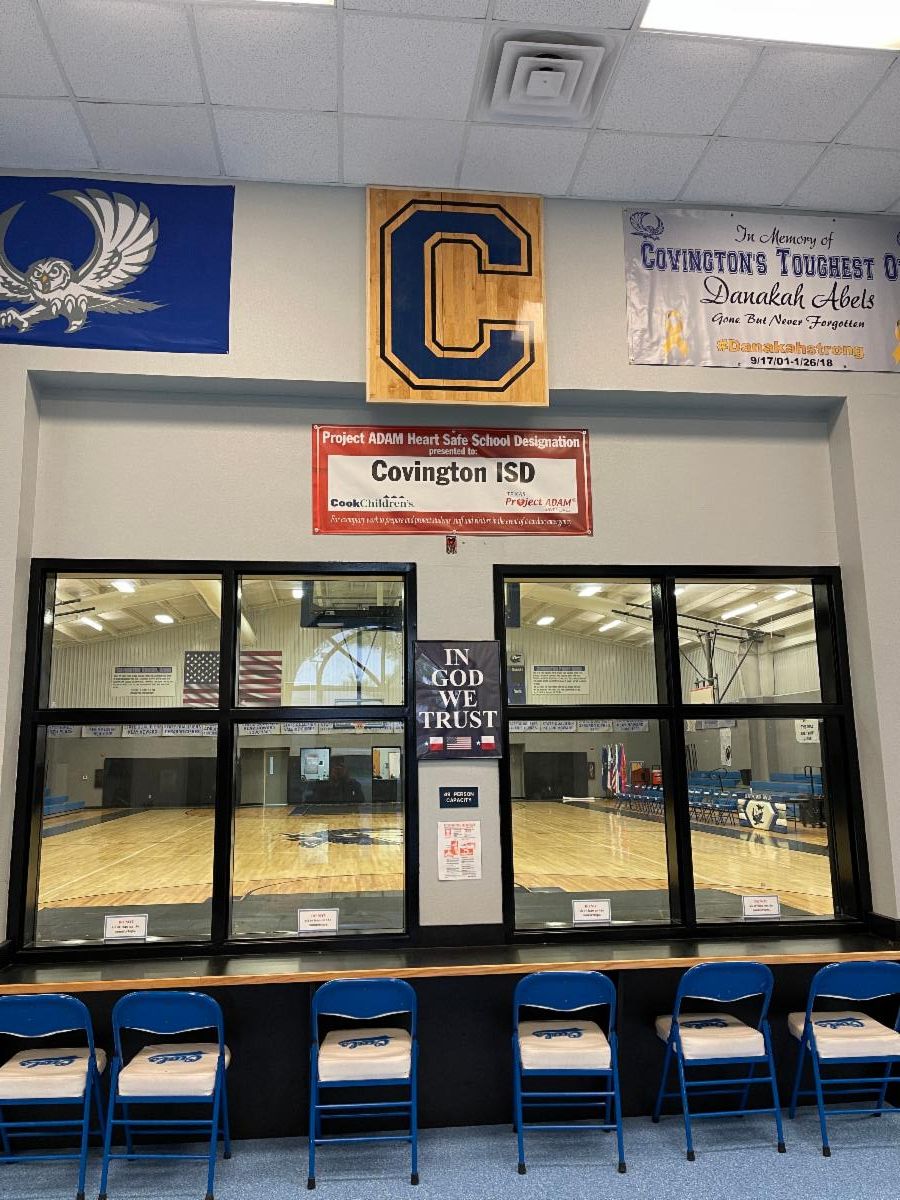
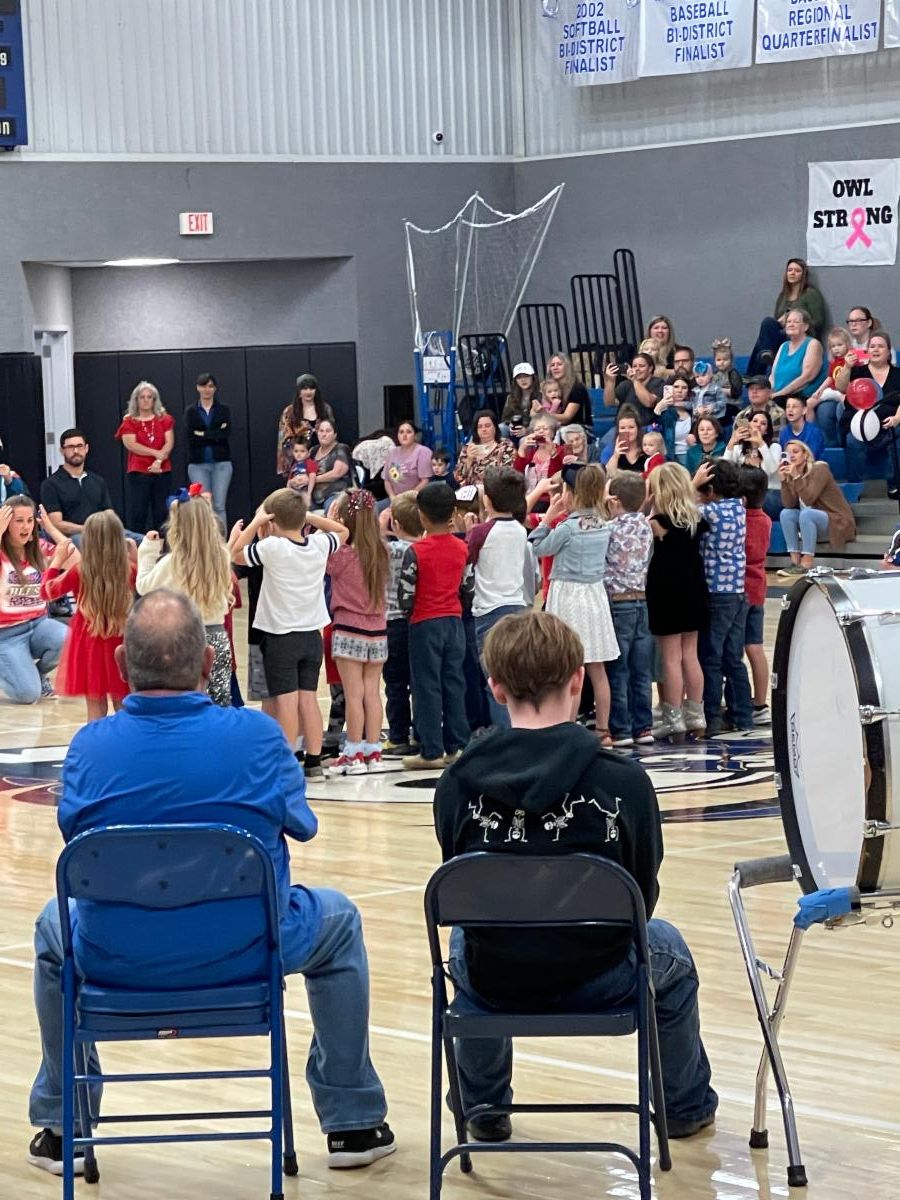
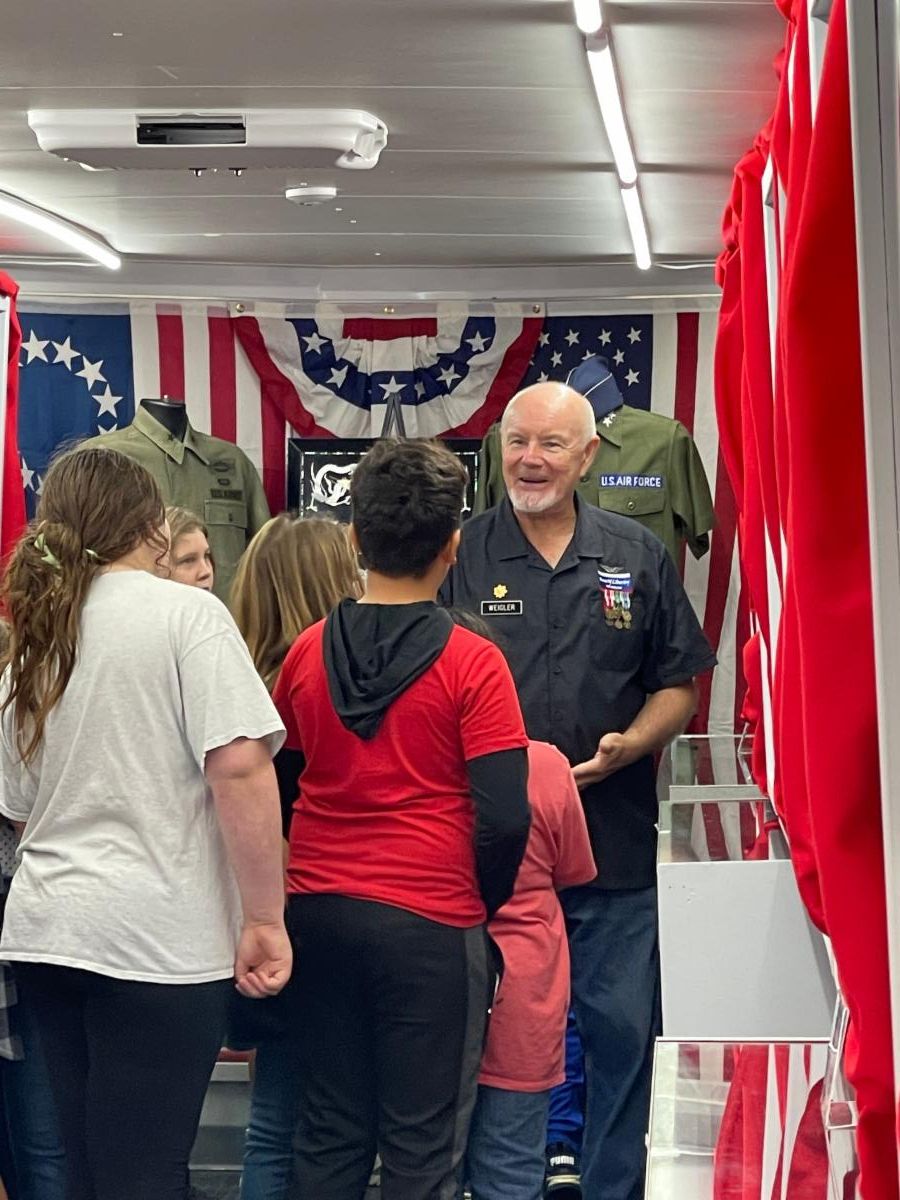
The Mobile Museum made its first school stop on November 9. Participating in the Veterans' Day ceremonies at the Covington Independent School District. An outstanding program in the gym with music, singing and a performance by a high school rifle drill team with honoring of special guests (veterans). Following this all of the students toured the Mobile Museum. Pictures, questions, oohs and ahhs followed as each class took their turn viewing the artifacts of Admirals and Generals. | |
Thank you Covington Owls for a great Veterans' Day Program! | |
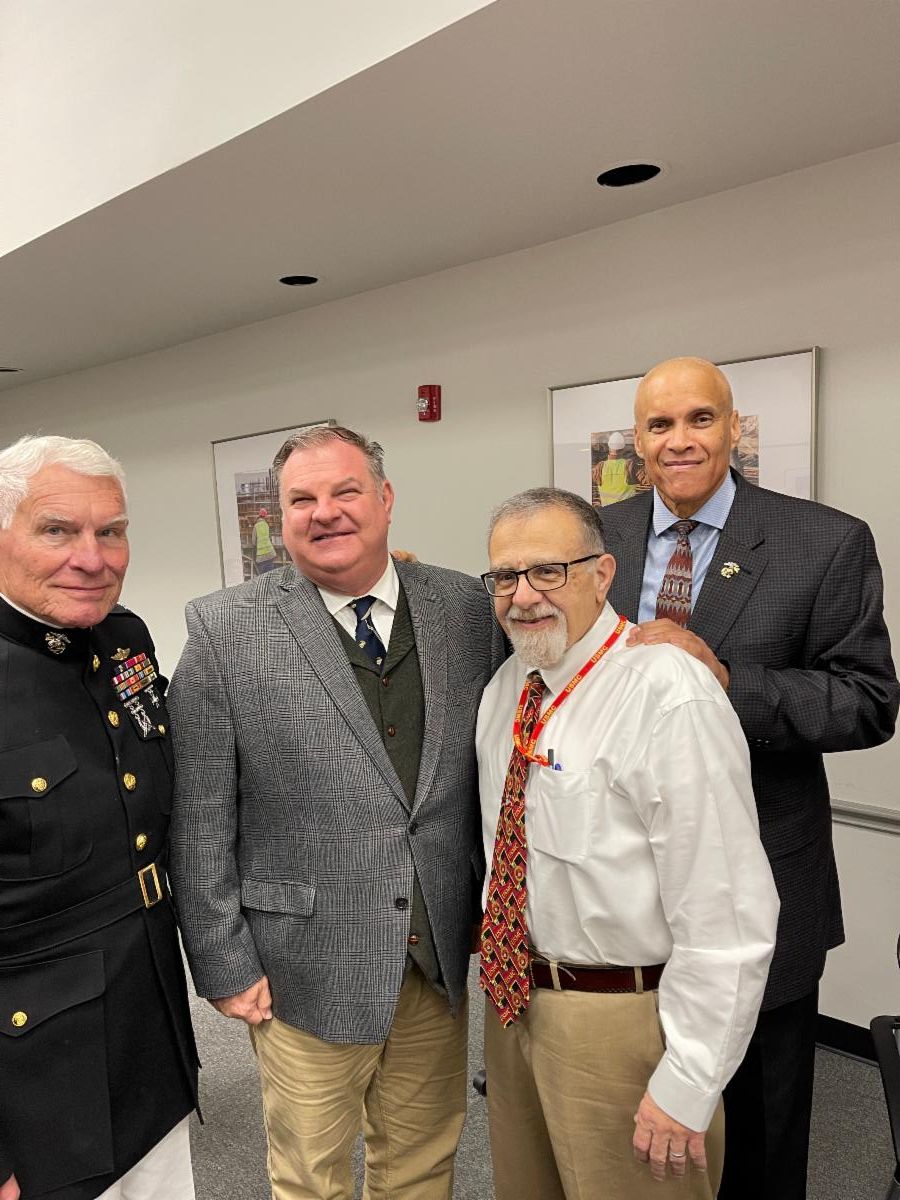
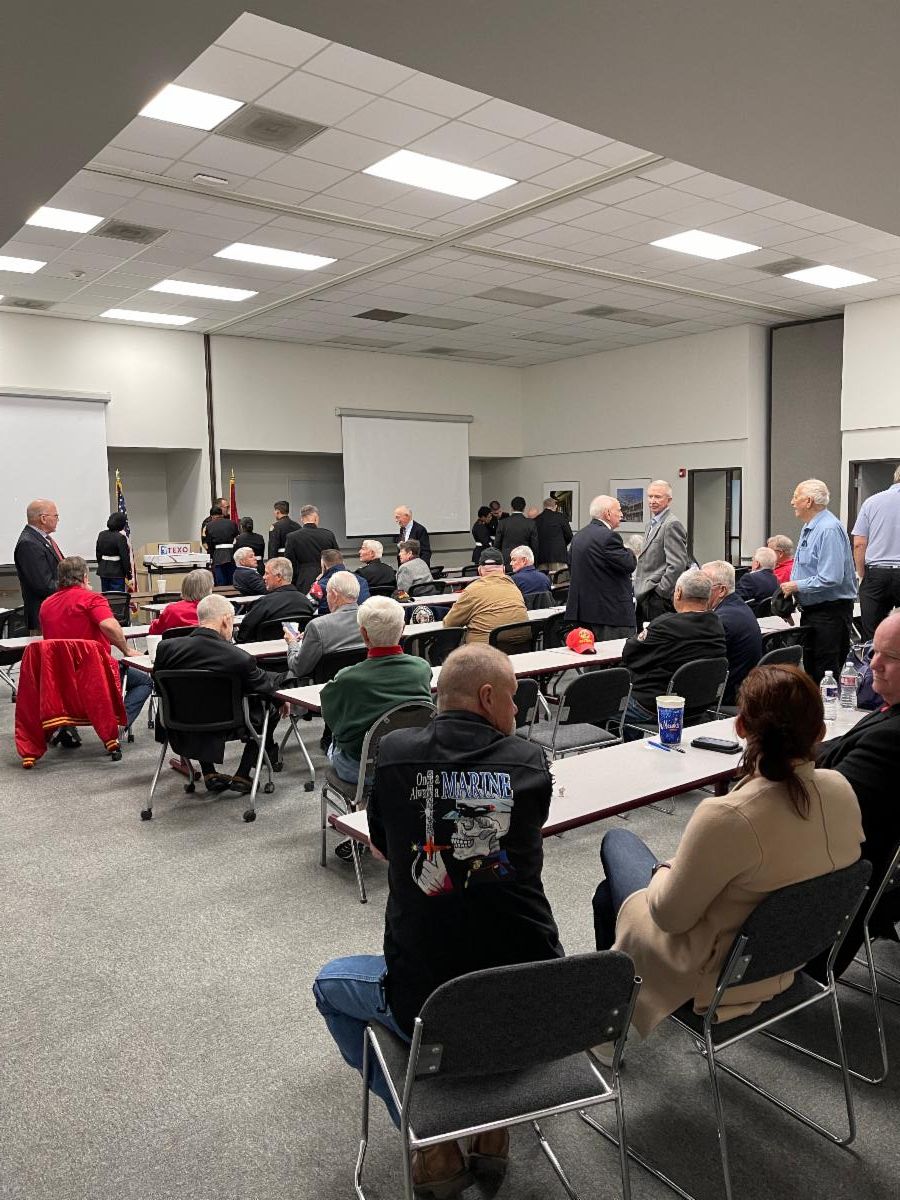
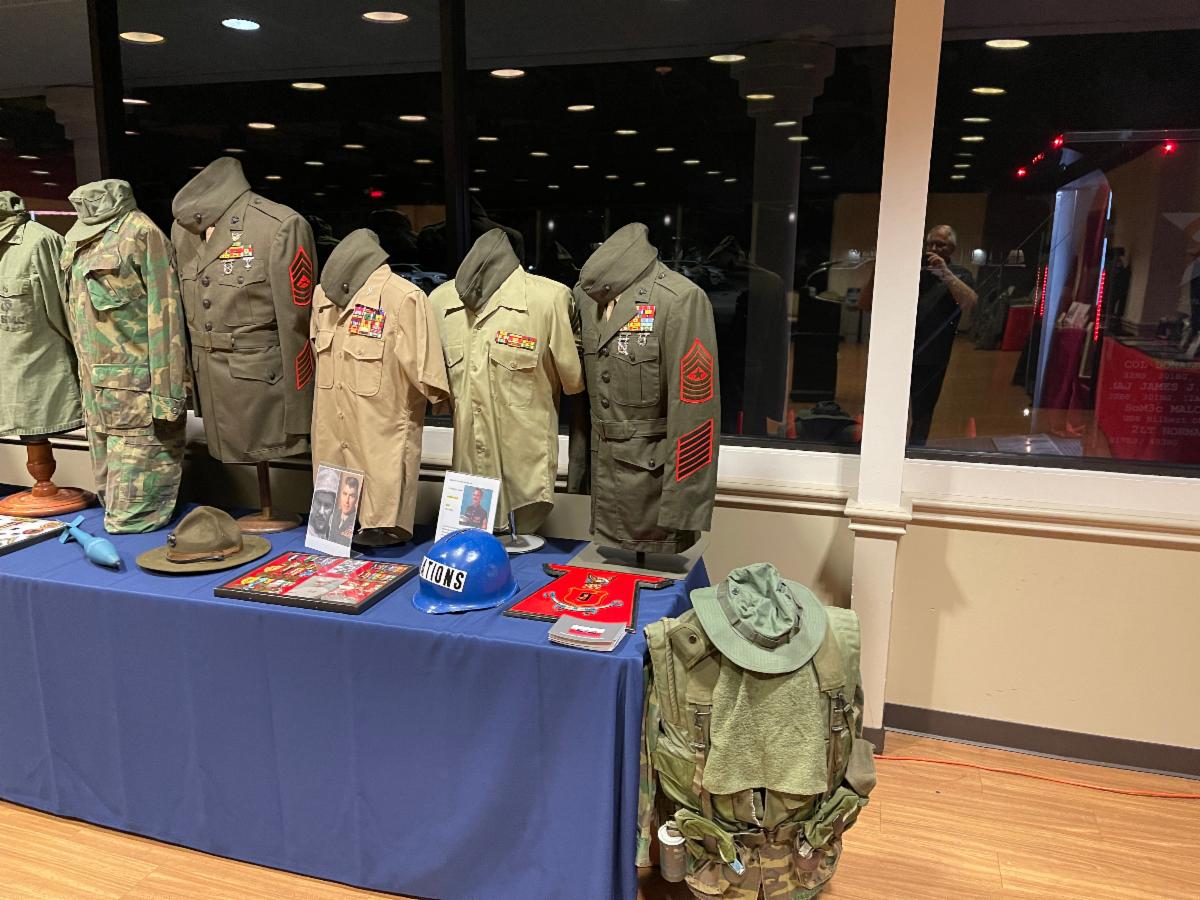
Friday November 10 we attended the USMC birthday festivities at the Metroplex Coordinating Council luncheon in Dallas, Texas. Singing, Whoopin', a Cake Cutting Ceremony and a great lunch. Happy 248th Birthday Marines! | |
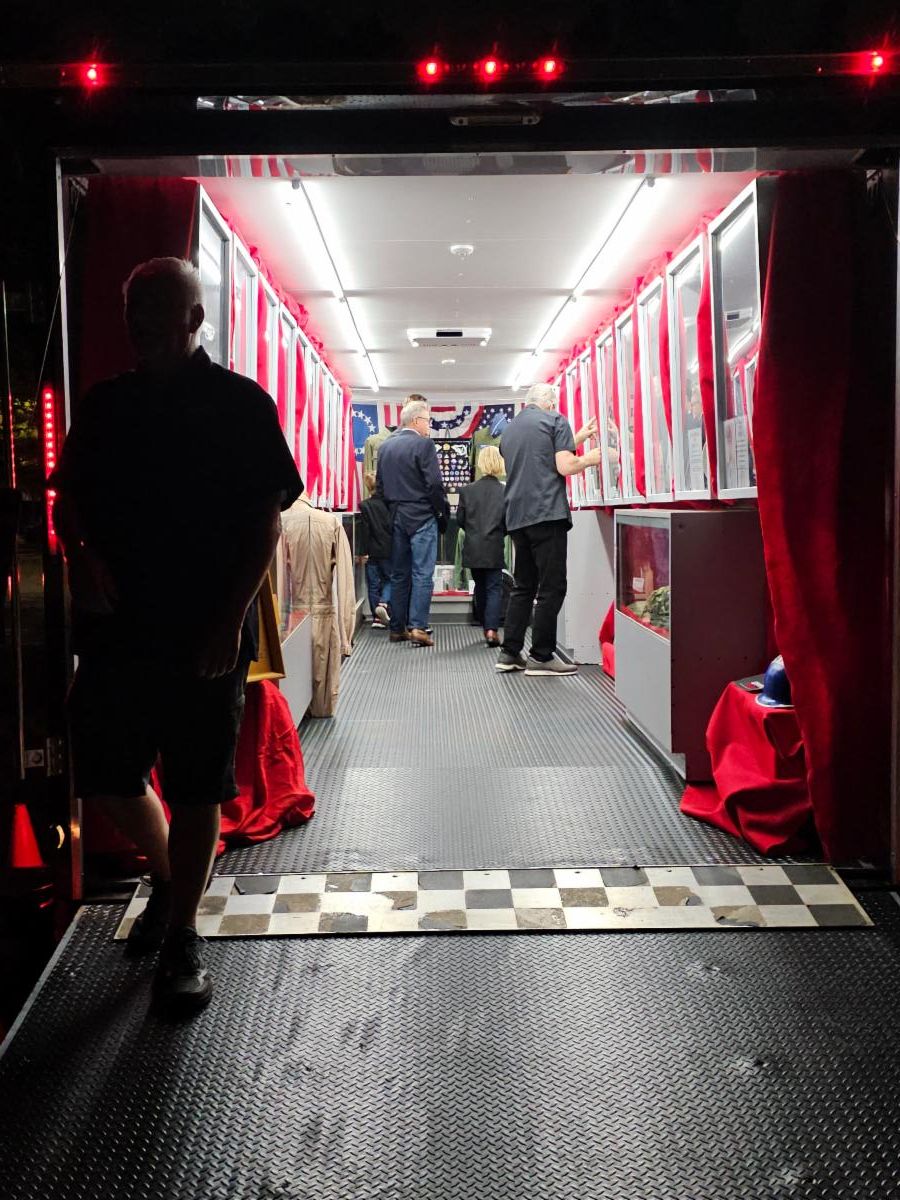
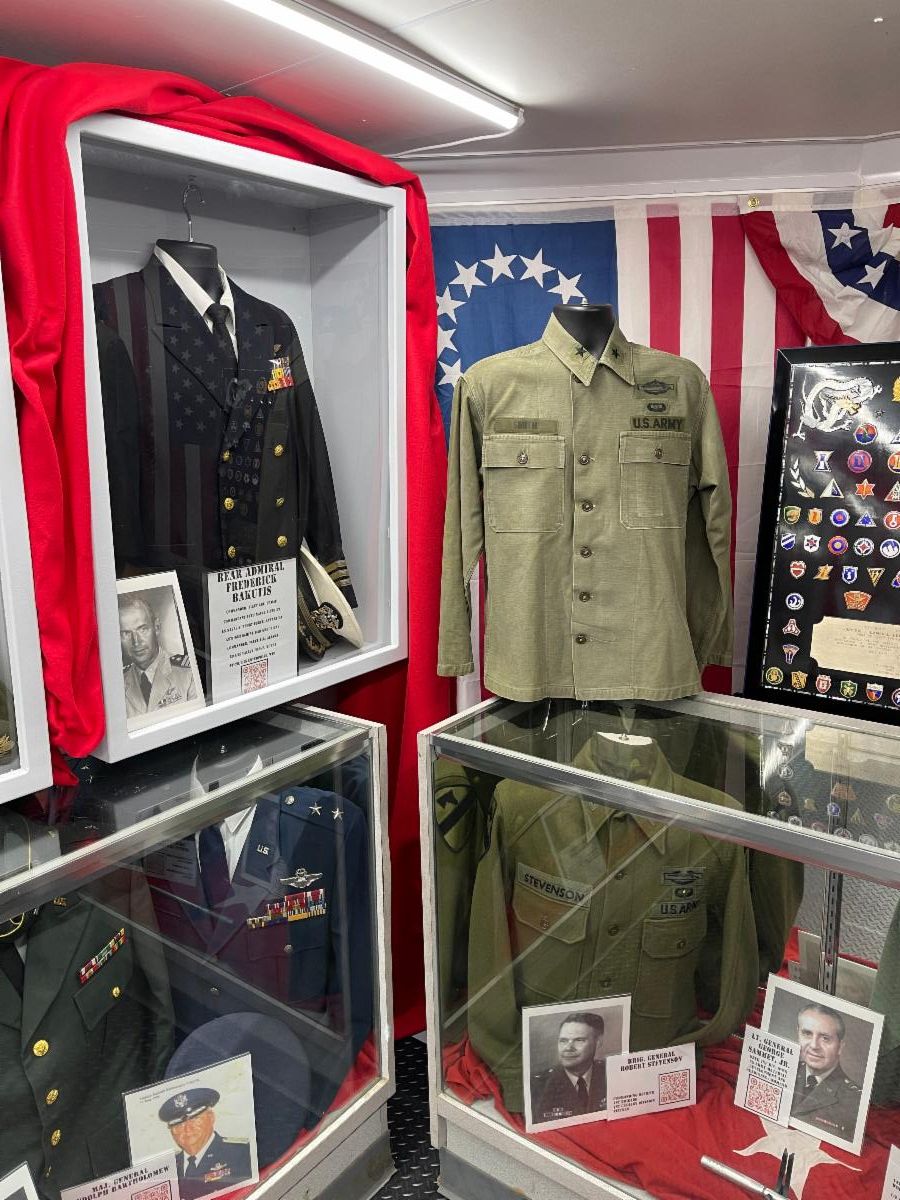
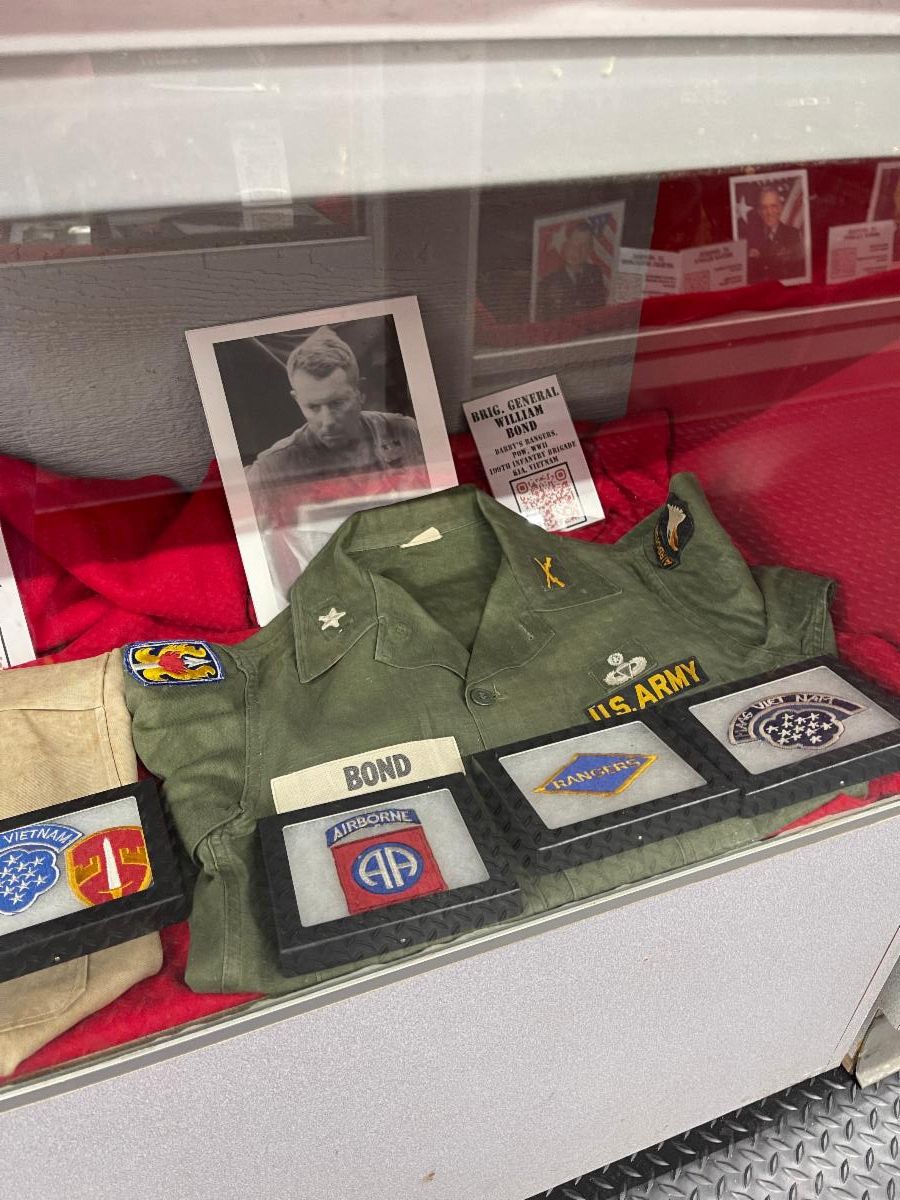
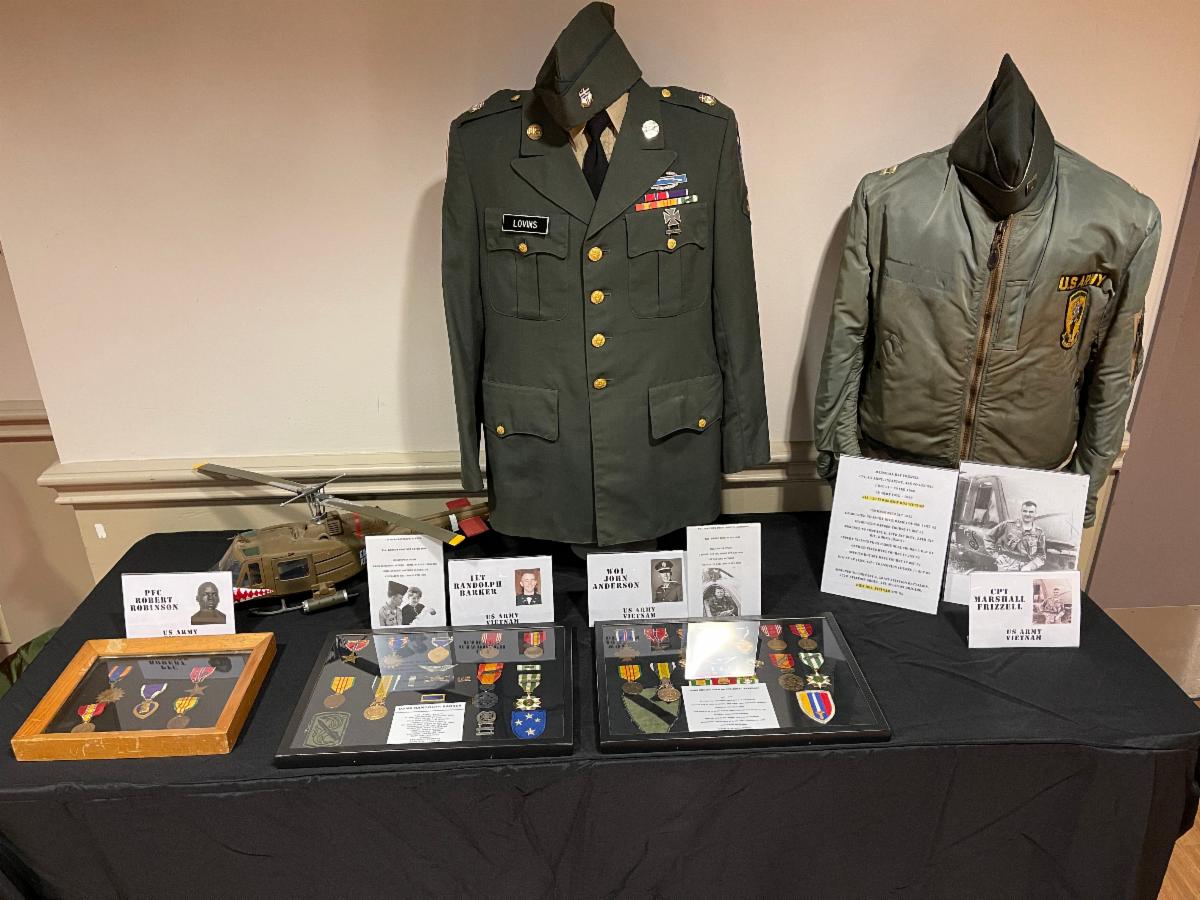
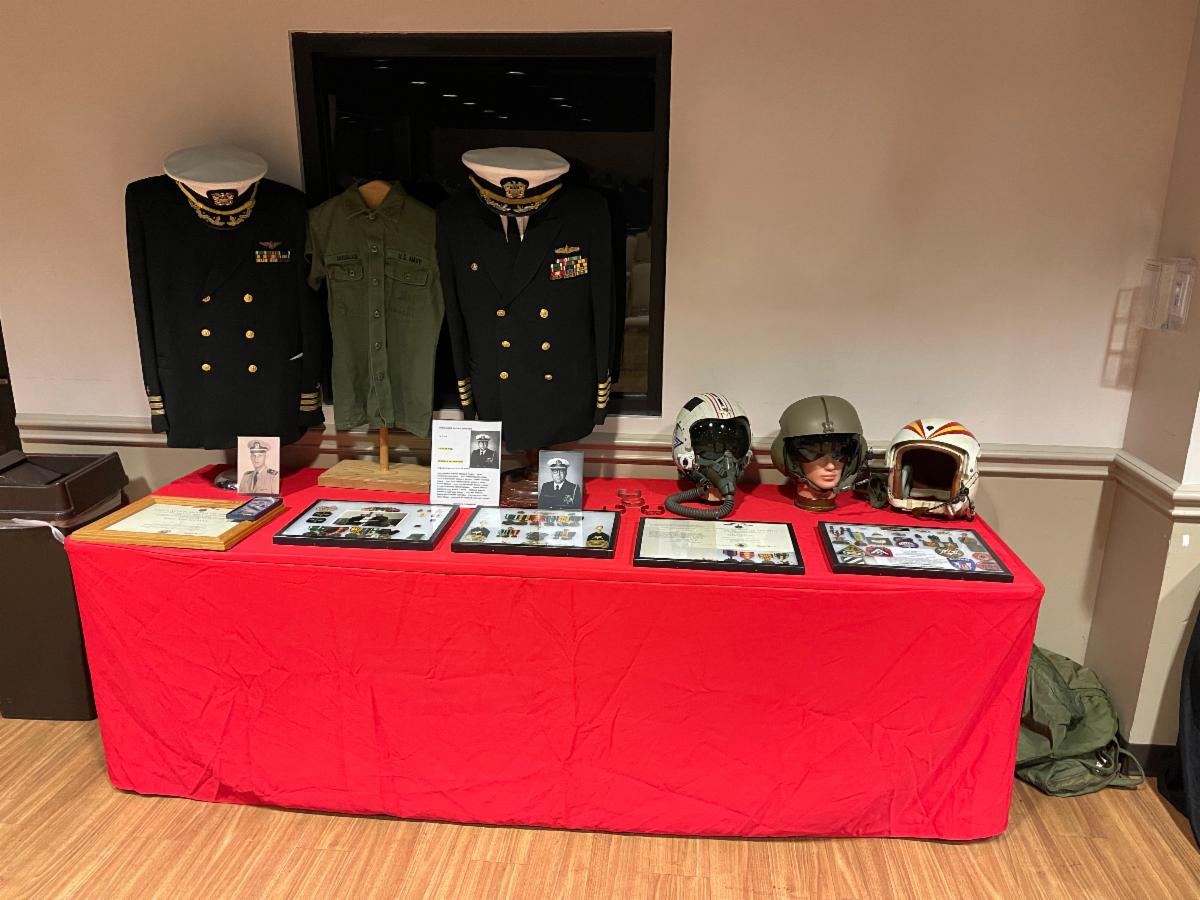
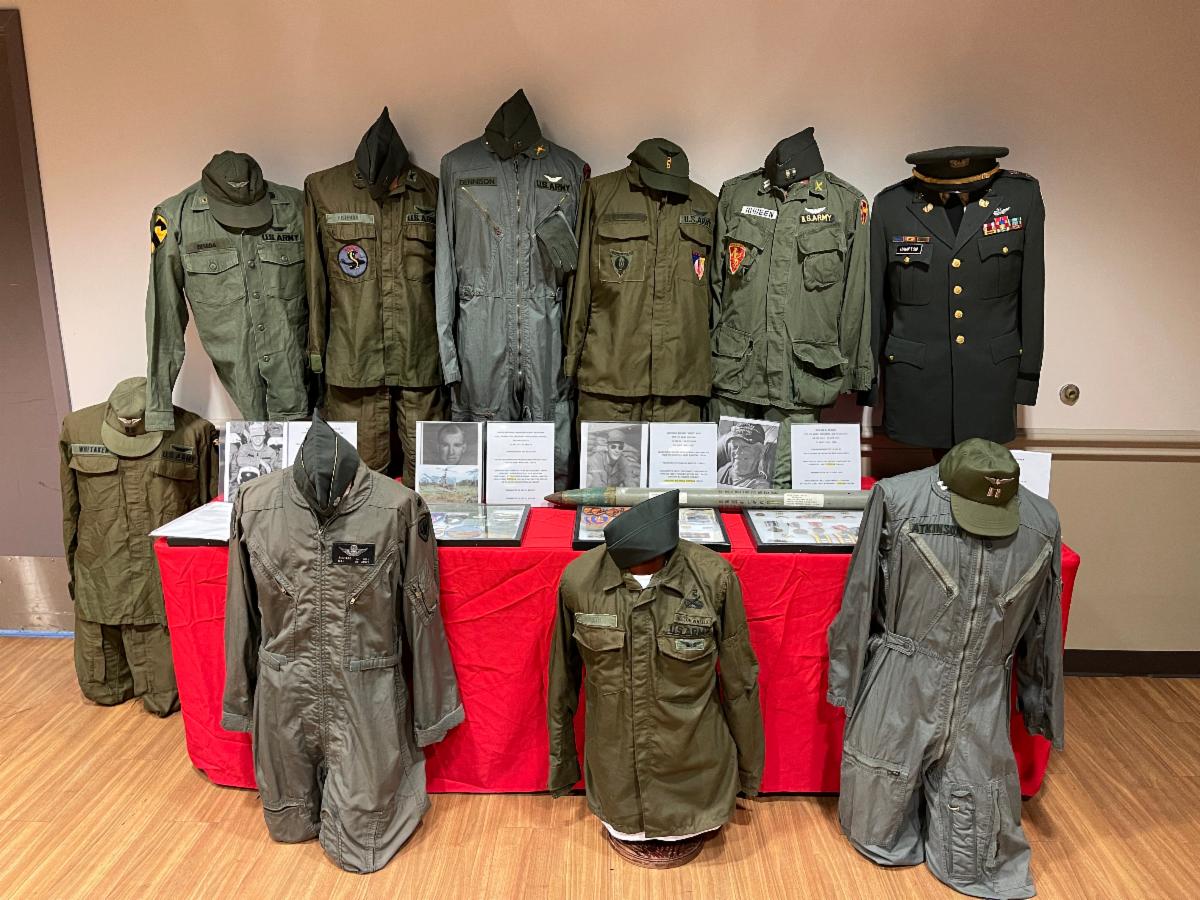
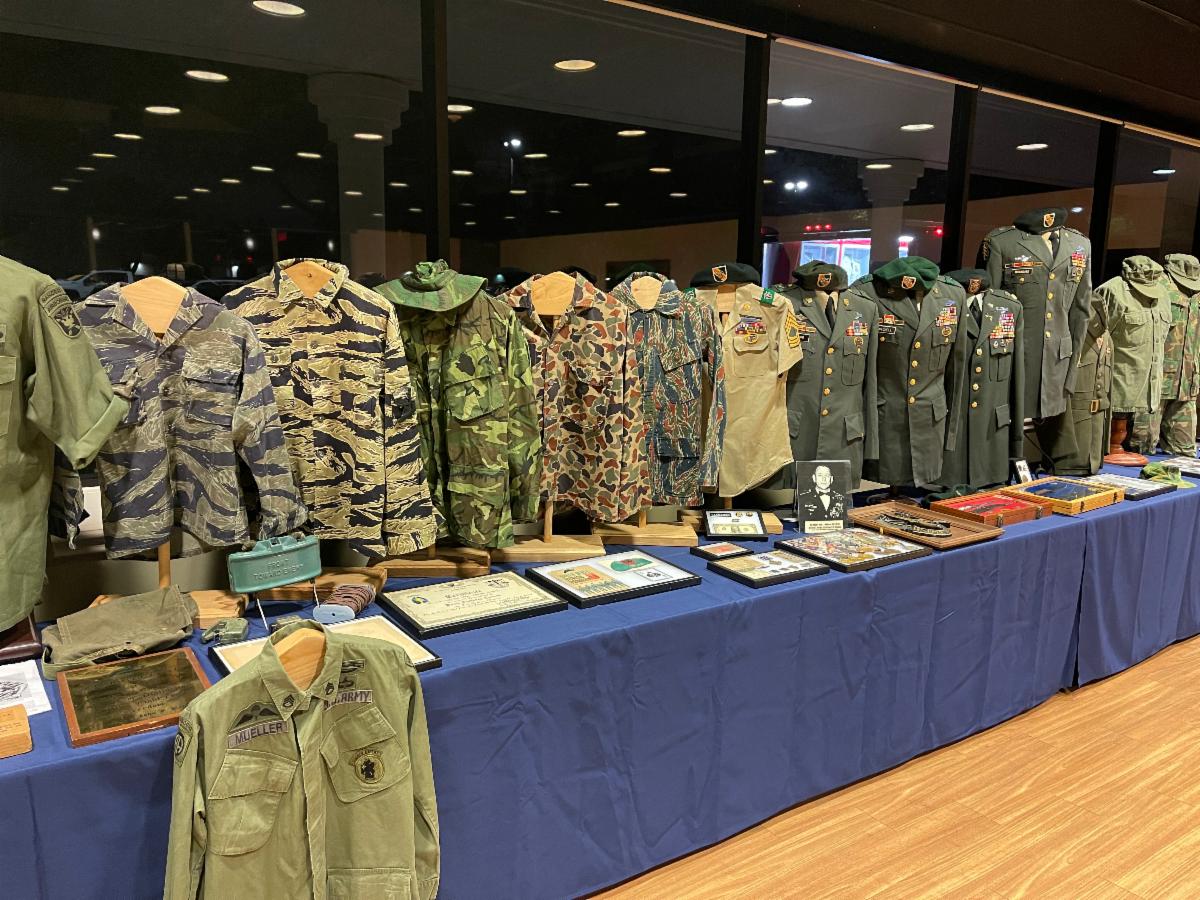
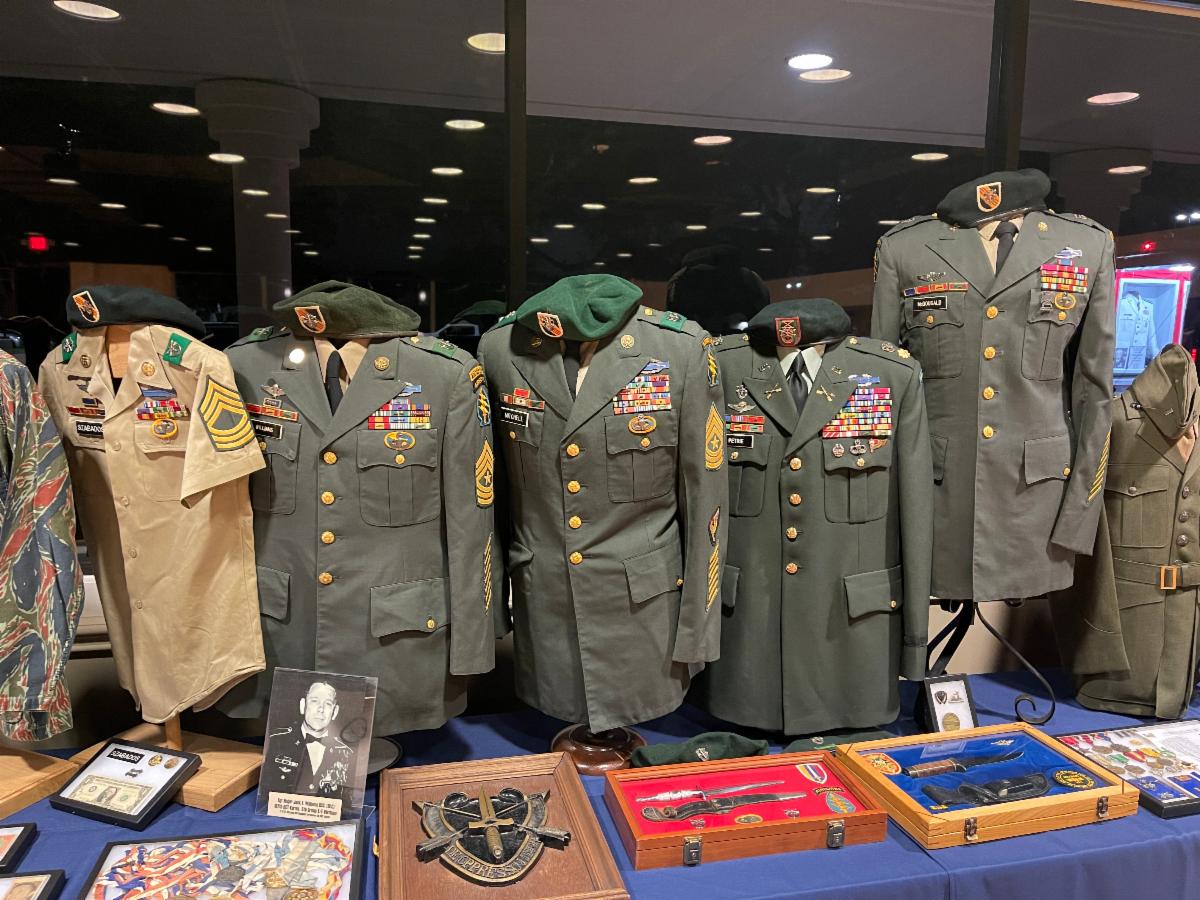
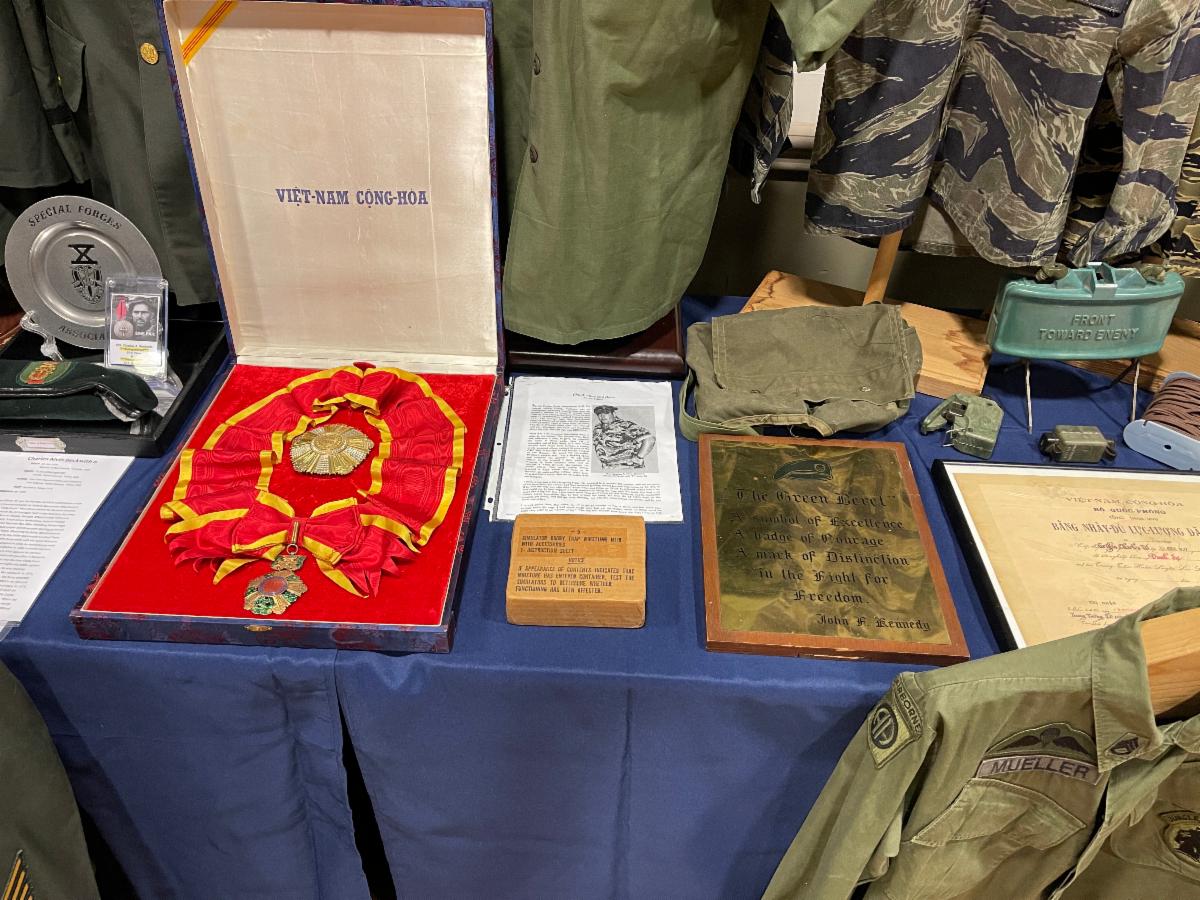
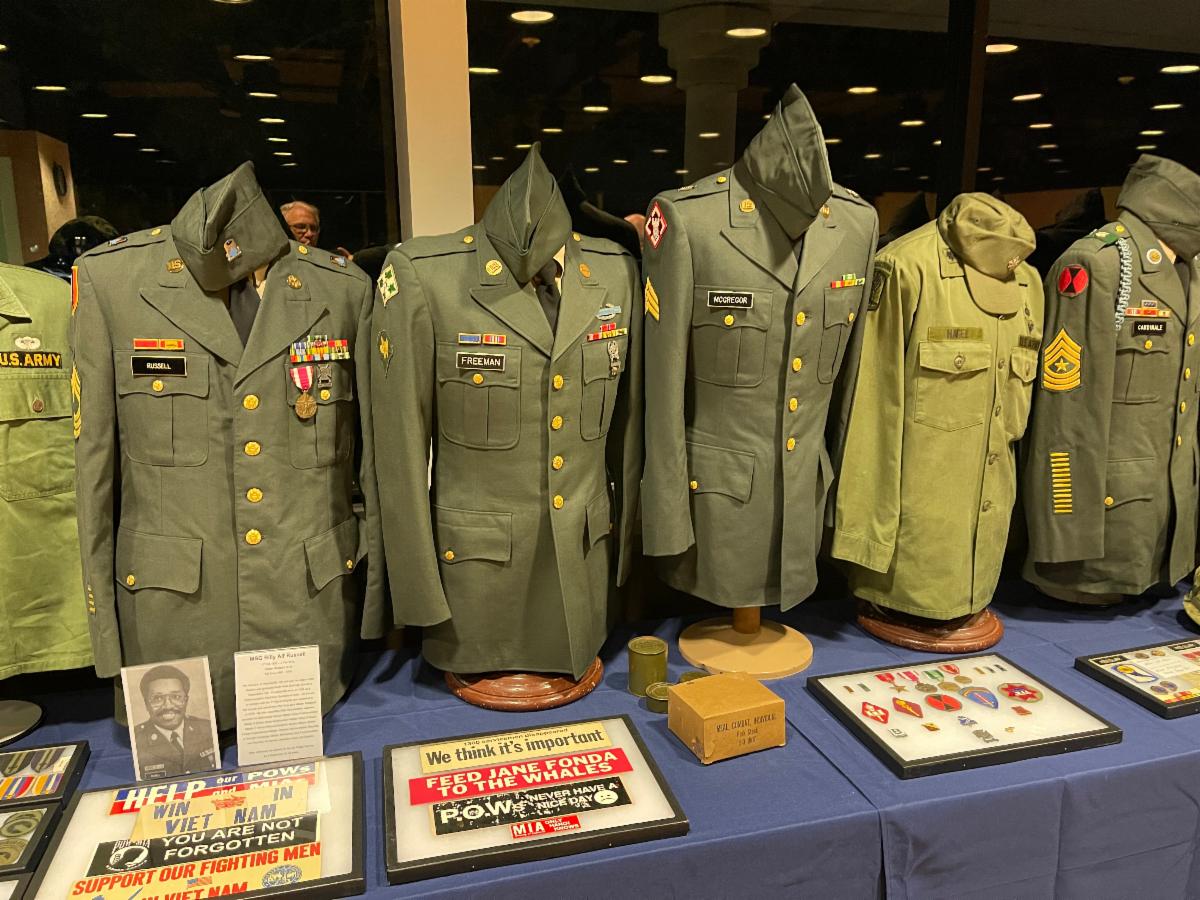
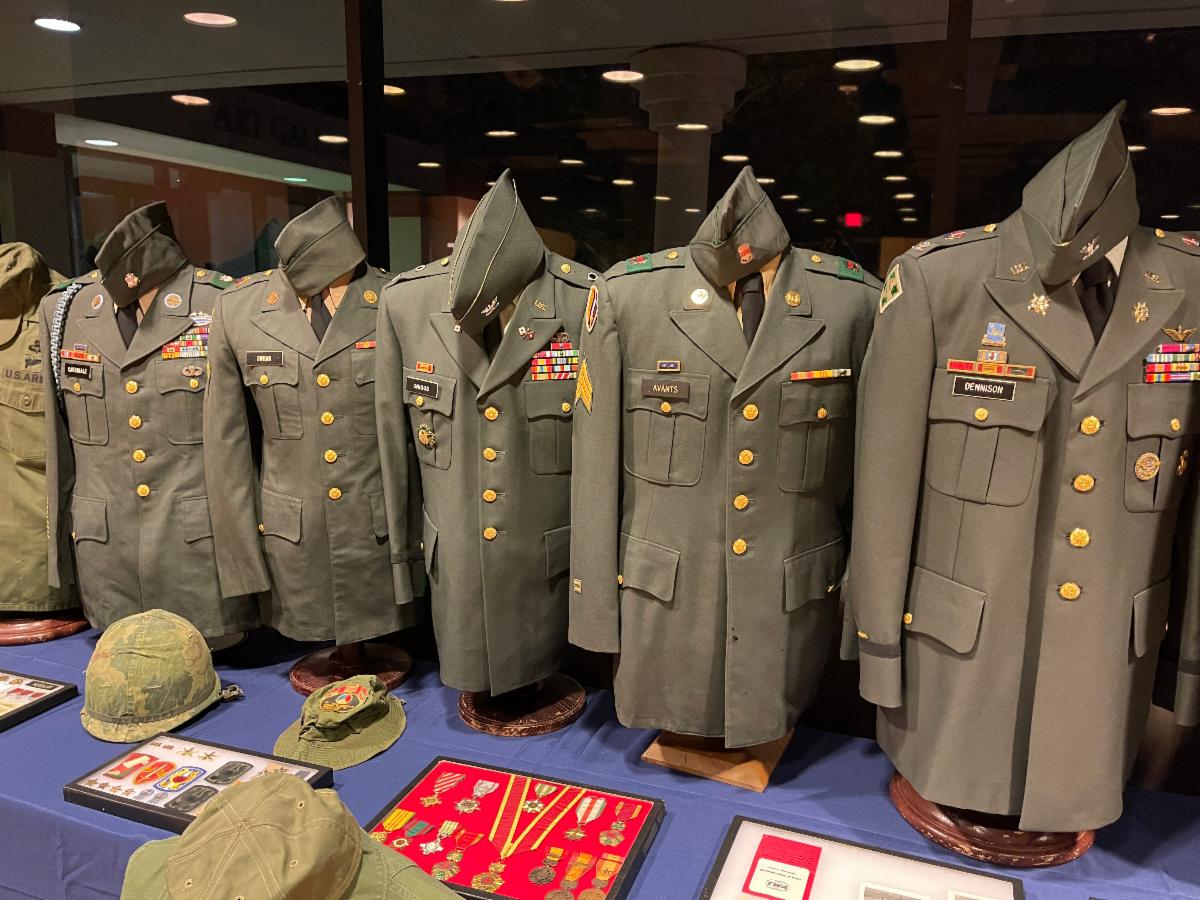
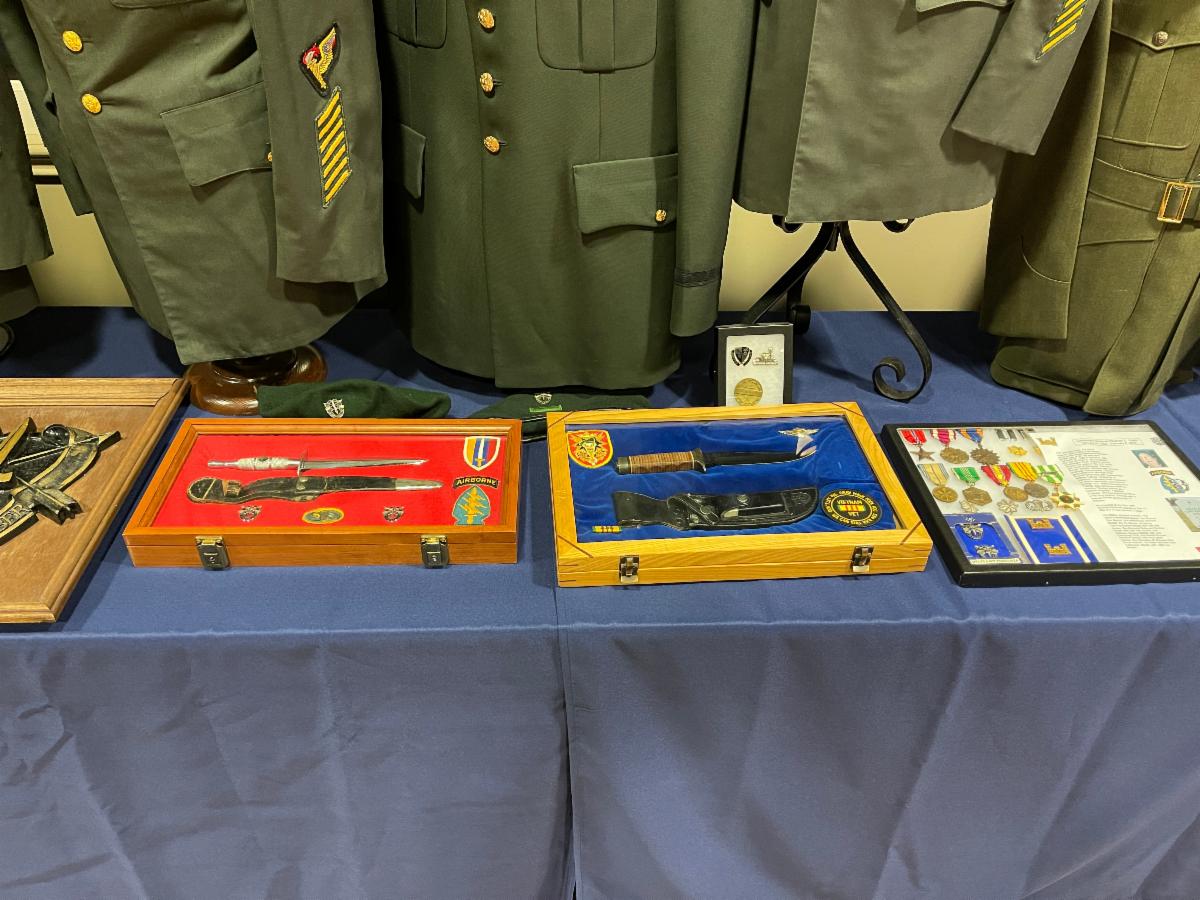
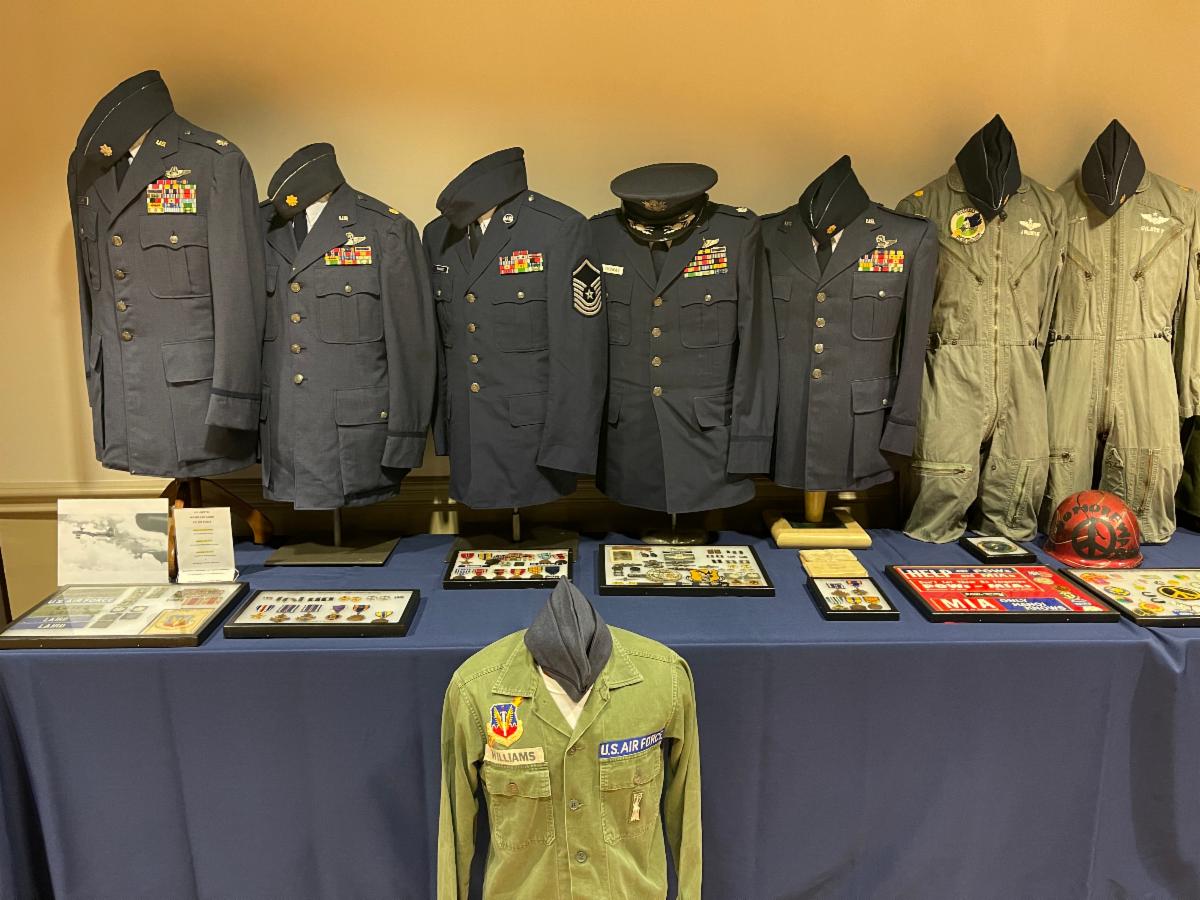
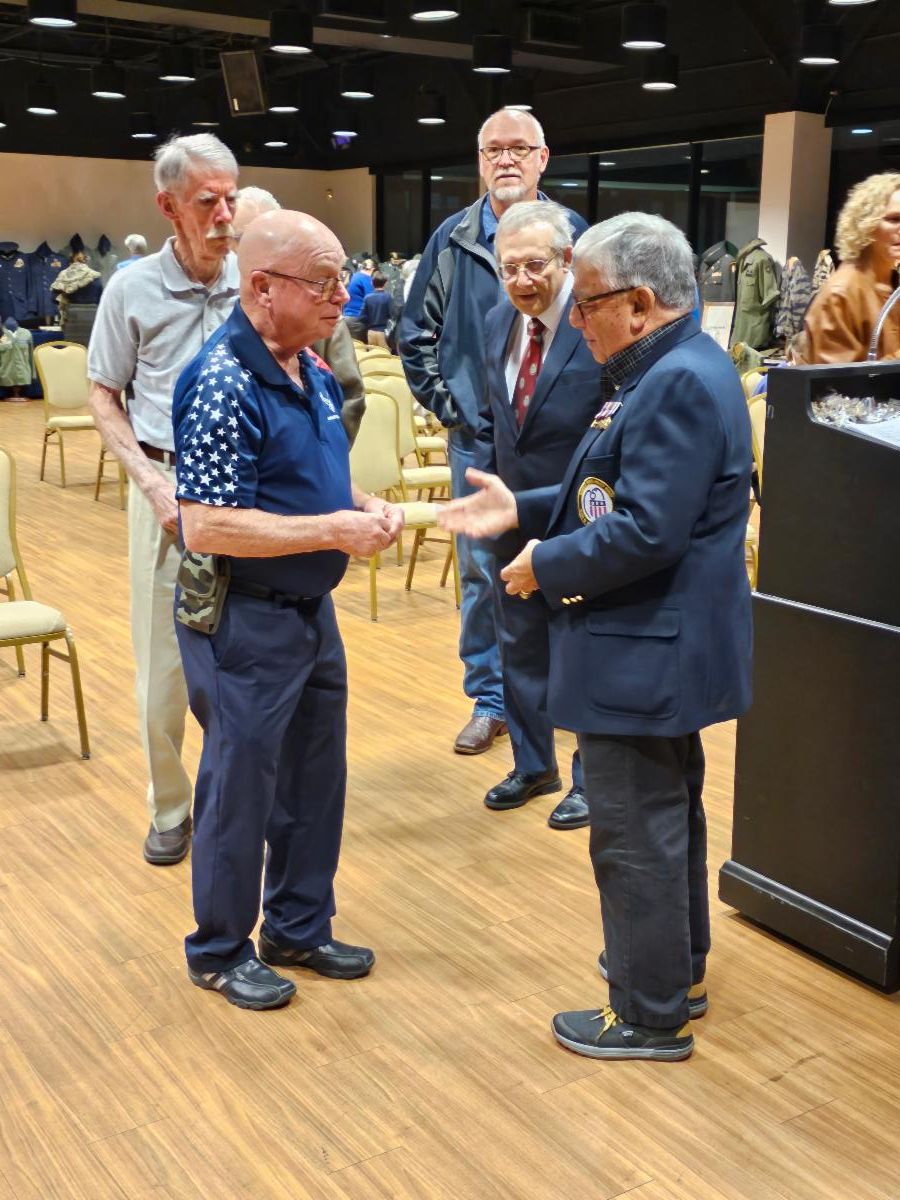
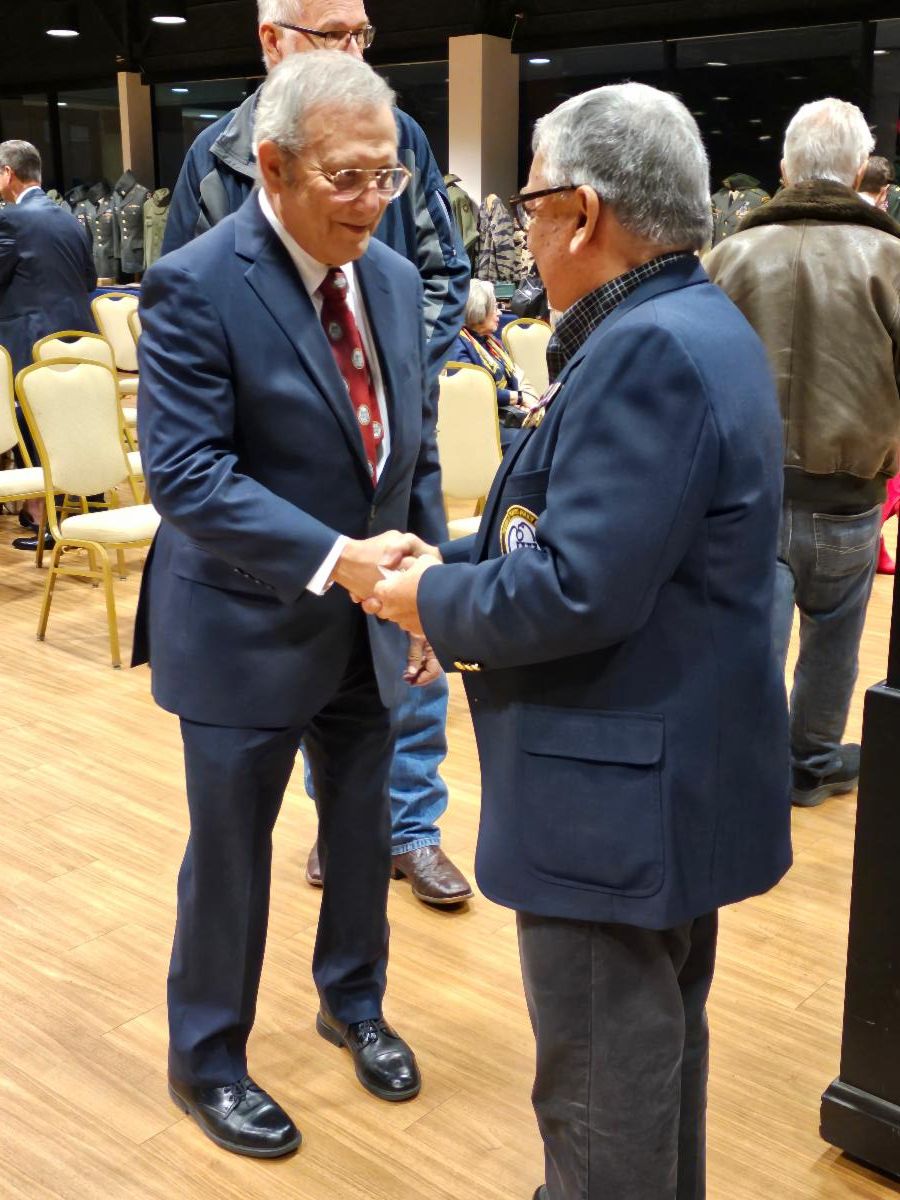
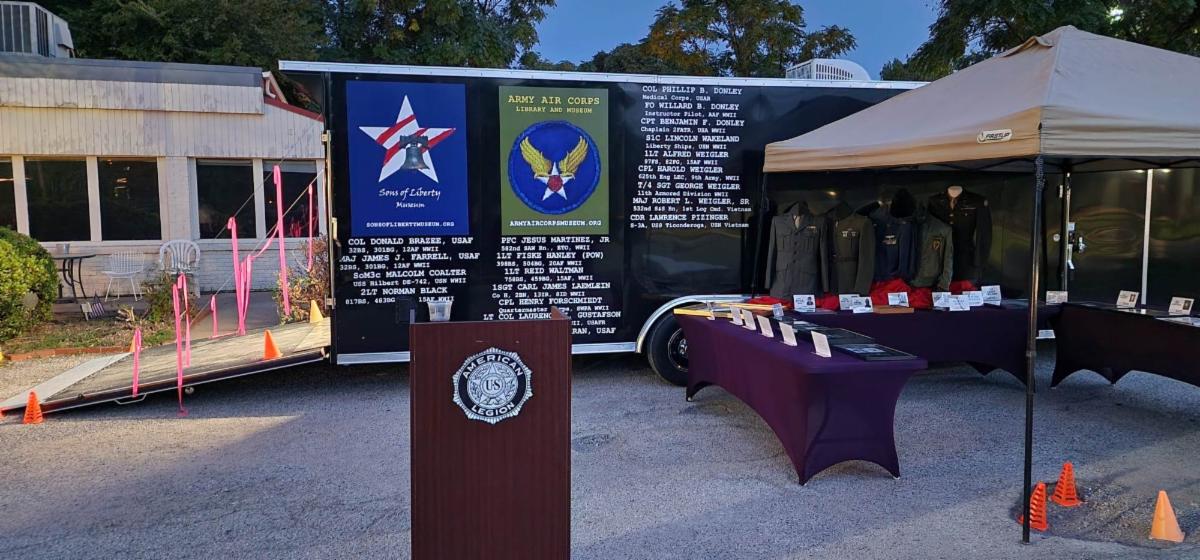
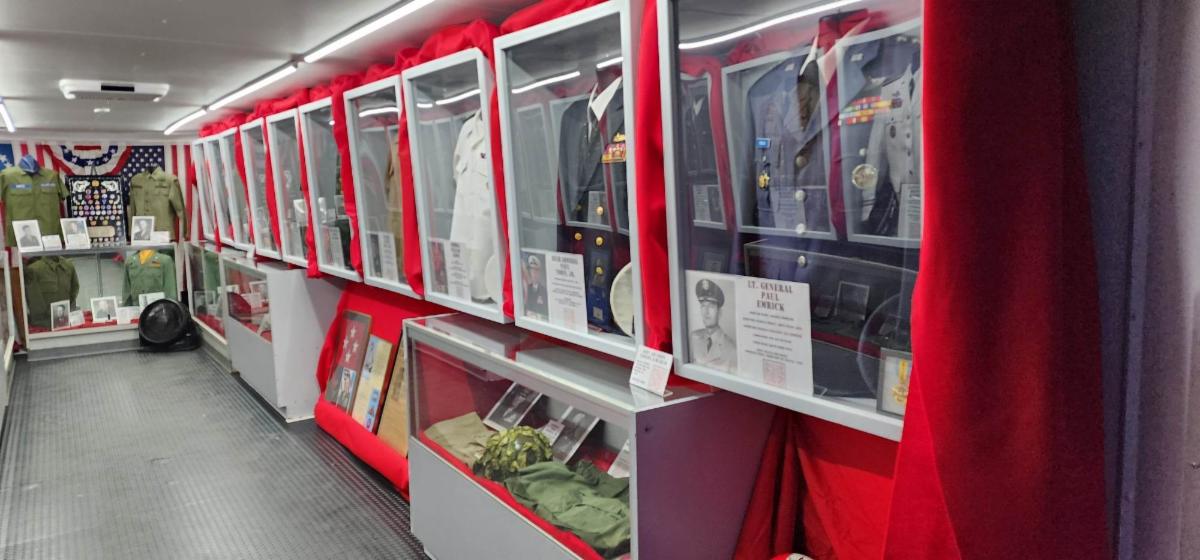
Veterans' Day at the Irving Symphony in Irving, Texas. Mobile Museum MM-1776 with a Generals and Adrmirals exhibit. Inside a few hundred attendees receive a veterans salute of great music by the Irving Symphony Orchestra and a Militaria Exhibit that included 70 uniforms of Vietnam Veterans, plus many other artifacts. A short program detailing the exhibit and mission of the Sons of Liberty Museum was followed by veterans receiving a commemorative pin. | |
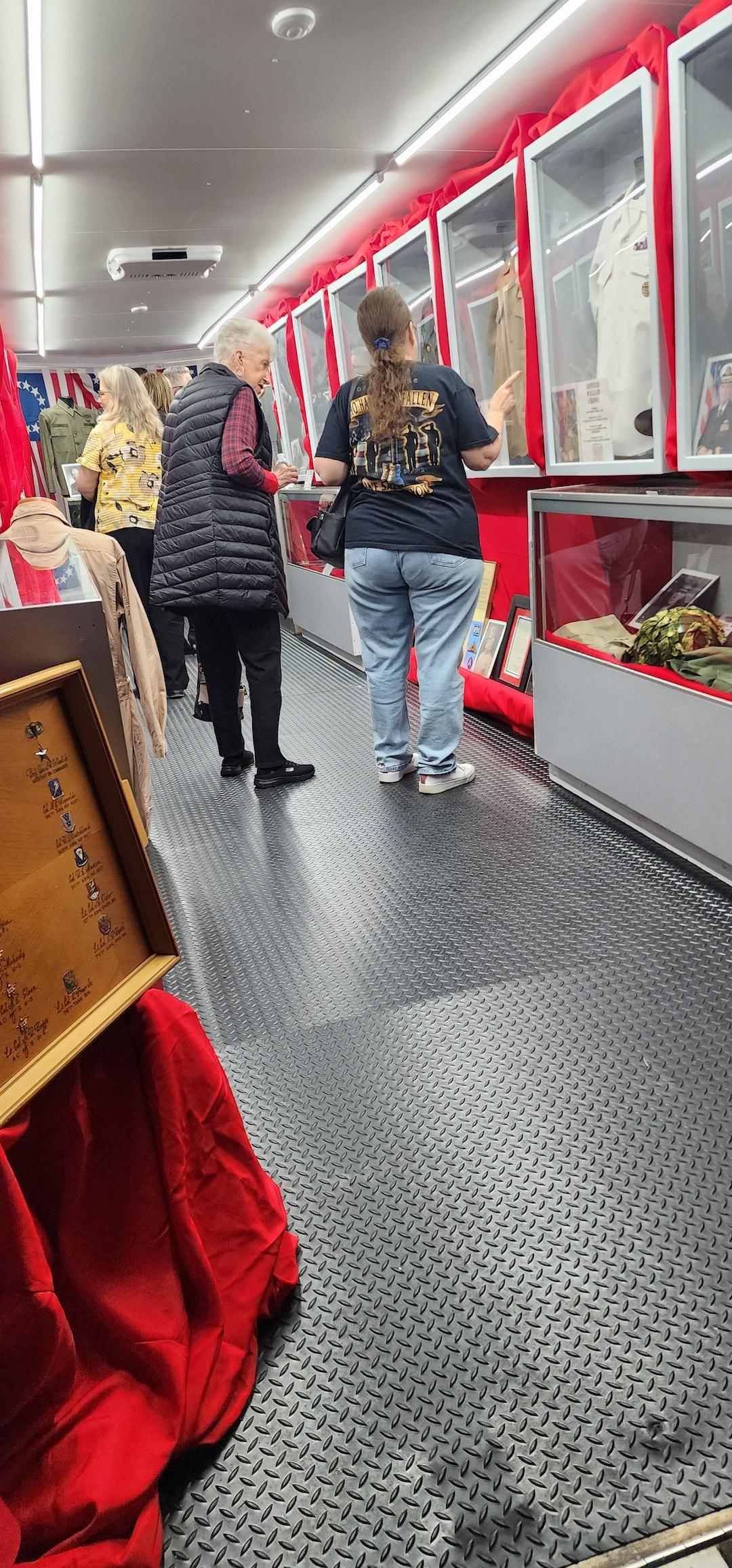
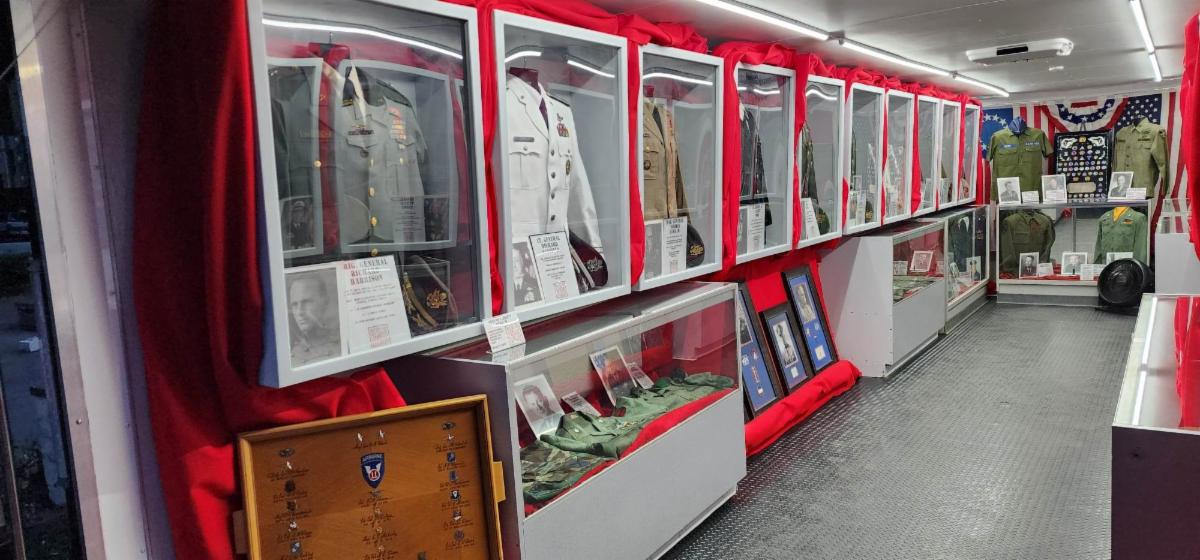
Inside the mobile museum. Veterans' Day, November 11, 2023. | |
|
A portion of Vietnam exhibit and program. Pictured are US Air Force and Army. | |
Killed in Action, Vietnam War. | |
|
US Army Special Forces, Tiger Stripe Fatigues | |
|
Republic of Vietnam: National Order of Vietnam Grand Cross, Badge w/sash and star. | |
| |
|
US Air Force flight suits and party suits. | |
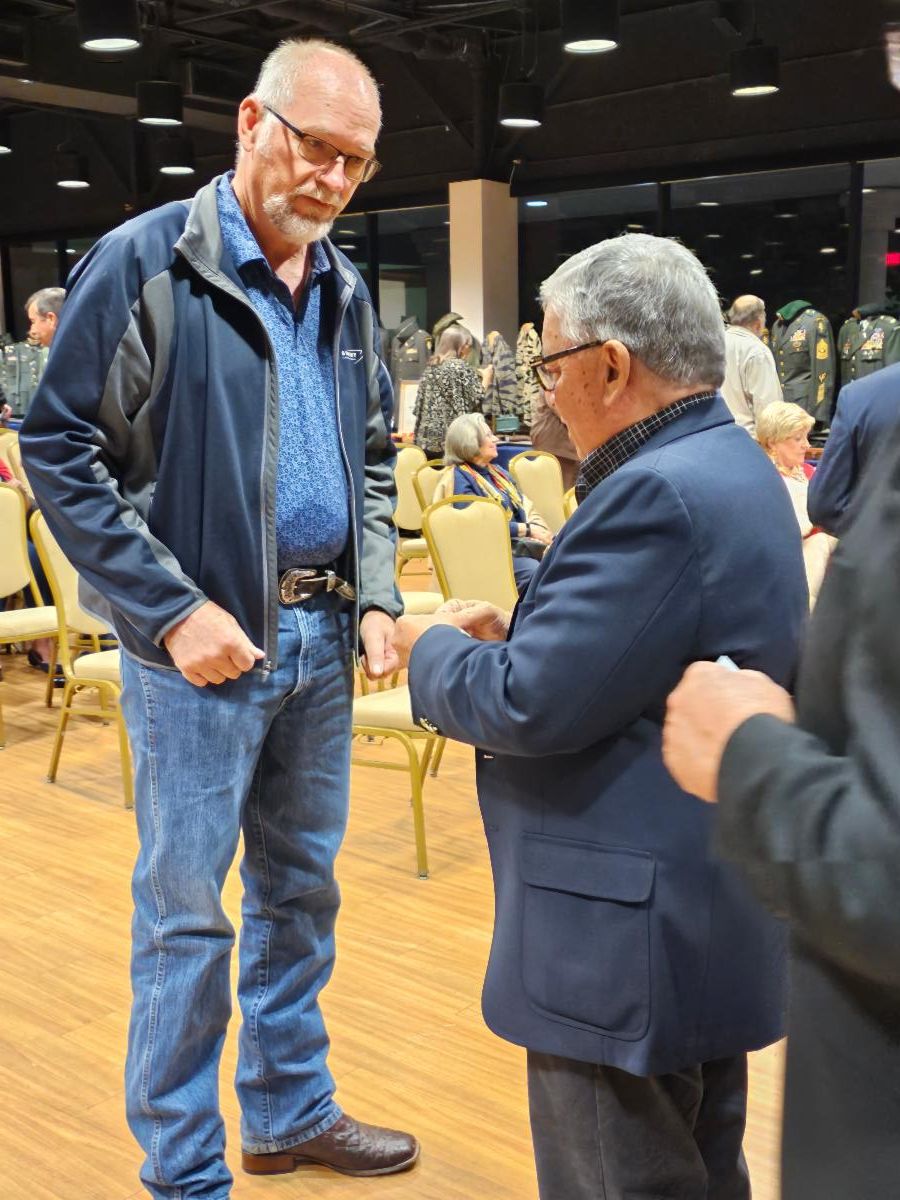
A few of the many veterans in attendance receiving their commemorative veterans pin from MG Albert Zapanta, Army retired. | |
|
By CJ Tyler
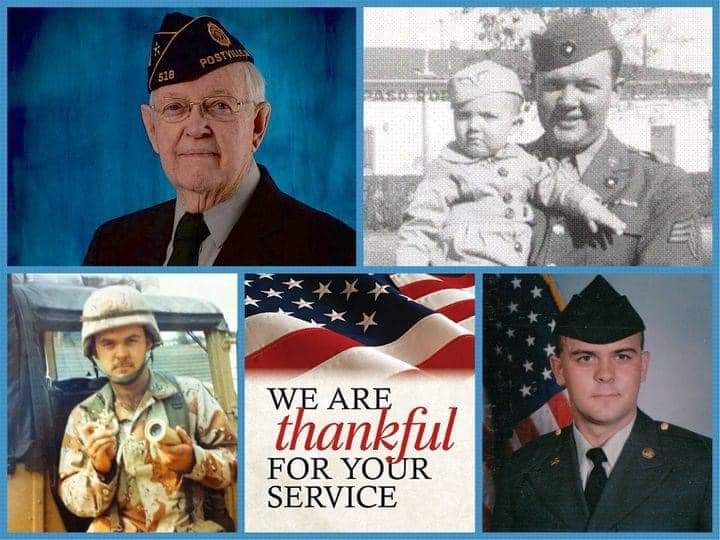
I have posted this each year on Veterans Day in tribute to my dad and in gratitude for all who served.
My dad and my son, both who served honorably in the US Army; dad in WWII, David in the Gulf War. While you are only with us in our memories, you are remembered every day and we are thankful for your service to our country.
RIP: Harry W. Tyler, David A. Mangino 🕊💞🇺🇸
In a Veteran’s Day tribute to my father, a WWII veteran who passed away at the age of 95, I am sharing the following excerpt from his personally penned memoir, “Harry Tyler, My First 90 Years” recapping his involvement during WWII as a U.S. Army First Sergeant preparing for the Battle of Leyte in October 1944.
Ships were in every direction you looked and as far as you could see. Our CO called us together and gave the official news: “Leyte will be invaded on October 20th.”
After spending two years at Camp Roberts, the US Army base in California, I was transferred to Ft. Ord for 30 days of training and conditioning. We were issued warm weather clothing, a sure sign we would be headed to the South Pacific. In early August, we were transferred to San Francisco and boarded the Bosch Fontaine, a Dutch cargo ship that had been converted into a troop carrier. The top deck was where you would find the officers quartered. The two lower levels had bunk beds; I was assigned one and slept there the first night. The next morning, we passed under the Golden Gate Bridge and headed out to sea—the start of a 21-day journey. Our destination was New Guinea. We were not provided an escort and never saw another ship during the entire time.
We were divided into small groups and given duties; I was to take position on the upper deck. There were a number of life rafts secured to the side of the ship; if we should have to abandon ship, it was my duty to release them. We had two meals daily—they were not the greatest. The sea was calm so we were able to move about.
When we dropped anchor at Hollandia on the north coast of New Guinea, we were taken ashore and directed to our unit. This is where the Battle of Hollandia was later fought; “Operation Reckless” – an engagement between the Americans and Japanese. I was with Battery B, 63rd FA, BN, 24th Division, a 105mm unit. My first assignment was Chief of Section with a gun crew.
We lived in tents; the area temps were extremely hot. We were eating food that was a far cry from what we were used to, mainly dehydrated things with dried beans; no fresh food. It tasted good in the beginning, but soon I found myself taking much smaller helpings.
At the time, our unit was still not aware of our intended destination, although we knew it had to be something big because every day more troops and supplies were being brought ashore. The bay was full of many different types of ships.
One morning in mid-October we had an inspection of all our clothing and equipment. Most of our clothing was replaced with OD-color clothing that had been treated with an insect repellent. We were issued a new piece of equipment—a 24-inch long very sharp machete. It was to be used to cut grass and brush, but would also serve other purposes.
Each gun section had a steel track caterpillar—a prime mover, a 105mm howitzer, and an ammunition trailer. All of our personal gear was stored on the trailer. All of the other units, mess, supply and command equipment was in trucks. A gun crew consisted of seven men trained for various duties that could be performed in near total darkness. The ammunition was packed in waterproof containers and then crated. It was a big job to get everything ready to fire; all equipment had to be waterproofed because we wouldn’t know the water depth we would be walking in when we went ashore.
The word came out that we would be invading the island of Leyte in the Philippines on October 20, 1944. A few days before that, we worked around the clock moving ammo and supplies into an LST. There was a steady stream of trucks traveling between the ammo dump and the LST. Everything that was loaded had to be secured so it would not shift en route. Our battalion was loaded on an ACK—designed to carry Army material. Our equipment had to be moved to a designated area on the beach and loaded on an LSM—a small craft just large enough to carry one gun crew and all of our equipment. That same craft would be used to go ashore to Leyte. The LSM would come to the side of the ACK and each piece of equipment would be taken aboard with a large crane, then placed in a hold below deck and secured. It was a slow and tedious task. Every unit involved was moving equipment onto some type of vessel.
The Infantry were put aboard LCIs that carried a large number of men; they were very crowded. There were about 1,500 ships of various types and sizes loaded and ready to go. The following morning, we were underway. Ships were in every direction you looked and as far as you could see. Our CO called us together and gave the official news: “Leyte will be invaded on October 20th.”
The next days were spent reviewing maps and battle plans. We were told about the natives we would encounter and were given more information about the area where we would be landing. This would be a “first” for most of our crew.
The morning of October 20, 1944 dawned; breakfast was served at 0400 hours. No one had an appetite. At 0600 hours we heard the order to prepare for departure. The LCMs were brought alongside and the whole procedure was reversed. There were swells on the water making the transfer a challenge for the men manning the cranes. As soon as our equipment was aboard we lowered ourselves down rope ladders while fighting the large ocean swells. Releasing yourself from the ladder had to occur at just the right time.
Our crew safely boarded and our LCM moved to its position, continuing to move in a large circle until we were ordered to head for the beach. We were just a mile offshore; at the same time, the US Navy and Air Force were pounding the landing area and surrounding emplacements, and the Hell Cats were engaging the “Jap-zeros” and “dive bombers.” Anti-aircraft batteries were protecting all of the ships in the area. Shrapnel fell all around us and the noise was so loud you could not hear. Destroyers were moving in close and firing rockets. Counter-fire was being directed at us from gun emplacements near the beach.
My first order to the gun crew: “Keep your body low in the boat!” Our battery was to go ashore in the third wave following two waves of Infantry. Soon we were headed to the beach and the ramp was dropped into no more than a foot of water. Our cat driver had the motor running and was ready to be the first one off the ramp with the gun and trailer. Our gun crew followed close behind. I spotted our CO and who gave instructions as to where our gun should be placed. We set up about 100 feet from the beach in front of a large tank trap. The position was ideal—the trap protected us from any frontal assault.
All of the crews were working fast and in a few minutes we were ready to orient our position and get aligned with the other guns. The Infantry was stalled and needed some Artillery fire to clear the way. We started firing and laid down a devastating field of fire for several minutes. It took a lot of time to get the ammo out of the crates and protective packing and we were running low on ammo. Two trucks loaded with ammo were standing by, so we asked for help to open the crates. A unit was passing behind us on the beach and gave us a hand.
We occupied the same position until late the next day. We got the order to march, and prepared to move out. This would be our agenda for the next ten days. There were calls for Artillery around the clock, so sleep was hard to come by. We could not bathe and ate from our cardboard rations. We were a sorry-looking bunch and the disposition of some of the men was less than ideal. Our first warm food in ten days was a Spam sandwich; it tasted better than steak.
The pace slowed by now, but we were still fighting a formidable foe; the Japanese would not surrender. The 1st Cavalry was on our right flank and the 7th Division on our left. There was no real battle line, as such; it was search-and-destroy small pockets in the mountains. The Artillery was always being asked to clear an area so the Infantry could move in. It rained nearly every night and foxholes were filled with rain water. We chose to build a parapet and stay behind it. In due time, the island was secure and we were relieved from providing support. We withdrew and set up tents and a field kitchen. There was a stream nearby where we were finally able to bathe.
We were involved in three more amphibious assaults. We were now experienced soldiers and performed even better during strikes on Luzon, Mindoro, and Mindanao. It would be a year before all of those battles were completed.
The 63rd FA Battalion returned to Leyte for some much needed rest. We knew that Japan would be our next objective—something none of us was looking forward to. Then, we heard about the “A-bomb” and the devastation that had occurred. The war was over!
| |
USH-Constitution, (MM-1776) | |
|
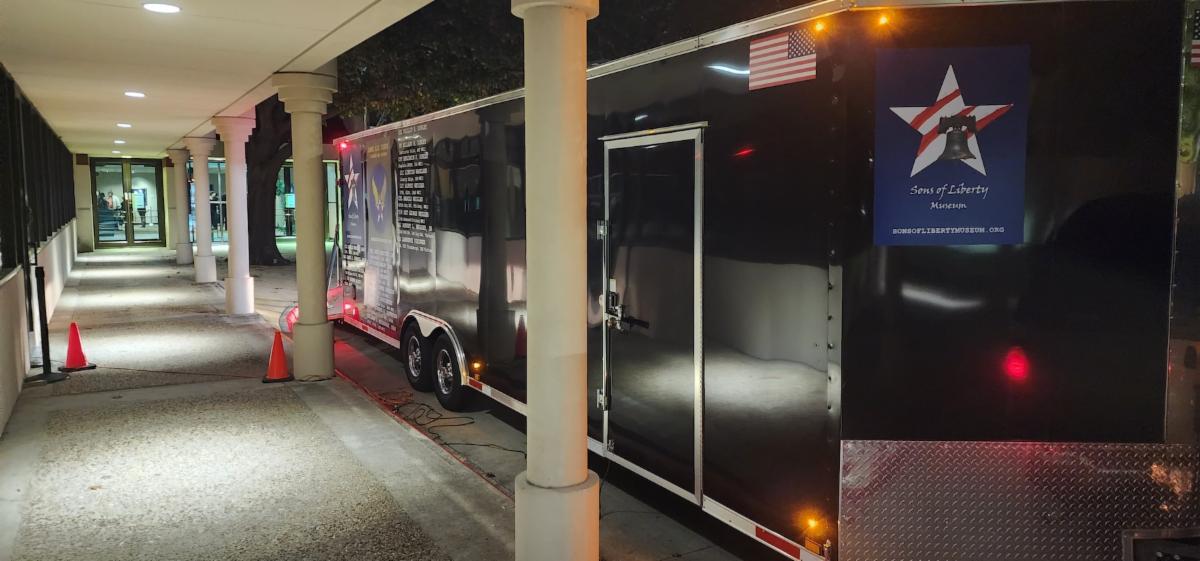
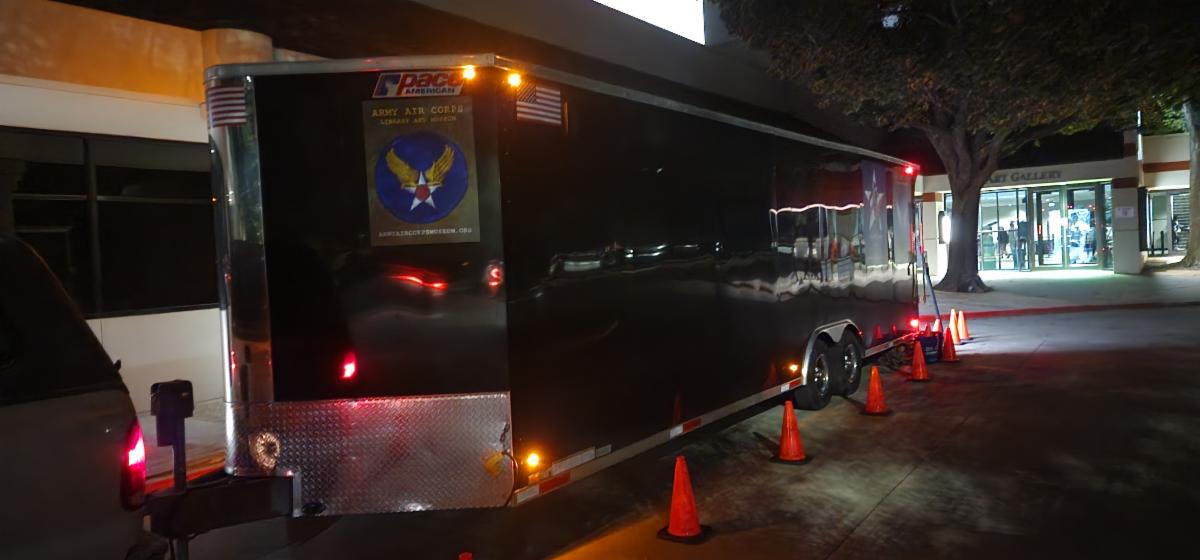
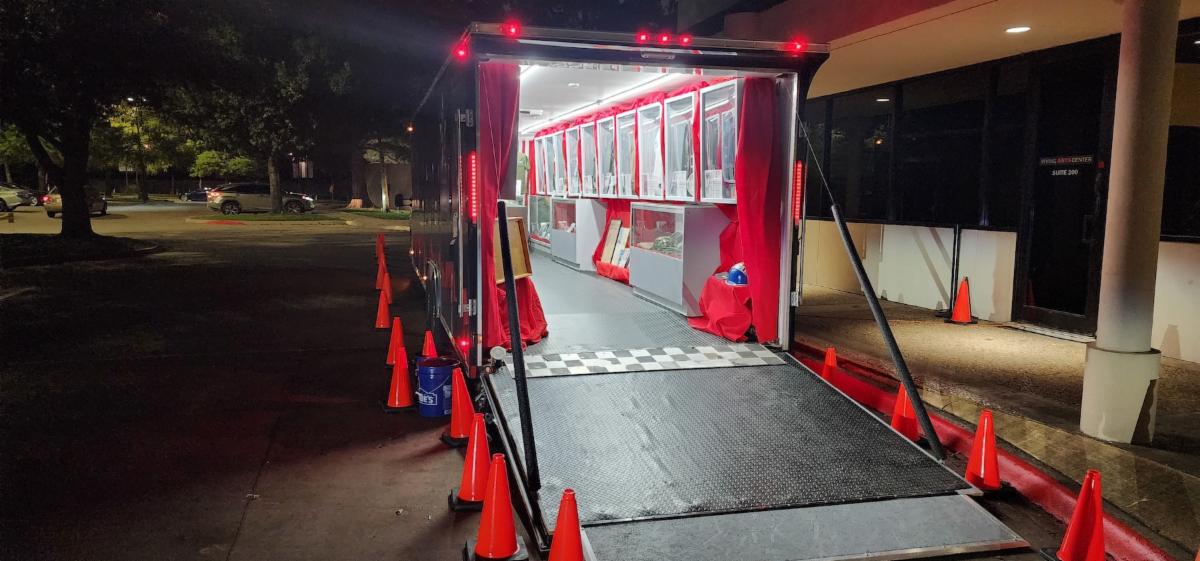
MM-1776 Launches
Our grand opening last weekend (Oct 21, 2023) of our new mobile museum, MM-1776.. Thank you to American Legion Post 453 for hosting this event and dinner.
Veteran Memorials
With the launch of our new mobile-museum trailer we have a place for a visual honorarium and memorial for your veteran. Honor your veteran family member with a permanent marker on our new mobile-museum.
Like bricks or pavers, this permanent memorial will be seen by many at schools, veteran and civic events. Get your Veteran Memorial Today!
Read more about Sons of Liberty Memorials
Read More About Army Air Corps Memorials
| |
First Exhibit
The opening exhibit of MM-1776 contained artifacts of admirals and generals.
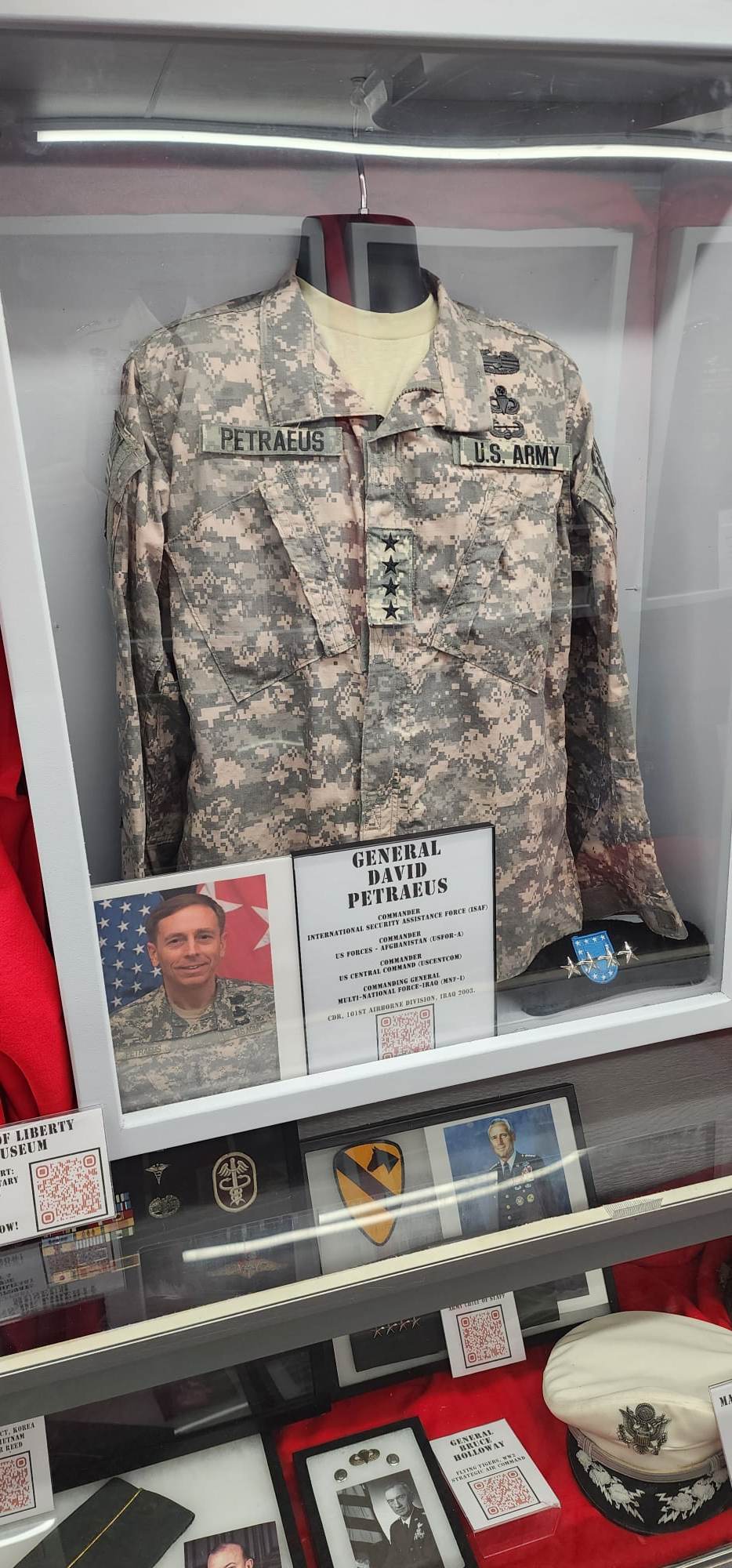
There are over 60 represented in this display. The oldest uniform was from a LT General who as a young Lieutenant fought in the Spanish American War. There is an admiral who had become a Navy Double-Ace in World War II as fighter pilot on both the USS Lexington and USS Enterprise. There is a uniform from one of the commanding generals of the 1st Infantry Division in Vietnam and other commanders during that time. Modern day generals are well represented including the digitals of General David Petraeus, commander of all coalition forces in Iraq/Afghanistan. There are helmets, wings and other artifacts in addition to the uniforms in this snapshot of military leaders of multiple generations.
| |
|
|
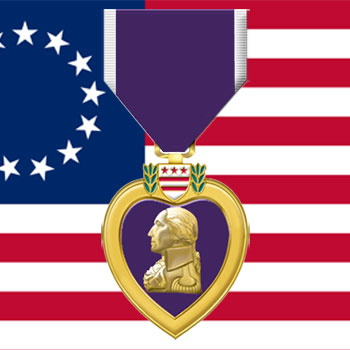
If you are looking to volunteer with a non-profit we would welcome your assistance. We have a need to transcribe over 150,000 of these index cards. Distinguished Flying Cross, Air Medal, Soldiers Medal, Bronze Stars and Purple Heart. Getting this information into our database will allow us to make this data searchable. Contact us to get started!
We are also looking for General Orders of World War II, digital copies are welcome; volunteers to transcribe this data.
Transcription of monthly unit histories and other documents are projects to help us recover and preserve history.
| |
Missing in Action & Buried Unknowns | |
|
There are still thousands classified as Missing in Action or as Buried Unknowns. In our partnership with the MIA Recovery Network we have established data on our websites regarding MIAs.
The quest to account for those of our nation's Missing in Action is one of the most noble of endeavors. There are also a large number of recovered remains that are buried in ABMC cemeteries where the identity is unknown. These are known as X-Files.
The recovery of MIAs pose a number of challenges. For example, Navy or Merchant Marine ships that were sunk are unrecoverable and thus ship manifests are the primary and often only source of names for those that have perished but are still accounted.
Each conflict has had its own challenges. At the end of World War II the military had established more than 360 temporary cemeteries, but the dead were being found continually in farm fields, forests, small church cemeteries, isolated graves and the shores of combat zones. These dead were collected and the remains consolidated into the fourteen permanent European, Mediterranean, and North African Cemeteries maintained by the American Battle Monuments Commission along with two permanent cemeteries in the Philippines and Hawaii.
Monetary donations are needed and very welcomed to support these efforts to create case files.
Please consider a DONATION today. Thank You.
#neverforget #bringthemallhome
| |
|
Sons of Liberty Museum
The Sons of Liberty has hundreds of uniforms and thousands of other artifacts in our collection from the U.S. Revolutionary War to Present day. Our web presence now numbers in excess of 500,000 pages. We continue to accept new material for education and research programs.
Our collection includes memorabilia from the front line soldier to the rear echelon clerk. Drivers, infantrymen, pilots, tankers, seaman, medical, artillery, armorers, engineers, quartermasters and much more. Those that were drafted or volunteered; those that did a single tour or made it a career. Those that returned with all types of injuries and those that gave their full measure; killed in action (KIA). All MOS are welcome from the Army, Navy, Air Force, Coast Guard and Marines.
Monetary donations help us preserve and display these pieces of American History. Thank you for your support.
We are Saving Military History One Soldier At A Time. We are honoring the service of the Citizen Soldier.
#sonsofliberty
| |
|
Volunteers
We need volunteers to transcribe award and roster documents. You will place the material into a spreadsheet where it will be added to our database and website. We welcome new dedicated volunteers to work from home and help us with this project!
Interesting Links & Resources
Researching History: https://www.sonsoflibertymuseum.org/military-history-records.cfm
Honor Roll: https://www.sonsoflibertymuseum.org/honor.cfm
Donations
We welcome donations of monies for operational costs. Artifact donations are sought in the form of papers, books, photos, gear, uniforms, jackets, medals, ribbons, weapons, equipment, scrapbooks, biographies, diaries and more. Please Contact Us
Revolutionary War, War if 1812, Civil War, Spanish-American War, World War I, World War II, Korea, Vietnam, Desert Storm, Cold War, Gulf War and current conflict donations accepted. From small to large multi-item donations, they all tell a story.
We need you ! We need your help to further our mission of preserving and bringing this history to the public. As a 501(c)(3) non-profit your qualifying donations are tax deductible.
| |
|
Army Air Corps Museum
The Air Corps Museum online presence encompasses over 500,000 web pages with thousands of photos and other materials. Our artifact collection contains hundreds of uniforms, albums, logs, medals and more from the Army Air Service, Army Air Forces and U.S. Air Force.
World War I, World War II, Korea, Vietnam, Desert Storm, Cold War, Gulf War and current conflict donations welcome!
Volunteers
We need volunteers to transcribe documents, placing the material into a spreadsheet. We welcome new dedicated volunteers to help us with this project! Work from home.
Interesting Links & Resources
Trace a Family Members Military Service: https://www.armyaircorpsmuseum.org/veteran-research.cfm
Honor Roll: https://www.armyaircorpsmuseum.org/honor_roll.cfm
Donations
We welcome donations of papers, books, photos, gear, uniforms, jackets, medals, ribbons, weapons, equipment, scrapbooks, biographies, diaries, letters and more. Please Contact Us
Monetary donations help us preserve and display these pieces of American History. Thank you for your support. As a 501(c)(3) non-profit your qualifying donations are tax deductible.
| |
Items have a story, what tale do yours tell?
| |
Museum Expenditures-Donations | |
|
As a non-profit it's important to let our patrons know where some of their money is going.
This riker-mount display box is one of the most important pieces that we use. They contain ribbons, medals, patches, pictures and other small memorabilia items. They are great to help reserve items as well.
Each year we purchased 500 of these items. We will fill them all with great artifacts in less than 12 months.
$5000.
Constant Contact charges us $1200 annually to create, store and send this newsletter.
Our web servers, domains and hosting cost $7100 / year. Our hosting requirement of storage will only increase over the coming years as we continue to add to our online material.
The annual total for just these three components is $13,000. Naturally, we have other expenditures, but 100% of monetary donations go to operations. All staff and directors are volunteers.
Monetary donations are needed and very welcomed to support these efforts.
Please consider a DONATION today. Thank You.
| |
Rescued History & Museum Quality | |
|
We rescue a lot of military artifacts; items destined for the trash heap. From torn papers and faded ribbons to moth damaged uniforms decades pass and the condition of items deteriorate. These artifacts still have a story to tell.
Many museums only want items in pristine condition, we say differently. Some so called museums only want materials from a well known commander written up in history books or the fighter ace or a man who would fly to the moon or a Medal of Honor recipient.
While we have artifacts such as these we also have the items of the draftee who answered their nation's call and served their tour and then went home. Some were not so fortunate, special place in our hearts for the KIAs. In our mission of "Saving Military History One Soldier at a Time" it is about all who have worn the cloth of our nation's military. Artifacts help us bring stories to life no matter their condition.
We accept donations of artifacts in ALL CONDITIONS.
| |
The Cinema, another way to describe it is it's our own Netflix.
130 combat films represented by 209 clips and 1436 minutes of footage will keep you watching for hours.
Army, Army Air Forces, Navy, Marines. WW2 and Vietnam. There's something for everyone.
This is a subscription service of $14.95/month.
Take a few minutes and go see what's "Now Showing" and decide if you want to signup and start watching. Go now !
| |
301st Bombardment Group, B-17 Flying Fortress. England, North Africa, Italy during World War II.
| |
|
USS Hilbert. Destroyer Escort, DE-742. Pacific Theater of Operations, World War II.
| |
|
Preserve This History, Honor the Service, Provide Education For Future Generations | |
Thank You For Your Support ! | |  |
Thank You For Your Support ! | | |
|
---- What is Liberty ? ----
"definition. the state of being free within society from oppressive restrictions imposed by authority on one's way of life, behavior, or political views."
Merriam-Webster defines it as " the power to do as one pleases, the freedom from physical restraint and freedom from arbitrary or despotic control.
---- So what is a Son of Liberty? ----
In our context and beginning these were the men and women in America who wanted their liberty and freedom from the King of England. They desired a right of self-determination for their lives. They fought for this liberty and codified it in the Constitution of a new country. To keep this liberty they created a military to ward off the any would-be belligerent. Since the War of Independence until and including the present day the men and women who have worn the cloth of our nation's military are its Sons of Liberty. They have fought enemies in other nations, they have fought each other and they have stood as sentinels of the watch.
We celebrate the service of these individuals, we tell the historical story of these selfless patriots.
---- The Sons of Liberty Museum ----
Over 15 years ago we chose a name for this organization and our sister the Army Air Corps Library and Museum. We believe these names accurately describe these men and women who serve. We will not change any name to satisfy a radical viewpoint or computer algorithm. We don't allow for any revisionist history, we tell the factual stories.
We are Saving Military History One Soldier at a Time.
| |
|
Need a Good Book, DVD?
Check out these titles.
| |
|
Somewhere In Italy
I was a navigator in the 459 Bomb Group 758 Bomb Squadron flying B-24's from Torre Giulia Field, tower named 'Coffee Tower', a gravel airfield near Cerignola, on the Foggia Plains of Southeastern Italy during the period August 4, 1944 to May 16, 1945. I flew 50 combat missions over targets in Germany, Austria, Hungary, Poland, Yugoslavia and Northern Italy.
Project Option: 6×9 in, 15×23 cm
# of Pages: 386
IsbnSoftcover: 9781714032860
Publish Date: Dec 12, 2019
Buy It $24.99
| | |
|
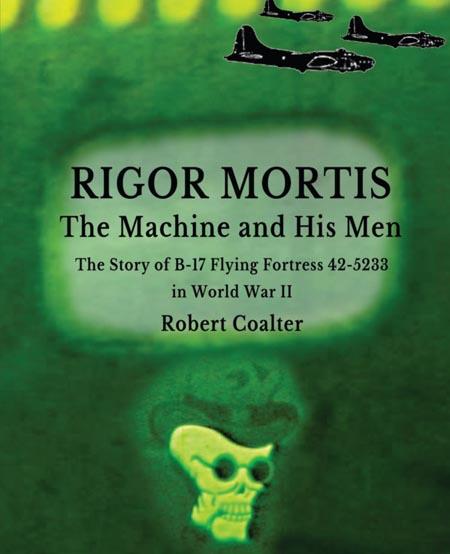
Rigor Mortis:
The Machine and His Men
Most aircraft of World War II had pictures of sexy girls, tributes to sweethearts, songs and home. The planes were fondly referred to in a feminine manor. That was not the case with this B-17 tail number 42-25233. He was Rigor Mortis.
This is the story of Rigor Mortis and his men who flew over 120 missions from North Africa and Italy in 1943 and 1944.
Project Option: 8×10 in, 20×25 cm
# of Pages: 382
IsbnSoftcover: 9781714727803
Publish Date: Apr 20, 2020
Buy It $33.95
| | |
A Novel of MACVSOG in Vietnam. By Gene Pugh a Special Forces Recon Team Member.
| | |
Surrender Not an Option
Survivors guilt is not the only thing that is bothering Allen Purvis. He has to relive in his mind the battles in a denied area when he was assigned to MACVSOG the ultimate secret organization during the Viet Nam war. He is put to the test when he commands his friends to sacrifice themselves to save the others of the unit. Wendy Salas, nurse at the 95th Evacuation Hospital sees the horrors of the war everyday. Her pain is personal. A chance meeting on R&R in Hong Kong brings these two people together as soul mates in a hope that one of them can save the other. Purvis like the others wondered why they were saved and the answer was there all the time.
- Paperback : 312 pages
- ISBN-10 : 1539108333
- ISBN-13 : 978-1539108337
- Dimensions : 6 x 0.71 x 9 inches
Gene is a member of our advisory board.
| | |
|
A Novel. By Gene Pugh a Special Forces Recon Team Member during the Vietnam War..
Hardback: $35.99
Paperback: $19.99
| | |
|
The Reunion Mission
A chance meeting at a military reunion brings Sam Waters together with his former Viet Nam War teammates. But that is not the only surprise. A promise made a long time ago is now called to be cashed in. Will his teammates put their lives on the line for him and his family? Is that bond still there? Because of a rash act on his part the whole mission could be jeopardized. A new future and his past must come to terms for him to move forward.
From Fort Bragg to Dallas and Panama follow the continuing story of Sam Walters and Allen Purvis.
Gene is a member of our advisory board.
| | |
 | |
USAAF
Aircraft Weapons of WWII
By Tom Laemlein
Read More & Order Your Copy
Tom is a member of our advisory board.
Many of the photos and illustrations in this book, some of them in color, are strong enough to be displayed in full page format. The images deliver the gritty details of USAAF armaments’ use down to their nuts and rivets, and the high-velocity rounds they fired. This is a unique photo-study, with many of the photos never-before published.
U.S.A.A.F. Aircraft Weapons of WWII
This book focuses on the war-winning weaponry of the United States Army Air Forces during World War II. With 144 pages containing more than 250 photos it offers stunning visual details of the machine guns, cannons, bombs, and rockets carried into battle by USAAF bombers, fighters, and attack aircraft.Many of the photos and illustrations in this book, some of them in color, are strong enough to be displayed in full page format. The images deliver the gritty details of USAAF armaments’ use down to their nuts and rivets, and the high-velocity rounds they fired. This is the first photo-history of its kind, with many of the photos never-before published.
Combat conditions dictated that many aircraft were adapted into roles for which they were not designed. As necessity is the mother of invention, aircraft were modified in both their roles and their armament. B-25s became ground attackers, A-20s became night fighters, and every wartime USAAF fighter was adapted to carry bombs.
| | |
|
8th Air Force 1943 to D-Day
Enjoy this history of the 8th Air Force from 1943 to D-Day in World War II with this discovered archival film footage. The first footage is in early 1943 on a heavy bombardment mission over Europe. View the heavies as they hit German targets. Watch gun camera footage as fighters of tangle with the enemy in the air. Follow fighters as they attack airdromes and trains.
Watch the men on the ground and in the air with mostly black and white, silent footage.
There is a lot of unidentified aircraft/groups but quite a bit of identified.
Identified: 44th, 91st, 93rd, 94th, 95th, 100th, 303rd, 305th, 385tth and 445th Bombardment Groups.
4th, 55th, 56th, 78th, 352nd, 353rd, 355th, 356th, 357th, 359th and 361st Fighter Groups.
Watch bombers in formation and as they fly through flak (ack-ack). Some have feathered props. Ground crews await the group returns and aid wounded airmen. View some of the nose art that were a source of pride. View B-17s and B-24s in a number of scenes.
Feel like you are in the cockpit of a P-47 or P-51 fighter as they attack Me-109s, FW-190, ME-110, JU-52, JU-88, HE-111 and other German Aircraft. Fly with aces Beeson, Gabreski, Anderson, Blakeslee and many more. Find out which pilots would later become prisoners of war (POWs) and some would be killed in action (KIA). Strafing footage shows fighter pilots attacking aircraft on the ground, airdrome facilities and other strategic and tactical targets including trains and marshalling yards.
Missions include Wilhelmshaven, Berlin, Warnemunde, Solingen, Leverkusen, Emden, Bremen, Munster, Schweinfurt and others.
229 minutes of black and white footage and visual record of the 8th Air Force: 1943 to D-Day in action in World War II from early 1943 to D-Day.
Price Each: $34.99
Read More and Order
| | |
By Kenneth Breaux
The author takes the reader on a compelling odyssey, beginning with a wartime mystery which endured for nearly sixty years. A compelling and often gripping story of loss and discovery.
About the Author:
Kenneth Breaux served as a Naval Officer during the Vietnam era, where he first became acquainted with the plight of MIA's and their families. He spent over twenty years on active and reserve service and retired from the Navy with the rank of Commander.
| | |
|
"Courtesies of the Heart"
In the early morning hours of September 11, 1944, US Army Air Forces P-51 pilot Lt. William Lewis climbed into an overcast sky with the 55th Fighter Group on a mission escorting bombers. He had already flown more than 100 hours of combat over Europe. Over the channel he joined a vast fleet of more than 1,000 airplanes including the B-17’s of the 100th Bomb Group bound for Germany. This day’s combat would be one of the largest aerial engagements of the war, conducted at the very edge of operational range. By the next day, all of the aircraft were accounted for or known to be lost. Among the missing was Bill Lewis, who would remain an MIA for almost sixty years.
A chance discussion in a Texas home on New Years Eve 2001 regarding the movie “Saving Private Ryan”, a renovated Czech schoolhouse in the village of Kovarska, experts from the US Army in Hawaii, and Czech volunteers extended and fulfilled the Courtesy of the Heart begun by a gracious German citizen in September 1944 in the Thuringer Wald of Germany.
This is the fascinating story of how a Tulsa World War II pilot came home on Memorial Day 2004, only a few months short of sixty years from the time he flew his last mission. The book began a new role for the author, whose retirement has since become centered around the families of the missing in action of World War II and the search for their remains, and the origin of a not for profit company called MIA Recovery Network and a second book called “Known But to God: America’s Twentieth Century Wars and the Search for the Missing”.
Read More and Order
| | |
|
James Joseph Farrell
An American Story
By James & Barbara Farrell
Read More & Order Your Copy
James Joseph Farrell was born October 27, 1921 and grew up during the Great Depression. He joined the Army Air Corps in 1939.
He served with distinction in North Africa in 1942-1943 with the 301st Bombardment Group, 32nd Bomb Squadron flying 51 missions as an aerial engineer, top turret gunner.
He earned his pilot wings in 1945. This is his story.
Paperback $34.95
| | |
 | |
Known But to God
America's Twentieth Century Wars and the Search for the Missing
Available December 2022 at Amazon: Paperback $20.00.
There are many books written about epic battles, heroic soldiers and the remarkable events that occur during a war. This book contains little of that history. This book is about the more than 70.000 men who remain missing after America's wars. Their names appear in our cemeteries, on gravestones marked "unknown," on commemorative walls listing the missing or simply in after-action reports inadequate to the task of declaring a life at an end. Americans are sensitive to the injustice and incompleteness of such records. So, the United States is the only country publicly committed to searching for missing warriors' remains and to identifying and finally honoring them. This commitment has been inconsistently fulfilled, however, and results have been mixed. This book shows how modern warfare loses its dead in ways that make them harder than ever to find after battle. It tells the story of families who never give up hope and of the volunteers and officials who try to help them. But it's also the story of how our government too often has failed to make finding the missing possible -- and what we can do about it.
About the Author:
Kenneth Breaux served as a Naval Officer during the Vietnam era, where he first became acquainted with the plight of MIA's and their families. He spent over twenty years on active and reserve service and retired from the Navy with the rank of Commander. He is the Director of the MIA Recovery Network and is a member of the Sons of Liberty Museum Advisory Board.
Available December 2022 at Amazon: Paperback $20.00.
| | |
 | |
The Flying Grunt
by Alan Mesches
Inspiring story of a young man from a humble background to decorated veteran of Korea and Vietnam who was almost selected as an astronaut.
Richard Edward Carey enlisted in the Corps in 1946, he later earned a commission, fighting at Inchon and Chosin in Korea before becoming a pilot—flying every aircraft in the Marine arsenal during his 38-year military career.
Carey would provide critical intelligence decisions enabling the successful defense of the Chinese attack on Hagaru-ri at the Chosin Reservoir, Korea. In 189 days of combat, he escaped death seven times, and was awarded the Silver Star and Bronze Star Medals.
In Vietnam, he flew 204 combat sorties, earning the Distinguished Flying Cross and 16 Air Medals. In 1975, from Saigon, Carey led history’s largest helicopter evacuation of refugees.
This biography is based upon hours of interviews with the general, his papers, speeches, and Marine Corps documents that captured an exceptional and inspiring life.
| | |
|
Lt. General Richard Carey, signs the Museum copy of his biography March 2, 2023.
What's inside 'The Flying Grunt'
Chapter 1 The Early Years
Chapter 2 On to Korea
Chapter 3 A New Role—Chosin Reservoir Campaign
Chapter 4 Reflections on Chosin Reservoir
Chapter 5 After Chosin Reservoir
Chapter 6 Aviation Career Begins
Chapter 7 Mid 1950s to 1960s
Chapter 8 Fighter Pilot in Vietnam
Chapter 9 Vietnam Media Coverage
Chapter 10 Post-Vietnam War
Chapter 11 Evacuation from Vietnam
Chapter 12 General Carey’s Supplement to the Command Chronology on Frequent Wind
Chapter 13 Mayaguez Rescue
Chapter 14 Back to Headquarters Marine Corps (HMC)
Chapter 15 Atlantic Command
Chapter 16 Final Assignment Quantico
Chapter 17 A Brief Entry into Politics
Chapter 18 Aiding the Dallas District Courts
Chapter 19 General Carey Continues to Serve in Retirement
Chapter 20 The Chosin Few Monument Project
Chapter 21 Family
Read More & Get Your Copy
| | | |
MIAs - Missing in Action
We have information on over 90,000 MIAs. This includes most all the World War II MIAs and some from World War I, Korea, Vietnam and the Cold War.
With our strategic partners, the MIA Recovery Network, we want to tell the last chapter in the life of these Citizen Soldiers.
We would also like your help in telling the first chapters of the lives of those still Missing in Action. Do you have service photos of a family member that is or was MIA? News articles? Service related material?
Material on Army, Navy, Air Force and Marines MIAs:
Air Corps:
| | |
X-Files - Buried Unknowns
There are many citizen soldiers whose body was recovered, but they are unidentified. There are thousands of these unknowns buried in American Battle Monument Cemeteries around the world. They are also known as X-Files.
Material on Army, Navy, Air Force and Marines X-Files can be found:
| |
Awards, Rosters
Unit Documents
We need you ! A continued big thanks to our fantastic army of volunteers. We have much more so if you can type and have a couple hours each week we can use you !
Army, Navy, Marines, Air Force
We have received material on many units and are hoping to compile much more.
Unit Citations, Awards, Transfers, Rosters
Many groups received unit citations during their particular conflict. The paperwork, in triplicate, would include a roster of all assigned and attached personnel. We are seeking and requesting copies of those roster documents. Please search your papers, talk to your association and help us out with this information and get them to us pronto!
| | |
|
Attention Website Owners &
Veteran Associations
Many WWII veterans organizations have shut. Many these organizations had developed some type of website, some with enormous amounts of data and history. Sadly, many had/have not made provisions for their website to be continued and thus when the bill stops being paid, the website disappears and all the work and information is lost. We want to help and we need you to help us. If you know of a disbanding group, please have them get in contact with us; we would like to bring their website and information under our wing. If they want to continue to maintain it we can give them access to continue that as well. One of our top goals for this and every year is to preserve this history not lose it!
Not a WW2 unit? That's ok. We are also interested in your history and want to help preserve it. Korea, Vietnam and all other conflicts.
If your organization has physical materials such as uniforms, patches, photos and other memorabilia do you have plans for them when you cease operations? We would be honored to be the custodian of your group's history.
.
| | |
We would like to send a shout out to our website design partner, InterNet Partners, who has helped us with a variety of database programming and web design over the years. | |
Contact
Sons of Liberty Museum
Army Air Corps Library and Museum
Directors' Line: 214.957.1393
| | |
We Need Your Permission
If you wish to continue to receive our newsletters, do nothing; however, please help spread the word and share and like this with your friends and family and on social media. You can help us to preserve this history.
If you DO NOT wish to continue to receive our newsletters, please use the 'Unsubscribe' links at the top or bottom of this newsletter. Thanks!
| | | | | |