Pillai explores chronic stress effect | |
|
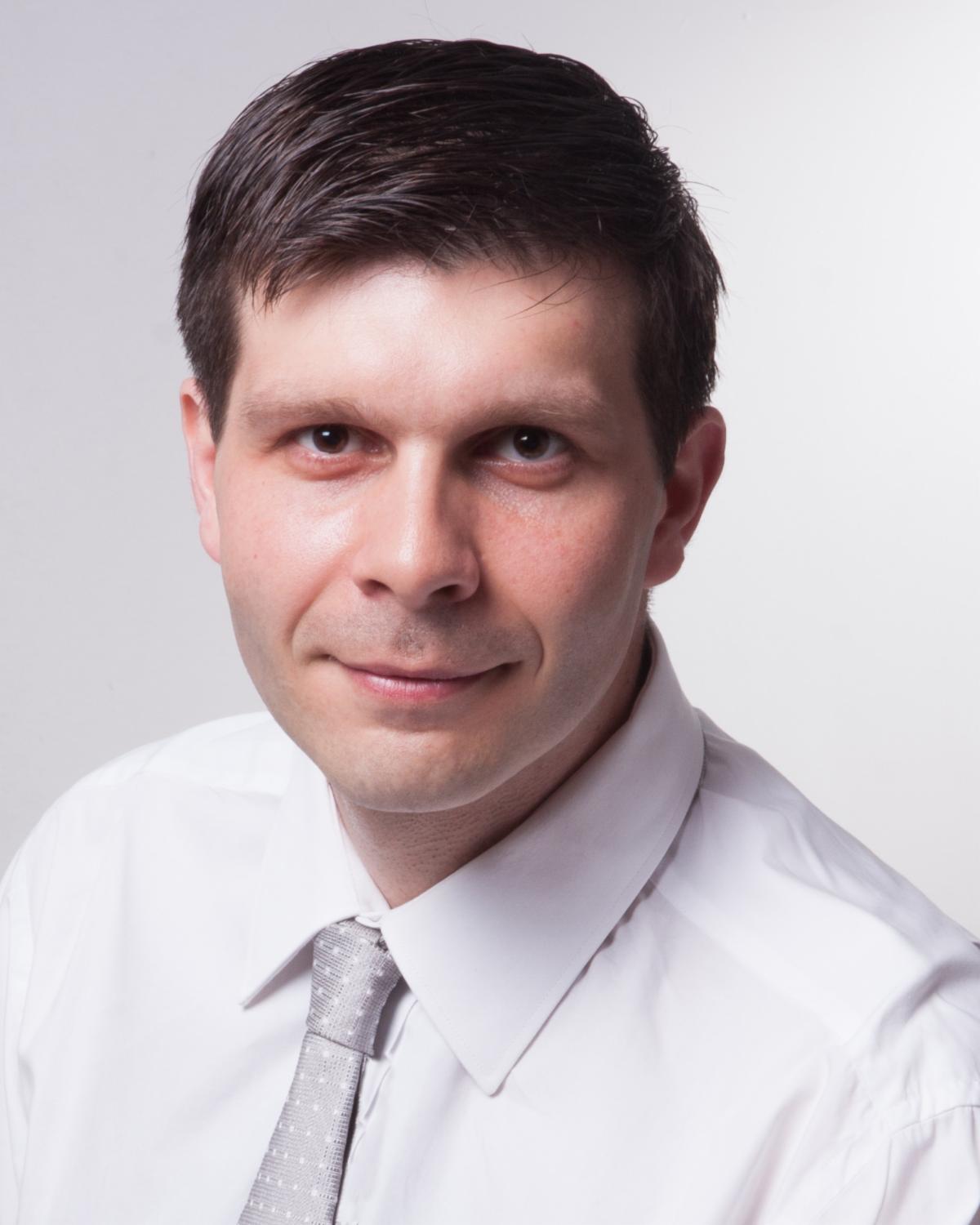
Anilkumar Pillai, PhD, professor and Louis A. Faillace, MD, Chair in the Department of Psychiatry and Behavioral Sciences, recently received a two-year, $891,388 grant from the National Institute of Mental Health.
The project, titled “Mitochondrial DNA, chronic stress, and inflammation,” investigates the relationship between stress and psychiatric disorders. Chronic stress is a risk factor for the development of multiple psychiatric disorders for which current treatments are inadequate.
Evidence from Pillai’s laboratory and others suggest that chronic stress can also provoke elevated inflammation and exaggerated inflammatory responses in both humans and animal models. However, the underlying mechanisms are not well understood.
The major goal of this study is to determine the role of Toll-like receptor 9 (TLR9) in chronic stress-induced social behavior deficits. TLR9 is activated by cytosine-phosphate-guanine (CpG)-rich unmethylated DNA motifs, which are primarily found in bacterial, viral, and mitochondrial DNA.
The project will use both genetic and pharmacological approaches in animal models to investigate the role of TLR9 in social behavior. If successful, the study will create new developments in understanding the pathways linking inflammation and stress-induced behavioral abnormalities, and thereby allow the development of novel strategies for treatment in stress-related mental health disorders.
Pillai and his team are excited about the new possibilities this study could open up for future treatments.
| |
Meet the keynote speakers for the 2022 Houston Mood Disorders Conference | |
|
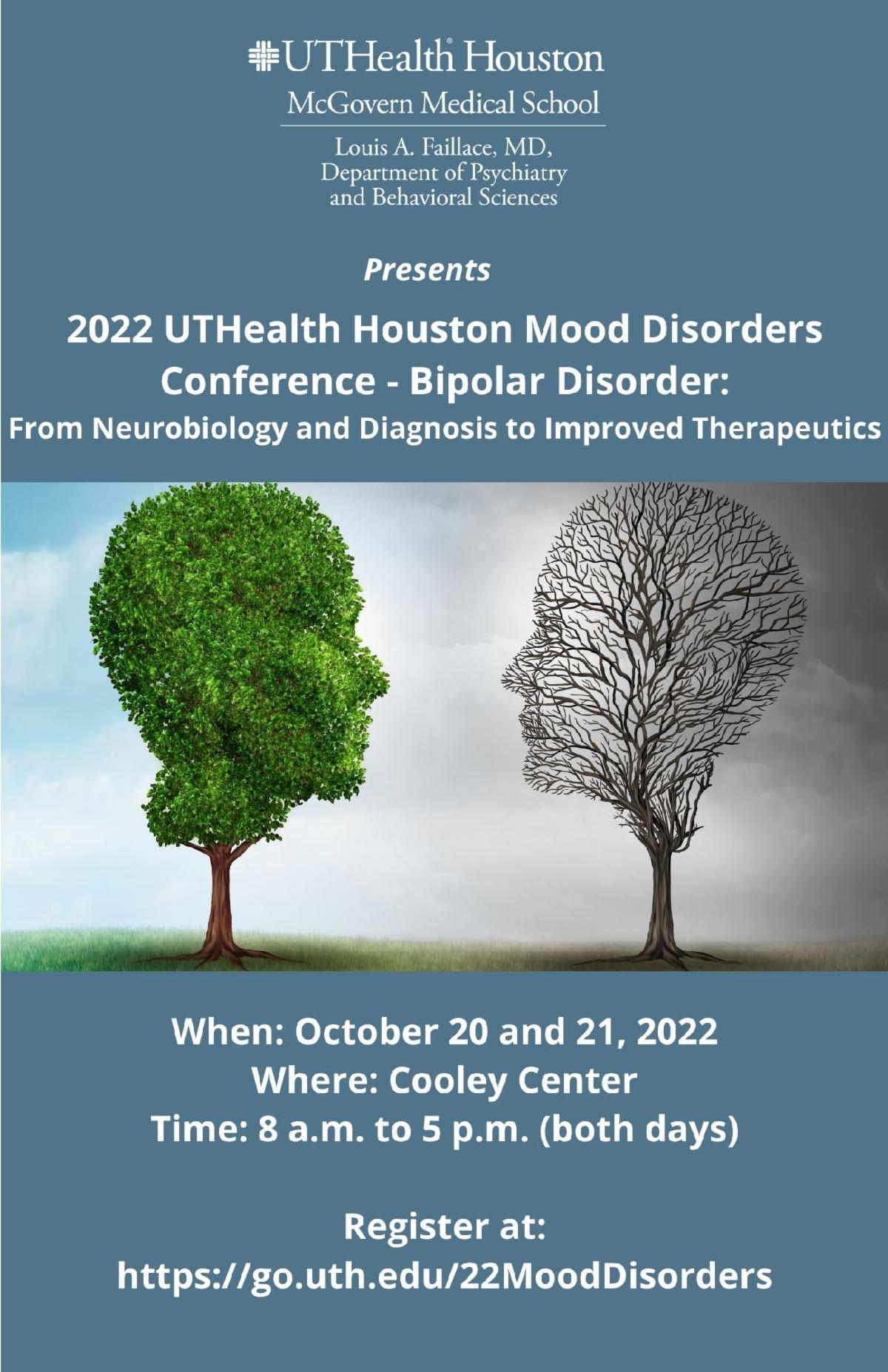
Registration for the 2022 UTHealth Houston Mood Disorders Conference: From Neurobiology and Diagnosis to Improved Therapeutics is now open. This two-day conference will be held on Friday and Saturday, October 21-22, at the Cooley University Life Center, 7740 Cambridge St, Houston, TX 77054.
Bipolar disorder is a psychiatric condition that causes unusual shifts in mood state, sleep, energy, activity levels, and the ability to carry out day-to-day tasks. According to the National Institute of Mental Health, an estimated 4.4% of adults in the United States experience bipolar disorder at some point in their lives.
Bipolar disorder is highly likely to occur with other psychiatric and medical diagnoses, but these are not always obvious. Some common comorbidities include anxiety and substance use disorder, as well as Type 2 diabetes and cardiovascular disease. There have been advances in recognition and treatment of these co-occurring disorders in recent years.
The conference will explore the public health significance of bipolar disorder and the extent to which this may justify the development of early intervention strategies for this disorder. Additionally, it will cover recent advances in recognition and treatment of these co-occurring disorders.
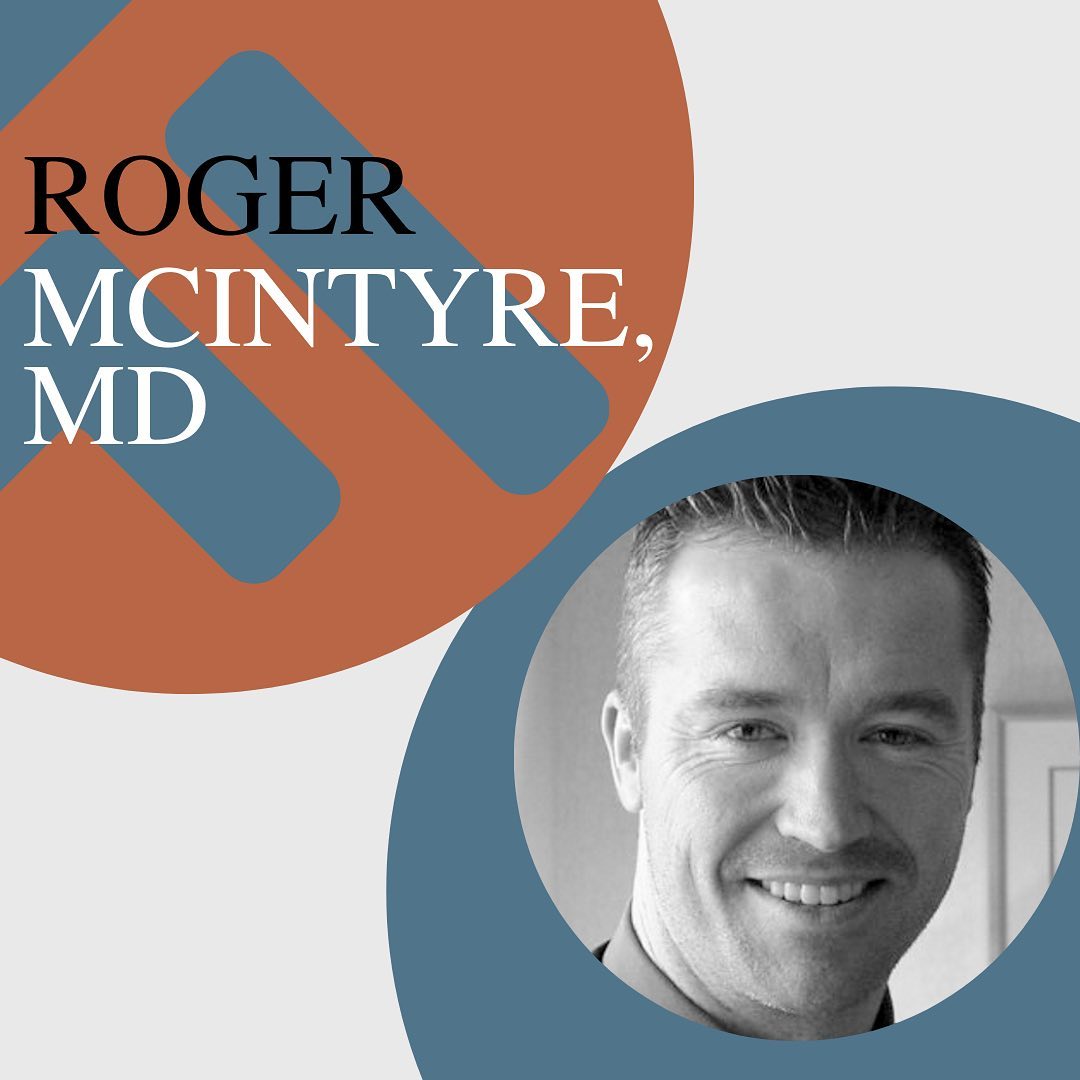
Course directors Jair Soares, MD, PhD, and Rodrigo Machado-Vieira, MD, PhD, MSc, invite you to attend. This conference is intended for medical professionals, including physicians, psychologists, scientists, nurses and nurse practitioners, physician assistants, and social workers, as well as residents, fellows, interns, and medical students. The conference also provides up to 12.0 continuing education credits.
Register for the conference here.
|  | |
|
Spotlight:
Four receive seed grants
| |
|
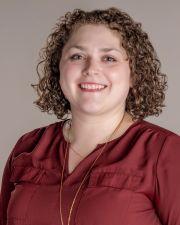
Gabriel Fries, PhD, received a $30,000 grant. His project is titled "Longitudinal DNA Methylation and Epigenetic Aging Changes Associated with Treatment and Improvement of Suicidal Ideation in Hospitalized Patients with Mood Disorders."
Summary of the project: This study will test the hypothesis that treatment and improvement of suicidal ideation is associated with significant changes in peripheral blood DNA methylation levels in hospitalized patients with mood disorders. We will also investigate longitudinal changes in multiple epigenetic clocks and the interrelationship between DNA methylation and transcriptomic markers associated with treatment of suicidal ideation, ultimately providing important insights into the epigenetics of suicide.
Fries is an assistant professor in the Faillace Department of Psychiatry and Behavioral Sciences. He is a translational researcher in biological psychiatry, focusing on epigenetic basis of mood disorders. His particular interest in bipolar disorder, suicide, and molecular mechanisms of stress.
| |
|
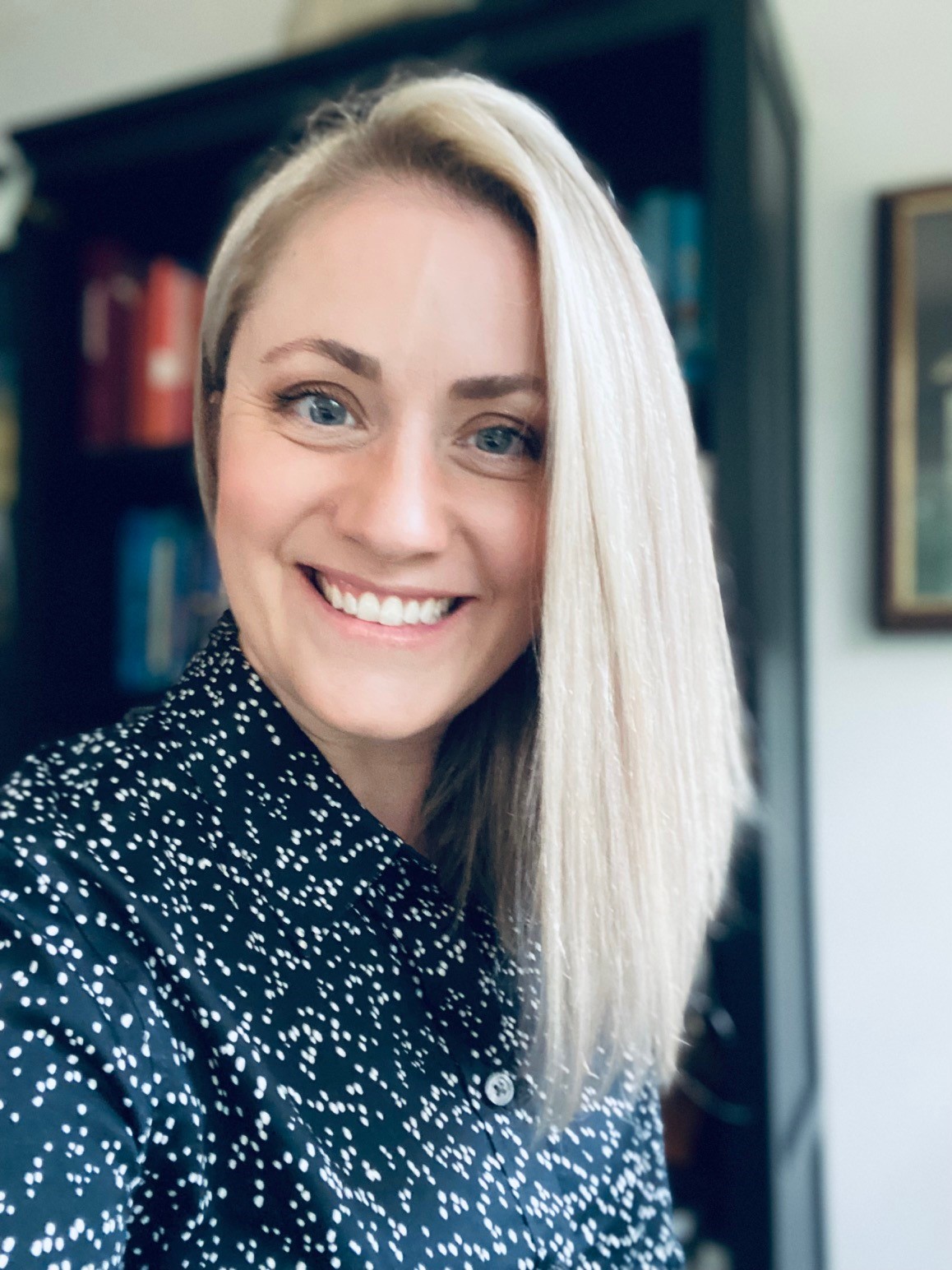
Heather Webber, PhD, received a $30,000 grant. Her project is titled "The Effects of Suvorexant on sleep, Stress, and Cue Reactivity in Methamphetamine Use Disorder."
Summary of the Project: The primary goal of the study is to assess the effects of suvorexant on physiological sleep (actigraphy, electroencephalogram) and self-reported sleep quality in methamphetamine users. We will also assess two other domains linked to the orexin system and commonly related to methamphetamine relapse including stress and cue reactivity/craving. Our hypothesis is treatment with suvorexant will attenuate disruptions in sleep, stress, and cue reactivity/craving. By engaging these relapse-related target mechanisms, this work will provide critical proof-of-concept evidence for a subsequent R-level grant.
Webber is an instructor in the Faillace Department of Psychiatry and Behavioral Sciences. Her area of focus is human electrophysiological methods to study the underlying neural mechanisms of motivation, reward, and punishment sensitivity, and emotional functioning and how these processes contribute to addition.
| |
|
Julie Gameon, PhD, received a 30,000 grant. Her project is titled "Cultural Adaptation and Pilot Feasibility Testing of Behavioral Activation and Therapeutic Exposure for Grief Therapy Among American Indian Populations."
Summary of the project: American Indian and Alaska Native (AI/AN) people living in the United States have the highest early death rates across most younger age groups compared to white, Black, and Hispanic populations. Experiencing sudden or unexpected death of a loved one increases the risk of developing abnormal grief-related symptoms, which can lead to a diagnosis of Persistent Complex Bereavement Disorder (PCBD). Research on PCBD in AI/AN communities is extremely limited, and no evidence-based treatments have been tested with this population. To address the need for behavioral treatments for grief in AI/AN populations, goals are: 1) to work with American Indian/ Alaska Native community partners to culturally adapt the Behavioral Activation and Therapeutic Exposure for Grief (BATE-G) and 2) to pilot test the culturally adapted BATE-G with AI/AN who have experienced the loss of a loved one to accidental death.
Gamon is a postdoctoral research fellow in the Faillace Department of Psychiatry and Behavioral Sciences. She currently works in the UTHealth Houston Trauma and Resilience Center.
| |
|
Sarah Jackson, PhD, received a $30,000 grant. Her project is titled "Development of a Virtual Stress Inoculation Training (SIT) Platform and Mobile Health App."
Summary of the project: This project will focus on the development of a mobile health application and virtual training classroom that will help Combat Veterans experiencing Posttraumatic Stress Disorder learn skills to reduce their symptoms, improve functioning, and re-engage in valued life areas. The intervention will be self-paced and accessible virtually to reduce barriers and challenges experienced in traditional mental health care. The intervention will leverage the mobile health application Stress Navigator and biofeedback technology to increase engagement and improve outcomes.
Jackson is an associate professor in the Faillace Department of Psychiatry and Behavioral Sciences. She focuses on treating post traumatic stress disorder in patents with combined medical, psychology, and polytrauma rehabilitation needs.
| |
HCPC named top five Mental Health Treatment Centers for Teens & Young Adults in Texas | |
UTHealth Houston Harris County Psychiatric Center | |
|
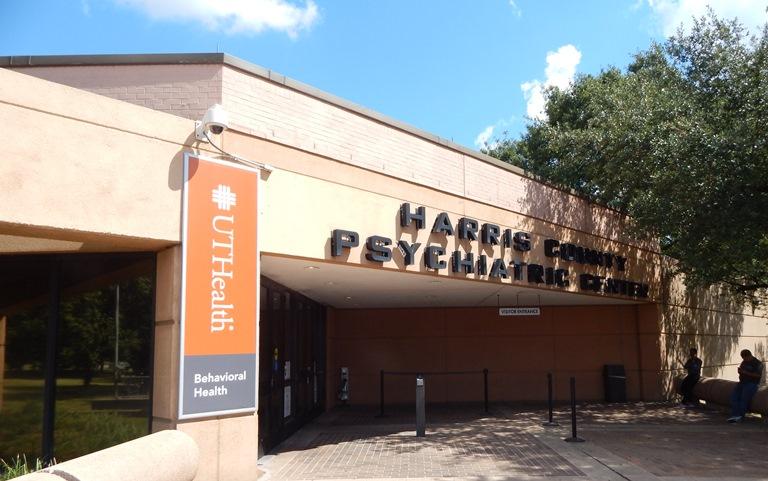
UTHealthHouston Harris County Psychiatric Center (UTHealth Houston HCPC) was named one of the top five mental health treatment centers for teen and young adults in Texas in a recent article by GuideDoc.
The Child and Adolescent Acute Care Unit at UTHealth Houston HCPC provides a supportive, stable environment for children and adolescents experiencing acute symptoms of psychiatric illness to receive the most appropriate treatment. Those psychiatric illnesses may include symptoms of anxiety, depression, mania, psychosis, stress, or trauma. A wide variety of doctors, nurses, social workers, psychologists, recreational therapists, dieticians, and pharmacists are all integrated for the benefit of the patients and families.
“In times of severe distress, we all need help from partners,” said Christian Zeni, MD, PhD, director of the unit at UTHealth Houston HCPC. “We partner with youth and families so they can get the proper help in a secure therapeutic environment. We always make sure to coordinate that our patients return to their homes safely and have outpatient follow-up.”
Read the full article here.
| |
Are receives grant to further Nurturing Resilience Initiative | |
|
Funlola Are, PhD, assistant professor in the Faillace Department of Psychiatry and Behavioral Sciences, recently was awarded $10,000 from the Robert & Pearl Knox Charitable Foundation to support the UTHealth Houston Nurturing Resilience Initiative.
The Nurturing Resilience Initiative, led by Are, is a program that formulates partnerships with various community organizations to establish services for children and their families that reside in Fort Bend County, specifically for childhood mental health. Services include:
-
Create Your Own Resilience: Evidence-based, social-emotional learning taught by expert clinicians in partnership with the Boys and Girls Club of Greater Houston and the YMCA.
-
Circle of Security: Evidence-based, attachment-focused parenting classes taught by expert UTHealth Houston clinicians in partnership with BakerRipley and the Infant Toddler Court of Fort Bend.
-
Trauma-Focused Cognitive Behavioral Therapy Training: Effective evidence-based training and ongoing consultation calls for providers in Fort Bend.
-
Child Advocates of Fort Bend Fellowship Rotation: Specialized child and adolescent psychiatry rotation focused on providing psychiatric services for children and adolescents receiving services at Child Advocates of Fort Bend.
With this financial support, the Nurturing Resilience Initiative will be able to purchase support materials for mental health resource libraries being created at community sites and provide family incentives for participants as the initiative enters its second year.
Are and her team are excited about continuing to offer services in Fort Bend, and the additional funds will provide opportunities to supplement existing service offerings.
Learn more about the program here.
| |
Quintanilla speaks at a conference | |
|
Brandi Quintanilla DO, MS, a second-year research track psychiatry resident at McGovern Medical School at UTHealth Houston, was an invited scholar trainee speaker at the University of Texas Rio Grande Valley (UT-RGV) School of Medicine International Conference on Health Disparities: Treatment and Recovery from Opioid and Alcohol Use Disorders and Related Comorbidities in September in Mission, Texas.
Quintanilla was invited to discuss opioid abuse-related psychiatric comorbidities, rapid-acting antidepressants aimed at targeting opioid pathway dysfunction and related psychiatric comorbidities, and plasma biomarkers that may identify predisposition to major depressive disorder and predict treatment response in patients with opioid pathway dysregulation.
Quintanilla’s research began in her postdoctoral fellowship at the National Institute of Mental Health in the experimental therapeutics branch, where she identified mechanisms by which rapid-acting psychoactive antidepressants exert therapeutic effects.
Quintanilla’s research career goal is to identify predictive and diagnostic biomarkers for treatment-resistant depression in ethnic minority groups. Currently, Quintanilla is investigating the complement immune system in subjects with treatment-resistant depression pre-and post-ketamine administration. Quintanilla’s upcoming projects will analyze and compare inflammatory biomarker levels of ethnic minority cohorts from underserved communities versus ethnic cohorts with adequate health care access.
“Growing up in the Rio Grande Valley, a Hispanic-predominant region, many of my immediate family and friends were impacted by mental illness; however, access to mental health resources was sparse and stigma was high,” Quintanilla said. “This conference solidified my interest in expanding my research focus to underserved minority communities. It's amazing how my hometown has grown, in terms of mental health access, patient education, community resources, and underserved research focus. This is a step forward in the right direction, and I couldn’t be more proud.”
Anilkumar Pillai, PhD, director of the research track residency program in the department, is excited for Quintanilla’s accomplishments.
“This is a great achievement; congratulations to Brandi,” Pillai said. “We are extremely proud that several of our residents have recently been honored for their scholarship and academic excellence at national level.”
| |
The following clinical trials are in operation, following all necessary safety guidelines. If you're interested, contact the appropriate study.
We are conducting a study to develop adaptive treatment interventions; that is, interventions that change based on how the participant is doing. Individuals seeking treatment for cocaine addiction may qualify to participate in this two-phase program.
Contact: 713-500-DRUG (3784)
This study aims to examine the safety and efficacy of allogenic mesenchymal stem cells as an adjunctive treatment of treatment-resistant bipolar depression. Patients will be assigned into a treatment or a placebo group.
Contact: 713-486-2627
The UTHealth Houston Center of Excellence on Mood Disorders at the Faillace Department of Psychiatry and Behavioral Sciences is collaborating with LivaNova, a global medical technology company, to start a new clinical trial – the “RECOVER study” – to help treat depression.
Contact: 713-486-2627
To see all open studies, visit our website.
| |
|
Innate lymphoid cells in depression: Current status and perspectives - Science Direct - August 2022
Amit Kumar Madeshiyaa, AnilkumarPillai
Epigenetic GrimAge acceleration and cognitive impairment in bipolar disorder - PubMed.gov - July 2022
Camila N C Lima, Robert Suchting, Giselli Scaini, Valeria A Cuellar, Alexandra Del Favero-Campbell, Consuelo Walss-Bass, Jair C Soares, Joao Quevedo, Gabriel R Fries
Brain metabolic changes and clinical response to superolateral medial forebrain bundle deep brain stimulation for treatment-resistant depression - Molecular Psychiatry - August 2022
Christopher R. Conner, Joao Quevedo, Jair C. Soares, Albert J. Fenoy
| |
|
Luis Fernandez-Wishe, MD, spoke to Univision Houston Channel 45 about the importance of suicide prevention.
Leslie Taylor, PhD, appeared on FOX 26 News's Facebook Live for National Suicide Prevention Week.
| |
|
Louis A. Faillace, MD, Department of Psychiatry and Behavioral Sciences at McGovern Medical School at UTHealth Houston
713-486-2500
Email
Website
| |
| | | | |