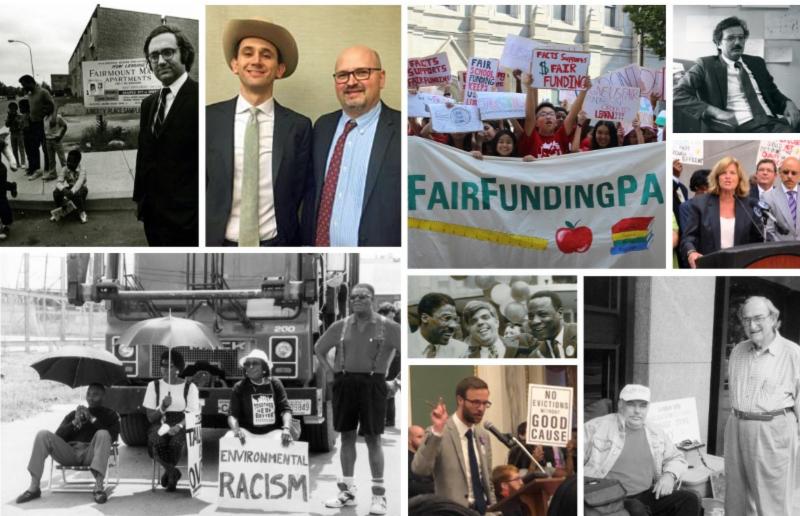
In a victory for voters, a Delaware County court ruled that our clients' provisional ballots must be counted | |
|
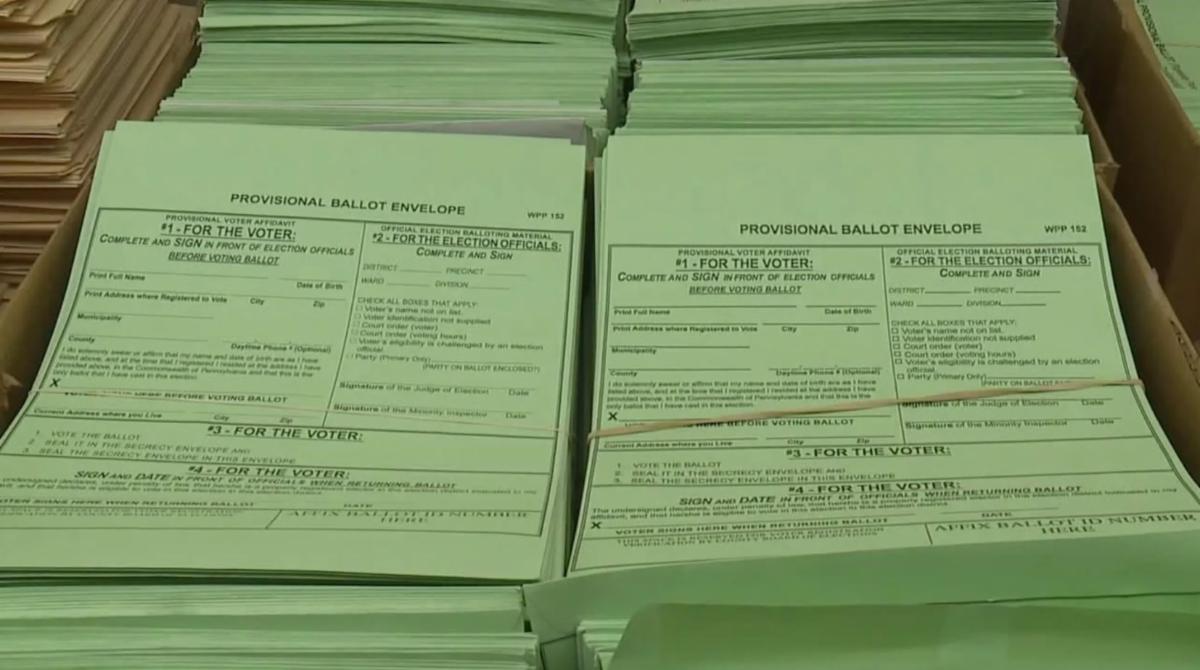
During the May 16, 2023 primary election, three long-time senior voters in Delaware County each submitted provisional ballots at the polls, after the Delaware County Board of elections notified them it had rejected their mail-in ballots less than a week before the election. After the election, relying on a non-precedential Commonwealth Court decision, the Board of Elections disenfranchised them by deciding not to count their provisional ballots.
Provisional ballots provide a crucial safety net in our electoral system, and Pennsylvania law is clear: if a Board of Elections rejects a voter’s mail-in ballot, the voter can go to the polling place on election day and submit a provisional ballot, which “shall be counted” if county election officials confirm that the voter’s mail-in ballot was not counted. We represented the three voters in a lawsuit challenging the Board of Elections' decision, joined by co-counsel from the ACLU of Pennsylvania with assistance from Dechert LLP.
On September 21, a Delaware County court ruled that provisional ballots submitted to cure rejected mail-in ballots must be counted. The court affirmed that provisional ballots remain a valid alternative for voters even when counties have established a process for voters to fix errors on their mail-in ballots. Future statewide resolution of this issue could strengthen access to the ballot box for thousands of voters. In November 2022, election officials in Pennsylvania rejected 16,000 mail-in ballots due to a missing secrecy envelope, a missing signature, or a missing date.
The decision was covered by VoteBeat Pennsylvania and the DelCo Daily Times. “Eligible voters should have every option under the law to make their voice heard, and access to provisional ballots is a crucial part of making this a reality in our commonwealth,” our senior attorney Ben Geffen said. “This court decision does not change the winner of any race, but it means something to every Pennsylvania voter.”
| |
We stood up for local gun safety laws at PA Supreme Court oral argument | |
To take on gun violence, we are challenging an unjust status quo--a state legislature that has rejected calls to take action to curb gun violence for decades while blocking local lawmakers from passing their own firearm-safety ordinances with state firearm preemption laws.
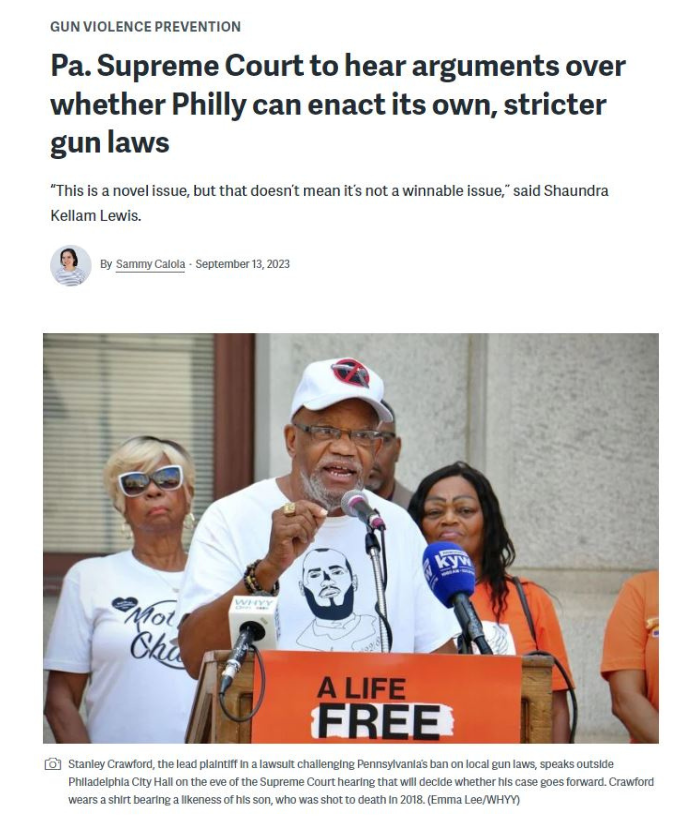
The Pennsylvania Supreme Court heard oral argument on appeal in our case taking on state firearm preemption laws on Wednesday, September 13 in Philadelphia City Hall. Jasmeet Ahuja of Hogan Lovells, our pro-bono co-counsel, presented the argument, which was covered by WHYY, KYW, and other media outlets statewide. We are also joined by the City of Philadelphia in the case.
Our client CeaseFirePA hosted a vigil ahead of oral argument, at which several of our individual clients--residents of Philadelphia and Pittsburgh who have lost loved ones to gun violence--spoke of the urgent need for meaningful action. Mimi McKenzie, our legal director, explained the situation with an analogy, telling a WHYY reporter to consider what it would mean if Pennsylvania banned cities from enacting traffic regulations like stop signs and speed limits.
“And at the same time the state itself doesn’t enact them either, and people are dying,” she said. “That’s crazy, and that’s what’s happening.”
Throughout oral argument, Ahuja, representing our clients, made it clear that this case is about communities who face a devastating gun violence crisis that affects citizens' daily lives on the most basic level, undermining their sense of safety in their homes and on the street. By refusing to give these communities access to the tools they need to address the crisis, the General Assembly is denying them their fundamental right to enjoy and defend life and liberty. Our clients deserve a trial to make that case, and we are hopeful that the PA Supreme Court will grant them that opportunity.
| |
New analysis: PA public schools are shortchanged by $6.26 billion for basic and special education | |
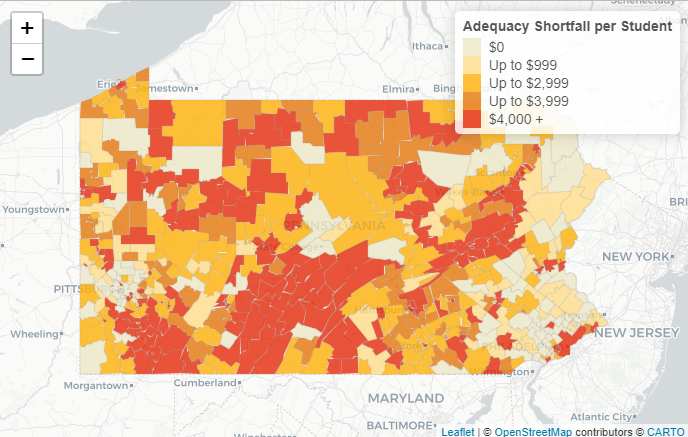
Left: A map of Pennsylvania's 500 school districts, showing per-student adequacy shortfalls for basic and special education.
A new analysis of Pennsylvania’s public school funding system found that districts across Pennsylvania are collectively underfunded by $6.26 billion, about 20% of current total education spending. The poorest school districts serve 20% of Pennsylvania's students, but account for 51% of this adequacy shortfall. View an interactive map of funding shortfalls for every Pennsylvania district.
Penn State Professor Matthew Kelly first examined what successful Pennsylvania school districts are spending relative to their students' needs. He then determined the funding needed for every district to be able to provide the same level of resources as those districts, relative to their students' needs.
Educators, experts, and the PA Department of Education are in unanimous agreement: some students, such as students in poverty or English language learners, need more support to reach the same opportunity. But Pennsylvania's school funding system is upside-down: the students who need the most support, concentrated in Pennsylvania's poorest school districts, have the least. Because of our two-tiered funding system, the poorest quintile of school districts spends $6,230 less per student than the wealthiest, relative to their students’ needs.
The analysis is a comprehensive assessment, and it factors in what districts would need to provide classroom instruction, special education, transportation, career and technology education, and student services. Read Dr. Kelly's full report here. The analysis was presented on the first day of testimony for the Basic Education Funding Commission, which was covered by the Philadelphia Inquirer.
| |
"Let our students show you what they can do:" The Basic Education Funding Commission hears from our clients | |
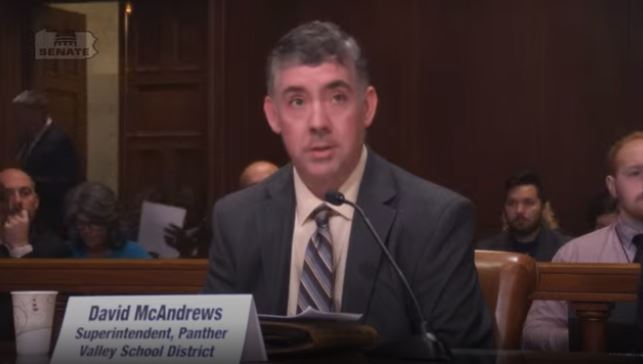
Left: Our client in the school funding lawsuit, Superintendent David McAndrew of Panther Valley School District, testifies before the Basic Education Funding Commission.
The work of developing and implementing a new, fair school funding system is in full swing, as the Basic Education Funding Commission held its first five public hearings throughout September. Full video recordings of each hearing and details of upcoming hearings can be found on the commission's website.
In Philadelphia, the commission heard from a school counselor serving 500 elementary school students, many of whom have experienced severe trauma, by herself. In Lancaster, they heard from a teacher who serves English language learners and refugees from around the world without the resources to provide the support they need. In Harrisburg, the commission heard from our senior attorney, Dan Urevick-Ackelsberg; Maura McInerney, legal director from our co-counsel Education Law Center-PA; and two of our clients: Superintendent David McAndrew of Panther Valley SD, and Superintendent Brian Costello of Wilkes-Barre Area SD. Read or watch their testimony here.
Our clients described a public school funding system that leaves them with impossible, unacceptable choices, like having to decide between cutting art and libraries to the bone and facing a crippling budget deficit, or either dismissing elementary school early in an building with no air-conditioning or providing a full day of learning in uncomfortable conditions. They also described what a constitutional funding system would mean for their students.
"The court’s decision is clear: every child can learn, and it is up to us to make this promise a reality in Pennsylvania public schools," superintendent Costello said. "Invest in the future of Pennsylvania, and let our students show you what they can do."
Here are a few highlights of statewide press coverage:
All public hearings will be livestreamed--see the list below for times and locations for upcoming hearings.
-
Thursday, October 5, Hazleton. 10:00 AM, Hazleton Area SD Admin. Building, School Board Room, 1515 West 23rd St., Hazle Township, PA.
-
Wednesday, October 11, Pittsburgh. 10:00 AM. Westinghouse Academy, CTE Suite, 1101 North Murtland St., Pittsburgh.
-
Thursday, October 12, Lemont Furnace. 10:00 AM. Penn State Fayette - The Ebler Campus, Maggie Hardy Magerko Auditorium, 2201 University Drive, Lemont Furnace.
The Basic Education Funding Commission would like to hear from Pennsylvania parents, students, educators and taxpayers. Please consider sending the commission a brief comment through their online form. Your advocacy for strong public schools in every community can make it clear to our legislators and the Governor that Pennsylvanians are demanding a public school funding system that fulfills our constitution's promise.
| |
We're looking for an executive director | |
We've launched an Executive Director search to recruit a dynamic and collaborative leader and effective fundraiser who embraces the Law Center’s mission and high-impact litigation approach.
The Executive Director reports to the board and manages three direct reports and a 17-person staff. The ED will be expected to provide strong leadership internally and externally by overseeing the budget; to develop relationships with staff, board members, funders and donors, law firms, and pro bono attorneys; to exercise humility, diplomacy, and conviction; and to lead by example with intellectual curiosity an inclusive and active listening style.
Interested or know someone who might be? Please contact Andrew C. Wheeler at 267 257-1910 or awheeler@lincolnleadership.co . More information and a complete job description can be found on our website.
| |
Thank you for making The Time is Now a great night of celebration! | |
|
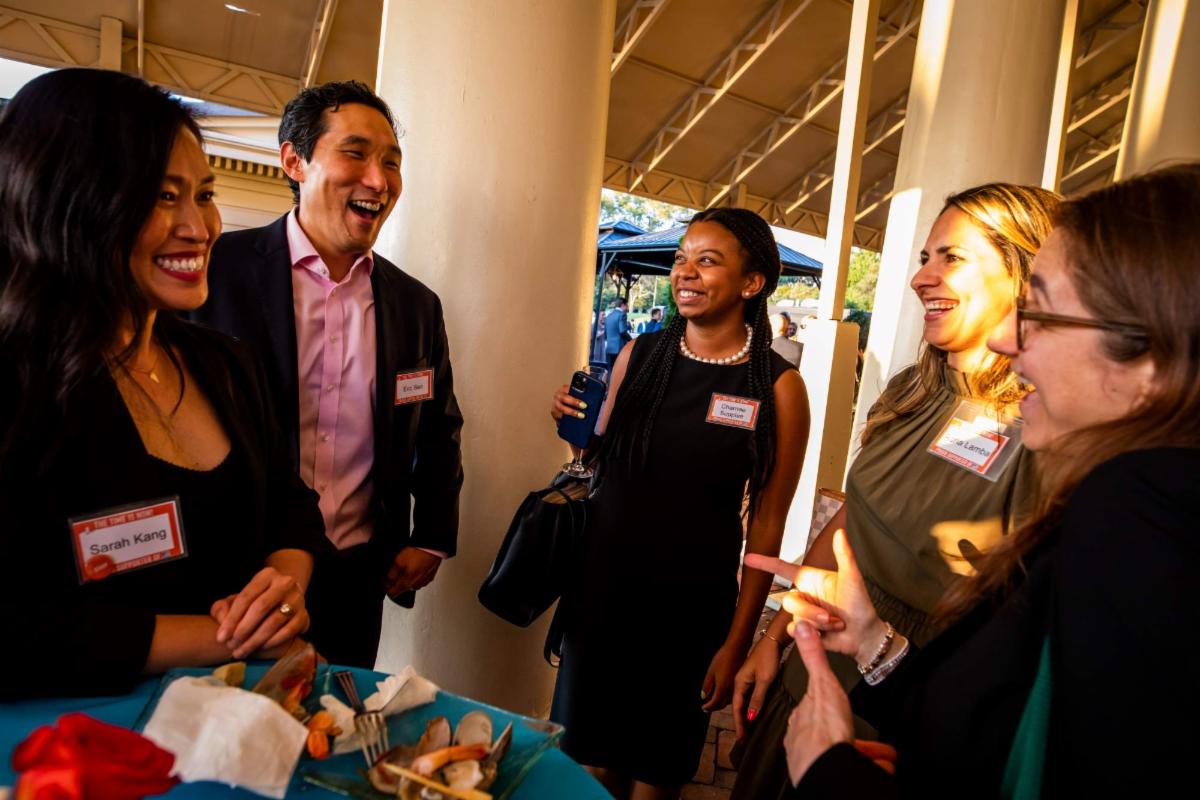
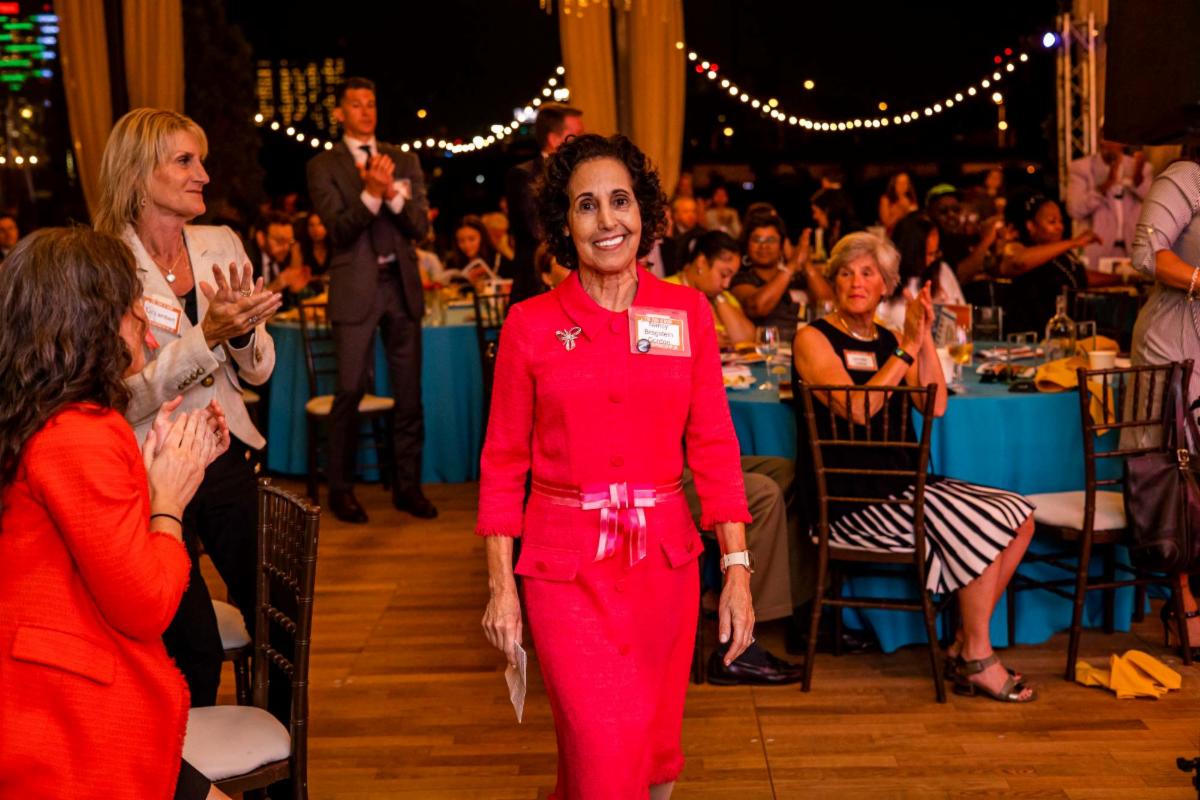
Thank you so much for making The Time is Now a great evening of celebration! Together, we honored the people taking on gun violence by challenging state firearm preemption laws. Thank you for being an essential part of our team, and making it possible to take on our city and our commonwealth's most urgent challenges.
Thanks to you, we met and exceeded our matching goal, raising $34,580 to support the Law Center's work all year round! Thank you to John Chou and Teresa Wallace for their $20,000 match donation.
Thank you to Ashley Smith of Wide Eyed Studios for the photography! View more photos on Facebook.
| |
|
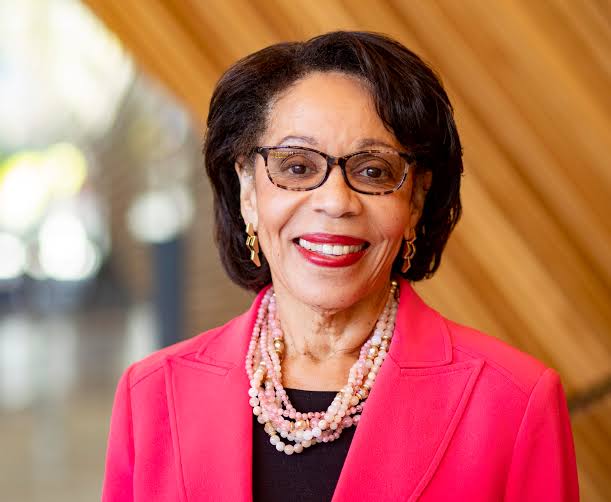
All of us at the Public Interest Law Center were sad to learn of the passing of JoAnne Epps, President of Temple University, on September 20. Epps was a pillar of Philadelphia’s legal community, its cornerstone public university, and the city as a whole. She served for several years as a member of our advisory board beginning in 2009, and we are grateful for her service to our organization, among innumerable public-serving institutions across the city and the commonwealth, where she lent her leadership and talents as lawyer and as an educator. We send our sincere condolences to her family and friends.
"Dean Epps (as I knew her) was that rare combination of grounded humility alongside superior intellect, ethical leadership, and unwavering commitment to the communities she served," our staff attorney Mary Beth Schluckebier, who earned her J.D. from Temple while Epps was dean, wrote. "She was both Leader and Light."
| |
We're seeking applications for 2024 summer law student interns |
The Law Center is currently seeking applications for 2024 summer law student internships. The Amy Ginensky & Andy Rogoff Emerging Advocate Initiative is our internship program for law students seeking an opportunity to immerse themselves in high impact legal work.
At the Law Center, students will experience in civil rights law and learn the inner workings of one of Philadelphia’s premier public interest firms. Law Center attorneys, organizers and staff are committed to helping train the next generation of civil rights attorneys, advocates, and nonprofit leaders. Through our internship program, we offer mentorship and support; host guest speakers and other opportunities to learn more about a variety of areas of law and public interest advocacy; and provide practical education in skills like legal writing. We offer limited funding opportunities for law students through the Clarke Scholars Fund for the summer program. Learn more here.
| | | | |