The Wyoming Health Council works to ensure that all people can access equitable, inclusive, high-quality, and affordable reproductive and sexual health care. | |
|
🌟 September is Sexual Health Awareness Month! 🌟
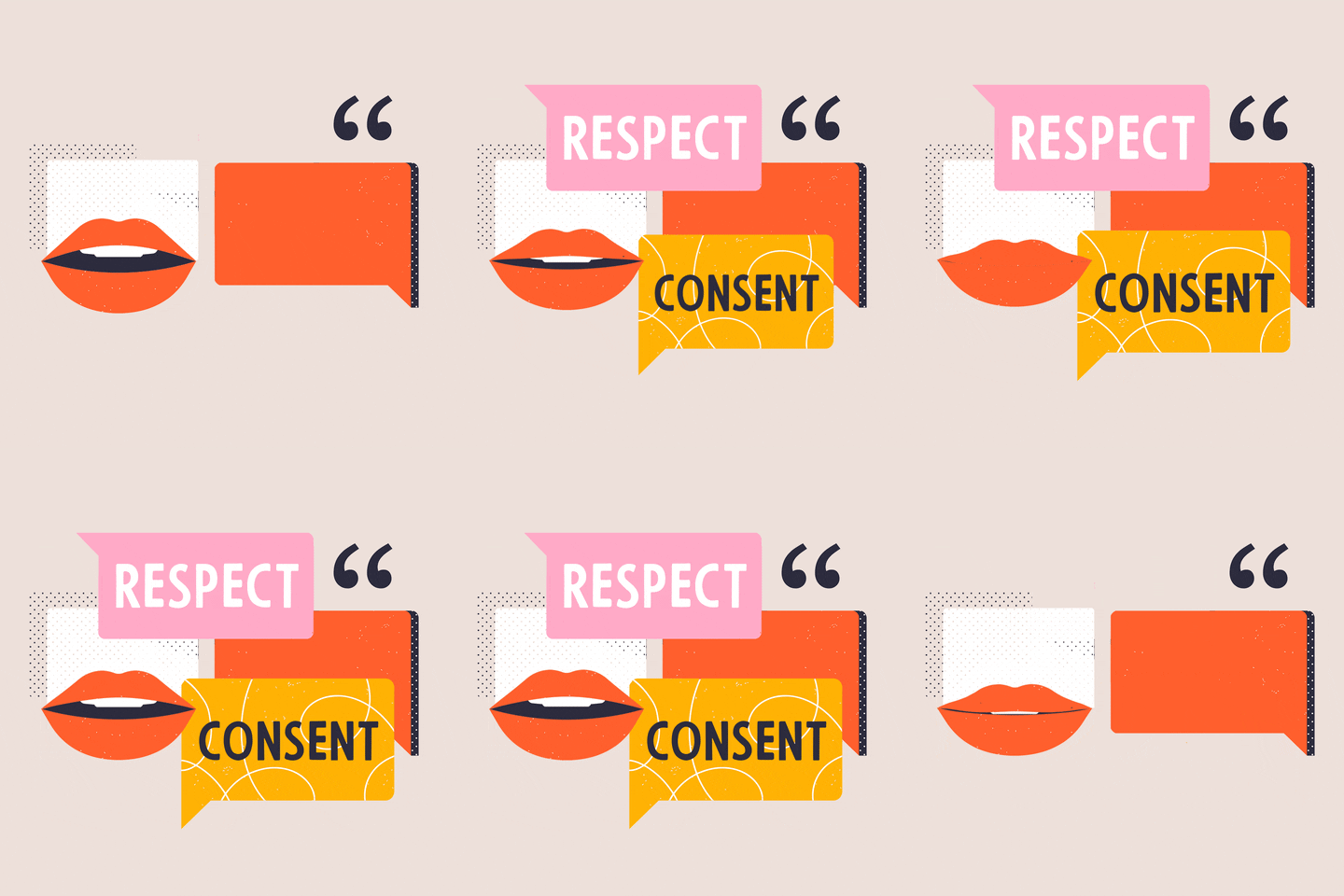
This month, let's focus on celebrating and promoting a positive, respectful approach to sexuality and sexual relationships. Sexual health is about more than just physical well-being; it's about ensuring everyone has the opportunity to experience pleasure and intimacy in a way that's safe, consensual, and free from coercion, discrimination, or violence.
Here's how we can make a difference:
💬 Open Conversations: Talk openly about sexual health with partners, friends, and loved ones. Education and communication are key to understanding and respecting each other’s needs and boundaries.
📚 Educate Yourself: Learn about sexual health resources and support services available in your community. Knowledge empowers us to make informed decisions and seek help when needed.
🛡️ Advocate for Safety and Respect: Support efforts to end sexual violence and discrimination. Everyone deserves to feel safe and respected in their sexual relationships and experiences.
Let's work together to create a world where sexual health is approached with positivity and respect, where pleasure is embraced, and everyone can enjoy their sexual well-being without fear or stigma.
💖 Share this message and help spread awareness! 💖
#SexualHealthAwarenessMonth #PositiveSexualHealth #RespectAndSafety
| |
|
September 4th is
World Sexual Health Day
This years theme is Positive Relationships!
There are many different types of relationships, and they all have their own unique way of working. Relationships come in all shapes and sizes, and they’re all special in their own way.
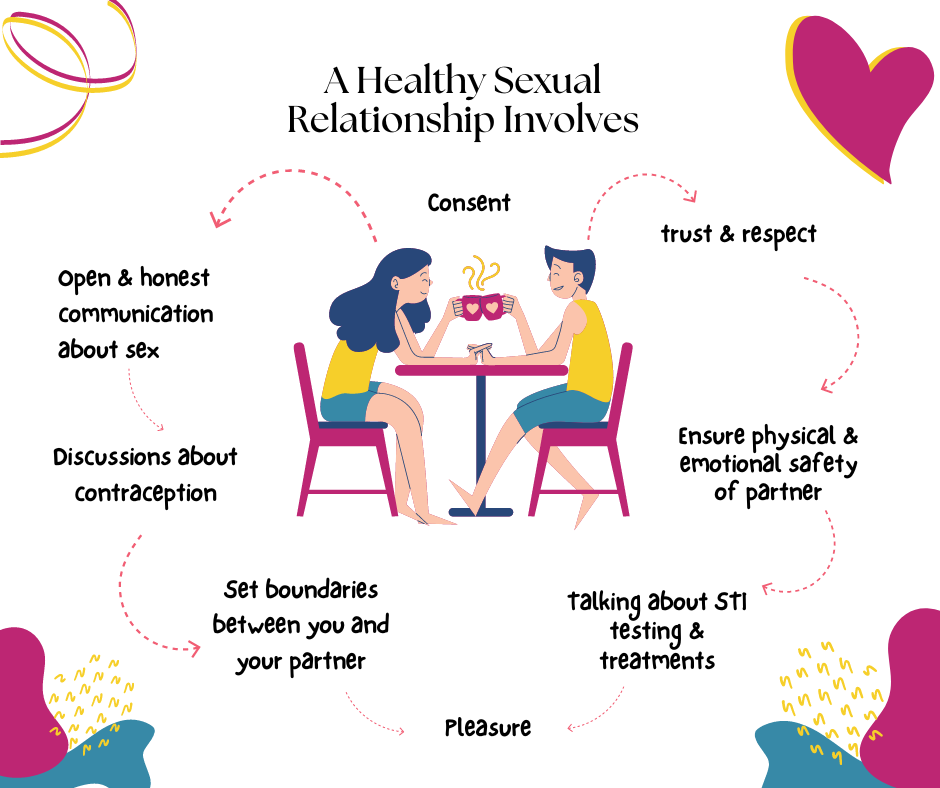
Healthy sexual relationships involves trust, respect, consent, and open communication. It also includes taking precautions to reduce the risk of sexually transmitted infections (STIs) and ensuring the physical and emotional safety of partners.
| |
 |
Breaking Down the Most Important Elements of a Healthy Sex Life
Communication, consent, respect, and pleasure are essential.
A healthy sexual relationship is a consensual partnership where each individual feels physically satisfied, respected, and emotionally fulfilled. Such relationships are characterized by communication, thoughtfulness, and trust. Each person feels safe talking about their desires.
"A healthy sexual relationship is one with lots of communication. Both partners should feel they can express their needs, desires, and fantasies to one another without fear of judgment," says Katie Schubert, PhD, LMHC, a certified sex therapist.
It’s a type of connection that feels both physically and emotionally fulfilling. It's not about checking off boxes on a list of "wants" or "needs" in terms of the frequency or the type of sex you are having.
So if you're someone who likes to get a little kinky, wants to try a roleplay scenario, or straight up doesn't like a certain position that most people love, it's totally your prerogative to say so!
A healthy sexual relationship is fun, playful, and intimate. You know you and your partner are enjoying it, and you feel comfortable sharing what works (and what doesn't).
| |  |
 |
How to talk about sex: 11 tips to improve sexual communication with your partner
Everyone is not comfortable talking about sex with their partner. We tell you how to improve sexual communication for a better sex life.
Sex is not just about the physical act. It also involves a little bit of teasing, dollops of foreplay and also talking about pleasure and sex. Good sexual communication can not only make your sex life more enjoyable, but also foster intimacy, build trust and ensure mutual satisfaction. But not many people like to talk about sex. Either they are shy or just not comfortable. The key is to work towards improving sexual communication with your partner. Just follow some tips by a psychologist for a better sex life!
What is sexual communication?
Sexual communication refers to the exchange of verbal and non-verbal cues between partners regarding their sexual desires, preferences, boundaries, and experiences, says psychologist Dr Rituparna Ghosh. It involves the ability to articulate one’s desires and boundaries clearly, as well as the capacity to listen attentively and empathetically to a partner’s needs and concerns.
| | |
Being Asexual and Being Sex-Positive Aren't Mutually Exclusive
Asexuality has long been a misunderstood sexual orientation. Many people aren’t even aware that a person can be asexual or that asexuality exists on a spectrum like all other sexual orientations.
Not to mention that asexual people can also have sexual libido, a desire to masturbate, watch and enjoy porn, experiment with sexual kinks, engage in romantic relationships, and, yes, even have sex.
This lack of education and understanding can negatively impact people who are asexual but don’t know it, as it did me.
And in turn, when people think of sex positivity, whether as a movement or a personal sentiment, they don’t consider that people who have an aversion to sex can still participate within the sex-positive movement or be a part of the community.
| | |
 |
Polyamory: Defining polyamory, navigating polyamorous relationships, and more
Relationships come in all shapes and sizes, and not all are monogamous. While most people are only familiar with monogamous relationships, polyamory involves multiple nonmarital relationships between partners.
Polyamory isn’t about being able to do whatever you want with other people, while still reaping the benefits of going steady with a significant other. It’s a relationship style based on trust, continuous communication, and shared respect and responsibility. But like other relationship topics, we might feel a little sheepish about the subject if we’re inexperienced.
Polyamory isn’t for everyone, but with patience and an open mind, people who are curious about polyamory shouldn’t be dissuaded from experimentation. And for people who have past experience with polyamorous relationships, or who are currently in one, it never hurts to brush up on your communication skills and to evaluate the health of the relationship you share with your partners.
| | |
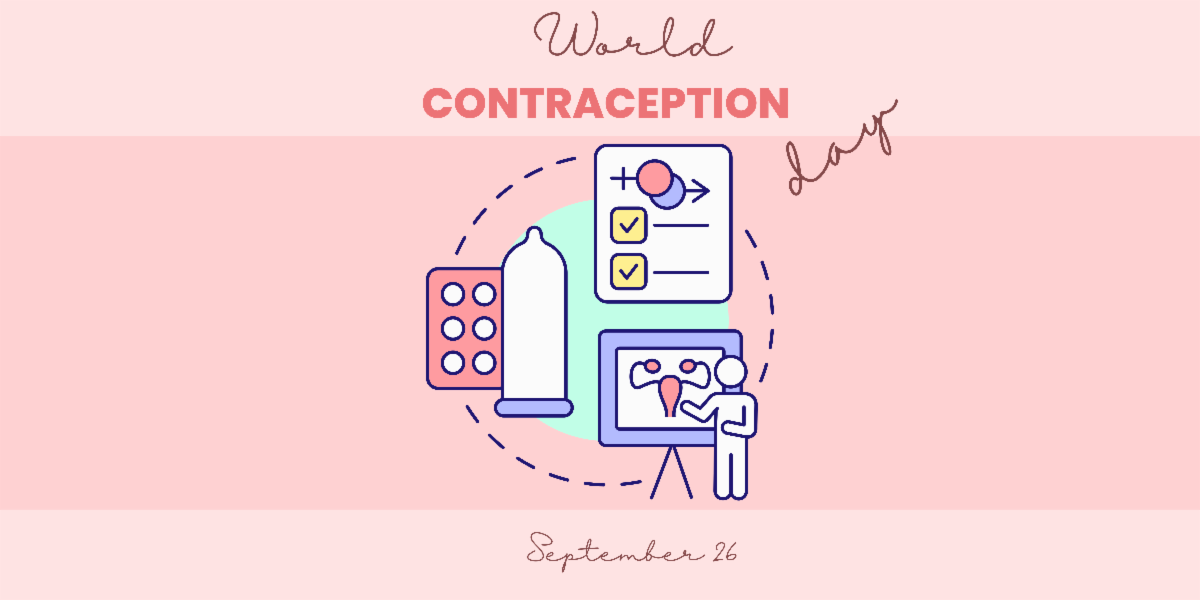
Female Condoms
Contraception comes in many forms. A female condom is one type of barrier method of birth control that prevents pregnancy and can help keep you safe from sexually transmitted infections (STIs). It’s also called a “femidom” or “internal condom” because it’s used inside the vagina.
A female condom is a thin tube made of nitrile rubber or lab-made latex that you put into your vagina and take out after sex. The rubbery material forms a physical barrier that sperm cannot cross. The barrier prevents sperm from reaching an egg. If the sperm doesn’t reach the egg, you don’t get pregnant.
Anyone with a vagina can use it this way. You also can put it in your anus for anal sex.
| | |
Female Condoms For Anal Sex
While female condoms (internal condoms) were originally designed for use in vaginal intercourse, some gay and heterosexual couples have used them for anal sex. There are no research studies on their efficacy in preventing the transmission of HIV and sexually transmitted infections during anal sex, but they form a barrier which should prevent semen and other bodily fluids from passing from one sexual partner to the other. Laboratory studies have demonstrated that the device is impermeable to HIV and other viruses. It is therefore reasonable to assume that using a female condom for anal intercourse will provide protection.
Whereas most male condoms are made from latex, female (internal) condoms are made from a synthetic rubber called nitrile. This means they are less likely to cause allergic reactions and can be used with oil-based lubricants
In 2018, American regulatory authorities (the Food and Drug Administration) changed the female condom's name to “single-use internal condom” in order to reduce the perception that it is only intended and appropriate for use by women. The regulators now approve the device for both vaginal and anal sex. They define the internal condom as a “sheath-like device that lines the vaginal or anal wall and is inserted into the vagina or anus prior to the initiation of coitus”.
| | |
 | |
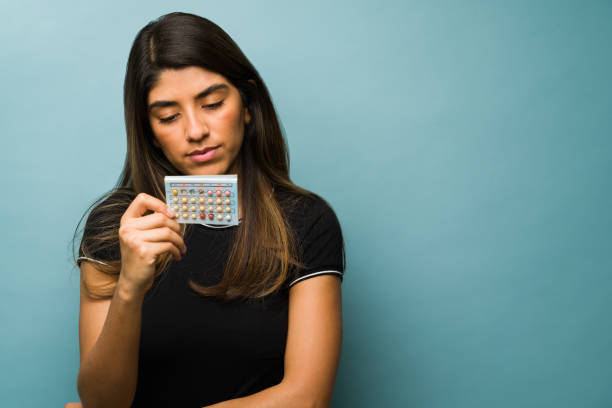
The Truth About The Birth Control Misinformation Flooding Social Media
If you are a hormonal birth control user, you might have noticed nightmare fuel spilling into your TikTok algorithm recently: Influencers telling you that the pill has permanently altered your body composition, your significant other broke up with you because the pill caused changes in your personality, or simply that you are putting literal poison into your body.
These content creators — who often describe themselves as “holistic health” influencers — are urging their viewers to stop taking the pill and switch to non-hormonal alternatives. Often, these videos are means of promoting and selling e-books and webinars with information about “fertility awareness” — a contraception method, the effectiveness of which can vary greatly, that involves abstaining from sex during the ovulation phase of your menstrual cycle.
Gynecologists want young people to know that these claims dismissing the pill as dangerous are not true — and reproductive justice advocates warn that this rhetoric could be part of a broader conservative effort to dissuade women from fully exploring their contraception options.
| |
 | |
Ensuring Contraception Options Are Accessible and Affordable
Chapter 2: Playbook for the Advancement of Women in The Economy
Almost all women of reproductive age in the United States (99 percent) use some form of contraception over the course of their lifetimes. Improved access to safe and effective birth control—beginning in the early 1960s, when the U.S. Food and Drug Administration (FDA) approved the first oral contraceptive pill, colloquially known as the pill2—sparked a wave of ever-increasing opportunity and advancement for women. To this day, oral contraceptives are still the most widely used form of reversible contraception, with more than 10 million women using the pill.
One study estimates nearly one-third of adult women who have tried to access prescription contraception reported experiencing barriers when seeking contraceptive care. These barriers today variously include cost and financial concerns, lack of insurance coverage, lack of transportation, living far away or having difficulty getting to a clinic, language barriers, and physicians requiring a pelvic exam before prescribing some forms of birth control. As the first over-the-counter birth control pill available, Opill could be instrumental for women who have difficulty accessing contraceptive and family planning services, but of utmost importance is its affordability and accessibility.
| |
 | |
Periods are a nightmare in Gaza’s crowded, unsanitary camps. Women are using birth control to skip them
For many, birth control is cheaper than the soaring costs of pads and tampons.
According to the United Nations Population Fund (UNFPA), there are more than 690,000 menstruating women and adolescent girls in Gaza — all of whom are facing limited access to menstrual products and inadequate washroom facilities.
In a report published last month, UN Women said an estimated 10 million disposable menstrual pads or four million reusable sanitary pads are needed each month to meet the need in Gaza.
Laila Baker, regional director of UNFPA in the Arab States, said the living situation is a "nightmare" from the perspective of privacy for women and girls. She said the bathrooms in camps, schools and hospitals are overcrowded because the buildings — sometimes designed for no more than 400 people — now house thousands who've been displaced from their homes.
According to Baker, there are long lines for toilet facilities that are serving up to 1,000 people.
"Even if you could find water or soap, which are in short supply, it would be with the complete lack of privacy," she said.
"So some women and parents are resorting to desperate, desperate measures and giving birth control pills where they can get their hands on them."
| |
|
How Are Hispanic Teenagers Using Birth Control?
About one out of every 40 girls between the ages of 15 and 19 have a baby every year. That’s come down a lot. A generation ago, it was almost 1 in 9. But it’s still twice as high as the rate for white teenagers.
Surveys show most Hispanic teenagers who get pregnant weren’t trying to. You can keep from becoming one of them by learning about birth control. The more you learn – and the more you get comfortable talking about it with your parents and your partner – the less likely you are to have an unplanned pregnancy.
What You Use Matters
A recent survey shows a quarter of Hispanic high schoolers rely on the withdrawal method (pulling out), or nothing at all. When they do use birth control, condoms are the method of choice.
Condoms are great for preventing sexually transmitted infections. But they don’t work as well as other methods for preventing pregnancy.
| | |
|
Leveraging Telenovelas For Health Education
When she was completing her nursing doctoral education at the University of Miami, Dr. Madeline Fernandez got thrown for a loop – she was enlisted to help produce a Spanish-language soap opera series to teach Hispanic women how to protect themselves from the very real surge in HIV infections in Hispanic communities.
The soap opera, called a telenovela in Spanish, is a four-part series available to study participants to gauge how the telenovela functions to educate and inform Hispanic women about HIV prevention methods and practices.
“Each episode is 10 minutes, very short, and this was intentional to capture the attention of the audience online. We had actors and a director, and they put together these four episodes of HIV prevention together with women from the community and the researchers including different topics like condom use and alcohol use,” Fernandez said.
| | |
|
Hispanic women are less likely to get PrEP treatment-new intervention could change that
In the U.S., Hispanic women have been disproportionately affected by the HIV epidemic in recent years. Yet they’ve been less likely to take advantage of PrEP, a medication that significantly reduces the risk of getting HIV.
So we created a pilot intervention to inform more people about the medication by adding it to an existing and proven HIV-prevention program aimed at heterosexual Hispanic women. All of the participants in the pilot – none of whom previously were aware of PrEP – said they were satisfied with the intervention, and the vast majority learned a great deal. These results lead us to believe that this could be a good way to lower rates of HIV in the Hispanic community.
Along with our team, we established SEPA+PrEP. It is an intervention that uses community engagement that is culturally tailored to Hispanic women to promote HIV prevention.
| | |
|
El Camino is a sexual health education program designed for Latino youth based on positive youth development principles. El Camino, developed by Child Trends, provides education, skills, and support to empower its participants to set their own goals, make informed decisions about their sexual and reproductive health, and build healthy relationships. While created with Latino youth in mind, El Camino can be tailored to serve diverse populations of youth.
The El Camino curriculum is available for download—at no cost—in English and Spanish.
| | |
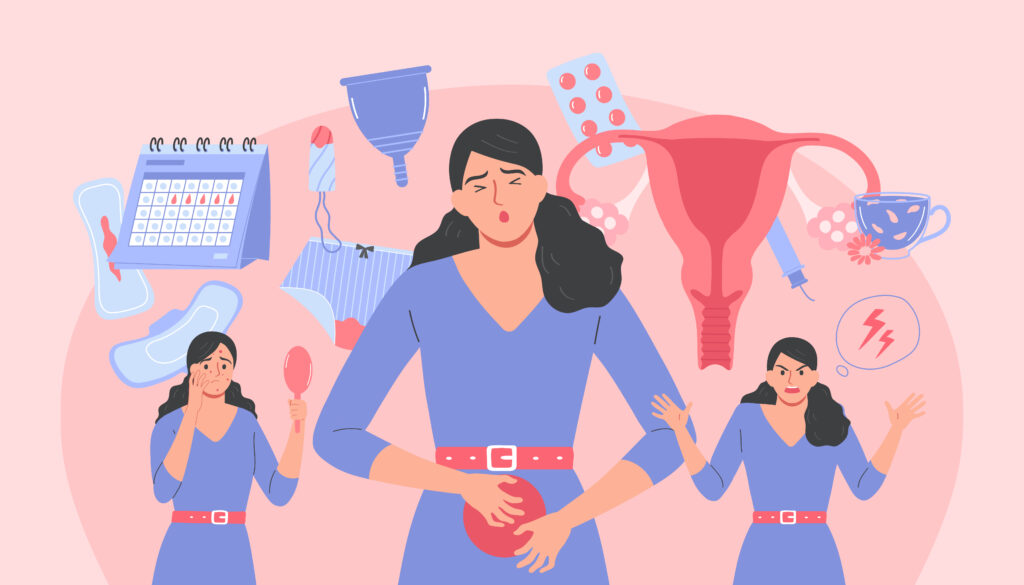 | |
The Invisible Toll of Life With Polycystic Ovary Syndrome
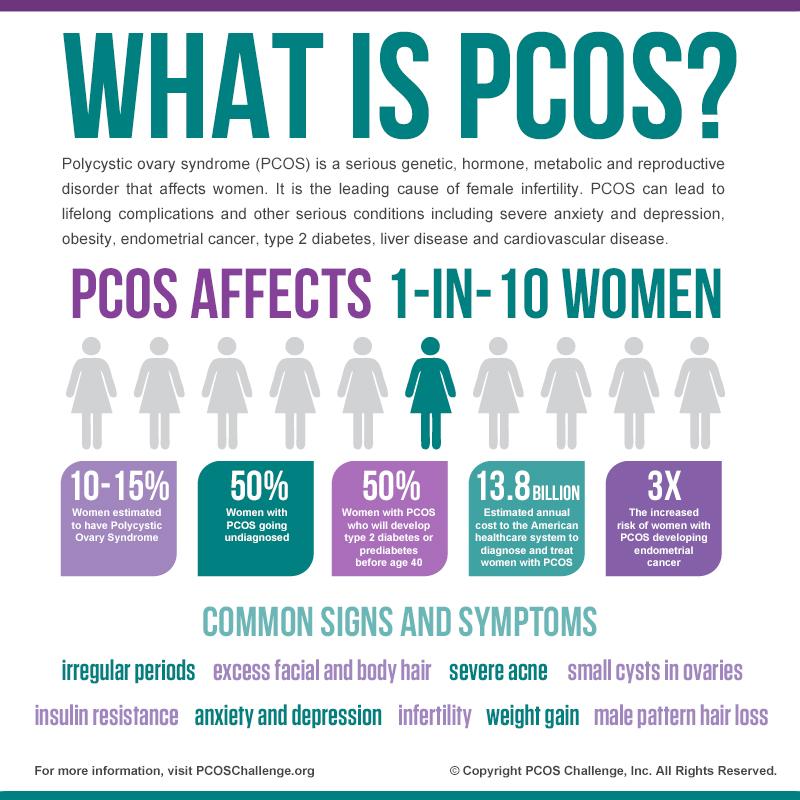
Though estimates vary, between 8 and 13% of reproductive-age women have PCOS, and many experience adverse mental health outcomes. Recent studies have revealed that people with PCOS are four to seven times more likely to have depression and anxiety, three to six times more likely to have an eating disorder, and 8.47 times more likely to attempt suicide. In a survey conducted by the non-profit PCOS Challenge: The National Polycystic Ovary Syndrome Association, 62.15% of the 900 respondents reported high to severe mental health impacts caused by the condition.
I spoke to 10 people with PCOS, and all say they’ve felt unequipped to deal with the associated mental health impacts, partly because the syndrome itself is not fully understood. It can affect so much: self-esteem, gender identity, relationships and sexuality. Confusing medical advice, delayed diagnoses and a hodge-podge of imperfect treatments only exacerbate the emotional toll.
| | |
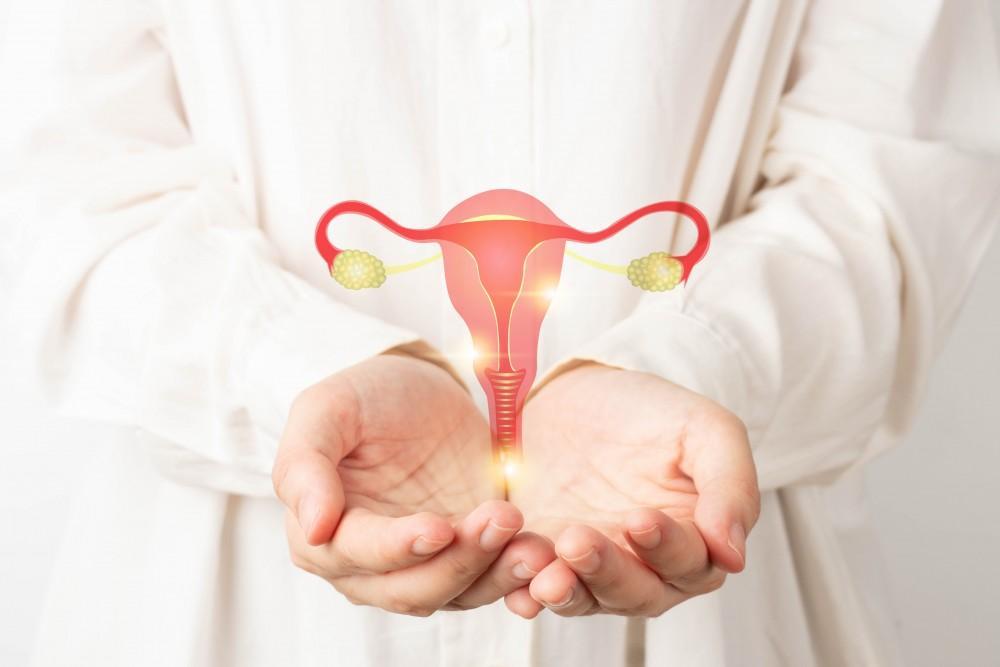 | |
PCOS Symptoms Are Still Difficult For Doctors To Diagnose and Treat. Here's Why
Polycystic ovary syndrome was first identified some 90 years ago, yet there are no FDA-approved drugs to treat the complex hormonal condition.
Every morning, Jeni Gutke swallows 12 pills. In the evening, she takes 15 more, then another before bed. She also takes an injectable medication once weekly, and two other medications as needed.
Gutke, of Joliet, Illinois, has polycystic ovary syndrome, or PCOS, and the medications and supplements help the 45-year-old cope with migraines, high blood pressure, diabetes, high cholesterol, anxiety and depression that come with the complex hormonal condition.
Not one of Gutke’s medications are technically “PCOS drugs.”
The Food and Drug Administration has not approved a medication specifically for PCOS, which is often linked to infertility, irregular or missed periods, weight problems, and other debilitating symptoms. Gutke’s array of medications is typical of how many of the estimated 5 million women in the U.S. diagnosed with PCOS deal with it.“It’s such a vast syndrome that affects everything from your head to your toes,” she said. She was diagnosed with endometrial cancer — another risk linked to PCOS — at age 37
| | |
|
Mayo Clinic Minute
Endometrial Cancer Associated With Polycystic Ovary Syndrome
Endometrial cancer, the most common uterine cancer, starts with abnormal cell growth in the endometrium. Significant risk factors include polycystic ovary syndrome (PCOS) and a lack of physical activity, according to a recent study.
PCOS affects 13% of women globally, causing hormonal imbalances, irregular periods, excess androgen and ovarian cysts, which can lead to infertility.
Dr. Kristina Butler, a Mayo Clinic gynecologic oncologist, explains how PCOS increases the risk of endometrial cancer.
| | |
|
Mayo Clinic Minute
Endometrial Cancer Associated With Polycystic Ovary Syndrome
Endometrial cancer, the most common uterine cancer, starts with abnormal cell growth in the endometrium. Significant risk factors include polycystic ovary syndrome (PCOS) and a lack of physical activity, according to a recent study.
PCOS affects 13% of women globally, causing hormonal imbalances, irregular periods, excess androgen and ovarian cysts, which can lead to infertility.
Dr. Kristina Butler, a Mayo Clinic gynecologic oncologist, explains how PCOS increases the risk of endometrial cancer.
| | |
|
'Ozemptic babies': Reports of Surprise Pregnancies Raise New Questions About Weight Loss Drug
Catera Bentley stared at the positive pregnancy test and couldn’t believe her eyes. She took a second test, then a third — there was no question. She was pregnant.
The couple, who live in Steele, Alabama, had been trying to have a child for more than two years, but Bentley’s doctor had told her that she may be unable to conceive because of her history of polycystic ovary syndrome, known as PCOS.
For one, weight loss can generally be associated with increased fertility by restoring normal ovulation in people who have PCOS or other causes of abnormal cycles, said Dr. Daniel Drucker, a professor and researcher at the University of Toronto’s Mount Sinai Hospital and a pioneer of research into GLP-1.
| | |
Ovarian Cancer Awareness Month | |
How This 24-Year Old Finally Discovered She Had Ovarian Cancer | |
|
Women With Endometriosis Face Fourfold Higher Risk of Ovarian Cancer Study Suggests
The risk of developing ovarian cancer appears to jump about fourfold among women with endometriosis, compared with women who haven’t been diagnosed with the condition, a new study finds.
Scientists have known that endometriosis may be linked with an increased ovarian cancer risk, but the study details how that risk can vary by subtypes of endometriosis.
Endometriosis is a common and often painful condition that happens when tissue similar to the lining of the uterus grows outside the uterus itself. It’s estimated to affect more than 11% of women between the ages of 15 and 44 across the United States.
| | |
‘I Was Diagnosed With Ovarian Cancer at 54—These Are the First Signs I Wish I’d Paid Attention To'
Plus, why symptoms are so hard to spot in the first place.
One week before her 54th birthday, Heidi Paolone received news people don't wish on their worst enemy: She had ovarian cancer.
Paolone isn't alone—and, as you'll learn, community has been vital to her journey. The American Cancer Society (ACS) estimates that about 1 in 87 women will receive the same news in their lifetime, and about 20,000 people will be diagnosed with ovarian cancer in 2024.
Age is one risk factor, and the ACS notes that the disease is rare in people younger than 40. Paolone didn't fit that bill, but she was younger than the median age of diagnosis, which is 63. And sadly, ovarian cancer is one of the leading causes of cancer deaths among women.
| | |
 | |
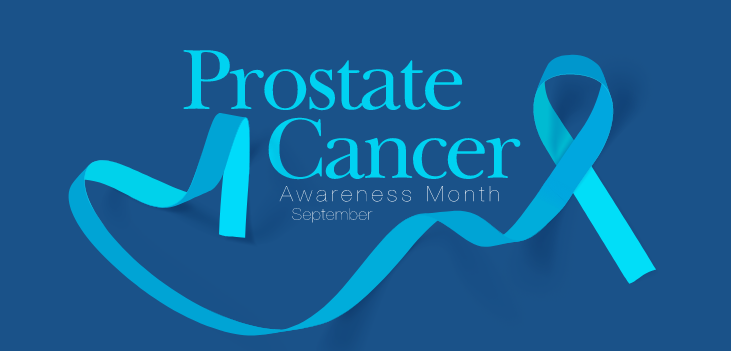
Can Sex, Masturbation Affect Prostate Cancer Risk?
Here’s a health tip that might sound pretty good to many guys: Have more sex, or masturbate more, and you might lower your odds of getting prostate cancer. Research suggests that the more often men ejaculate, the less likely they are to have the disease.
What’s the Link?
Over the years, there’s been growing evidence of a link between ejaculation and lower chances of prostate cancer. But the 2016 results of a major study made the strongest case yet. The researchers asked men to answer questions about how often they ejaculated. How didn’t matter -- sex, masturbation, or wet dreams were all included. Then they tracked almost 32,000 of these men for 18 years.
The researchers found that guys who did it the most (at least 21 times a month) had about a 20% lower chance of prostate cancer, compared with those who did it less (4 to 7 times a month). That was true in several age groups.
The exact number of times didn’t matter. Basically, the more men ejaculated in a month, the less likely they were to get prostate cancer.
| |
|
How Does Prostate Cancer Affect Sex?
People who are having or have had treatment for prostate cancer sometimes have problems with sexual intercourse. These include a loss of interest in sex, inability to get an erection, and fertility issues.
Prostate cancer is the most common non-skin cancer in men in the United States. It affects around 13 in every 100
American men, according to the Centers for Disease Control and Prevention (CDC).
While prostate cancer may not directly affect a person’s sexual ability, treatments, including radiation therapy, surgery, or hormone therapy, can often cause
sexual dysfunction. For example, hormone therapy can reduce sexual desire and increase the risk of erectile dysfunction.
In this article, we explain how prostate cancer can affect sex and provide some tips on how to maintain a healthy sex life during this time.
| |
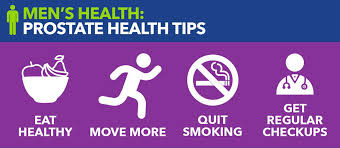 | |
How To Lower Your Prostate Cancer Risk, According To Doctors
ABOUT 300,000 NEW case of prostate cancer will be diagnosed this year, according to the American Cancer Society. It’s the second-most common cause of cancer deaths among men. So it’s crucial to know your risk.
Age is the biggest risk factor for prostate cancer, with about six in 10 cases occurring in men over 65. Black men are more likely to get prostate cancer and die from the disease. And, a family history of prostate cancer increases your risk, as do inherited gene mutations, such as the BRCA gene, which is also linked to breast cancer.
Because most of the major risk factors are beyond your control, there’s no proven way to truly reduce your risk for prostate cancer (or really any other type of cancer), says Paul Gittens, M.D., a board-certified urologist and founder of Rockwell Centers for Sexual Medicine and Wellness in Pennsylvania and New York City.
“But we do know that there are a number of things that reduce your risk of all cancers, and prostate cancer is in that category,” he says. “Essentially, studies are saying the healthier your lifestyle is, the less likely you may be to have cancer in general.”
| |
|
National HIV/AIDS and Aging Awareness Day
September 18
| |
|
Aging With HIV and Saving Others
Tez Anderson, long-term HIV survivor, shares what it’s like to be living with the HIV virus for 25 years and gives a glimpse into everything from his diagnosis, treatment and life.
| |
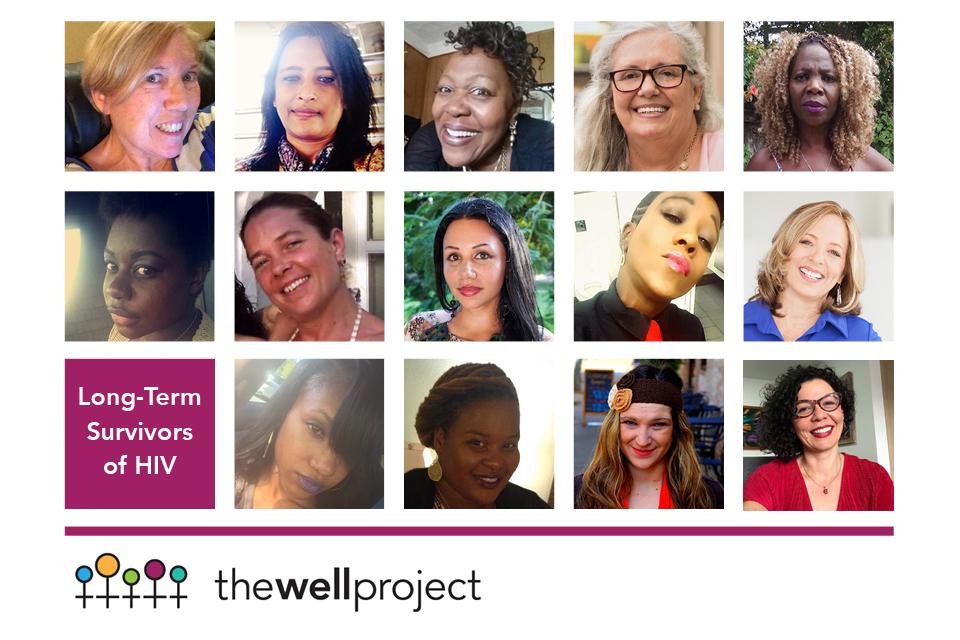
Long-Term Survivors of HIV
"We were a group of people who were willing to stand up for ourselves and for others and face what the world had to offer. … Those living with HIV today can never [imagine] the horrors many of us had to endure in the early days of this epidemic. I wish I didn't remember – I wish I could forget." Vickie Lynn, Drawing Lines in the Sand, A Girl Like Me
Powerful HIV drugs now make it possible for people living with HIV to live far longer lives than could have been imagined before effective HIV treatment became available. This is one of the greatest successes of modern medicine. Those who have lived with HIV for many years are often called long-term survivors (LTS).
There are a few definitions describing HIV LTS. One definition of LTS refers to those who have been living with HIV since before the modern era of effective HIV drugs, or "highly active antiretroviral therapy" (HAART). They are sometimes known as pre-HAART LTS or "longest-term survivors." They acquired HIV when the condition was, in most cases, a death sentence. They often spent their early adult lives believing they would die young - and watching scores of friends die of the health condition with which they themselves were living. This kind of traumatic experience can leave a lasting mark on people's lives, and affect mental and physical health, as well as financial stability and overall quality of life.
| |
|
National Gay Mans HIV /AIDS Awareness Day
September 29th
| |
 | |
A New Drug Could Change The HIV Prevention Landscape, But Only With A Fair Price Tag
In June, Gilead Sciences announced impressive early results from its PURPOSE 1 trial, which showed 100 percent efficacy of lenacapavir in preventing new HIV infections among cisgender women in Sub-Saharan Africa. Lenacapavir is being investigated as an injectable antiretroviral medication that can be taken once every six months as preexposure prophylaxis (PrEP) to prevent HIV. This is a marked shift from current PrEP options, which are only available as a once-daily pill or a bimonthly injection.
Once again, the HIV community finds itself at a scientific breakthrough moment. And once again, it remains an open question as to whether it will also prove to be a breakthrough moment for equitable access.
We have been down this road before. It was not so long ago that the very same drug manufacturer released similarly jaw dropping clinical trial results first for Truvada and then Descovy, the first two medications approved for the prevention of HIV; it led to widespread speculation of the end of HIV as an epidemic. And yet, more than a decade after the first approval for PrEP in the United States, we still see significant disparities in getting PrEP to communities of color and cisgender women in the US.
Health care advocates are already concerned that past will once again be prologue when it comes to this new PrEP modality, and there is pressure on the company to make commitments that could change all too predictable outcomes on disparate outcomes.
| | |
 | |
Judge Rules Military Can't Turn Away HIV-Positive Enlistees
A federal judge ruled this week that the U.S. military cannot bar enlistees who have undetectable viral loads of HIV, eliminating the last major barrier in the armed forces for asymptomatic individuals who have the virus.
U.S. District Judge Leonie Brinkema, in the Eastern District of Virginia, said in the ruling Tuesday that none of the arguments the Pentagon made in attempting to prevent the recruitment of HIV-positive individuals were “supported by the evidence.”
“Defendants’ policies prohibiting the accession of asymptomatic HIV-positive individuals with undetectable viral loads are irrational, arbitrary and capricious,” the judge wrote. “Even worse, they contribute to the ongoing stigma surrounding HIV-positive individuals while actively hampering the military’s own recruitment goals.”
The news comes after two previous rulings in the past few years overturned the military’s policy barring HIV-positive individuals from serving or from being promoted to a commissioned rank.
| | |
|
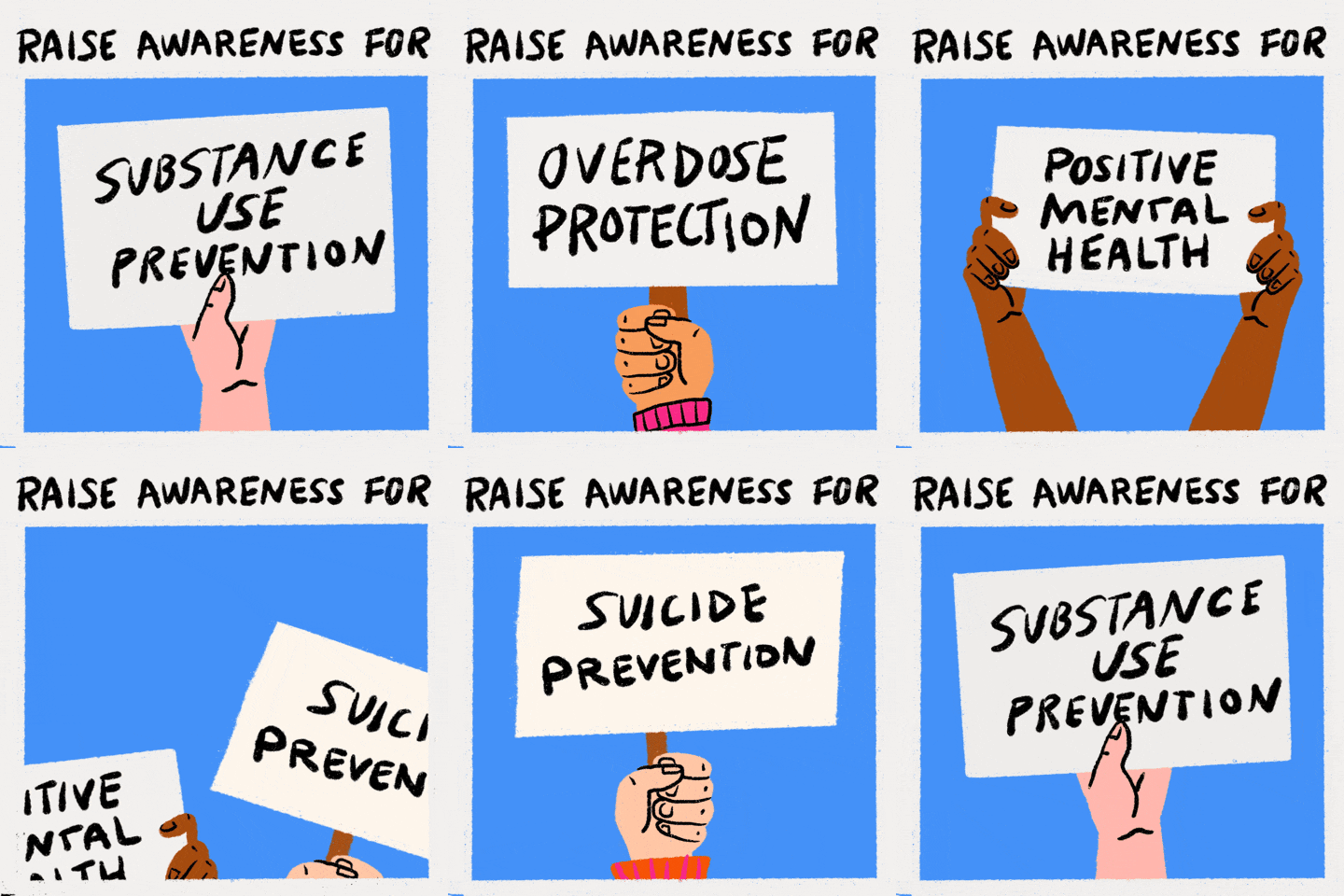
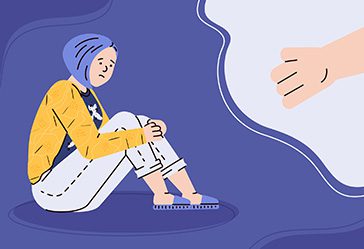
National Suicide Prevention Month
Every year, the 988 Lifeline and other mental health organizations and individuals across the U.S. raise awareness of suicide prevention during September, National Suicide Prevention Month. We can all help prevent suicide.
Call, text, or chat with a 988 Lifeline counselor for help during difficult moments anytime, day or night.
| |
 |
5 Things You Should Know About Suicide
More than 49,000 people in the United States died by suicide in 2022 — that’s one death every 11 minutes, and more than any other year dating to back at least 1941, according to the US Centers for Disease Control and Prevention.
On top of that, 13.2 million people seriously considered suicide, 3.8 million planned it and 1.6 million attempted suicide.
Though rates among 10- to 24-year-olds in the US have declined, these stats are a glaring reminder that “the silent epidemic of suicide” isn’t over, said Dr. Mitch Prinstein, chief science officer at the American Psychological Association.
The nation “still has some of the highest rates of suicidal attempts in the developed world, and the number of suicides, at least half using firearms, is still remarkably high,” Prinstein, the John Van Seters Distinguished Professor of Psychology and Neuroscience at the University of North Carolina at Chapel Hill, said via email.
That’s why this National Suicide Prevention Month and always, being informed about suicide and knowing that you don’t need to be a mental health provider to lower your risk of suicide or support your loved ones is as important as ever,
| | |
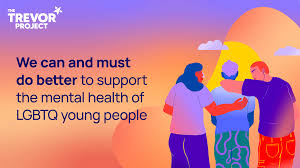 |
The Trevor Project
2024 U.S. National Survey on the Mental Health of LGBTQ+ People
39% of LGBTQ+ young people seriously considered attempting suicide in the past year — including 46% of transgender and nonbinary young people. LGBTQ+ youth of color reported higher rates than White peers.
The Trevor Project’s 2024 U.S. National Survey on the Mental Health of LGBTQ+ Young People amplifies the experiences of more than 18,000 LGBTQ+ young people ages 13 to 24 across the United States.
For the sixth year, the U.S. National Survey uncovers the reality that there is a significant association between anti-LGBTQ+ victimization and disproportionately high rates of suicide risk — and that far too many young people struggle to access the mental health care they need.
The survey critically provides data-driven ways we can all show support and acceptance for the LGBTQ+ young people in our lives, based on their own responses — as well as the potentially life-saving benefits of creating affirming spaces and communities.
The Trevor Project remains unwavering in our commitment to support them, and we will continue fighting toward a world where all LGBTQ+ young people feel safe, accepted, and loved exactly as they are.
| | |
Voting Is Critical To The Pursuit of Health Equity
Voting is now recognized as a public health priority. In June 2023, voter participation was named as a ‘core objective’ in the nation's health goals, Healthy People 2030. Core objectives reflect high-priority public health issues that are associated with evidence-based interventions. In explaining its decision, the Office of Disease Prevention and Health Promotion (ODPHP) said: “Voting offers a chance for people to contribute to decisions that can affect their communities and directly or indirectly impact their health and well-being.”
What ODPHP, APHA and AMA all reflect is the growing appreciation that health is political and politics affects health. We define politics not in a partisan way but as the struggle over the distribution of resources and opportunities in society. These resources and opportunities can protect and promote health. In democracies, then, voting is important to health and, as suggested by the statements above, this relationship operates through multiple distinct pathways. First, voters can vote for representatives that promise to pursue policies that will improve their health, whether directly or by changing the conditions that influence health. Second, voters can vote directly in ballot initiatives or referendums related to their health or the conditions that influence it. And third, the very act of voting--and civic participation, more broadly—has been linked to better health, as has the hope that comes with people believing they have opportunities.
| |
WYOMING HEALTH COUNCIL
111 S. Durbin, Suite 200
Casper, WY 82601
Call Us: (307) 439-2033
| | | | | |