Season Watch Newsletter: 12/30/22

It's the last Season Watch Newsletter of the year! May the 2023 bring you lots of wildlife sightings, an abundance of your favorite plants, and plenty of time to get out and enjoy the world.

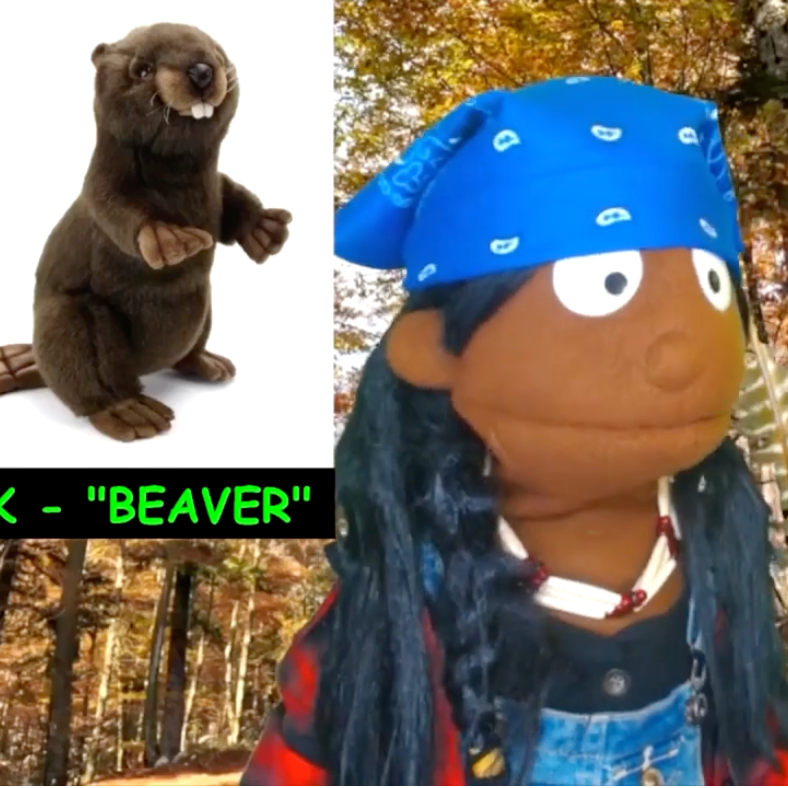
FEATURE: How Beaver 'Amik' Got His Tail

This week, enjoy the wonderful story of how Beaver Got His Tail by Boozhoo Nanaboozhoo creator Michael Lyons! Boozhoo Nanaboozhoo is a video series and podcast about Ojibwe language and culture. (There are lots of episodes in the series: You can enjoy KAXE's compilation of episodes here!)


Listen in!

Visit our Season Watch Facebook page!

STUDENT AND LISTENER REPORTS

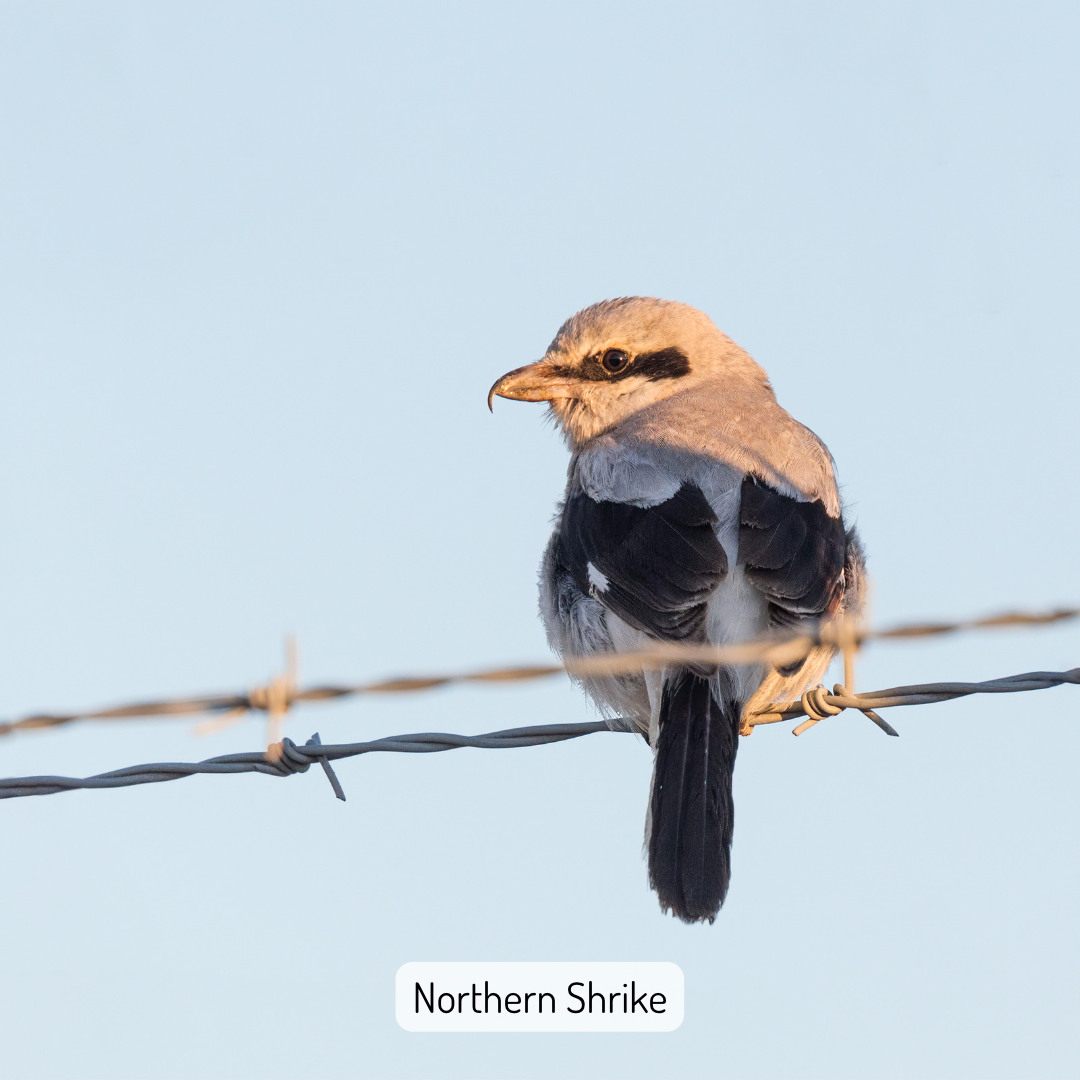
This week brings us our first phenology report from Aaron Brown, a listener from Balsam Township. He's been observing some interesting behavior from his local songbirds, now that a Northern Shrike has taken up residence! We also get updates from phenology students in Cohasset, Duluth, Long Lake Conservation Center, and Bemidji!


Hear our students' voices!

JOHN LATIMER'S WEEKLY REPORT

This week, John's gone back in the archives to report on weather and snow conditions in years past. He also tells the story of a Great Horned Owl snatching a rabbit by a bird feeder, how Wolf Ridge ELC had a brief bout of hurricane-force winds on December 23rd, and shares a few sightings of rare birds that have visited the area in December!


Listen to John's report!

Support Season Watch here!

More dates and locations will be announced. Desperate to get in on the fun? Send me an email, and we'll set up a zoom meeting!

  • 2/11/23: Phenology in the Classroom and on the Radio. Back to Basics Conference, Pine River MN. Register here (opens 1/2/23).

SARAH'S RECOMMENDATION

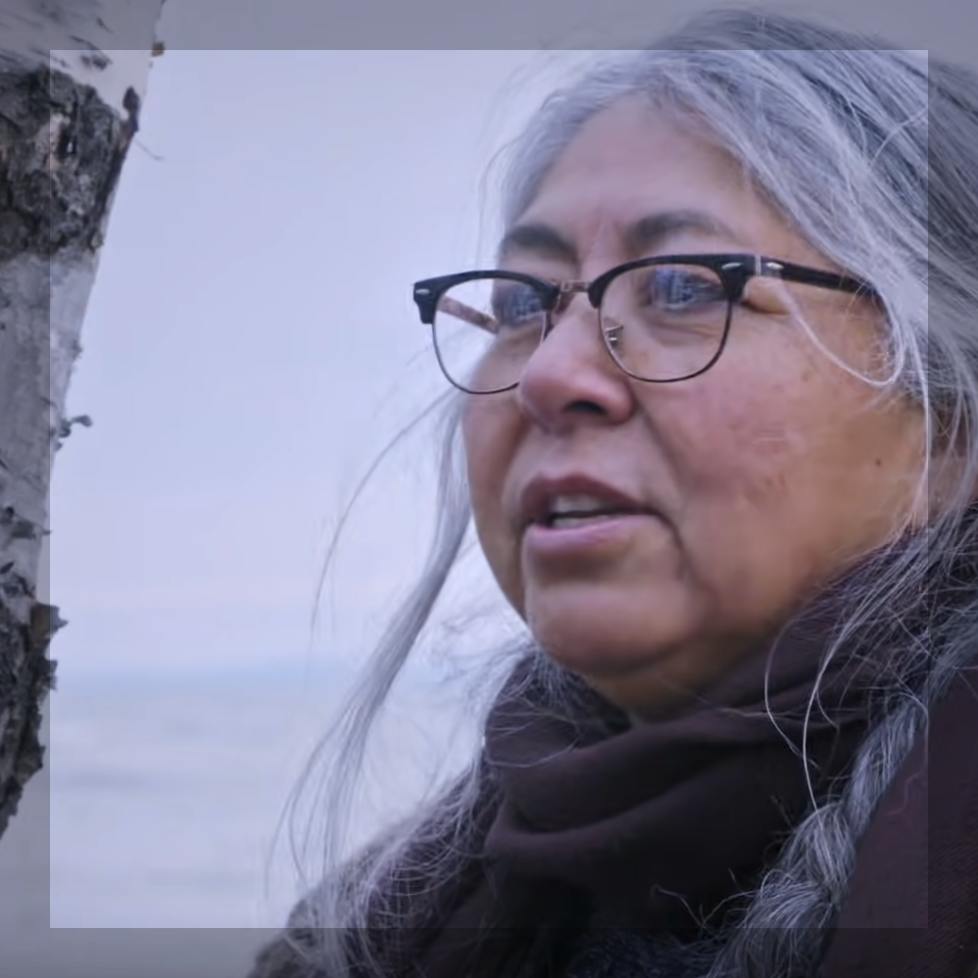
Here's a great mini-documentary on the Paper Birch and its importance to Anishinaabe peoples!


Helen Peltier, who is Anishinaabe from Fort William First Nation, has reconnected to her culture and community through the humble birch bark tree. For Anishinaabe people, the birch tree is a cornerstone of the culture. For generations, birch bark has been used in many different applications. Learning about this tree, the seasons and how its parts all work together has re-connected Helen to the land and her community. Along with Audrey Duroy, a knowledge keeper, Helen strives for a deeper understanding about the tree of life: Wiigwaasabak.


Enjoy!

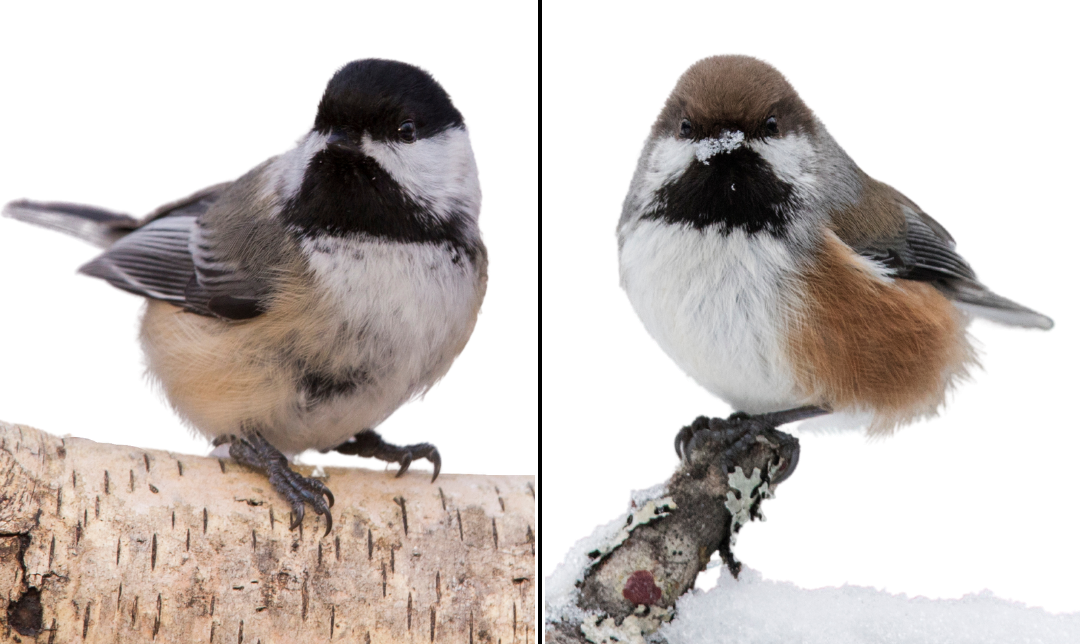
Left: Black-capped Chickadee (Poecile atricapillus).

Right: Boreal Chickadee (Poecile hudsonicus).

Ojibwe: Gijigijigaaneshiinh.


Look at the 'cap' on the head and the size of the white cheek patch to distinguish Boreal Chickadees from the more common Black-Capped Chickadees! Boreal Chickadees have brown caps and smaller white cheek patches.

Get comfy: Make a perch in a birch!

Northern Community Radio

KAXE/KBXE

FOLLOW US

Facebook  Twitter  Instagram

Did someone forward this email to you? You can subscribe here.

Funding for this project was provided by the Minnesota Environment and Natural Resources Trust Fund as recommended by the Legislative-Citizen Commission on Minnesota Resources (LCCMR). The Trust Fund is a permanent fund constitutionally established by the citizens of Minnesota to assist in the protection, conservation, preservation, and enhancement of the state’s air, water, land, fish, wildlife, and other natural resources.