As the Great Fire of London approached his house in 1666, Samuel Pepys carted off his most valuable possessions and buried them in a friend’s yard. He wrote in his famous diary, “I did dig another [hole], and put our wine in it; and I my Parmazan cheese…”
The cheese Pepys valued so highly 350 years ago (and misspelled!) was most certainly genuine Parmigiano-Reggiano—not the pale imitations often sold under the name Parmesan cheese today. Real Parmigiano-Reggiano can, by law, contain just three ingredients: raw milk from the Parma/Reggio region of Northern Italy, salt, and rennet. It must be produced following strict rules, then aged for 12-30 months to achieve its signature crumbly goodness. (Pro tip: The real thing is never sold as a dry powder in a shaker can with cellulose powder, potassium sorbate, and other ingredients added.)
Parmigiano-Reggiano is so popular worldwide that
3.6 million wheels of the cheese
—each weighing about 85 pounds—were produced in 2017, using up 16% of Italy’s overall milk production. Yet, if you’re picturing huge assembly lines churning out all these wheels, think again. Even today, much of the world’s supply of Parmigiano-Reggiano is made at small family enterprises with only a handful of workers.
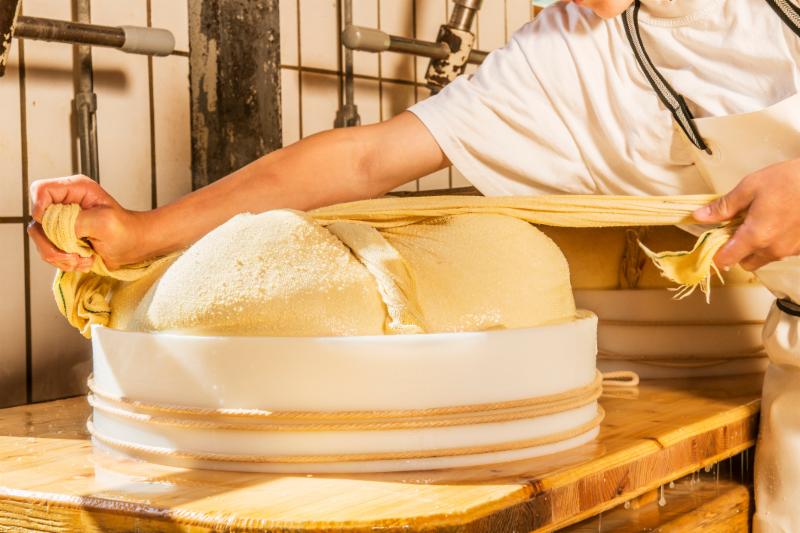
One such producer we visited a few years ago was typical. The tiny creamery, run by a young couple, bought about 600 gallons of milk daily from local farmers. Each morning, they would combine the milk with calf rennet and a bit of fermented whey from the day before, stirring and cooking everything in two giant copper vats, then lifting the resulting curds out in a large cloth sling to produce four new Parmigiano-Reggiano wheels, day in and day out.
As we learned how the cheese is placed in molds, labeled with a unique ID number, then bathed in salt water for a month before aging for a year or two, we wondered how large, aged cheeses like Parmigiano-Reggiano ever came into being in the first place. How did it happen that more than a thousand years ago, someone had the creativity, patience, and confidence in the future to take today’s milk and decide
not
to drink it,
not
to make it into yogurt or fresh cheese, but to put it on a shelf for months or years of delayed gratification? Seeing traditional foods produced in the old ways gives such insight into the societies where they originated.
About the same time that historians believe Parmigiano-Reggiano cheese got its start, farmers to the north near Milan, in the town of Gorgonzola, began producing the distinctive blue cheese named after its birthplace. Long before the healing benefits of penicillin were recognized, Gorgonzola—which gets its blue-green veins from
penicillum
mold—was appreciated by the locals for its ability to cure indigestion. Compared to Parmigiano-Reggiano, Gorgonzola is practically fast food. It’s typically aged for at least 50 days (for softer types, known as
Gorgonzola dolce
) to 80 days or more (for the firmer, spicier types, known as
Gorgonzola piccante
).
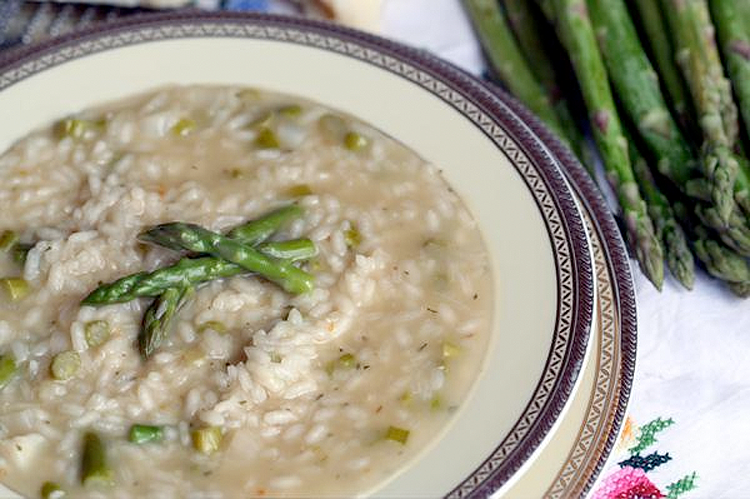
A third signature cheese of Northern Italy is Taleggio, a soft, washed-rind cow’s cheese that originated in the Val Taleggio, an Alpine valley not far from the Swiss border. Aged for just 1-2 months, Taleggio has a fairly strong smell, but a mild nutty, fruity taste. Taleggio melts well, making it a great choice for risottos and polentas.
All three of these cheeses have
European DOP
(Protected Designation of Origin) status, which means that cheeses bearing the names Parmigiano-Reggiano, Gorgonzola, or Taleggio must be made in the traditional ways, in certain regions, according to very specific rules. However, these rules are not enforced in the U.S., so here are a few tips for making sure you’re getting real versions of these and other traditional Mediterranean cheeses:
- Buy from a knowledgeable cheese shop rather than a bargain supermarket.
- Check for the appropriate country of origin and DOP seal on the label.
- Look for distinctive markings. Parmigiano-Reggiano wheels, for instance, will always have a pinprick printing of the cheese’s name, and Taleggio’s square blocks have a branded design of circles with the letter T.
Another great way to be sure you’re tasting The Real Thing is to travel with Oldways in May, when we’ll be visiting cheese producers in Northern Italy. Learn more about our
Insider’s Italian Culinary Adventure here
.
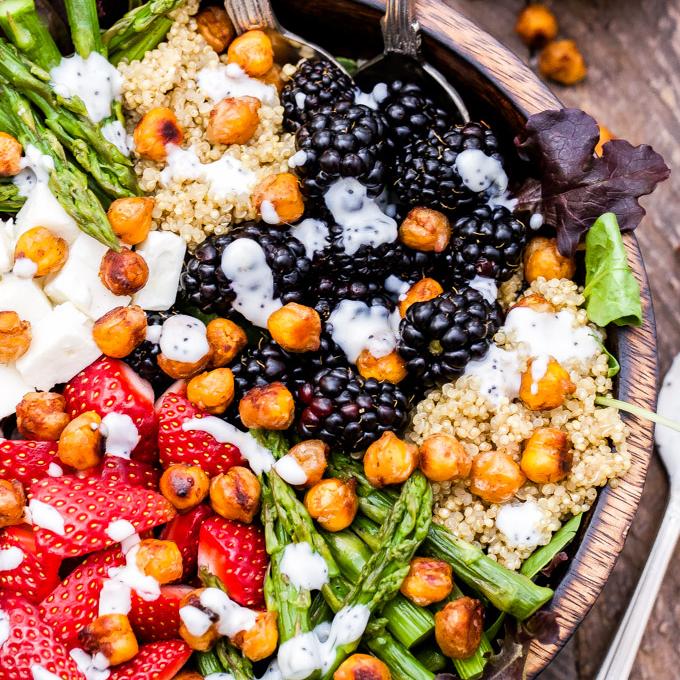
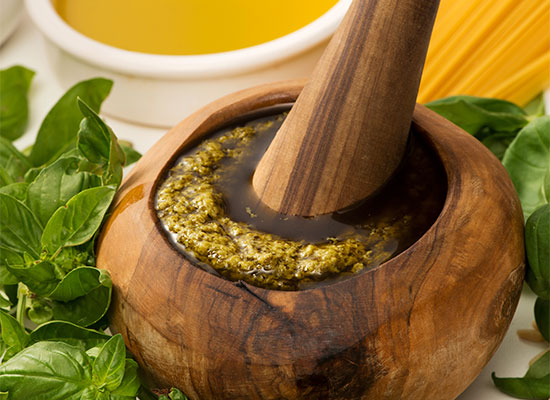
In the meantime, we invite you to explore a few delicious recipes featuring Mediterranean cheeses.
Click on a title or photo below to go to the recipes.