Sasakawa USA Newsletter August Highlights | |
|
Included in this issue of the newsletter:
- Message from Sasakawa USA's Chairman Satohiro Akimoto
August Activities
- Policy Briefing: A Voice from Yonaguni-jima, Japan’s Westernmost Island with Mayor Kenichi Itokazu of Yonaguni
- Policy Briefing: Pacific Islands Maritime Domain Awareness Policy Recommendation Report Launch
- Washington Kenkyu Group: Discussion with Mayor Kenichi Itokazu of Yonaguni
-
Washington Kenkyu Group: Discussion with Messrs. Junya Kawai and Ryota Koizumi
- Sasakawa USA Women's Advancement Network (SWAN): Takeaways from the Sasakawa USA Emerging Experts Delegation (SEED) Study Trip on WPS and DRR
Recaps
- US-Japan NEXT Alliance Initiative: AI Security Study Trip
External Engagements
- US-Japan NEXT Alliance Initiative: Seiken Forum Visit
Upcoming Activities
- U.S.-Japan Regional Alliance Series: Indiana University and The Citadel
Announcements
- US-Japan NEXT Alliance Initiative: Cyber Mapping Tool
- Dr. Miwako Kitamura Named Senior Fellow (Non-resident)
Featured Staff
| |
Message from Sasakawa USA's Chairman Satohiro Akimoto | |
|
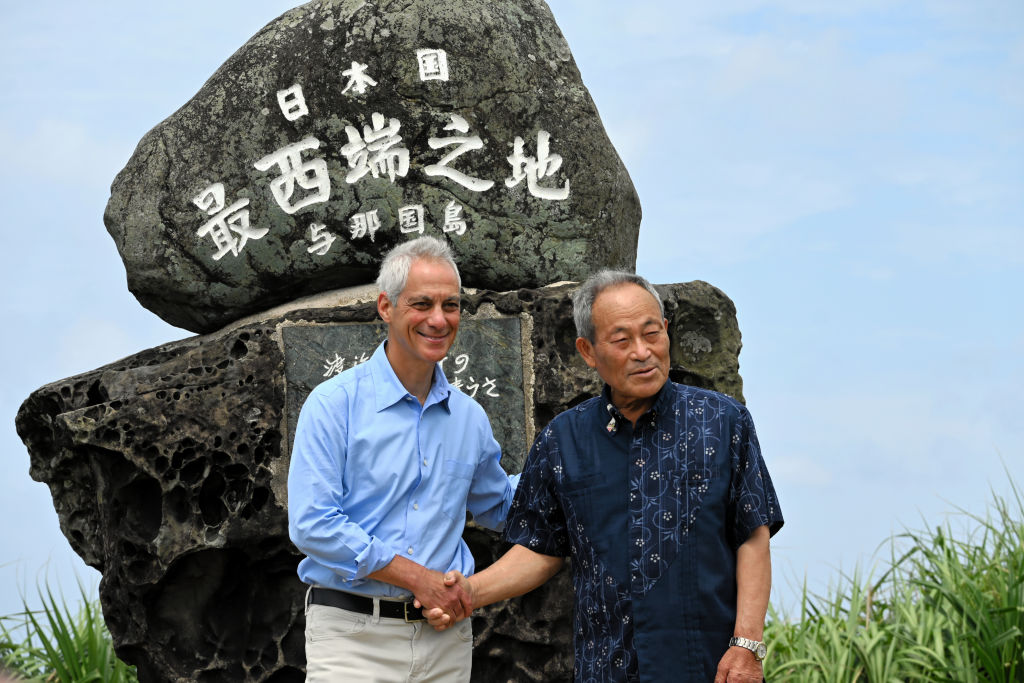
Mayor Kenichi Itokazu of Yonaguni, Okinawa, visited Washington from August 26 to 28. He was born and raised in Yonaguni, Japan’s westernmost island just east of Taiwan. The distance between Yonaguni and Taiwan is only about 110 kilometers (68 miles). One can actually see Taiwan from Yonaguni, when the weather is clear. As a matter of fact, the distance between Yonaguni and the main island of Okinawa is 509 kilometers (316 miles), much longer than the distance between Yonaguni and Taiwan.
Due to this proximity to Taiwan and the long distance from the main island of Okinawa, Mayor Itokazu has an acute sense of geopolitics and national security. Even though he is the mayor of this small, isolated island of Japan with a population of about 1,700 people, he firmly believes he cannot protect the people of Yonaguni without thinking about how to prevent military conflicts and which adversary affects peace and stability of the island. He thoroughly agrees with former Prime Minister Shinzo Abe, who said any contingency concerning the Taiwan Strait would also be an emergency for Japan and for the Japan-U.S. security alliance.
Previously, all Yonaguni had to protect the island were two pistols, which the police officers carried with them. Mayor Itokazu has been instrumental in gathering local support for the establishment of the Ground Self-Defense Force’s Yonaguni camp eight years ago. Lieutenant General Koichiro Bansho, JGSDF (retired), who accompanied Mayor Itokazu to Washington, had worked closely to make this camp a reality. The establishment of the camp on Yonaguni was followed by the establishment of new such camps on Miyako island, Ishigaki Island, and Amami Oshima.
Mayor Itokazu emphasized in meetings held during his visit to Washington that, “there should not be any contingency in Taiwan, and we must do everything in our power to deter such an incident.” He argued, “as soon as the U.S. is deemed non-committal, conflicts have broken out all over the world. I believe that if the U.S. and Japan complement each other’s short comings and cooperate with many like-minded countries that share the same values, we can enhance deterrence to avoid war and build peace.” In May this year, Ambassador Rahm Emanuel visited Mayor Itokazu in Yonaguni, making his visit the first ever to Yonaguni by an American ambassador.
One of the program goals of Sasakawa Peace Foundation USA (Sasakawa USA) is to bring diverse voices of Japanese people directly from Japan to the United States. In the case of Okinawa, political leaders in the prefecture do have different voices regarding foreign policy and national security. Mayor Itokazu delivered a valuable message to Washington from the furthest island in Japan from Tokyo. The warm reception by American friends extended to him in Washington encourages Mayor Itokazu to continue strengthening the defense of the Yonaguni people.
Photo: U.S. Ambassador to Japan Rahm Emanuel and Yonaguni Mayor Kenichi Itokazu in front of a monument indicating Japan's westernmost point on Yonaguni Island on May 17, 2024, in Okinawa Prefecture, Japan. (Photo by The Asahi Shimbun via Getty Images)
| |
|
Policy Briefing:
A Voice from Yonaguni-jima, Japan’s Westernmost Island
with Mayor Kenichi Itokazu
| |
|
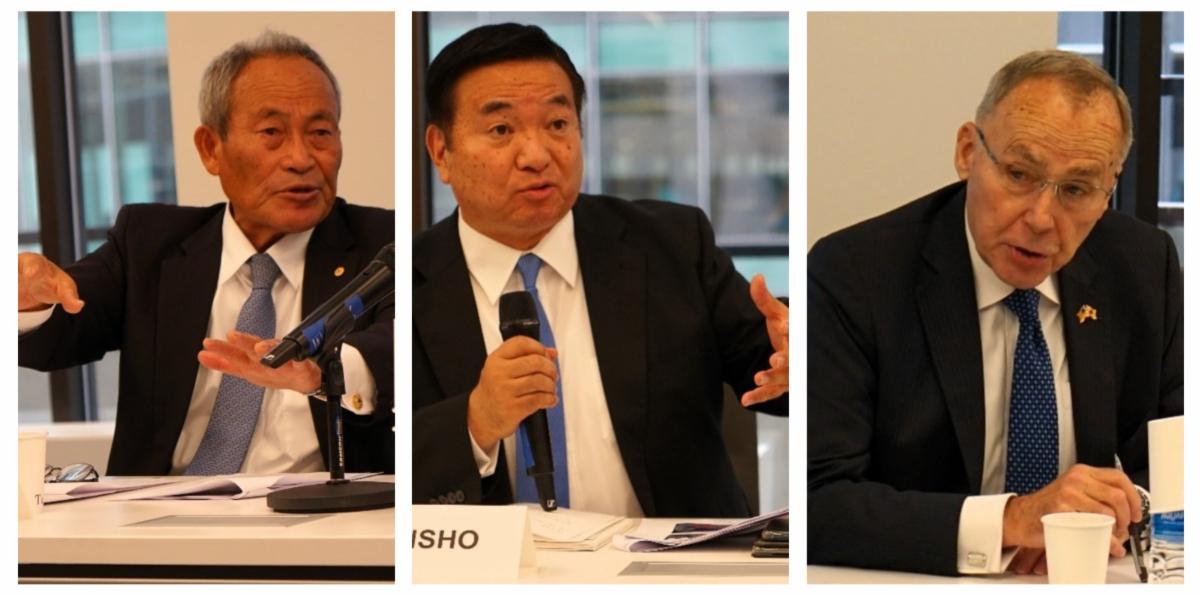
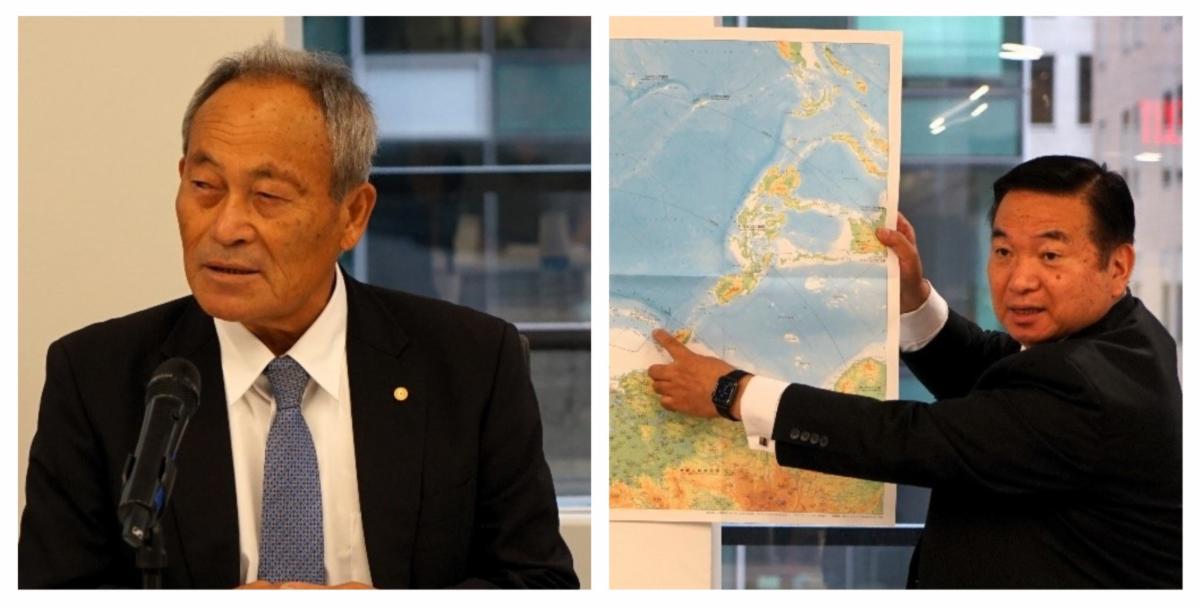
On August 30, Mayor Kenichi Itokazu of Yonaguni Island provided insights into the geopolitical situation surrounding Japan at the Policy Briefing, “A Voice from Yonaguni-jima, Japan’s Westernmost Island,” hosted by Sasakawa USA. While visiting Washington in his personal capacity, Mayor Itokazu shared his views on Yonaguni Island’s strategic location given its proximity to Taiwan, making it a critical point for Japan’s defense. Following Mayor Itokazu’s presentation, two military experts gave additional context: LtGen Wallace “Chip” Gregson (retired), former assistant secretary of defense, Asian and Pacific security affairs, and LTG Koichiro Bansho, former commander of the Western Army, JGSDF (retired). Both commentators emphasized the critical importance of Yonaguni Island as a frontline defense against potential Taiwan contingencies.
Photos (left to right): Mayor Kenichi Itokazu, LTG Koichiro Bansho (JGSDF, Ret.), LtGen Wallace “Chip” Gregson (USMC, Ret.)
| |
|
Policy Briefing:
Pacific Islands Maritime Domain Awareness
Policy Recommendation Report Launch
| |
|
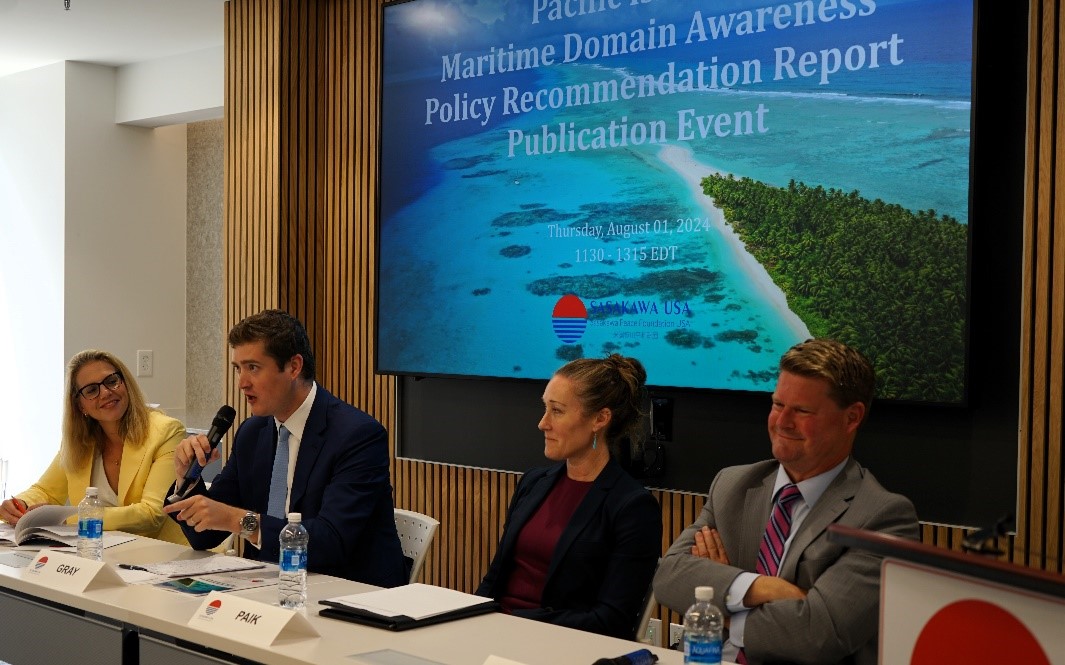
On August 1, Sasakawa USA celebrated the publication of the Pacific Islands Maritime Domain Awareness Policy Recommendation Report with a Policy Briefing launch event, led by the Honorable Randall G. Schriver, chairman of the Project 2049 Institute and director of Sasakawa USA’s Pacific Islands Maritime Domain Awareness Program (PIMDAP).
Dr. Satohiro Akimoto, chairman and president of Sasakawa USA, opened the event with welcome remarks and Mr. Tomoaki Ishigaki, minister of congressional affairs at the Embassy of Japan, provided insights on Japan’s diplomacy and policies in the Pacific region. Hon. Schriver then provided key takeaways from the report highlighting opportunities and challenges that lie ahead for the U.S., Japan, and the Pacific Island countries in bolstering their maritime domain awareness (MDA) capabilities. Following his remarks, Ms. Kathryn Paik, senior fellow and Australia chair at the Center for Strategic and International Studies (CSIS); Mr. Alex Gray, CEO of American Global Strategies; and Ms. Jessica Stone, correspondent at Voice of America (VOA), provided commentary on the report. They discussed the feasibility and importance of maritime domain awareness policy recommendations and explored opportunities and challenges for stakeholders like the United States, Japan, and the Pacific Island countries.
Sasakawa USA’s Pacific Islands MDA Program was borne out of a strong conviction that the Freely Associated States (FAS) are critical allies and partners to the United States and Japan, vital to ensuring a regional liberal order rooted in universal values such as freedom, democracy, and the rule of law in the Pacific. Sasakawa USA convened two conferences, one in Washington, DC, and another in Honolulu, HI, on these topics. These gatherings brought together government officials, policymakers, industry experts, and academics to address maritime security challenges and explore available toolkits and policies to enhance MDA capabilities in the Pacific region.
Photo (left to right): Ms. Kathryn Paik, Mr. Alex Gray, Ms. Jessica Stone, and Hon. Randall G. Schriver
| |
|
Washington Kenkyu Group:
Discussion with Mayor Kenichi Itokazu of Yonaguni
| |
|
On August 30, Sasakawa USA hosted the Washington Kenkyu Group event, “A Discussion with Mayor Kenichi Itokazu,” featuring Mayor Kenichi Itokazu of Yonaguni Island. During the event, Mayor Itokazu, who was in DC in his personal capacity, discussed his efforts to bolster Japan’s southwestern defenses, enhance ties with Taiwan, and deter Chinese pressure on Taiwan.
Following the mayor’s remarks, LTG Koichiro Bansho, former commander of the Western Army in the JGSDF (retired), elaborated on the strategic importance of protecting Yonaguni Island, Japan’s westernmost frontier.
Sasakawa USA organized Mayor Itokazu and LTG Bansho’s visit to Washington, DC, in late August to early September. Their talk was part of Sasakawa USA’s ongoing efforts to deepen understanding of U.S.-Japan relations and security issues in the Indo-Pacific region.
Photos (left to right): Mayor Kenichi Itokazu and LTG Koichiro Bansho (JGSDF, Ret.)
| |
|
Washington Kenkyu Group:
Discussion with Messrs. Junya Kawai and Ryota Koizumi
| |
|
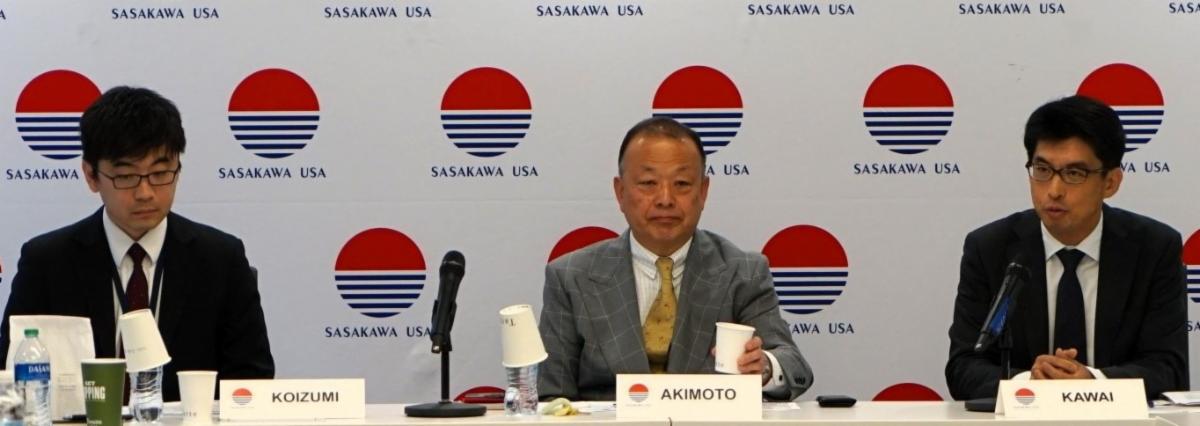
On August 22, Sasakawa USA’s Washington Kenkyu Group hosted a discussion featuring Messrs. Junya Kawai and Ryota Koizumi, counsellor and first secretary of the political section at the Embassy of Japan, to provide insights on the U.S.-Japan Security Consultative Committee (2+2) in July 2024. Mr. Kawai’s remarks focused on the key takeaways from the joint statement such as reaffirmation of the U.S.-Japan alliance, while Mr. Koizumi outlined challenges and opportunities for bolstering U.S.-Japan defense industry cooperation. This event provided valuable insights into the evolving U.S.-Japan security relationship and the strategic priorities of both nations in the Indo-Pacific.
Photo (left to right): Mr. Ryota Koizumi, Dr. Satohiro Akimoto, and Mr. Junya Kawai
| |
|
Sasakawa USA Women's Advancement Network (SWAN):
Takeaways from the Sasakawa USA Emerging Experts Delegation (SEED) Study Trip on WPS and DRR
| 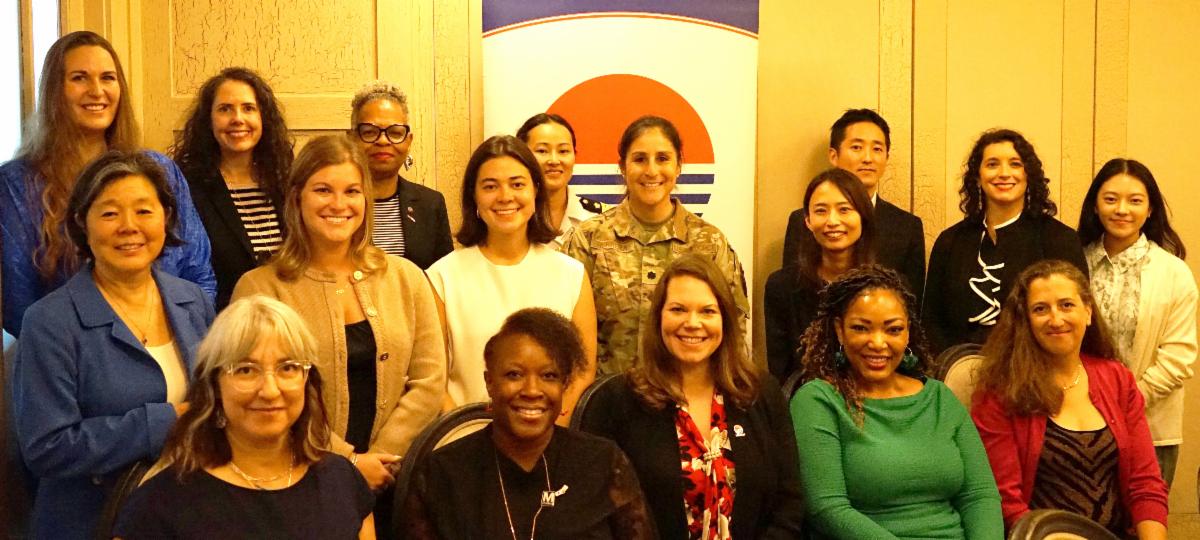 | |
On August 28, Sasakawa USA hosted a luncheon roundtable focused on “Redefining Disaster Resilience: Strengthening Disaster Risk Reduction through Women, Peace and Security.” This Sasakawa USA Women’s Advancement Network (SWAN) event featured several members of the 2024 Sasakawa USA Emerging Experts Delegation (SEED) who recently returned from an immersive study trip to Japan.
Ms. Shanti Shoji, Sasakawa USA director of programs, opened the discussion by explaining the nexus of Women, Peace and Security (WPS) and disaster risk reduction (DRR). She also provided updates on Japan’s work to champion DRR as a core pillar within their WPS agenda.
Fresh from their deeply engaging trip to Tokyo, Tohoku, and Noto, the SEED delegates shared their key takeaways and recommendations for improving gender-inclusive disaster preparedness and response in both the U.S. and Japan. Featured delegates included Ms. Madeline Beal, senior risk communication advisor at the U.S. Environmental Protection Agency; Ms. Maryruth Belsey Priebe, director of WPS programs at Pacific Forum International; Ms. Nickea Bradley, senior director in the Office of Emergency Preparedness at the Washington Metropolitan Area Transit Authority; and Ms. Chauncia Willis-Johnson, CEO and co-founder of the Institute for Diversity and Inclusion in Emergency Management.
The roundtable touched upon various areas, such as the status on implementation of WPS in humanitarian assistance and disaster relief (HADR) contexts, the importance of risk communication and building trust between communities and government authorities, ways to improve infrastructure for women, and the need for disaster education and training for women leaders. Sasakawa USA is committed to continuing to foster these types of dialogue on critical issues at the intersection of security, gender, and disaster preparedness in the context of U.S.-Japan relations.
Photo (front row, left to right): Ms. Maryruth Belsey Priebe, Ms. Nickea Bradley, Ms. Shanti Shoji, Ms. Chauncia Willis-Johnson, Ms. Madeline Beal, (middle row, left to right): Ms. Susan Morita, Ms. Jennifer Miller, Ms. Anna McDonald, Ms. Monica Herrera, Ms. Mari Sakai, Ms. Alexandra Melillo, Ms. Kaede Ishidate, (back row, left to right): Ms. Kayla McGill, Dr. Jessica Smith, Dr. Carolyn Washington, CDR Machiko Shigemi, and Mr. Takahito Fushiki
| |
|
US-Japan NEXT Alliance Initiative:
AI Security Study Trip
| |
|
The US-Japan NEXT Alliance Initiative recently conducted an artificial intelligence (AI) security study trip to Tokyo from July 17-19. Senior Director James Schoff led the six-person U.S. delegation of AI experts from the national research community and government. A summary of the study trip highlighting their meetings with policymakers and AI researchers in Japan’s government, private sector, and research institutes is now available on Sasakawa USA’s website.
The purpose of the study trip was to foster networking, share information, and explore opportunities for bilateral research collaboration to strengthen AI defenses, mitigate disinformation, and confront various other challenges created by adversarial AI. The discussions focused on strategic approaches and development of joint initiatives for AI security. The U.S. delegation was comprised of experts from Lawrence Livermore National Laboratory, Oak Ridge National Laboratory, Pacific Northwest National Laboratory, and the Department of Homeland Security. In September, the NEXT Alliance Initiative plans to publish a report to propose an agenda for bilateral collaboration as part of the “Allied on AI Assurance: Technology to Enhance AI Security & Safety” project.
Photo: US-Japan NEXT Alliance Initiative AI security delegation in Tokyo
| |
|
US-Japan NEXT Alliance Initiative:
Seiken Forum Visit
| 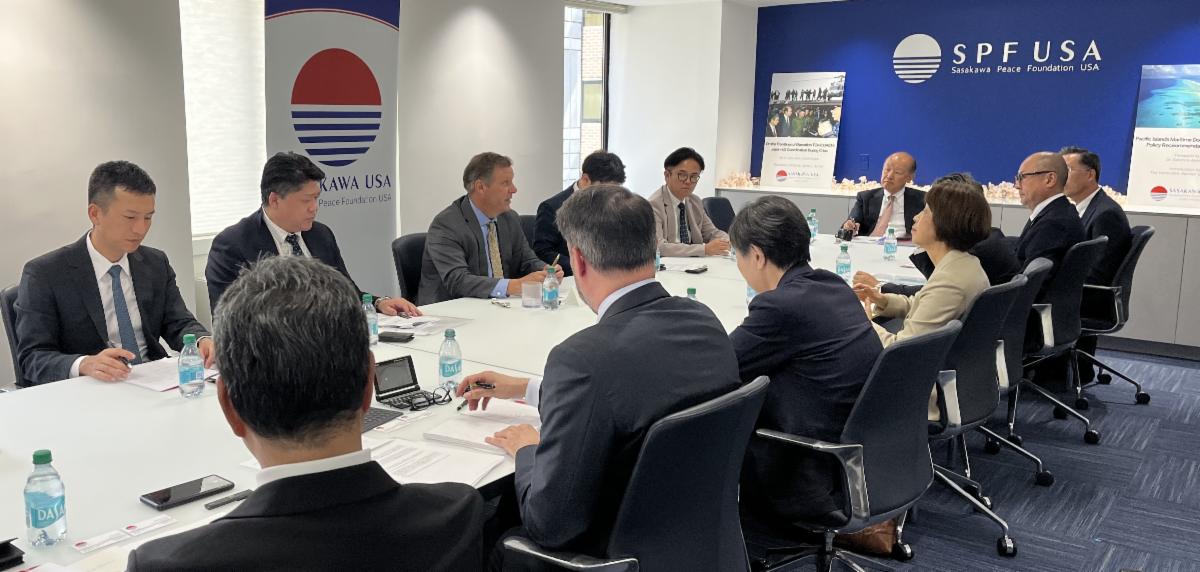 | |
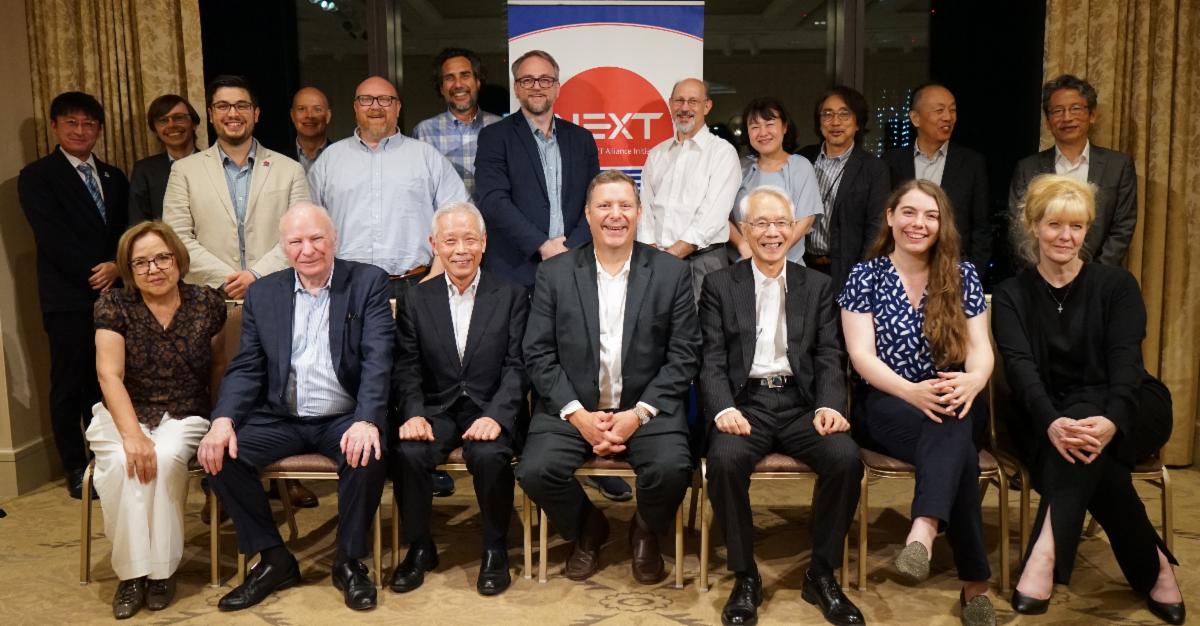
The US-Japan NEXT Alliance Initiative hosted an important delegation from Japan’s Seiken Forum on August 26, highlighting the ongoing efforts to strengthen bilateral ties and exchange views on key issues in the U.S.-Japan relationship. The delegation consisted of 11 members, led by Professor Mazuru Nakamura of Aoyama Gakuin University and vice president of the Japan Forum for Research in Public Policy (Seiken Forum). Hon. Takanori Kawai, member of House of Councillors, was also part of the delegation.
Senior Director James Schoff welcomed the delegation and gave a presentation on the upcoming U.S. presidential election and its potential implications for the U.S. economy and foreign policy. He also noted that although a possible second Trump administration would be different than the first, it could create more pressures on the alliance. But the depth and breadth of bilateral ties should help mitigate any major changes to the U.S.-Japan relationship, combined with strong private sectors and defense networks, as well as the many shared strategic interests between the U.S. and Japan. This meeting demonstrated the ongoing commitment of both nations to maintain open dialogue and strengthen the U.S.-Japan alliance.
Photo: Mr. James Schoff (center, left-hand side) with Seiken Forum delegation at Sasakawa USA
| |
|
U.S.-Japan Regional Alliance Series:
Indiana University and The Citadel
| |
|
Sasakawa USA is expanding its U.S.-Japan Regional Alliance Series in October with two additional events. These events will foster discussions on economic and security relations within the U.S.-Japan alliance at both the national and regional levels.
Sasakawa USA will partner with The Hamilton Lugar School of Global and International Studies at Indiana University to host an event on October 8, as well as an event with The Citadel on October 11.
The U.S.-Japan Regional Alliance Series connects economic and security experts on the U.S.-Japan alliance and the Indo-Pacific region from Japan; Washington, DC; and local communities in the U.S. The program facilitates discussions with local officials, businesses, scholars, and students about the significance of the U.S.-Japan economic and security alliance on both the national and regional scales.
| |
|
US-Japan NEXT Alliance Initiative:
Cyber Mapping Tool
| |
|
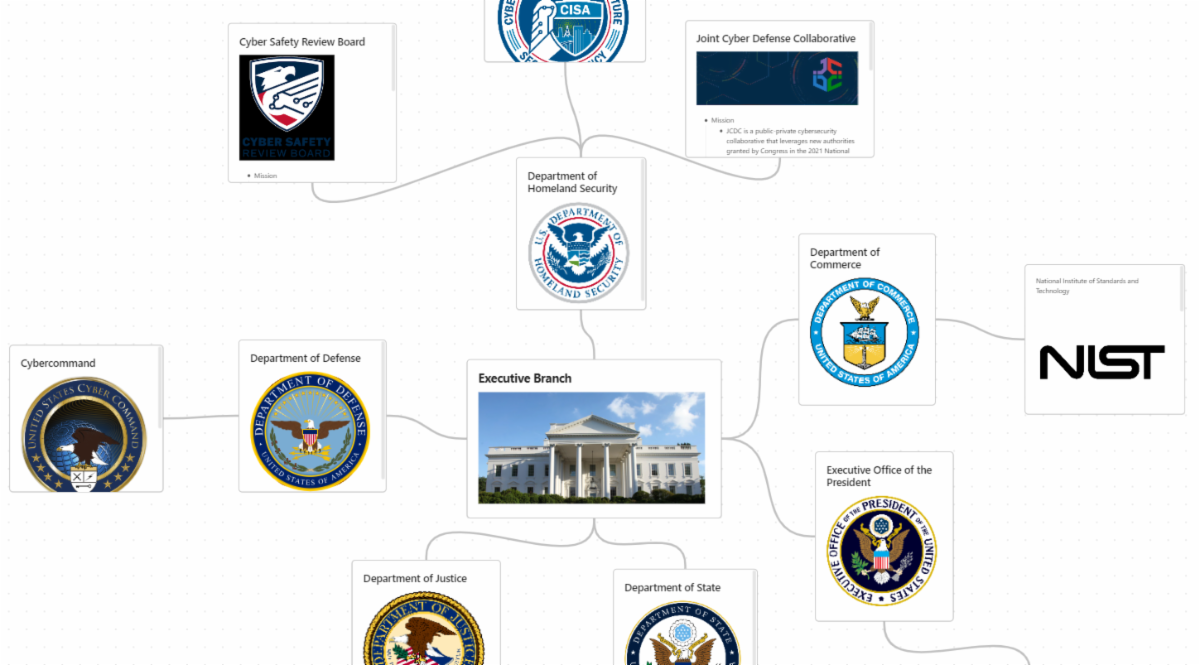
The US-Japan NEXT Alliance Initiative has taken an important step in enhancing mutual understanding and cooperation between the United States and Japan by publishing its first alliance mapping tool on the Sasakawa USA website. The online resource, released on August 30, is a product of extensive research and web design by the NEXT team. The cyber mapping tool aims to visualize how the U.S. and Japan organize themselves to address emerging challenges and provide basic information about the U.S. government’s agencies, bureaus, and offices involved in cybersecurity. Experts in fields such as cybersecurity often know their own country’s organization well, and perhaps an immediate counterpart in the allied government, but few have a comprehensive understanding of how that counterpart fits within the broader arrangement of agencies, offices, and stakeholders in the policymaking process. A companion map showing Japan’s cybersecurity organizations is under development. The new cyber mapping tool can be accessed on the NEXT Alliance Initiative page here.
Photo: Screenshot of cyber mapping tool
| |
Dr. Miwako Kitamura Named Senior Fellow (Non-resident) | |
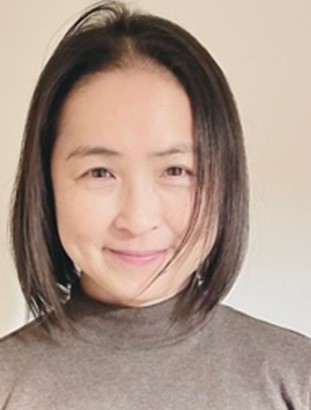
Sasakawa USA has announced that Dr. Miwako Kitamura has joined as a senior fellow (non-resident).
Dr. Kitamura is currently a specially appointed researcher at Tohoku University's International Research Institute of Disaster Science (IRIDeS) and played a key role in orchestrating immersive field visits to Tohoku and Noto during the Sasakawa USA Emerging Experts Delegation (SEED) on Strengthening Disaster Risk Reduction through Women, Peace and Security. These visits provided SEED delegates with unparalleled access to community leaders at the forefront of recovery efforts in the regions impacted by the 2011 Great East Japan Earthquake and the 2024 Noto Peninsula Earthquake.
Following up on these engagements, Dr. Kitamura will play an important role in Sasakawa USA’s upcoming Regional Alliance Series symposium on equitable resilience and social vulnerability with Tulane University’s Disaster Resilience Leadership Academy.
Dr. Kitamura’s career path was profoundly shaped by her volunteer work during the Great East Japan Earthquake, which prompted her to transition from professional photography to academia. Her research focuses on critical issues related to social infrastructures in disasters, with particular attention to gender issues, disability, and socially vulnerable groups. Dr. Kitamura’s work emphasizes community-driven approaches and women's empowerment in disaster risk reduction (DRR). Drawing from personal experiences with health challenges and eldercare, she has become a passionate advocate for those facing difficult circumstances, as well as those caring for their families.
Additionally, Dr. Kitamura serves as the deputy director of the Centre for Gender and Disaster Research at IRIDeS, a collaborative initiative between University College London (UCL) and IRIDeS, which emphasizes gender and disaster research. Her work is characterized by a commitment to supporting vulnerable communities and promoting equitable resilience and social vulnerability in disaster-stricken areas. She will continue her involvement with Sasakawa USA by contributing research on these topics.
Photo: Dr. Miwako Kitamura
| |
|
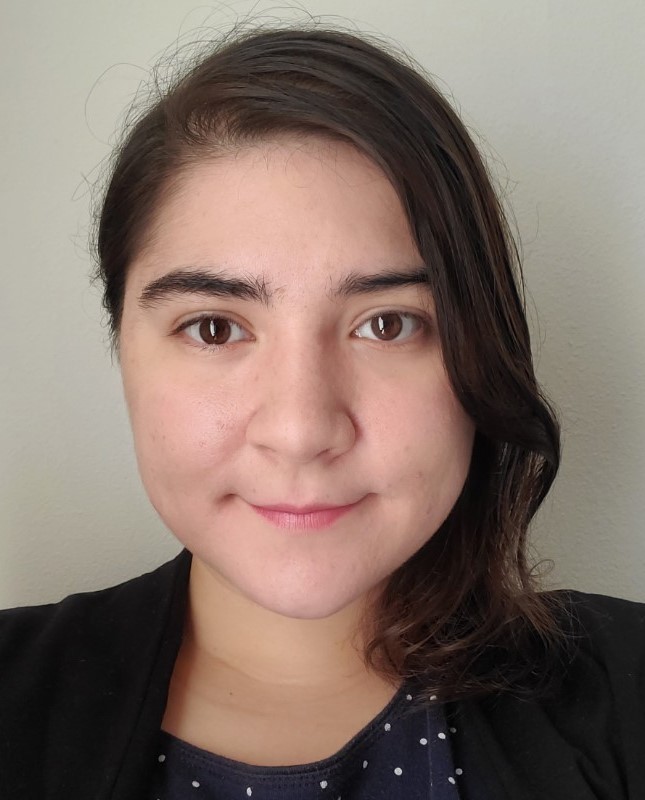
Greetings! My name is Abigail Williams, and I am an associate program officer at Sasakawa USA. I work on a variety of programs including the U.S.-Japan Regional Alliance Series, the Congressional Program on U.S.-Japan Relations and the Indo-Pacific, and the JET Alumni Engagement program. Previously, I helped run Rising Indo-Pacific Experts (RISE), whose name I created shortly after my assignment to the program.
Like many Japanophiles, my interest in Japan first stemmed from my love of Japanese anime and manga. This interest developed into an academic pursuit when I became an undergraduate at Gonzaga University and had the chance to study the language and the culture for the first time. While at Gonzaga, I had the opportunity to study abroad at Akita International University, where I met with students from all over Japan and the world. My study abroad experience inspired me to pursue a career in U.S.-Japan relations, as well as to double major in international relations: Asian studies and history.
Upon graduating from Gonzaga University, I traveled back to Japan to participate in the Japan Exchange and Teaching (JET) Program as an assistant language teacher in Taketa City, Oita Prefecture from 2018-2020. While living in Taketa, I took the opportunity to travel across Japan, as well as to Taiwan and Hong Kong. One of the most interesting points I discovered, however, was in Taketa itself, where I learned that there was both a hidden Christian cave and museum.
Later on, this curious finding about Taketa’s hidden cave and museum impacted my graduate studies at the University of Washington, where I expanded my thesis on Oda Nobunaga’s siege of Mt. Hiei to include the viewpoint of the Jesuit Missionaries. In addition, as a graduate student, I interned at the Japanese Cultural and Community Center of Washington, as well as worked as the graduate student assistant for the University of Washington’s Japan Studies Department. In November of 2022, I joined Sasakawa USA after graduating from the University of Washington with my master’s in international studies: Japan studies.
Since joining Sasakawa USA, I have had the opportunity to meet a variety of people in Japan-related fields, as well as return to Japan itself. My upcoming travel plans include multiple cities across the U.S. for several iterations of our U.S.-Japan Regional Alliance Series, which engages local communities and universities with the U.S.-Japan alliance.
As the eve of my second year at Sasakawa USA approaches, I look forward to continuing to expand my skills and garnering more experiences, as I participate in facilitating the strengthening of the U.S.-Japan alliance.
Photo: Ms. Abigail Williams
| |
|
Sasakawa Peace Foundation USA
1819 L Street, NW, Suite 300
Washington, DC 20036
+1.202.296.6694
| | | | |