|
September 14 & 15, 2018
A celebration of Hatteras watermen with seafood cooking demos, fishing boats and gear, fishing industry skills contests and competitions, live music and games for children.
Day at the Docks was started to celebrate the "Spirit of Hatteras" when the village recovered from Hurricane Isabel in 2003 as an intact community, anchored by the commercial and charter fishermen. The event is a confirmation of the strength of community, heritage and living traditions of the waterman.
|
The NC Maritime History Council has planned their yearly conference in Beaufort, NC. on Thursday, November 8 - Saturday, November 10.
The theme this year is:
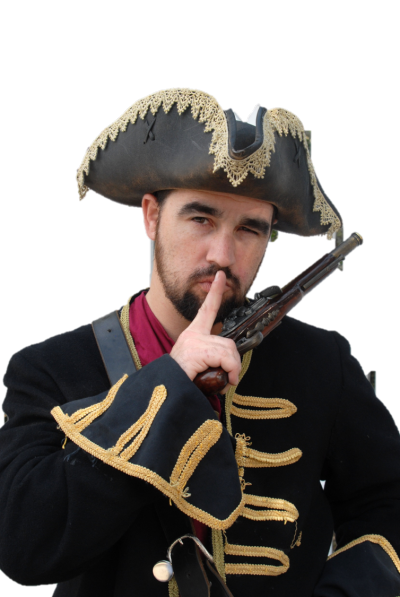
"What You Aren't Being Told About the Golden Age of Piracy"
|
|
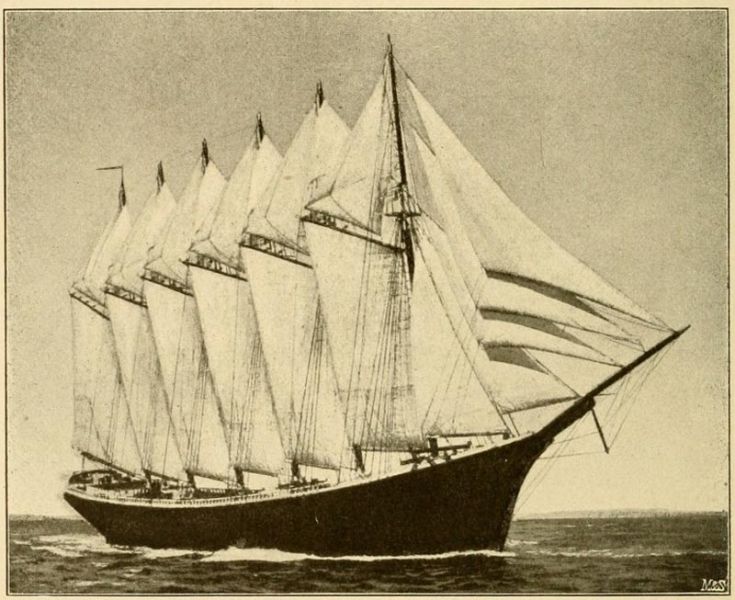
George W. Wells was the first six-masted schooner ever built and
the largest sailing ship to wreck on the Outer Banks. The interior of her cargo
holds was compared to the interior of a cathedral.
On September 3, 1913 the six masted schooner, George W. Wells, was lost near Ocracoke in a storm. Strong winds tore away all of her twenty-eight sails and she began to take on water. Lifesavers shot the Lyle gun seven times unsuccessfully. Captain Joseph York was finally able to attach a line to a floating object which enabled lifesavers to set up the breeches buoy. Everyone on board, fifteen crewmen, three women, two children and one dog, survived. The vessel could not be refloated and was later burned because there was a disagreement as to who was to salvage her. Sometimes portions of the ship can still be seen on Ocracoke.
|
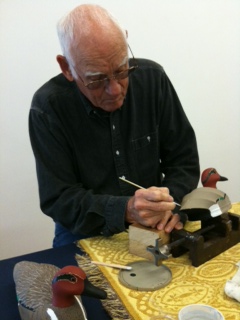
| PAINTING CANVAS BACKED DECOYS |
|
FRIDAYS
12 - 4 PM
Artist, Sam Green, demonstrates the art of building and painting decoys. View his authentic decoy constructions and chat with this knowledgeable waterman about his art.
|
September is a huge month for our sister Museum in Southport.
- Friday, September 21st - Sunday, September 23rd
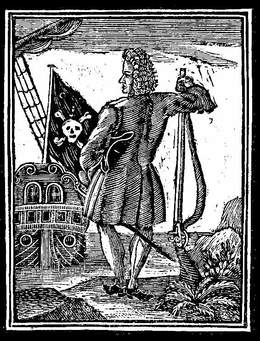
Come celebrate a once-in-a-century landmark while learning a little bit about Southport's rich history with this event that pays tribute to one of the most famed pirates to haunt the coastal North Carolina area. Stede Bonnet was a famous buccaneer who plied the shores of the Cape Fear coastline and beyond, and during the Stede Bonnet 300 Anniversary Commemoration, visitors can learn all about this legendary pirate through a wealth of activities, historic interpretations, and plenty of merriment for all ages.
The event commemorates the 300
th anniversary of the Battle of the Sandbars, which led to the eventual defeat, capture, and hanging of Stede Bonnet. Known as the "gentlemen pirate," Stede Bonnet pillaged the commercial vessels that tried to access North Carolina's ports, and turned into a historical legend who is still remembered three centuries after his demise. During this event, visitors will learn all about Stede and his endeavors through a number of hands-on activities, as well as stories told by costumed interpreters, and a number of corresponding activities to suit folks of all ages. Both engaging and educational, this event is a once-in-a-lifetime opportunity to dive into the history of a legendary figure along the Cape Fear coastline.
|
| TODAY IN OUTER BANKS HISTORY |
|
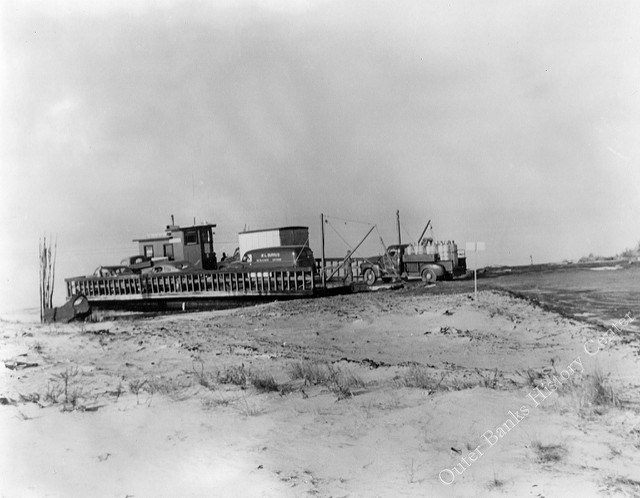
Hatteras Inlet ferry during the 1940's
(courtesy Outer Banks History Center)
On September 7, 1846, a violent hurricane hit the Outer Banks and opened Hatteras and Oregon Inlets. Families that lived on Hatteras Island later said they had no idea that it was possible for an inlet to form near their homes, but the following morning "they saw the sea and sound connected together and the live oaks washing up by the roots and tumbling into the ocean."
|
|
A Pirate's Life Was His, Stede Bonnet's
|
|
| Bajan Pirates - Stede Bonnet |
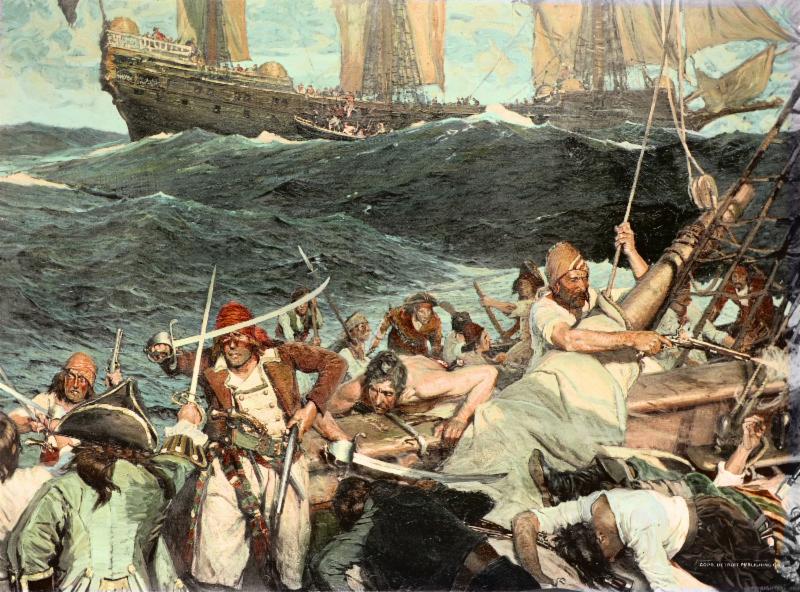
On September 27, 1718, Colonel William Rhett captured the so-called "Gentleman Pirate" Stede Bonnet, after a six-hour battle near the headland of the Cape Fear River.
Born into a well-off British family and educated in England, Bonnet advanced in the army to major before leaving the service and moving to Barbados. There he and his wife established a prosperous sugar plantation, the image of wealthy respectability to neighbors.
In 1717, with no apparent explanation, he bought a sloop, named it the Revenge and took up piracy, even though he'd never been a sailor.
Bonnet enjoyed early success as a pirate. He plundered ships up and down the coasts of Virginia and New England, torching all those from Barbados. However, his crew, far more seasoned sailors than Bonnet, grew agitated under his command. He suffered his first major setback when he met Blackbeard, who made Bonnet a virtual prisoner and put another man in charge of the Revenge.
Blackbeard and Bonnet parted company near Bath, and Bonnet sought clemency from then royal Governor Charles Eden. Eden granted Bonnet permission to try and secure commission as a privateer.
While attempting to become a privateer, Bonnet discovered that Blackbeard had abandoned the Revenge. He renamed the ship and returned to piracy before being cornered by Rhett.
He was executed several months after his capture.
(courtesy NCDCR)
|
|
Travel through every room at the Museum in search of artifacts. You can pick up a scavenger hunt form at the front desk and join in the fun. Your reward? A surprise gift and exciting knowledge about lifesaving, piracy, shipwrecks, and unusual objects that wash ashore! Free and enjoyed by all!
|
| BOMB TEST BY BILLY MITCHELL |
|
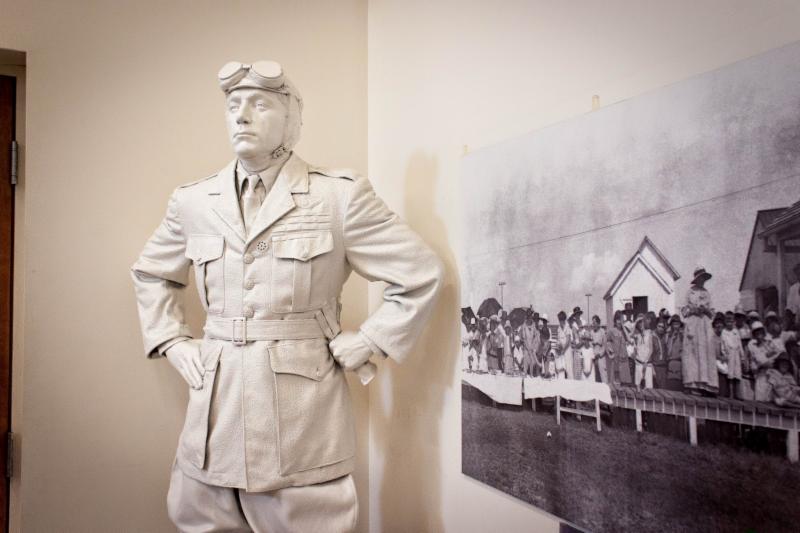
On September 5, 1923, Virginia, a U.S. Navy battleship, was sunk in aerial bomb test by Billy Mitchell near Cape Hatteras.
|
|
|
1921/1923 GENERAL MITCHELL BOMBS BATTLESHIPS
|
|
View amazing artifacts, including the original Cape Hatteras Lighthouse Fresnel lens and a discussion of Billy Mitchell's connection to Hatteras.
Immerse yourself in shipwreck and maritime history:
Lighthouse Lens
The Enigma Machine from the U-85
Billy Mitchell
Carroll A. Deering Ghost Ship
The Civil War on Hatteras
Restored Flag from USS Monticello
Ship to Shore
Artifacts from USS Monitor
Vintage Diving Equipment
Sport Fishing on Hatteras
Blackbeard's Queen Anne's Revenge
Discover Hatteras Island's fascinating connection to Titanic
Restored Monomoy Surfboat
"NORTH CAROLINA PIRACY"
CENTENNIAL OF WWI ACTIVITY OFF NC:
LV-71, U-140, AND MIRLO RESCUE
and much more...
|
| STEAMER CENTRAL AMERICA SINKS |
|
|
|
| History's Mysteries - The S.S. Central America "Ship of Gold" |
On September 11, 1857 the side-wheel steamer Central America , which is sometimes called the "Ship of Gold", sank off Cape Hatteras, North Carolina during a category two hurricane. She was carrying over five hundred passengers and a fabulous cargo of gold coins and gold bullion. One hundred fifty-three passengers, primarily women and children, survived. The remainder on board sank with the ship. In 1987, a group of American treasure hunters located the wreck and began a long struggle to salvage the gold
|
Witness underwater shipwreck imagery and take in Eastern North Carolina heritage viewing our daily mini videos created by the University of North Carolina Coastal Studies Institute.
|
|
| U-Boat Menace: North Carolina's Coast in the First World War |
The videos run continuously in our Film Room except when we are hosting special presentations or preparing for special events
|
The Museum is showcasing a mini exhibit on North Carolina Piracy. The exhibit gives an historic overview of pirates that sailed Outer Banks waters and is located in the Education wing of the Museum.
|
|
 |
|
After many years of trying to have a sign befitting our wonderful Museum, we are thrilled this dream is finally becoming a reality. We are very grateful to the Outer Banks Visitors Bureau for a generous grant and our partners, the National Park Service and NOAA for their support. The vigilance of the North Carolina Department of Natural and Cultural Resources, Steve Miller, the Friends of the Graveyard of the Atlantic Museum, and our small but devoted staff have made this wayside learning center a new focal point for Hatteras Island. Thank you! We are thrilled to finally have this on the road to completion.
|
| A SIGN WORTHY OF OUR GREAT MUSEUM |
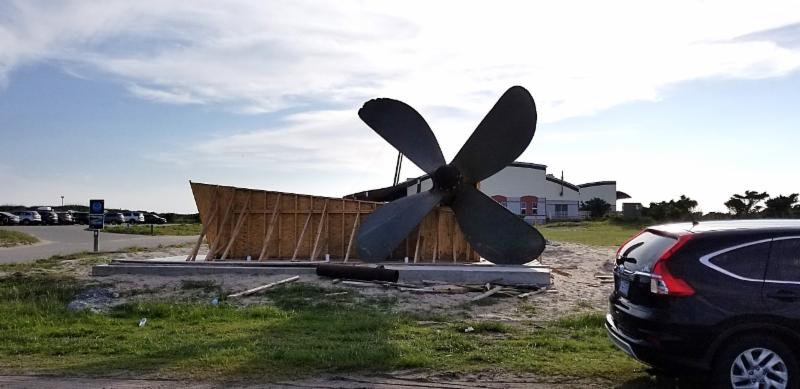
The Graveyard of the Atlantic Museum in Hatteras village recently announced that it is in the final stages of getting a new display for its entrance near the Hatteras / Ocracoke ferry docks.
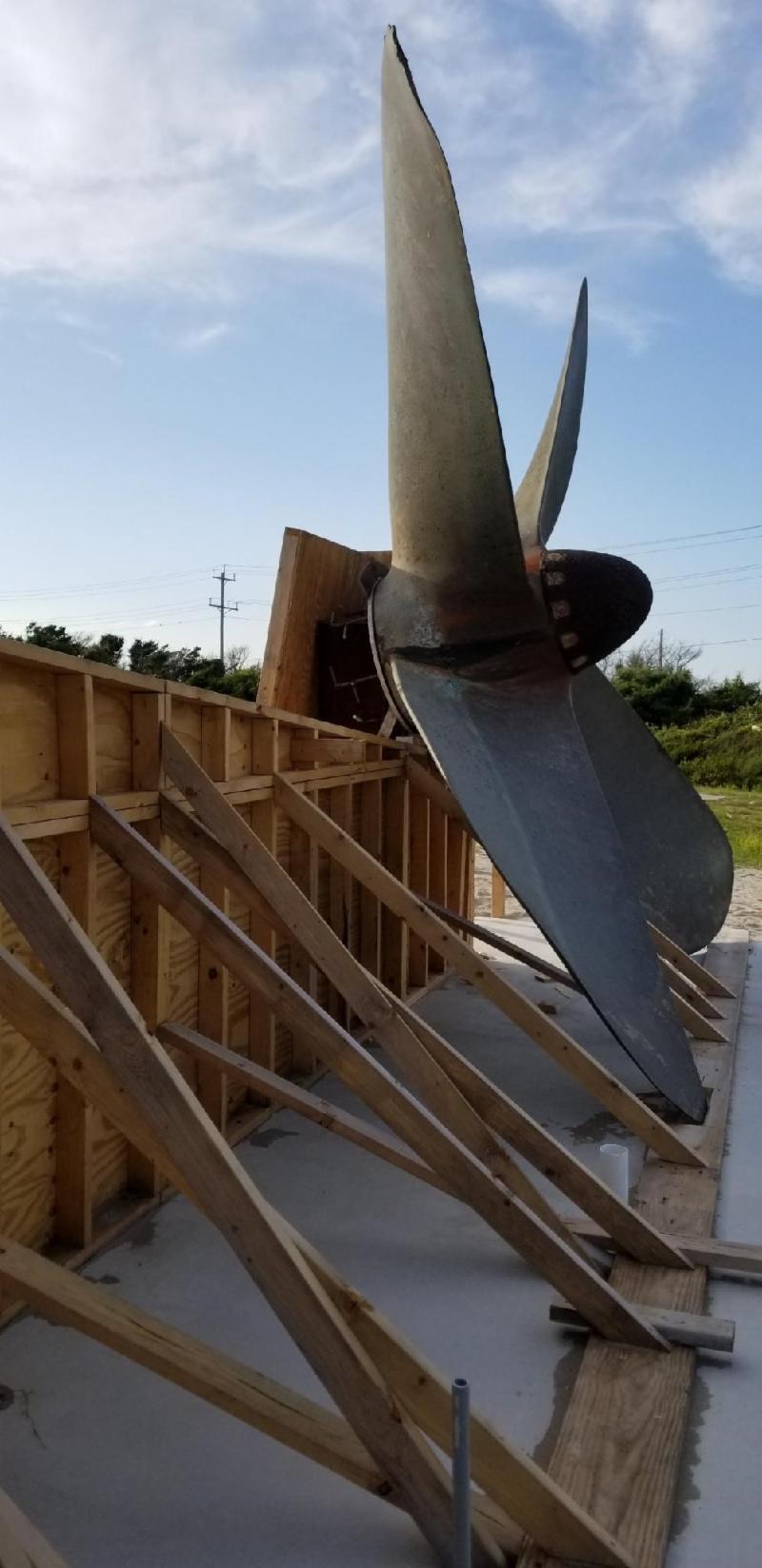
The new sign is sure to make quite a first impression, too, as it will feature the noticeably large propeller from USS Dionysus, a Liberty ship from the 1940s. Weighing in at 14 tons, the bronze propeller is sure to stand out in the display, which will also double as an outdoor exhibit.
"This project goes back about four years," said North Carolina Maritime Museums (NCMM) System Director Joseph Schwarzer. "We first came up with a design for the sign, and ran it through all the agencies involved to make sure everyone was happy with what we were doing."
Once approved, there was a lot of work involved to get the propeller from its former home at the Oregon Inlet Fishing Center all the way to Hatteras village, and then situate it so that it would stay in place for the long haul.
"Getting the propeller installed is the trickiest part of this whole endeavor," said Schwarzer. "You're dealing with a 14 ton bronze propeller which had to be brought up and set on a concrete base that is thick enough and strong enough to support it, and then lean it against something that is also thick enough and strong enough to support it. The base alone is 18 inches thick."
|
|
|
|
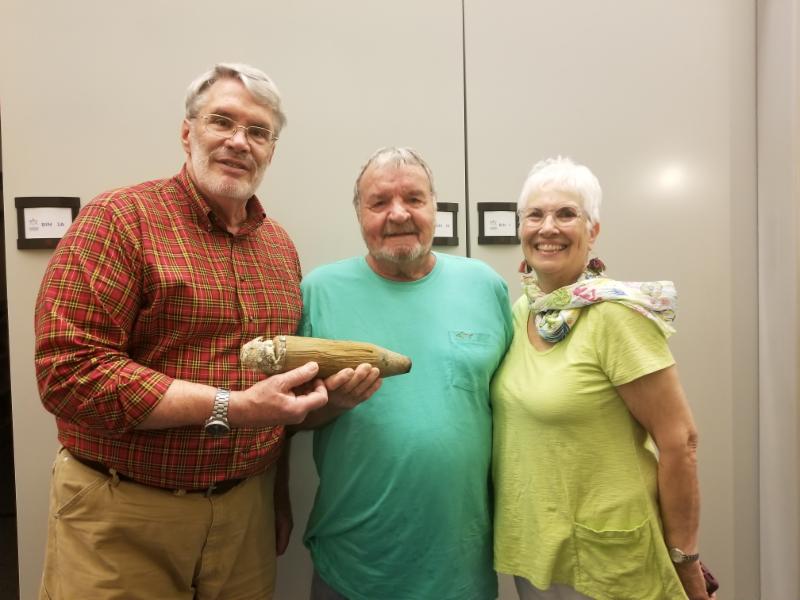
JOE SCHWARZER AND DICK AND CAROLYN HOAGLAND
|
Since the early 70s, Carolyn, Dick and their son, Richard Hoagland have vacationed several times a year in Buxton, NC. Their days were spent on the beaches fishing and looking for shells and driftwood.
On one of their trips in the summer of 1987 they found the rocket off the beach at The Point in Buxton. Their curiosity about their find led them to make contact with Richard C. Malley at the Mariners' Museum in Newport News and Charles R. McNeill, first Director of the North Carolina Maritime Museum in Beaufort.. Once the rocket was identified, they placed it in a bookcase where it has been for 31 years.
In July of this year they visited the Graveyard of the Atlantic in Hatteras, NC and thought this would make a good home for their find. The Museum is now having the fun of identifying this artifact.
It could be a Confederate version of the Hale rocket that was adopted by the United States military in the 1840s. The traditional Hale rocket had a metal body and, as this has a wooden body and a copper (as opposed to brass) fuse, it may be Confederate. If that is the case, it might be the only one known. Regardless, it is extremely rare and adds a new dimension to the Civil War History of Hatteras.
|
|
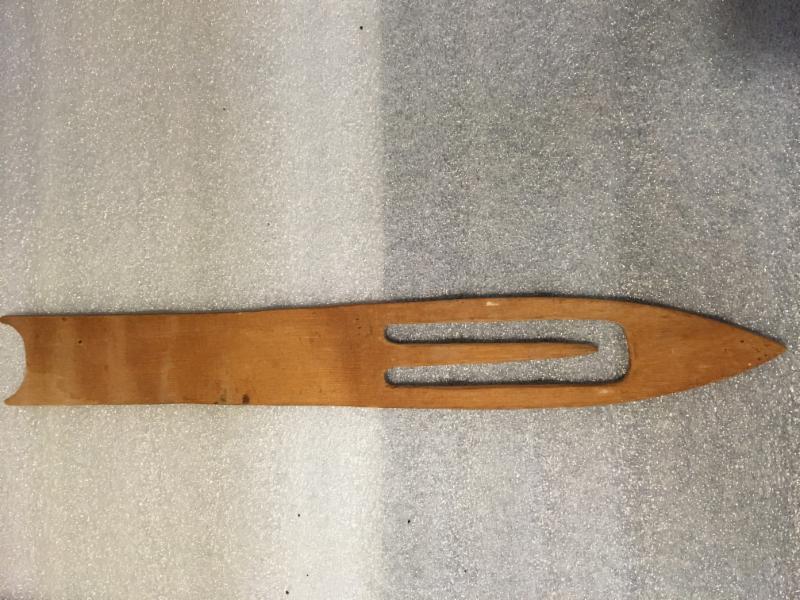
Net Mending Needle
The net mending needle is used to repair fishing nets. It features an "inner" tongue that holds thin line or thread so it is easy to pull the thread through the meshes and unwind
as it is used.
Net needles come in many sizes. Fishermen have been known to carve their own, or they can use plastic net needles.
Regular needles can be used for most tasks, but if you need to do the seizing on the lines on a purse seine, you need a special purse seine or seizing needle.
Enjoy the opportunity to "view" authentic history, and discover its special story in the Collections Storage Window in the Burrus Couch Midgett Gallery.
|
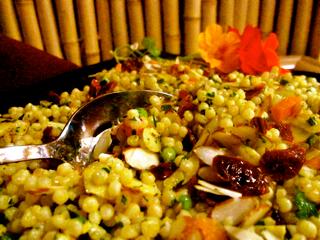
This was our most requested recipe from last month's WWI symposium. It is our adaptation of Sarah Leah Chase's Summer Couscous Salad and is a perfect way to start the Fall. It can last at least a week in the refrigerator and is perfect at room temperature.
MUSEUM COUSCOUS SALAD
2 cups Israeli couscous (large pearl)
3 cups broth or water
Bring broth or water to a boil in a saucepan, add couscous. Cover saucepan and simmer for 8-10 minutes, stirring occasionally. Mix 3/4 cup olive oil, 1/2 cup lemon juice, 1 T turmeric, 1 T cinnamon, 1 T ground ginger, 1/2 cup golden raisins, 1/2 cup pitted diced dates, 1 large summer squash diced, 1 large zucchini diced, 4 peeled carrots diced, 1 large red onion diced, 3 ripe tomatoes diced, 1 cup cooked chic peas and 1 cup toasted slivered almonds, together and add to the couscous. mix together. Sometimes the couscous absorbs most of the sauce and I double the amount of oil, lemon juice, turmeric, cinnamon, ginger and dried raisins and dates... you be the judge. This serves about 12.
|
|
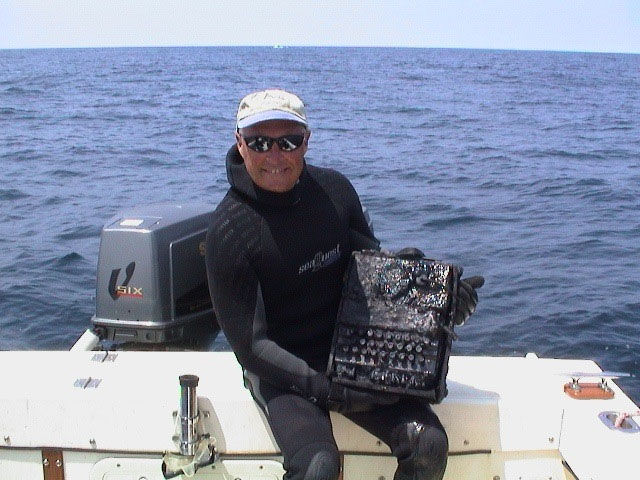
When you visit the Museum, you can see a real Enigma machine recovered from the U-85. The following videoes will give you more information. Maybe you will even build your own Enigma machine.
|
|
|
Kid's Game to Enigma Machine
|
|
|
|
The Inner Workings of an Enigma Machine
|
|
|
SEPTEMBER 4 2 PM
Discover the intricacies of the German coding machine, Enigma, in this informative talk by NCHC Road Scholar, author and professional diver, Jim Bunch, who helped recover the Enigma Machine from U-85. The Enigma Machine is on display in the Museum. Bunch has done more than 1000 dives on U-85. He's written three books related to U-85 and the U-boat activity off the Outer Banks during WWII. He is available to sign copies of his books including the latest: "U-Boats off the Outer Banks" and "Shadows in the Moonlight", published by The History Press
|
| COOKING SHRIMP OUTER BANKS STYLE |
|
SEPTEMBER 18 2 PM
|
|
| Outer Banks Catch Kitchen:Steamed Shrimp 101 |
Seafood diva, Sharon Peele Kennedy, demonstrates cooking shrimp Outer Banks style in this delicious program. Kennedy is the author of the popular cookbook "What's for Supper?" available in our gift shop. Have Sharon sign your copy while she is here.
|
|
SEPTEMBER 25 2 PM
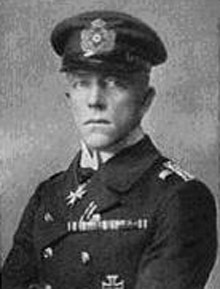
Korvettenkapitan
Waldemar Kophamel
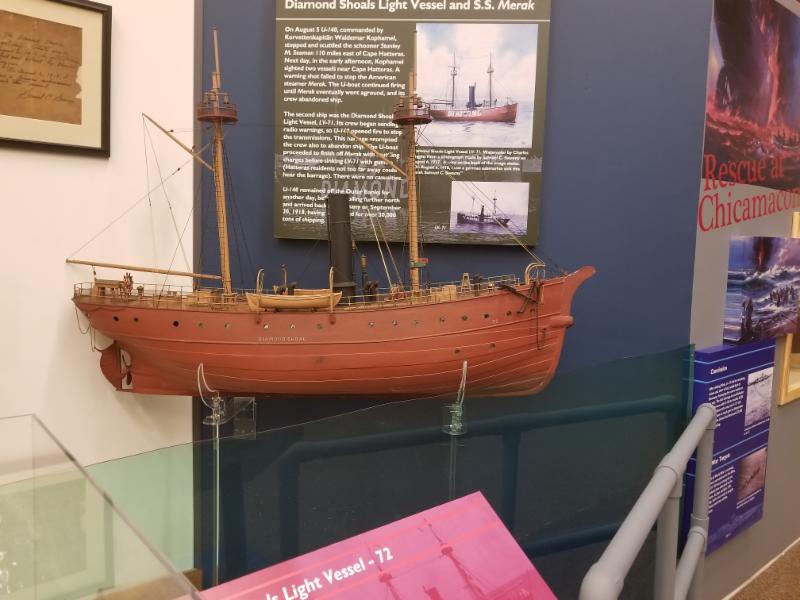
The freighter Merak was sent to the bottom of the Atlantic by the German Submarine U-140 during the first world war. The ship lies in 140 feet of water just south of the Diamond Shoals tower. Marc Corbett will discuss the ship and its demise. Corbett has lived on the Outer Banks of North Carolina since 1994; he is an avid scuba diver, surfer, and skateboarder. Combining a love for history and diving, Corbett has become an avid shipwreck hunter, researching and exploring wrecks in shallow and deep water.
|
|
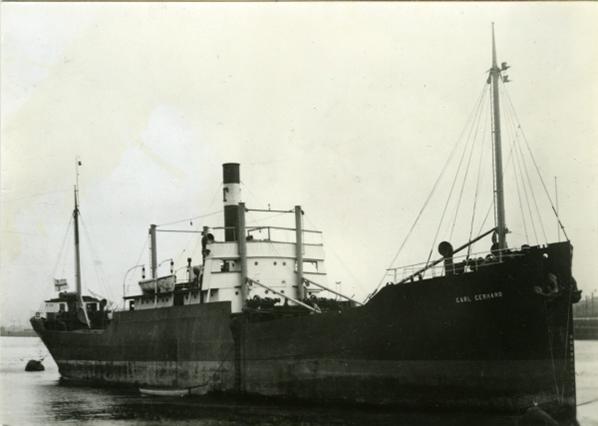
by Judi Heft
The 244-foot long Carl Gerhard was built in Larvik, Norway. A Swedish-owned iron freighter, she was carrying 1,504 tons of plasterboard and was bound from Mabou, Nova Scotia to Tampa, Fl. She had stranded in the mud off Mabou soon after sailing and was thought to have sustained no damage,
On September 23, 1929, less than two years after the loss of Kysikes, Carl Gerhard was buffeted about by stormy winds off the New England coast and began to ship water. The weather was so overcast that sights could not be taken. According to a statement by Captain A. Ohlsson, they had been lost for 5 days, looking in vain for the stars or sun above, or warning beams of lighthouses on shore. He thought he was at least 50 miles at sea until the moment Gerhard came to a sudden stop on the outer bar off Kill Devil Hills-she bumped over the sand reef and ran into the sunken hull of Kysikes.
Surfman Baum sighted the vessel soon after dawn and summoned the four Coast Guard crews under command of Keeper Herman Smith at Bodie Island Station. The sea was too high and rough for boat service, so the Lyle gun was placed in position. Fortunately, the shot they sent across Gerhard's deck was true, for in the words of Captain Ohlsson, "the seas, lashed for days by the strong northeast winds, pounced upon her like a lion upon its prey." She immediately began to go to pieces.
There was a woman on board, Mrs. Ethel Adehard, who was the wife of the mate. A crewman came ashore first to test the breeches boy, then Mrs. Adehard, and after her the 20 remaining men. Clothing and personal belongings were left behind, some recovered later, but as the breeches buoy made trip after trip other living things beside the human beings appeared there on the beech-first a dog, pet of one of the crewmen, then a second dog, and finally a cat.
By noon the rescue was completed and soon afterward Mate and Mrs. Adehard and the crewmen returned to their native land or sought berths on other ships. In a ceremony in New York City, the Coast Guard was honored by the Swedish King for the heroism shown during the eventful rescue.
|
| THIS MONTH IN THE MEEKINS CHANDLERY GIFT SHOP |
|
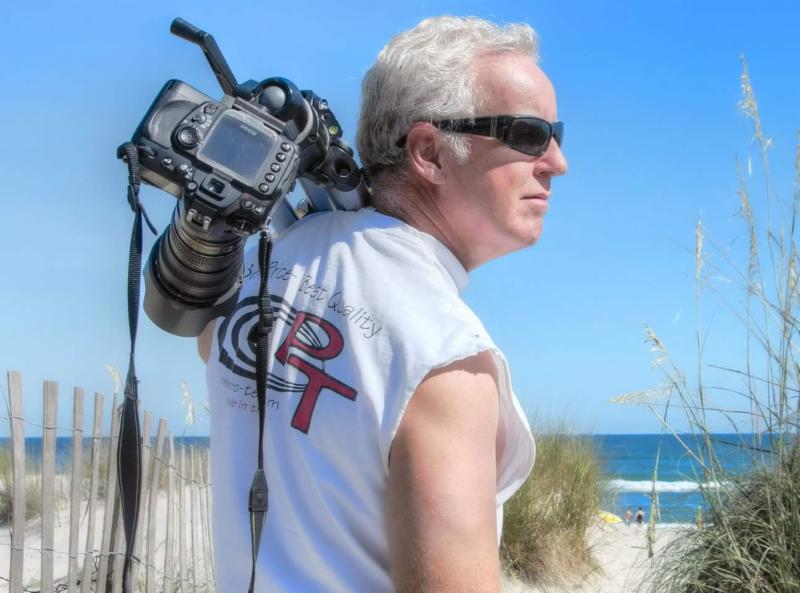
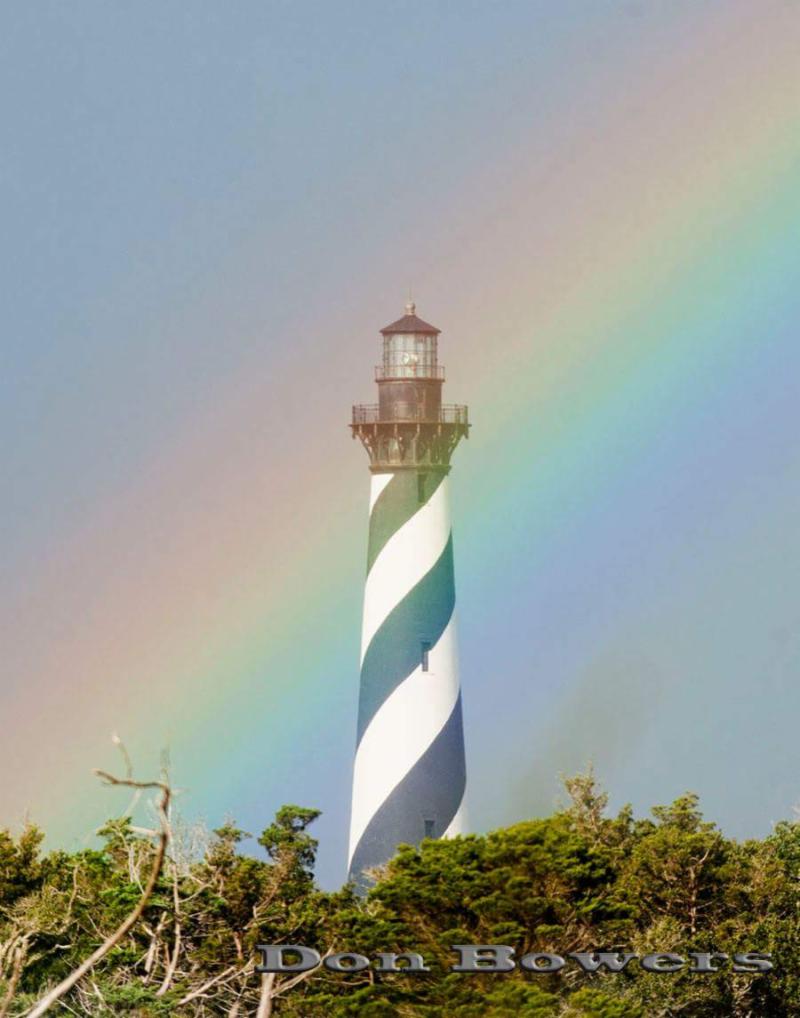
We are thrilled to be carrying Don Bowers stunning photography in the Meekins Chandlery.. He grew up on Hatteras Island and has seen and documented many of the changes that have occured on this island. He is the staff photographer for the Island Free Press and has been nominated for numerous Pulitzers for his work. He also free lances for regional and national publications.
|
|
|
|
Calvin Burrus: Ships Burning Offshore
|
Calvin Burrus Jr. of Buxton remembers World War 2 and stories about World War 1 in an interview with Elizabeth Browning Fox.
|
|
|