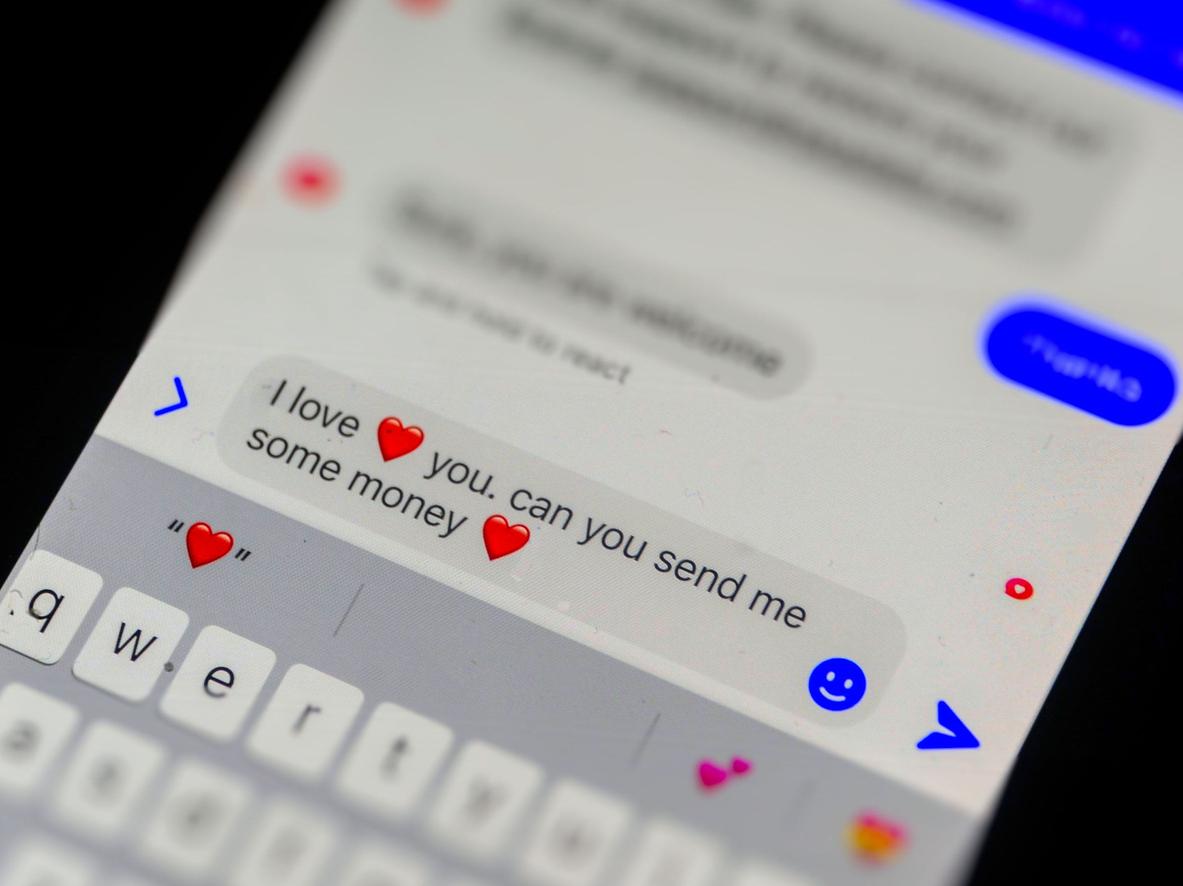
We typically wait until Valentine's Day to write about romance scams. But given romance scams are one of the world's fastest-growing frauds, we thought it critical to dedicate this edition of ScamSpotter to this scam. In 2023 $3.8 billion was lost to romance and other confidence scams.

Most people assume romance scammers only target older individuals who are divorced or widowed, exploiting their insecurities and desires for companionship. But romance scams happen to people of all ages. In fact,18-59 year olds are 13% more likely to report losses from romance scams. The actual number of victims is likely higher, as many do not report these crimes due to feelings of shame and embarrassment.

Scammers create fake profiles on dating apps, websites, online chat rooms, or social media platforms, tailoring their stories to suit each new friend. They may claim to work in the construction industry or on overseas projects, making it easier to avoid in-person meetings and make their requests for help with money for medical or personal emergencies seem believable.

This scam is particularly heartbreaking as the victim loses both their money, along with losing a relationship, making the healing process even more difficult.


Beth

Online Dating

Many people have successfully found love or friendship using dating apps. However, with every opportunity to swipe right, there's a scammer waiting to trick you into believing they are your new one-and-only. It's perfectly fine to seek love online, but it's essential to do your research to ensure your new friend is who they claim to be.

Romance scammers exploit those looking for love by gaining their trust and manipulating them into handing over money. Keep in mind that scammers are experts at their job, and their job is to get money. Additionally, a romance scammer has all the time in the world to gain a victim's trust. In fact, one woman was duped out of $1 million over a two-year relationship. Despite her family and friends pointing out that something was off about the relationship, she continued to justify why she and her boyfriend hadn't met in person and why it was okay to send him money. The more her friends pressured her to rethink her connection, the more isolated she became from them. Romance scammers use isolation and an "us against them" mentality as a tactic to strengthen the connection.


Watch out for warning signs: If you believe a friend or a family member is involved in a romance scam, remain vigilant and monitor their behavior. This is key to identifying the scam and hopefully intervening before they are exploited further. The victim may balk at your insistence that their friend  is a scammer, but don't let that deter your efforts. Try these tactful phrases to get the conversation going:

  • How did you meet?
  • How has the relationship progressed? Slowly? Quickly?
  • Have you met in person? 
  • Where do they live and work?
  • How does your family feel about the relationship?
  • How is the relationship financially? Can you describe any requests for funds or account details?

The faster you can convince a potential victim that something nefarious is going on, the better the potential for limiting the amount of money lost. 

Tips to Avoid Romance Scams  

  • Be careful what you post and make public online. Scammers can use details shared on social media and dating sites to better understand and target you.
  • Research the person’s photo and profile using online reverse searches to see if the image, name, or details have been used elsewhere.
  • Move slowly in the relationship and ask lots of questions.
  • Beware if the individual seems too perfect or quickly asks you to leave a dating service or social media site to communicate directly.
  • Beware if the individual attempts to isolate you from friends and family or requests inappropriate photos or financial information that could later be used to extort you.
  • Beware if the individual promises to meet in person but then always comes up with an excuse why he or she can’t. If you haven’t met the person after a few months, for whatever reason, you have good reason to be suspicious.
  • Never send money to anyone you have only communicated with online or by phone.
  • Reconsider the match if you find yourself hesitating to divulge the details of your online romance.
  • Beware if the match works offshore, in a distant country, unable to transfer their own funds to their own accounts.
  • Be realistic about your chances of finding a partner online.
  • Don't assume the person is safe.
  • Get a second opinion from a friend or family member early in the relationship-- and believe THEM, not the online friend.
  • Meet up in person in a public spot or set up a video call. If the person won't do that, be suspicious.

There are many stories from victims of romance scams that reinforce the difficulty of convincing the romanced that their romancer is a fraud. Be persistent and don't underestimate the power of the scammer to convince the victim of their undying love. If necessary, see if someone else whom the victim respects can convince them of the fraud. If you can, alert any financial institution of your suspicions -- they may be willing to keep a watchful eye out for wire transfers.


READ MORE: Here's why smart people can fall for online romance scams.


Do you suspect you've been scammed or exploited?

Report it to us by calling our Fraud Hotline.


Contact

The Denver DA's

FRAUD HOTLINE

720.913.9179

Facebook  X  LinkedIn