|
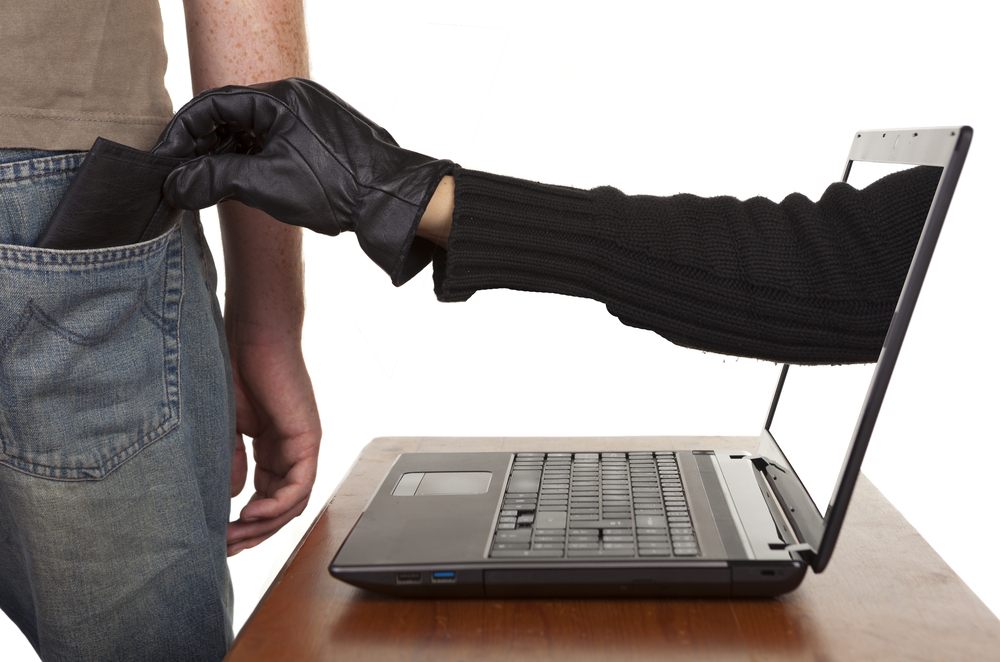
In recent news, a NY-based restaurant owner was forced to close its doors after a payroll cyberscam cost him $45,000. According to the article published by the New York Post, the restaurant owner responded to an email posing as his payroll service provider which requested he wire money to a new bank account because the company had changed banks due to “internal issues.” The cybercriminal had copied the email format of the payroll company so at first glance it appeared legitimate. However, after wiring the money, the restaurant owner noticed the URL in the email address was different by one letter and quickly realized he had been scammed.
As accountants and business advisors, we consider it our obligation to inform our clients and friends of the firm about all the ways they can protect their business and safeguard their financial health. Over the years, we have alerted you to various scams and fraud tactics, particularly as these thieves become increasingly sophisticated. They know personal details like the address of the homes people are buying, when their intended victims are on vacation, the names of the leadership team at organizations, etc. Additionally, since McDonald’s Owner Operators have specific suppliers and vendors they use, it is easier for cybercriminals to craft messages that appear authentic but can cause you to suffer significant damages, should you fall victim by replying to one email, clicking on one hyperlink or erroneously responding to a text message.
So, what can you do to protect yourself from crimes such as these? At Laufer LLP we tell our clients never to respond to an email without getting a verbal confirmation from the known party. If the restaurant owner in the example above had called his payroll company to verify the wire request, the outcome could have been very different. Verifying authenticity prior to acting upon a request from an email, letter, etc. is the easiest way avoid being a victim of crime.
We are encouraging all McDonald’s Owner Operators to think about how cyber thieves may penetrate their lives, particularly their businesses since employees are involved and can inadvertently put you at risk. Are your employees trained to recognize fictitious emails, letters and telephone calls? Do they know that they should never email financial information? Have they been educated to obtain verbal communication from you should they receive a scam email that appears to be from you instructing them to wire money? Since it is nearly impossible to recover funds stolen through wire transfers due to the layering techniques used in money laundering, it is critically important that your team members have the tools they need to protect your organization.
To read the full article about this payroll cyberscam that appeared in the June 23, 2024 issue of the New York Post, click here. For more information about how you can protect your organization from fraud and scams, we invite you to reach out to a member of the Laufer LLP team by calling (631) 226-9600. And, be sure to follow us on LinkedIn and Facebook; and visit our News & Articles page on our website to stay up-to-date on all financial matters related to your business and personal life.
|