|
James Arthur Baldwin was born on August 2, 1924, in Harlem, New York City. The eldest of nine children, his early life was marked by poverty and the harsh realities of racial discrimination. His mother, Emma Berdis Jones, a single woman who had migrated from Maryland, married David Baldwin, a strict Baptist preacher, when James was around three.
Baldwin's childhood was deeply influenced by the religious fervor of his stepfather's household. He found solace in reading and began to write poetry and short stories as a form of escape.
The Harlem Renaissance, a cultural movement celebrating Black art and literature, was in full swing during Baldwin's formative years. While he was not directly involved in the movement, its spirit undoubtedly influenced his later work. The Harlem of his youth, with its vibrant culture and palpable social tensions, provided a rich backdrop for his future writings.
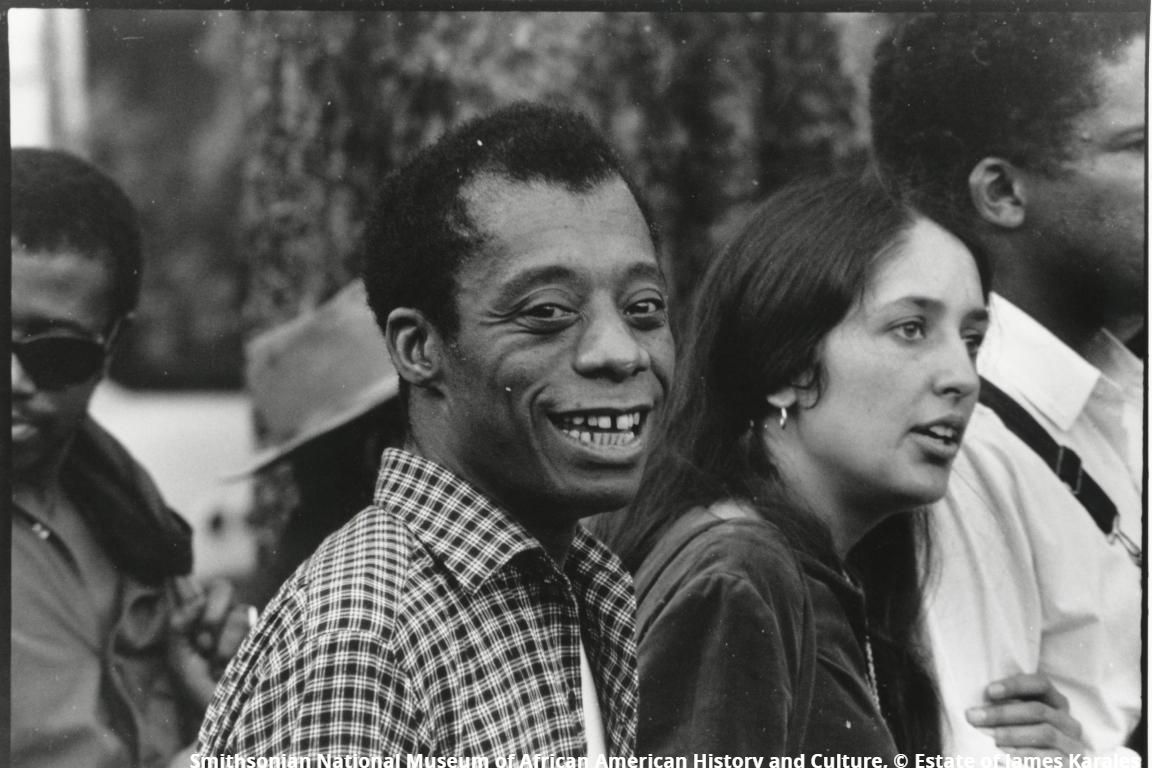
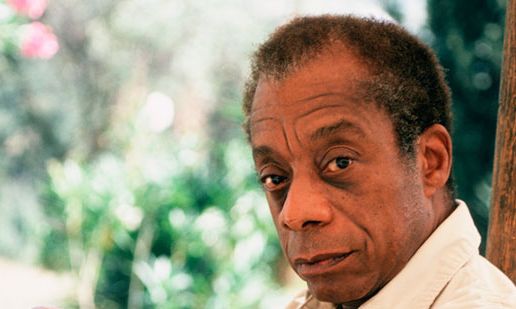
James Baldwin was a towering figure in American literature and a pivotal voice in the Civil Rights Movement. Born and raised in Harlem, New York, his experiences with racism and inequality deeply informed his writing.
Baldwin's prose was a potent blend of raw honesty, lyrical beauty, and unflinching social critique. His essays, novels, and plays delved deep into the heart of the African American experience, exposing the corrosive effects of racism and the yearning for human dignity.
Beyond his literary genius, Baldwin was a passionate advocate for civil rights. His writings and speeches challenged the nation's conscience, calling for racial justice and equality. "The Fire Next Time," a powerful and prophetic book, became a touchstone of the Civil Rights Movement, urging America to confront its racial demons.
Baldwin's courage to explore complex and taboo subjects, including homosexuality and the intersection of race and sexuality, was groundbreaking for his time. His work continues to inspire writers, activists, and readers worldwide, serving as a testament to the enduring power of the human spirit and the urgent need for social change.
James Baldwin's legacy is that of a fearless truth-teller who used his words as a weapon against injustice. His writings remain essential reading for understanding the complexities of race, identity, and the American experience.
Source: Smithsonian: National Museum of African American History, PBS: American Masters
|