|
As those of us in coastal Louisiana know, we are now entering the peak of hurricane season. This year is projected to be an unusually active one. This, coupled with the speed with which storms are intensifying, is reason for our residents to have a heightened focus on weather developments in the Atlantic Basin.
Tropical weather and cyclones are developing and intensifying at a much faster rate, going from minimal storms to major hurricanes in a matter of hours, as evidenced by the recent Hurricane Beryl. This year, Beryl grew from a Tropical Storm on the evening of June 28th; and undergoing a “rapid intensification cycle” developed into a Category 4 hurricane by June 30th. This rapid intensification cycle is becoming increasingly frequent and has serious implications for resilience and evacuations. Residents are now having to decide when and where to evacuate- if they can - in a much more condensed timeline. And while the forecasting tools and methodologies have improved, that fact remains that storms are getting stronger, more quickly than in the past.
This presents new challenges for emergency planners and responders. Traditional evacuations and contraflow are started within 72 hours of an anticipated landfall. This may no longer be adequate for a mass evacuation. Further, as storms become stronger, our transportation infrastructure becomes more vulnerable to damage. It also becomes longer to effectuate repair and ultimately costlier to recover.
Over the past several years, Regional Planning Commission staff has been working on efforts to improve the resilience of our surface transportation network through our planning efforts. RPC planning efforts now include consideration of resilience features on alternatives and developing “green” solutions where appropriate. In this vein, RPC will continue working to develop a broader plan for resilience in our region and will be seeking grant funding directly and/or assisting local entities in their applications for funding to address transportation resilience issues.
We are also working to secure funding for lowering CO2 emissions. RPC has secured EPA Climate Pollution Reduction Grant funds from the Environmental Protection Agency for our region, pursuant to the Inflation Reduction Act in 2023. We have accomplished the Preliminary Climate Action Plan (PCAP) and will be beginning the Comprehensive Climate Action Plan (CCAP) this fall. We have already seen success in this regard as the City of New Orleans has applied for and been awarded implementation funding for initiatives based on the PCAP.
In addition to our highway and transit planning programs, we will be continuing our efforts that support the implementation of the Infrastructure Investment and Jobs Act (IIJA). Working with our stakeholders and partners, RPC will continue to apply for planning grants, and assist with implementation grants that will ultimately make this region cleaner, safer, more resilient and economically competitive.
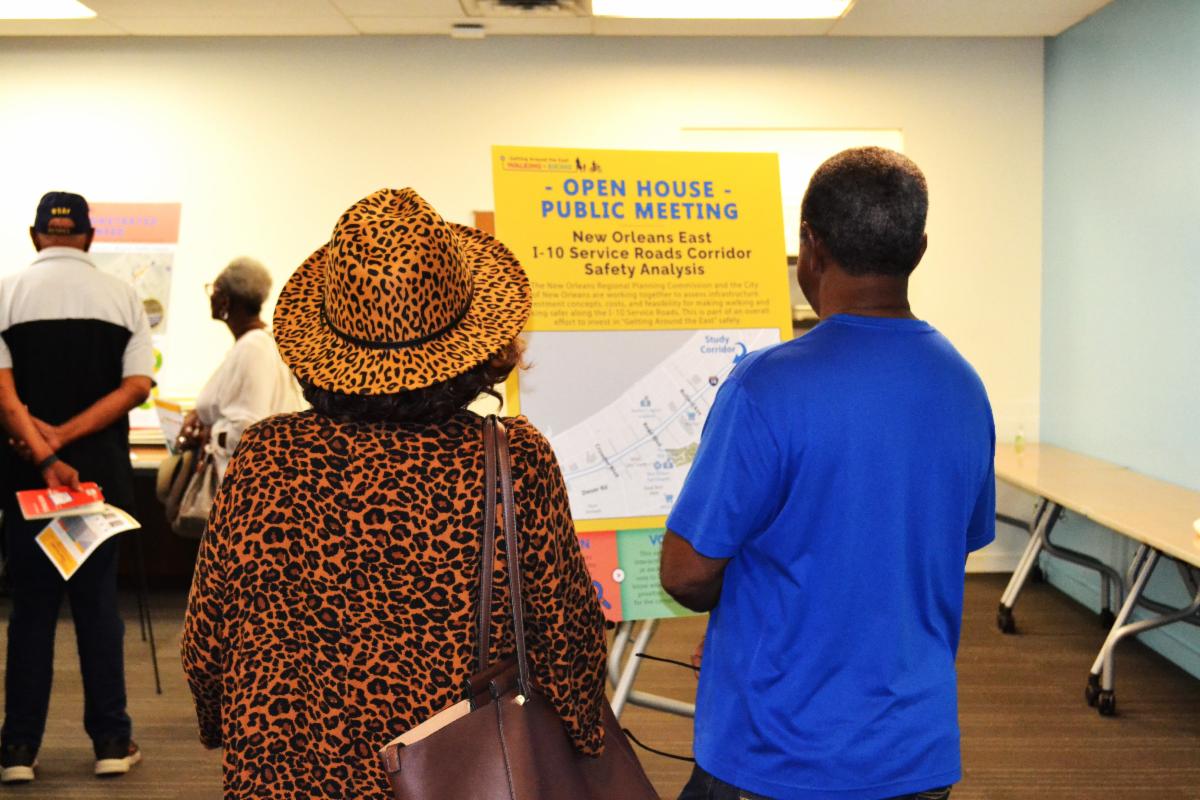
This has been accomplished in no small part by our dedicated staff that has undertaken extensive and targeted outreach to a myriad of stakeholders, local governments, non-profits, advocacy groups, economic development interests, and the public. That outreach has helped inform our understanding of the needs of both individual communities and, by identifying commonalities, plan for programmatic infrastructure investments and policies.
Consistent with congressional mandates, our aim is to develop specific planning products and outcomes that will lead directly and concisely to implementation. The overarching goal is to bring the policies promulgated in the plans to fruition as actionable projects based on data-driven analysis; the outcomes for which work to enhance the quality of life, economic vitality, and resilience of our region while being mindful of our responsibilities for social equity and the natural environment.
As always, we look forward to working with our Board members, in appreciation of their leadership, guidance, and service; our partner agencies at the local, state, and federal levels, and the residents of our region who makes us unique in America.
With Gratitude-
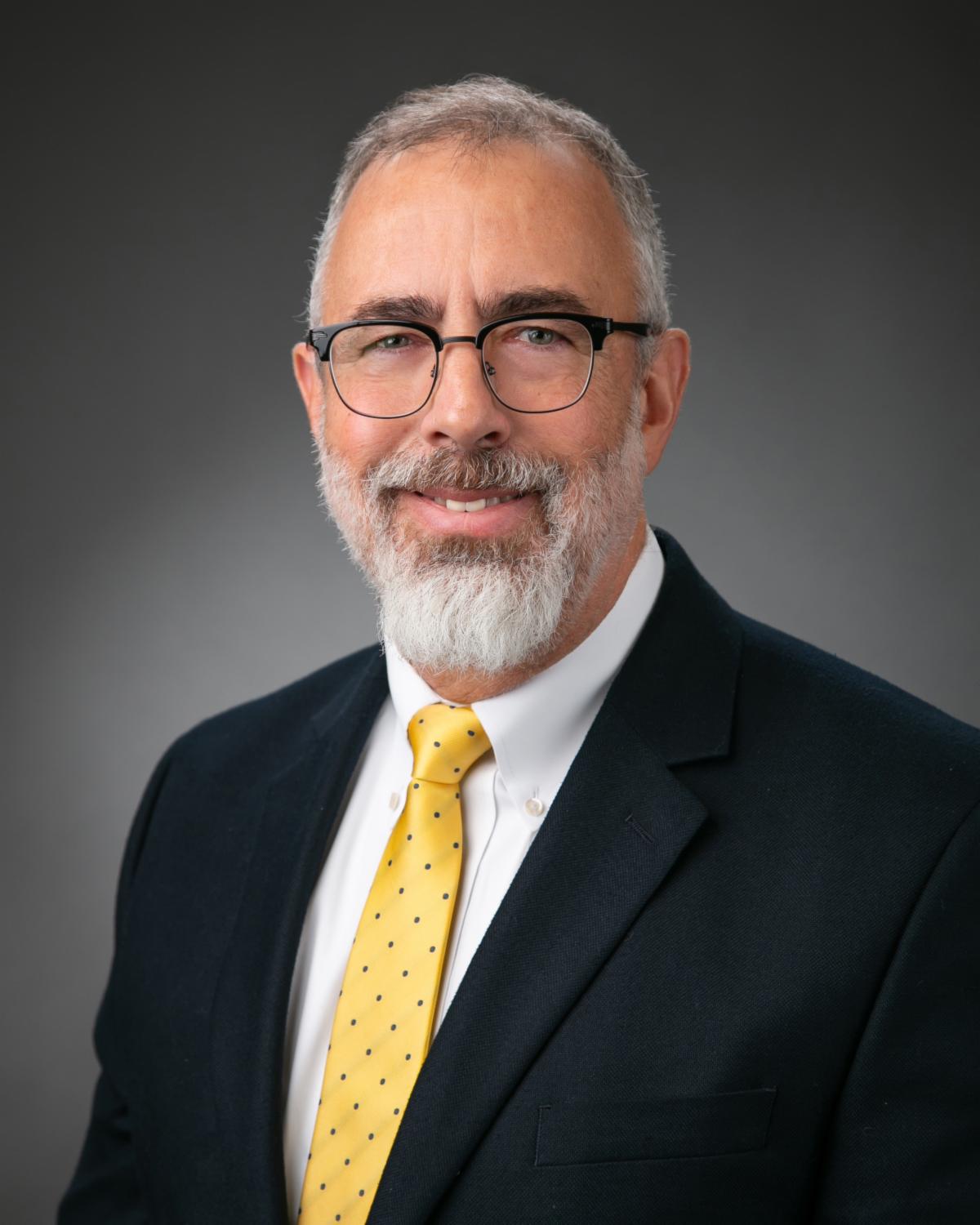
Jeff Roesel
|