Yet another reason to deprescribe atypical antipsychotics |
|
For many years, here at Red Rock Pharmacy, we have supported the rational deprescribing of atypical antipsychotics (such as Risperdal, Zyprexa, Abilify, Geodon, etc.) in the nursing home population.
Another justification for this approach was published last month in the British Medical Journal.
A study lasting 20 years and involving over 170,000 people showed that antipsychotic use, compared with non-use, in adults with dementia was associated with increased Hazard Ratio risks of:
Stroke: Up 3 times
Venous thromboembolism: Up 2 times
Myocardial Infarction: Up 2.3 times
Heart Failure: Up 2.8 times
Fracture: Up 2.2 times
Pneumonia: Up 10 times
The range of adverse outcomes was wider than previously highlighted in regulatory alerts, with the highest risks soon after initiation of treatment.
Your Red Rock Pharmacist will be pleased to share a full copy of the study article with you, or here is a link: Click Here
Shixian Wang
Director of Operations
|
|
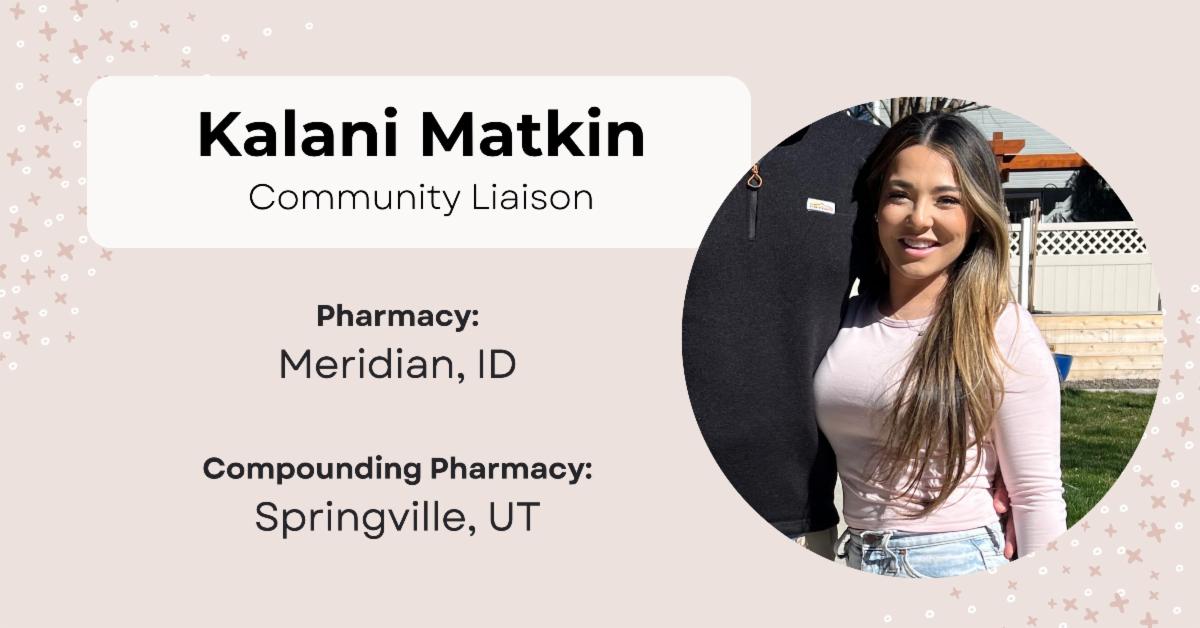
Kalani Matkin joined the Red Rock team in July 2023, bringing her enthusiasm and dedication to our Meridian, ID, and Springville, UT, locations. She chose Red Rock for its strong reputation and opportunities for growth.
At Red Rock, teamwork and support are paramount. Kalani appreciates the collaborative environment, where everyone works together to succeed. She thrives on building relationships in the community and making a positive impact.
Outside of work, Kalani enjoys boating, concerts, and hitting the gym. Her personal hero is her father, and if she had to pick one meal forever, it would be pizza. You can catch her singing country tunes at karaoke night.
With her commitment to excellence and passion for community engagement, Kalani embodies the values of Red Rock Pharmacy, inspiring us all to strive for greatness.
|
|
Editor’s Column: RSV outbreak and NH survey liability
In the year that the 2 Respiratory Syncytial Virus (RSV) vaccines have been available to adults 60 and over, it has been upto the Nursing Home Resident’s Physician/Mid-Level to decide whether or not to offer the vaccine to a specific resident. The conversation, either way, should be documented in the chart and the provider should use shared clinical decision-making to decide if the resident should receive a dose of RSV vaccine,
This offering /decision making process historically has NOT involved the NH staff.
Recently an exception to that policy has emerged:
If there is an active RSV outbreak a NH, then some State Surveyors want to see proof that the NH staff HAS proactively offered RSV vaccine to NH residents independently of whatever the Providers are doing. An order from the Provider/Medical Director is still required before the RSV vaccine can be given. Failure the NH staff to do so could result in a citation.
This is an evolving situation. Your Red Rock Pharmacist will keep you updated.
|
|
To get the best out of Ozempic
Though sometimes an overlooked footnote, trials for semaglutide (Ozempic) included Lifestyle Intervention for both the placebo and medication group.
To achieve the best results from taking Ozempic, include the six “Pillars of Lifestyle”:
• Eating a plant-forward diet
• Regular exercise
• Managing stress
• Avoiding substance use
• Maintaining strong social relationships with family and friends
|
|
Appeals process for beneficiaries covered by Medicare Advantage Plans has been improved |
|
McKnights recently reported that the Centers for Medicare & Medicaid Services has revised the appeals process for Medicare Advantage beneficiaries who have been denied coverage.
Beneficiaries no longer will be required to pay for the cost of their treatment if they do not appeal quickly enough, nor if their appeal fails. This is very good news for most beneficiaries covered by Medicare Advantage Plans.
The appeals will be handled by Quality Improvement Organizations rather than the Medicare Advantage plans who’ve traditionally managed the Appeals themselves. Over half of eligible beneficiaries - 30.8 million - are now enrolled in Medicare Advantage plans.
|
|
Proposed Nursing Home Workforce Act: Strengthening Care Through Support and Expansion |
|
The Nursing Home Workforce Support and Expansion Act proposes $1.6 billion in funding over four years to bolster nursing home care. This federal bill aims to enhance wages and benefits for long-term care workers while also attracting, recruiting, and retaining new talent in the industry.
Key provisions of the legislation include:
• Wage subsidies for post-acute and long-term care employees
• Student loan repayment or tuition assistance for eligible individuals in long-term
care roles or training
• Affordable and accessible childcare for eligible individuals
• Transportation assistance for eligible individuals
Supported by LeadingAge, SEIU, and the American Health Care Association/National Center for Assisted Living, the Nursing Home Workforce Support and Expansion Act seeks to fortify the long-term care workforce and improve the quality of care provided in nursing homes.
|
|
CMS Initiates Study on Sepsis Rates in Nursing Homes
The Centers for Medicare & Medicaid Services (CMS) is set to delve into sepsis rates in nursing homes, a leading cause of readmissions to hospitals among residents.
Additionally, CMS is collaborating with the Centers for Disease Control and Prevention (CDC) and the Sepsis Alliance to enhance education on optimal practices for sepsis prevention, recognition, and treatment.
Furthermore, the Health and Human Services Office of Inspector General (OIG) is anticipated to release audit findings this year concerning potentially avoidable hospitalizations of Medicare-eligible skilled nursing residents, including those requiring acute care for urinary tract infections (UTIs) and sepsis.
Previous OIG investigations have revealed that skilled nursing facilities often fail to provide UTI prevention and detection services as outlined in residents' care plans, thereby heightening the risk of infection and subsequent hospitalization.
|
|
Leqembi Part 1:
New Alzheimer's Treatment Projected to Cost Medicare
$3.5 Billion by 2026
Medicare has, for the first time, estimated that the new Alzheimer's treatment, Leqembi, could impose billions of dollars in costs on the program by the following year — a figure well beyond the projections of Wall Street or even the drug's manufacturer.
According to Medicare's actuaries, Leqembi, produced by the Japanese pharmaceutical company Eisai and marketed in collaboration with Biogen, is anticipated to incur approximately $550 million in costs for the traditional Medicare program in 2024. By 2025, the entire Medicare program is expected to bear the burden of $3.5 billion, as confirmed by a spokesperson for the Centers for Medicare and Medicaid Services. This projection indicates a significant surge in uptake over the next eighteen months.
|
|
Leqembi Part 2:
How Leqembi works
|
|
Source: Alzheimer's Society and Alzheimer's Research UK
- Amyloid is a protein found in our brains and bodies
- Amyloids start forming together to create clumps called fibrils
- These fibrils join together to become plaques which disrupt neuron function
- Leqembi contains antibodies that target amyloids as they begin to form fibrils
|
|
If you have any questions, ask your Red Rock Consultant Pharmacist |
|
|
|
|
|
|