|
Greetings!
Valentine's Day is around the corner and we have fun activities planned at Providence. Whether its making cards, munching on hershey's kisses or watching romantic comedies, its important to do something special for the seniors in our lives to make them feel loved and remembered.
We take the opportunity this month to talk about fall prevention. Unfortunately one-third of seniors fall every year, often with long-term adverse consequences. The tips below are easy to implement and can help reduce the risk of falling.

If you or someone you know needs senior care, we are available 24/7 at 415-359-9700 or at info@providencecare.com.
|
|
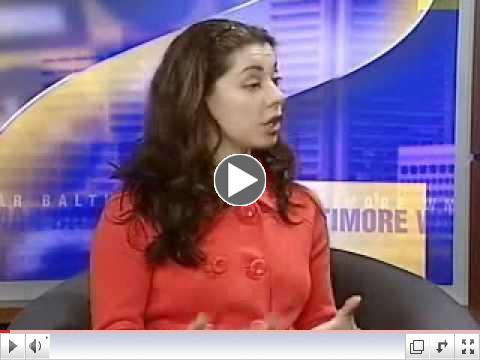
Preventing Falls in Seniors - 1/3 Falls Each Year
|
 Falls can happen anytime, anywhere...one in three adults over 65 falls each year and most never talk to their doctor about it. Two-thirds of those who fall will fall again within six months. According to the CDC, falls are the leading cause of injury death for people over 65. In 2010, 2.3 million nonfatal fall injuries were treated in emergency rooms. And the costs of treating falls is a whopping $30 Billion. Over 95% of hip fractures are caused by falls. One-fourth of those who fracture a hip die within six months of the injury. About 50 percent of the elderly who sustain a fall-related injury will be discharged to a nursing home rather than return home. So what can caregivers and loved ones do to help prevent falls? - We encourage caregivers to monitor any dizziness, drowsiness or loss of balance that a senior experience. Particularly if there has been a medication change as these conditions can be the result of medications. If you notice any of these symptoms, immediately speak to a doctor, who can adjust the medication plan to reduce the risk of falling.
- Family or professional caregivers are encouraged to take seniors to get their eyes checked regularly and make sure that they are wearing their glasses at all times. Poor vision can easily lead to falls so seeing an eye doctor at least once a year can help ensure proper visual aides are work to maximize vision.
- Reduce hazards in the home. Half of all falls occur in the home. Poor lighting, slippery floors, loose rugs and other simple to modify factors can be the culprit. Adding grab bars around the house, using nonslip mats, and removing any obstructions on the floor can all help reduce the risk of falling. Wearing shoes (not slippers) at all times will also reduce the likelihood of slipping.
- To the extent possible, we encourage seniors to maintain a regular exercise regimen so the the muscles working. Some exercises can be done sitting, but anything that improves balance and strengthens leg muscles is recommended. Yoga and tai chi are good exercises.
If you believe somebody is at high risk of falling and your circumstances allow it, a home caregiver can lower the risk by assisting and monitoring them throughout the day. If you or your loved one did experience a fall, it is important to speak to your doctor about it. This will help reduce the chances of any long term damage and may help prevent another fall in the future. Two-thirds of those who fall will fall again within six months. |
|
A recent report found that memory problems may relate to an inability to distinguish between objects that looked the same. For example, the buttons on a telephone pad are the same color and shape with only the numbers different, which may make it difficult for those with Alzheimer's to differentiate them.
"Not only does memory seem to be very closely linked to perception, but it's also likely that one affects the other," said Morgan Barense of the University of Toronto, another study author. "Alzheimer's patients may have trouble recognizing a loved one's face, not only because they can't remember it, but also because they aren't able to correctly perceive its distinct combination of features to begin with."
Read more here.
Path Is Found for the Spread of Alzheimer's
Alzheimer's disease seems to spread like an infection from brain cell to brain cell, two new studies in mice have found. But instead of viruses or bacteria, what is being spread is a distorted protein known as tau.
The new studies provide an answer. And they indicate it may be possible to bring Alzheimer's disease to an abrupt halt early on by preventing cell-to-cell transmission, perhaps with an antibody that blocks tau.
Read more here. |
|
|
Stay tuned each month as we connect you with the latest and best information to live a healthier life with more articles, news, lifestyle tips, and recipes you can use in your daily life.
Sincerely,
The Providence Family
|
|
|
| | |
Sampling of Providence February Activity Calendar:
|
|
Date
|
Event
| |
Daily @ 11.15am
|
Keep it Fit
| |
Mons @6pm
|
Puzzles
| |
Fridays @ 2.30pm
|
Bingo
| |
Sun, 10th@2:30
|
Chinese New Year: Music, Dragon Dance, Fortune Cookies
| |
Thur 14th
|
Valentine's Day Cake, Fashion Show, A Game of Candy Hearts
| |
Sun 24th@2:30
|
Happy Purim
|
Download the full
February Activities Calendar here.
|
 | | Elderly Care: Preventing Falls |
|
| | |
Do you have questions about the care for a loved one, or know someone in need of memory care services?
We are available 24/7 for a FREE consultation.
Phone: 415-359-9700
EmaiI: info@providencecare.com
Please email or call us today!
|
|
|