WINTER 2011 HEader
In This Issue
Making the Leap to Retirement
Technology for All Ages
puzzle
It's Puzzeling tag

Sudoku


Fill in the missing numbers so that every row, column, and quadrant contain numbers 1 through 9.


Soduku PUZZLE WINTER 2011


Senior Helpers Blog

Making the Leap to Retirement

Financial planning for retirement is regularly featured in newspaper and television ads and although critical, it is not the only thing for which couples should consider and plan for when thinking ahead to retire­ment. Once happy couples, while one or both was working outside the home, may become so unhappy when they retire that they actually divorce. Changes in their lifestyle can impose so much strain that couples find it easier to split up.
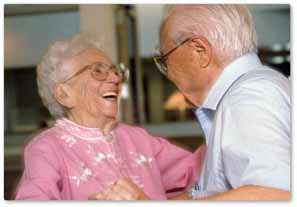
Dancing Couple WINTER 2011One very common situation that arises among retiring couples is differ­ent expectations about how to spend retirement; one may want to travel while the other is content at home reading and gardening. A 2004 study by the Center for Retirement Re­search at Boston College found that less than one in five couples retired in the same year. This leads to another common source of discord-when a partner who continues to work ex­pects the now-retired partner to pick up additional chores at home, but it does not happen.

Partners, who previously did not get involved in the other's daily routine, may make suggestions about how things should go, now that one of them has time on their hands. This can lead to frustration and often anger from the one who has been doing it all along for years without interference.

The reason for retirement, voluntary or involuntary, affects an individual, and may affect the partner as well, depending upon their level of em­pathy and understanding. The psy­chological and emotional effects of retirement, even when planned, can be surprising. After years of work­ing, one may find they feel useless, unproductive, and simply lost-especially if no hobbies or relation­ships outside of the workplace have been developed. Income may be negatively affected, which leads to its own set of concerns.

Finally, issues related to aging and failing health contribute to stress and strain, which can be exacer­bated if the healthier, more vibrant partner feels stuck taking care of the other person. Here are some tips to help avoid these types of problems and ensure the happy retirement couples envision.

Plan together

Communicate: Effective communi­cation is critical in all relationships and it is no different for couples who have been together for years. Retirement is a major milestone that requires planning, and plan­ning for two requires two-way com­munication. Couples should talk about their respective hopes and dreams and realize that each may have to give a bit to reach a happy medium. Consider who should retire first, if there is a choice. Look at the effects on income and ben­efits, particularly medical coverage. Consider the best time to collect Social Security benefits (e.g. do you need to begin claiming at age 62 or can you wait until you receive maxi­mum benefits at a later age).

Prepare for the Transition: Start talking well in advance to prepare for impending retirement. Consider how you might divide household responsibilities post-retirement, regardless of whether one or both are retiring at the same time, and reach an agreement. Try living on a reduced budget to see how that feels and what changes need to be made to your lifestyle. Check out the availability of part-time work in your current job to ease into retirement. Look for part-time jobs available in your geographic area. Volunteer opportunities can help fill time and afford the opportunity to engage in activities that help maintain your sense of purpose and accomplishment.

Plan for "Me" Time: Set boundar­ies to allow for private individual time. Many couples find that there is such a thing as too much togeth­erness. Making time for meeting with your own friends can help in the long run by ensuring that your entire social life isn't dependent only on your partner. When your partner passes on, you will be comforted by the support system you have established and maintained over the years.

Try New Things: Retirement offers a great opportunity to identify and explore both individual and couples activities. If you enjoy dancing, now might be the time to take dance lessons. If your budget is limited, look at free activities organized by your local community center, such as nature walks. Many seniors meet at their nearest mall for "mall walk­ing." There are free e-classes that can be taken online.

Preparing in advance and being open about expectations can ensure your retirement years are happy and fulfilling!

Additional Resources

www.couplesretirementpuzzleblog.com - Dorian Mintzer, M.S.W., Ph.D. and Roberta K. Taylor, RNCS, M.Ed., experts in adult development and life planning, have written The Couple's Retirement Puzzle: 10 Must-Have Conversations for Transitioning to the Second Half of Life, due in spring 2011. They also write about retirement issues on their blog at this site, which has helpful information, including a short quiz to help you determine if you and your partner are viewing retirement in the same way.

www.mynextphase.com - This membership site measures the seven personality traits which influence how you handle decisions and transitions. The process will actually adjust to your personality, so you can better plan a retirement that meets your individual needs.

www.retirementlifematters.com/relationships/couples-transition-into-retirement - Retirement Life Matters provides information and support compiled by a group of experts to help you successfully make the transition from paid work to what's next.

 
Recipe for Health tag
Recipe

Here is a "Heart Healthy" recipe good for Valentine's Day - or any other day. This delicious, healthy recipe has tons of flavor and is low in saturated fat. For a heartier meal, try adding chicken and grape tomatoes.


Whole-Wheat Pasta with Broccolini and Feta


Makes 4 servings

Ingredients

1 medium shallot, thinly sliced

1 bunch broccolini, stems cut into 2-inch stems, and florets

1 medium bunch radishes, trimmed and very thinly sliced

12 ounces whole-wheat rigatoni

1 tablespoon sherry wine vinegar

1/2 teaspoon grated orange zest

3/4 teaspoon kosher salt

Freshly ground black pepper

3 tablespoons extra-virgin olive oil

7 ounces feta cheese, crumbled


Cooking Instructions

1. Soak shallots in cold water (covered) for about 10 minutes; drain.

2. Bring a large pot of water to a boil. Add salt and the broccolini to the boiling water and cook until crisp-tender, about 2 to 3 minutes. Stir in the radish slices, and cook 30 seconds more. Use a slotted spoon or strainer to scoop out the vegetables and plunge them immediately into a bowl of ice water to cool. Remove once cool and pat dry.

3. Add the rigatoni to the same pot of boiling water, and cook for 8 to 9 minutes, stirring occasionally. Drain and set aside.

4. Whisk the sherry vinegar, orange zest, 3/4 teaspoon salt, and pepper to taste in a large serving bowl. Gradually whisk in the oil, starting with a few drops and then adding the rest in a steady stream, to make a dressing.

5. Toss the rigatoni, broccolini, radish, and shallot with the dressing. Add the feta cheese and toss lightly. Serve warm or room temperature.

 
Copyright 2005 Television Food Network, G.P. All rights reserved.

Technology for All Ages

Staying in touch through technology may be easier than you think

computerThe Internet enables users to engage in online shopping and communication with other family members and social groups and reduces isolation and loneli­ness. Web cams and video technology offer instant virtual communication environments within different areas of a house or in different cities.

Several free or low-cost technological tools, beyond cell phones and medical alert devices, can be especially helpful for seniors trying to stay in touch with family, friends, and caretakers. And loved ones can find some comfort in knowing that their elderly family members have tech­nology available to them. After checking out a few of these technological tools, you will soon become a "Silver Surfer!"

  • Skype™ (www.skype.com) is a software platform that enables free video and voice calls with other Skype users.
  • Presto™ (www.presto.com) is an affordable "printing mailbox" ser­vice that allows someone who does not have a computer to get set up with a Presto email address to receive emails and photos that get transformed into printable electronic letters.
  • www.genkvetch.com is described as "social networking for those who recall rotary phones and 45-rpm records."
  • For baby boomer women's health news and information visit www.thirdage.com (also described as being "For the Woman Who Wasn't Born Yesterday, and Makes the Most of Today!").
  • To "build your personal profile, share photos, publish a blog, join groups, subscribe to e-newsletters, connect with others, and more-all for free" go to www.aarp.org/onlinecommunity.
  • "For seasoned travelers of the '50s, '60s and '70s"go to www.my­boomerplace.com.
  • Facebook (www.facebook.com) is a popular social media site that enables you to stay in touch with friends, check out family members' pictures, and play word games.
  • FamiliLink (www.Famililink.com) is a website that enables seniors to stay in touch with their online family and friends.
            
 
Health-Facts-tagHealthFacts

Driving tips for seniors

  1. Take a driving refresher course designed for older drivers. A refresher course for drivers or a driving course targeted to older drivers is just the ticket to stay on top of new laws, new equip­ment, and new ways of thinking.
  2. Avoid driving in bad weather and when visibility is limited. Try to reschedule appointments or errands to times when weather conditions improve, or consider public transportation. Drive only during daylight hours if possible. However, bright sunshine can be equally dangerous. Wear sun­glasses to help reduce glare.
  3. Plan your route ahead of time. Travel on roads you know. Make a trial run on those you don't. Choose well-lit streets and those with clearly marked. Look for easy access to parking spaces and parking garages.
  4. Limit left hand turns. Senior drivers are more likely to be involved in left-turn crashes as they age. To help reduce this risk, make left turns only at controlled intersections with left turn arrows or re-route popular trips using only right turns.
  5. Explore alternatives to driving before the need arises. Identify transportation options in your area to be prepared to help you stay mobile and independent without missing a beat.
  6. Avoid busy highways. If inter­state highway travel is cause for alarm, take the road less traveled and those with which you are most familiar. Try to plan ap­pointments and errands at times when there is lighter traffic.
  7. Choose a "senior friendly" vehicle. Consider options that may help compensate for a loss of strength or vision such as power steering, power and anti-lock brakes, daytime running lights, and more. Adaptive equipment may be necessary, such as hand controls. Also, choose a light, single-tone paint color.

Source: www.GrandDriver.net, an educational resource provided by The Virginia Department for the Aging and the Virginia Department of Motor Vehicles.

            Tips

Corkboard WINTER 2011


newcontactContact Us
 
SH Logo


Senior Helpers of Central Texas
306 E. Main St. Suite 103, Round Rock, TX 78664

Phone: 512-388-4357  �  Fax: 512-597-3109  �  Email: fhayes@seniorhelpers.com
www.seniorhelpers.com/roundrock


Answer
It's Puzzling Answers:

Soduku Answer