|
Many Pre-K programs have increased the amount of teacher-led, academic instruction, and decreased the "expense" of play. According to an article by
Jenna Valasek in Teaching Young Children, this focus is due to the preparation for the state tests children will face in their future, but it conflicts with foundational considerations, principles, and guidelines of developmentally appropriate practice. It also goes against what educators know about the fact that play supports development and learning across the curriculum and helps them prepare for academic success.
The article demonstrates that play and content learning are not mutually exclusive. “When given time, space, responsive support, and materials to explore, children will seek opportunities that advance their critical-thinking skills, content knowledge, and active engagement in learning,” says Valasek. However, both self-directed and teacher-led instruction offer opportunities for content-rich learning. Valasek offers examples of why educators should use open-ended materials with “intentional teacher planning and scaffolding to engage children in active thinking, social interactions, and joyful learning across multiple content areas.”
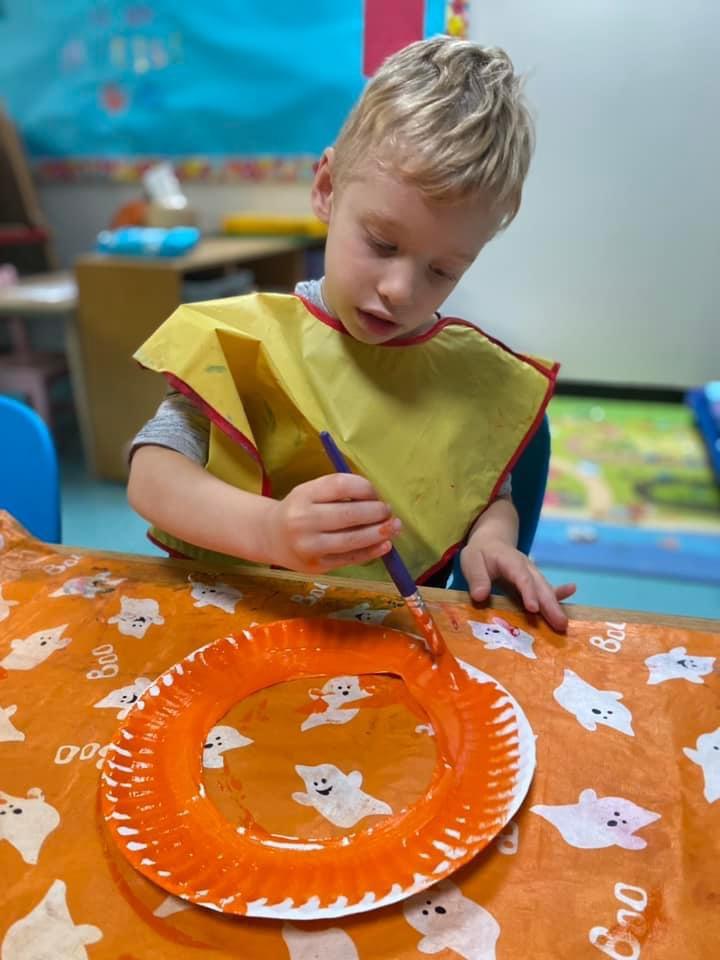
With painting and literacy lessons, educators can give children a variety of ways to express themselves. Instead of telling them what they can draw or paint, they might be invited to record events or tell factual stories as part of their play. Painting lessons lend themselves to many literacy skills. Children might use a paintbrush as a writing tool; play with the visual aspects of print through exploring color, lines, patterns, etc.; or practice letter-sound correspondence as they sound out titles.
When considering water and measurement, Valasek created a water table for her own students, and provided a variety of bottles, cups, and graduated cylinders. She believes that educators can create more meaningful experiences by focusing on specific content objectives and materials. The pieces of the water table and the components she provided prompted children to measure attributes of objects; classify and sort objects; and consider properties such as color, temperature, and pressure. These lessons help children integrate math, language, and physical exploration in new and interesting ways.
Valasek created a sand and signage station, as she knows that sand is an open-ended material with rich sensory and tactile properties. However, she took it a step further by introducing paper, tape, sticks and pencils to the area, which encouraged children to write and create narratives about what they observed. Because the children were prompted to engage in these types of activities repeatedly, they learned to use a combination of drawing, dictating, and writing.
Clay and repeated experiences help children “solve problems with materials, develop fine-motor skills, create representations of real shapes and objects, and verbally describe them. Because children can change what they do with their clay, it gives children the chance to improve their creations and designs. “As children become more confident in their abilities, their ideas come to life as they begin to replicate the objects and experiences in their lives,” says Valasek.
Play helps improve content learning when teachers are intentional about supporting, observing and documenting content-rich, playful environments. Nurturing children’s natural affinity for curious activities and playful moments leads to success as they grow older.
|