|
Either as individuals or as members of a group, we often encounter events, conversations, or actions that we do not fully understand. Indeed, some of these things can be so perplexing that we do not ever fully understand how such things happen. For example, how should we explain the fact that a cow eats green grass, and then that action can render yellow cheese or white milk? Also, why is it that at the grocery we purchase hot dogs in a package of ten franks and we purchase buns in a package of eight? Will we ever understand how, with only seven musical notes to use, great composers like Jean Sibelius, Wolfgang Amadeus Mozart, and Ludwig van Beethoven composed music enjoyed by many people for centuries?
Another curiosity is that no matter how many times answers and explanations are provided to some questions, there too often, remains a need to repeatedly provide both answers and explanations. Regrettably, such is the case regarding the question of the need for public libraries in communities. Therefore, once again in response to those who question the need and validity of the public library, a short answer is provided to answer the question.
So, what is so special about a public library and why do we need them?
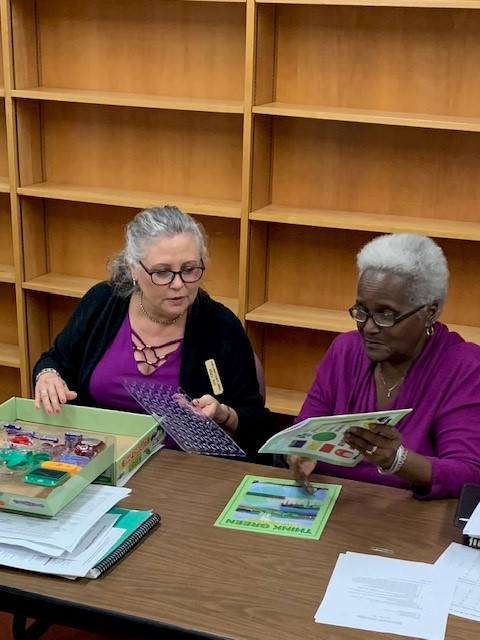
The answer is that the public library is based on the philosophy of service to all people. Public library facilities provide access to technology for everyone. Public libraries provide comfortable spaces to study, research, and be entertained. Most certainly, today’s public libraries are more than a collection of books. Libraries provide free usage of computers, large collections of eBooks that enable the broadening of the mind, and programming for all ages including children, young adults, and adults including seniors. Public libraries also provide unique resources that enable anyone’s ability to do research on topics as diverse as patent/trademark research and family genealogy investigations. Exposure to art, music, and other forms of expression is available at public libraries as well. Innovative technology is also made available in the form of maker-space collections including items ranging from the use of sewing machines to the creation of items using 3-D printers, digital labs, career centers, and business resources.
Public libraries also support the vulnerable members of all communities, including early learners and families, teens and seniors, new US citizens, and people who are experiencing mental illness, homelessness, or physical disabilities such as sight impairment as well as physical disabilities of the injured veterans of our armed forces. And, even when the library is closed, people can park outside to use the library’s free Wi-Fi service to read, conduct business, or update their social media accounts. This may seem trivial, but the local library is a crucial resource for people who cannot afford high-speed Internet access or live in rural areas with little or no Internet service available at any cost. Indeed, public libraries are welcoming to everyone providing a calm atmosphere where students can do their homework, where individuals can file their taxes, use telemedicine, and complete job applications while maintaining the public library user’s confidentiality and trust.
This short answer provides clarity regarding the need for public libraries in the community. Public libraries shall celebrate the service they provide April 23-29 this year on National Library Week. It will be a wonderful time for community residents to visit and rejoice that the public library is a main part of the spirit of the community. If a visit is not possible …… one could raise a glass in a toast, another person might offer a personal thought of thanks, and all others could provide applause. Public libraries are truly “special places,” and those two words really offer the total answer as to why we need them.
|