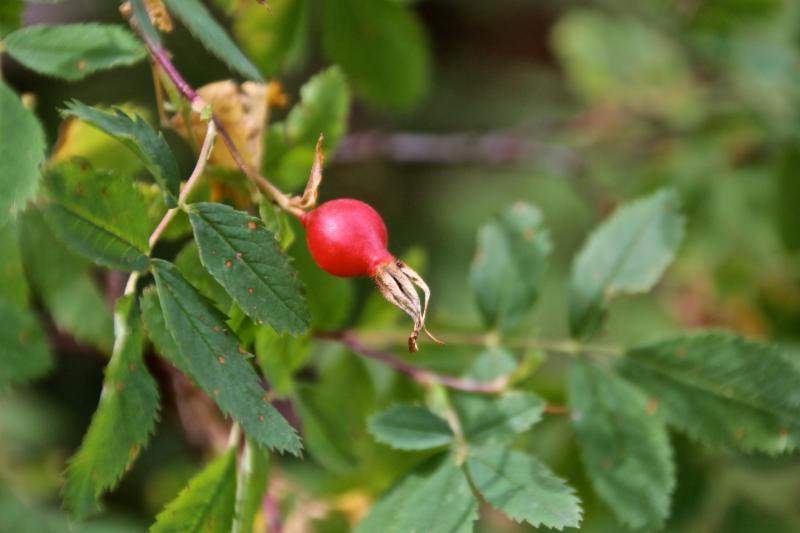
A Look at Rose Hips: The Fruit of the Rose A Look at Rose Hips: The Fruit of the Rose
by Jessica Shepherd
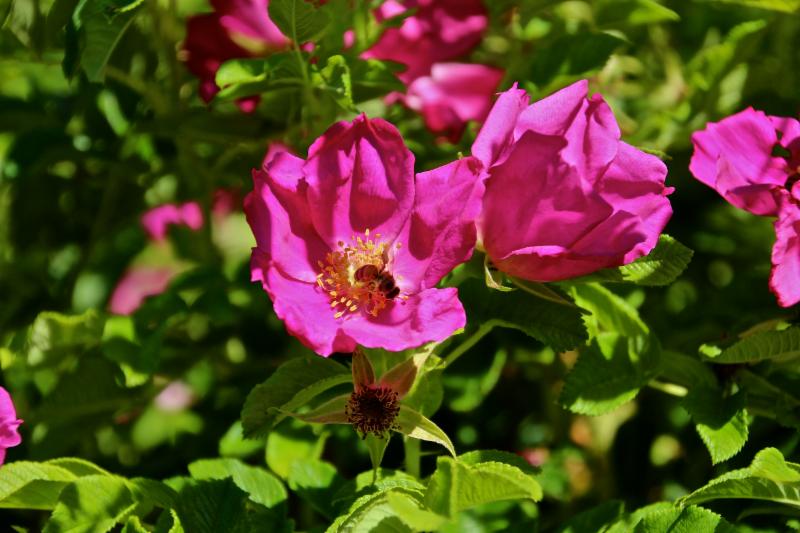
Flashback to springtime when a bee made its landing in the center of a beautiful wild rose flower. I
t heads down in as far as it can, and works away
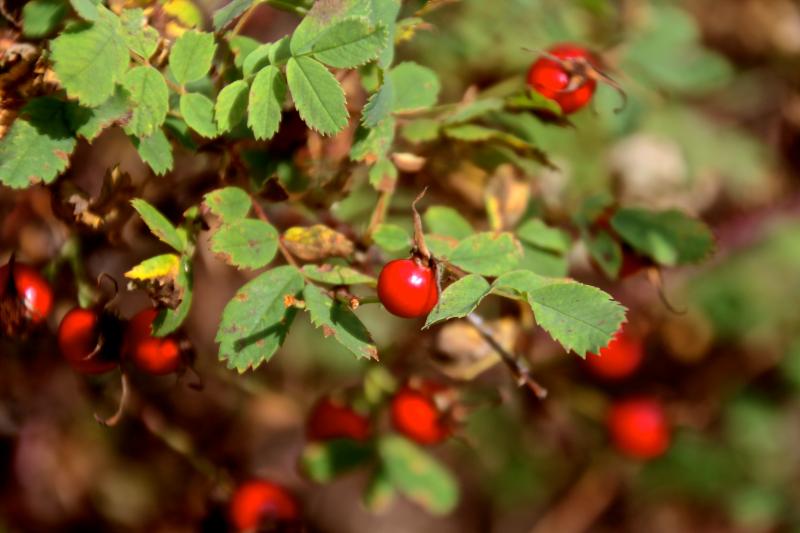
gathering the nectar of the rose. While drinking the sweet nectar, the bee's fur gets covered with pollen from the flower stamens and it also collects on its legs (known as its pollen basket). Then magic happens-- as it travels from flower to flower stopping for more nectar the pollen granules rub off onto the pistols where they continue on to fertilize the flower and get the deed done. Once pollinated the rose goes on to drop its flowers and soon to form will be its beautiful scarlet red fruit known as the rose hip, rose hep, or rose haw.
Collecting and Processing
All species of rose are edible-as long as they haven't been sprayed with pesticides.
Popular species
for rose hips
include the coastal Nootka rose (R. nutkana), prickly rose (R. acicularis); California wild rose
(R. californica), Dog Rose (R. canina) and Rosa rugosa.
Wild
varieties are proven to have a significantly higher vitamin content but heirloom varieties of roses can be used as well, with no doubt that rose hips of
any kind still outshine oranges for vitamin C.
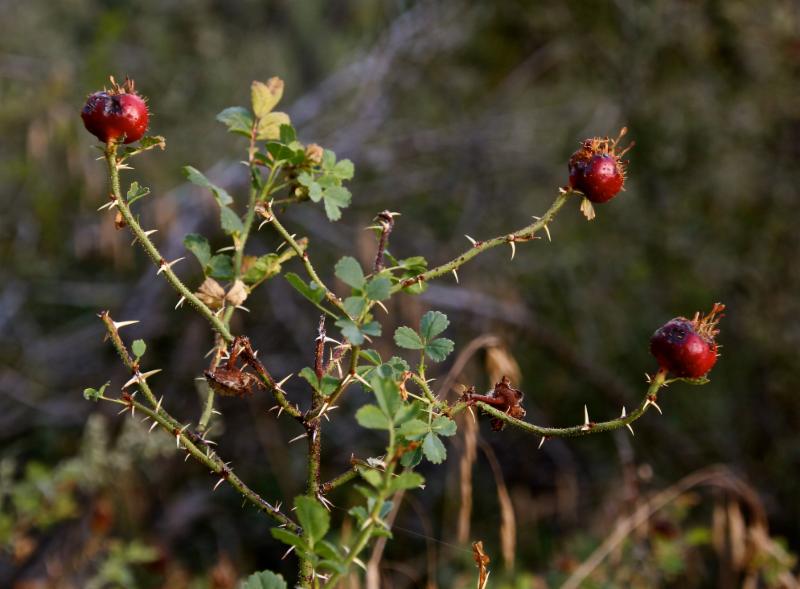
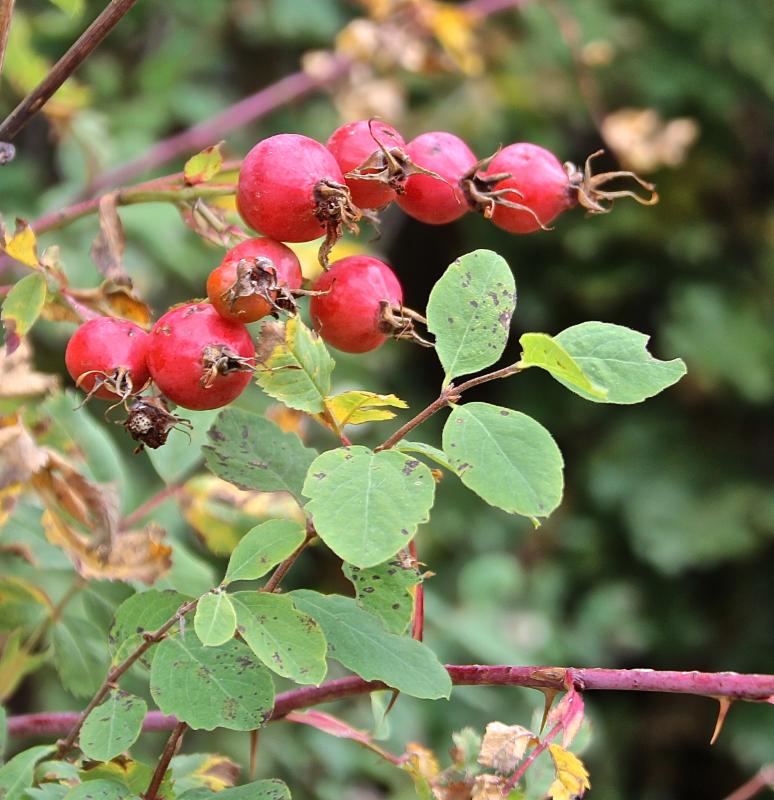
The hips ripen from green to orange into varying shades of red to plum depending on the variety, and can come in sizes ranging from pea to grape--some look like tiny cherry tomatoes
.
Ripe rose hips taste sweet, tangy and fruity with just a hint of rose petal.
If you munch on them as you forage, be sure to nibble on the outside-- avoiding the hairy seeds inside the fruit since they can irritate the throat and skin. Interestingly enough one of its traditional uses is for quelling cough and itchy sore throats-while ts hairs were used to make the original itching powder--a classic example of a medicine that can cause what it cures.
Most agree that rose hips are ripe to harvest once they reach their mature red shade, and are slightly soft, but not wrinkly
. For some colder climates its recommended to harvest after the first frost--a time the rose hips are considered to reach peak sweetness, however if your in a more temperate rainy zone pick before heavy autumn rains as they can quickly get brown spots and rot. Wear gloves if you wish--some say their skin does get irritated from the hairs after handling lots of rose hips.
Pick the hips remove the brown sepals and if you choose you can scrub any hairs off the outside with a vegetable brush. Halve the hips, scrape out the tiny seeds and the hairs, and use the rose hip skins fresh or dry in your herbal cooking. Consider dehydrating them whole, or even fresh freezing them for later use.
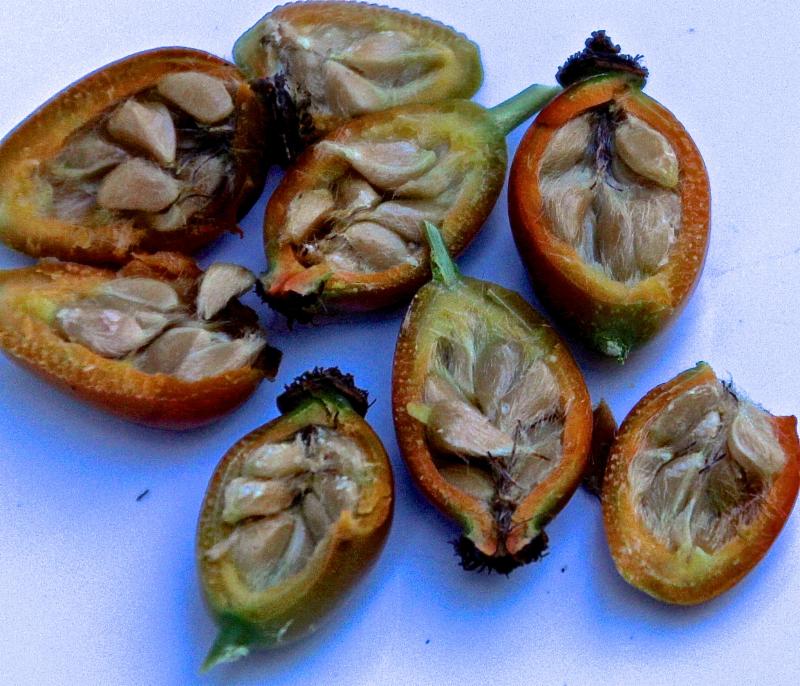 As the rose hip grows, a tangy rind surrounds a core of white seeds and minute hairs.
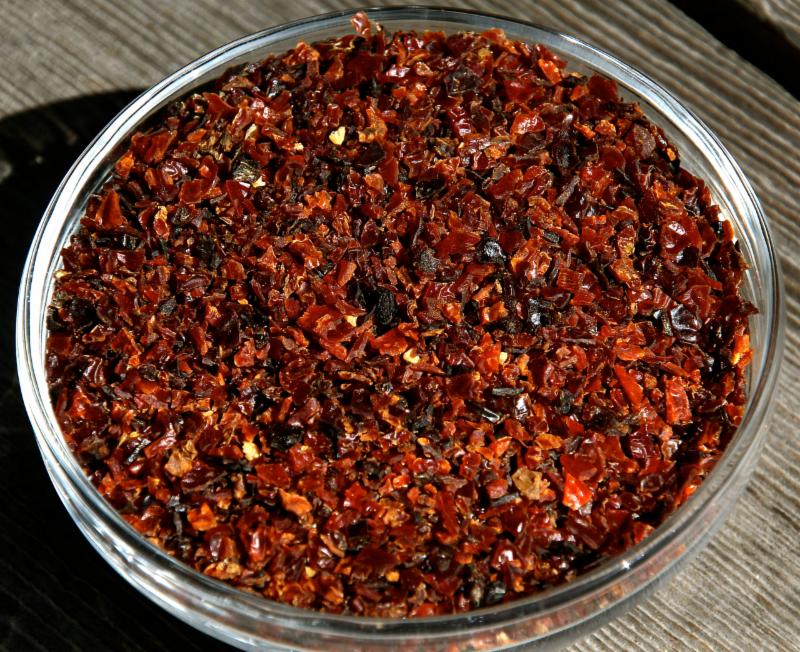
If you have ever picked and de-seeded rose hips then you can appreciate the effort it takes! Hence you may delight in the ease of purchasing
dried seedless rose hips
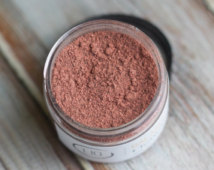
or even rose hip powder at your favorite specialty herb shop. This option is perfect for anyone whom may not have access to fresh wild rose bushes or a garden. Both fresh or dried rose hips have many nutritive and medicinal offerings being versatile in tea blends, cuisine, and can even enhance your natural skin care formulas!
As the rose hip grows, a tangy rind surrounds a core of white seeds and minute hairs.
If you have ever picked and de-seeded rose hips then you can appreciate the effort it takes! Hence you may delight in the ease of purchasing
dried seedless rose hips
or even rose hip powder at your favorite specialty herb shop. This option is perfect for anyone whom may not have access to fresh wild rose bushes or a garden. Both fresh or dried rose hips have many nutritive and medicinal offerings being versatile in tea blends, cuisine, and can even enhance your natural skin care formulas!
Get Hip to the Medicine of Rose Hips
Most of us associate rose hips with the disease fighting antioxidant Vitamin C, and rightly so as rose hips contain one to two percent of vitamin C, by dry weight. Having a much higher content than citrus fruits rose hips can be considered one of the richest plant sources of the vitamin. It has been reputed for use in preventing and relieving symptoms of the common cold quelling scratchy throats, cough, and runny nose. Rose hips are considered safe and gentle for kids whom usually like their flavor.
Another important role the Vitamin C plays is as a needed antioxidant cofactor for an enzyme that makes a special amino acid (4-hydroxyproline) in collagen strands. This function enables collagen fibers to link together to form stong rope-like structures. If vitamin C becomes significantly deficient, the collagen becomes less stable and can cause symptoms like loosening of the teeth, bleeding gums, and pain and swelling in the joints.
 In addition to its wealth of vitamin C rose hips also contain generous amounts of vitamins and minerals including A, K, B complex, iron, calcium, magnesium, selenium, and phosphorous to name a few.
And as with most "super-fruits" when it comes to antioxidants, rose hips deliver with high contents of bioflavonoids like rutin, that strengthens our heart and blood vessels and prevents degeneration of tissue, and carotenes including lycopene that have been linked to cancer prevention. The polyphenols and anthocyanins along with Vitamin C greatly contribute to rose hips anti-inflammatory actions on the joints which can be of support to those suffering with arthritis and osteoarthritis. Its diuretic properties also support the kidneys and urinary tract duiring infection and can aid with elimination of excess wastes from the body. Rose hips also help tone the veins, support circulation, and are beneficial to the cardiovascular system.
In addition to its wealth of vitamin C rose hips also contain generous amounts of vitamins and minerals including A, K, B complex, iron, calcium, magnesium, selenium, and phosphorous to name a few.
And as with most "super-fruits" when it comes to antioxidants, rose hips deliver with high contents of bioflavonoids like rutin, that strengthens our heart and blood vessels and prevents degeneration of tissue, and carotenes including lycopene that have been linked to cancer prevention. The polyphenols and anthocyanins along with Vitamin C greatly contribute to rose hips anti-inflammatory actions on the joints which can be of support to those suffering with arthritis and osteoarthritis. Its diuretic properties also support the kidneys and urinary tract duiring infection and can aid with elimination of excess wastes from the body. Rose hips also help tone the veins, support circulation, and are beneficial to the cardiovascular system.
The abundance of antioxidants in rose hips offer not only tonic support for vibrant health buy healing support towards digestive health too. The anti-inflammatory flavonoids in rose hips can actually help to protect the gastrointestinal mucous membrane from inflammation. In her book The Herbal Kitchen, Kami McBride refers to the restorative and soothing properties of rose hips as
"
a relieving balm for the chronic digestive illnesses that burden our society." Rose hips also have a mild carminative action and can aid in the absorption of nutrients while its naturally occurring pectin also benefits gut health. Rose hips are said to have a very mild laxative effect.
Rose hips to the Rescue! 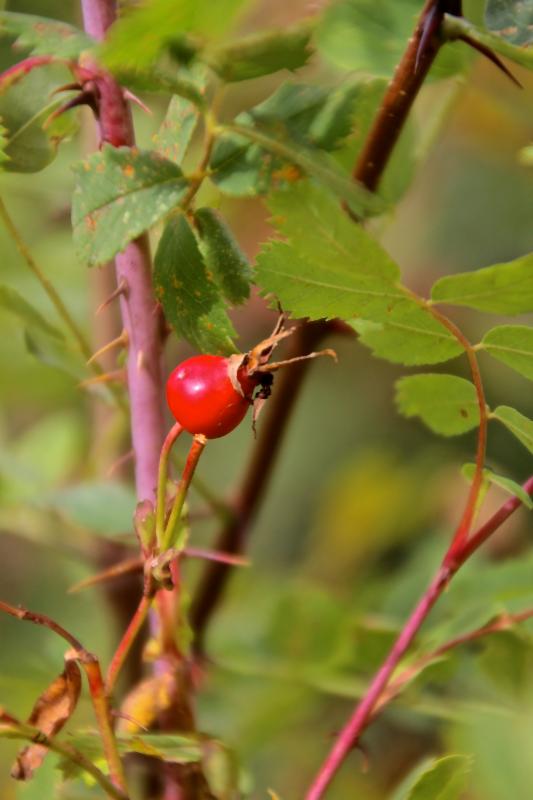
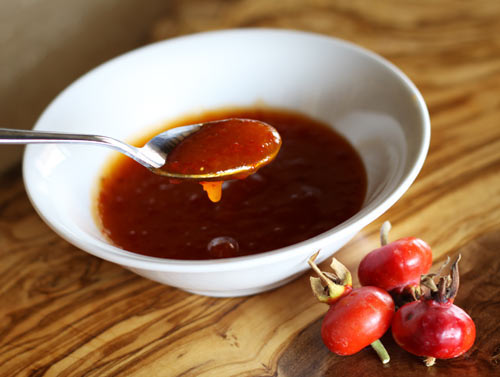
Rose hips nutritional value and vitamin C content gained them quite the reputation and were highly valued--especially during the Second World War in Britain. During that time people were actually encouraged through letters to The Times newspaper, articles in the British Medical Journal, and pamphlets produced by Claire Loewenfeld, an herbalist and nutritionist working for a children's hospital, to gather wild-grown rose hips to make a vitamin C syrup for children. The syrup was used as a nutritional aid and for treatment of scurvy. With citrus imports becoming extremely limited, at that time they were almost impossible to obtain. So they turned to rose hips and were fortunate to have the nutritive support they needed growing right in their countryside. It was reported that by 1945 amounts in the range of 450-500 tons or so of rose hips were being gathered each autumn to make into syrup. The syrup was rationed by the Ministry of Health to mothers for their children throughout the war years and for sometime thereafter. If your interested in the original recipe for rose hip syrup check it out here.
Rose hips for Radiant Skin 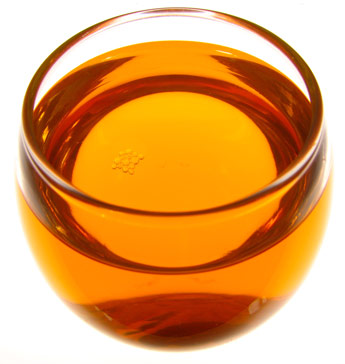
The seed of the rose hip is a treasure trove of skin food and is entitled to its fame for use in regenerative skin care. The tiny, hairy seeds of the rose hip are expeller-
pressed
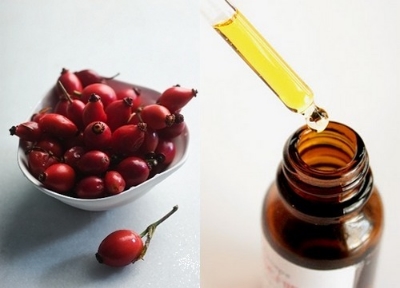
yielding a delicate golden-red oil. The extraction process is complex and involves drying, de-hipping, and the removal of irritant hairs, followed by pressing. Then it goes through an intricate process known as winterization where heavy waxes are removed through refrigeration allowing for the rose hip seed oil to be more workable and user friendly. Rose hip seed oil is touted for its skin loving benefits and rich content of essential fatty acids, and to no surprise--Vitamin C, a key repairing ingredient, that is responsible for the production of Collagen and Beta Carotene. Rose hip seed oil is also believed to contain the precursor to Vitamin A, known as Trans-Retinoid Acid--a potent antioxidant, that offers protection to the skin from damage done by oxidation while also encouraging cellular regeneration.
Rose hip seed oil is non-greasy and is easily absorbed by the skin. It is especially moisturizing to dry, scaly skin and is an all-star at balancing skin tone and can be used for hyper-pigmented skin, age spots, sun damaged skin and works to improve overall texture of the skin. The Fatty acids in rose hip seed oil help to keep the skin plump and moist, preventing it from drying out. Rose hip seed oil is a wonderful tissue regenerator and has an effect on the skin to minimize premature ageing and wrinkles as well as reducing scar tissue, even keloid scars. It has also been shown to be helpful for healing wounds, burns, and eczema. The high content of Linoleic Acid and Linolenic Acid contribute to its anti-inflammatory properties making rose hip seed oil helpful for soothing sensitive, inflamed skin.
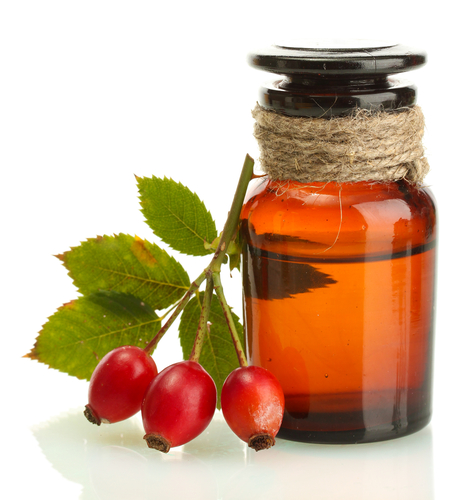 Rose hip seed oil can be applied directly to the skin with no need for dilution. Not only is it fabulous on its own but it can enhance most any skin care formula. *Please note, rose hip seed oil has a relatively short shelf life due its high content of polyunsaturated Fatty Acids. It is best if the oil is kept refrigerated and should be used within at least 6 months of purchase. Beware of purchasing rancid oil which will usually have a distinct unpleasant odor. Rosehip seeds only yield a scant 3% oil, the yield of oil can be increased if the seeds are extracted with chemical solvents, so it's important to always use the cold-pressed organic oil. Rose hip seed oil can be applied directly to the skin with no need for dilution. Not only is it fabulous on its own but it can enhance most any skin care formula. *Please note, rose hip seed oil has a relatively short shelf life due its high content of polyunsaturated Fatty Acids. It is best if the oil is kept refrigerated and should be used within at least 6 months of purchase. Beware of purchasing rancid oil which will usually have a distinct unpleasant odor. Rosehip seeds only yield a scant 3% oil, the yield of oil can be increased if the seeds are extracted with chemical solvents, so it's important to always use the cold-pressed organic oil.
Hip Hip Hooray for Rose hip Recipes!
Rosehip Tea
Simple and delicious. To make: Use 2 teaspoons of dried cut and sifted rosehips or 6 fresh rosehips to 1 cup of water. Bring to a boil remove from heat and let steep for 15-20 minutes. Strain and enjoy for vibrant health benefits. Rosehips can easily be incorporated into so many tea blends--try mixing them in with Peppermint for a tummy soothing tea, or elderberries and ginger for a cold zapping brew. They are also great in your chai and mulling spice blends!
Rosehip Jam
This jam is incredibly easy to make and oh so delicious! Many herb students have had thier beloved teacher's pass down to them this simple process and thanks goes out to all of them! Cheers to keeping herbal traditions alive!
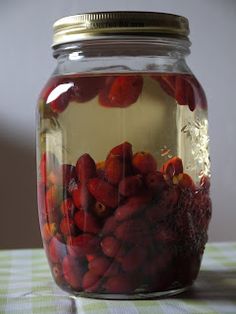
How to make: Simply fill your desired sized mason jar ¾ of the way with dried cut and sifted rose hips, then cover with apple juice to fill the jar. Seal jar and refrigerate over night and viola' come morning your jam is ready. If desired after its soaked overnight you can put it through the blender or food processor for a smoother texture. You also have the option to dazzle up your jam by mixing in a dash of your favorite spice blend or a tad of vanilla extract. Try it spread on toast, dolloped in your oatmeal, or simply enjoy it by the spoonful!
Cranberry Rosehip Relish
by Elis Khron
1 12oz. bag of cranberries
1 cup fresh rosehips or 1/2 cup of dried rosehips (cleaned, seeds removed)
The juice of 1 orange
Honey, agave nectar or sugar added to desired sweetness
In a medium-sized pan gently heat cranberries, rosehips and orange juice until the cranberries and rosehips are soft and cooked. Add honey or other sweetener to taste. You will be surprised at how much you need to add to counteract the bitterness and tartness of the cranberry. Let the relish cool before serving it and keep refrigerated for up to several weeks.
Red Sprinkle--Culinary Antioxidant Blend
by Kami McBride 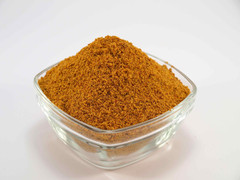
Enjoy this sprinkle on rice or grains, egg dishes, even soups and stews. Try also as an addition to your green drinks and smoothies. Packed with antioxidants, vitamin C and cardiovascular tonic properties.
2 TBSP. powdered rose hips
2 TBSP. powdered hawthorn berry
1 TBSP. powdered red rose petals
1 TBSP. powdered orange peel
dash of powdered clove
Mix together ingredients and store in a glass spice container.
Heart Tonic Honey by Kami McBride
Drizzle in your oats, enjoy on toast, fruit or yoghurt, or simply enjoy by the spoonful.
1 cup honey
2 tablespoons powdered hawthorn berry
1 tablespoon powdered rose hips
1 teaspoon powdered cinnamon
½ teaspoon powdered ginger
Put honey into a sterilized jar. Put the jar into a double boiler over low heat. Gently heat for fifteen minutes, or until its warm. Do not over boil or overheat the honey your just warming it up until the herbs can easily be mixed in. Stir the herbs into the honey while it is still warm. Remove the jar of honey from the double boiler and let cool. Store the honey in a cabinet for two weeks before eating, occasionally stirring the contents mixing herbs thoroughly into the honey. Leave the herbs in the honey as you use it, there is no need to strain the herbs out at any point.
Rose City Harissa
by Jennifer Hahn
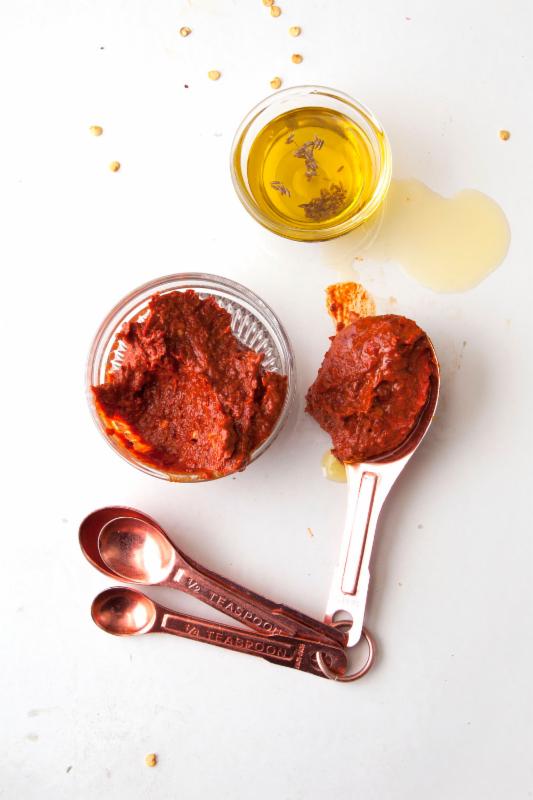
Use this delectable harissa to flavor savory dishes, use as a rub on poultry or fish, add to dressings vinaigrettes, oils, and salads.
- 3 ounces dried hot red chili peppers
- 5 peeled whole garlic cloves
- 1 ripe tomato
- 1 teaspoon ground rose hips (cut and sifted, or deseeded with hairs removed) or powder
- 11/2 teaspoons ground caraway
- 11/2 teaspoons ground coriander
- 1 teaspoon sea salt
- Fruity extra virgin olive oil
To make the harissa soak the chili peppers in hot water until soft and drain. Combine the peppers, garlic, tomato, rose hips, caraway, coriander and salt in a food processor and pulse, adding just enough olive oil little by little to make a paste. Place in a sterile glass jar and cover with more olive oil. Refrigerate paste until ready to use. It can keep for weeks, and harissa only gets better if allowed to mellow and ripen for one week before using. Use this delectable harissa to flavor savory dishes, use as a rub on poultry or fish, add to dressings vinaigrettes, oils, and salads.
Rosehip Vinegar
Put 20-30 fresh whole rose hips, or 2 oz. dried, in a pint jar or flask and cover with apple cider vinegar. If you want to speed up the process slit the skins of the hips with a sharp knife before putting into the vinegar. Leave in a sunny windowsill for 3-4 weeks, then strain and bottle.
Uses of this vinegar include: for sore throats by mixing a tablespoon with warm water, gargle, and then swallow. For colds, make a quick drink using a tablespoon of rosehip vinegar in a mug of hot water sweetened to taste with honey; or use in salad dressings. If you make Fire Cider add some rose hips to your blends!!!
Rosehip Soup
by Jessica Morgan
Nyponsoppa or rose hip soup is an everyday classic among Swedish desserts. This sweet tart soup can be served chilled or warm with ice cream. Here is a version using dried rose-hips and if you'd prefer a recipe that uses fresh rose click here.
*
2 cups (1/2 lb.) crushed dried rose hips
*
2 quarts of water
*
1/2 cup honey (or to taste) or sugar
*
1/2 of a vanilla bean, split and scraped and then tossed in
*
2 Tablespoons fresh squeezed lemon or orange juice
*
1 1/2 Tablespoon potato starch, cornstarch, arrowroot or tapioca granules
*
Whipped cream, sour cream or yogurt, optional
To Prepare:
In a saucepan bring the water and rose hips to a boil, then reduce heat, and let simmer covered for about 30-45 min. Thin down with extra water if needed. You can press the hips through a colander or blend with a food processor (for a thicker consistency). If straining, save the rose hip mush for a sweet bread recipe or compost etc.
Next, pour liquid back into saucepan and add juice, vanilla bean, and honey, bring back to a simmer. Mix the starch or tapioca in enough cold water to moisten it, and stir it in. Cook till the soup thickens slightly and clears. You can serve this warm or chilled either as an appetizer or a dessert garnished with sour cream, yogurt or whipped cream. You can also add all kinds of yummy toppings such as baked almonds slivers, granola, orange zest, chocolate shavings, cinnamon sprinkles, etc.
*To make rose hip pudding instead just increase starch or tapioca to 5-6 tablespoons. After it has thickened pour the pudding into individual dishes or into a serving dish to cool. The flavor is simply delicious and very fruity.
Rose Hip Truffles
from greenkitchenstories.com
(
Makes around 15-20)
- 100 g raw cashew nuts
- 100 g dried unsulphured apricots
- 4 tbsp ground rose hip powder
- 2 tbsp extra virgin coconut oil, room temperature
- 1 tsp ground ginger
- 1/2 tsp vanilla extract or ground vanilla bean powder
- 1/2 tsp ground cayenne
- 1 tsp ground cinnamon
- Rolling mixture
- 1 tbsp cacao powder
- 1 tbsp rose hip powder
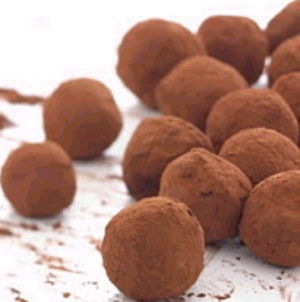
Start by mixing the nuts in a food processor until finely chopped (be careful nut to run them to long). Then add the rest of the ingredients and pulse for about 1 minute or until it forms up like a ball. Remove the knife blades from the food processor. Place the mixture in the fridge for about 10 minutes. Then form 15 - 20 small round truffles with your hands; they should be half the size of a golf ball. Roll the truffles in the rolling mixture and place in the fridge for 20 minutes before serving. Yum. Box em' up with a sweet tag for fabulous gifts!
Rose hip Vodka
by Natalie Bovis
Who doesn't enjoy an occasional medicinal cocktail? This infused vodka has many possibilities and also makes a great gift with an attached cocktail recipe.
You'll need:
20 dried rosehips (1/4 cup if using cut and sifted)
750ml bottle of organic Vodka
Add the dried rose hips into the bottle of vodka. Let it sit for at least 5-7 days or to your taste preference, shaking each day. Then strain and return vodka to its bottle for use in all sorts of interesting cocktail creations.
If your feelin' fancy you could then whip up this:
~Eldersour Cocktail~
This cocktail has a strong floral influence but also a tart silkiness from the fresh citrus juice and egg white making it both elegant and accessible to any cocktail lover.
1 1/2 ounces Rose hip infused organic vodka
1 ounce St. Germain Elderflower Liqueur
1 bar spoon of powdered sugar
1 organic, free-range egg white
½ ounce freshly squeezed lime juice
½ ounce freshly squeezed lemon juice
Place the following ingredients in a mixing glass and dry shake for 20 seconds. Then fill with ice and shake for an additional 20 seconds. Strain into a cocktail glass. Garnish with a few drops of citrus bitters.
Rose hip Recipes for Skin Care
Rose hip Rejuvenating Facial Mask
1 teaspoon rose hip powder
½ teaspoon of French white or green clay
1-2 teaspoons of honey
Mix all ingredients in small clean bowl to desired consistency and apply a light layer to the face, allowing for it to work its magic on your skin for 10-15 minutes, then gently rinse off and pat dry.
Wild Fruit and Flowers Facial Scrub
1 Tablespoon of rosehip powder
1 tablespoon of Lavender flower, ground
1 tablespoon of Elder Flowers, ground
2 tablespoons of ground oats
½ teaspoon of poppy seeds (optional)
2-3 teaspoons of French green or white clay
Mix all ingredients and store in a clean airtight glass jar. Take a tiny spoonful and mix with water or rose hydrosol and gently scrub the face using small circular motions. Rinse with warm water and pat dry.
Radiant Skin~Rosehip Facial Serum
Perfect for the face as the essential oils are used in a low dilution, and is suitable for aall complexion types.
1 ounce rose hip seed oil
1 ounce macadamia nut oil
5 drops rose geranium essential oil
3 drops of lavender essential oil
15 drops Vitamin E oil
Using a clean amber bottle add your drops of essential oil then pour in measured amounts of rose hip, macadamia nut oils, and vitamin E. Put cap on and shake well to mix. Apply a light amount to face as desired. Store in a cool, dark location.
Super-fruit Atioxidant Facial Serum
1 teaspoon Rose hip seed oil
1 teaspoon Red Raspberry seed oil or Pomegranate seed oil
1 teaspoon Jojoba
2 drops Neroli blossom essential oil
1 drop Rose Otto essential oil
5 drops of Vitamin E oil
Add essential oils by the drop to a clean ½ ounce amber or cobalt bottle. Add the specialty oils of rosehip, raspberry, jojoba oil and the vitamin E. Screw cap on and shake well to mix-label with contents and date. Apply a light amount to face as desired.
Best if stored in a cool dark location.
Sources Cited
Pacific Feast by Jennifer Hahn
Kami McBride book
The Herbal Kitchen
Backyard Medicine by Julie Brunton and Matthew Seal
Edible Cocktails by Natalie Bovis
About the Author: Jessica Shepherd has been studying the healing arts and working with plant medicine since 2000. She's a graduate of the Dandelion Herbal Center, and is an Aromatherapist internationally certified through the Pacific Institute of Aromatherapy. Jessica has been blessed to study with acclaimed herbalists from around the country, and happily continues to regularly attend a wide variety of herbal conferences, classes, and gatherings. For over a decade she was fortunate to be a Staff Herbalist and Manager at Humboldt Herbals, and continues to offer her services there seasonally.
|