|
Climate Change with Raphael Sbarge and Jess Adkins
Actor/filmmaker Raphael Sbarge interviews
Jess Adkins , professor of geochemistry at California Institute of Technology, about climate change, the environment and the political atmosphere in which we now find ourselves.
Click
HERE to see the full interview.
|
|
Green Wish Lawrence Chapter's
5th Annual Golf Tournament
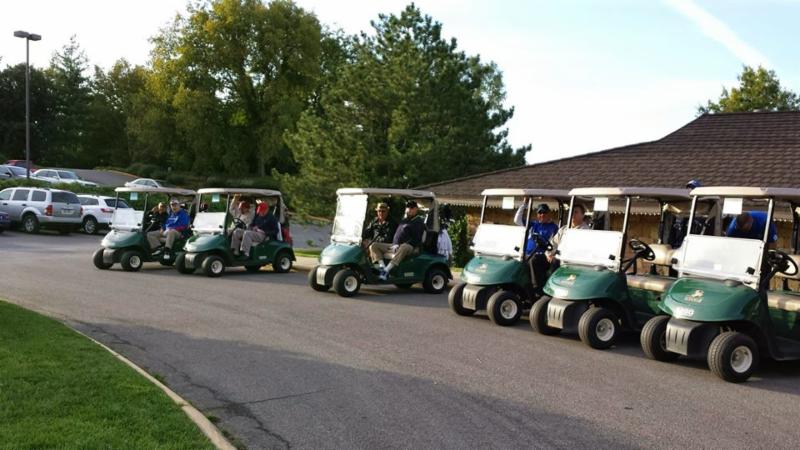
Green Wish Lawrence recently held their 5th annual golf tournament at TopGolf in Overland Park, Kansas. The chapter was able to give $10,000 to the green organizations they currently sponsor. Three of the nonprofits gave presentations about the work they've accomplished thanks to Green Wish's funding. It was a success and lots of fun putting around.
Check out the non-profits Green Wish Lawrence sponsors!
Friends of the Kaw - Kansas Riverkeeper,
Black Jack Battlefield and Nature Park,
Sustainable Sanctuary Coalition,
Lawrence & Douglas County Sustainability and
To see more golf pics, check out Green Wish Lawrence's Facebook page HERE
|
|
Don't worry, Bee happy!
How You Can Create Your Own Garden and
Help Save the Bees
by Neil Stawski
One third of
everything
we eat comes to us by way of bees. One third. Not only do bees pollinate one sixth of the world's flowering plants and most of the fruits and vegetables we eat, but also alfalfa (hay for cows), cocoa plants, coffee and tea. Without bees, there is no vegetable oil, no cotton, no broccoli, pumpkins, blueberries, almonds, watermelons, apples, cranberries or cherries to name a few, and no honey. In 2010, bees pollinated $19 billion worth of agricultural crops in the U.S. alone, compared to $10 billion for the rest of the pollinators combined (bats, moths, butterflies, hummingbirds, ants).
Different types of bees (honeybees, bumblebees, carpenter bees, etc.) pollinate different types of plants, so a diversity of plants adds to a diversity of bees. Modern farming practices tend to focus on large fields of few types of plants, limiting the habitats available for different bees. Pesticide use and leveling of dense forests also limit bees' abilities to nest and forage. You might think that only beekeepers and farmers can save bees, but you can too. And you can create a lovely flower or vegetable garden at the same time.
 |
|
If you have a yard, you can create a bee garden. Providing a
variety
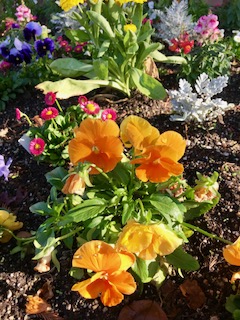
of plants that flower at different times of year will attract different types of bees and feed them all season. Multiple types of plants also provide various colors to attract different bees, though they tend to prefer purples, blues and yellows. Native flowers that are natural for your climate stand greater chance of pollination by local bees. Bunch different types of flowers together to encourage more "stops" on the bee's journey with less energy between widely-spaced flowers. Also choose plants that produce nectar and those that produce pollen, as both are used as food for different stages in bee life.
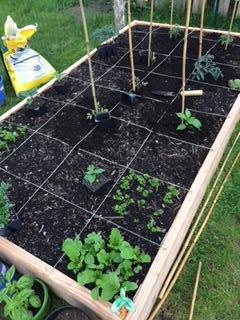
Leave shallow puddles or bird baths to allow bees to drink water without drowning. Having areas of exposed dirt allows solitary bees (not colony dwellers like honeybees) to find places to nest in the ground. If you have a vegetable garden, you already have open dirt and can plant
native
flowers nearby to increase the variety of bees attracted to the space. When possible, avoid using
pesticides
or insecticides in your yard or garden. If you must use
insecticide
, mow your lawn first to reduce weeds that attract bees and use liquid form rather than powder, which may stick to the bees and be transported back to the hive.
|
|
|
If you decide to plant a
garden
, check to see how much light the space gets. Some plants like full sun (6 or more hours per day), while others prefer partial shade (4 to 6 hours of direct sunlight) or full shade (fewer than 4 hours of sunlight per day). Most flowers and almost all vegetables prefer full sun. Pick flowers, herbs or veggies that bloom at different times and determine when they need to be planted. Put them where you'll see them regularly so you won't forget to water them. Young plants need watering almost daily, depending on the amount of direct sunlight, so water them when you see them wilt. Water in the morning with a slow, deep drenching of the soil.
If you live in an
apartment
or condo, you can still enjoy flowers that attract bees. Container gardens can be placed on patios or in window planters. Get self-watering containers if you're not going to check them every day or so. Indoor potted plants add humidity and color to your space, even if the bees can't enjoy them. Pick plants that are happiest in the shade level of your room (bright flowers in the window, succulents in partial shade) and put a few close together for an appealing arrangement. You can continue supporting local bees by buying local produce and honey.
Do your part to help save the bees. You, and they, will be happier.
|
#GivingTuesday is a global giving movement that has been built by individuals, families, organizations, businesses and communities in all 50 states and in countries around the world. This year, #GivingTuesday falls on November 28. #GivingTuesday harnesses the collective power of a unique blend of partners to transform how people think about, talk about, and participate in the giving season. It inspires people to take collective action to improve their communities, give back in better, smarter ways to the charities and causes they believe in, and help create a better world. #GivingTuesday demonstrates how every act of generosity counts, and that they mean even more when we give together.
To help
Green Wish
on #GivingTuesday, please head on over to our website and
DONATE!
To learn more about #GivingTuesday participants and activities or to join the celebration of giving, please visit:
Website: www.givingtuesday.org
Facebook: www.facebook.com/GivingTuesday
Twitter: twitter.com/GivingTues
|
|
|
|
| Pin created by Lisa Colver. |
|
DONATE to Green Wish!
|
|