Healthy Hits!
Smoke-Free Degrees
For You and Me
|
|
|
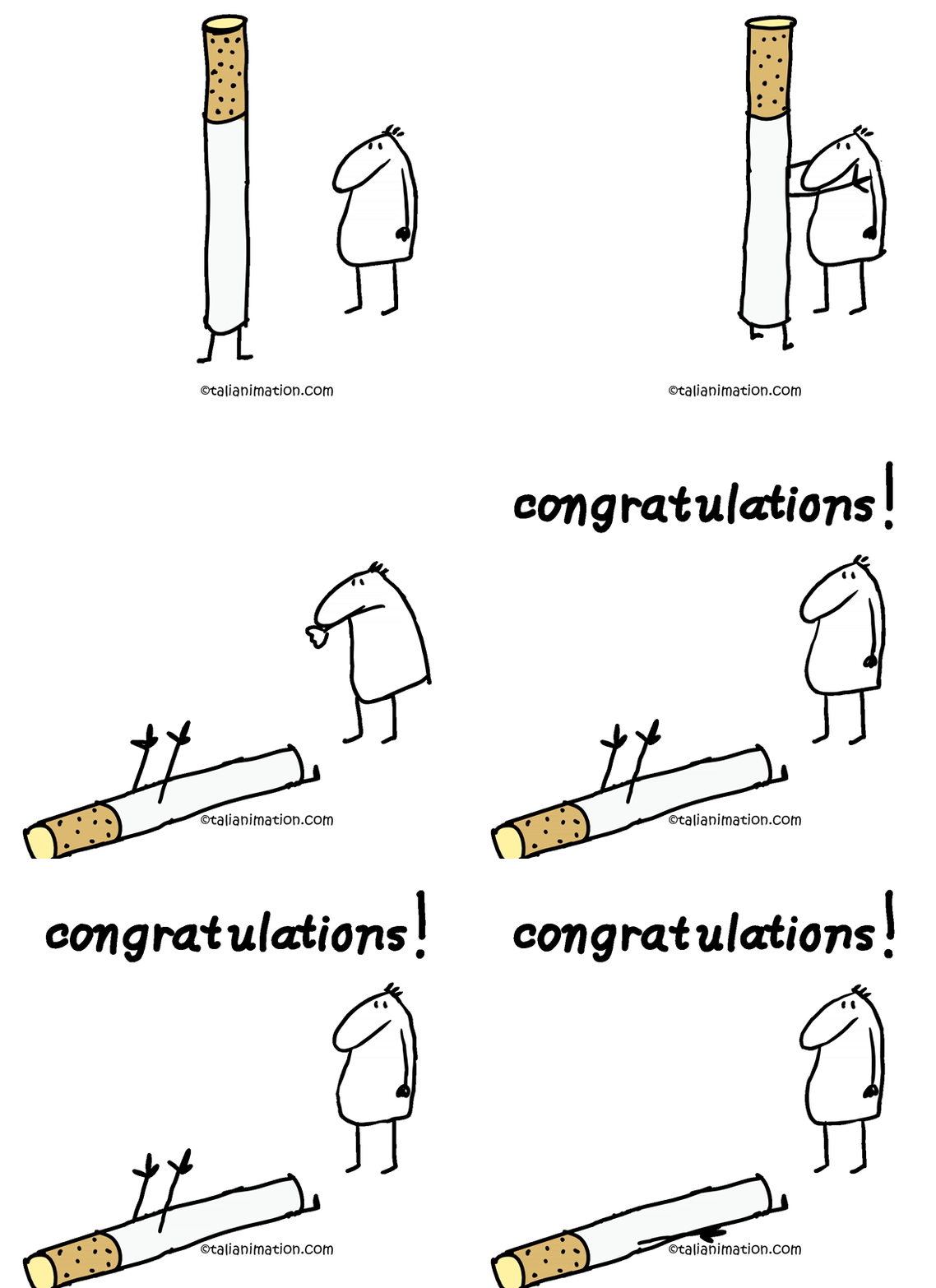
Tobacco is everywhere, with vaping still common and smoking "on trend." In this issue, we'll talk about tobacco use, so you can make the best decisions
for your own health!
Our next edition will discuss college life with neurodivergence and/or disability.
Tune in Tuesday to learn more!
| |
This Health Promotion and Wellness Office Newsletter is student-run and student-centered. We want you to be heard! What health-related questions do you have, and what topics do you want to read about? Click below to let us know! | |
|
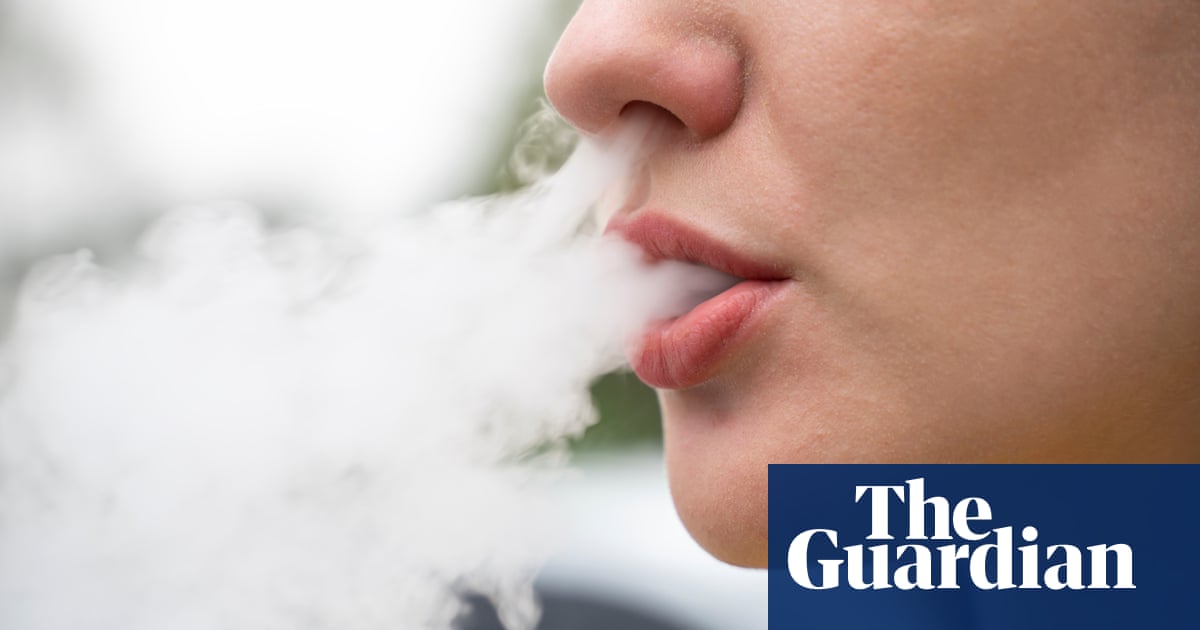
Vaping is less harmful than smoking.
True! Given the way we see vaping talked about in ads and PSAs, you'd think it was as bad or worse than smoking. In reality, vaping isn't safe, but research suggests it's safer than cigarettes. Vape products contain harmful chemicals and carcinogens, but these are less concentrated than the carbon monoxide, tar, and 7,000+ chemicals that we know we are exposed to with cigarettes, with lethal consequences.
However, vape products can contain higher concentrations of nicotine (making them more addictive), and flavorings which make them easier or more enjoyable to use. Multnomah county will be outlawing flavored tobacco and nicotine products in 2024, in an effort to curb tobacco use among youth (read more here (link)).
Researchers all agree on the risks of smoking and tobacco products.
False! Working on this newsletter, I found plenty of disagreeing sources (academic, healthcare, and government), especially about vaping. Corporate and financial interests play a big role in this, and exaggeration of truth happens on both "sides." For example, it is now considered a myth that vaping causes "popcorn lung," as (though the chemical which causes the condition was found in some vape products) there hasn't been evidence connecting vaping to actual cases. All this to say--be critical of what you read, and seek out approachable resources that focus on what matters most to you. Peer support resources can be a great option.
Commercial tobacco products are not the only way tobacco is used.
True! Commercial tobacco products have been designed and marketed to serve corporations by getting people addicted. But, tobacco and other burned substances have been around throughout history, and have served many different purposes. For example, traditional tobacco use, which is very different from commercial tobacco use, has played a role in ceremony and healing for certain Native American tribes, and may help some young folks feel connected to their cultures and communities (Read more: "Traditional Tobacco Use Connects Native Youth to Culture, Community, and Health") That being said, commercial tobacco can also impact or target users in these same cultural groups, and some tribes have taken a stand against commercial tobacco (read: "Air Is Life: The Navajo Nation’s Historic Commercial Tobacco Ban"). By recognizing and considering culture, spirituality, and history, we can better understand our relationship to tobacco as a society, and why commercial tobacco has been so dangerous and harmful to so many people.
| |  |
- What's so bad about tobacco?
- Quitting
- Alternatives
- Harm reduction
- Journal Prompts
- More resources
|
L&C Policy
L&C is a Smoke-Free Campus. Any substances that are burned and inhaled, including e-cigarettes, cannot be used on campus property.
There are cigarette disposal stations at Gate 6, Parking Lot I (outside Fowler), and near Fir Acres.
Smoke and Tobacco Free Community Policy
| | |
|
|
HPW Event:
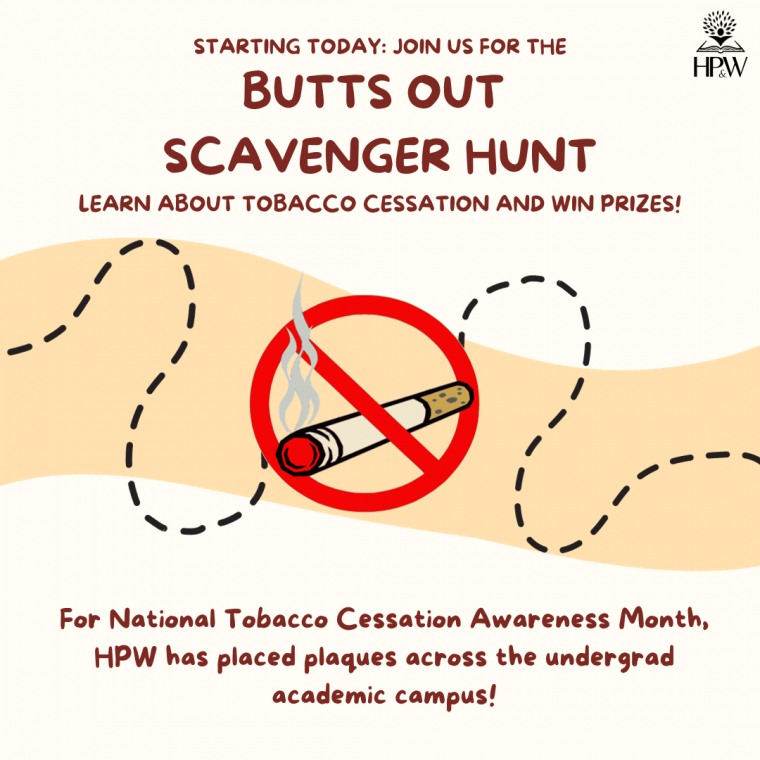
Butts Out Scavenger Hunt
Join the hunt for 9 educational placards across the undergraduate campus to learn more about the impacts of smoking, vaping, and tobacco use. Once a placard is found, read the info, scan the QR code, and answer the questions to win a prize potentially! Follow us on Instagram (@lclark_wellness) for updates + hints! Good luck!
| 6:00am to 11:30pm November 1 - 16, 2023 PDT | | | |
What's so bad about tobacco? | |
|
Here are some questions to help think about how nicotine might be impacting you:
- How often do I choose nicotine over other thinsg I value (e.g. smoking instead of spending time with friends, leaving a concert or movie for a smoke break, spending money on tobacco products instead of a book I want to read)?
- How often am I able to relax, get motivated, or have fun without using nicotine?
- If my friends quit, would I quit with them? Would I be able to?
- Do the physical impacts of nicotine hold me back? (e.g. shortness of breath, fatigue, etc.)
| | | |
Quitting, Alternatives, and Harm Reduction | |
|
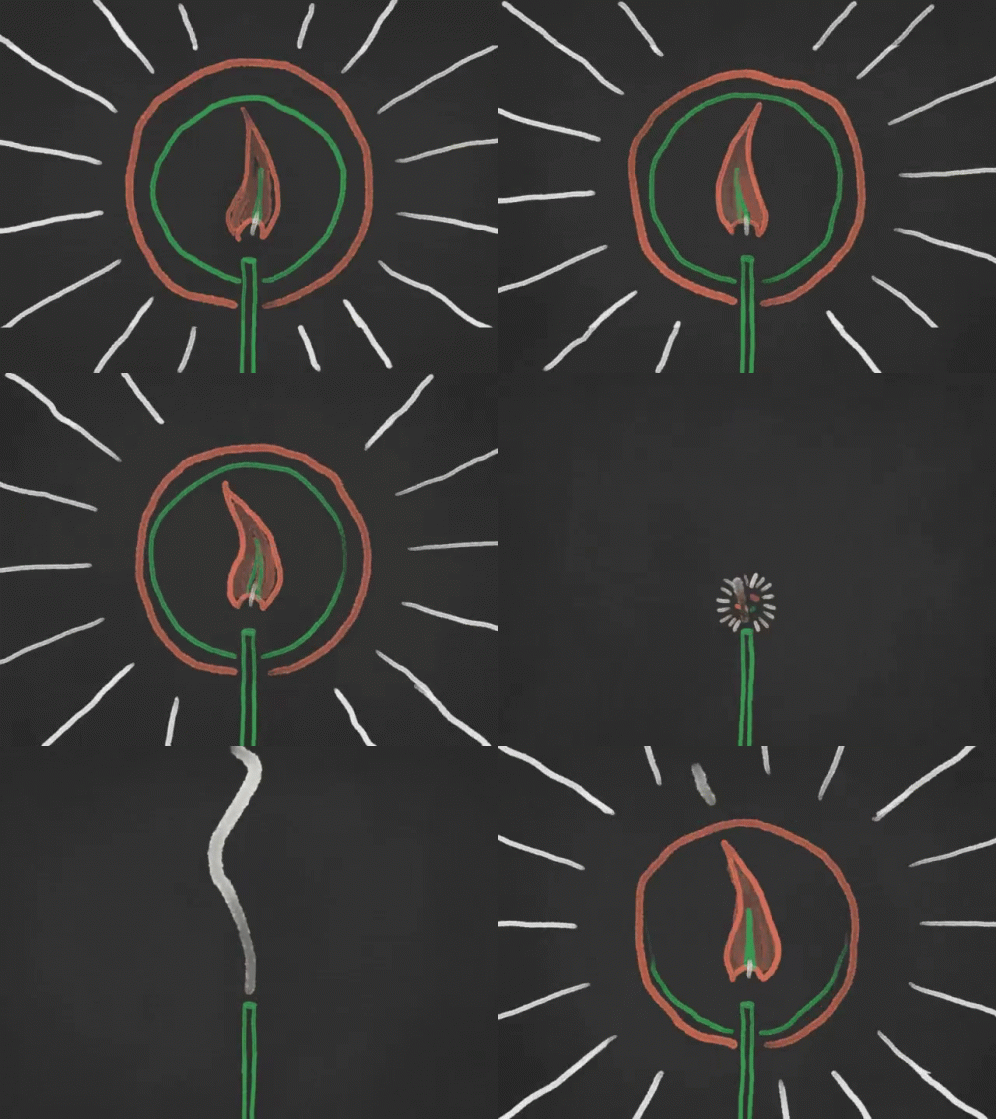
Quitting tobacco can improve your health immediately (blood flow, lung capacity, sense of smell/taste) and long term (lower risk of heart attack, stroke, and cancer). And, while psychological withdrawal can last a while, your body overcomes physical withdrawal from nicotine pretty quickly (~3 days). Mood, motivation, and other cognitive symptoms also improve over time as we have new experiences and our brains adjust. Quitting doesn't just keep your health from getting worse, it makes it better!
That doesn't mean it's easy. Making a quit plan can help set you up for success when dealing with withdrawal symptoms, which may include:
- Cravings, irritability, restlessness, inability to concentrate, trouble sleeping, increased appetite, weight gain, anxiety, sadness, and/or depression (Read more: "Common Withdrawal Symptoms")
If you choose to make a plan or to go ahead and get started, it can be helpful to think or write out:
- A "quit date" or goals for cutting back gradually
- Your motivations for quitting (financial, physical, mental, social, upcoming life changes, etc.)
- Triggers and habits around tobacco use (social settings/groups, withdrawal symptoms, emotional states, routine times, places, and situations, etc.)
- Plans for who you will reach out for peer and/or professional support, and alternatives or distractions you can use when a craving hits.
Read more about planning and examples at smokefree.gov.
Remember: relapse is not a massive failure. It is a very common part of quitting any addictive substance or behavior. Relapses can remind us why we chose to quit, help us practice using our resources or identifying triggers, and can show us how far we have come. Be proud of your successes and patient when you stumble!
| | |
| |
What if I don't want to quit?
Harm reduction is a public health approach which focuses on lessening harmful outcomes when we can't stop or eliminate a risk.
There are two main methods of harm reduction for tobacco:
-
Decrease use (e.g. smoke less frequently, or use less at a time)
- Use less harmful delivery methods
This last one is controversial (read more about why in the Truth Initiative's "Statement on Harm Reduction"). Nicotine is addictive in all forms, and we are still learning about how different forms impact short- and long- term health. If you smoke, vaping may be safer, or if you vape, patches or gum may be the safer option. Nicotine replacement therapy (NRT) options are designed to safely help with withdrawals. To make the best decision for you, you should reach out for advice from our office or a healthcare provider, and do some research of your own. Be wary of false advertising!
| | | |
|
Here are some journal prompts for reflecting on your perception of tobacco:
- If you imagine a person who smokes cigarettes, what are they like? What about someone who vapes, or uses dip? Are these images influenced by media? By people you know?
- Why is smoking sometimes seen as "cool" while other substances aren't?
- Talk about your first encounters with tobacco. How have your beliefs about it changed since then?
| | |
Check out our Healthy Hits Playlist on Spotify! |
- "Cigarettes and Coffee" - Oits Redding
- "Jesus, etc." - Wilco
- "Deep in a Dream" - Chet Baker
| | | |
|
Thanks for Reading!
Check in next week to learn more about college life with neurodiversity and disability!
If you would like to chat about anything in this newsletter, you can reach out to me, Miri, at mrinehart@lclark.edu, or the Health Promotion and Wellness Office at healthed@lclark.edu, or you can utilize any of the resources throughout this email or below. You deserve to feel safe and well!
| | | | |