|
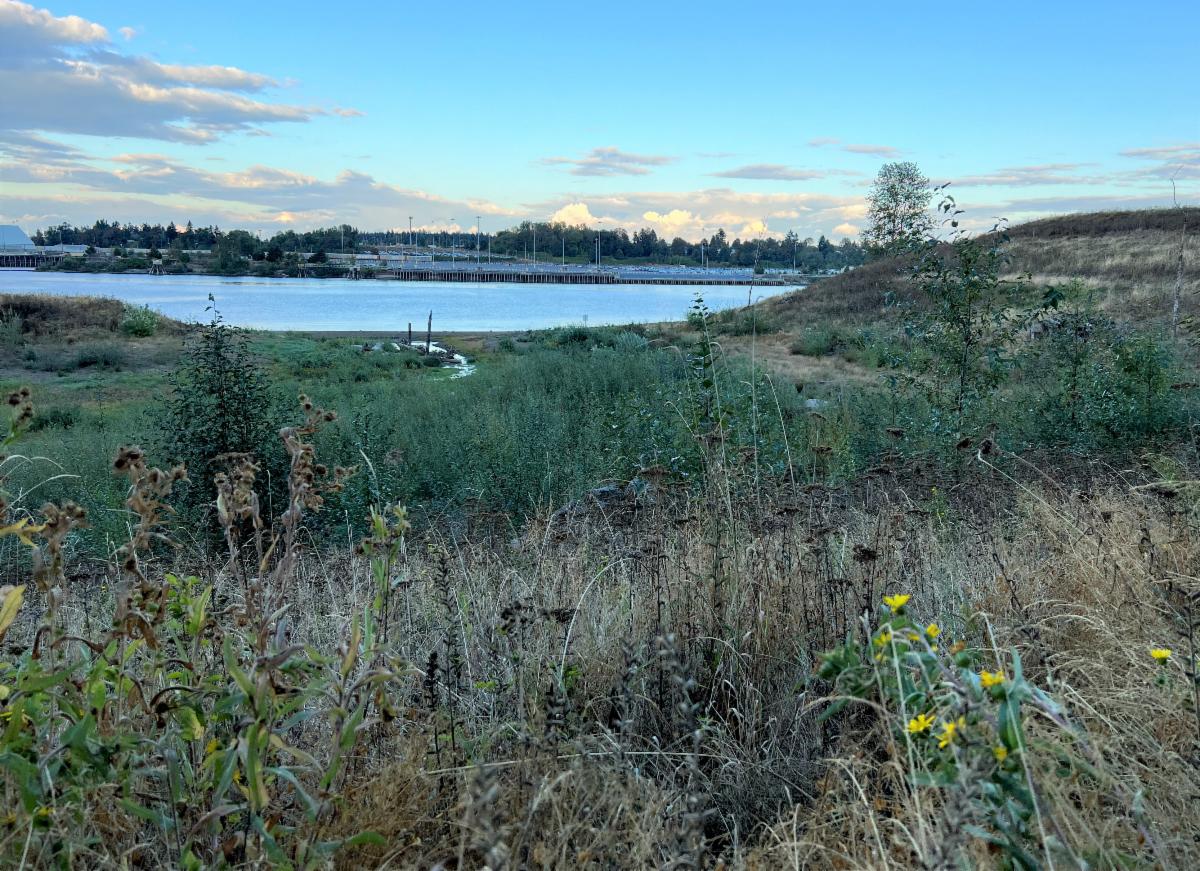
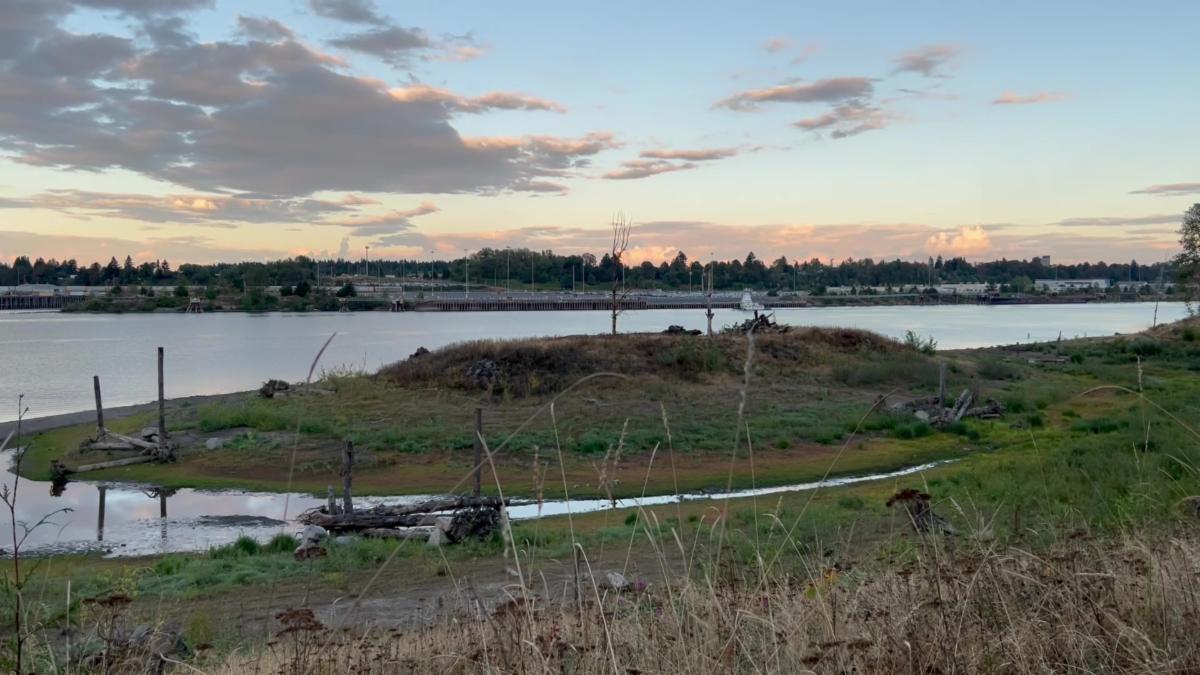
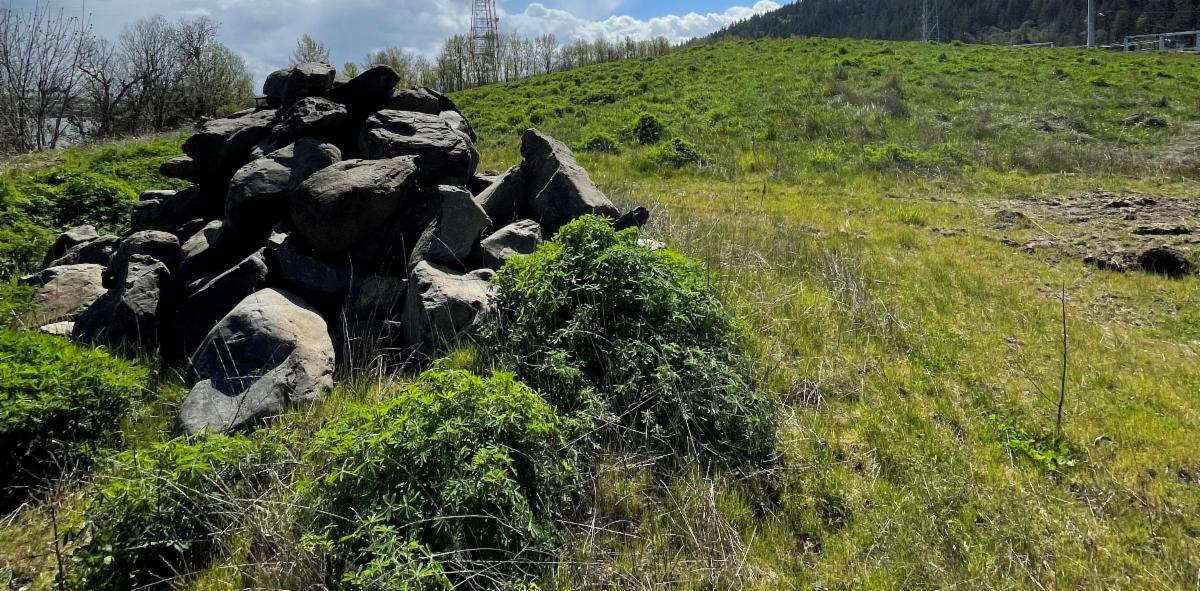
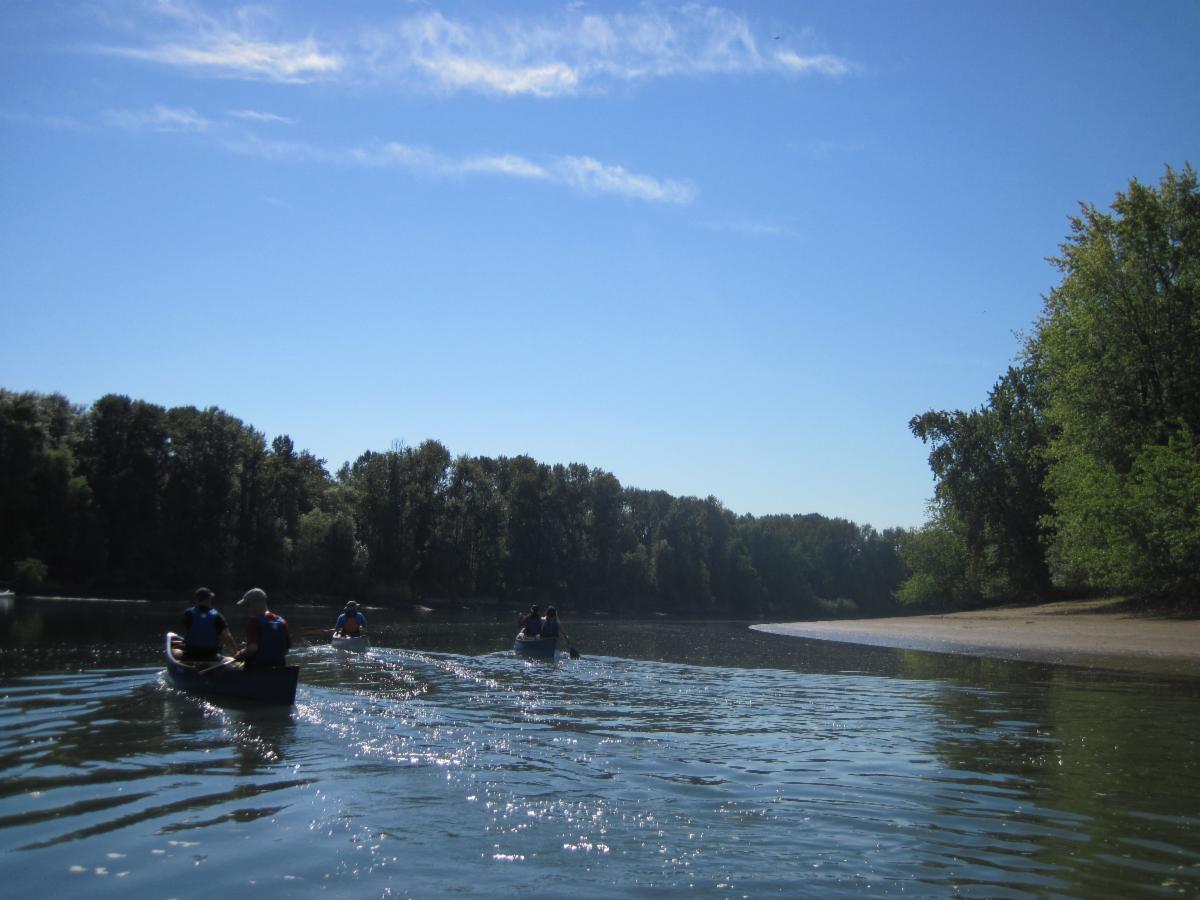
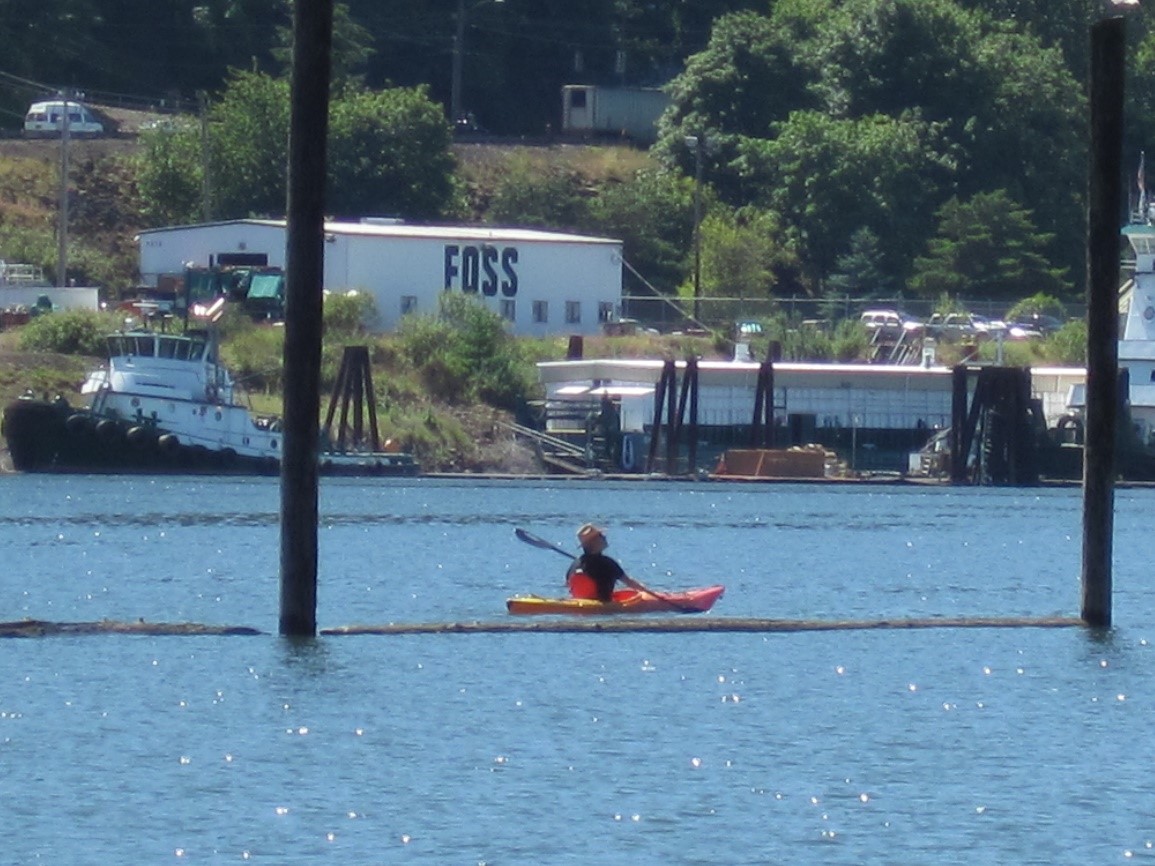
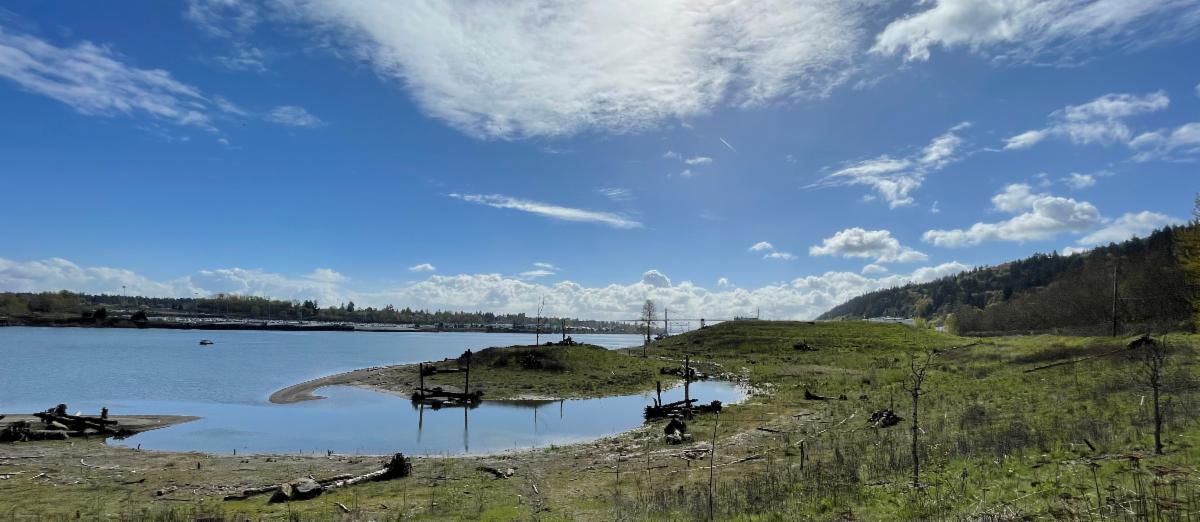
The Linnton Mill Restoration Project was completed by RestorCap in 2019 to restore habitat for salmon, lamprey, bald eagle, mink and other species potentially injured by contamination in Portland Harbor. Like all the Portland Harbor NRDA restoration banks overseen by the Trustee Council, construction at Linnton Mill is followed by 10 years of monitoring and adaptive management.
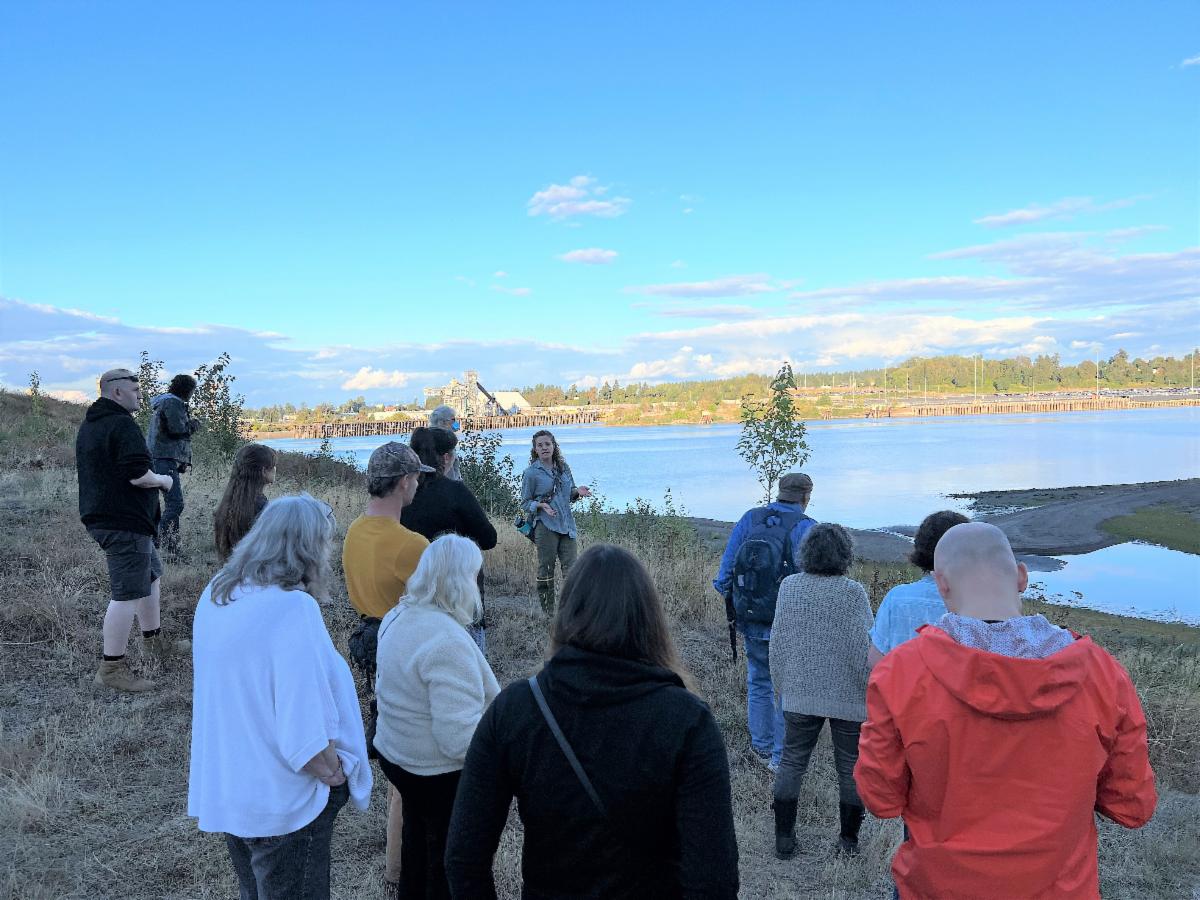
RestorCap hosted a public site tour at the Linnton Mill Restoration Project in September. Neighbors asked questions about the project design, monitoring results, adaptive management and other aspects of the project.
Encouraging results from recent monitoring of fish and wildlife at Linnton Mill have shown a shift from species associated with urban development to those found in aquatic habitats. Biologists have observed beaver and juvenile salmon in the newly created off-channel habitat. A bald eagle pair recently shifted their nest site to an area just west of and visible from the restoration area. Prior to restoration, the majority of birds observed on site were dominated by urban development-associated species with only 14% represented by river-associated bird assemblages. Recent monitoring results noted 72% of observed species being associated with aquatic habitat, including killdeer, sandpiper, mallard, and osprey.
In consultation with the Trustee Council, RestorCap is implementing several adaptive management strategies at the site. After the dry and hot summer of 2021, RestorCap planted nearly 9000 additional trees and shrubs last winter, including native species such as camas, cottonwood, Oregon white oak, willow, western hemlock, and Oregon grape. RestorCap is closely tracking sediment that has built up along the shoreline of the Linnton Mill project.
The Linnton Mill 2020 (Year 1) monitoring report is available here. For more information, visit RestorCap and check out the Linnton Mill fact sheet here.
|