|
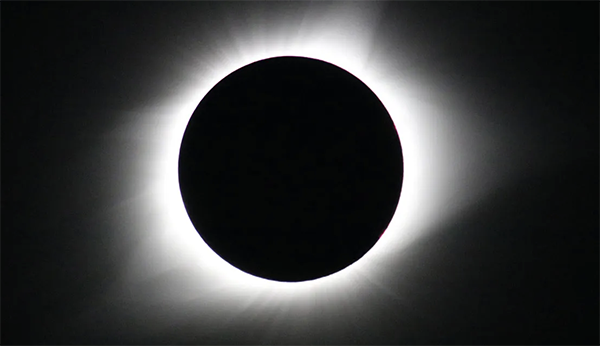
There is palpable excitement buzzing through the halls of Pleasantville science classes as students gear up to witness and understand the upcoming solar eclipse set to occur on the afternoon of April 8.
Pleasantville will experience what astronomers term a “deep partial” eclipse, where over 90% of the sun will be obscured. While a total eclipse completely blocks the sun, this event will still cast darkness upon daylight hours.
Partially eclipsed suns are not rare occurrences across the globe, but for New York State, this will mark the first sighting of a total solar eclipse since 1925. According to NASA, the next opportunity won't present itself until 2079, adding to the excitement that has captivated much of New York State. For a deeper dive into this solar spectacle, here is a recent Forbes article.
In our local skies, the eclipse will commence at 2:03 p.m., reaching its peak at 3:19 p.m., and concluding at 4:31 p.m.
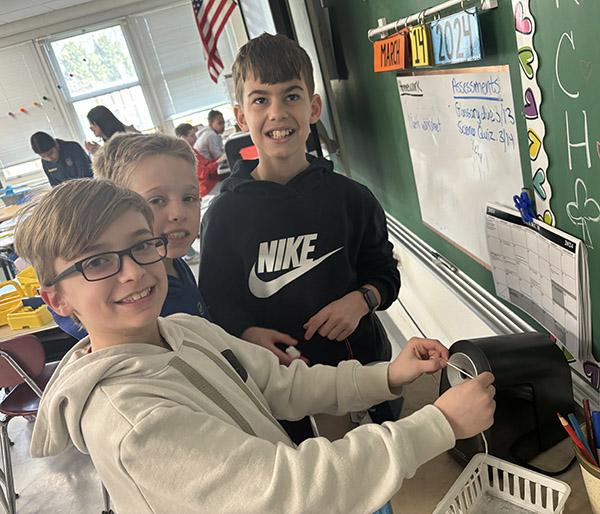
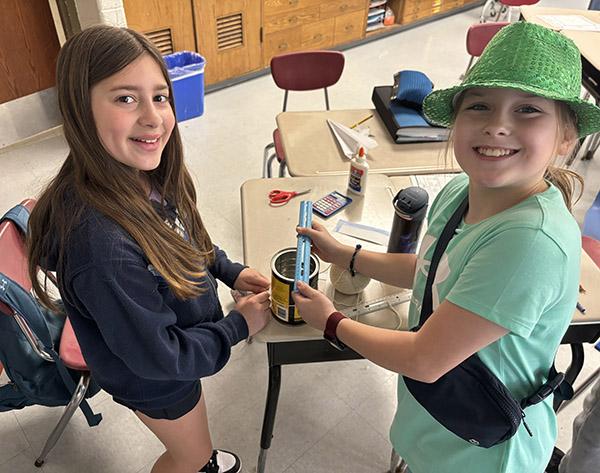
Pleasantville students are already gearing up for this unique experience. Bedford Road School's STEAM/Science classes are delving into the fundamentals of eclipses, while middle schoolers are exploring the unique cosmic alignments behind this phenomenon. In his eighth grade earth science class, Jake Sablosky is teaching students about the solar system alignment that must occur to lead to a solar eclipse (and lunar eclipses), emphasizing the point that these celestial events are predictable and cyclic in nature.
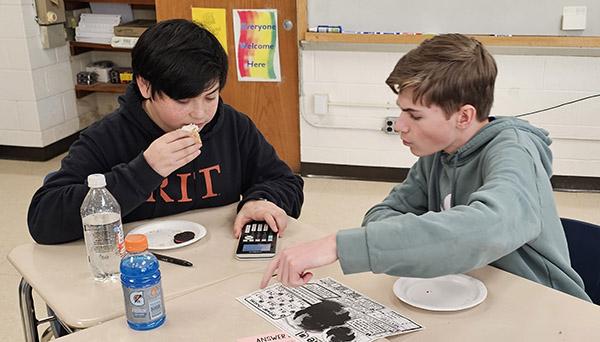
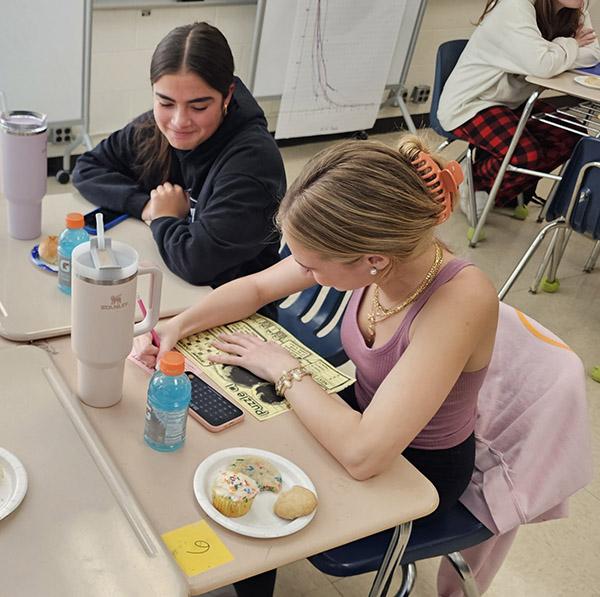
Meanwhile, Pleasantville High School is taking a celebratory approach, with an eclipse party that will offer insights about the eclipse, and all high school science classes will be watching a video regarding the significance of the eclipse and the safety precautions for viewing. In addition, science teacher Allison Steinberg and some of her students in the school’s astronomy course will be doing an informal presentation on April 4 during the activity period.
Safety remains paramount for eclipse observers. NASA is emphatic in stating that staring directly at the sun without proper eye protection, except during the brief total phase will “instantly cause eye injury.” Visit NASA's website for detailed safety guidelines and resources for acquiring specialized viewing equipment recommended by the American Astronomical Society (AAS).
For those unable to procure eclipse-safe glasses, indirect observation methods are recommended. Even without specialized eyewear, the AAS outlines safe practices for experiencing the partial solar eclipse on April 8.
We look forward to safely enjoying this unique celestial event with our students, staff and the greater school community.
|