|
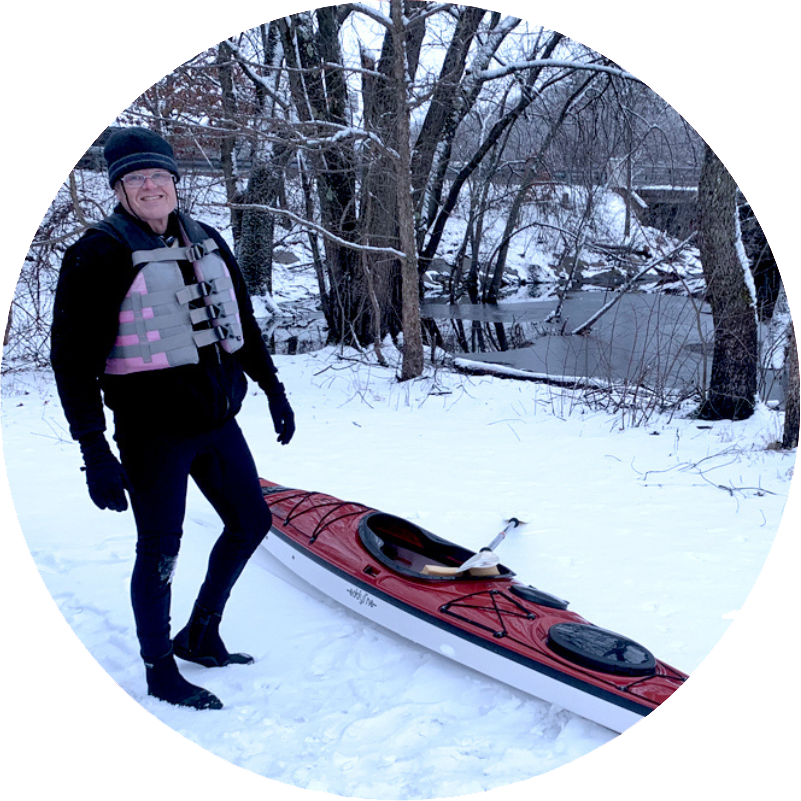
Not all paddlers think of kayaking as exclusively a warm-weather sport; in fact, OARS members include a number of four-season paddlers. Board member Roger Beatty is one of them.
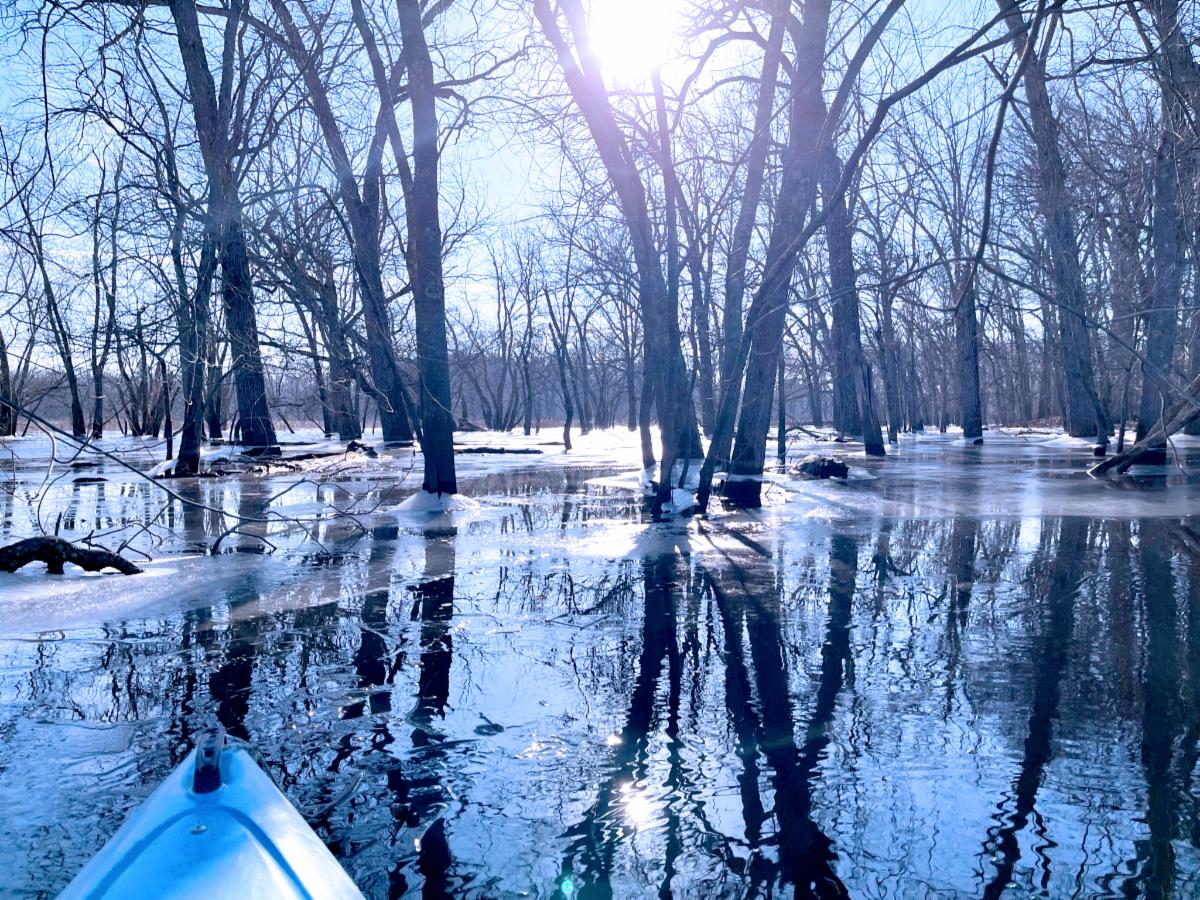
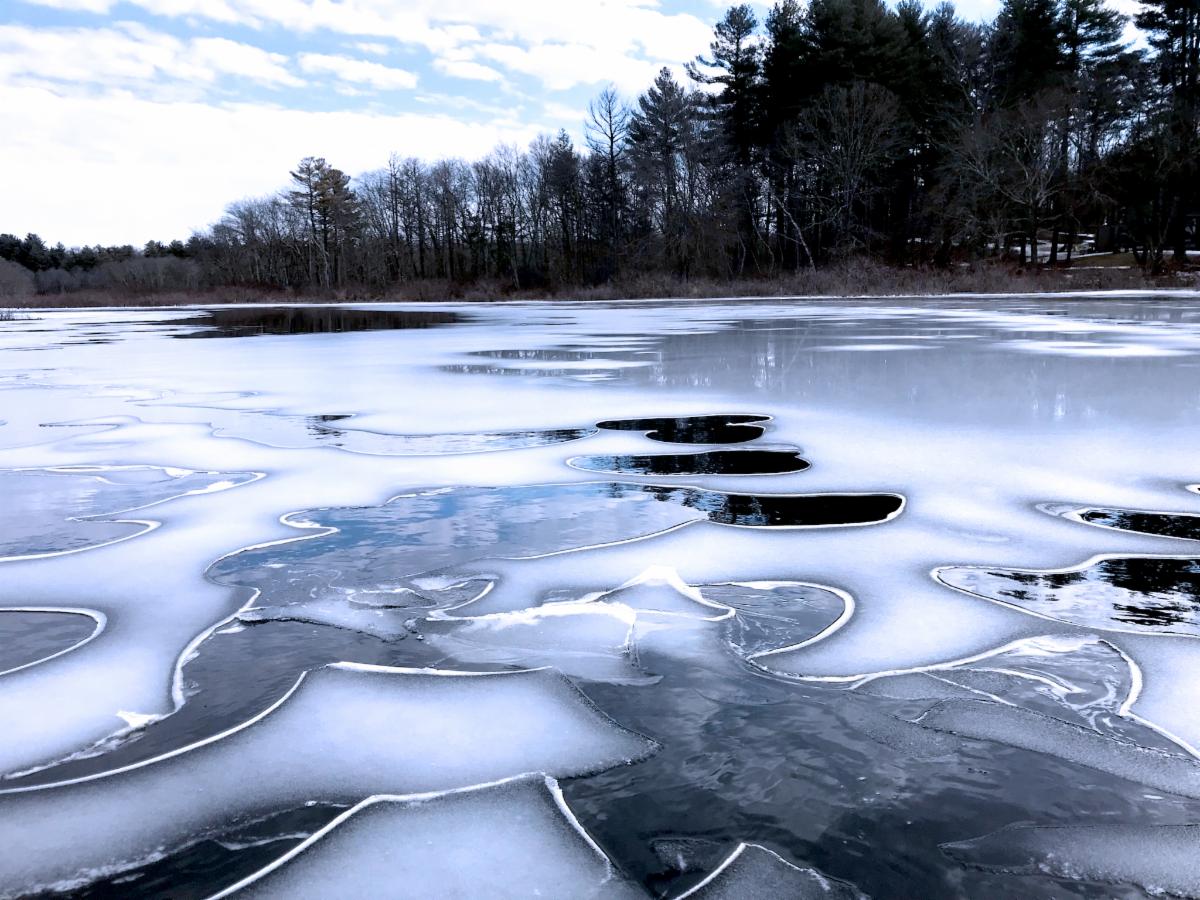
Roger says that a great part of the joy of kayaking our watershed is to pay close attention to the change of seasons: knowing the rivers in their winter dress is vital to understanding the whole cycle. The winter palette—grey woods, brown meadows, white ice, and blue sky—presents a vastly different look from our spring and summer seasons, but it has its own stark beauty. The spareness of color in January might give you the sense that the whole watershed is asleep, but it’s all just waiting to explode back into life as the sun climbs through February and March. It’s a rare privilege to witness up close all the stages in the process. Roger advises keeping an eye on the willows for the earliest signs of spring.
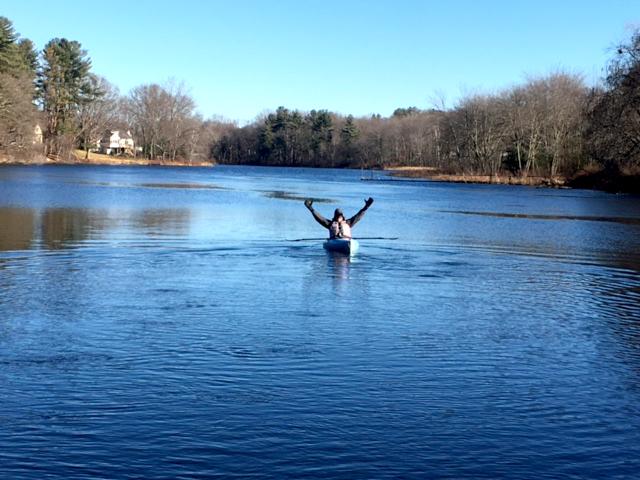
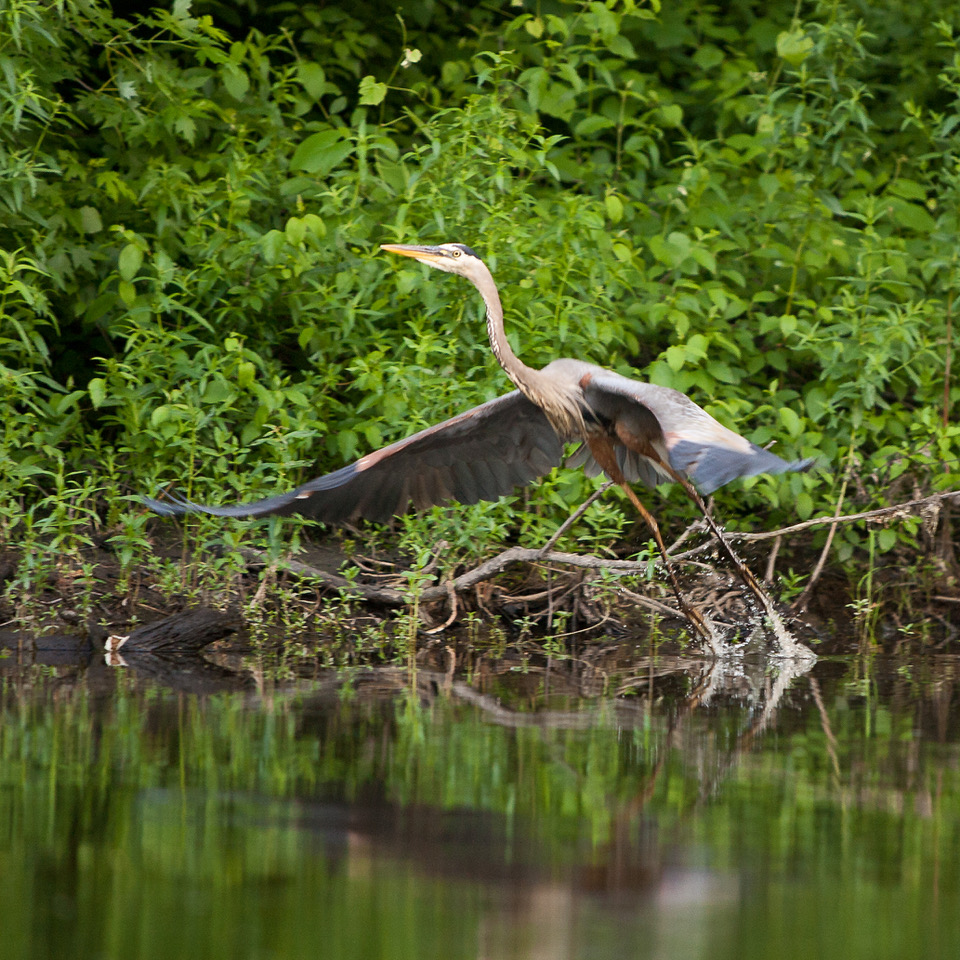
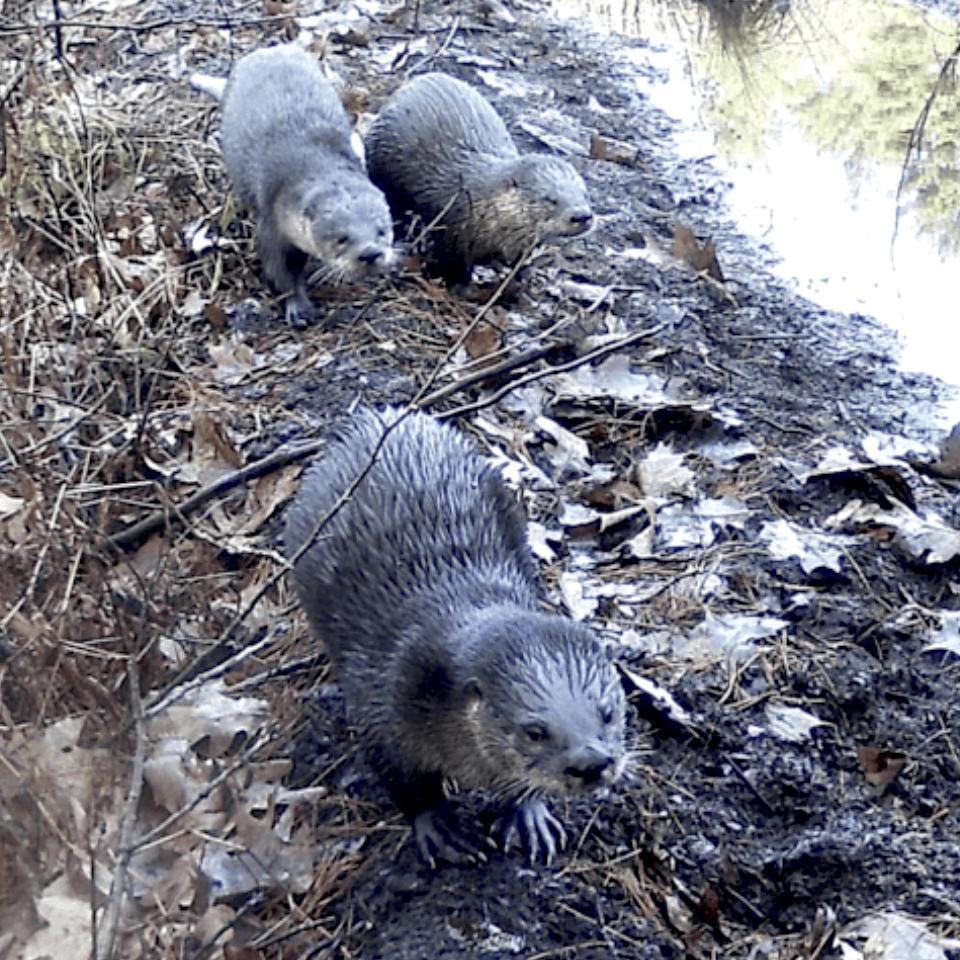
While he tends to avoid high winds and temperatures much below 30F, that still leaves him plenty of bright mid-winter days to get out and explore the watershed. Even in the dead of winter, he finds the rivers are alive with geese and swans, and even the occasional swimming beaver (they don’t hibernate) or otter playing on the ice. It’s rare to see another kayak, though! If you enjoy outdoor solitude and tuning in to the rhythm of the seasons, winter kayaking might be for you.
The logistics of winter kayaking are a little more complicated—sometimes shore ice blocks the launches, and occasionally even the fastest-flowing channels freeze up. Roger keeps an axe in the car to break through edge ice at the launches—a good technique, as long as you’re sure the ice won’t reform while you’re off exploring! Make sure you have an ice-free take-out point to make a safe exit. If you kayak alone or in remote areas, a wet suit or dry suit is an absolute must. Take a dry bag with a change of warm clothes; a thermos of hot coffee and a cell phone are good ideas too. You can do an internet search on “winter kayaking” to get lots of safety tips and tricks.
Tips for safe Winter Paddling
|