 | |
Governor Hochul Announces Key Mental Health Investments for All New Yorkers as Part of FY 2025 Budget Agreement
Governor Kathy Hochul on Monday announced key mental health investments for New Yorkers as part of the FY 2025 Budget. Building on the investments from her $1 billion multi-year plan to strengthen the state’s continuum of mental health care, the FY 2025 Budget adds capacity system-wide, expands existing programs with a record of success, funds new evidence-based initiatives, and increases direct engagement at every stage of service. "The mental health crisis is the defining challenge of our time, and I’m committed to expanding resources and support for New Yorkers who need a helping hand," Governor Hochul said. "Building on the success of last year’s transformative $1 billion investment, our budget this year will continue transforming the continuum of care so New Yorkers can get the care they need." Read more here.
Related: Governor Hochul Announces Mental Health Investments to Engage New Yorkers Involved With the Criminal Justice System
|  | |
Biden-Harris Administration Releases National Strategy for Suicide Prevention and First-Ever Federal Action Plan
On Tuesday, the Biden Harris Administration, through the U.S. Department of Health and Human Services (HHS) released the 2024 National Strategy for Suicide Prevention and accompanying Federal Action Plan. The Substance Abuse and Mental Health Services Administration (SAMHSA) and Centers for Disease Control and Prevention (CDC), in partnership with the National Action Alliance for Suicide Prevention, led the development of these critical deliverables which support the Biden-Harris Administration’s priorities to address the overdose and mental health crises. An Interagency Work Group (IWG), comprised of over 20 agencies in 10 federal departments contributed to the development of the National Strategy. Read more here.
|  | |
Black Adolescent Suicide Rate Reveals Urgent Need to Address Mental Health Care Barriers
New federal data shows that the suicide rate among Black youth ages 10 to 19 surpassed that of their White peers for the first time in 2022, increasing 54% since 2018, compared to a 17% decrease for White youth. In fact, the suicide rate among Black adolescents is increasing faster than other racial and ethnic groups. From 2007 to 2020, the suicide rate rose 144% among 10- to 17-year-olds who are Black. Although the overall youth suicide rate is trending downwards, this data raises alarms about the need to improve and address mental health care for Black communities. Read more here.
Related: Poor care access leaves youth mental health crisis in limbo
|  | |
NYS OASAS Announces Release of New Cannabis Toolkit
The New York State Office of Addiction Services and Supports (NYS OASAS) today announced the launch of a new Cannabis Toolkit for parents and mentors, designed to offer resources and information about cannabis and how to talk to young people about the risks of underage cannabis use and the impact it can have. This free toolkit is available in both English and Spanish on the OASAS website. The new Cannabis Toolkit is focused on addressing and preventing underage use of cannabis, which can impair learning, short-term memory, decision-making and problem-solving skills, attention, and motivation. It can also lead to physical issues, such as bronchitis or asthma, and increased risk of schizophrenia and other serious mental health disorders. Read more here.
|  | |
VA And DOD Partner to Increase Health Care Access for New York Veterans and Service Members
On Monday, the Department of Veterans Affairs and Department of Defense expanded their existing partnership to allow Veterans, soldiers, cadets, and other beneficiaries to receive care from the Keller Army Community Hospital (KACH) on the West Point Army Installation and at the VA Hudson Valley Health Care System. Enrolled Veterans can now receive access to specialty care, virtual traumatic brain injury care, and inpatient behavioral care for soldiers, cadets, and other beneficiaries at VA Hudson Valley Health Care System. Read more here.
|  | |
Can a Multi-Tiered System of Supports Quell School Violence?
There is no silver bullet to preventing violence in schools, and certainly not when it comes to preventing a school shooting. But there are tools to help weed out those troubled students and even, perhaps, get them on the right track in life. Multi-Tiered Systems of Supports (MTSS) have long been used for academics, and the principles that guide the design and implementation of effective MTSS frameworks can help develop a safer atmosphere in a school setting. MTSS is a layered intervention approach. Support on a multi-tiered system could be a mental health or behavioral approach, or whatever a school district has defined as a needed intervention or support for students. Read more here.
|  | |
Mental Health and Substance Use Disorders Often Go Untreated for Parents on Medicaid
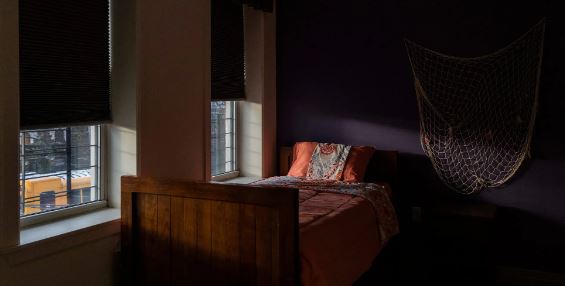
For parents struggling with mental health or substance use disorders, access to treatment can often mean the difference between keeping and losing their children. But a new analysis of health and child welfare records found that a significant portion of those who were eligible for Medicaid coverage for such treatment were not getting it. The analysis, published last week by researchers at the nonprofit institute RTI International and the Department of Health and Human Services, found that fewer than half of parents on Medicaid who had substance use disorders and had been referred to authorities over suspicions of child abuse or neglect had received treatment. Read more here.
|  | |
Rural Jails Turn to Community Health Workers To Help the Newly Released Succeed
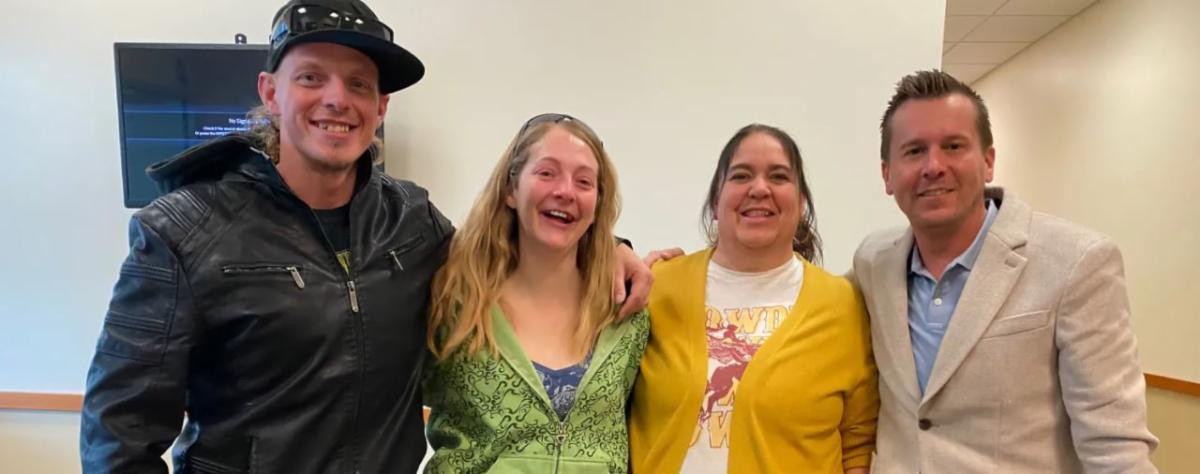
MANTI, Utah — Garrett Clark estimates he has spent about six years in the Sanpete County Jail, a plain concrete building perched on a dusty hill just outside this small, rural town where he grew up. He blames his addiction. He started using in middle school, and by the time he was an adult he was addicted to meth and heroin. At various points, he’s done time alongside his mom, his dad, his sister, and his younger brother. “That’s all I’ve known my whole life,” said Clark, 31, in December. Clark was at the jail to pick up his sister, who had just been released. The siblings think this time will be different. They are both sober. Shantel Clark, 33, finished earning her high school diploma during her four-month stay at the jail. They have a place to live where no one is using drugs. And they have Cheryl Swapp, the county sheriff’s new community health worker, on their side. Read more here.
|  | |
Medicaid Opportunities to Support Youth Transitioning from Incarceration
The Medicaid inmate exclusion policy will soon be partially waived for youth in correctional institutions. On December 29, 2022, President Biden signed into law several provisions under the Consolidated Appropriations Act of 2023 that will expand Medicaid options to cover services for youth who are incarcerated. A key goal of these provisions is to improve care transitions and health outcomes for youth who are in correctional institutions and are transitioning back into the community. Nearly two thirds of youth in correctional settings have a diagnosable mental health or substance use disorder, and many have significant unmet health needs. All youth-serving systems and providers need to be aware of this provision to ensure youth can be supported as they transition back home and to their communities. Read more here.
|  | |
Promoting 988 And 911 Coordination To Ensure Timely And Appropriate Mental Health Crisis Response
Twenty-one months after the nationwide launch of the 988 Suicide and Crisis Lifeline, implementation research efforts are beginning to provide understandings of how communities have integrated the new three-digit number into their existing crisis call systems. Call volume for 988 is steadily rising, with more than half a million nationwide contacts in January 2024 alone. Even so, public awareness of 988 remains low, and satisfaction among 988 callers is questionable. In one recent study among individuals with serious psychological distress who called 988, only about one-third reported that they were very likely to call the number again in the future. Public surveys also indicate concern about calling 988 for fear of law enforcement dispatch. Read more here.
Related: SAMHSA - Saving Lives in America: 988 Quality and Services Plan
A Simple Way to Make the Suicide Hotline More Effective
|  | |
The Peer Expansion
The role of peers in the health and human service field is expanding. The Pennsylvania Department of Human Services (DHS) Office of Mental Health and Substance Abuse Services (OMHSAS) recently announced plans to change the eligibility requirements to become a Certified Peer Specialist in the state. OMHSAS worked with the Centers for Medicare & Medicaid Services (CMS) to modify the requirements and increase the supply of peers. Washington State Health Care Authority (HCA) has created a peer-led behavioral health network for youth and young adults. The network is intended to leverage peers to encourage youth and young adults to participate in workgroups, committees, and state-directed initiatives related to youth behavioral health services. And Kentucky is creating a specialized team of peers for hearing impaired consumers. But the role of peers extends beyond consumers to clinical professionals and caregivers. Read more here.
|  | |
Understaffed Nursing Homes in Disadvantaged Neighborhoods More Likely to Overuse Antipsychotics
Nursing homes in disadvantaged communities are more likely to overmedicate residents with antipsychotics, especially homes that are understaffed, according to a new study published in JAMA Network Open. “The neighborhood in which a nursing home is located seems to influence how widely antipsychotics are used, even when they may not be indicated,” said Jasmine Travers, assistant professor at NYU Rory Meyers College of Nursing and the study’s senior author. Antipsychotic medications are used to treat serious psychiatric disorders such as schizophrenia. These medications have long been given to nursing home residents with and without dementia who are agitated or have behavioral issues. Sometimes staff rely on their sedating side effects for “chemical restraint” rather than redirecting residents in distress. Read more here.
| |
 |  |  | |
UPCOMING EVENTS & TRAININGS
Transforming Behavioral Health Systems through Measurement-Based Care
April 25, 1 - 2 pm, Greenspace Health
Community Outreach and Law Enforcement Engagement of People with Lived and Living Experience
April 25, 2 - 3 pm, COSSUP
Discussion Panel: Supporting Young Adults in Reentry through Medicaid Funding
April 25, 2 - 3 pm, CSG Justice Center
Beyond the Numbers and Visuals: Building Your CBO Data-Driven Digital Marketing Strategy
April 25, 2 - 3:30 pm, SAMHSA
Street Psychiatry: Creative Care for People Living Unsheltered
April 25, 3 - 4 pm, SMI Advisor
Rural Community Assessments: Building Coalitions for SUD Care
April 29, 10 am - 12 pm, NCROTAC
Training Treatment Court Teams: Navigating Harm Reduction in Drug Courts
April 29, 2 - 3:30 pm, SAMHSA's GAINS Center
Implementing Evidence-Based Strategies to Reduce Overdose Risk during Reentry
April 29, 3 - 4:30 pm, CSG Justice Center
Improving Health Outcomes Through Our Cultures, Communities, and Connections Virtual Roundtable
April 30, 1 - 2 pm, HHS Office of Minority Health
Social Media and Health: A Primer for Health Care Practitioners and Mental Health Professionals
April 30, 11 am - 12:15 pm, Poison Control Center NYC
A Conversation about Trauma-Informed, Resilience-Oriented, Equity-Focused (Tiroes) Systems and Approaches
April 30, 2 - 3 pm, National Council for Mental Wellbeing
Is It MDD Or Bipolar Disorder?
May 1, 12 - 1 pm, PsychU
Combating Stigma and Bias: Addressing Race-based Stress in Mental and Behavioral Health Working with Black/African American Clients in a Rural Context
May 1, 12 - 1 pm, NCROTAC
The Integrative and Systemic Approach to Substance Use Treatment: Therapeutic Tools for Mental Health Therapists
May 1, 12:30 - 1:30 pm, National Council for Mental Wellbeing
IDD Managed Care - It Is Coming To Your State (...You Just Didn’t Know It)!
May 1, 1 - 2 pm, National Council for Mental Wellbeing
Telehealth: A Vital Piece of the Care Access Puzzle
May 1, 2 - 3 pm, NIHCM Foundation
Treatment While Unhoused: Providing MOUD to Populations Experiencing Homelessness
May 1, 3 - 4 pm, National Council for Mental Wellbeing
Implicit Bias: Using Brain Science To Understand, Recognize and Counter It
May 2, 2 - 3:30 pm, National Council for Mental Wellbeing
Supporting Transitions from Medical Respite Care: Roles for Providers and Community Partners
May 2, 2 - 3 pm, CSH
Screens and Young Children: Strengths-Based Approaches to Support Early Mental and Relational Health
May 8, 2 - 3:30 pm, TTAC
Consumer Perspectives on the Camden Coalition care Management RCT Study Findings
May 9, 12 - 1 pm, Camden Coalition
Beyond Stigma: Mental Health Help-Seeking Behaviors in Teens
May 9, 12 - 1 pm, The JED Foundation
OMH, OASAS, and NYS Education Department Office of Professions Joint Presentation on Professional Scope of Practice FAQs
May 9, 1:30 - 3 pm, OMH, OASAS, NYSED
Rehabilitation Through Innovation - Practices Related to Addiction and Recovery that Lead to Hope and Resiliency
May 14, 1 - 3 pm, Opioid Affected Youth Initiative
Final Medicaid Rules, Part One: Access, Enrollee Engagement, and Provider Payment Transparency
May 14, 3 - 4 pm, Manatt Health
2024 System of Care Virtual Summit
May 14 - 16, 12 - 5 pm, NCCTAC
Advancing Equity in Adoption Through Innovative Provider Payments and Data-Driven Policy Changes
May 15, 1 - 2 pm, Social Current
Innovative Approaches for Improving the Transition from Hospitals to Schools: Supporting Youth During and Following a Suicide-Related Crisis
May 16, 12 - 1 pm, American Foundation for Suicide Prevention
Identifying Sexual Orientation and Gender Identity in a Death Investigation
May 16, 2 - 3 pm, OMH SPCNY
Final Medicaid Rules, Part Two: Managed Care Payments, Quality, and Oversight
May 21, 3 - 4 pm, Manatt Health
Care Coordination For Adult Patients With SMI – From Inpatient To Outpatient
May 22, 12 - 1 pm, PsychU
Utilizing Trauma-Informed Approaches to Support Transition-Age Youth (TAY) in the Criminal Justice System
May 30, 2 - 3:30 pm, SAMHSA's GAINS Center
Final Medicaid Rules, Part Three: Home and Community Based Services
June 4, 1 - 4 pm, Manatt Health
Translating EDI Practice Into Action: Cultural Humility
June 6, 12 - 1 pm, Social Current
4th Annual Ask a Medicaid Managed Care Plan (MMCP): Billing Event
June 11, 10 am - 3 pm, Albany Capital Center
Introduction to Psychedelics for the Treatment of Substance Use Disorder
June 13, 1 - 3 pm, National Council for Mental Wellbeing
| |
CLMHD CALENDAR
MAY
Executive Committee Meeting
May 1: 8 - 9 am
Quarterly LGU Billing Staff Call
May 7: 11 am - 12 pm
CLMHD Spring Full Membership Meeting
May 8 - 10, Lake George, NY
LGU Clinic Operators Meeting
May 14: 10 - 11:30 am
Membership Call
May 15: 9 - 10:30 am
Children & Families Committee Meeting
May 21: 11:30 am - 1 pm
LSP Support Session
May 23: 1 - 2:30 pm
JUNE
Executive Committee Meeting
June 5: 8 - 9 am
AOT Coordinators Meeting
June 7: 10 - 11:30 am
LGU Clinic Operators Meeting
June 11: 10 - 11:00 am
Membership Call
June 12: 9 - 10:30 am
Addiction Services & Supports (ASR) Committee Meeting
June 13: 11 am - 12 pm
Developmental Disabilities Committee Meeting
June 13: 1 - 2:30 pm
Mental Health Committee Meeting
June 13: 3 - 4 pm
Children & Families Committee Meeting
June 18: 11:30 am - 1 pm
CLMHD Office Closed - Juneteenth
June 19
Mental Hygiene Planning Committee Meeting
June 20: 1 - 3 pm
| |






