Plasticity and Laryngeal Dystonia/ Spasmodic Dysphonia
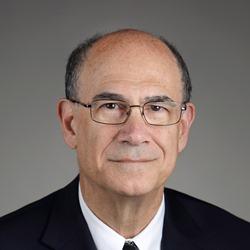
An Update from Dr. Mark Hallett
Plasticity is the capacity to change. Neuroplasticity is the capacity of the brain to change. The brain is actually highly plastic; not only can it change, it is constantly changing. Whenever a person learns something new, a new fact or a new motor skill, the brain has changed. If a person develops laryngeal dystonia (LD), also referred to as spasmodic dysphonia (SD), the brain must have changed in some way so that abnormal vocal cord movement will happen. The basic science of neuroplasticity is being actively investigated, and much is being learned about the underlying physiology. Read an update about this area of research from Dr. Mark Hallett.
|
|
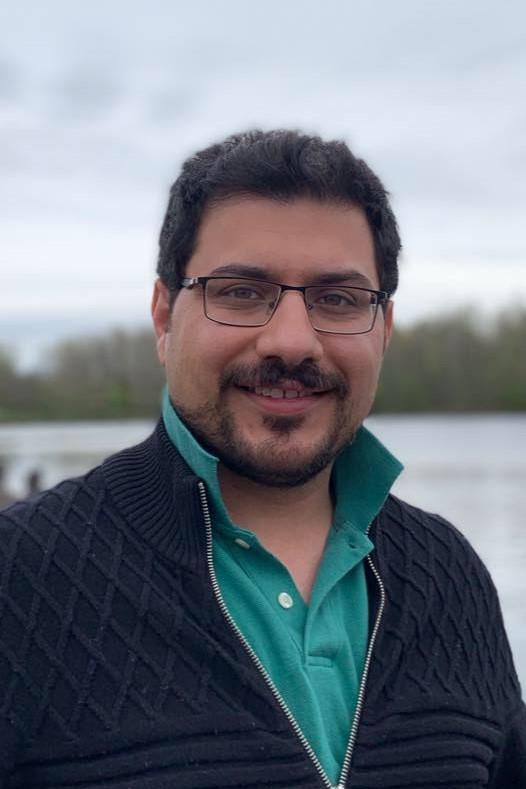
2020 NSDA Research Award Presented by The Voice Foundation | Arash Mahnan
Researcher Arash Mahnan (pictured right) is the recipient of 2020 the NSDA Research Award in partnership with The Voice Foundation. Arash participated in the 2020 Voice Foundation Virtual Conference and presented his research entitled, “Vibro-tactile Stimulation as a Feasible Symptomatic Treatment for the Voice Disorder Spasmodic Dysphonia.” His team is working on a series of projects focusing on vibro-tactile stimulation (VTS) of the skin above the larynx as a new potential treatment for spasmodic dysphonia. He said, “Success in our endeavor will result in an alternative non-invasive treatment for spasmodic dysphonia. Our team recently received a research grant from NSDA to further develop a wearable device that users can wear around their neck and is able to apply vibration to the larynx. In addition, we are planning to test and demonstrate the effectiveness of the device in a small sample of SD patients. We are actively recruiting individuals with SD to participate in our clinical trials.” Click here to read more about Arash's research.
|
|
NSDA AWARENESS MASKS AVAILABLE |
|
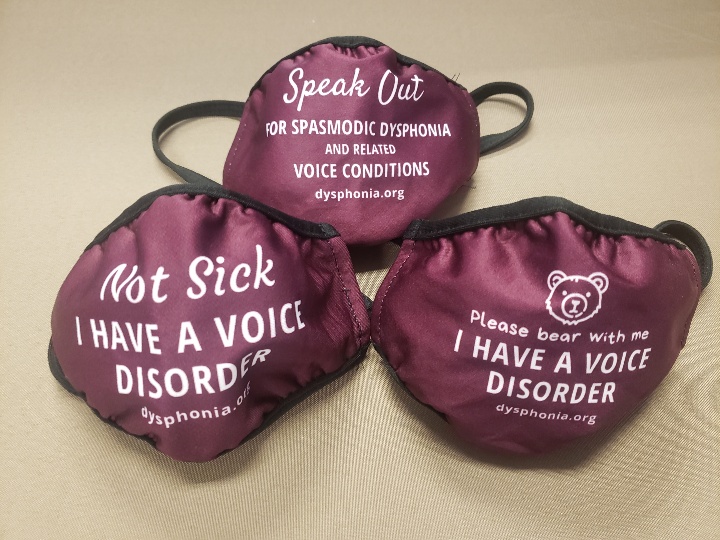
Having a voice disorder can be challenging, but having to wear a mask can make it even harder with the additional effort required to project your voice. With these awareness masks, you can let people know that you have a voice disorder without having to say a word.
Our NSDA volunteer leaders provided valuable input on the design and wording. Special thanks to Carol Doles for the original inspiration and to Nancy Peltier who helped to source a vendor.
PLEASE BEAR WITH ME | This mask says, “Please bear with me, I have a voice disorder” and a little bear dots your nose! For quick reference, we included the NSDA website, dysphonia.org, to help raise awareness.
NOT SICK |This mask says, “Not Sick, I have a voice disorder” and for quick reference, we included the NSDA website, dysphonia.org, to help raise awareness.
SPEAK OUT | This mask says, “Speak Out for Spasmodic Dysphonia and Related Voice Conditions” and for quick reference, we included the NSDA website, dysphonia.org. Family and friends can wear this mask too to help support a loved one with a voice condition.
ABOUT THE MASKS | The 3-ply mask is burgundy on the outside, white on the inside with the piping and ear straps in black. It cinches around the nose for a snugger fit. Lightweight and 100% polyester, these masks are machine-washable for extended use. Please note this is a non-medical grade mask. Measures 6.75” L x 4.5”
|
|
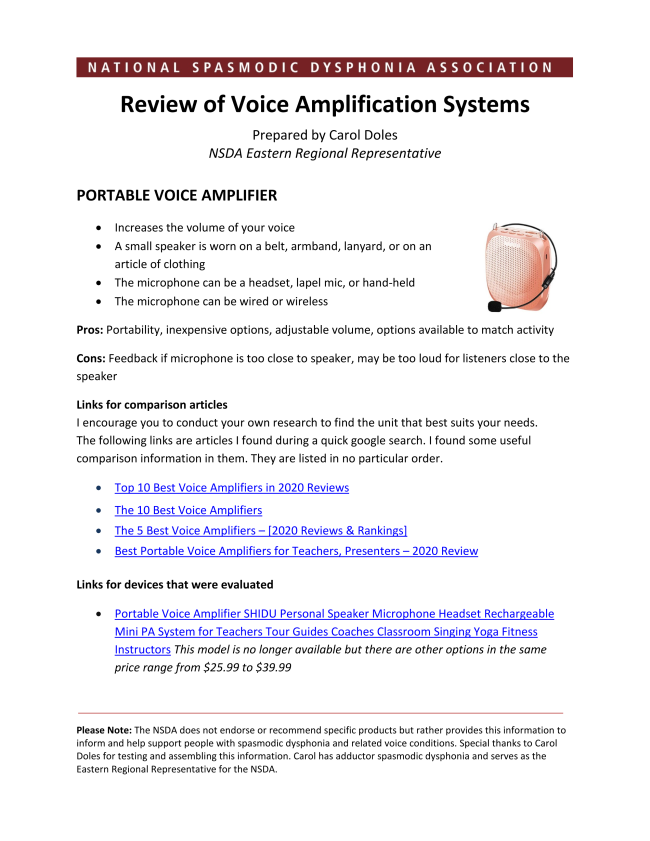
Download | Review of Voice Amplification Systems
|
|
Carol Doles has always been a fixer. When she is faced with an obstacle, she works diligently to find a way to conquer it or work with it to achieve her goal. Things were no different when she developed adductor spasmodic dysphonia. Her journey with SD and her career of teaching led her to explore different types of amplification systems for her voice over the years. In this download, Carol shares her experience with three different types of systems, including a portable voice amplifier, a smart phone app with Bluetooth speaker, and a tour guide system which is a game changer for date night with her husband! There is also a list of questions to consider when choosing a personal voice amplifier. |
|
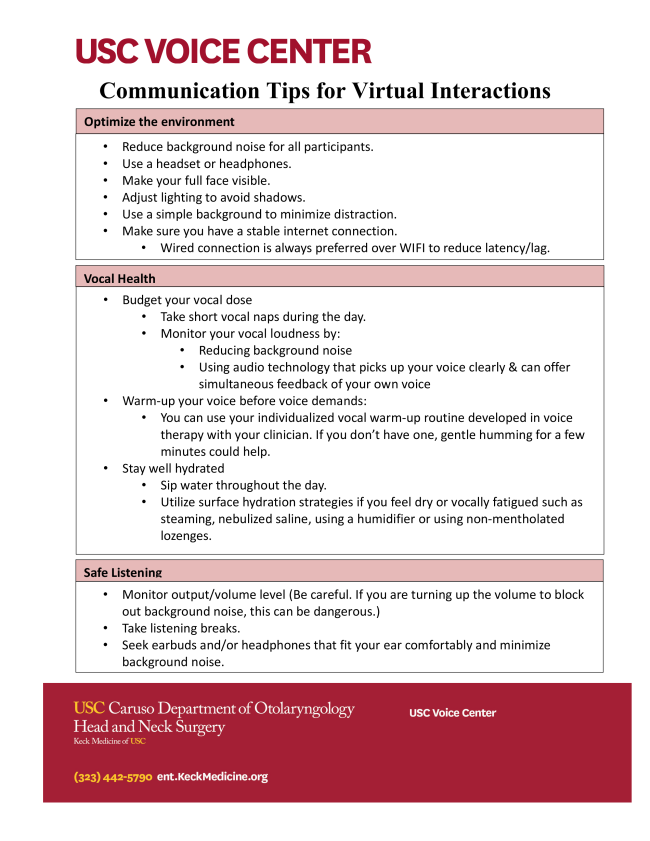
Download | Communication Tips for Virtual Interactions
|
|
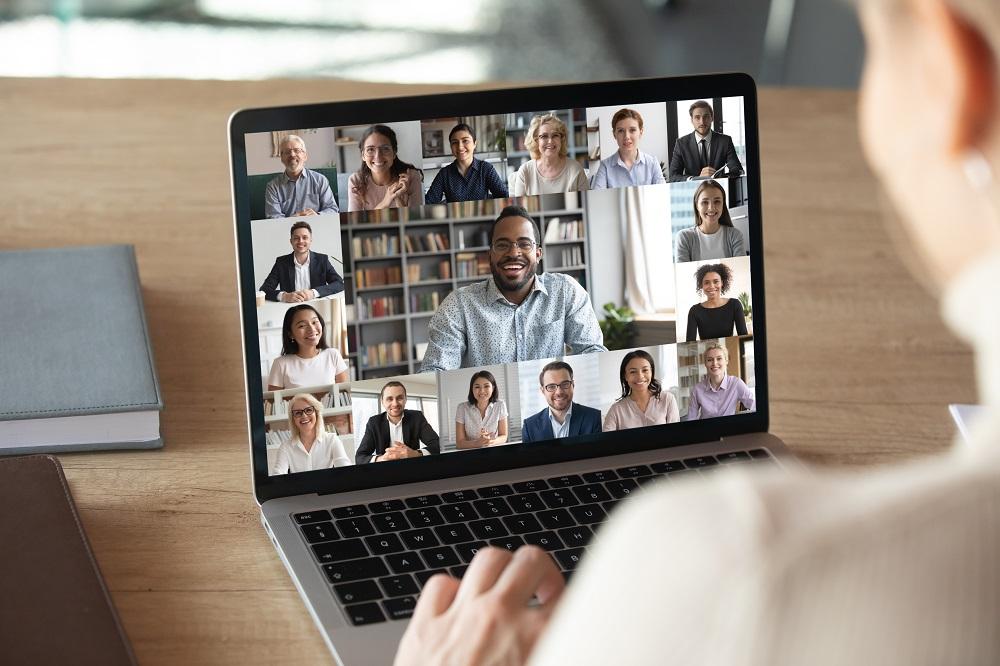
Many of us are using videoconferencing more frequently due to the COVID-19 pandemic. Video calls can be of great benefit for staying in touch with loved ones or working from home, but they can also result in voice fatigue. There is a natural tendency to talk louder when using video calls or speaker phone (called "cell yell"), and this can lead to vocal fatigue or other voice problems like hoarseness, increased vocal effort, or a feeling of strain or tension in the throat. You can help prevent these by taking vocal breaks or "naps" between calls, staying well hydrated, warming up your voice, and using good audio technology. Find more tips in this handout from the USC Voice Center. |
|
|
|
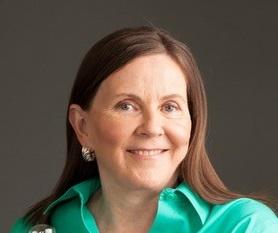
New Board Member | Dorothy Tannahill-Moran |
We are excited to welcome Dorothy Tannahill-Moran to the NSDA Board of Directors. Dorothy has been very engaged with the organization over the years including leading the Kansas City Support Group. Among her numerous contributions, Dorothy has participated in Leadership Workshops and Dystonia Advocacy Days. In addition, she has spoken at our annual symposiums and at various support groups and has conducted webinars and written articles for the NSDA. Click here to read more about her voice journey and how she became involved with the NSDA.
|
|
2020 NSDA AWARD RECIPIENTS |
|
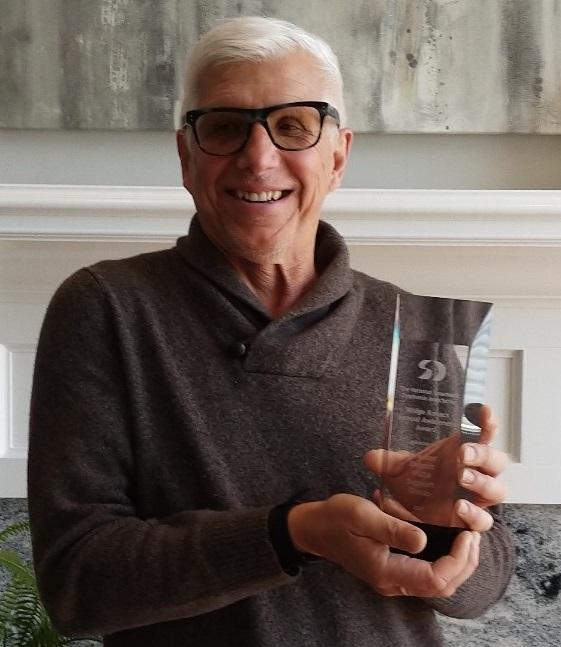
2020 Midge Kovacs Awareness Award | Dennis Kaszeta |
Since 1999, the NSDA takes great pleasure in bestowing the Midge Kovacs Annual Awareness Award. Midge started one of the first SD support groups and she wrote a newsletter in order to share information and raise awareness. In presenting the Midge Kovacs Annual Awareness Award, we honor the outstanding work of an SD support group.
The winner of this year’s award was Greater Detroit NSDA Support Group Leader, Dennis Kaszeta. Founding President, Larry Kolasa, presented it to him virtually. Dennis re-established the Michigan group. He conducted site visits in anticipation of the 2020 NSDA Symposium. He participated in spasmodic dysphonia research in MN which is looking at vibro-tactile stimulation as a treatment for improving the voice symptoms of people with spasmodic dysphonia. In addition, he participated in a conference call on NSDA fundraising. Click here to read more.
|
|
2020 Dot Sowerby Pioneer Award | Carol Doles |
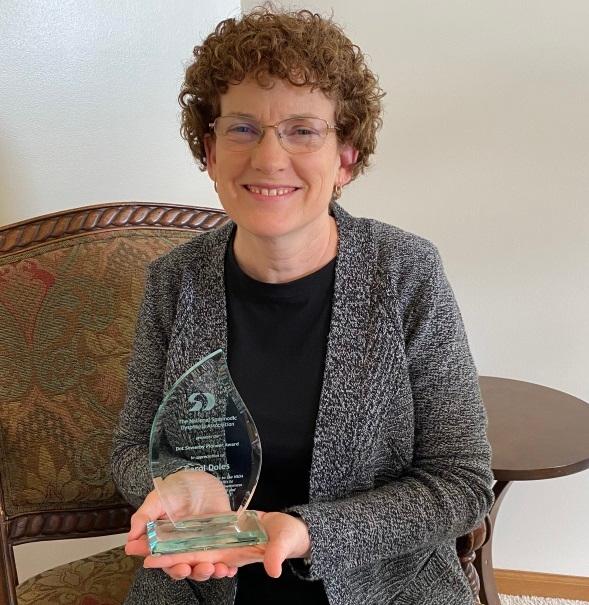
The 2020 Dot Sowerby Pioneer Award was presented to Eastern Region & Canada Representative, Carol Doles, virtually by the awards namesake, Dot Sowerby. Carol founded the Greater Columbus and the Central Virginia support groups. She serves on the Support Leadership Committee and is an Administrator of the NSDA Support Leadership Facebook Group. In addition, she has served on several Planning Committees for our Leadership Workshops.
According to Carol, “I felt humbled and honored to receive the award. Dot was one of the first to welcome me and let me know that I was not alone in my journey with SD. Dot provided valuable mentorship and included me in her network of leaders. These leaders have all supported, taught, and encouraged me every step of the way. My goal has been to follow these great examples and let every SDer know that a community awaits them. Living well with SD is within their reach.” Click here to read more.
|
|
VOICE DISORDERS IN THE MEDIA |
|
Figures of Speech: TV anchor recovers his voice
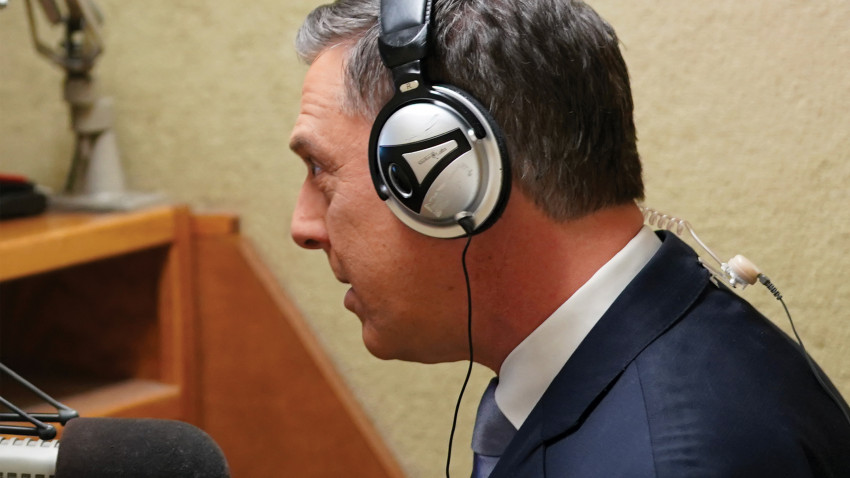
A strong voice is essential to being a TV broadcaster. When Andy Dominianni's (pictured right) voice began to falter on air, people started to notice. After much searching, Andy was diagnosed with both spasmodic dysphonia and muscle tension dysphonia. He worked with speech therapist Heidi Douglas-Vogley and Dr. Adam Rubin. Through a combination of treatments, he is now back on the air as a news anchor in Kalamazoo, MI. Andy recently shared his journey with viewers to help answer questions about his voice and raise awareness about vocal disorders.
|
|
MAKING THE ROUNDS AND RAISING AWARENESS |
|
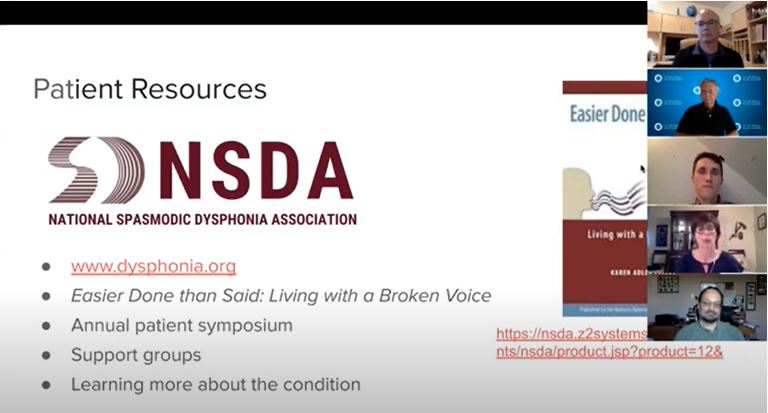
Karen Adler Feeley, author of the book, "Easier Done than Said: Living with a Broken Voice," had a unique opportunity to participate virtually at George Washington University Medical Center’s Otolaryngology Grand Rounds. This monthly meeting (now a Zoom call) brings together the doctors, residents, and the medical students in a department to do a deep dive into a topic. During this session in April, the focus was on spasmodic dysphonia. Karen and her husband Jens were guest speakers, giving the patient’s and the patient’s family’s viewpoint on how to treat the condition. Scott Fassas, a graduating student, gave the medical talk. Dr. Steven Bielamowicz moderated and hosted. It was recorded and can be viewed by clicking here. Special thanks to Karen and Jens for their continued dedication to raise awareness about the impact of voice conditions like spasmodic dysphonia!
|
|
In this time of physically distancing, we still need to connect socially. While our in-person support group meetings are on hold, the NSDA has hosted over 25 virtual support sessions via Zoom. Even if a meeting is not in your geographical location, you can still register and join in if the time and date work for you. In addition, we have sponsored webinars on timely topics and hosted the 2020 NSDA Symposium sessions virtually. These were recorded and available to view. More new online content will be coming soon!
|
|
NATIONAL SPASMODIC DYSPHONIA ASSOCIATION |
|
OUR VISION
The Vision of the NSDA is to ensure the ongoing viability of the organization that will continue to lead the effort to eradicate spasmodic dysphonia and related voice conditions.
|
|
OUR MISSION
The NSDA is dedicated to improving the lives of people affected by spasmodic dysphonia and related voice conditions through research, education, awareness and support.
|
|
|
With your support, we can continue important research that will lead to more answers about spasmodic dysphonia and related voice conditions! |
|
300 Park Boulevard | Suite 175 | Itasca, IL 60143 | 800-795-6732
|
|
|
|
|
|
|