Can't see the entire message? View as Webpage

January 2024 Newsletter

Welcome to the New Year!!

Thank you for all that you do to support people in recovery!

frosty-bough.jpg

Safeguarding the Integrity of Peer Professional Roles: Understanding, Addressing, and Preventing Peer Drift


Peer professionals are individuals equipped with training to utilize their personal, lived experience of recovery in order to support and enhance the resilience of others facing mental health and/or substance use challenges. This role is distinct and separate from the framework of a clinical or medical model.


Peer professionals go beyond clinical treatment by offering non-clinical, strengths-oriented support. They help individuals connect with or remain engaged in the recovery process through shared understanding, mutual empowerment, and respect, drawing on shared experiences. It's important to note that peer professional services do not replicate the responsibilities of behavioral health specialists. Peer professionals help lay the foundation for recovery based on mutuality through a non-hierarchical relationship. They help make connections with other services and supports, assist individuals in understanding their care, and empower people to make informed decisions.


More and more often we are seeing increasing rates of peer drift. Peer drift, otherwise known as co-opting, manifests when the responsibilities of a peer professional begin to stray from the distinctive practices that set them apart from clinical or other recovery providers. It may also arise when peer professionals feel uneasy in their role, leading them to transition towards a more medical treatment-oriented position. This shift could involve a focus on symptoms and/or diagnoses, or a tendency to encourage individuals to adhere to advice rather than supporting them in making their own decisions.


SAMHSA recognizes two categories of peer drift which include organizational and individual peer drift. They explain that organizational peer drift happens when peer professionals are marginalized and assigned tasks that misalign their intended duties. Individual peer drift is discussed as the peer professional acting in a role that differs from their dedicated responsibilities, which can look like acting in a more hierarchical position (coach, sponsor, counselor, etc), or like stepping into a more clinical approach. It can also evolve into allowing boundaries to be lax, creating a less structured relationship with the individual.


Peer drift can happen when there is a lack of understanding regarding the role of peer professionals, pressure to comply/conform, or when the distinctly different perspective from which peer professionals work is not honored. Co-opting happens when the peer professional role is different from what it is intended to be or by doing the work of

others.


Peer professionals are not therapists/counselors, case managers, nurses, friends, transportation services, bill collectors, sponsors, or coaches. They do not provide or use religious advice or promote religious affiliation, assess or provide diagnosis, take over

someone else's recovery, oversee medications or any type of testing, or insist

on recovery if someone isn't willing.


How can we avoid peer drift and co-opting?

·      By becoming very familiar with the National Practice Guidelines for Peer Support Specialists and Supervisors (read here)

·      Staying anchored to the model of providing non-clinical, non-hierarchical, strengths-based support through shared experiences.

·      Avoiding the use of clinical concepts and elevating the voice of lived experience.

·      Join or create an Advisory Council to receive ongoing input from peer professionals working in the field and seeking input at every intercept.

·      Train non-peer professionals at organizations that hire Peer Support Specialists about what Peer Support is rooted in and taking action to prevent assimilation into other roles.

·      Advocate for policies and procedures to be developed or improved to take into account the actual role of peer support.


What to do if you feel your role has drifted or your work is being co-opted?

·      Talk to your supervisor. Review your job description and the National Practice Guidelines for Peer Support Specialists and Supervisors. (read here) Suggest formalized training for the whole organization to get a better understanding .

·      Contact your Advisory Council to discuss the issues you are having.

·      Contact NAMI Illinois Alliance of Peer Professionals to get more information (Contact NIAPP)


By: Christa Cornelius, MHP, CRSS


Resources:

Understanding and Avoiding "Peer Drift" presented by 814-CRSS Success Learning Collaborative Division of Mental Health


Peer Support Services in Crisis Care by SAMHSA


National Practice Guidelines for Peer Specialists and Supervisors presented by National Association of Peer Supporters

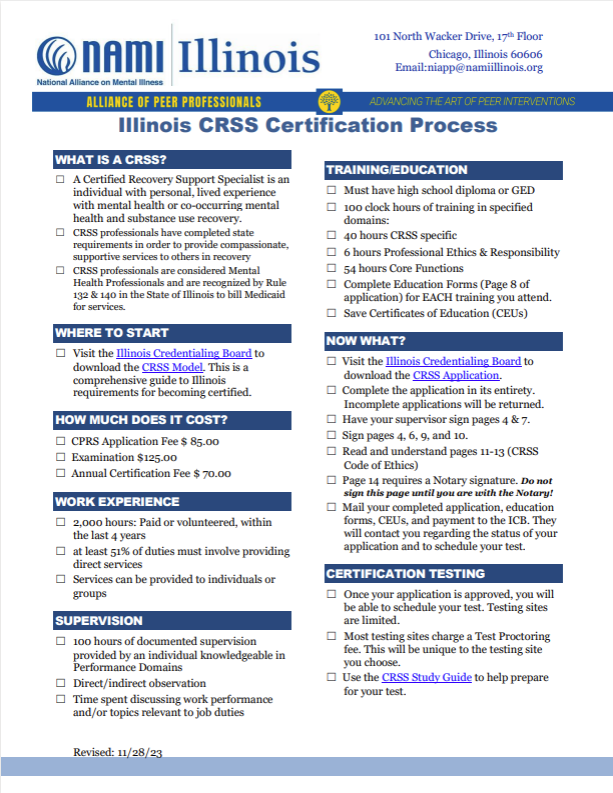
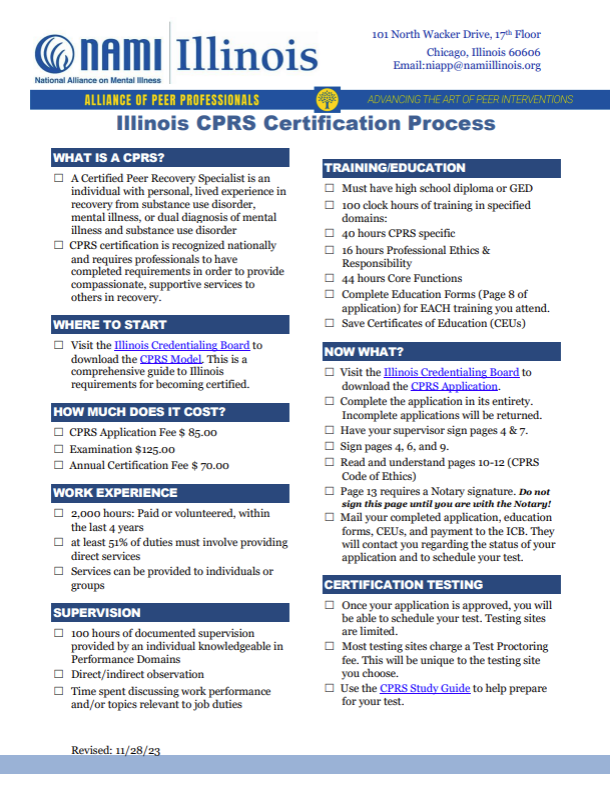
CRSS and CPRS Certification

Have you ever been confused on requirements to become certified in Recovery Support? Have you wondered what to do next?

NIAPP created these easy-to-use one page checklists to help you in the certification process!

Email us for your PDF copy today!

Request your copies today!

PEER PROFESSIONAL SPOTLIGHT


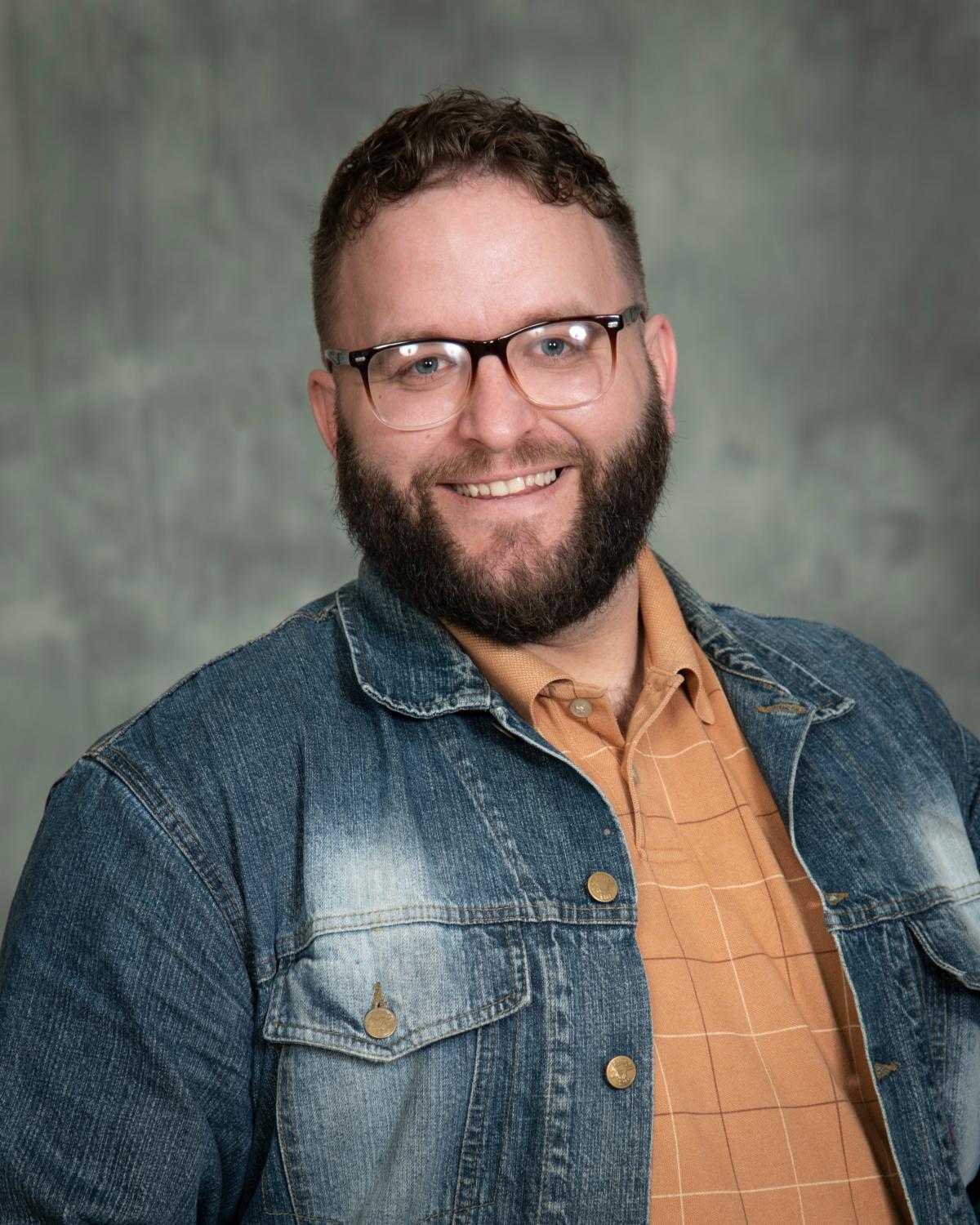
EVAN ATHERTON


Hello! My name is Evan Atherton. I’m the supervisor of Recovery Support Specialist services in Carroll, Stephenson, and Ogle Counties with Sinnissippi Centers. At Sinnissippi, we provide an extensive variety of services; from our Substance Use and Crisis services, to Healthy Families and Veteran Services, and so many things in between... Like Peer Support and Mentoring, which is what I do (and I love)! As a Peer Professional, I am able to demonstrate to the community I serve that recovery is possible and perseverance is power!


We have a unique opportunity to help others through our own lived experience and I believe that to be one of the greatest connections we can make with one another. What we do is very important, but the wild thing about the work we do is that when your heart is in it, you might not even realize you’re working! Sometimes, that can feel a little like you’re not making a difference, but always know… as long as you’re in someone’s corner, you’re making an immeasurable impact.


A hero of mine said “While I’m alive I’ll make tiny changes to earth” and that’s something I think we can all strive to do. So go forth and Make Tiny Changes!

Thank you.

Connect with Evan!

Know of a Peer Professional who deserves to be recognized? We would love to feature them in our Peer Professional Spotlight!

Please email us with their contact information and we will get in touch.

EMAIL US!

Welcome

Christopher Huber

to the NIAPP Board of Directors


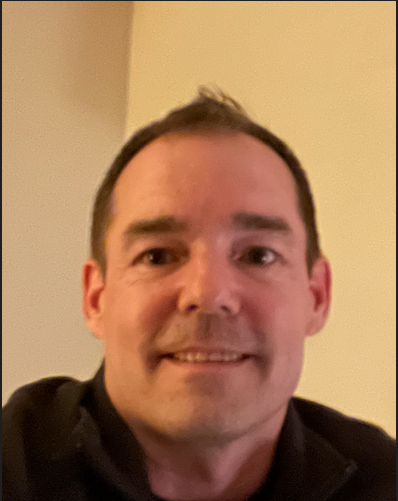
Christopher Huber, CRSS, volunteers as a Recovery Support Specialist at Bayside Terrace and The Independence Center in Waukegan, IL. He facilitates a diverse blend of recovery support groups that include topics such as co-occurring mental health and substance use recovery, empowerment through community resources, and Wellness Recovery Action Plan (WRAP) Education.


Chris embraces servant leadership and strives to eliminate barriers to success. He models inclusive and supportive behaviors while mentoring peers in the community. He has completed formal training as a Recovery Support Specialist, which includes provisional certification from the Academy of Peer Services, completion of Illinois DHS CRSS Competency Trainings, and enrollment at Northern Illinois University as part of the Illinois DHS “CRSS Success Program”.


Chris has a BS in Mechanical Engineering from the University of Illinois - Urbana / Champaign. In his free time, he enjoys spending time outdoors with activities such as hiking, boating, and fishing.

Peers in Medicare Act


Washington, D.C. – Mental Health America (MHA), the National Association of Peer Supporters (NAPS), the National Association of State Mental Health Program Directors (NASMHPD), the Depression and Bipolar Support Alliance (DBSA), the Association for Behavioral Health and Wellness (ABHW), and the National Council for Mental Wellbeing (NCMW) issued a statement about this Act that will allow reimbursement of peer support services.


Read the full Press Release

Live and Learn conducted a research study over several years with certified peer specialists to see what and how things may change after certification. It was unique in that they included people who completed a CPS credential but were working in other industries and jobs.


The sample includes peer specialists from PA, OR, NC and TX and discusses employment trends, wage gap, and levels &

predictors of burnout.


Visit the Certified Peer Specialist Career Outcomes Study

to learn more here


Click here to view the presentation slides.


Visit Live & Learn, Inc., to learn more about the research and intervention development projects to improve autonomy, self-sufficiency, and citizenship for people who face mental health-related challenges around meaningful participation.

Live and Learn, Inc

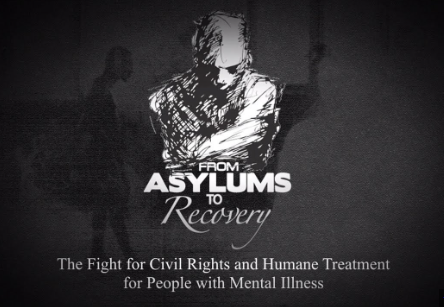
From Asylums to Recovery

by Mental Health America


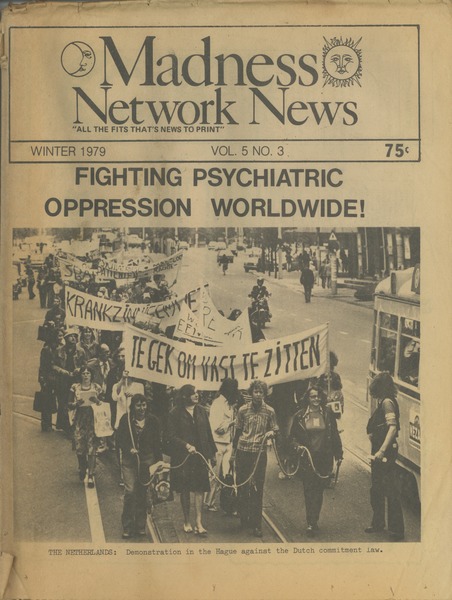
This documentary is a compelling history of the consumer and survivor/ex-patient movements in the United States from 1960 to the present. It is the incredible story of the ongoing emergence of thousands of people who have been pushed to the margins of society because of the gross misunderstanding of the “normal” world about the true nature of psychiatric disorders. The documentary follows the story of a person incarcerated in a psychiatric facility in 1960 and the barbaric treatments she was subjected to. Leading members of the consumer and survivor/ex-patient community are interviewed about the birth of these two historic movements.

Watch it now

Employment Opportunities

for Peer Professionals


Illinois Warm Line Wellness Support Specialist

Work from home, Full and Part time positions available.

Click here to view the job description


Illinois Warm Line Wellness and Recovery Shift Lead

Work from home, Tuesday through Saturday, 11am-8pm

Click here to view the job description.


Email correspondence to IL_WarmLine@carelon.com


Recovery Support Specialist at Heritage Health in Decator, IL. This position requires the candidate to have personal lived experience with incarceration, as they would be providing recovery support to currently/recently incarcerated individuals as part of the Successful Reentry Pilot Program. Heritage will work with eligible applicants to help them request a waiver, if needed, to pass the background check to work in healthcare in Illinois.


To view the job description and apply follow this link


For questions, please contact: Meg Johnson MJohnson@heritagenet.org


Community Outreach Coordinator at Brighter Behavior Choices - Recovery Café in Chicago. Onsite/hybrid with flexible Monday-Friday schedule, Full and part time option.


To view the job description and application instructions click here


Program Care Coordinator at Brighter Behavior Choices Recovery Café in Chicago. Onsite Full-time Monday-Friday.


To view the job description and application instructions click here


Email info@nrmcareercoach.com with questions.

Upcoming Trainings:


CRSS Supervisor Training (IDHS) 1/11/24 @ 10-11 am

Register here


Words Matter: Language and Stigma Reductions (Faces & Voices)

1/11/24 @ 1-2 pm

Register here


[Region 5] Virtual Listening Community Forum 1/18/24 @ 10:30am-12pm

Register here


Motivational Interviewing Skills that Promote Peer Empowerment

(Faces & Voices)

1/25/24 @ 1-2 pm

Register here


Peer Specialist Webinar Series- Navigating Authentic Advocacy: Uplifting Black and Queer Communities (Doors to Wellbeing)

1/30/24 @ 1-2 pm

Register here

LOOKING AHEAD:

The Illinois Department of Mental Health and NIAPP have partnered to develop a website that will be a one-stop shop for

Peer Professional resources!

Within the website, the vision entails a centralized platform for announcing statewide employment, internship, and volunteer positions for Persons with Lived Experience in Illinois, as well as a trusted site for finding the latest training, professional development, and other certification information.

More info coming soon!!


Ready to Certify?

We can assist!


Reach out for assistance with the CRSS/CPRS application, testing, and certification process.


EMAIL NIAPP


CRSS Model

CRSS Application

CRSS Study Guide

CPRS Model

CPRS Application

CPRS Study Guide

Illinois Certification Board Credentialing


Need support?

Help is here.

You are not alone.


Illinois Warm Line

Call 1(866) 359-7953


Crisis Text Line

Text HOME to 741741


National Suicide Prevention Hotline

(24 hours)

1(800) 273-TALK (8255)


IL Mental Health Collaborative

POLL RESULTS and NEW POLL!

Winter Poll Question:

What would be most helpful in preparing for the ICB exam?

A comprehensive training program 36%

Sample questions and answers 27%

Study guide 18%

A mentor or study partner 18%

Help us understand the needs of peer professionals by answering our newest poll!

Answers are anonymous

THANK YOU!

To help us get a better understanding of our newsletter audience, please let us know:

"What is your Peer Professional

certification status currently?"

(Choose what fits best)
Entry level- working toward certification, in training
Certified in IL as a CRSS or CPRS
Certified in another state
Certified with 5+ years of experience in the field
Not working toward certification

Interested in becoming a NIAPP member?

JOIN NIAPP TODAY!

NIAPP Membership has helped Peer Professionals gain promotions, network for job interviews, enhance their portfolio and experience, and gain government appointments!

By contributing your leadership skills to NIAPP, you contribute to your career and the future of Peer Support!

Become a NIAPP Member Today!

If you have information related to Professional Peer Support that you would like to suggest for our upcoming newsletter, please send materials and suggestions to:

Email: niapp@namiillinois.org

Subject: "Newsletter"


Thank you for supporting Illinois Peer Professionals!

Visit our Website

Want to get our newsletter straight

to your inbox?

Sign up to receive our newsletter