|
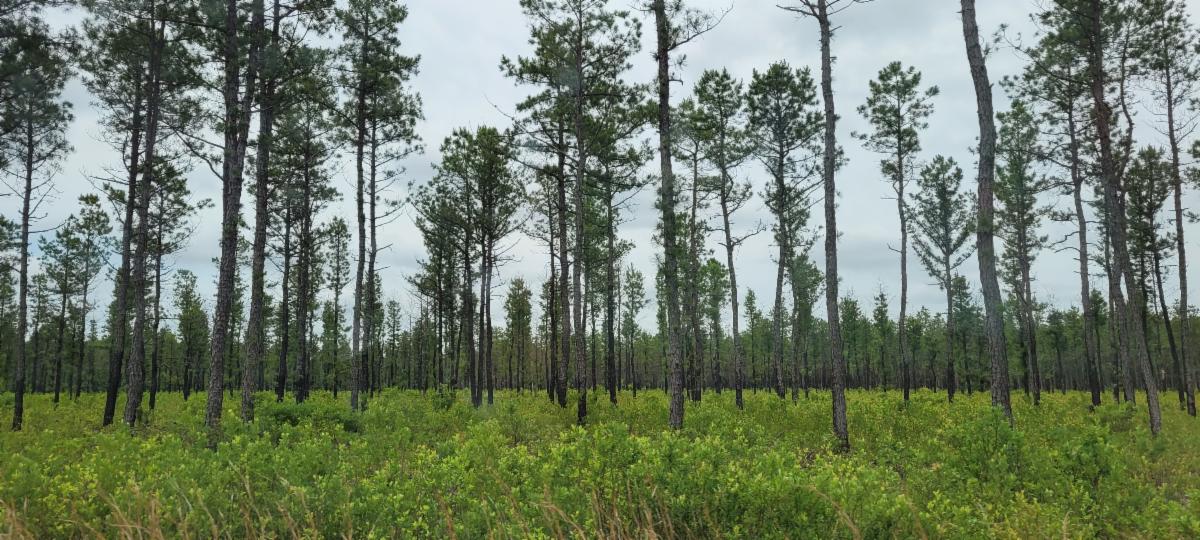
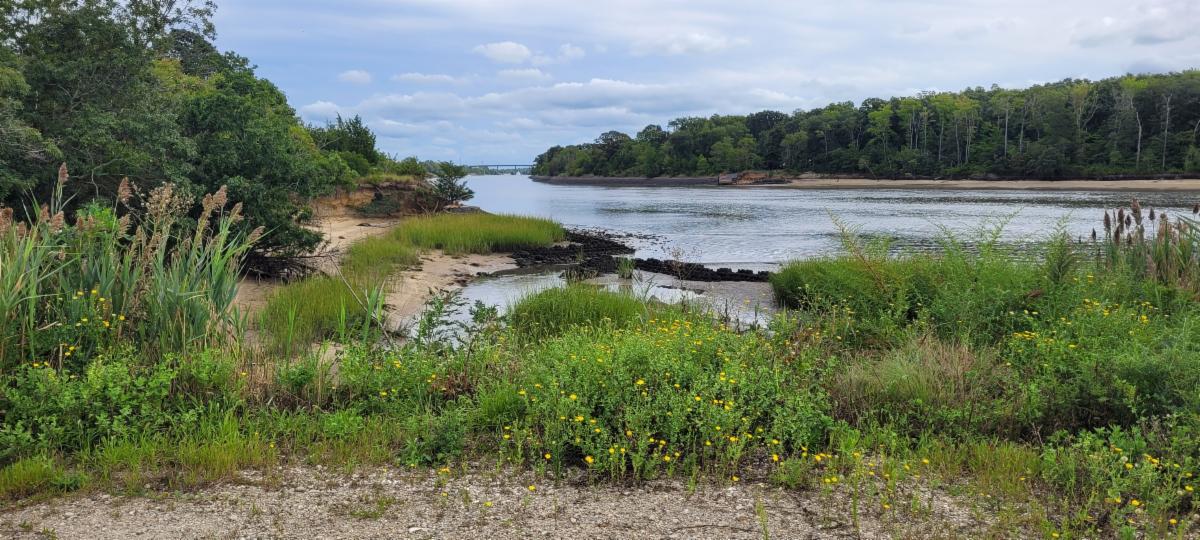
New Jersey maintains a diversity of plant and animal species by ensuring habitat for native species and actively managing invasive species. Atlantic white-cedar stands, which are currently being restored, play a critical role in the state's biodiversity, benefiting various plant and animal species, including several that are threatened and endangered.
Despite forests being the predominant land use in New Jersey, every county is declared "urban." Development encroaches on forested areas, leading to land conversion, fragmentation, and habitat degradation. To protect forest land and maintain its sustainability, New Jersey manages pests and monitors for others, such as the spongy moth and emerald ash borer.
|  | |
With over 7,000 private forest landowners in New Jersey participating in the state’s tax abatement program, the Farmland Assessment Act, there is a significant need for certified professionals to support this private forest landowner base and provide technical services, including writing and maintaining forest management plans. The availability of consulting foresters in New Jersey has been on the decline due to retirements and a deficit of new professionals entering the forestry field. This issue is further compounded by an increasing regional and national demand for foresters.
Following a Northeast Mid-Atlantic Partnership for Forests and Water Meeting in Edison, New Jersey last spring, which included forestry staff from New Jersey's Natural Resources Conservation Service (NRCS) and other in-state partners-discussions highlighted the challenges and opportunities for New Jersey forest landowners and the state as a whole.
| |
In response, the Cape Atlantic Conservation District agreed to explore leveraging technical assistance funds from NACD and secured additional funding to establish a forestry program to address these needs.
Cape Atlantic has recently hired an experienced forester to mentor a trainee forester. Initial efforts will focus on public outreach and training staff to deliver various forestry services. Staff will also apply to become technical service providers (TSP) in support of NRCS programs. Both foresters are trained in programs accredited by the Society of American Foresters (SAF) and will utilize various continuing education resources. They will also take advantage of many existing avenues for continuing education while collaborating closely with current consulting foresters and NRCS staff to obtain their necessary certifications to conduct forestry in the state.
|  | |
Cape Atlantic's forestry program will provide support to private forest landowners and municipalities, starting with introducing communities, stakeholders, and partners to its services. As capabilities and certifications expand, the program will adapt to local needs and explore funding opportunities for sustainability and growth.
This initiative marks a significant advancement for Cape Atlantic and New Jersey, promising solutions to ongoing forestry challenges while advocating for sustainable practices and forest health. It demonstrates the crucial role conservation districts play in implementing effective forestry practices and tackling sector challenges.
| NACD ADVANCES REGIONAL FORESTRY CONSERVATION | |
NACD has announced that its Northeast Mid-Atlantic Forests and Water Partnership project has received a $585,824 grant from the USDA Forest Service’s Landscape Scale Restoration (LSR) program. This funding will support the Partnership's mission to manage, restore, and conserve forests while protecting water resources across 13 states, from Maine to Ohio. The initiative focuses on creating resilient forests that enhance water quality for the 66 million people relying on these water sources.
This collaboration aims to address threats to forests such as fragmentation, invasive species, and various disturbances. By fostering a network of regional and state-led efforts, the Partnership maximizes investments and improves conservation outcomes.
The new grant will expand collaborative efforts, including projects in Pennsylvania and West Virginia. In Pennsylvania, new partners like the Pennsylvania Association of Conservation Districts and The Alliance for Chesapeake Bay will focus on riparian forest buffer demonstration sites and landowner outreach. In West Virginia, the NRCS Working Lands for Wildlife aquatics framework will be supported, with emphasis on forested watershed conservation. Partners such as the West Virginia Association of Conservation Districts and Trout Unlimited will play key roles.
Read more in this NACD press release.
| REGISTER FOR NACD'S REGIONAL, VIRTUAL AGROFORESTRY TRAININGS | 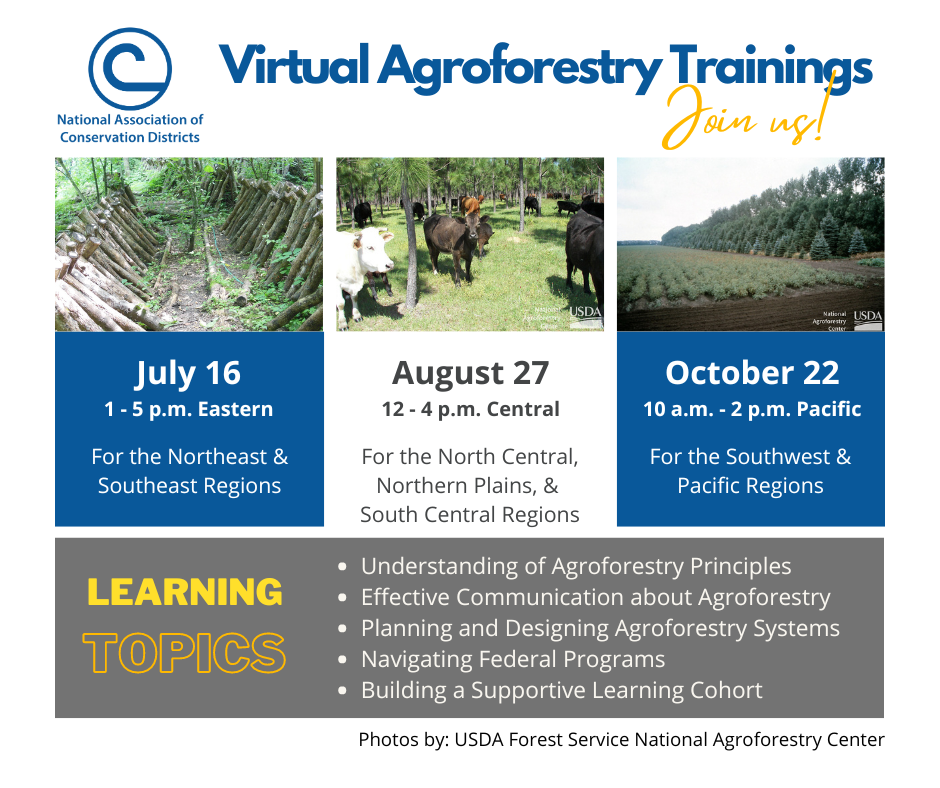 | |
In partnership with the USDA Forest Service National Agroforestry Center, NACD is excited to debut virtual agroforestry training sessions for conservation districts and partners!
Demand for trained agroforesters is expected to increase as agroforestry-related Partnerships for Climate-Smart Commodities projects and Inflation Reduction Act-funded projects are implemented. Three upcoming virtual regional trainings will introduce agroforestry and provide an educational foundation to help conservation districts and partners provide agroforestry technical assistance to landowners. The three trainings will be held on the following dates.
-
July 16, 2024 from 1:00 – 5:00 p.m. ET for the Northeast and Southeast Regions | Register here
-
August 27, 2024 from 12:00 – 4:00 p.m. CT for the North Central, Northern Plains, and South Central Regions | Register here
-
October 22, 2024 from 10:00 a.m. – 2:00 p.m. PT for the Southwest and Pacific Regions | Register here
These virtual trainings will include an overview of geographically relevant agroforestry practices, soil and water conservation and management, funding opportunities and federal program navigation, and planning and design considerations. They are designed for conservation districts and their partners and will include case study examples on incorporating agroforestry into existing conservation district program offerings. The trainings will also include navigation of state and federal programs to support land managers in accessing agroforestry financial assistance.
This work is made possible by a grant from the USDA Forest Service, National Agroforestry Center, under the authority of the Cooperative Forestry Assistance Act of 1978.
| FORESTRY FUNDING OPPORTUNITIES | |
Climate Hub Partnership Program Request for Proposals
The USDA has announced their 2024 Agriculture and Food Research Initiative (AFRI) Competitive Grants Program. The goal of this program is to invest in agricultural production research, education, and extension projects to produce more sustainable, productive, and economically-viable plant and animal production systems. Applications that address climate change, food, and nutrition security, expanding markets for producers, Indigenous traditional ecological knowledge (TEK), and equity for underserved producers are welcome. Approximately $300 million has been made available for programs included in the FY 2024 AFRI Foundational and Applied Science (FAS). See pages 4 and 5 to see priority areas and application deadlines. Deadlines range between August 2024-October 2024.
National Forest Foundation 2024 Collaborative Capacity Program Nationwide Grant Opportunity
The National Forest Foundation has announced the 2024 funding round of the Collaborative Capacity Program for Forests & Communities (CCP). Financial awards available through the CCP will provide resources, invest in skills and tools, and support activities that make collaboration with the USDA Forest Service and co-stewardship with Tribes for forest stewardship successful. Eligible applicants must describe how investments in collaboration will support a long-term strategy for achieving stewardship outcomes into the future and how these outcomes benefit National Forest System lands. Nonprofits, local governments, Tribes, and colleges and universities are eligible to apply. The National Forest Foundation has provided a quiz to determine eligibility for this funding. One quiz is for federally-recognized Tribal Applicants and one is for all applicants. July 12, 2024 is the deadline for CCP Applications. Click here to learn more.
USFS Invests $1 Billion in Wildfire Prevention for At Risk Communities
The USDA Forest Service has announced the Community Wildfire Defense Grant (CWDG) which is a grant program designed to help communities and Tribes that are at risk of wildfires. One billion dollars has been authorized for the 5 year CWDG program. Areas that have been prioritized as high risk are in areas with high wildfire potential, are low-income, or have been previously impacted by a disaster that affects the risk of wildfire. To learn more about the CWDG, click here.
Biden-Harris Administration Invests $4.55 Million for Community Heat Resilience Through Investing in America Agenda
On May 20, the Department of Commerce and NOAA announced that they would be making $4.55 million in funds from the Inflation Reduction Act available for two virtual centers of excellence to support community heat monitoring and resilience. This effort is part of President Biden’s Investing in America agenda and is the largest U.S. climate investment in history. These funds will allow the National Integrated Heat Health Information System (NIHHIS) to improve observations and data collection on extreme heat within communities. Additionally, it will aid communities in planning for and evaluating equitable heat resilience projects. To read the full release click here.
| |
Forestry News & Resources | |
NCSU Extension Releases Forest Succession Planning Resources
North Carolina State University (NCSU) has introduced a new, landowner-friendly interactive workbook designed to aid in succession planning.
This comprehensive 40-page workbook features informational sections and worksheets covering multiple aspects of succession planning. The book provides an introduction to succession planning, explains its importance, and offers detailed instructions on how to effectively use the worksheets.
It helps landowners estimate asset value and outlines steps to pursue an estate plan. Additionally, the workbook includes practical examples demonstrating how to use the worksheets, making it a valuable resource for landowners looking to ensure a smooth transition of their assets.
The full suite of resources can be accessed here.
| Adaptive Silviculture for Climate Change Study | |
Climate change threatens forests, necessitating adaptation strategies like the resistance, resilience, and transition (RRT) framework. The Adaptive Silviculture for Climate Change (ASCC) network studied five-year outcomes of these strategies in northern hardwood forests. This study, detailed in the article, found that recent adaptive silviculture treatments influenced seedling composition, while sapling composition was shaped by historical management.
Key findings highlighted in the article include:
- Adaptive silviculture led to regeneration aligned with desired future conditions.
- Approaches aimed at future adaptation had more shade-intolerant species.
- The resistance approach maintained canopy composition in the regenerating stand.
- Assisted migration plantings supported diverging functional identity in the transition approach.
These findings suggest that adaptive treatments effectively moved regeneration towards desired future conditions, though further interventions may be needed.
For a comprehensive understanding of these strategies and their impacts on forest regeneration, read the full article here.
| Urban Wood Network Learning Series | |
In this webinar, speakers from a wide array of backgrounds share their experience in crafting their urban wood businesses around not just urban wood, but other exciting additions.
The upcoming session will be held on Wednesday, July 10th 1-2pm eastern. Registration and details can be found here.
Past webinars are available online. The cost for each is $10 with the UWN member code: UWN_WEBINAR.
| Looking for Kid-Friendly Summer Forestry Activities? | |
This summer break, if you're looking for an educational way to keep the kids entertained check out NACD's Forestry Education Materials. We have coloring sheets, activity guides, and more to keep those future foresters busy!
From making hand trees, to forestry-themed word searches, to bookmarks, these materials can provide hours of educational entertainment. The best part is - they can all be downloaded FOR FREE!
Visit NACD's Martketplace to download our Education Guide and Activity Sheets.
|
Add your conservation district's tree sale, state association meeting, field day or celebration to NACD's calendar!
Click the button above to submit an event. Events will be reviewed by the website administrator and published to NACD's online calendar when approved. | |