|
Dear Community Member,
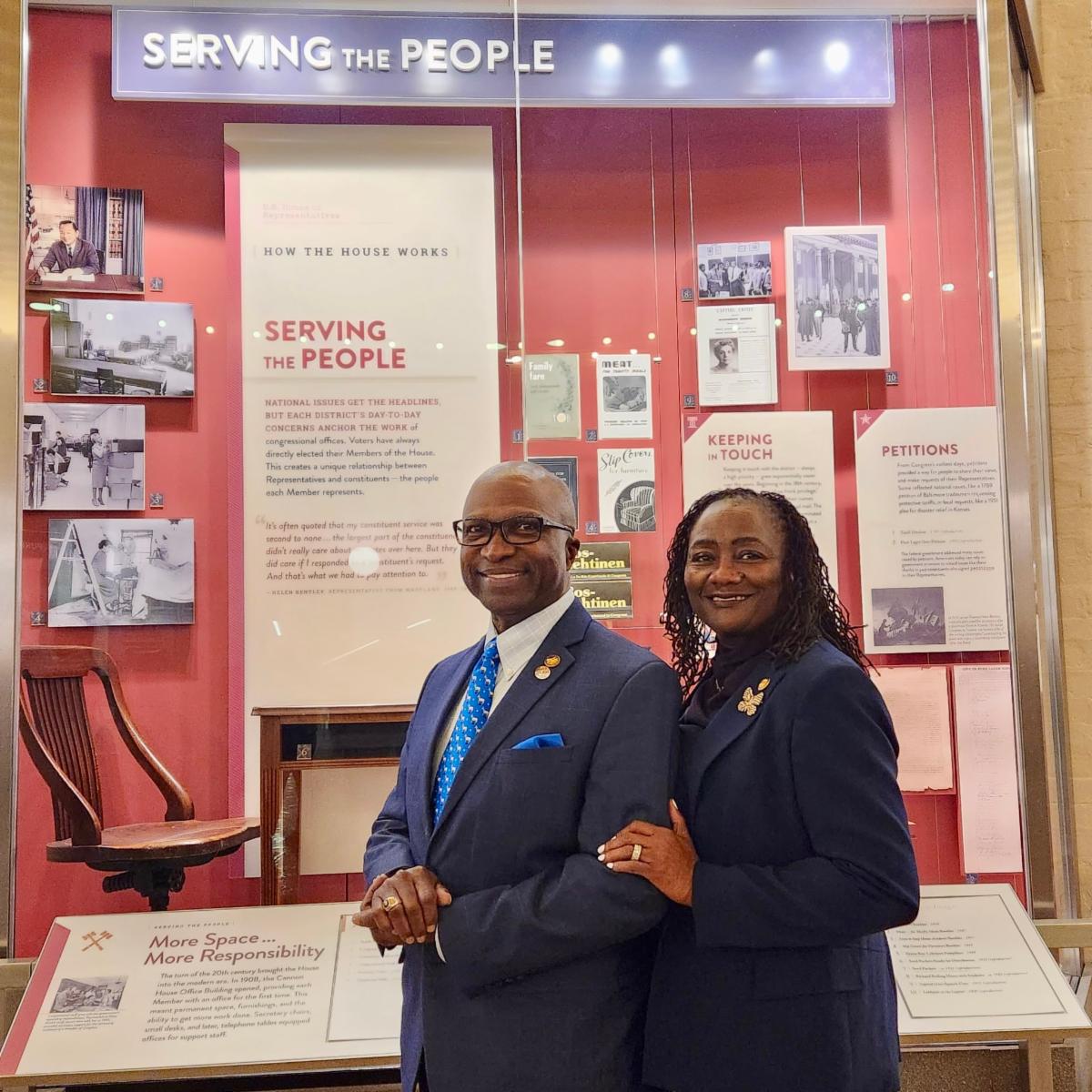
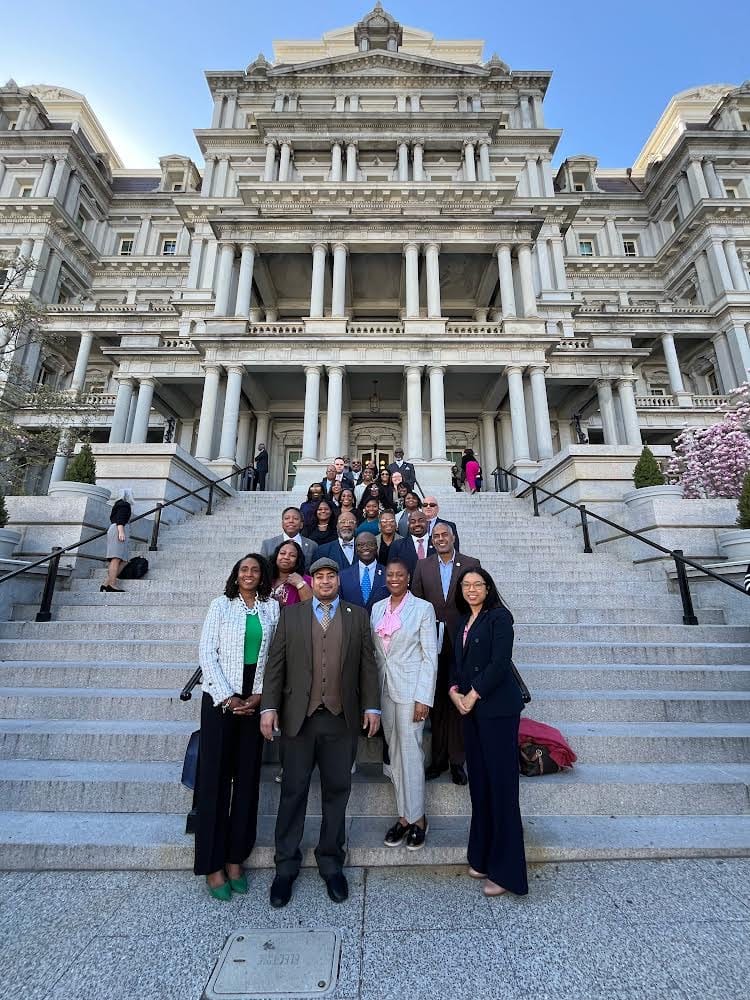
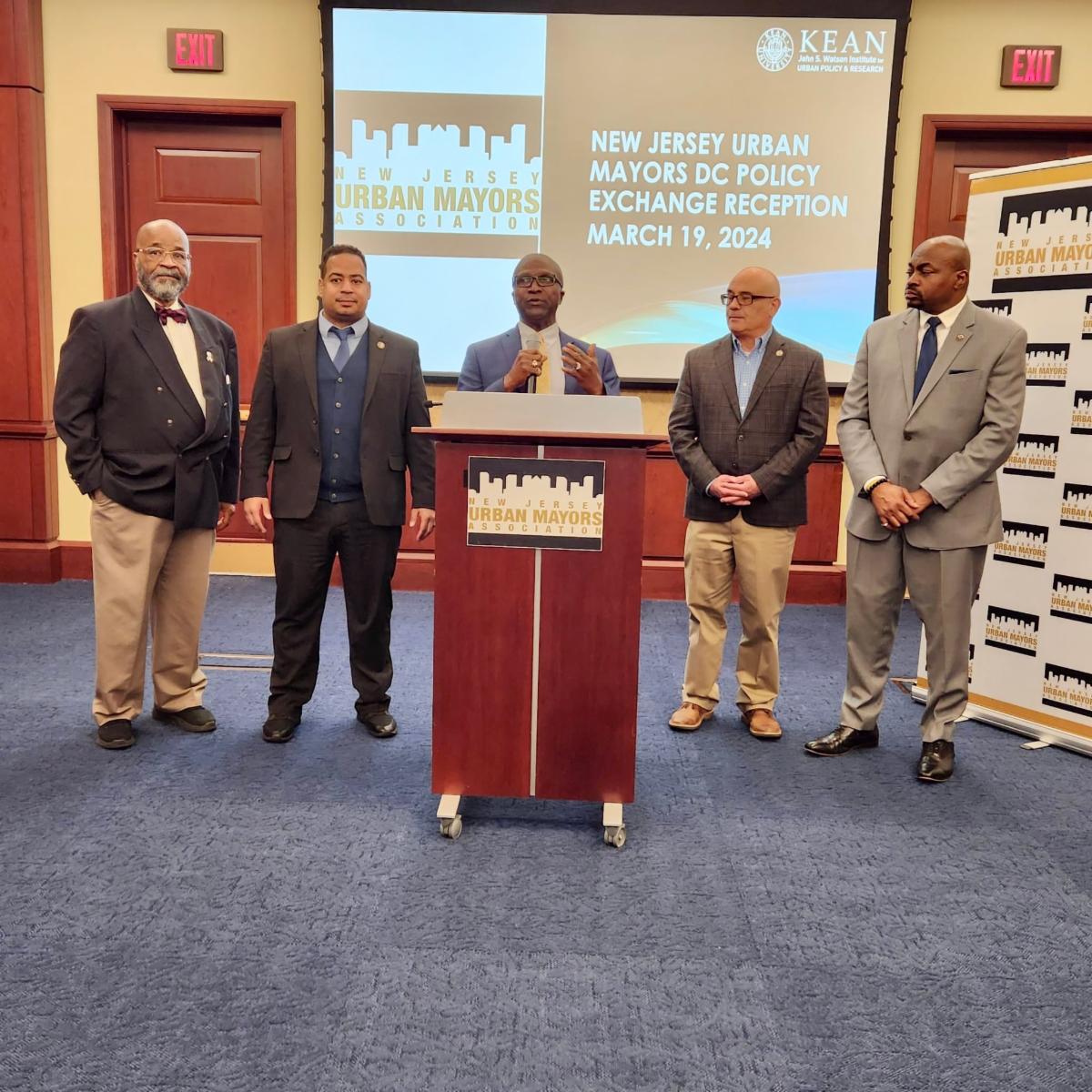
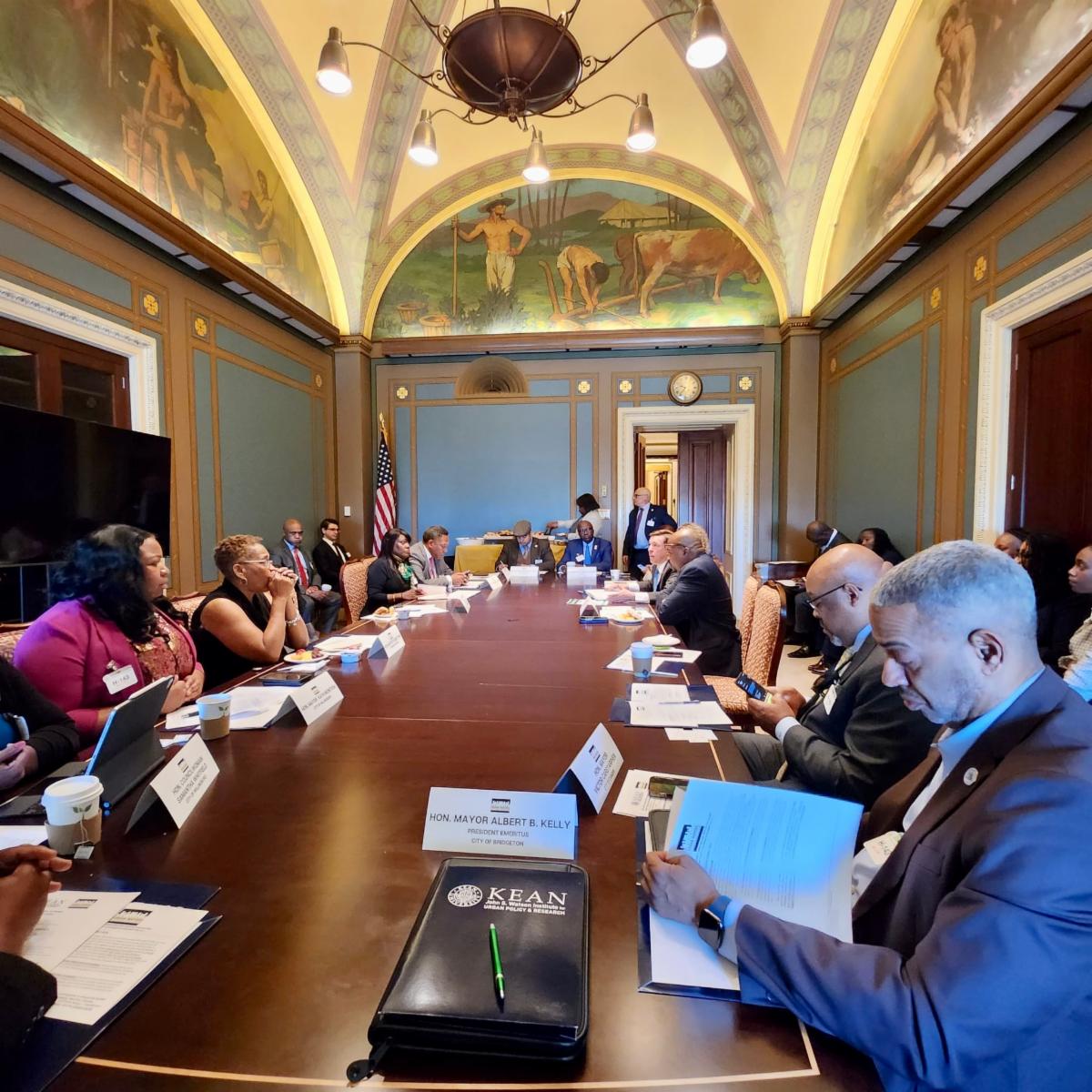
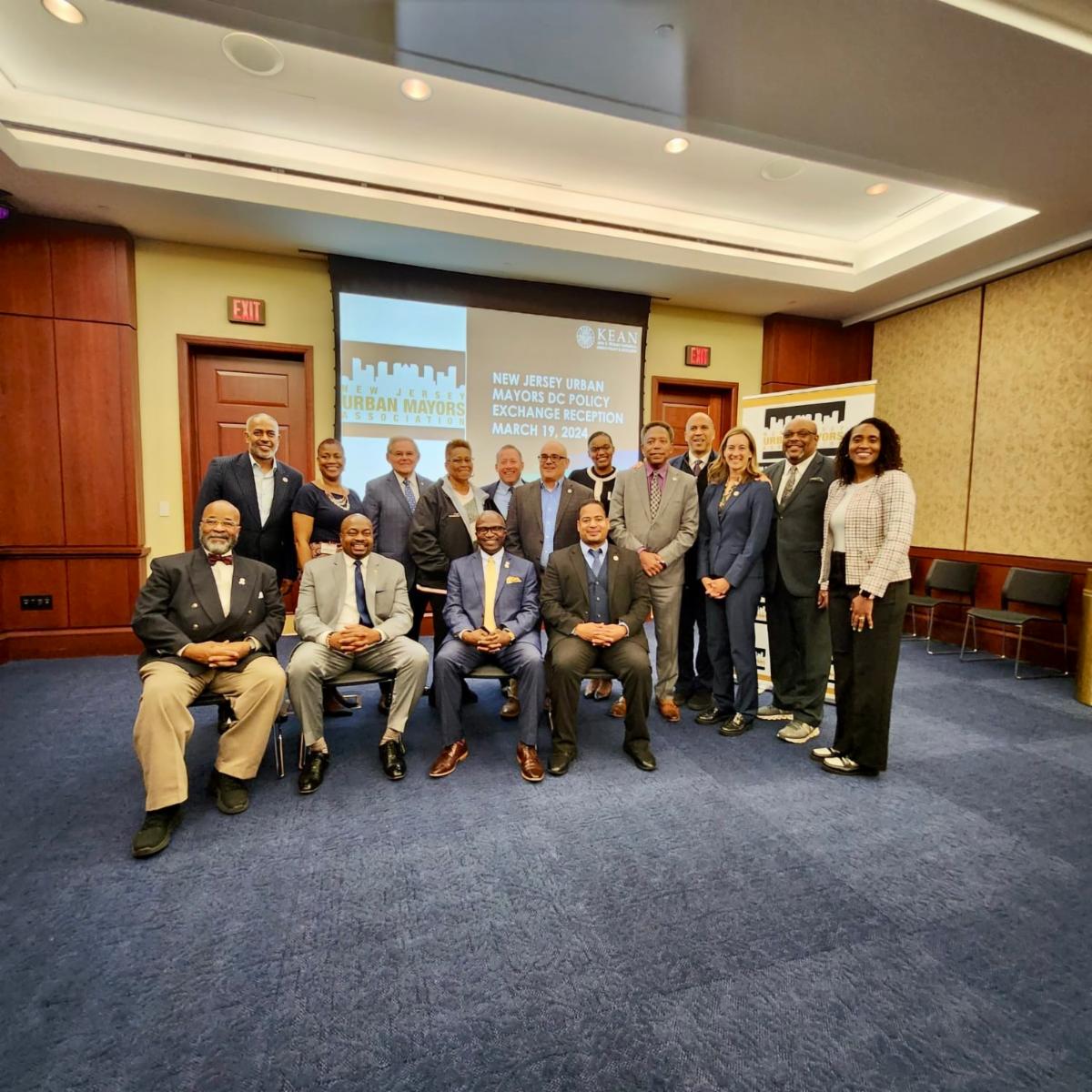
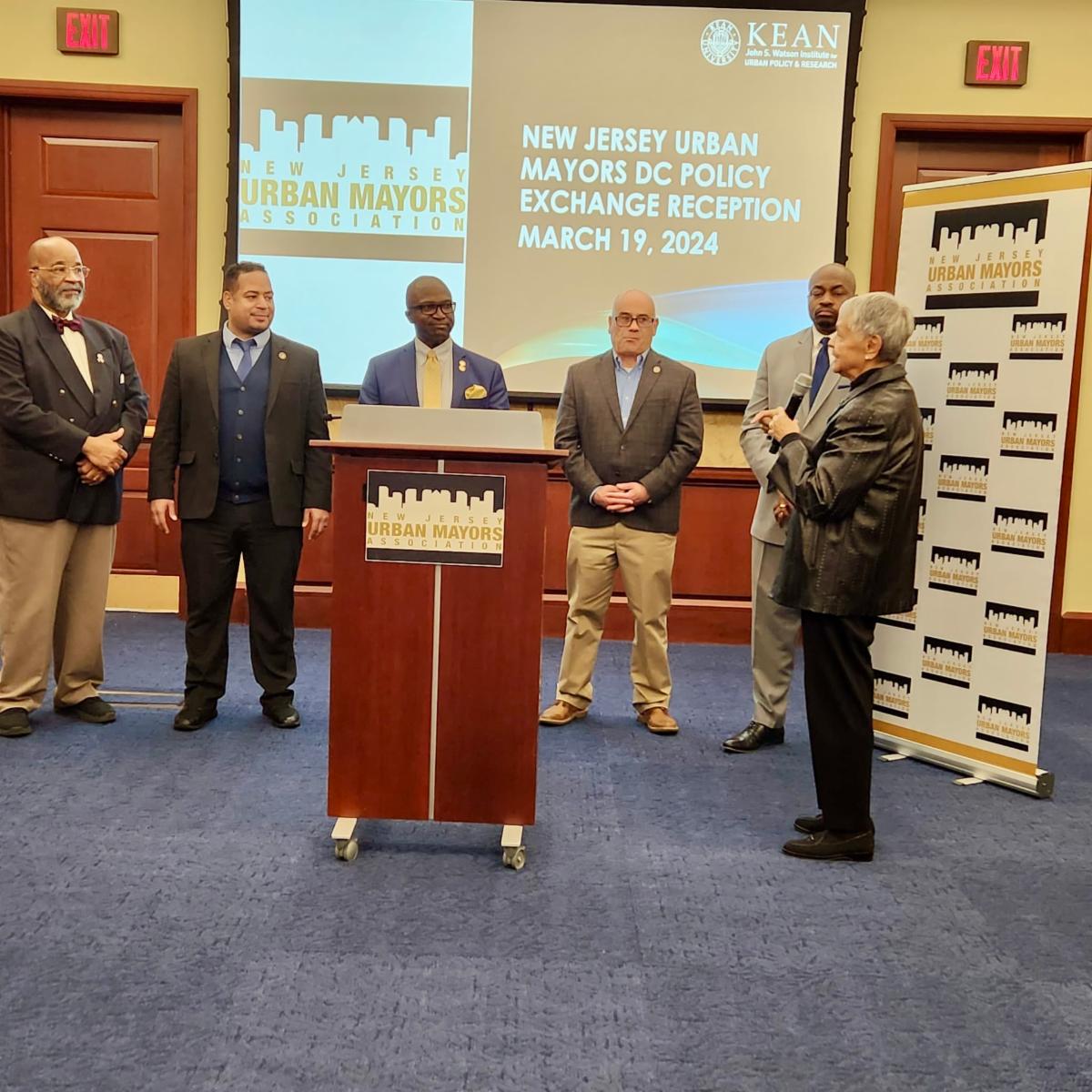
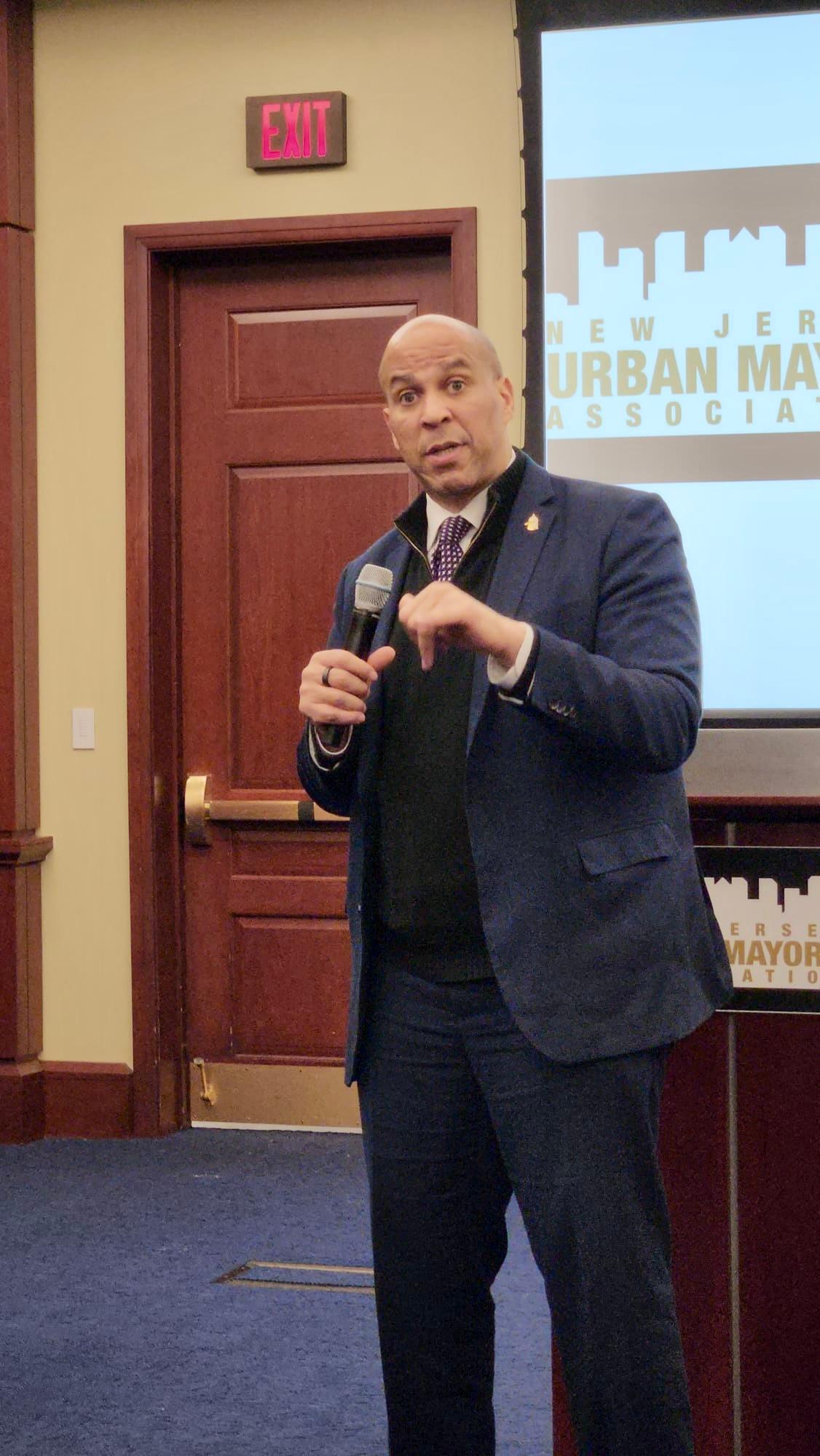
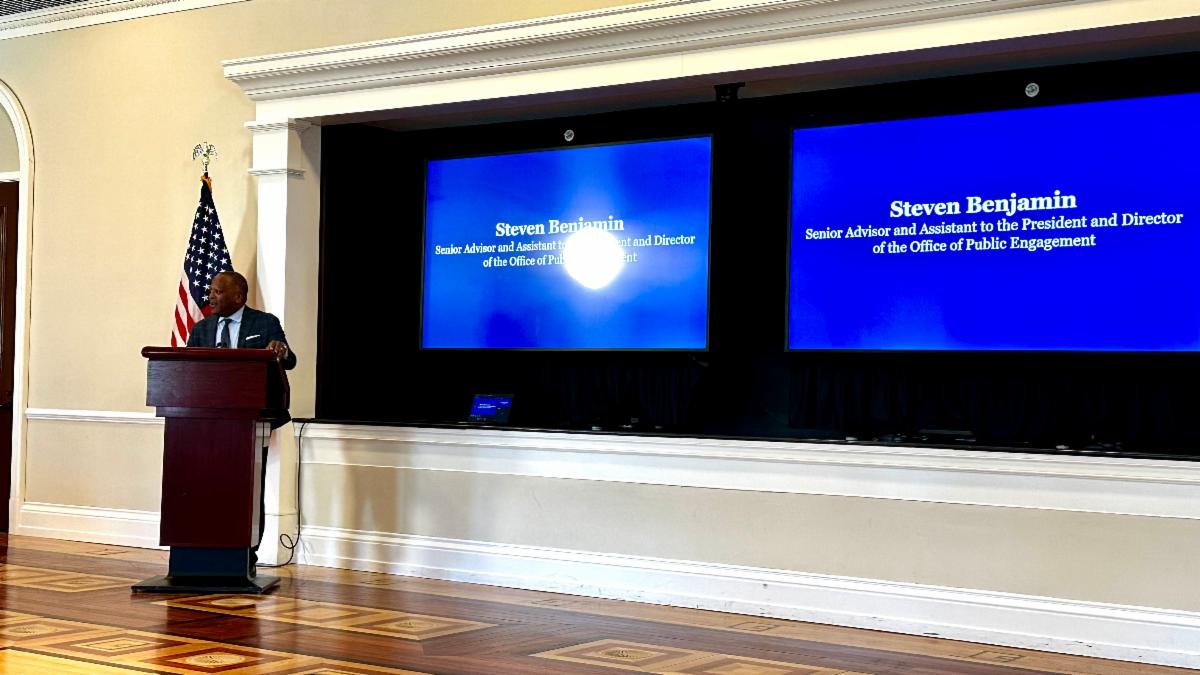
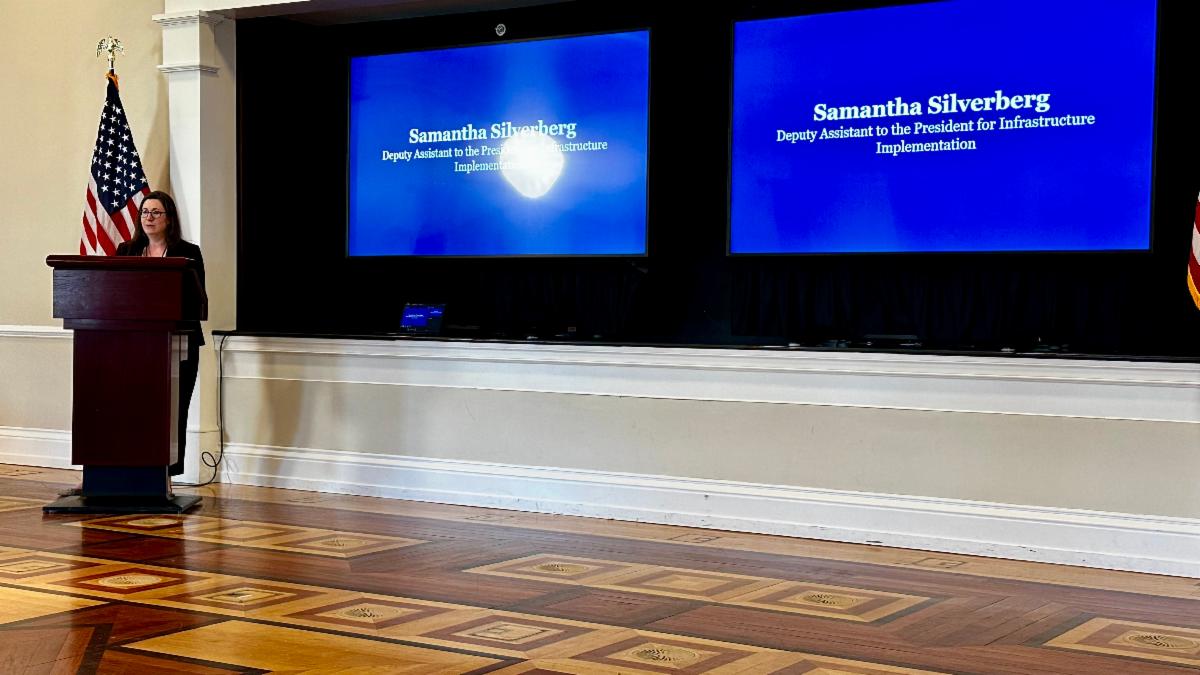
As the Mayor of Plainfield and the President of the New Jersey Urban Mayors Association (NJUMA), my recent trip to Washington, D.C., was not just a routine visit; it was a pivotal moment for our city and for urban communities across New Jersey. The 2024 NJUMA Policy Exchange provided an unprecedented opportunity for the mayors of other urban centers., key staff members, and me to engage directly with key federal officials, including those from the Environmental Protection Agency, the Department of Housing and Urban Development, the Department of Transportation, and the Economic Development Administration. These discussions, centered on topics crucial for urban revitalization and sustainability, were aimed at securing resources and support for initiatives that directly impact Plainfield and other New Jersey urban areas.
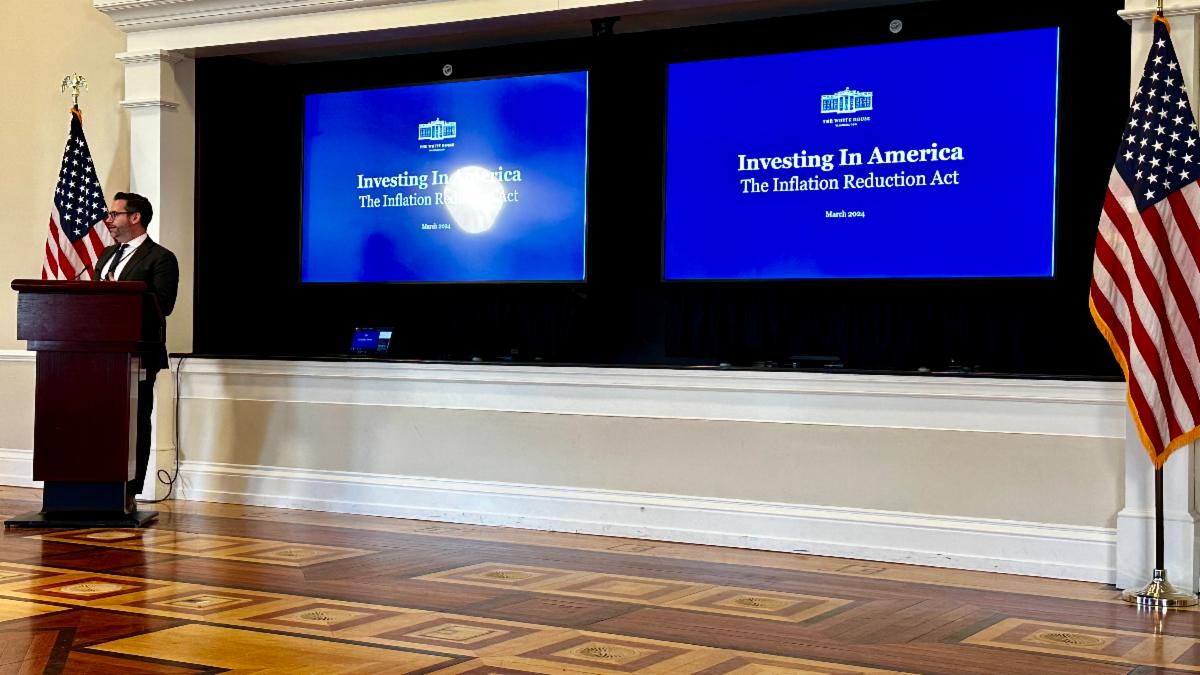
Our engagements included detailed discussions on leveraging the Inflation Reduction Act for zero-emission port equipment and infrastructure, enhancing water infrastructure, improving air quality standards, and securing funding for vital housing and transportation projects. These topics are crucial for our city's development, environmental sustainability, and overall quality of life. Our discussions with federal agencies were aimed at bringing back solutions and resources to tackle these challenges head-on, ensuring that Plainfield benefits from federal initiatives and funding opportunities designed to enhance urban living conditions.
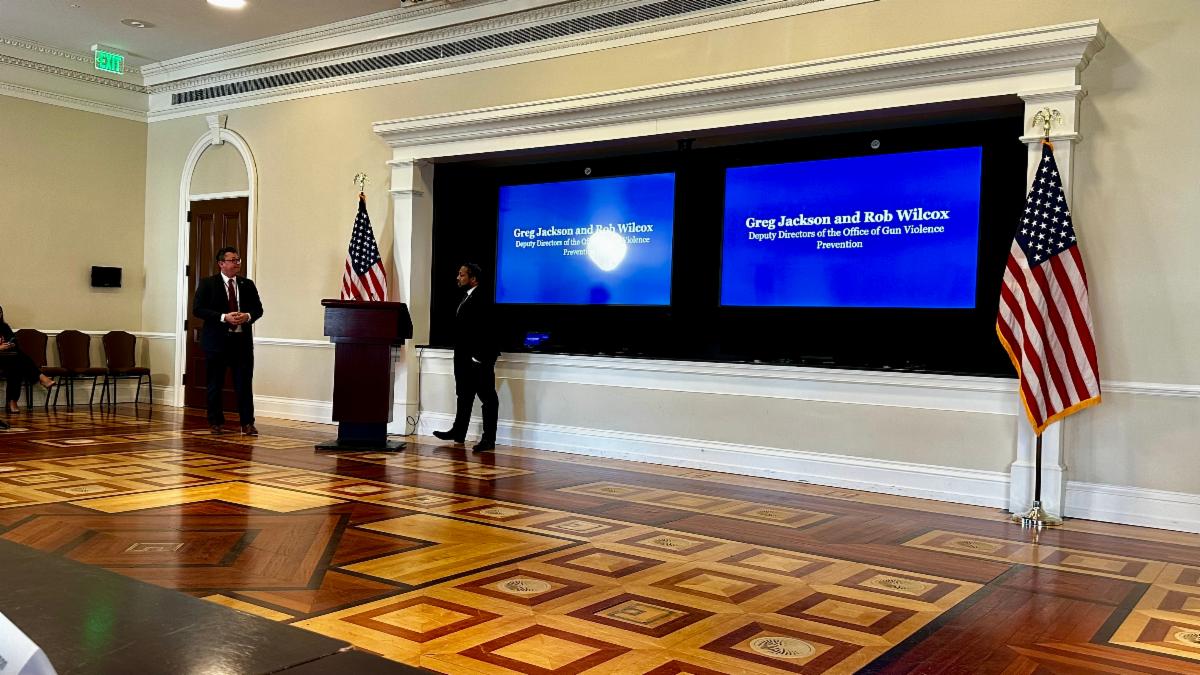
Moreover, our exchange with the White House offices underscored the importance of federal support in addressing critical urban issues such as gun violence prevention, emerging tech in cities, and community-based violence intervention programs. The insights gained from these discussions are invaluable, as they will guide our strategies and efforts in making Plainfield a safer, more innovative, and more resilient city.
Being in Washington, D.C., as part of this critical mission for the New Jersey Urban Mayors Association (NJUMA) starkly reminded us of the glaring unfairness faced by the residents of D.C.: the lack of statehood. Walking through the corridors of power, where monumental decisions are made daily, it becomes impossible to ignore the fact that the people living in the nation’s capital lack full representation in Congress, a fundamental right that is the cornerstone of American democracy. This disparity isn't just about the mechanics of political representation; it's a deeper issue of justice, equality, and fairness. The residents of Washington, D.C., are citizens who contribute to the fabric of this nation in every conceivable way, yet they are denied a voice in the very policies that affect their lives. Recognizing this unfairness emphasizes the urgent need for change, underscoring that the push for D.C. statehood is about affirming our nation's commitment to its foundational principles.
Our journey to the capital was crucial not only for advancing the interests of Plainfield and other urban areas in New Jersey but also for reflecting on the broader implications of governance and representation in our country. Engaging with federal agencies and securing commitments was pivotal in our quest to enhance our communities. Yet, the experience also highlighted the systemic disparities that can undermine the ideals we strive to uphold. The case of D.C. vividly illustrates this point, serving as a poignant reminder of the work still needed to ensure equality and justice for all citizens.
The time spent in Washington D.C. has invigorated our resolve to pursue positive changes for our cities, armed with new insights and solutions. It also reinforced the importance of standing up for the principles of democracy and equitable representation, principles that demand our attention and action. As we continue our efforts, inspired by the productive engagements and discussions in the capital, we remain committed to the people of Plainfield, New Jersey, and to advocating for the democratic values that define our nation.
#LovePlainfield #AmoPlainfield
Creating One Plainfield. One Future.
Sincerely,
| |
|
Mayor Adrian O. Mapp
City of Plainfield
| |
|
Querido(a) Community Member,
Como alcalde de Plainfield y presidente de la Asociación de Alcaldes Urbanos de Nueva Jersey (NJUMA), mi reciente viaje a Washington, D.C. no fue sólo una visita de rutina; Fue un momento crucial para nuestra ciudad y para las comunidades urbanas de Nueva Jersey. El Intercambio de Políticas de NJUMA de 2024 brindó una oportunidad sin precedentes para que los alcaldes de otros centros urbanos, miembros clave del personal y yo interactuáramos directamente con funcionarios federales clave, incluidos los de la Agencia de Protección Ambiental, el Departamento de Vivienda y Desarrollo Urbano, el Departamento de Transporte y la Administración de Desarrollo Económico. Estas discusiones, centradas en temas cruciales para la revitalización y la sostenibilidad urbanas, tenían como objetivo asegurar recursos y apoyo para iniciativas que impactan directamente a Plainfield y otras áreas urbanas de Nueva Jersey.
Nuestros compromisos incluyeron discusiones detalladas sobre cómo aprovechar la Ley de Reducción de la Inflación para equipos e infraestructura portuaria de cero emisiones, mejorar la infraestructura hídrica, mejorar los estándares de calidad del aire y asegurar financiamiento para proyectos vitales de vivienda y transporte. Estos temas son cruciales para el desarrollo de nuestra ciudad, la sostenibilidad ambiental y la calidad de vida en general. Nuestras conversaciones con agencias federales tuvieron como objetivo recuperar soluciones y recursos para enfrentar estos desafíos de frente, asegurando que Plainfield se beneficie de iniciativas federales y oportunidades de financiamiento diseñadas para mejorar las condiciones de vida urbana.
Además, nuestro intercambio con las oficinas de la Casa Blanca subrayó la importancia del apoyo federal para abordar cuestiones urbanas críticas, como la prevención de la violencia armada, la tecnología emergente en las ciudades y los programas comunitarios de intervención contra la violencia. Los conocimientos adquiridos en estos debates son invaluables, ya que guiarán nuestras estrategias y esfuerzos para hacer de Plainfield una ciudad más segura, innovadora y resiliente.
Estar en Washington, D.C., como parte de esta misión crítica de la Asociación de Alcaldes Urbanos de Nueva Jersey (NJUMA, por sus siglas en inglés) nos recordó claramente la flagrante injusticia que enfrentan los residentes de D.C.: la falta de estadidad. Al caminar por los pasillos del poder, donde a diario se toman decisiones monumentales, resulta imposible ignorar el hecho de que las personas que viven en la capital del país carecen de representación plena en el Congreso, un derecho fundamental que es la piedra angular de la democracia estadounidense. Esta disparidad no se trata sólo de la mecánica de la representación política; es una cuestión más profunda de justicia, igualdad y equidad. Los residentes de Washington, D.C., son ciudadanos que contribuyen al tejido de esta nación de todas las formas imaginables, pero se les niega una voz en las mismas políticas que afectan sus vidas. Reconocer esta injusticia enfatiza la necesidad urgente de un cambio, subrayando que el impulso para lograr la categoría de Estado en D.C. tiene que ver con afirmar el compromiso de nuestra nación con sus principios fundamentales.
Nuestro viaje a la capital fue crucial no sólo para promover los intereses de Plainfield y otras áreas urbanas de Nueva Jersey, sino también para reflexionar sobre las implicaciones más amplias de la gobernanza y la representación en nuestro país. Colaborar con agencias federales y asegurar compromisos fue fundamental en nuestra búsqueda por mejorar nuestras comunidades. Sin embargo, la experiencia también puso de relieve las disparidades sistémicas que pueden socavar los ideales que nos esforzamos por defender. El caso de D.C. ilustra vívidamente este punto y sirve como un conmovedor recordatorio del trabajo que aún es necesario para garantizar la igualdad y la justicia para todos los ciudadanos.
El tiempo pasado en Washington D.C. ha fortalecido nuestra determinación de buscar cambios positivos para nuestras ciudades, armados con nuevos conocimientos y soluciones. También reforzó la importancia de defender los principios de democracia y representación equitativa, principios que exigen nuestra atención y acción. Mientras continuamos nuestros esfuerzos, inspirados por los compromisos y debates productivos en la capital, seguimos comprometidos con la gente de Plainfield, Nueva Jersey, y con la defensa de los valores democráticos que definen a nuestra nación.
#LovePlainfield #AmoPlainfield
Creando Un Plainfield. Un Futuro.
| |
|
Alcalde Adrian O. Mapp
Ciudad de Plainfield
| |
NEW JERSEY URBAN MAYORS ASSOCIATION
Washington, D.C. | March 19 - 20, 2024
| |
Union County Highlights Substantial Progress in Fiscal Success With Noteworthy Decrease in Long-Term Debt | |
|
March 21, 2024
In a remarkable display of financial prudence and strategic management, the Union County Board of County Commissioners and County Manager Ed Oatman, proudly announces a substantial reduction in long-term debt by tens of millions of dollars. This achievement is a testament to the county’s commitment to responsible fiscal policies and diligent stewardship of taxpayer resources.
“Over the past six years, Union County has chosen a path of financial prudence by consistently paying off debt in principal rather than resorting to the issuance of new debt,” said Commissioner Chairwoman Kimberly Palmieri-Mouded. “This strategic approach reflects the county’s commitment to reducing financial burdens while ensuring a stable and secure economic future for its residents.”
New Jersey mandates that counties adhere to a maximum net debt limit of 2% of a 3-year average of the total equalized assessed value. In 2013, Union County’s net debt stood at .87% of equalized assessed value, while at the close of 2023, it had significantly decreased to .57%, showcasing a commendable 10-year change of a 34% reduction, equivalent to $46.57 million. Importantly, the majority of this debt reduction has been achieved since 2018, highlighting recent years’ focused efforts on financial sustainability.
It is noteworthy that Union County’s average equalized assessed value has experienced substantial growth over the same 10-year period, rising from $66.02 billion in 2013 to an impressive $91.25 billion. This upward trend reflects not only the county’s economic vitality but also its ability to manage fiscal challenges effectively.
“Union County’s latest fiscal achievements highlight a consistent pattern of responsible financial management, setting a high standard for municipalities across the state,” said County Manager Ed Oatman. “As we celebrate the reduction of long-term debt, we anticipate continued success in sustaining a vibrant, financially sound community for the benefit of all Union County residents.”
For the past several years, Union County has also maintained a Aaa bond rating, which was reaffirmed by Moody’s Investor Services in 2023 and the County continues to maintain its strong financial position looking forward through 2024 and beyond. A rating of Aaa is the highest a county government can achieve.
In fact, the County’s strong financial performance and AAA bond rating are attributed to its push toward operating efficiency and conservative budgeting practices.
“The county’s financial success is not only evident in percentage points but also in tangible dollar values,” This announcement represents a strong and hardworking county management team,” said Commissioner Rebecca Williams, Chair of the Fiscal Committee. “The work of the County Manager, Finance Department and my colleagues on Board of County Commissioners, continue to remain committed to making the best use of taxpayer dollars and this is a true testament of that. I am incredibly proud of the County’s ability to deliver these results.”
| |
Governor Murphy Signs Landmark Affordable Housing Legislation | |
|
March 20, 2024
Bill Revamps Process for Municipalities to Meet Their Mount Laurel Obligations in Most Significant Housing Legislation in Four Decades
TRENTON – Governor Phil Murphy today signed landmark affordable housing legislation to support towns in meeting their affordable housing obligations, building on his administration’s promise to create a stronger, fairer, and more affordable state for all New Jerseyans. The legislation develops a new system for municipalities to meet their Mount Laurel affordable housing obligations, replacing the current process that exists entirely in the courts.
“One of our Administration’s top priorities has been to establish New Jersey as a national leader in expanding affordable housing,” said Governor Murphy. “With today’s bill signing, we will be able to create more certainty and lower costs in New Jersey’s affordable housing landscape. By establishing new processes and practices for towns to meet their Mount Laurel affordable housing obligations, we are able to more quickly and efficiently allocate funding to municipalities and support those building affordable housing in our state. I am proud that my Administration and the Legislature have enacted a coherent and workable framework that no longer leaves this issue exclusively to the courts.”
The primary bill, A-4/S-50 (Lopez, Coughlin, Wimberly, Reynolds-Jackson/Singleton, Scutari, Ruiz), establishes a new, streamlined framework for determining and enforcing municipalities’ affordable housing obligations under the New Jersey Supreme Court’s Mount Laurel doctrine and the State’s Fair Housing Act. Starting with the compliance period that begins in 2025, the Department of Community Affairs will publish non-binding calculations of municipalities’ current and prospective need for affordable housing using a formula based on prior court decisions. Disputes about municipalities’ affordable housing obligations and plans to meet those obligations will be resolved on an expedited basis by the Judiciary with assistance from a new dispute resolution program.
This process will replace the role previously played by the Council on Affordable Housing (COAH), which has been defunct for over a decade and is formally abolished under this bill. The new process will streamline compliance and reduce litigation-related delays to the construction of new affordable housing and will give municipalities and developers more certainty, which will enable smarter planning around where housing should be built.
As part of this process, the bill contains provisions outlining how municipalities may receive “bonus credits” that allows units of affordable housing to be credited as 1.5 or 2 units in certain circumstances. This bonus credit system incentivizes age-restricted housing, housing set aside for individuals with special needs, and other location or purpose-specific housing projects, such as housing near mass transit stations. The bill caps the use of bonus credit units at 25% of a municipality’s prospective need obligations and establishes related parameters for how much of a municipality’s obligations must be satisfied through housing available to families with children and through rental housing.
Additional bills signed today include:
-
ACS for A-2267/SCS for S-1415 (Lopez, Quijano/Singleton, Stack), which requires the New Jersey Housing Mortgage and Finance Agency to establish a pilot program to support insurance premiums for eligible affordable housing projects constructed by for-profit affordable housing developers.
- S-1422/A-3365 (Singleton, Turner/Lopez, Speight, Calabrese), which allows taxpayers to accelerate depreciation of eligible property expenditures in connection with construction of new affordable housing developments in order to realize cost savings.
- A-2296/S-2309 (Lopez, Wimberly/McKnight, Stack), which allows a municipal governing body to delegate to the municipal clerk the authority to issue certain approvals to facilitate development of affordable housing projects.
- A-3337/S-2312 (Wimberly, Reynolds-Jackson, Quijano/Stack, Singleton), which permits “payment in lieu of taxation” (PILOT) agreements between municipalities and affordable housing projects that receive funding through the State Affordable Housing Trust Fund or municipal affordable housing trust funds.
- A-1495/S-1484 (Karabinchak, Lopez, Swain/Lagana, Diegnan), which exempts receipts from sales made to contractors or repairmen of materials, supplies, or services related to the construction of 100%-affordable housing projects in order to help reduce costs for the construction of such projects.
“Affordability has been the cornerstone of the efforts we have taken in the Legislature to address the challenges our residents face every day,” said Senate President Nicholas Scutari. “This initiative will allow us to develop additional affordable housing in New Jersey and make the system more workable. These bills make real progress in making housing more accessible and affordable for residents in communities throughout the state.”
“At this critical juncture in New Jersey, with soaring housing prices and limited housing stock, this legislation is essential," said Senate Majority Leader M. Teresa Ruiz. "It will expedite the construction of affordable housing near transit hubs, generating more jobs. Furthermore, by streamlining the process for municipalities with clear guidance and deadlines, we aim to make fulfilling affordable housing obligations less daunting while effectively addressing the state's affordable housing shortage.”
“Housing is the most basic of human needs, and without first securing that need, other policies that we implement cannot be as effective. The Governor’s signing of S-50 puts us on a pathway to more success in the next round of affordable housing obligations, with clearer guidance for municipalities and a reduction of legal disputes that can allow those obligations to be fulfilled faster,” said Senate Majority Whip and Chair of the Senate Community and Urban Affairs Committee Senator Troy Singleton. “The continued enforcement of the Mount Laurel Doctrine and the associated construction of affordable housing benefits everybody. It creates jobs and stimulates economic growth, while manageable rents give working families financial flexibility. Housing stability removes barriers to accessing better education and work opportunities. Most importantly, the availability of affordable housing helps to ensure that the next generation grows up in stable homes and safe environments.”
“Families should not have to contend with uncertainty as to where they will be able to find a home, or whether they will be able to afford a future rent increase,” said Senator Angela McKnight. “Unfortunately, years of neglect have led to a massive shortage of affordable rental and homeownership opportunities. It will take time, but these reforms would put us on a path to reversing that shortage and reducing the barriers to affordable housing production.”
“These efforts would enable the faster production of affordable housing and faster fulfillment of local affordable housing obligations,” said Senator Brian Stack. “Giving municipalities a more streamlined process, aligning our tax system with our housing production goals, and taking a regional approach to our affordable housing challenges will put a system in place that is best equipped to reverse the growing trend of unaffordability.”
“We have an obligation to expand opportunities and make housing more affordable in our state,” said Assembly Speaker Craig J. Coughlin. “When more families are secure in homes of their own, they contribute to their communities and our economy thrives. This legislation strikes the right balance in incentivizing opportunity and providing support for municipalities.”
"A house is much more than four walls and a roof, it is a place where cherished memories are made, an asset that creates generational wealth and a structure upon which a great quality of life can be built," said Assemblywoman Yvonne Lopez. “The signing of A4 will allow more hard working families to have access to affordable housing and ahead of the 4th Round offers a pathway for municipality's to deliver on their constitutional obligations within a consistent and uniform process for decades to come. The signing of this bill will allow more New Jerseyans to move into, stay and thrive in the communities they love."
“These bills being signed into law today will address the housing needs of numerous New Jersey residents, spanning from the youngest children to the eldest seniors,” said Assemblyman Benjie E. Wimberly. “A3337 streamlines the process for towns to build or preserve certain affordable housing units by exempting them from property taxation. Instead, a municipality and housing sponsor may negotiate a payment in lieu of taxation (PILOT), contributing funds toward crucial services like garbage collection, road upkeep, schools, and other essential town services."
“Empowering New Jersey residents is at heart of our efforts to create more affordable housing in New Jersey,” said Assemblyman Robert J. Karabinchak. “By making materials associated with the construction of affordable housing tax exempt, A1495 is mitigating the cost for developers and subsequently lowering the costs for New Jerseyans renting or owning their places of residence.”
"This law marks a significant change for the better. It's about ensuring that finding a good, affordable home is no longer a struggle. We are united in this effort to transform our state, our county, our city into a place where everyone can live well and have equal opportunities to thrive. Thank you, Governor and legislative leaders, for helping our families move towards a future where prosperity is accessible to all. Thank you for turning this historic day into reality,” said City of Perth Amboy Mayor Helmin Caba.
“The signing of today’s bill package shows the commitment of Governor Murphy and state legislators to build more affordable housing in New Jersey. These new laws will promote the construction and preservation of affordable housing and enable working families to find affordable homes in good communities where they can live and raise a family,” said New Jersey Department of Community Affairs Acting Commissioner Jacquelyn A. Suárez. “It has long been DCA’s mission to create affordable housing for New Jersey residents and we look forward to the opportunities the new laws present to further this goal. The Department is proud to be a part of such a noble pursuit and we will conduct our work to the best of our ability to make New Jersey a place where people from all walks of life can thrive.”
"The housing bills being signed today are the culmination of months of comprehensive, statewide focus on affordable housing. These significant updates to New Jersey housing policy reflect a clear understanding by all involved of the importance of affordable housing to our shared future," said NJHMFA Executive Director Melanie Walter. “As allocator of the federal Low-Income Housing Tax Credit and administrator of numerous landmark housing developments programs, NJHMFA stands ready to help every community produce the housing needed to ensure that all New Jersey residents have access to safe, affordable homes.”
“This new law will help tear down the walls that have denied too many access to opportunity and create new affordable homes near jobs, schools, and transportation,” said Adam Gordon, Executive Director of Fair Share Housing Center. “By making compliance with New Jersey’s landmark Mount Laurel Doctrine simpler and clearer, we will build affordable homes faster with less cost to everyone involved. It’s good news for families across the state who are struggling to keep up with the soaring cost of housing. We commend Governor Murphy and the legislative sponsors - Chairs Singleton and Lopez, Speaker Coughlin, and Senate President Scutari - for making this best-in-the-nation legislation the law of our state."
"Domestic violence is one of the leading causes of homelessness for women and their children,” said Cierra Hart, Director of Housing and Economic Justice at the NJ Coalition to End Domestic Violence. “Affordable housing serves as a catalyst for breaking the cycle of violence and abuse. It offers survivors the stability necessary to access crucial support services — therapeutic interventions, legal aid, counseling — that are indispensable in their journey to recovery.”
"This new law will create much-needed access to housing in the middle of a historic housing crisis. It will help overcome the deep segregation that has plagued our state for decades," said Richard Smith, President of the NAACP New Jersey State Conference. "I particularly want to thank lawmakers for adding stronger deed restrictions to this legislation, which will protect the affordability of newly-built homes for decades to come.”
“We want to thank Governor Murphy for signing the affordable housing packages bill into law today. This legislation will strengthen the implementation of the Mount Laurel Doctrine and help ensure that New Jersey municipalities create their fair share of affordable housing,” said Dena Mottola Jaborska, Executive Director for New Jersey Citizen Action.
“This legislation positions New Jersey to create opportunities for every household in the state to thrive by creating a clear process to ensure all municipalities create their fair share of affordable housing,” said Taiisa Kelly, CEO of Monarch Housing Associates. “We at Monarch believe Housing is a Human Right and this legislation sets the stage to ensure every New Jersey resident has access to the housing they so critically need, in every community across the state, regardless of race or socioeconomic status.”
"This legislation will help provide a lot more clarity and transparency in the affordable housing development process," said Javier Robles, President of the Latino Action Network. "Skyrocketing housing costs are making it extremely difficult for many hard-working people and vulnerable communities — including seniors, people with disabilities, and caregivers — to keep a roof over their heads. This legislation will help ensure access to affordable, accessible, and livable homes, which not only improve the lives of residents but also benefit society."
"Over the course of New Jersey’s history, fair housing policies have been integral in making our state more inclusive," said Jesselly de la Cruz, Executive Director of the Latino Action Network Foundation. "It is encouraging that residents, advocates and policymakers from across our state are joining forces to break down racial and economic exclusion by strengthening the Mount Laurel Doctrine."
| |
FACT SHEET: 80% of House Republicans Release Plan Targeting Medicare, Social Security, and the Affordable Care Act, Raising Costs, and Cutting Taxes for the Wealthy | |
|
March 21, 2024
Washington, D.C. - In his State of the Union Less than two weeks ago, President Biden laid out his vision for an economy that gives the middle class a fair shot. He also warned that congressional Republicans “will cut Social Security and give more tax cuts to the wealthy,” that they continue to oppose the Affordable Care Act, and that they are siding with Big Pharma over hardworking families.
On Wednesday, the Republican Study Committee – which represents 100% of House Republican leadership and nearly 80% of their members – just proposed yet another budget that would cut Medicare, Social Security, and the Affordable Care Act , as well as increase prescription drug, energy, and housing costs – all while forcing tax giveaways for the very rich onto the country. Their plan would even raise the Social Security retirement age.
Like President Biden promised in the Capitol, “If anyone here tries to cut Social Security or Medicare or raise the retirement age I will stop them.”
He’s keeping that promise by standing against this new House Republican budget. He knows the last thing we should do is raid Medicare and Social Security while giving more giant tax cuts to the wealthy and big corporations.
What’s more, House Republicans’ plan would raise energy costs and send our new manufacturing jobs back overseas by gutting other crucial elements of the Inflation Reduction Act, raise housing costs, and allow big companies to rip off consumers with junk fees.
President Biden has a different vison for how we move into the future: make the wealthy, big corporations, and special interests pay their fair share while protecting and strengthening Medicare and Social Security. Extending the Affordable Care Act tax credits he delivered to lower health care costs and cover more Americans than any time in history. Making the economy work for the middle class by investing in America and the industries of the future, while lowering key costs that working families face. And expanding Medicare’s ability to negotiate lower drug costs.
80% of House Republicans released a Budget that:
Cuts Medicare and Social Security while putting health care at risk for millions
- Calls for over $1.5 trillion in cuts to Social Security, including an increase in the retirement age to 69 and cutting disability benefits.
- Raises Medicare costs for seniors by taking away Medicare’s authority to negotiate prescription drug costs, repealing $35 insulin, and the $2,000 out-of-pocket cap in the Inflation Reduction Act
- Transitions Medicare to a premium support system that CBO has found would raise premiums for many seniors.
- Cuts Medicaid, the Affordable Care Act, and the Children’s Health Insurance Program by $4.5 trillion over ten years, taking coverage away from millions of people, eroding care for seniors, children, and people with disabilities, and taking us back to the days where people could be denied care for pre-existing conditions and charged more for health insurance simply for being a woman.
Rigs the economy for the wealthy and large corporations against middle class families
- Passes $5.5 trillion in tax cuts skewed to the wealthy and large corporations, including permanently extending tax cuts in the Trump tax law, repealing the minimum tax on billion-dollar corporations the President signed into law, eliminating the estate tax for the wealthiest Americans, providing a massive tax cut for billionaire investors, and making it easier for the wealthy and large corporations to get away with cheating on their taxes.
- Kills jobs and investment in communities throughout the country – including Red States – by eliminating the clean energy tax credits in the Inflation Reduction Act.
- Makes it easier for companies and banks to rip consumers off with unfair and hidden junk fees by eliminating the Consumer Financial Protection Bureau.
- Raises housing costs by cutting funding for rental assistance, cutting funding for programs that help build housing, and raising mortgage costs for first-time homebuyers.
###
| |
Exercise your Civic Duty
-----------------------------
Be the eyes and ears of our City! Your reports can greatly increase the quality of life in our Plainfield community. Let's work together to keep our city safe- If you see it, say it with Report It.
| |
|
Use the app, or text
"reportit" to 63975
| |
|
SHARE THE CITY'S WEEKLY
E-NEWSLETTER WITH YOUR FAMILY & AND FRIENDS TO STAY CONNECTED WITH US!
CLICK HERE
| |
|
THE CITY OF PLAINFIELD, NJ
515 WATCHUNG AVENUE | 908-753-3310| MONDAY-FRIDAY | 9 A.M.- 5 P.M.|
| |
Creating One Plainfield. One Future. | | | | |