|
Medicare MACs Publish Proposed LCD for Trigger Point Injections
Multiple MACs have published proposed LCD for trigger point injections with different comment periods. Please look at your own MAC and comment if you would like to.
Overall, the trigger point injections are well written following the other LCDs, including those for facet joint interventions, epidural injections, and sacroiliac joint interventions.
Here are the links for ASIPP's comment letter, the CGS proposed LCD, and NGS proposed LCDs.
| |
|
Join ASIPP’s VoterVoice Campaign:
Fight Medicare Physician Payment Cuts!
ASIPP Members, Interventional Pain Physicians, and patients, we need your active participation to protect patients’ access to care! CMS has revealed the 2024 Physician Fee Schedule, and it brings ominous news. You can help preserve our patients’ access to care by promptly signing the sample letters below.
Physicians, click here to use VoterVoice to send a letter to your representatives online or use this sample letter to send on your own. Get your patients involved by asking them to sign this letter, and then have them, or your staff, enter the letter into VoterVoice by clicking here.
| |
|
CMS has published the final rule for 2024 Physician Fee Schedule
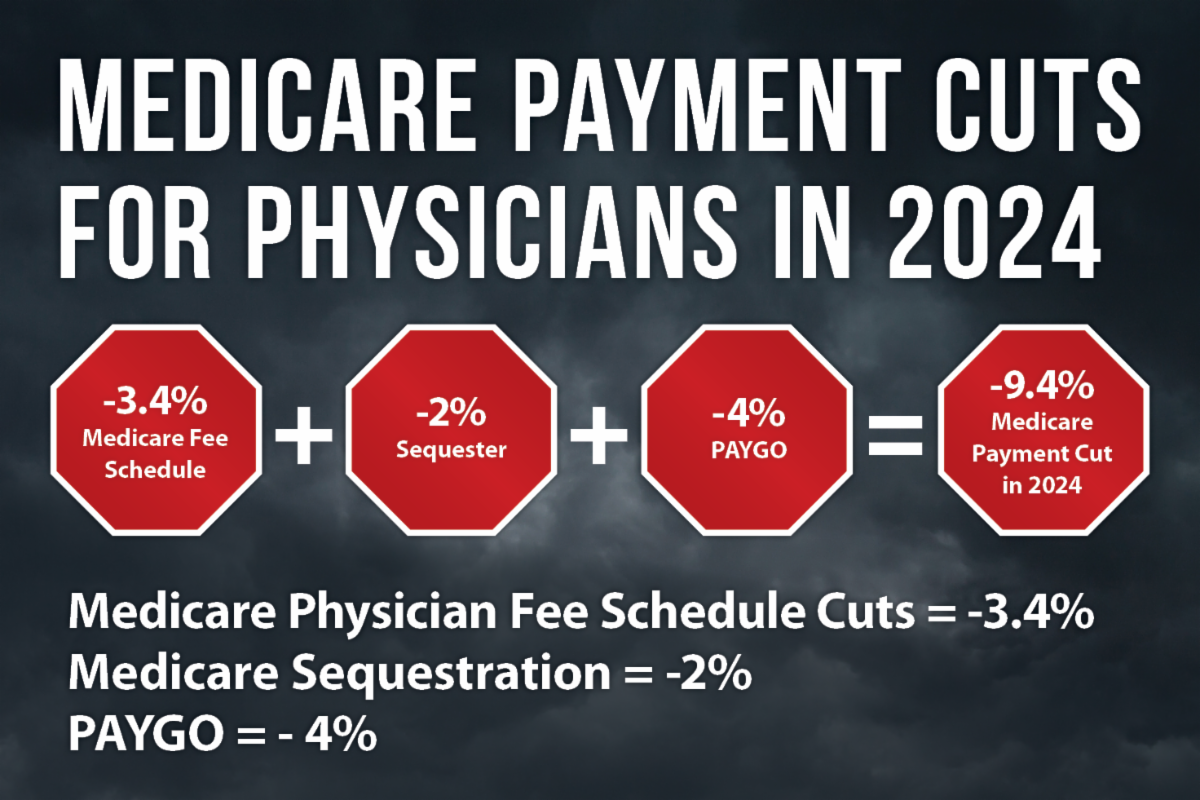
The final Medicare payment cuts include:
Medicare Physician Fee Schedule Cuts = -3.4%
- The Centers for Medicare and Medicaid Services are proposing a -3.4% decrease in payments in 2024 for services under the Medicare Physician Fee Schedule.
- Medicare physician payment has been reduced 26% adjusted for inflation from 2001–2023.
Medicare Sequestration = -2%
- Medicare sequestration of -2% has now been extended through 2032, because of a temporary delay for 1½ years.
PAYGO = -4%
- PAYGO cuts of -4% have never been enacted in the past; however, if Congress leaves without action, these will go into effect.
The final rule for ASCs has multiple errors in it. We will be commenting on payments for epidural injections with higher payment when we do not use fluoroscopy than with fluoroscopy. In addition, there are also some reductions for procedures from the proposed rule.
ASIPP members in good standing can access the physician, ASC, and HOPD fee schedule, on the Members’ Only Website.
How you can take action:
-
VoterVoice: Click here to submit a physician letter online!
-
VoterVoice: Click here to submit a patient letter online!
-
If you choose to send your own letters, here is a sample physician letter you may want to use: PHYSICIAN SAMPLE LETTER.
-
Ask your patients to sign this sample patient letter. Your patients or your staff can enter the letter into VoterVoice: PATIENT SAMPLE LETTER.
| |
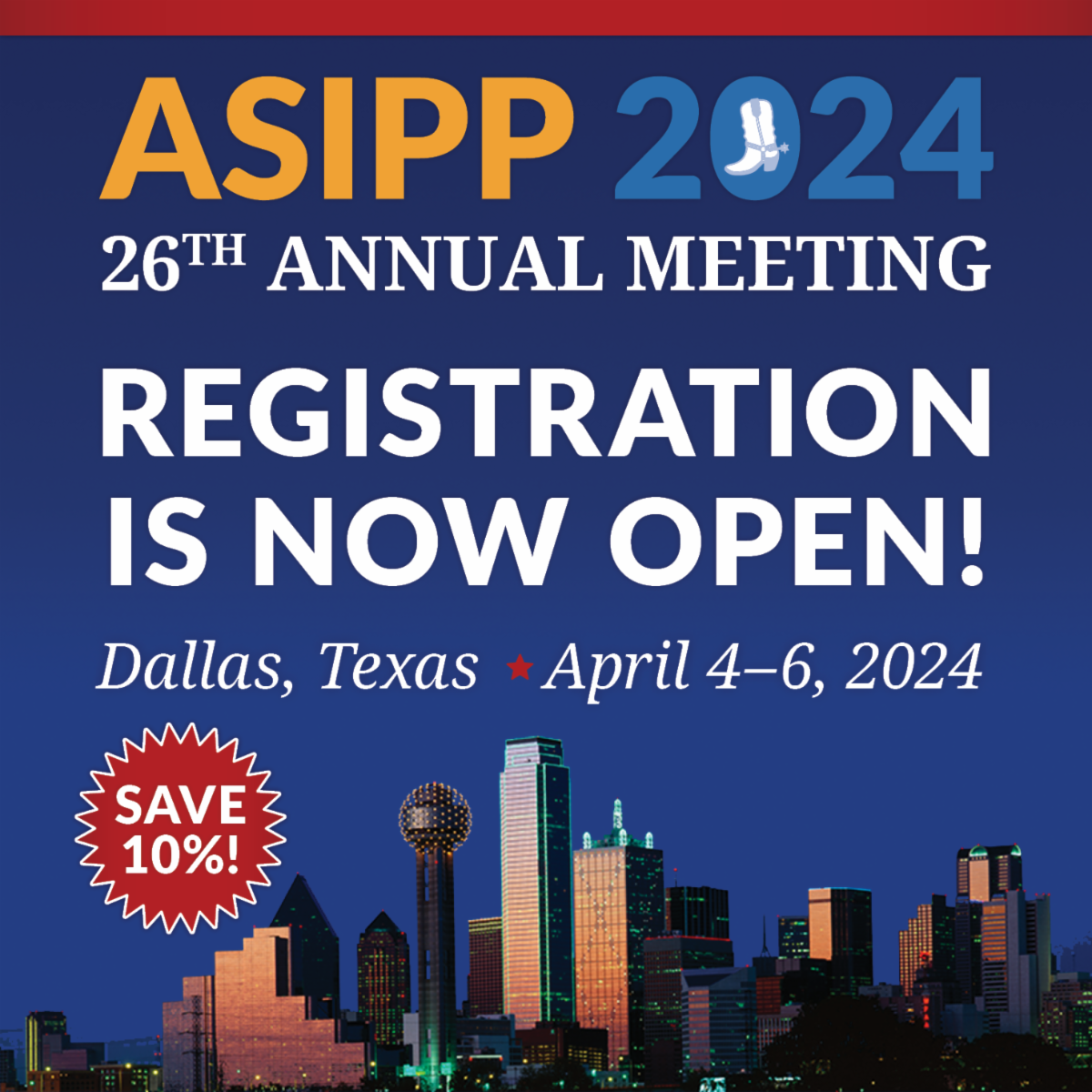
Early Bird Registration is open for ASIPP Members!
Register now for 10% off!
| |
|
How screening for social determinants improved care, cut costs
Expanding health care’s focus to include social determinants of health can improve community well-being and help physician practices improve patient outcomes and reduce emergency department use.
That is the experience at Professional Medical Corp. (PMC) network, a member of the AMA Health System Program that provides enterprise solutions to equip leadership, physicians and care teams with resources to help drive the future of medicine.
PMC is composed of more than 200 small, independent practices in Flint and Genesee counties in Michigan that have about 460 physicians. Starting in 2017, the PMC network successfully integrated strategies to address social determinants of health into their workflows and helped get a better understanding of the unique needs of their communities.
Read More
| |
|
Addiction Societies Issue Guidance on Stimulant Use Disorder
"The main takeaway is that stimulant use disorder is treatable," society president says
In light of recent increases in overdose deaths involving stimulant drugs, two addiction medicine societies have jointly issued a clinical practice guideline on the management of stimulant use disorder (StUD).
The guideline is meant to provide evidence-based strategies for the prevention and treatment of StUD, stimulant intoxication, and stimulant withdrawal, according to the American Society of Addiction Medicine (ASAM) and the American Academy of Addiction Psychiatry (AAAP).
Overall, the recommendations focus on three key areas: treatment of StUDs, intoxication and withdrawal, and secondary & tertiary prevention.
Read More
| |
|
Virtual
December 9 & 16, 2023
ABIPP Part I; ABIPP Path - Combined DCCPM/CSM virtual exam;
ABIPP Competency Exam in IPM; ABIPP Competency Exam in Regenerative Medicine
January 20, 2024
ABIPP Part I; ABIPP Path - Combined DCCPM/CSM virtual exam;
ABIPP Competency Exam in IPM; ABIPP Competency Exam in Regenerative Medicine;
Controlled Substance Management (CSM) Competency Exam
February 17, 2024
ABIPP Part I; ABIPP Path - Combined DCCPM/CSM virtual exam;
ABIPP Competency Exam in IPM; ABIPP Competency Exam in Regenerative Medicine;
CSM Competency Exam; DCCPM Competency Exam
In-Person
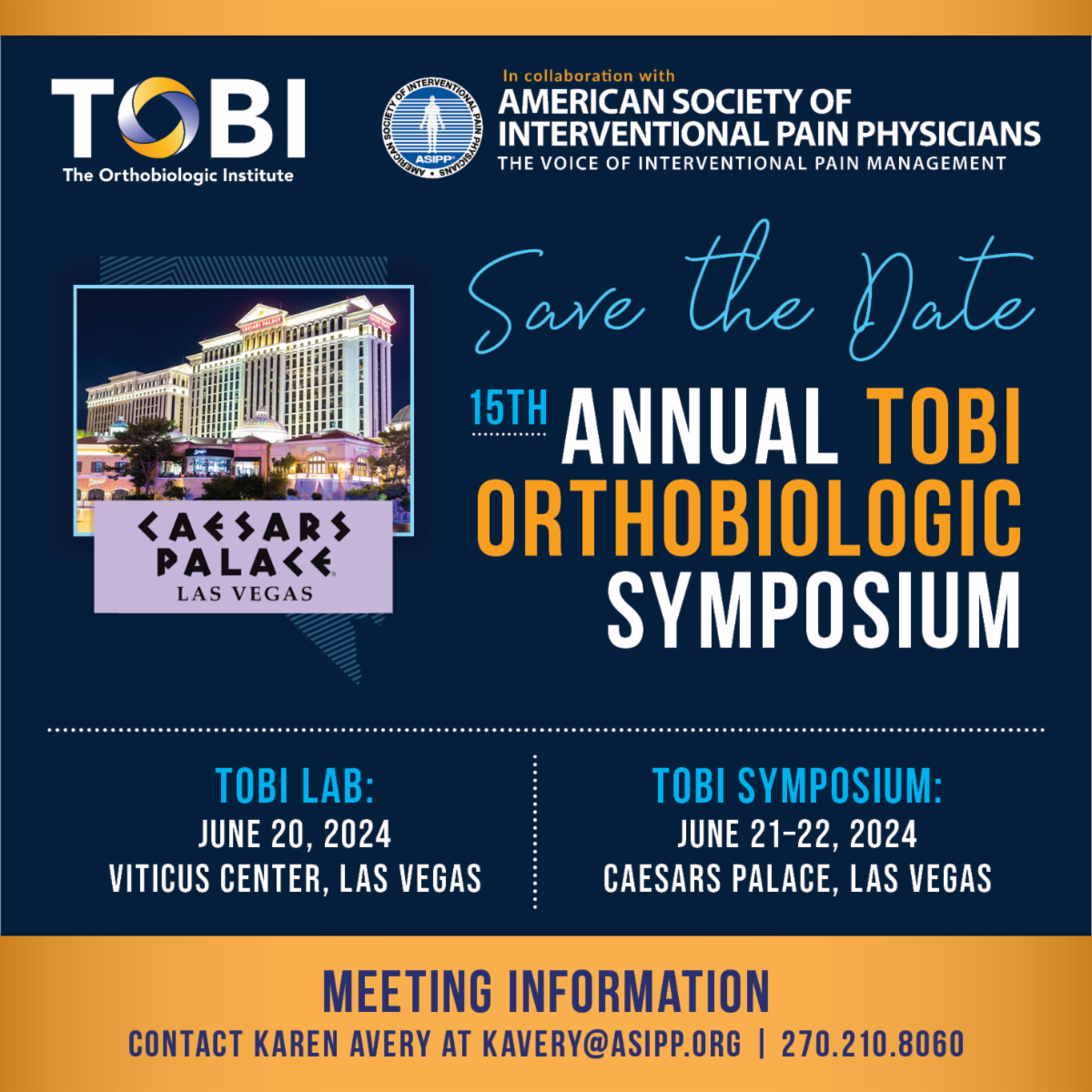
June 21, 2024
ABIPP Part II Practical Examination
Lab Venue: Oquendo Center, 2425 E. Oquendo Rd, Las Vegas, NV 89109
| |
|
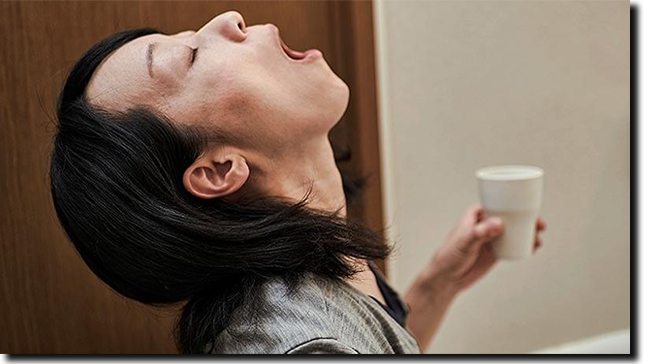
Saltwater Gargling May Help Avoid COVID Hospitalization
Gargling and nasal rinsing with saltwater several times a day appeared to be associated with significantly lower COVID-19 hospitalization rates in a small, randomized, double-blind, controlled study.
"The hypothesis was that interventions that target the upper respiratory tract may reduce the frequency and duration of upper respiratory symptoms associated with COVID 19," said Sebastian Espinoza, first author of the study; he is with Trinity University in San Antonio, Texas.
Adults aged 18-65 years who tested positive for SARS-CoV-2 on polymerase chain reaction (PCR) testing between 2020 and 2022 were randomly selected to use low- or high-dose saltwater regimens for 14 days at the Harris Health System in Houston, Texas. For patients to be included in the study, 14 days had to have elapsed since the onset of any symptoms associated with COVID.
Read More
| |
|
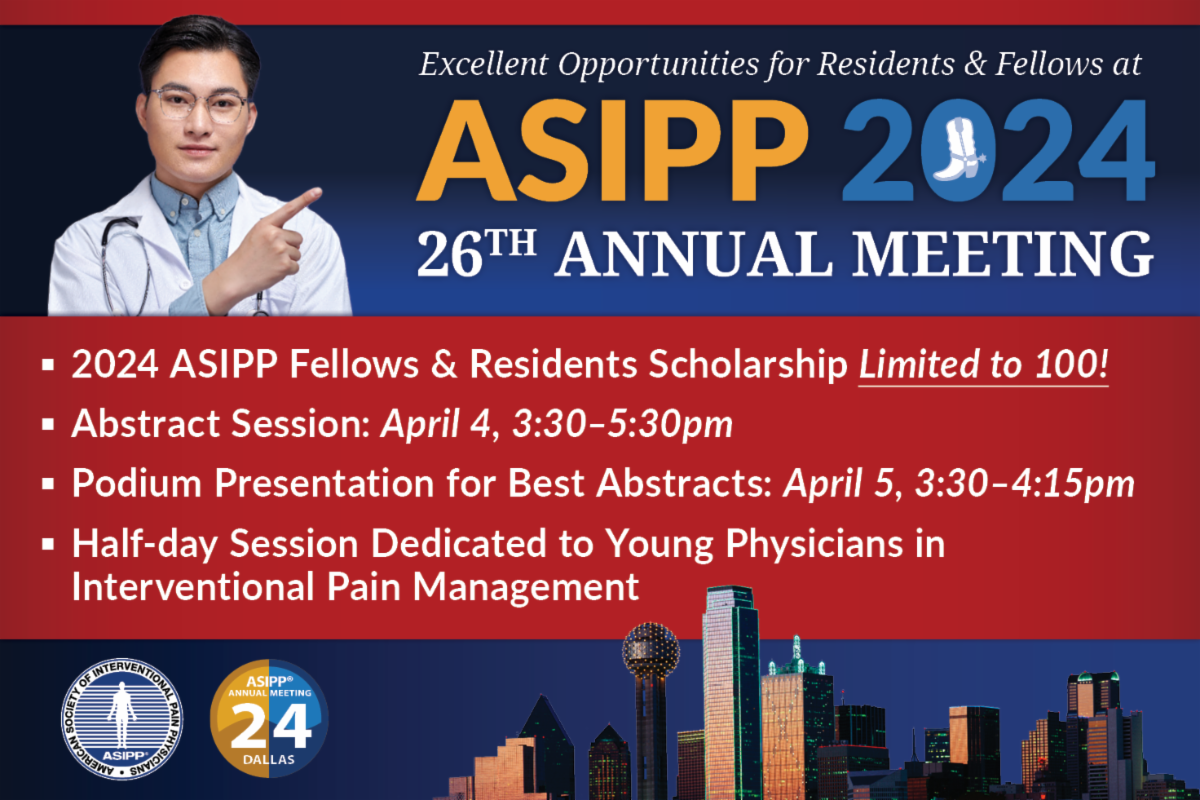
Excellent opportunities for Residents & Fellows
at ASIPP's 2024 Annual Meeting:
-
Resident & Fellow Scholarship - Limited to 100!
- Abstract Session (April 4, 3:30-5:30pm) and Podium Presentation for Best Abstracts during General Session (April 5, 3:30-4:15pm)
- Half-Day Session dedicated to Young Physicians in Interventional Pain Management
| |
|
How Will Tomorrow's Medical Students Be Different?
New skills before and during medical school may enhance diversity and development
The future of medical students appears promising and challenging at the same time. While there will be abundant opportunities for medical students to explore various fields of medicine, they will be challenged by high stress levels, financial burden, and unprecedented competition for prestigious residencies. How will they fare? In what ways will tomorrow's medical students be different than past generations? Here is a brief overview of what medical school applicants can expect, and how their training will provide an advantage over previous graduates, in my opinion.
A main advantage comes from training prior to matriculation into medical school. Many of the standards for acceptance into medical school by which my generation (Baby Boomers) and others were judged are no longer relevant. The soft sciences -- as opposed to the hard sciences -- now have standing in premedical curricula, especially courses in psychology and sociology. At Philadelphia area medical schools, for example, calculus is required at only one of eight MD or DO granting institutions (Penn State).
The Association of American Medical Colleges (AAMC) added a psychology-sociology ("psych-sosh") section to its MCAT standardized admissions exam in 2015. The revised MCAT reflects the importance of learning how to think and solve problems, with more questions requiring that future doctors use analytical skills rather than simply memorize material. Prerequisite courses in the social sciences may also yield students who are emotionally intelligent as well as clinically competent.
Read More
| |
Abstract submissions are open for
ASIPP's 2024 Annual Meeting!
The submission deadline is January 22, 2024.
Don't miss your chance to be part of an exceptional event,
sharing insights and discoveries that shape the future of pain management.
| |
|
Medicine Is Not Just at a Crossroads, It's in a Crisis, AMA President Says
Jesse Ehrenfeld, MD, MPH, uses his interim speech to "shine a light" on the challenges docs face
American Medical Association (AMA) President Jesse Ehrenfeld, MD, MPH, urged his fellow members to continue the good fight against the multifront crises in medicine.
Burnout, mental health issues, political pressures, and financial strains are all taking a toll on physicians. Ehrenfeld, who is an anesthesiologist at the Medical College of Wisconsin in Milwaukee, shared examples of the challenges that he'd seen clinicians contend with, such as a physician who left her community and the LGBTQ clinic where she worked because of "legislative overreach" and a colleague who had a breakdown in the physician's lounge. He also referred back to his inaugural speech and the loss of his friend, an emergency medicine physician, to suicide.
Ehrenfeld shared photos from "The Disposables" an art exhibit by Jeremy Rosario in Columbus, Ohio. Rosario used medical waste to create portraits of physicians who died by suicide.
Read More
| |
|
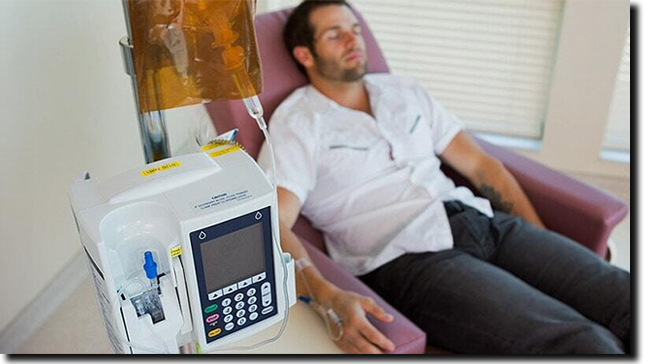
Chemotherapy-Induced Peripheral Neuropathy Tied to Compromised Executive Function
Chemotherapy-induced peripheral neuropathy (CIPN) is linked to a decline in executive and neuromuscular function, a new finding that may increase the risk for compromised mobility and fall risk.
"Among older cancer survivors treated with chemotherapy, the presence of CIPN was independently associated with reduced executive function," study investigator Brendan L. McNeish, MD, of the Department of Physical Medicine and Rehabilitation, University of Pittsburgh, Pennsylvania, told Medscape Medical News.
"Importantly, given the emerging relationship of executive function with mobility in this population, stakeholders and clinicians are called to acknowledge that chemotherapy-related mobility declines in CIPN survivors are likely due to both neuromuscular and executive dysfunction," he said.
Read More
| |
- ASIPP Members Only Site Information - | |
-
To log in for the first time you will need to click “forgot password” at the bottom of the login window.
- Check your email and then log in as directed.
-
If you have problems logging into your account, click here.
| |
|
CBD Provides Symptom Relief and Improvements in Gastroparesis
Pharmaceutical-grade cannabidiol (CBD) relieved symptoms in patients with idiopathic and diabetic gastroparesis and increased tolerance of liquid nutrient intake after 4 weeks of treatment in a phase 2 randomized double-blinded, placebo-controlled study recently published in Clinical Gastroenterology and Hepatology.
There is "significant unmet medical need in gastroparesis," and compared with cannabis, which has been used to relieve nausea and pain in patients with the condition, CBD has limited psychic effects with the added potential to reduce gut sensation and inflammation, wrote Ting Zheng, MD, and colleagues at Mayo Clinic in Rochester, Minn.
The researchers assessed the symptoms of 44 patients (21 randomized to receive CBD and 23 to receive placebo) – each of whom had nonsurgical gastroparesis with documented delayed gastric emptying of solids (GES) by scintigraphy for at least 3 months – with the American Neurogastroenterology and Motility Society's Gastroparesis Cardinal Symptom Index (GCSI) Daily Diary.
Read More
| |
Pain Medicine Case Reports (PMCR) and Editor-in-Chief Alaa Abd-Elsayed, MD, PhD would like to invite you to submit case reports and case series to the PMCR journal. Your article will be published free of charge.
Open access journals are freely available online for immediate worldwide open access to the full text of published articles. There is no subscription fee for open access journals. Open access journals are no different from traditional subscription-based journals: they undergo the same peer-review and quality control as any other scholarly journal.
Interested in becoming a member of the PMCR Editorial Board?
Editorial board members are asked to review 2-6 manuscripts per year. Please submit your most up-to-date CV to sgold@asipp.org for consideration.
For more information or to submit your articles, click here.
| |
|
| CASE REPORT |
Iatrogenic Posttraumatic Neuralgia Following Neuromuscular Electrical Stimulation: A Case Report
Royce Copeland, DO, Yacoub Khatab, BS, and Erica Blanchard, DO
Abstract
BACKGROUND: Posttraumatic neuralgia (PTN) is a complex and debilitating condition that can arise from physical injury to a peripheral nerve, resulting in chronic neuropathic pain that significantly affects the individual’s quality of life.
CASE REPORT: A 52-year-old woman with a recent history of incomplete spinal cord injury developed a common peroneal nerve injury from neuromuscular electrical stimulation during her acute inpatient rehabilitation. The patient was initially managed with oral corticosteroids and neuropathic medications without resolving neuropathic pain symptoms. Ultimately, the patient continued to have chronic neuropathic pain symptoms along the common peroneal nerve pathway leading to the diagnosis of PTN.
CONCLUSIONS: We hypothesize this unusual complication resulted from a prior neurological injury, making this patient more susceptible to nerve injury when intense electrical forces were transmitted to the common peroneal nerve, ultimately leading to PTN of the common peroneal nerve.
KEY WORDS: Posttraumatic neuralgia, common peroneal nerve injury, neuromuscular electrical stimulation, neuralgia
Read More
| |
|
| RETROSPECTIVE EVALUATION |
Retrospective Review of the Efficacy of Lumbar Radiofrequency Ablation for Lumbar Facet Arthropathy: The Influence of Gender and Obesity
Sam Searcy, MD, Juan Mora, MD, Matthew Meroney, MD, Amir Jafari, DO, Chris Henson, MD, Keith Jenkins, MD, Bill Mallett, MD, Vyshak Shibu, MD, Blessing Ogbemudia, MD, Terrie Vasilopoulos, PhD, Alan D. Kaye, MD, PhD, and Rene Przkora, MD, PhD
Abstract
BACKGROUND: Lumbar facet arthropathy is one of the leading causes of back pain. Lumbar radiofrequency lesioning is a therapy for lumbar facet arthropathy that uses heat to ablate the transmission of nerve signals from the medial branches of the spinal nerves associated with the corresponding painful lumbar joints.
OBJECTIVES: The present investigation evaluated the outcomes of patients undergoing lumbar radiofrequency ablation at an academic pain program with a special focus on the influence of gender and obesity.
STUDY DESIGN: Retrospective chart review.
SETTING: Academic tertiary care center.
METHODS: We reviewed the charts of 232 patients for age, body mass index, gender, other procedures, and complications, in addition to the primary outcome measurements of Visual Analog Scale pain scores, pain relief percentages, pain relief duration, and functional status improvement per patient report. Associations with outcomes were evaluated with correlations, t tests/analysis of variance, and c2 test. Influences on a change in Visual Analog Scale pain scores before and after treatment were assessed with linear regression.
RESULTS: Patients had an average pain reduction of 76.6% (SD = 24.5) from the initial treatment and an average of 30.7 weeks (SD = 21.2) of pain relief from the initial treatment. A total of 83% of the patients reported an improvement in functional status from the initial treatment. Women (mean = 79.8%, SD = 21.4) had a slightly higher pain relief percentage than men (mean = 71.6%, SD = 28.1; P = 0.046). A higher body mass index was associated with less improvement in Visual Analog Scale maximum pain scores from before and after the procedure (b = 0.04; SE = 0.02; P = 0.042).
LIMITATIONS: Our study is not a randomized controlled trial; however, based on the number of patients reviewed, our data provide important information regarding lumbar radiofrequency ablations.
CONCLUSIONS: This study highlights significant effectiveness for patients undergoing lumbar radiofrequency ablations for lumbar facet joint pain. A variation in effectiveness appears to be influenced by gender and obesity, and therefore additional studies are warranted to further investigate these differences.
KEY WORDS: Low back pain, gender, lumbar radiofrequency ablation, obesity, facet joint
Read More
| |
|
| PROSPECTIVE STUDY|
Fluoroscopic Confirmation of Needle Location in Ultrasound-guided Genicular Nerve Radiofrequency Thermocoagulation
Ozgur Emre Polat, MD, and Serdar Kokar, MD
Abstract
BACKGROUND: Radiofrequency thermocoagulation of genicular nerves is an effective treatment for chronic pain due to knee osteoarthritis. The procedure can be performed under fluoroscopic or ultrasonographic guidance.
OBJECTIVES: The aim of this study was to fluoroscopically check the final location of the needle in ultrasound-guided genicular nerve radiofrequency thermocoagulation and evaluate the treatment’s success in patients with knee pain.
STUDY DESIGN: A 2-center, prospective study.
SETTING: A private clinic and a tertiary care health center.
METHODS: Thirty-two patients who had unilateral knee pain, and grade 3-4 knee osteoarthritis according to the Kellgren-Lawrence classification were included. Following diagnostic genicular nerve blocks in patients whose knee pain was relieved by >= 50%, radiofrequency thermocoagulation was applied to these nerves. The final position of the needle was checked via fluoroscopy in anteroposterior and lateral planes.
RESULTS: The needle was located in the one-third anterior portion of the bone shaft in 69 of 96 patients (71.9%), between one-third and two-thirds in 21 (21.9%), and in the one-third posterior portion in 6 (6.3%). The mean Numeric Rating Scale score for pain was 7.69 ± 0.99 before treatment, 4.03 ± 1.26 at one week, 2.53 ± 1.24 at one month, and 2.19 ± 1.71 at 3 months, indicating a statistically significant decrease (P < 0.001).
LIMITATIONS: The lack of a study group in which genicular nerve radiofrequency thermocoagulation was performed under fluoroscopy guidance could be cited among the limitations of this clinical study.
CONCLUSIONS: The final position of the needle tip in radiofrequency thermocoagulation of genicular nerves can exist at the one-third anterior of the bone shaft, without a need for further advancing the needle to the posterior portion. Although performed more distally compared to fluoroscopy guidance, ultrasound-guided genicular nerve radiofrequency thermocoagulation still provides effective analgesia.
KEY WORDS: Genicular nerve, radiofrequency ablation, knee osteoarthritis, interventional ultrasonography, fluoroscopy, pain management
Read More
| |
|
ASIPP is now in collaboration with Curi Medical Liability Program
| |
|
Since this malpractice insurance program officially launched in November 2018, ASIPP has signed up hundreds of providers with an average savings of 30%. This is professional liability insurance tailored to our specialty and will stand up for us and defend our practices.
Curi is a full-service advisory firm that serves physicians and their practices. Their valued advice is grounded in your priorities and elevated in your outcomes. They are driven by a deep understanding of your specific circumstances in medicine, business, and life. To read a few important points to keep in mind about the program, including discounts, administrative defense, cyber coverage, aggressive claims handling, and complimentary risk management CME activities, visit our website.
| | |
|
Group Purchasing Organization Offer Better Pricing and Creates Added Value
ASIPP has formed a partnership with Henry Schein and PedsPal, a national GPO that has a successful history of negotiating better prices on medical supplies and creating value-added services for independent physicians. Working with MedAssets, PedsPal provides excellent pricing on products like contrast media that alleviate some of the financial pressures you experience today.
Learn More
| |  |
|
ASIPP, Fedora Billing,
and Revenue Cycle Management Partnership
ASIPP is now offering our members the benefit of a unique revenue cycle management/ billing service.
We have received a tremendous amount of interest in the ASIPP® billing and coding program.
Click here to learn more about the negotiated rate for practices and more!
| |
|
Like and follow ASIPP® on Facebook, X, and LinkedIn for the most
up-to-date news related to you, your practice, and your patients!
| | | | |