Important News!
Most of the final rates remained close to the proposed rates. The physician payment rate changed from a 4.4% cut to 4.5% cut. Consequently, we have identified additional reductions. Here are the sample pages for fee schedules:
|
|
Need to catch up on earning your
CME Credits before 2022 is over?
|
|
Here is an excellent opportunity offered by ASIPP to earn
19.5 AMA PRA Category 1 CreditsTM in Chicago, November 11-13
|
|
Great news! Representatives Larry Bucshon (R-Ind.) and Ami Bera (D-Calif.), are introducing a bill that would prevent a 4.4 percent Medicare physician fee payment cut from taking effect on January 1, 2023, through the introduction of the Medicare Access and CHIP Reauthorization Act of 2015 and associated payment mechanism.
This is the bill we have been requesting from members of the Congress to introduce for some time for the last few months. ASIPP has supported this and ASIPP members have sent over 5,000 letters to Members of the Congress to date.
Representatives Bucshon and Bera are supported in this endeavor by six additional representatives, Kim Schrier M.D. (WA-08), Michael Burgess, M.D. (TX-26), Earl Blumenauer (OR-03), Brad Wenstrup, D.P.M. (OH-02), Bradley Schneider (IL-10), and Mariannette Miller-Meeks, M.D. (IA-02). Together they sent a Request for Information: Medicare Payment System Reform letter to members of Congress. See RFI Letter
|
|
Register today for these 2023 Virtual Review Courses and Competency Certification Exams |
|
Nondrug therapies increased markedly in wake of 2016 CDC guidance
In an analysis of Medical Expenditure Panel Survey (MEPS) data from 2011 to 2019, use of nondrug approaches such as physical therapy and chiropractic care increased dramatically beginning in 2017, reported Kevin T. Pritchard, MS, OTR, of the University of Texas Medical Branch in Galveston, and colleagues.
From 2011 to 2016, the percentage of chronic pain patients using nondrug therapies without opioids stayed relatively steady at 20%, but this figure rose rapidly thereafter, reaching 40% in 2019, the researchers noted in JAMA Network Open. The CDC guidance had stipulated that "non-opioid therapy is preferred for treatment of chronic pain." (A revision published last week still recommends that opioids be kept to a minimum, but with more emphasis on flexibility and individualized management.)
|
|
Resident/Fellow News and Updates |
|
Megan Jenkins-Turner was in the middle of her internal medicine rotation when she realized her chosen specialty wasn't the right fit for her.
"It wasn't as fast-paced as I wanted; I didn't feel as challenged as I thought I would...and I felt like I wasn't contributing as much as I could to patient care," she recalls.
During a surgical rotation, Jenkins-Turner realized that she was passionate about performing surgeries and treating pre- and post-op patients.
The problem: Jenkins-Turner was a third-year medical student at Texas College of Osteopathic Medicine and had spent months gathering letters of recommendation, preparing applications for residencies, and interviewing for positions to pursue a career in internal medicine. Changing specialties meant starting over.
|
|
Fellows, don't miss this career growth opportunity to make connections on a national stage.
This two-hour webinar is a wonderful opportunity for attendees to earn 2 AMA PRA Category 1 Credits™. Learn how Fellow Program Directors operate their fellowship programs and receive practice management advice from experts.
OBJECTIVES:
- Discuss treatment options for a typical patient with complex head/neck pain pathology.
- Review pertinent anatomy of common head and neck blocks and methods of accessing neural targets
- Explore fluoroscopic imaging techniques, views, and potential pitfalls
- Present practice management concepts for starting private practice
- Understand modern solo practice pain points and new opportunities for growth beyond employment models
|
|
REMAINING PART I EXAM DATES THIS YEAR:
November 19 & December 17
|
|
37% of insured Americans whose annual income is $80,000 or more even said they avoided care because of cost concerns.
Today, more Americans have health insurance since the the Affordable Care Act began, however, cost remains an obstacle for many when it comes to getting the care they need.
It was recently discovered that 41% of Americans with health insurance have avoided medical care because they knew or feared it wouldn't be covered by their insurance, according to the annual Policygenius Health Insurance Survey. This is true even among insured Americans whose annual income is $80,000 or more, with 37% saying they avoided care because of cost concerns.
"Health has been on the forefront of everyone's minds with the pandemic, and it's disheartening that people are avoiding care and unaware of what they can get through their insurance, like free COVID-19 tests," Myles Ma, healthcare expert at Policygenius, said in a release.
|
|
Nearly 334,000 physicians, nurse practitioners, physician assistants and other clinicians left the workforce in 2021 due to retirement, burnout and pandemic-related stressors, according to new data.
Physicians experienced the largest loss, with 117,000 professionals leaving the workforce in 2021, followed by nurse practitioners, with 53,295 departures, and physician assistants, with 22,704 departures. About 22,000 physical therapists also left the healthcare workforce and 15,500 licensed clinical social workers, according to a report from commercial intelligence company Definitive Healthcare.
Among physician specialties, the biggest declines were seen within internal medicine, family practice and emergency medicine fields. "Like clinicians and registered nurses, providers in these three specialties frequently worked on the frontlines during the pandemic, risking exposure and facing many of the same pressures and stressors as described earlier," the report authors wrote.
|
|
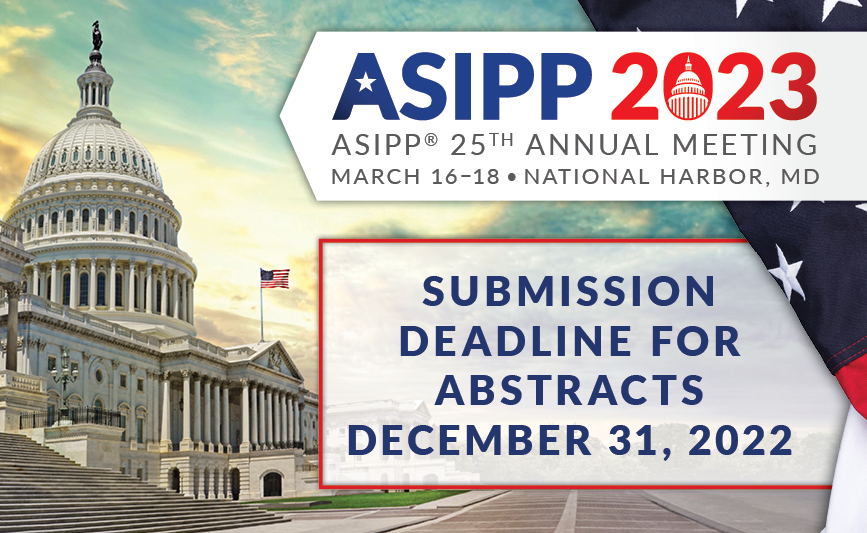
Please plan to join us at the 2023 ASIPP Annual Meeting
March 16-18 National Harbor, Maryland
|
|
For meeting or exhibitor/sponsor information:
|
|
Frustrated, confused, embarrassed enrollees often delay care after being "scammed," report notes
Widespread Medicare Advantage (MA) marketing scams and deception often result in beneficiaries getting switched -- without their knowledge or consent -- to plans that don't cover their providers or their needs, according to a new report from the Majority Staff of the U.S. Senate Committee on Finance.
Committee Chairman Ron Wyden (D-Ore.) and fellow members give examples of "bait and switch" schemes, "aggressive" and "sneaky tactics," and "predatory actions," such as agents approaching seniors in grocery stores and giving out "false and misleading information," or distributing materials that falsely imply they're from Medicare or another federal agency rather than a private company.
Marketing Scams
The majority committee collected complaints from 14 states, Medicare advocacy organizations, and federally funded State Health Insurance Assistance Programs (SHIP), "painting a consistent national picture" of deceptive practices.
|
|
- ASIPP Members Only Site Information - |
|
-
To log in for the first time you will need to click “forgot password” at the bottom of the login window.
- Check your email and then log in as directed.
-
If you have problems logging into your account, click here.
|
|
Pain Medicine Case Reports (PMCR) and Editor-in-Chief Alaa Abd-Elsayed, MD, PhD would like to invite you to submit case reports and case series to the PMCR journal. Your article will be published free of charge.
Open access journals are freely available online for immediate worldwide open access to the full text of published articles. There is no subscription fee for open access journals. Open access journals are no different from traditional subscription-based journals: they undergo the same peer-review and quality control as any other scholarly journal.
Interested in becoming a member of the PMCR Editorial Board?
Editorial board members are asked to review 2-6 manuscripts per year. Please submit your most up-to-date CV to sgold@asipp.org for consideration.
For more information or to submit your articles, click here.
|
|
| CASE REPORT |
Joshua M. Martens, BS, Roy B. Kim, MD, Kenneth J. Fiala, BS, and Alaa Abd-Elsayed, MD
Abstract
BACKGROUND: PercThoracic spinal pain (TSP) is a poorly understood phenomenon with a large prevalence and impact on patient quality of life, similar to that of lumbar pain. Often conservative therapies for managing TSP are ineffective or short-lasting. Peripheral nerve stimulation (PNS) offers a promising alternative to other invasive options for management of TSP, though additional investigation into the effectiveness of PNS in managing patients with intractable back pain is necessary.
CASE REPORT: A 73-year-old patient with a history of atrial fibrillation, dyslipidemia, chronic obstructive pulmonary disease, depression, osteoporosis, gastroesophageal reflux disease, and neuropathic foot and neck pain presented with a complaint of burning midthoracic back pain. The patient underwent implantation of a SPRINT® Peripheral Nerve Stimulator bilaterally at the T9 level for management of midthoracic back pain. Despite accidental lead removal, the patient experienced 98% overall relief in her midthoracic back and did not return to the clinic for additional pain management following a 2-month follow-up appointment.
CONCLUSION: This report provides additional evidence to support PNS as an effective and safe pain management option for patients with chronic thoracic back pain.
KEY WORDS: Midback pain, peripheral nerve stimulation, thoracic back pain, thoracic peripheral nerve stimulation, thoracic spinal pain
|
|
| META-ANALYSIS |
Yehun Jin, MD, Daehyun Kim, MD, PhD, Jangho Hur, MD, PhD, and Seung-Kwon Myung, MD, PhD
Abstract
BACKGROUND: Although several randomized controlled trials (RCTs) have reported the efficacy of scrambler therapy (ST) for the management of chronic pain, those findings remain inconsistent.
OBJECTIVES: This meta-analysis aimed to investigate the efficacy of ST for the management of chronic pain.
STUDY DESIGN: A meta-analysis of RCTs.
METHODS: We searched core databases including PubMed, EMBASE, and the Cochrane library for RCTs in October 2021. Standardized mean differences (SMDs) with 95% confidence intervals (CIs) for pain reduction were calculated using a random-effects model meta-analysis.
RESULTS: Out of 348 studies, a total of 7 RCTs (n = 287 patients) that met the inclusion criteria were included in the final analysis. Overall, ST marginally decreased pain scores after the end of the treatment compared with the control group, with substantial heterogeneity (SMD, -0.85; 95% CI, -1.66 to -0.03; I2 = 89.5%, n = 7). A subgroup meta-analysis found that the use of ST significantly reduced analgesic consumption compared to the control group (SMD, -0.54; 95% CI, -0.93 to -0.14; I2 = 0.0%; n = 2). However, no significant efficacy was observed in the subgroup meta-analyses by methodological quality, type of diseases causing pain, and follow-up period.
LIMITATIONS: The included trials have a small sample size and low methodological quality.
CONCLUSIONS: ST seems to be effective in the management of patients with chronic pain. However, further, large RCTs are warranted to confirm our findings.
KEY WORDS: Scrambler therapy, Calmare therapy, chronic pain, meta-analysis, randomized controlled trials
|
|
| NARRATIVE REVIEW |
Clayton J. Culp, BS, and Salahadin Abdi, MD, PhD
Abstract
BACKGROUND: Phantom limb pain (PLP), defined as a painful sensation in a portion of the body that has been amputated, occurs in upwards of 80% of limb amputees and can significantly impact a patient’s quality of life. First hypothesized in 1551, the disease has been poorly understood for much of this time. Still today, the exact etiology of the condition is yet to be elucidated. In the periphery, PLP resembles the neuronal changes seen in other neuropathic pain conditions. However, in the central nervous system (CNS), imaging studies suggest changes unique to PLP, such as cortical reorganization. Despite a growing understanding of its underpinnings, a mechanism-based treatment is not yet available. Rather, a plethora of treatment methodologies are available with varying levels of supporting evidence and many treatments being utilized based on efficacy seen in non-PLP patients.
OBJECTIVES: In this review, we provide a thorough summary of the current literature regarding PLP’s etiology, diagnosis, treatment, and attempts to prevent the development of PLP following amputation.
STUDY DESIGN: A narrative review.
METHODS: This was a narrative review conducted after an extensive and thorough review of available literature on the topic from a variety of sources.
RESULTS: Current evidence supports a central reorganization process with potential amplification of aberrant peripheral inputs as the etiology of PLP. This conclusion is supported by functional neuroimaging as well as the failure of peripherally focused treatments. Treatment of PLP remains difficult due to varying response rates to therapies. Nonetheless, there are several treatment modalities that have proven effective in the majority of patients tested, ranging from noninvasive systemic pharmacotherapy to more invasive neuromodulation, such as spinal cord stimulation. While opioid therapy remains the most evidence-based treatment, the newer neuromodulation techniques appear to be superior in symptom reduction with minimal side effects.
LIMITATIONS: Evidence for the treatment of PLP is largely restricted to uncontrolled case reports and/or small single-site uncontrolled case series. Some research is further hampered by the presence of confounding factors such as concurrent treatment regimens.
CONCLUSIONS: While PLP remains a difficult-to-treat condition, practitioners can greatly improve the quality of life of patients suffering from the condition with a wide range of developing treatments. For pain intractable to traditional pharmacologic treatment, neuromodulation therapies have proven to be highly effective with minimal side effect profiles.
KEY WORDS: Phantom Limb Pain, Neuropathic, Mirror Therapy, Deafferentation, Cortical Reorganization
|
|
ASIPP is now in collaboration with Curi Medical Liability Program
Since this malpractice insurance program officially launched in November 2018, ASIPP has signed up hundreds of providers with an average savings of 30%. This is professional liability insurance tailored to our specialty and will stand up for us and defend our practices.
Curi is a full-service advisory firm that serves physicians and their practices. Their valued advice is grounded in your priorities and elevated in your outcomes. They are driven by a deep understanding of your specific circumstances in medicine, business, and life. To read a few important points to keep in mind about the program, including discounts, administrative defense, cyber coverage, aggressive claims handling, and complimentary risk management CME activities, visit our website.
|
|
ASIPP® has formed a partnership with Henry Schein and PedsPal, a national GPO that has a successful history of negotiating better prices on medical supplies and creating value-added services for independent physicians. Working with MedAssets, PedsPal provides excellent pricing on products like contrast media that alleviate some of the financial pressures you experience today.
|
|
ASIPP® is now offering our members the benefit of a unique revenue cycle management/ billing service.
We have received a tremendous amount of interest in the ASIPP® billing and coding program.
Click here to learn more about the negotiated rate for practices and more!
|
|
|
up-to-date news related to you, your practice, and your patients!
|
|
|
|
|
|
|