March 2024

New discussions bear fruit

for New River train tunnel

The city’s continuing investigation of the best way that commuter rail traffic can cross the New River has begun to bear some incredible results — results that could reshape the ongoing discussions with state and county officials about the viability of a tunnel instead of a bridge.


First, the city’s consultants at BDO have announced their findings that address concerns previously raised about tunnel construction and future operations. They concluded a tunnel could be built at a third of the cost that other consultants estimated earlier and in a way that would not require the additional expense of forcing nearby property owners to sell their land as they would need to do for a bridge.


Second, the builder and operator of the Port of Miami tunnel has come forward with details of their success, providing an independent and unvarnished analysis of tunneling in South Florida. They have even stated that they would be interested in eventually submitting a proposal for a public-private partnership for a New River tunnel.


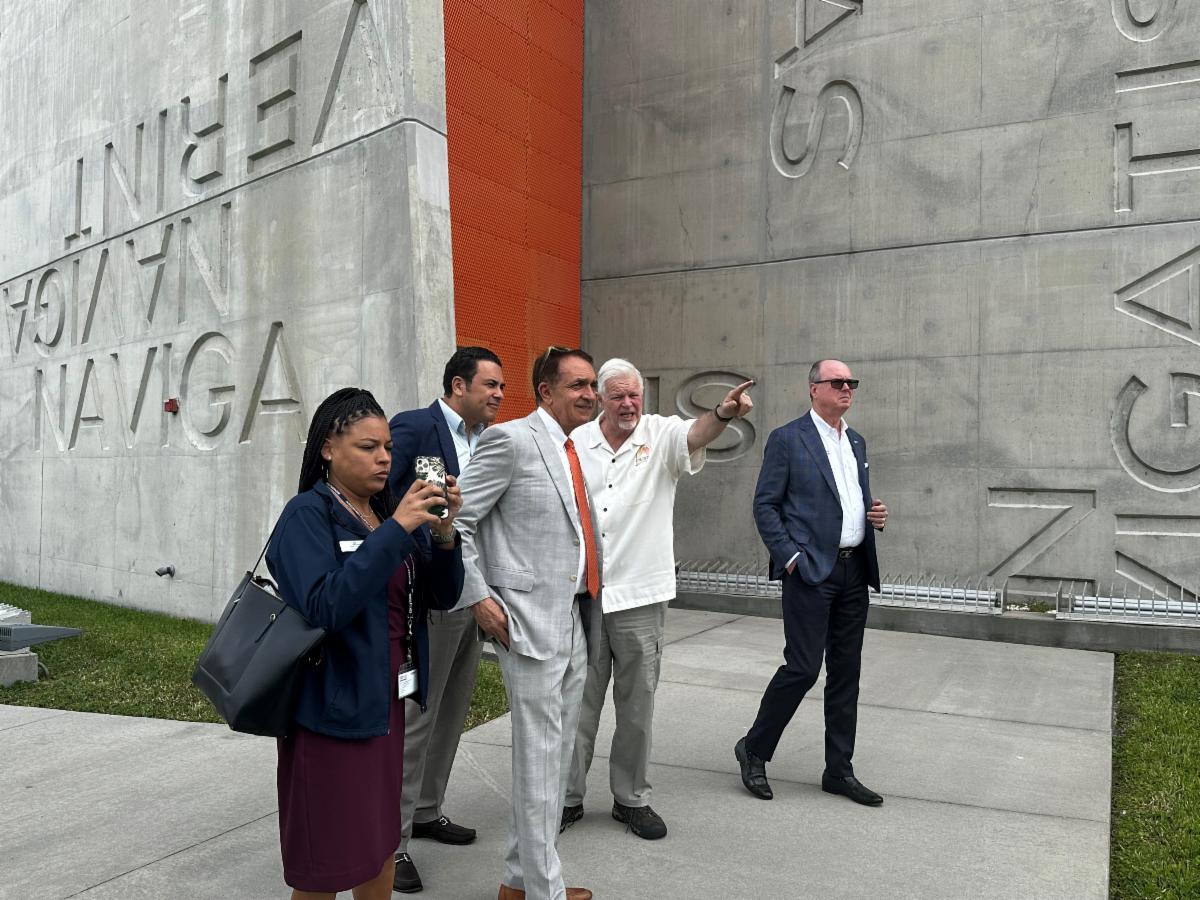
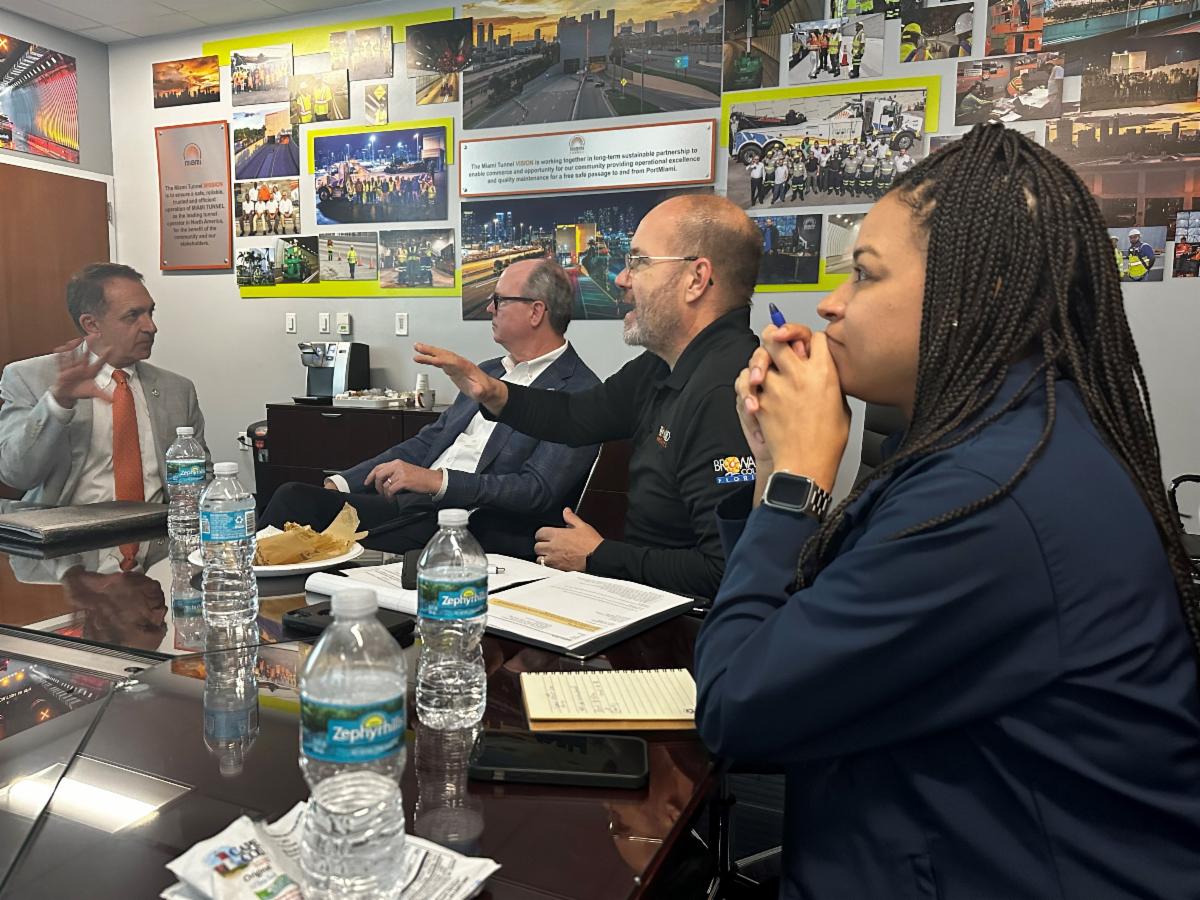
While Broward County is moving forward with planning for a high-rise bridge splitting our downtown, these new developments breathe fresh life into the tunnel alternative. During a tour of the Miami tunnel with county leaders, we began seeing new openness to the idea. We hope this cooperative spirit can continue forward.


Here’s what the BDO consultants have told us.


They have drawn up preliminary designs that illustrate a tunnel could be built with no disruption to current Brightline trains or freight traffic. This is of critical importance to both Brightline and the Florida East Coast Railroad.


The tunnel would be shallow at 55 feet deep, thus not requiring substantial digging. Brightline has reviewed the proposed gradient in the proposed tunnel and said that it is acceptable for commuter traffic. 


The design keeps the tunnel entirely within the railroad’s existing right-of-way except at the river itself, where it would deviate slightly to avoid the pilings of the existing train bridge. There would be the need to obtain the underground rights to three small portions of property — two are owned by the city and the third is owned by a developer who is willing to work with us because of the substantial impact a bridge would have on his planned project.


Some people have questioned the resiliency of a tunnel given the flooding and heavy rains experienced in the region. But BDO plans for that by installing major flood gates at each portal.


Others question whether there would be vibration during construction that could harm existing structures, but BDO notes that the tunneling technology they propose has been used under highly developed locations such as Chinatown in San Francisco.


BDO’s estimated price tag is $888 million, less than the $3 billion that other consultants suggested. While more than the almost $600 million that the county estimates a bridge would cost, BDO says the difference likely could be made up through new federal infrastructure grant funding.


Also, BDO estimates that the operation and maintenance of the tunnel would cost $2.5 million a year. That’s one-tenth of what other consultants estimated. The Broward Metropolitan Planning Organization now acknowledges that the earlier estimate was very high because those consultants had more unknown factors to consider than BDO did.


Meanwhile, there are the developments with Miami.


A month or so ago, Chris Hodgkins, the head of the concessionaire operating the Miami Tunnel, reached out to my office inviting me to tour the facility in light of our ongoing discussions. I then asked county leaders if they wanted to join me. And they agreed.


The trip was enlightening.


The Miami tunnel was built through a public-private partnership between the Florida Department of Transportation and a consortium of two international firms – Meridiam and Bouygues.


It was the first ever P3 for FDOT and required the consortium to design, finance, build, operate and maintain the port tunnel. The deal has now been used internationally as a model for P3 infrastructure projects.


The project was completed $90 million under its $1 billion price tag and on time. It’s 45 feet wide, almost twice the size that would be required for a train tunnel, and 120 feet deep, far deeper than the New River crossing. You do the math.


Hodgkins noted to the group that the Miami tunnel had to address resiliency concerns similar to the questions raised in Fort Lauderdale. They built flood gates like those that BDO has proposed and have used them multiple times during hurricane warnings.


Some have questioned the viability of tunnel construction in South Florida given the geotechnical dynamics here. But Hodgkins said the Miami tunnel was built through a limestone base similar to that in Fort Lauderdale and that they compensated for its porous nature by inserting polymer into gaps to shore it up.


He also addressed the issue of construction vibrations, agreeing with BDO that the tunneling technology avoids that. He said it was important to his project to avoid vibration so as to both protect structures like the Children’s Museum and not disturb the animals at Jungle Island.


Let’s hope that this progress continues and that we all can agree on a tunnel. We need to protect our vibrant downtown and our historic district and that we do not further divide communities as the train tracks long have. 

Here are some other recent developments in the city:


Vacation rentals. Unfortunately, the Florida Legislature passed a proposal that would further limit the ability of cities across the state from regulating short-term rentals.


As we have seen, these rentals can tremendously disrupt neighborhoods with noise, traffic and garbage as tenants move in and out daily and weekly. The city needs to be able to impose well-reasoned regulations to protect the neighborhoods that we so love.


I have written to Gov. DeSantis and requested that he veto this ill-conceived legislation.


Sewer upgrades. The city is stepping up its project to boost sewer capacity by better preventing the infiltration of stormwater runoff into the sewer pipes. The stormwater runoff increases demand on our treatment plant, adds to our operational and maintenance expenses and contributes to potential sewer overflows.


We are conducting assessments of sewer lines and manhole covers in search of cracks and defects. Our first focus is on 10 critical basins.


Staff is planning to increase funding for this work from $3.8 million this year to $5.1 million next year and then to $15.8 million in 2026. We would continue with that level of funding at least through 2029.


School zone safety. The city is looking at starting a new pilot program to install cameras in school zones to enforce speed limits. New state legislation allows cities to do this.


Not only would it increase safety for school children, but it would increase law enforcement coverage beyond what our current staffing can handle.


The cameras could be used from 30 minutes before the start of school to 30 minutes after school ends. A pilot program could be ready for next school year and would focus initially on four schools – Sunrise Middle, Northside Elementary, Rock Island Elementary, and New River Middle.


If successful, the city could expand the program to more schools.


Traffic light synchronization. The city recently received an update from Broward County on its efforts to upgrade traffic signals countywide. This is of critical importance because better timing should have dramatic impacts on congestion.


The county committed to using money from the transportation surtax to fund the work.


They plan to deploy new adaptive signal control technology. This technology continuously analyzes green lights in a more equitable fashion based on real-time intersection arrivals and is more responsive to traffic conditions.


The first project using adaptive signal control was in Pembroke Pines and reduced travel time by 10 percent and vehicle delays by more than 20 percent. The county is planning seven projects in Fort Lauderdale between now and 2026 using this technology, including Broward Boulevard, Sunrise Boulevard, Commercial Boulevard and Southeast 17 Street. 


In addition to this work, the county is retiming traffic signals on the following streets will be retimed this year: State Road A1A from Mayan Drive to Sunrise Boulevard, Federal Highway from Davie Boulevard to Searstown, Powerline Road from Sunrise Boulevard to Commercial Boulevard, Broward Boulevard from Federal Highway to State Road 7, and Cypress Creek Road from Dixie Highway to Northwest 31st Avenue.


Finally, with Spring Break now behind us, I want to commend all our city staff for their amazing response to the thousands of young students who came to visit our community this past month.


A special shout out to our new police chief, Bill Schultz, for expanding our police presence as well as implementing some pretty novel approaches to crowd pleasing, such as setting up recruitment stations for students to think about a career in law enforcement.


It helped bring down the tone the national media sought to impose on the spring break event, and who knows, we may even see some new recruits on their return when they graduate.


I wish everyone the best in the upcoming Easter and Passover season.


Yours,


Dean

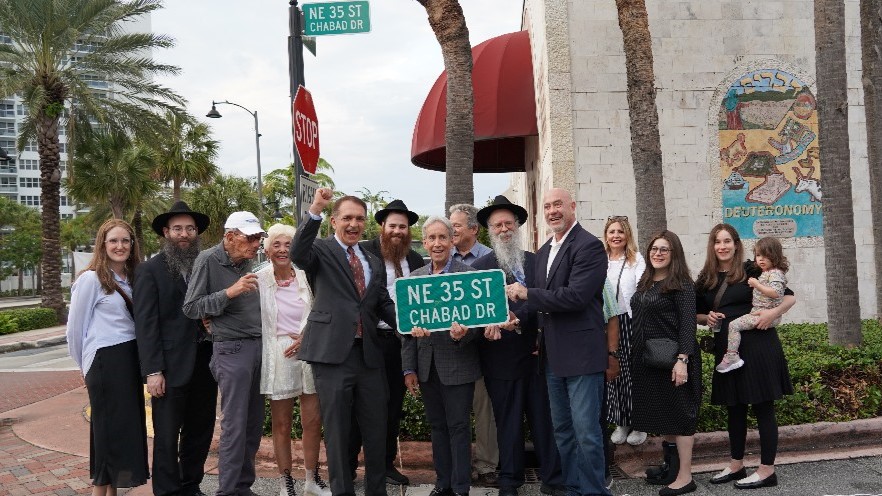
Mayor Trantalis, city officials, and members of the Chabad Lubavitch celebrate the renaming of Chabad Drive on the Galt Ocean Mile.

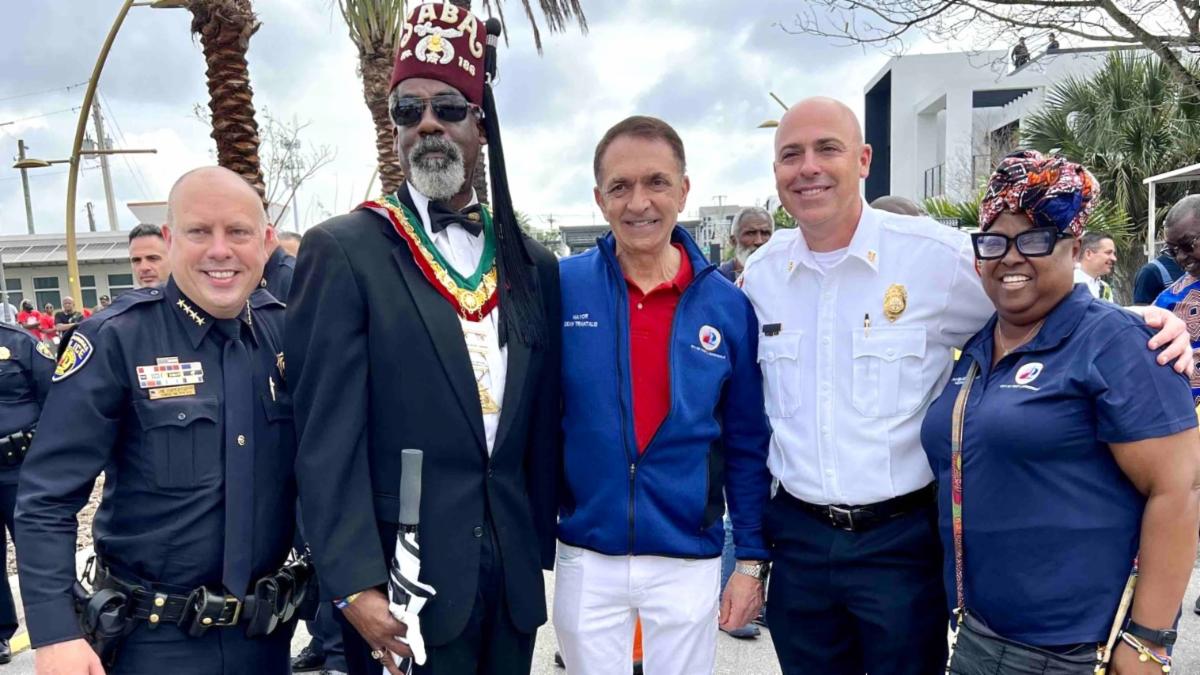
Mayor Trantalis participates in the annual Sistrunk Parade and Festival.

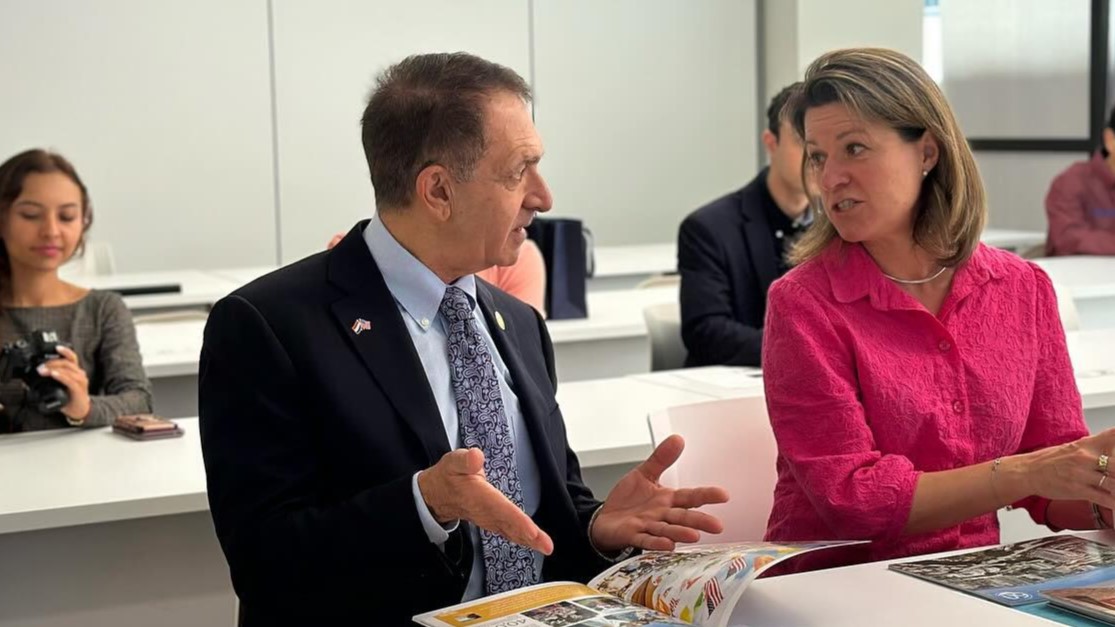
Mayor Trantalis welcomes representatives from the Dutch consulate to Fort Lauderdale for a trade meeting with the Greater Fort Lauderdale Alliance.

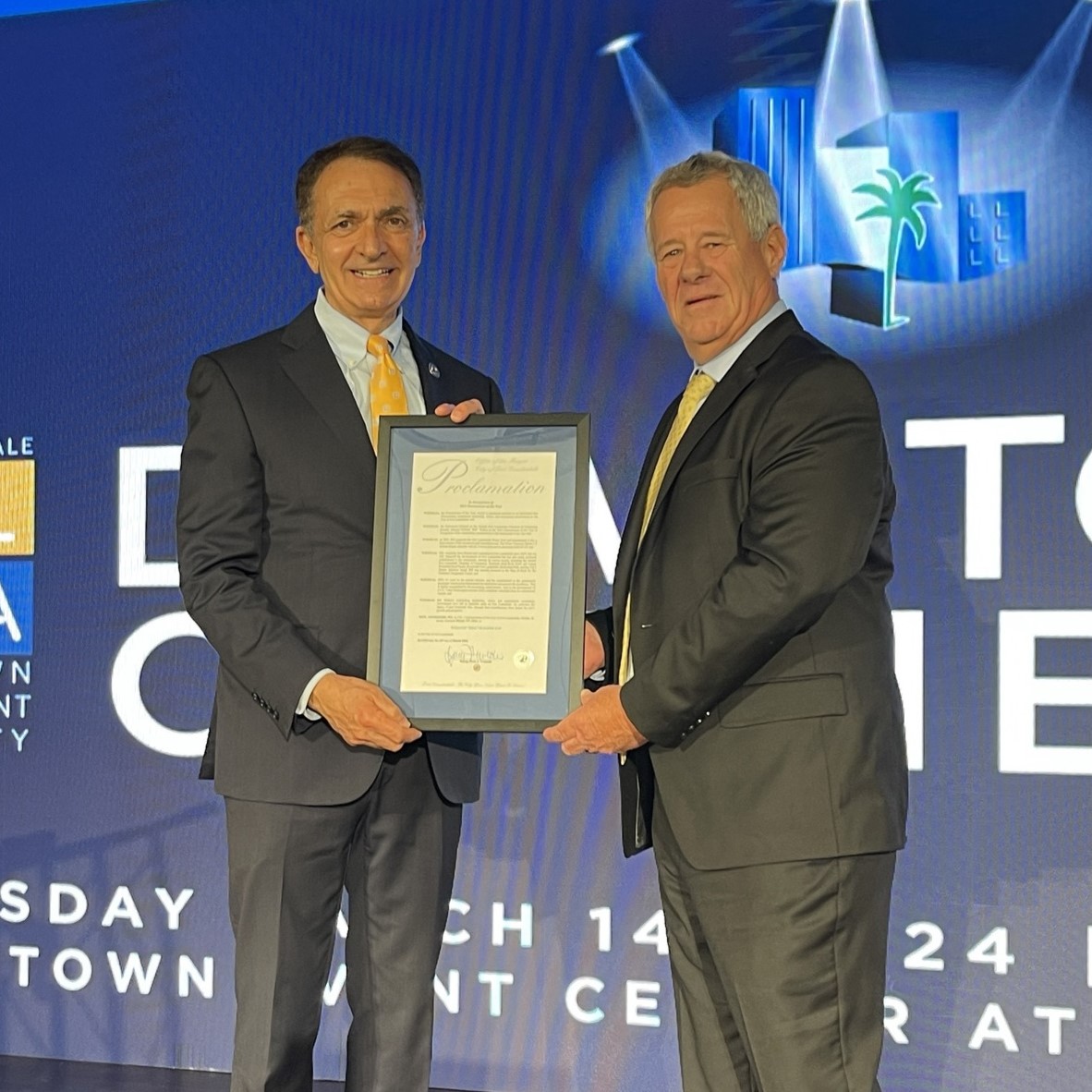
Mayor Trantalis recognizes Bill Walker as the 2024 Downtowner of the Year.

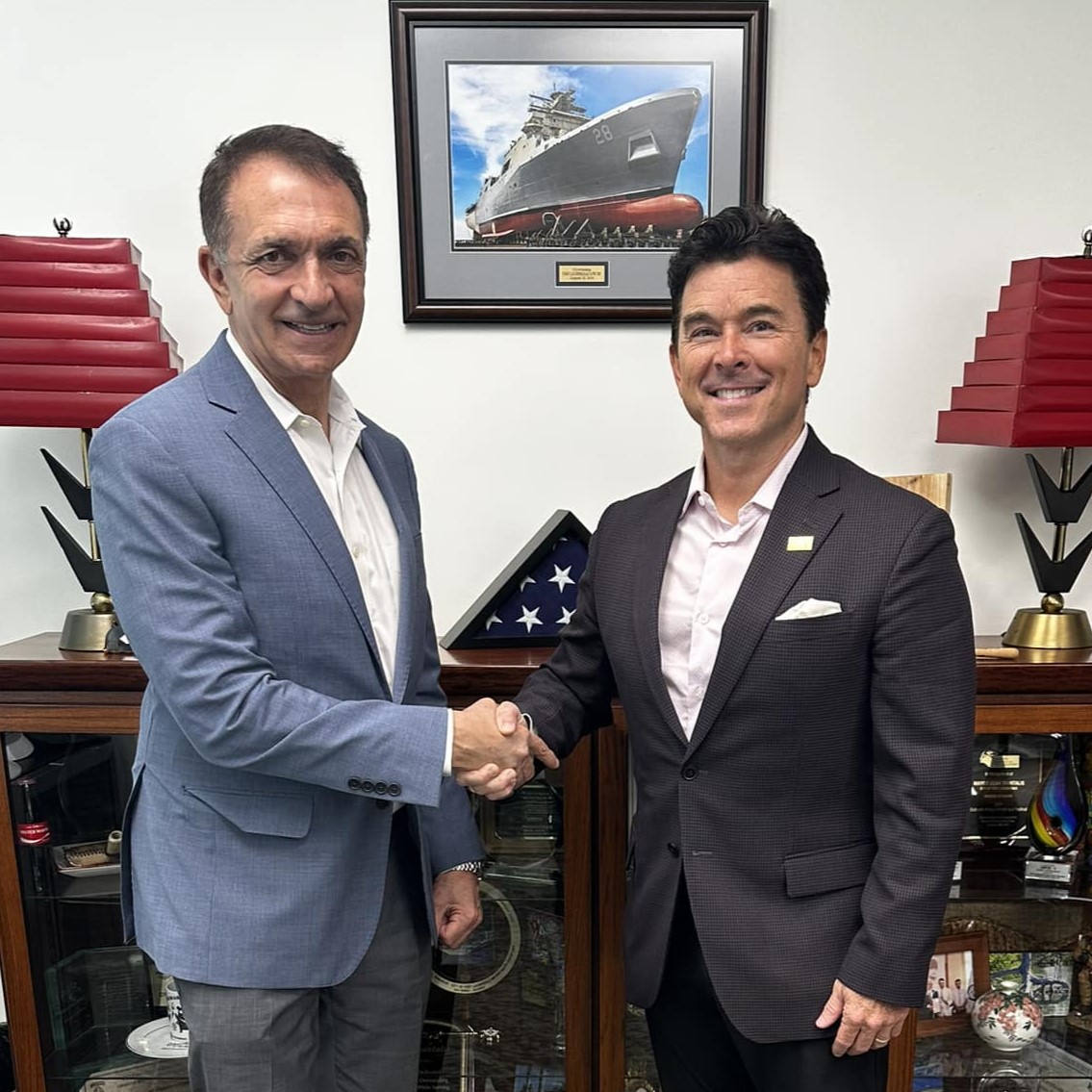
Mayor Trantalis meets with Alan Thomas of the Small Business Administration.

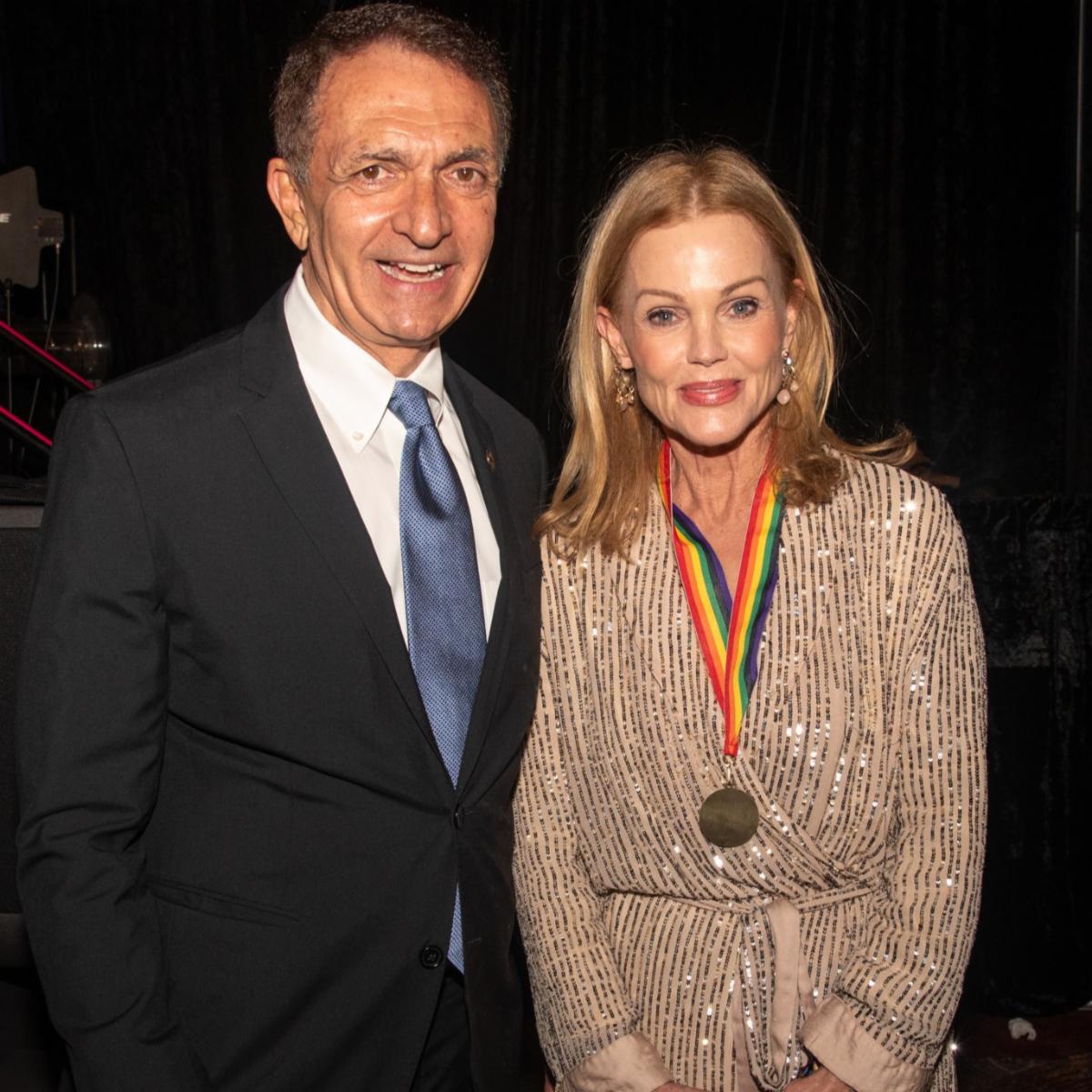
Mayor Trantalis celebrates the Annual Diversity Honors Awards with pop singer Belinda Carlisle.

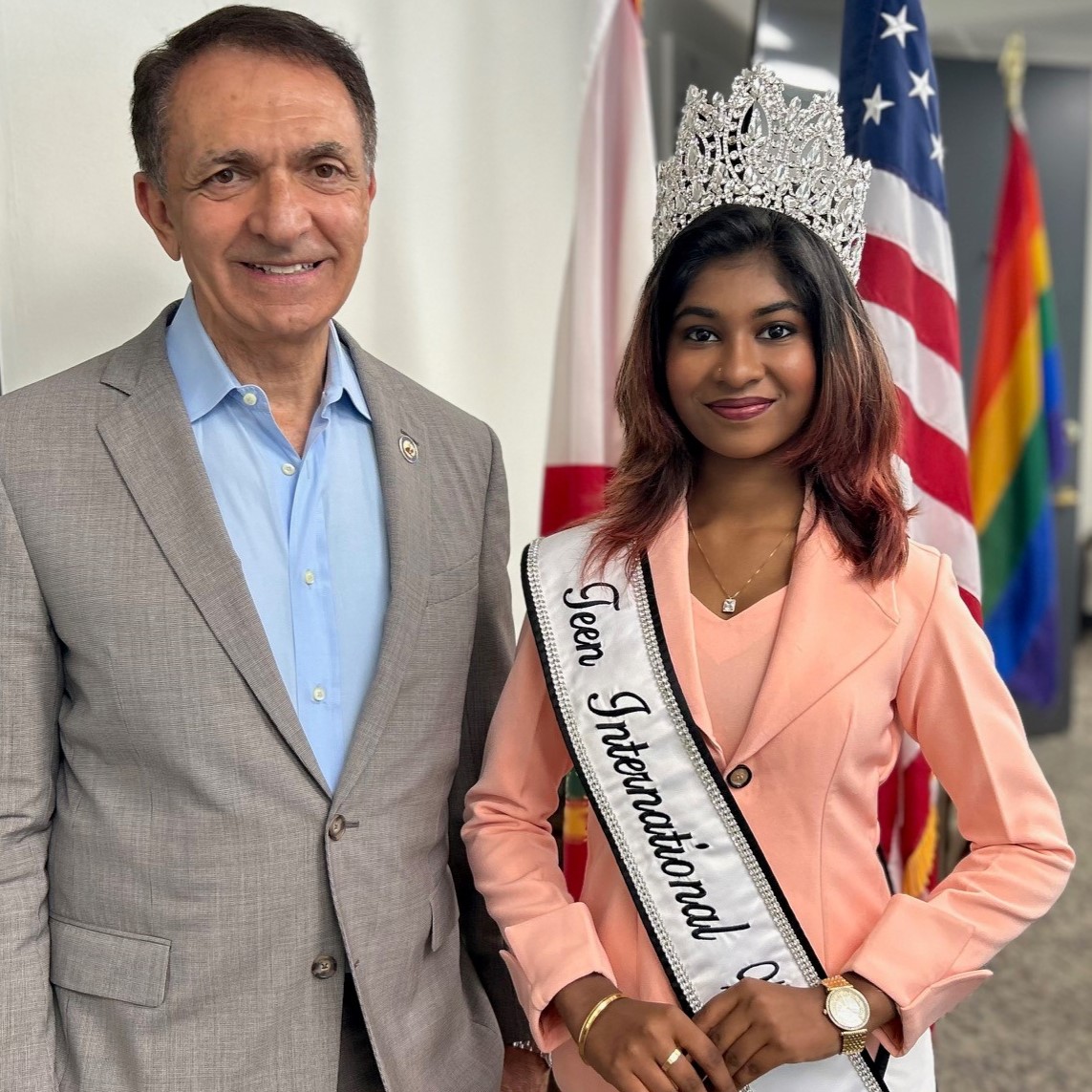
Mayor Trantalis meets with Miss Teen International World, Sandhya Sattanathan.

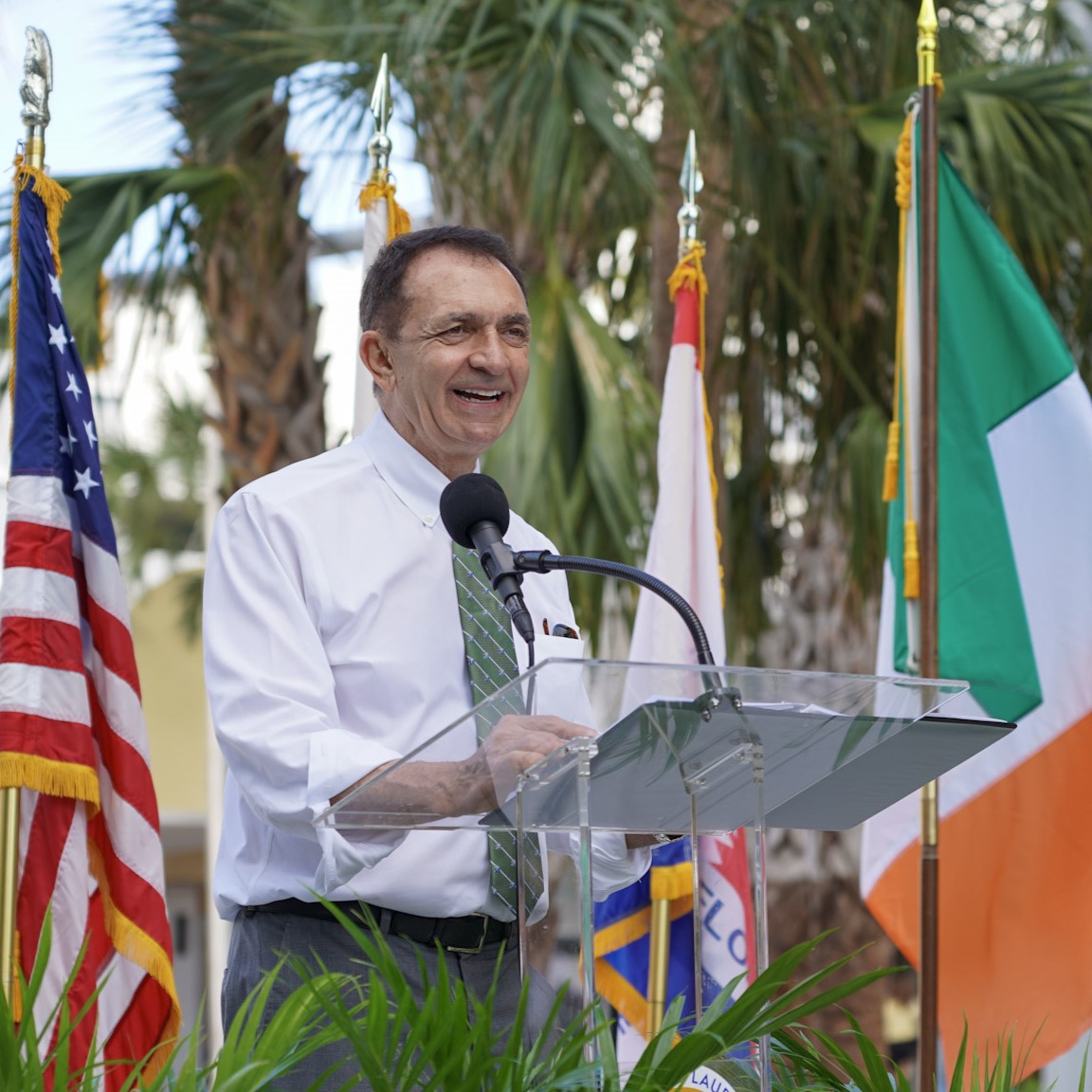
Mayor Trantalis kicks off St. Patrick’s Day festivities with the street striping on Las Olas Blvd.

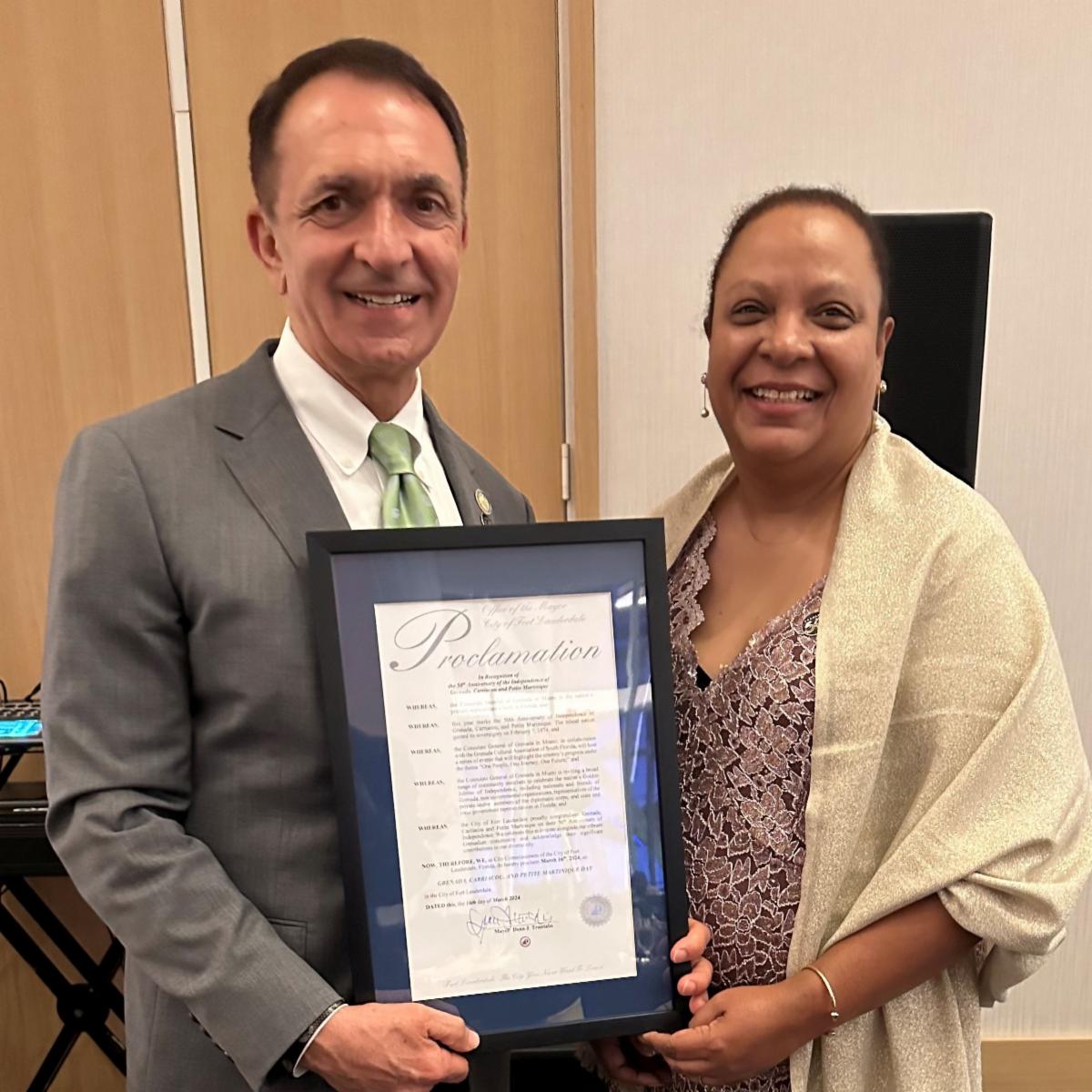
Mayor Trantalis presents a proclamation in recognition of the 50th anniversary of independence for Grenada.

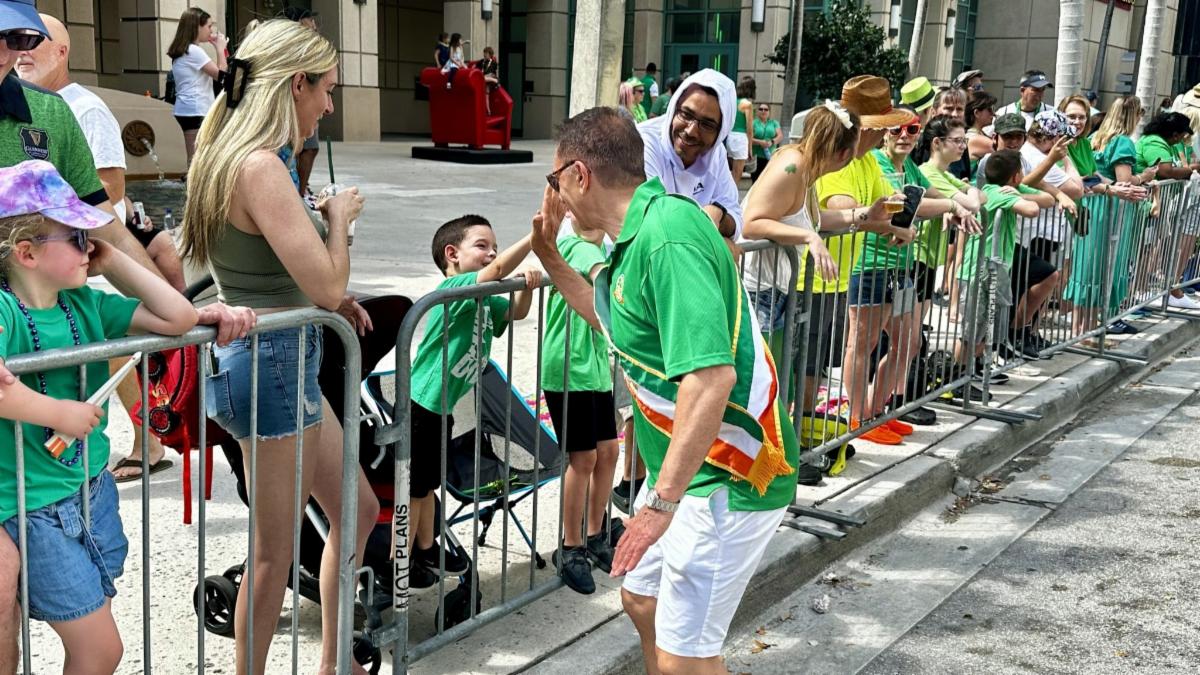
Mayor Trantalis marches in the city's annual St. Patrick’s Day Parade and Festival.

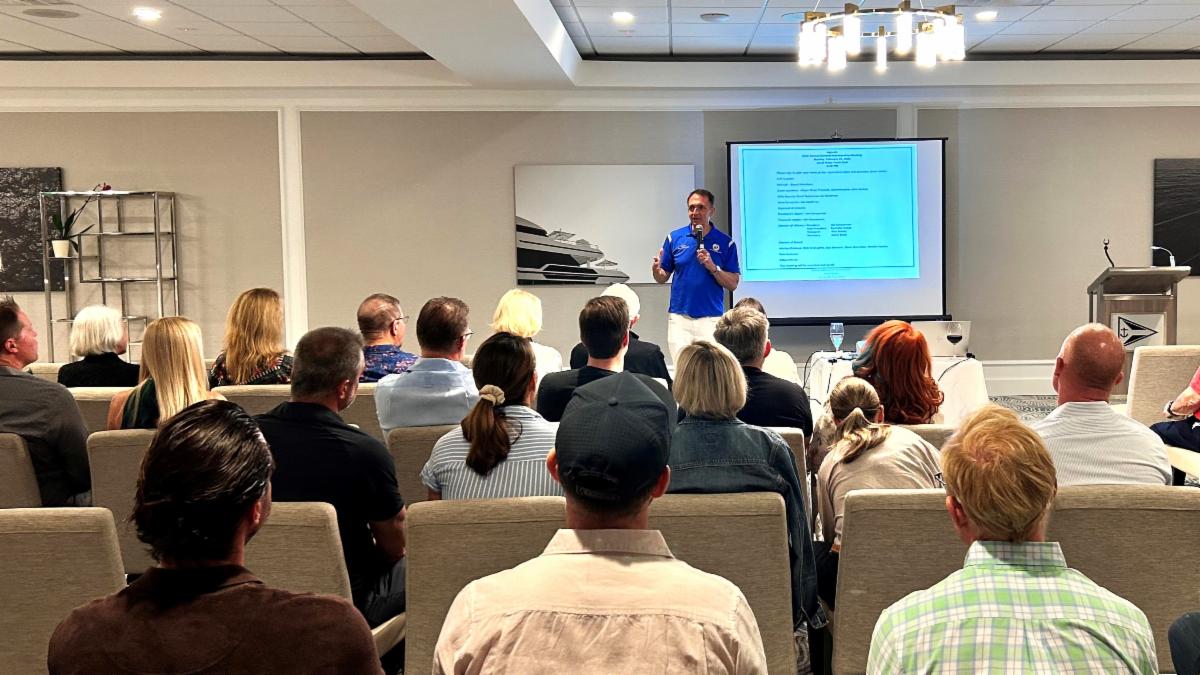
Mayor Trantalis speaks with the neighbors of the Sunrise Intracoastal Homeowners Association.

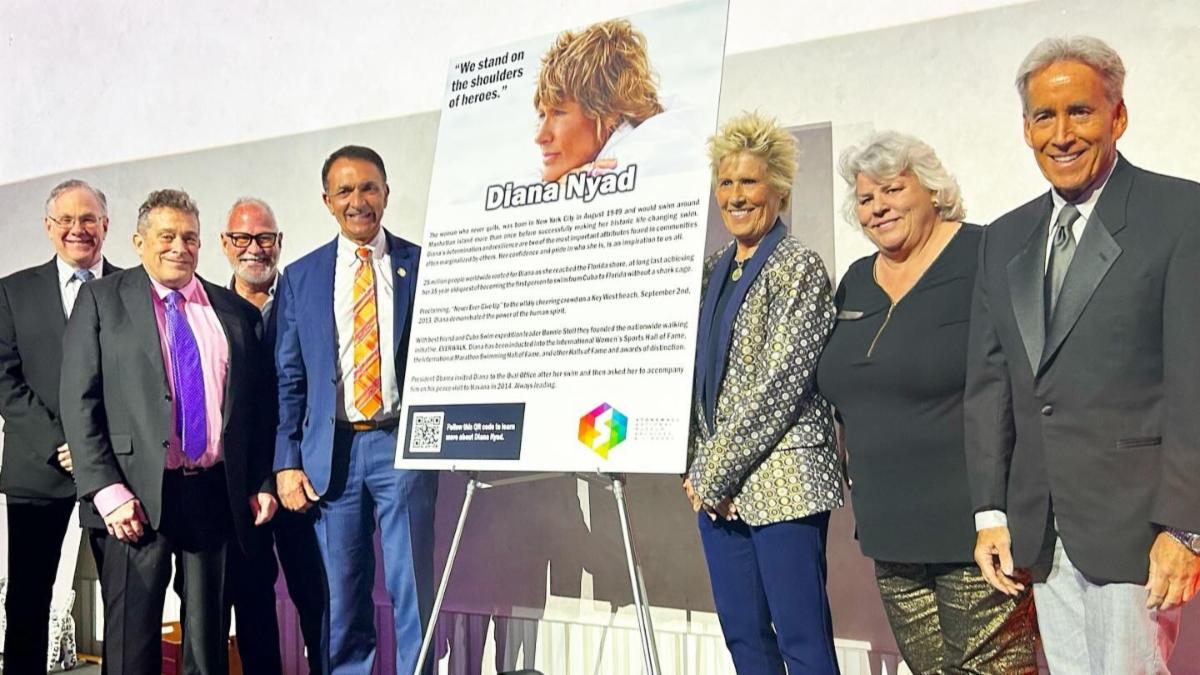
Mayor Trantalis and city officials present Diana Nyad with a plaque in honor of her achievements at the annual Stonewall Gala.

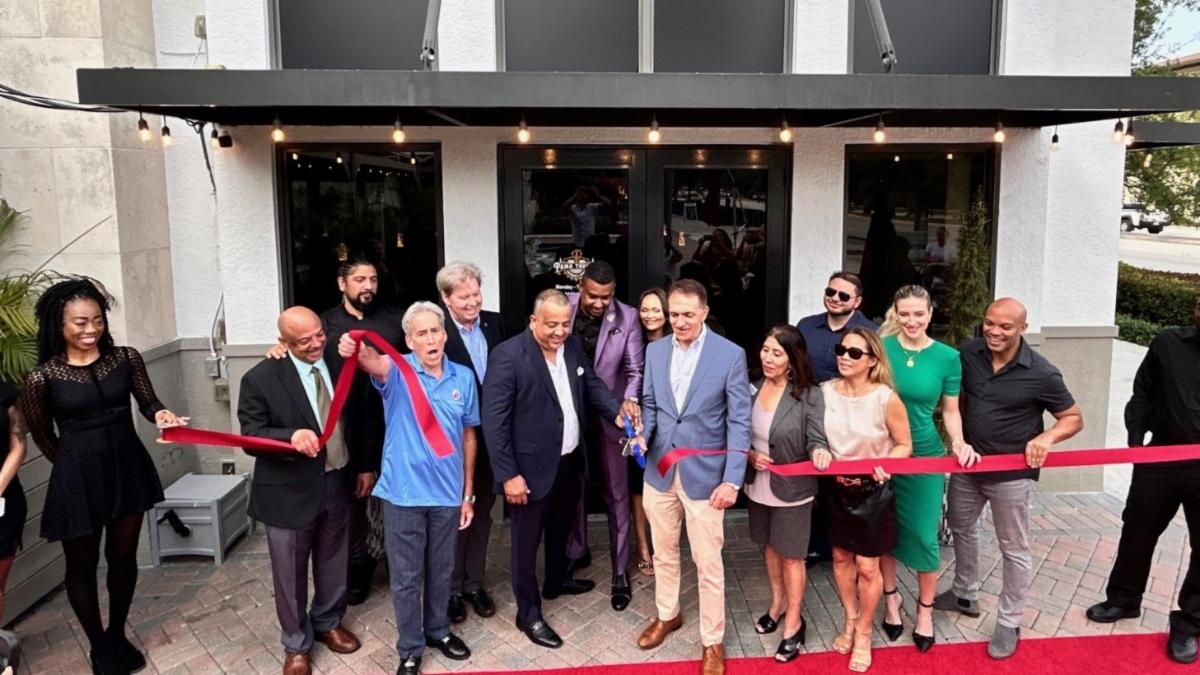
Mayor Trantalis celebrates the opening of Pama Tavern in Flagler Village.

Contact our office
City News Center
Visit our website
Sign up for our emails
Facebook  Instagram  Twitter