Possibilities today...Treatments Tomorrow

- NORCAL MEDICAL RESEARCH -

MAY NEWSLETTER

Hello friends and welcome to the NorCal Medical Research May newsletter!


As we begin the summer season, we are excited to share updates on three current and upcoming clinical trials.


First, we are now enrolling patients in a Thyroid Study comparing animal derived thyroid supplement as Armour (T3/T4) to synthetic thyroid hormone levothyroxine (T4) as treatment for hypothyroidism.


Secondly, we are screening individuals for a Diabetic Peripheral Neuropathy study (DPN)) to evaluate a promising pain relief medication for persons with moderate to severe painful diabetic neuropathy.


Details about these two currently enrolling studies below.


Finally, we are screening for persons with Type 2 Diabetes which is not currently optimally controlled on oral meds alone, to participate in a Lilly Diabetes Study comparing a new oral GLP-1 to basal insulin. Eligible patients need to have a history of either mild to moderate chronic kidney disease or a cardiovascular risk. Outcomes of glucose control, A1C, weight and cardio vascular events will be closely followed for the duration of the trial with the goal of improving glucose control for all participants during the trial.


Please note: The recent Lilly weight loss study investigating a new glucoregulatory hormone similar to GLP-1 filled very quickly and is now closed. There is so much interest in the weight loss drugs, we encourage you to contact us immediately when you are interested in these studies or have a friend or loved one who might be. Call us if you want to get on a waiting list to make sure you can get screened while space is available. We are scheduled to participate in a number of additional studies in the near future that sound very promising in the area of weight loss medication.


Read below for more about Diabetic Peripheral Neuropathy (DPN) and how to best prevent it and/or manage it and don't miss our Tips Section on Summer Diabetic Foot Care. 


Stay tuned for our June newsletter which will tell you more about our upcoming weight loss study. I will also discuss some of the concerns about long-term use of current weight loss drugs and some of the newer options aiming to reduce complications.


Contact us at 415-461-1585 or info@norcalmedicalresearch.com with any questions. Thank you for supporting our mission to improve patient outcomes through careful data gathering and clinical research.


In health,


Dr. G

Linda Gaudiani MD FACE FACP

Medical Director

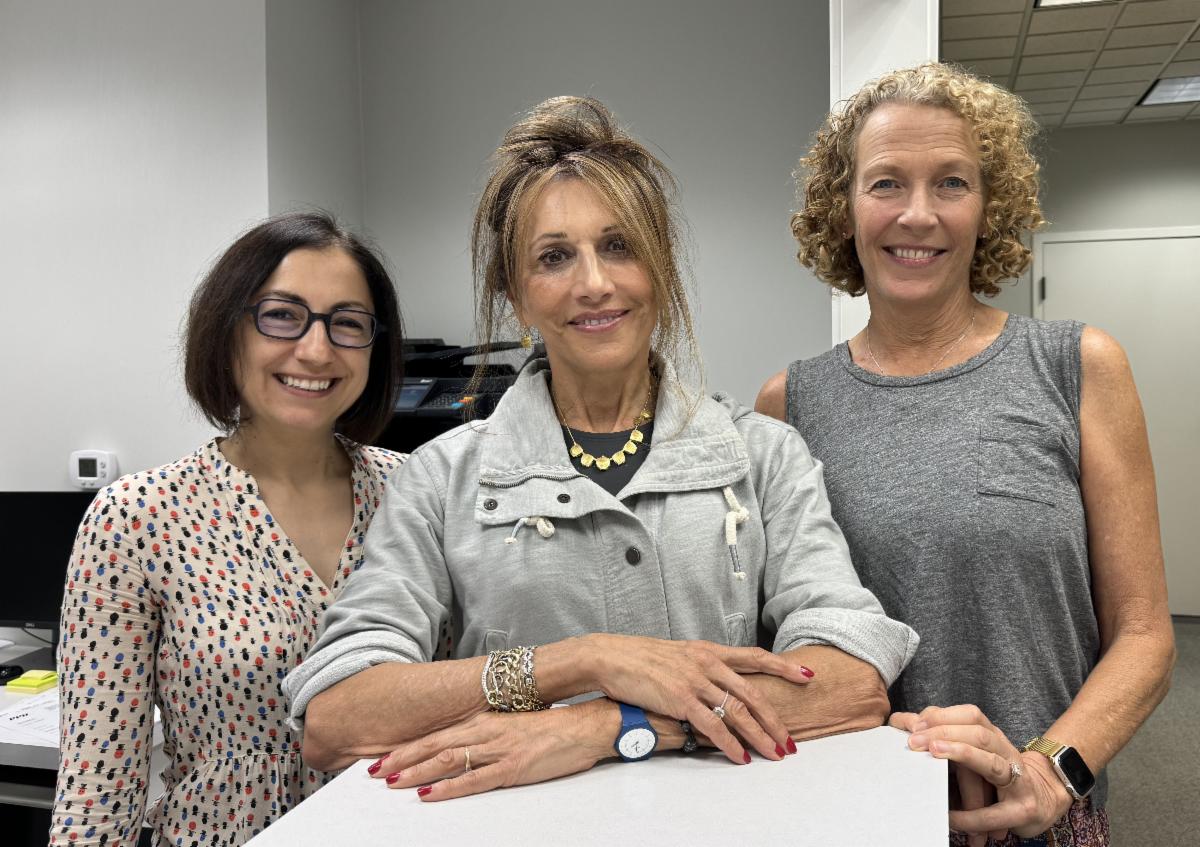
We try to get our exercise time in after meetings on Fridays!

From left to right: Dr. Irene Teper, Dr. Linda Gaudiani and Dr. Elizabeth Lowe


Click here to get acquainted with our physicians and here to meet the rest of our staff.


- NOW ENROLLING-

DIABETIC PERIPHERAL NEUROPATHY (DPN) STUDY


NorCal is currently screening patients for a short- term study to further extend the data already existing for an investigational drug developed specifically to reduce pain related to DPN. This study might be right for you if you experience inadequate pain relief from your DPN.


This trial will study the efficacy and side effects of the investigational drug, LX9211, which works by blocking AP2-associated protein kinase 1 inhibitor which is thought to be involved in nerve pain. This is the second study we have done on this drug which showed efficacy in smaller trials. This trial will further study optimal dosages. 


You may qualify to participate if you:

  • Are 18 years or older
  • Have type 1 or type 2 diabetes
  • Have an A1C less than or equal to 11%
  • Have ongoing diabetic peripheral neuropathy with moderate to severe pain ·of approximately 5 or more on a scale of 1 to 10


Your medical history and other criteria will be checked to determine if you can take part in the study.


The study will last about 16 weeks.


As with all clinical studies, participants will not have to pay for the study drug, study visits, or for the procedures or tests that are needed as part of this study. Additionally, you may be compensated for your time and reimbursed for approved, study-related travel. CLICK HERE FOR MORE DETAILS.


Please contact our office at 415-461-1585 with any questions.

THYROID STUDY

The Abbvie Thyroid Study will compare the use of a purified naturally derived thyroid replacement therapy, Armour thyroid, to synthetic levothyroxine. Armour is made from purified porcine thyroid and contains both T4 and T3 thyroid hormones.


This study will investigate dose equivalents of LT4 (levothyroxine) and Armour so that individuals can be safely converted from one to the other. All participants will start on the Armour thyroid and then will be randomized to receive either LT4 synthetic or Armour T3/T4.


WHO IS ELIGIBLE TO PARTICIPATE?

You may be eligible to participate if you:

  • are 18 to 75 years of age
  • are diagnosed with primary hypothyroidism for at least one year
  • have had no thyroid surgery within past 12 months
  • have been on continuous thyroid replacement therapy with LT4 for last 6 months
  • have had a normal TSH in the past year


The total duration of the study will be one year. 


Call our office at 415-461-1585. 


DIABETIC PERIPHERAL NEUROPATHY (DPN):

 DID YOU KNOW?

What is it? 

If you have diabetes (both type 1 and type 2), neuropathy should be on your radar. Diabetic neuropathy is a complication that can cause nerve damage in various parts of your body and may affect as many as 50% of people with diabetes. It is more common in those who have had diabetes for many years and in patients who have had hyperglycemia (high blood glucose levels) for long periods. However, neuropathy can be variable and sometimes appears early in diabetes and despite good glucose management. Whatever the cause, diabetic neuropathy can lead to various health problems at its onset as well as down the line, impacting quality of life and posing significant associated risks.


There are four main types of diabetic neuropathy: peripheral, autonomic, proximal, and focal. It’s possible to have more than one type. Symptoms depend on the type of nerve damage you have, and which nerves are affected.


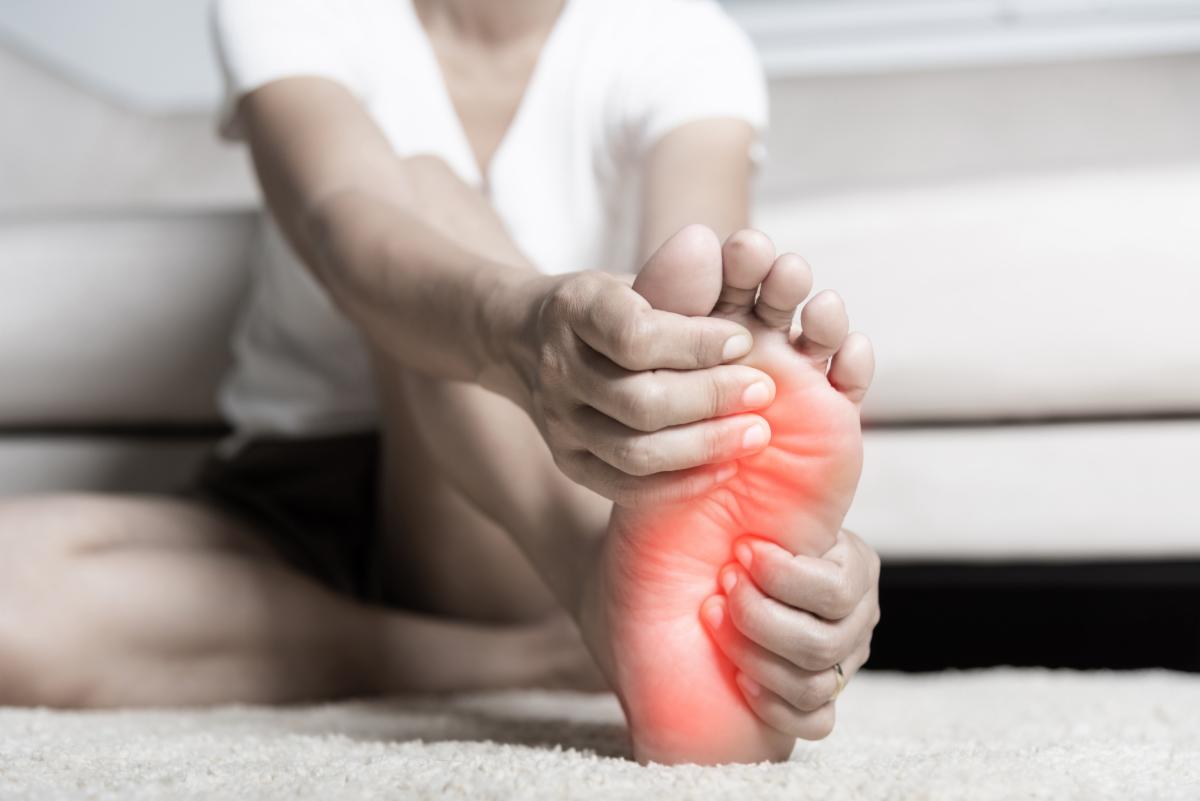
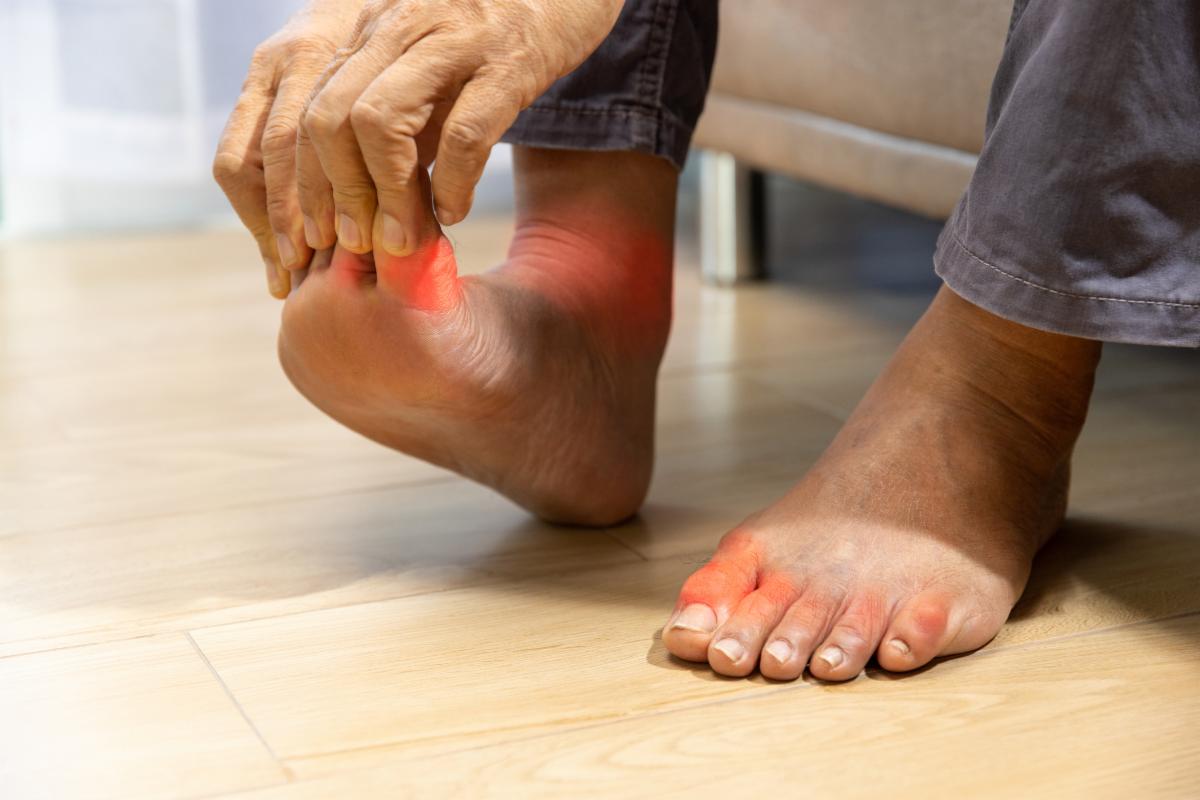
Diabetic peripheral neuropathy (DPN) is the most common type of diabetic neuropathy and that is our focus here. It occurs when the peripheral nerves--the nerves that go to the arms, hands, legs and feet--have been damaged over time.


What are the risk factors?

Factors that can increase your risk of developing neuropathy include:

  • Having high blood glucose levels
  • Having diabetes for many years
  • Being over 40
  • Having elevated triglycerides
  • Having excess body weight
  • Smoking
  • Having high blood pressure


What are the risks associated with having DPN?

DPN increases the risk for foot ulcers and amputations. Due to nerve damage in their feet and toes, people with diabetes who have DPN often do not notice minor cuts, sores, or blisters in these areas. If left untreated, these small wounds can easily become infected, lead to gangrene, and may eventually require amputation of the affected area.


How to prevent it?

Don’t panic—neuropathy is not inevitable! There is a lot you can do to prevent or delay nerve damage. And, if you already have diabetic neuropathy, there are steps you can take to prevent or delay further damage by being informed and aware.


Keeping your blood glucose (blood sugar) levels on target is your first line of defense against neuropathy. You might also reduce neuropathy by following a healthy diet and consistent exercise routines that fit your lifestyle. Foot care and professional monitoring are so important.


What are the Symptoms?

Signs and symptoms are often worse at night and may include:

  • Numbness or odd sensations in the hands and/or feet
  • Reduced ability to feel pain or temperature changes
  • Sharp, shooting pains or cramps
  • Burning and tingling
  • Extreme sensitivity to touch – for some people, even a bed sheet’s weight can be painful


When to see a doctor?

Call your health provider for an appointment if you have:

  • A cut, ulceration or sore on your foot that is infected or won’t heal
  • Burning, tingling, weakness or pain in your hands or feet that interfere with daily activity or sleep


The American Diabetes Association (ADA) recommends that screening for diabetic neuropathy begin immediately after someone is diagnosed with type 2 diabetes or five years after diagnosis with type 1 diabetes. After that, screening is recommended once a year.


Diagnosis:

Your health care provider can usually diagnose diabetic neuropathy by performing a physical exam, possibly ordering specific tests to diagnose your DPN and rule out other causes of your symptoms, and carefully reviewing your symptoms and medical history. Your health care provider will usually check your:

  • Overall muscle strength and tone
  • Tendon reflexes
  • Sensitivity to touch, pain, temperature, and vibration
  • Presence of ulceration
  • Change in appearance of the feet, including foot deformities and skin changes

How to prevent complications from DPN

While there is no cure, there are many ways to prevent or delay nerve damage, including proper foot care and being mindful of anything that could make you prone to developing an infection or sore.


You’re more likely to have foot problems with diabetes because it can damage your nerves and lessen blood flow to your feet. Nerve damage prevents your feet and legs from feeling temperature or pain and poor blood circulation prevents small cuts or sores from healing well.


Diabetes can also dry the skin on your feet and make your heels crack. The big risk is infection. Germs or fungus can get into small cuts or cracks. If you think you’ve gotten an infection, tell your doctor right away. Early treatment can keep it from spreading. Here are some self-care behaviors to prioritize:


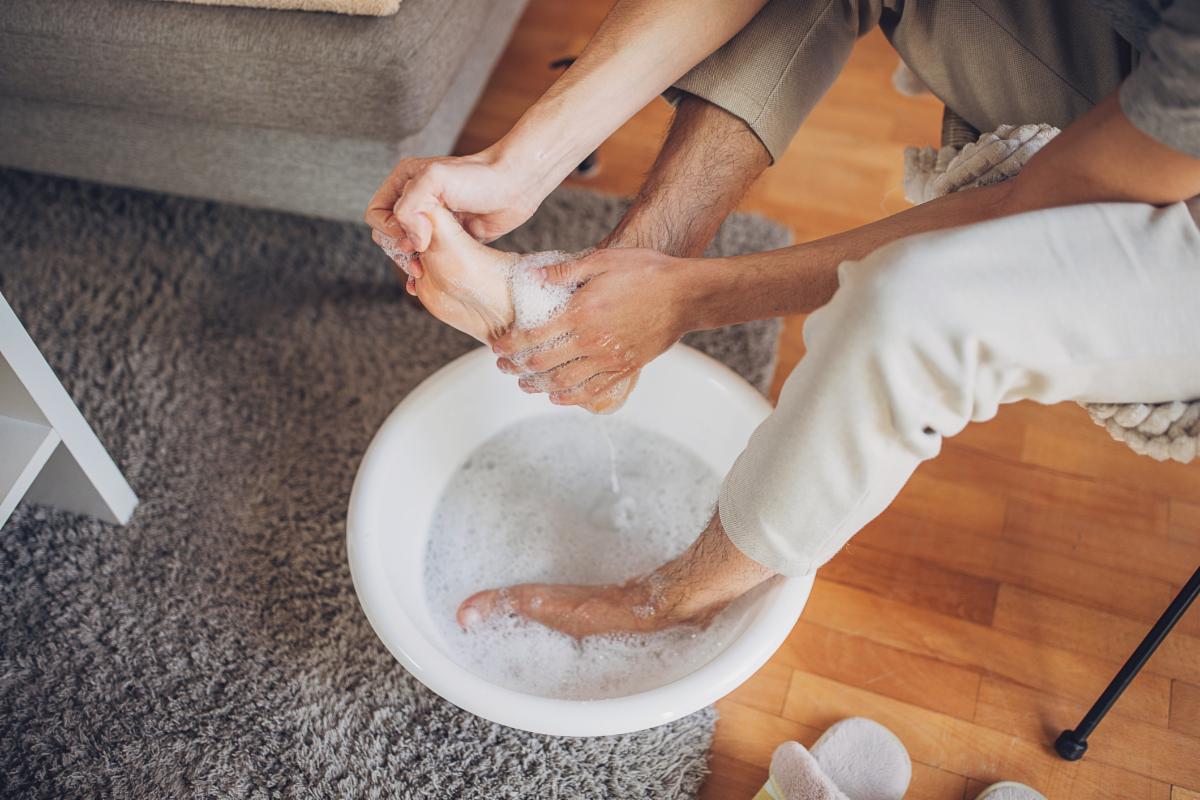
  • Keep your feet clean, but don’t soak them for a long time. Use mild soap and warm water.
  • Pat your skin dry; do not rub. Thoroughly dry your feet.
  • Apply lotion if your feet are dry (but not between the toes).
  • Examine your feet and legs daily, use good light so you can spot any problems.
  • Check for dry, cracked skin, blisters, cuts, scratches, bruises, scrapes or other sores on your feet, toes, and heels.
  • Check between your toes for cuts or fungus that might cause athlete’s foot.
  • Care for your nails regularly, check for ingrown toenails, corns and calluses.
  • Wear properly fitting footwear that promotes good circulation, cushions and protects the feet. Get special shoes if needed
  • Choose socks that are thick and soft with no seams, as they could cause blisters.
  • Test your bathwater before you step in to make sure it’s not too hot.
  • If you are prone to foot swelling, wear compression socks and prop up your feet as often as possible.
  • Be careful with exercising. Some physical activities are not safe for people with neuropathy. Talk with a diabetes clinical exercise expert who can guide you. 
  • As mentioned above, managing your blood glucose levels effectively can help to prevent further nerve damage.


Psychological side effects:

DPN can markedly impair both physical and psychological functioning and quality of life. DPN remains challenging to treat adequately, especially if very painful. The number of people with DPN achieving adequate pain reduction remains low and depression in individuals with chronic DPN can hamper self-care and increase the risk of adverse outcomes.


One-third of those with DPN often experience debilitating neuropathic pain symptoms which can result in:

  • postural instability (poor balance due to loss of sensory perception)
  • foot complications and their psychological impact, including:
  • depression, anxiety, poor sleep quality and sometimes severe sleep deprivation
  • fear of falling
  • fear of amputation
  • negative impact on self-care tasks
  • decreased work productivity and even loss of employment or early retirement


People suffering from DPN benefit from regular screening and monitoring of their DPN symptoms combined with assessments of associated psychological problems.


Treatment

DPN has no known cure but there are some successful treatments. While keeping blood glucose levels in goal range can prevent peripheral neuropathy and keep it from getting worse, there aren’t any medications that can reliably reverse nerve disease once it’s established. DPN remains challenging to treat but there are options to explore.


Once neuropathy is detected, the focus is on keeping the feet and legs healthy and on managing pain, diabetes glucose goals and optimizing lifestyles. The goals of treatment are to:

  • Slow progression
  • Relieve pain
  • Manage complications and restore function


Conventional analgesics and pain relievers (such as aspirin, Tylenol, nonsteroidal anti-inflammatory drugs, paracetamol, and weak opioids such as codeine) and many prescription medications are often not adequate to relieve pain and may cause side effects.


Talk to your health care provider about the benefits and possible side effects of treatment to find what might work best for you.


There are also several unique implantable technologies using direct subcutaneous nerve stimulation devices to reduce DPN. Pain specialists can discuss these with patients.


HOPE FOR IMPROVED PATIENT OUTCOMES IN THE FUTURE

With the cooperation of patients with DPN and the continued research of clinical scientists, biochemical engineers, pharmacists, clinical research physicians and staff, we will someday have safe AND effective therapies to reduce the burden of this difficult diabetic complication. 


Sources:

Diabetic neuropathy: Symptoms and Causes - Mayo Clinic

Diabetic neuropathy: Diagnosis and Treatment - Mayo Clinic

Peripheral Neuropathy - American Diabetes Association

Diabetes Foot Care - WebMD

Diabetes Care - Psychological Care for People with Diabetic Peripheral Neuropathy - American Diabetes Association

TIPS FOR SUMMER FOOT CARE FOR PERSONS WITH DIABETES


The tips for diabetic foot care are the same all year round, but with beach weather just around the corner, here are a few pointers specific to summer.


As mentioned above, diabetes can damage your nerves and lessen blood flow to your feet. Keep in mind that nerve damage prevents your feet and legs from feeling temperature or pain and poor blood circulation means small cuts or sores won’t heal well.


The most important tip is to never go barefoot, indoors, or outdoors, as tempting as it may be, whether at home or during a summer vacation. Any injury, whether it is a stubbed toe, burn or a bad scrape or cut, could lead to an infection.


Follow these suggestions to enjoy the summer months while protecting your feet.:

  • When at the pool and the beach, always wear shoes to avoid burning your feet on hot tiles or sand and cutting your feet on shells, broken glass, rocks, or coral.
  • Test the water with your hand or elbow before stepping into a hot tub.
  • Use sunscreen on your feet to avoid sunburn.
  • Keep feet away from heaters and open fires. 
  • Keep your feet clean and dry. They may sweat more when it’s hot. Avoid plastic or vinyl shoes.
  • Moisturize for smooth skin. With warmer temperatures, it’s easier for the skin on your feet to become dry. Apply moisturizing lotion on the top and bottom, but not between your toes as excess moisture can result in a fungal infection.
  • Wear comfortable shoes that are made of breathable material and promote good circulation.
  • Shape your nails properly: Cut them straight across and file the edges of the nails to reduce the risk of ingrown toenails.
  • Stay hydrated. Drinking plenty of fluids can alleviate foot swelling from heat and improve circulation. 

Contact us at (415) 461-1585 or Info@NorCalMedicalResearch.com with any questions or feedback. We'd love to hear from you. Please share this newsletter with anyone you think might benefit from receiving it and finding out about our work.


If you or someone you know would like to receive this newsletter IN SPANISH, please reach out to Info@NorCalMedicalResearch.com or call our office.

Thank you for being a subscriber.


Please forward and share this newsletter with friends and family.


Did you receive it from a friend? Click HERE to subscribe and find us in your inbox every month.


Read past editions of the newsletter HERE.

JOIN OUR MAILING LIST

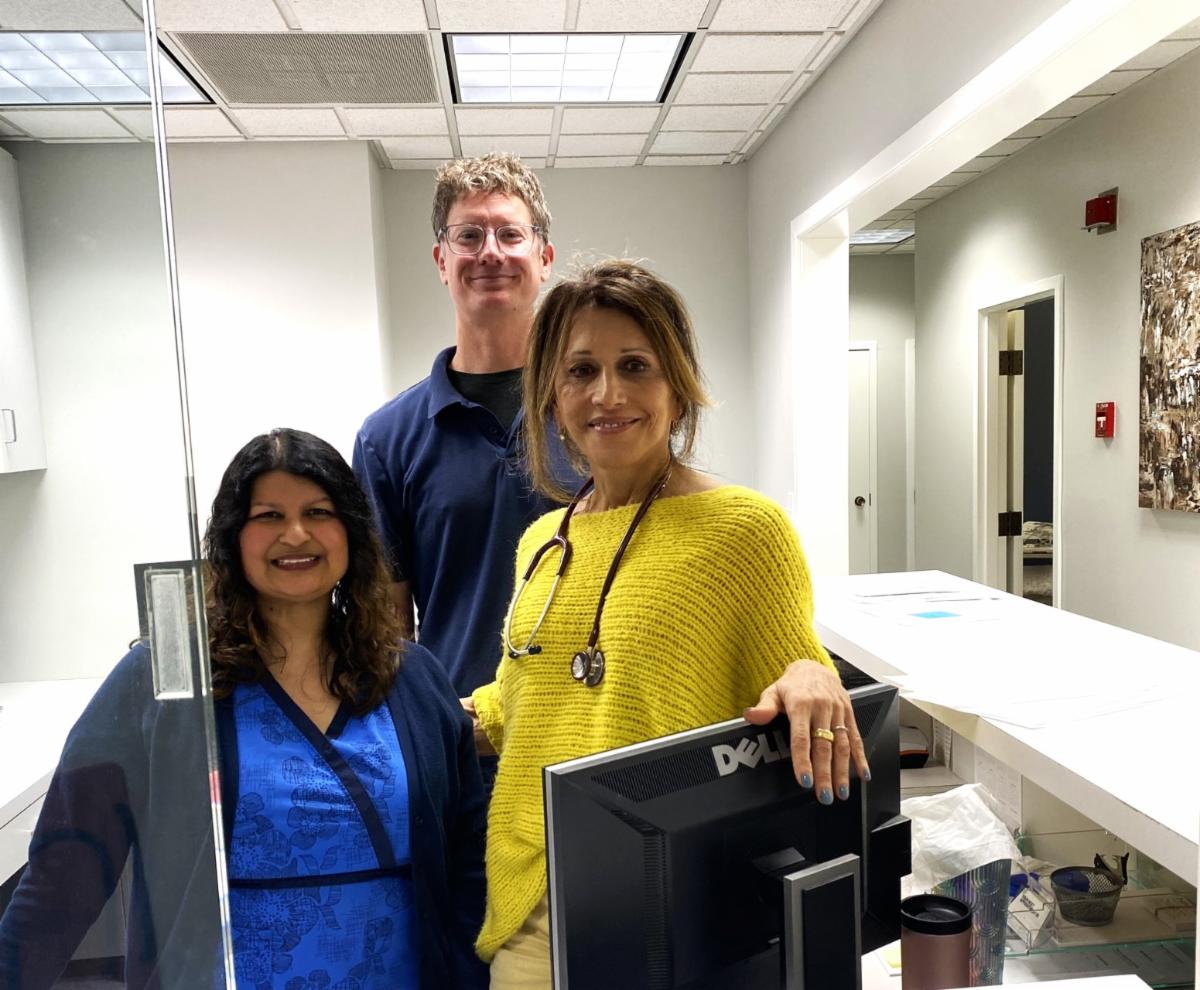
From left to right: Carol Singh, Jesse Cardozo and Dr. Linda Gaudiani

900 S Eliseo Dr #103

Greenbrae, CA 94904

(415) 461-1585

Info@NorCalMedicalResearch.com

VISIT OUR WEBSITE

Follow us on our new Social Media pages!

Facebook  Instagram  LinkedIn
X Share This Email
LinkedIn Share This Email