|
In the Admissions Department, most calls do not come from potential guests but from concerned loved ones. During these calls, we aim to give families all the necessary information. We go over our foundation in the 12-Steps of Alcoholics Anonymous, the excellent clinical care their loved one will receive here, the range of electives and activities offered, and a description of our fantastic food and facility. However, establishing an emotional connection is essential to any call.
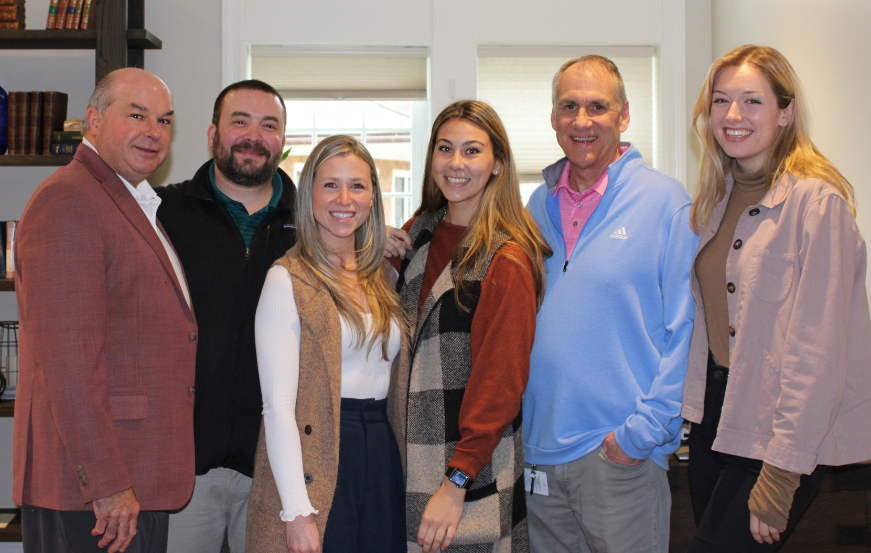
Everyone in Admissions is a High Watch Alumnus, so we know firsthand what someone may be feeling right before they seek treatment—fear, hopelessness, denial—and we know the effect that has on the family because it’s something our own family members felt before we came in. This is why our most powerful asset is the power of our own stories. By implementing what we learned here at High Watch, we were able to get sober and stay sober, one day at a time. For families affected by addiction, hearing that message can be a beacon of hope in an otherwise dark time.
As it’s said in the program of Alcoholics Anonymous, no one comes in “on the wings of victory.” Oftentimes, our families and friends knew we needed help before we did. We may have been resistant to getting that help. This is why another essential aspect of the call is to educate the families on the disease of addiction—helping them to establish boundaries, recognize what behaviors may be considered enabling, and, when appropriate, how to enlist the aid of an interventionist.
Our goal in admissions is to end every call knowing we did all we could to assure the caller that High Watch Recovery Center is the best place for their loved ones. It’s personal for us; death rates from excessive alcohol use, as well as the opioid pandemic, have grown exponentially in recent years, and as alcoholics ourselves, we know we could have been part of that statistic. Every call is a chance to help open the door of recovery to another suffering individual, just as it was opened for us.
|