May 2024

From the Station Director

As the spring semester winds down, UNH's recognition and celebrations come into full swing. Over the past few weeks, I've had the opportunity and pleasure to attend a number of events that highlight the innovative, impactful research being conducted by our faculty, graduate students, and undergraduate scholars, all of whom are contributing to the Station's and COLSA's research missions!


Work presented at the Graduate Research Conference and the Undergraduate Research Conference highlighted the breadth of research in which our next-generation of scientists is already making great strides. Particularly impressive was how many of the projects were directly inspired to seek solutions to challenges and capture opportunities to improve New Hampshire's lives and landscapes—reflecting the Station's and College's land-grant missions.

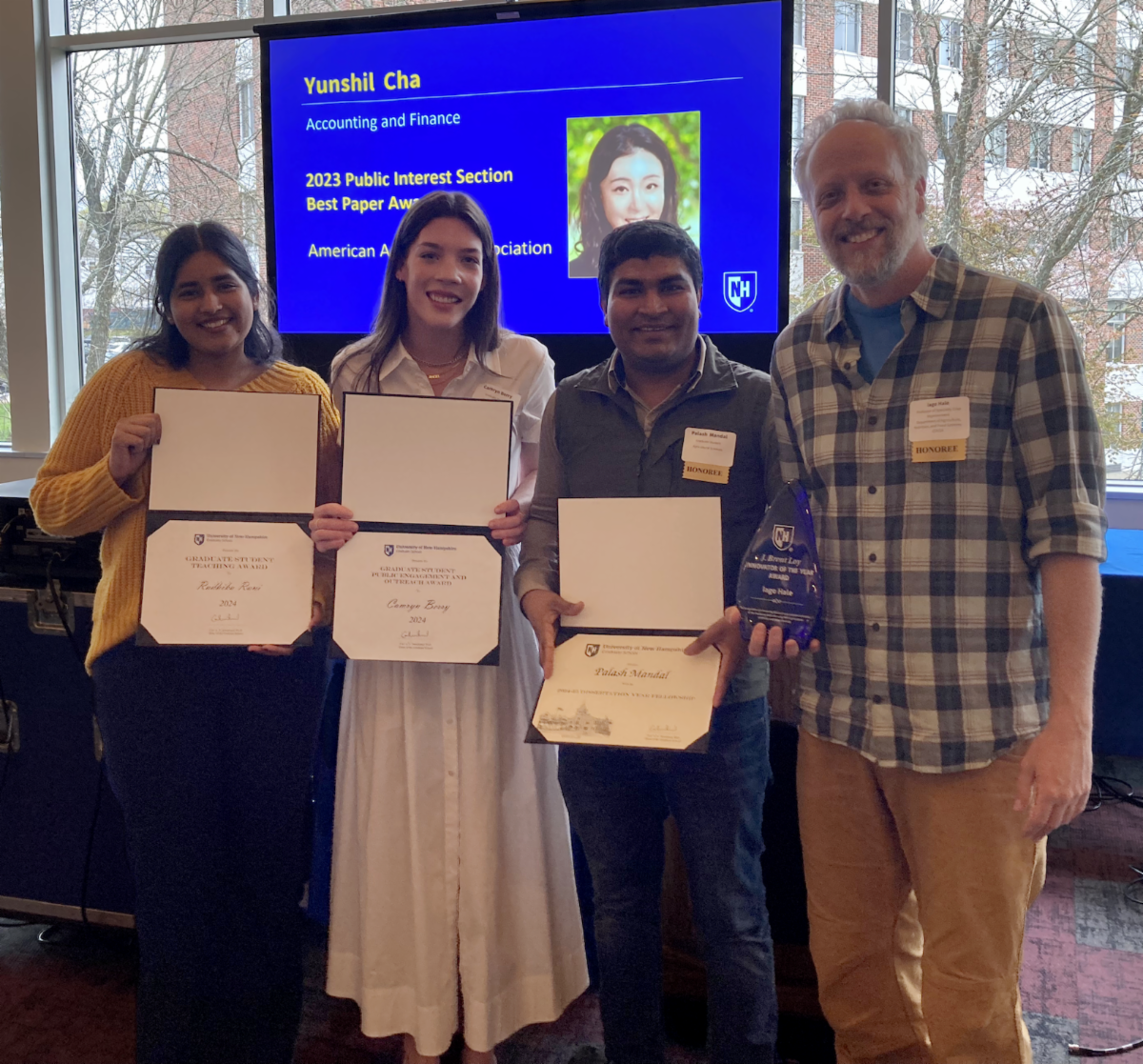
COLSA/NHAES awardees of 2024 research and graduate school awards. From left to right, graduate students Radhika Radi, Camryn Berry, and Palash Mandal, and Associate Professor Iago Hale.

Research projects ranged from testing new ways to naturally suppress plant-root diseases, to reducing wildlife injuries due to vehicular crashes, assisting forests to adapt to climate change, increasing our understanding of demographics in the U.S. fisheries and aquaculture industries, learning the extent to which food insecurity is associated with higher education outcomes, developing pathways to better understand and develop therapies for skin and ovarian cancers, and so many more. I hope you have an opportunity to look through some of the great research our students are conducting!


The University also celebrated faculty and graduate students who made particular research and engagement contributions through their science. Graduate students in our College were recognized for their discovery achievements, their teaching excellence, and their public engagement and outreach impacts. Additionally, Dr. Iago Hale's multi-decade NH Agricultural Experiment Station work on breeding kiwiberries was recognized with the J. Brent Loy Innovator of the Year Award—an accolade of those who have made significant discovery contributions to their field and moving forward UNH's mission of research and innovation.


Thank you for supporting our efforts to improve the lives of our state and region!


Anton Bekkerman

Director, NH Agricultural Experiment Station

Latest NHAES Research

Moose Tracks: Bioacoustic Monitoring


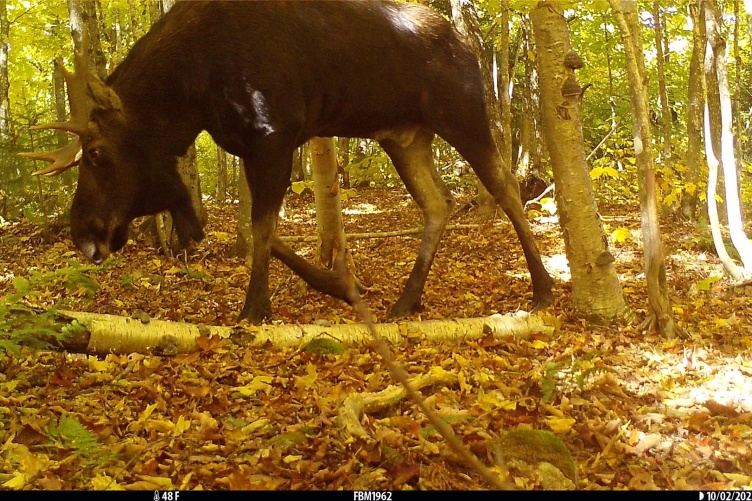
Station scientist Laura Kloepper is leading research that analyzes and quantifies moose calls, characterizing them by age and sex. For a recent study, Kloepper and her team used audio from publicly available online videos to assess wild moose sounds, in their natural environment, and identify the distinct differences by age and sex. It’s a critical first step toward creating an acoustic sensor network in New Hampshire’s North Country to automatically detect and help determine moose population density and occupancy. Read about the next iteration of this novel NHAES supported project.

For Dairy, Focusing on the Essentials


NHAES scientist Andre Brito is pioneering the use of essential oils in organic dairy farming. His research on Agolin Naturu in organic dairy cow feed can aid animals’ digestive process, not only increasing milk production and quality but helping New Hampshire’s agriculture be a solution to climate change by reducing the release of a heat-trapping gas into the atmosphere. Plus, this study represents one of the first to use this product on an organic dairy herd. Learn how this research can directly benefit New Hampshire's small- to mid-sized dairies.

Wetland Restoration Insufficient to Fix Gulf of Mexico Dead Zone


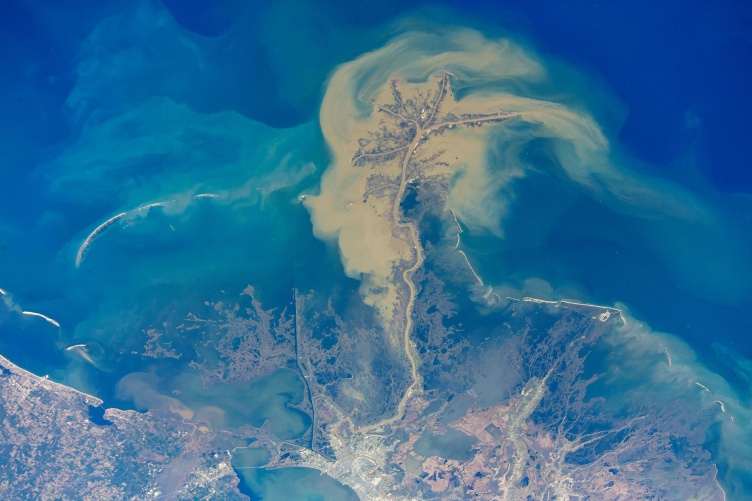
A UNH research team that included Station scientist Wil Wollheim found that current wetland restoration programs aimed at reducing nutrient overflow from agricultural farms along the Mississippi River into the Gulf of Mexico are not reaching expected goals. The researchers used process-based physical modeling to evaluate two hypothetical wetland restoration strategies intended to reduce nutrient export to the Gulf of Mexico. This nutrient export reduces oxygen levels in the water and kills marine organisms and has resulted in an oxygen-depleted area just off the coast known as the Gulf Dead Zone. Restoring wetlands along field-margins has long been proposed as a way to stop some of this overflow and its impacts. Learn more on the strategies that scientists are proposing to offset the Gulf of Mexico hypoxic zone.

Elsewhere in COLSA Research

Monitoring Climate Change's Effect on Channeled Whelk Eggs


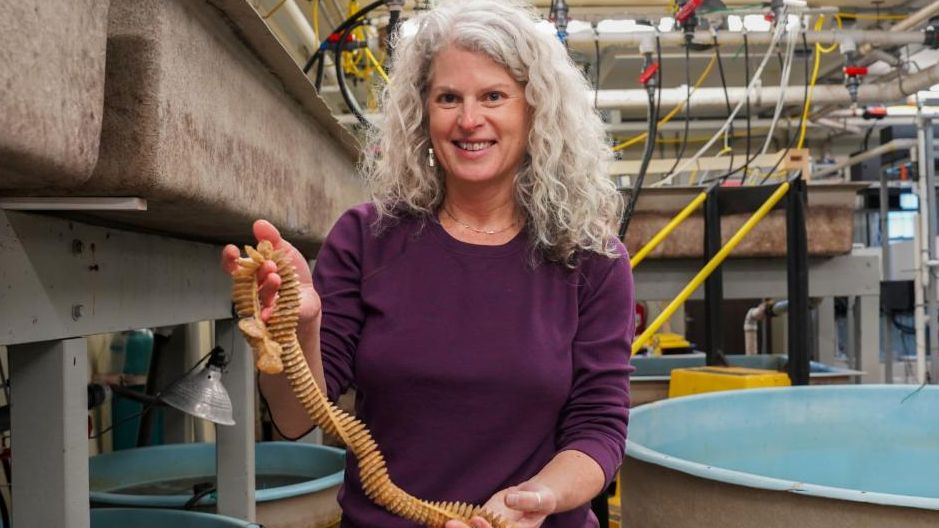
At UNH's Coastal Marine Laboratory (CML), Station scientist Elizabeth Fairchild is investigating how the changing temperature of coastal marine waters off Massachusetts might be impacting the number of offspring produced by an aquatic species that’s part of one of the region’s most valuable – yet lesser known – fisheries: Channeled whelk (Busycotypus canaliculatus). With high international demand leading to overfishing, some U.S. channeled whelk fisheries have diminished or closed. Fairchild is studying how to make whelk fisheries more sustainable using different traps and bait types. As part of these studies, she’s also examining potential changes to whelk eggs due to climate change by using specimens collected from Martha’s Vineyard over the past 12 years. Read how Fairchild's work with channeled whelk eggs ties into efforts to make the region's whelk fisheries more sustainable.

Grady Earns Award from Soil Ecology Society


NHAES scientist Stuart Grandy has been awarded the Soil Ecology (SES) Society Professional Achievement Award, which biannually honors a member who has made “enduring and outstanding contributions to scientific advancement, student mentoring and service in the field of soil ecology.” Grandy is the earliest career/youngest member to ever receive the award. The SES is an international organization of researchers, students, environmental professionals and others interested in the advancement and promotion of soil biology and ecology. Learn more about this honor.

White Named to UN’s World Ocean Assessment Working Group


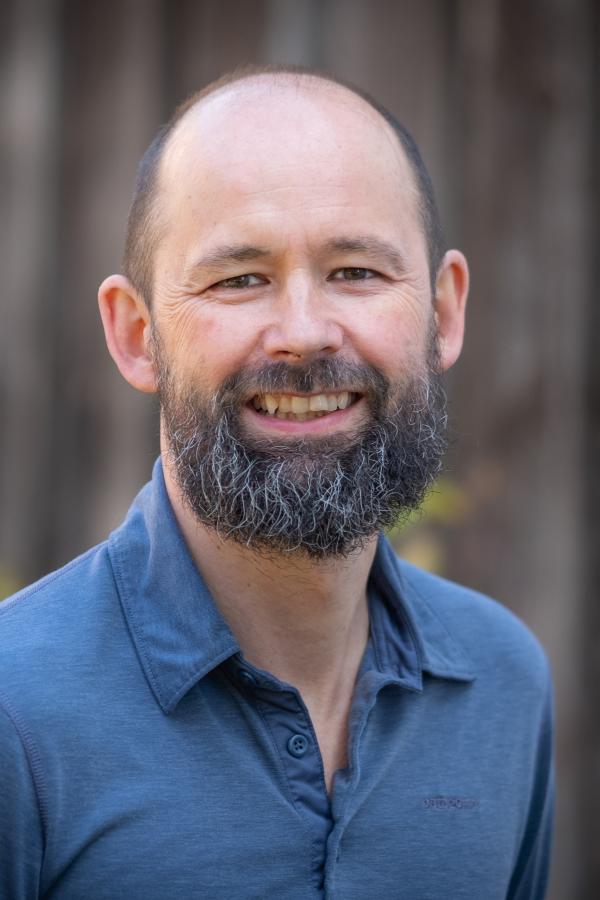
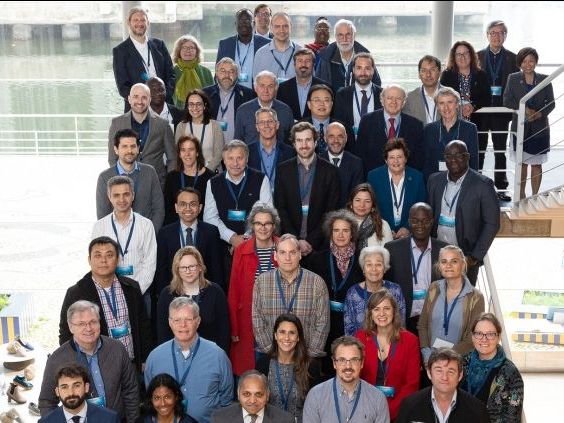
Station scientist Easton White has been named to United Nations (UN) working group aimed at assessing the state of the world’s oceans. The UN’s Third World Ocean Assessment (WOA III) brings together hundreds of scientists, managers, policymakers and academics from more than 60 countries and various international and regional organizations to assess the state of global oceans across three sustainable development pillars: economic, social and environmental. White will serve as lead author of a new chapter of the WOA focused on human pandemics and their relation to our oceans. Learn more about White's research on marine ecology and how it will support his work with the WOA.

More Station News & Notes

Support the NHAES and Subscribe to Our News Channels


Please consider supporting future agricultural, food and natural resources research and innovation at the NH Agricultural Experiment Station with a charitable gift.


Want more news and information from the NHAES? Sign up for our NHAES News – and get notified each time we publish new articles highlighting our research (approximately twice a month). Know someone who might be interested in signing up to receive Station Science? Send them our newsletter sign-up webpage.

Visit our Website
Read and Be INSPIRED!
Meet our Researchers
Follow NHAES on social media:
Facebook  Twitter  Instagram  
Share this newsletter:
LinkedIn Share This Email