The Wyoming Health Council works to ensure that all people can access equitable, inclusive, high-quality, and affordable reproductive and sexual health care. | |
|
Why Sex Ed for All Month?
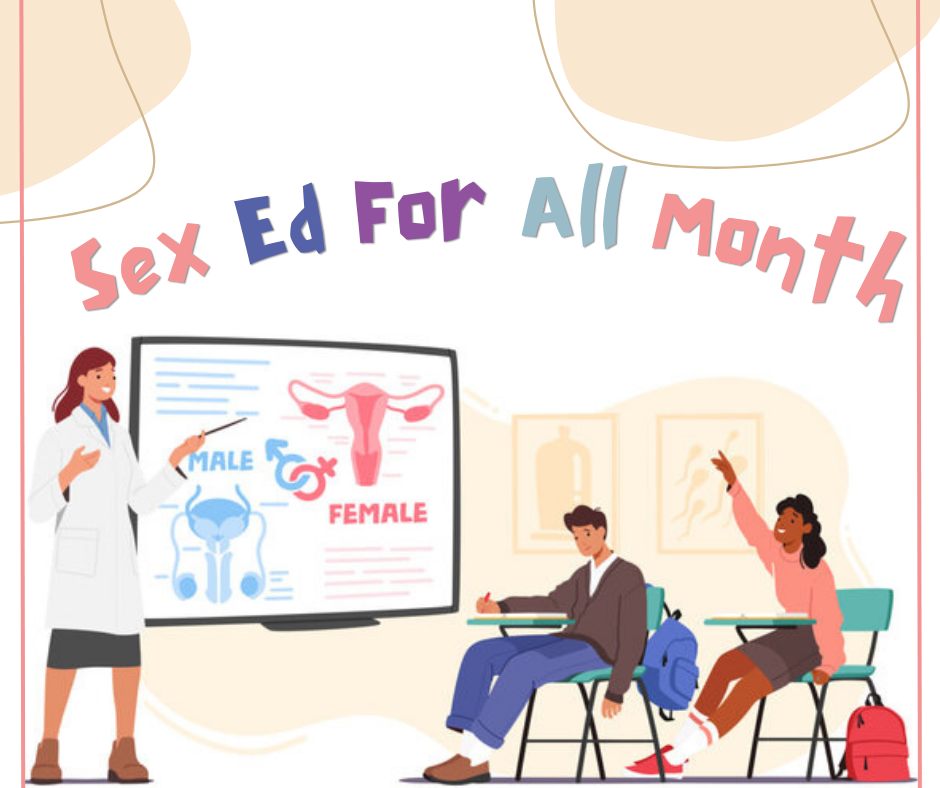
Sex Ed For All Month is coordinated by the Sex Education Collaborative, in collaboration with a national coalition of sexual and reproductive health, rights, and justice organizations committed to ensuring equitable and accessible sex education for ALL young people nationwide.
Sex education gives young people age-appropriate, medically accurate information and answers to their questions about sex and relationships, without shame or judgment. It has been proven to positively impact young people’s lives. But too many young people don’t have access to high-quality sex education.
We invite you to join us in raising awareness and calling for real investment in sex education in schools and communities. Too many young people fail to receive the sexual health information, education, and access to the care they need to live healthy lives—oftentimes based on who they are and where they live.
While May was formerly known as Teen Pregnancy Prevention Month, the shift to Sex Ed for All Month marked a dramatic turn away from what was previously often stigmatizing and problematic messaging. Instead, we want to stand with young people, so they have the power and the right to access the sex education and health care they need to achieve the best positive outcomes for themselves.
| |
|
We need information, not a lecture...
Quality sex education includes information about sex, sexuality, relationships, contraception and condoms, and how to protect yourself and plan your future. Sex education programs need to be informed by evidence as well as include all the information and skills young people need to make healthy decisions. Providing young people with the skills and tools to make healthy decisions about sex and relationships is far more effective than denying them information and simply telling them not to have sex.
Youth activists are working to ensure that all young people get honest sex education to help protect their health and future.]
Advocates for Youth works with young people, parents, educators, policy makers, health care providers, and youth serving professionals around the country and in the Global South to ensure young people get the sex education they need.
| | |
|
Sex Ed To-Go
Sex Ed To-Go, is a FREE resource for students, teachers, and parents where you can find lessons on everything from anatomy, to birth control, to how to deal with breakups.
| | | |
|
No Wrong Door Toolkit
Resources for clinicians, social service providers, and anyone working with people who could benefit from discussions of reproductive life goals.
| | | |
|
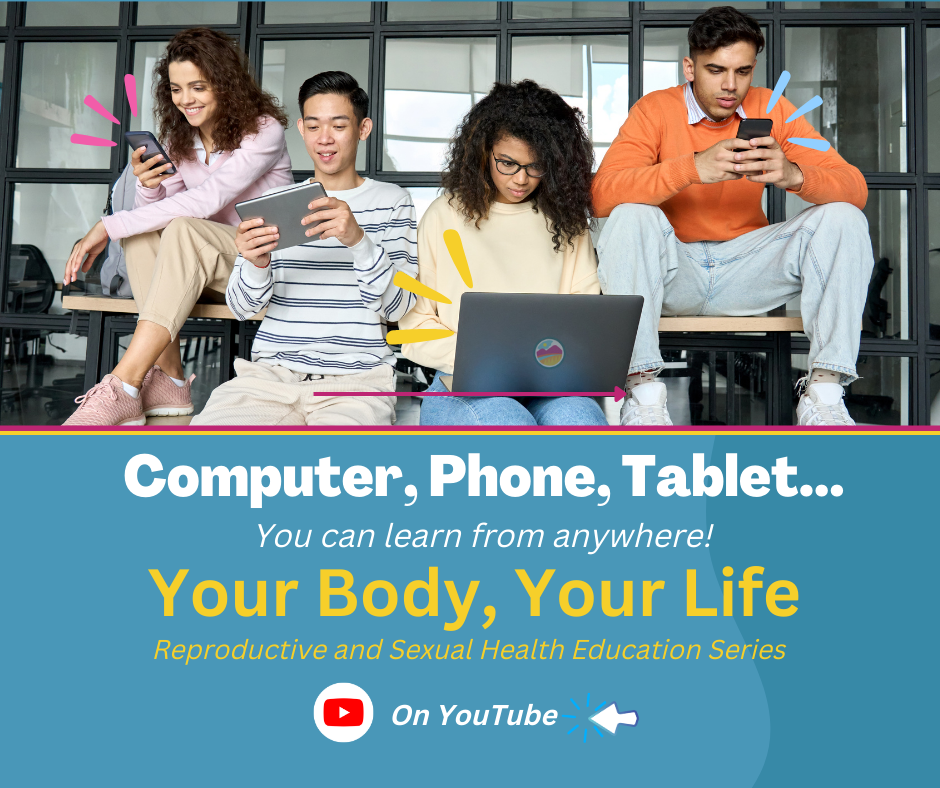
Your Body, Your Life
Our Title X clinics know well the limitations they face from school administrations if they are even allowed into the schools to educate. This is why, in an effort to support our Title X clinics in providing reproductive and sexual health education to their communities, the Wyoming Health Council has created an educational series that is medically accurate, comprehensive, and inclusive.
This series is geared toward adults, parents, educators, college-aged adults, and teenagers!
| | | |
|
#TalkingIsPower
Power to Decide launches its’ seventh annual #TalkingIsPower campaign, which encourages the parents and champions of young people to have open conversations about sexual and reproductive health topics.
| | |
|
Teens' Biggest Sex Questions Answered By Their Peers
Power to Decide sourced questions about sex, contraception, and sexual health asked by IRL teenagers and answered by peer educators. The questions were sourced from students in Power to Decide's Bedsider program and answered by student experts on Okayso, an app where you can ask any question about sex, dating, relationships, and more, and receive one-on-one support and answers from experts you can trust.
What is a dental dam and how would I use one?
A dental dam is similar to a condom in that it is a barrier used for sex, but instead of penetrative sex it’s mostly used for oral sex on people with vaginas/labias/vulvas, or with people who want to perform oral sex on an anus. Simply place the barrier on your partner’s genitals and hold it in place...
| |
 | |
70% of Parents Want Better Sex Education For Their Kids
In an exclusive Parents survey of 1,500 caregivers, two in three parents said they think sex education should be mandatory in schools. Here's why they're right.
Seventy percent of parents surveyed believe that “comprehensive sex education is important for the well-being of children,” and in fact, 3 out of 4 parents think sex education is important or very important.
This is in line with a recent report published in the journal of the American Academy of Pediatrics (AAP), which states that “developing a healthy sexuality is a key developmental milestone for all children and adolescents that depends on acquiring information and forming attitudes, beliefs, and values about consent, sexual orientation, gender identity, relationships, and intimacy.”
Not learning skills about healthy relationships and sexual decision making can have grave consequences, as Professors Jennifer S. Hirsch and Shamus Khan found in their study on campus sexual assault, published in the book Sexual Citizens. Their research found a link between the continuously high numbers of sexual assaults on college campuses every year (where one in five college women experiences sexual assault) and lack of comprehensive sex education in the U.S.
Hirsch and Khan argue that, in order to combat sexual assault and harassment, sexual education at home and in schools must go beyond providing basic information about biology, abstinence, and consent to tackle the complexities of intimate relationships.
| |
Each May, the Office of Population Affairs (OPA) celebrates National Adolescent Health Month™ (NAHM™). This annual observance emphasizes the importance of building on young people’s strengths and potential, encouraging meaningful youth engagement in adolescent health activities, and highlighting key topics in adolescent health.
This year, NAHM will focus on Take Action for Adolescents– A Call to Action for Adolescent Health and Well-Being (“Take Action for Adolescents”), which envisions that all adolescents in the United States have the safety, support, and resources to thrive, be healthy, and have equitable opportunity to realize their full potential.
| | |
|
Information for Teens: What You Need To Know About Privacy
Who do you talk with when you need advice about your health and personal life?
While it's best to talk with your parents (or guardians), they might not be your first choice.
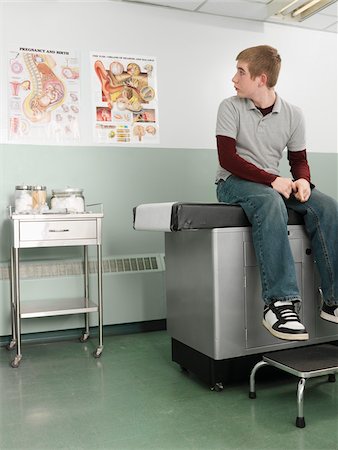
If you are too embarrassed or worry about how your parents will react, it's important that you talk with an adult who can give you trusted advice, like your doctor.
Your doctor…
- Respects your privacy.
- Has answered all kinds of questions from other teens.
- Is an expert in health and well-being, so will want to ask you private questions to help you make healthy decisions for yourself.
- Can help you find a way to talk with your parents or other trusted adult(s) in your life.
The following are some questions teens have asked about providing privacy and their health concerns:
| |  |
|
Banning teens from social media won’t help their mental health, Here’s what might
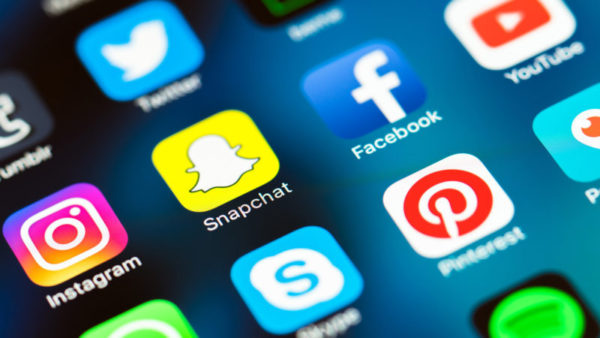
Since the U.S. surgeon general’s 2023 advisory on social media and teen mental health, public concern has skyrocketed around adolescents’ digital lives. Major news organizations and even state governments have pinned social media apps as addictive, dangerous, and the cause of the youth mental health crisis. In turn, calls to ban teens from social media apps have started to emerge, with mixed reception from policymakers nationwide.
Adolescents face overwhelming mental health challenges. It is essential for public online spaces to be safe for teens to use. But the fear and focus on social media’s possible harms (on which the science is actually quite mixed) may prevent key decision- and policymakers from considering another possibility: social media holds unprecedented promise to support adolescent mental health, especially for teens facing barriers to treatment.
| | |
What You Should Know Before Sending Nudes
You could be breaking the law.
Is it illegal to sext?
It depends on the state. “In some cases, it can be illegal to send a sexually explicit image, for example, if the person depicted is under 18 years old or did not consent to it being shared,” Meropol explains.
In New York, for example, it is illegal to distribute child pornography, and the age of a minor is 17 or younger in the state. So, if you receive a nude or sext of someone 17 or younger and show it to someone else, that's considered distributing child porn and is illegal. Minors sending sexts between each other is illegal, too. If the the two people involved are under the age of 20 and are within five years if age of each other, they may have to participate in an educational program that “that provides information regarding the legal consequences and non-legal consequences of sexting, and the problems associated with technology and bullying,” according to the Cyberbullying Research Center.
| | |
What Is Consent? How to Practically Apply Consent Before Sex
I get all kinds of questions from Teen Vogue readers about the specifics of sex itself, but I don’t often get asked about how to employ consent in a sexual situation. Perhaps it’s because by the time most of your questions get to my inbox, something has already gone wrong. But for obvious reasons, it’s important to know about how consent works before any type of sex occurs. This week,
I’m taking the liberty of answering a crucial question: How, exactly, does consent work?
I can’t stress how essential this one concept is when it comes to sex. It is, in a fundamental way, the building block of everything that happens during a sexual encounter, from the first makeout to the final goodbye. It depends on what state you live in, but most schools aren’t mandated to provide a full explanation of consent. College students may get a workshop or two, but if you don’t go to college, there’s no real-world equivalent to a freshman orientation — so some people never go beyond the basics of “no” and “yes.” People often think of it in legal terms: Getting consent means you’re not sexually assaulting someone. But as any sex educator will tell you, consent is about a lot more than preventing rape.
| |
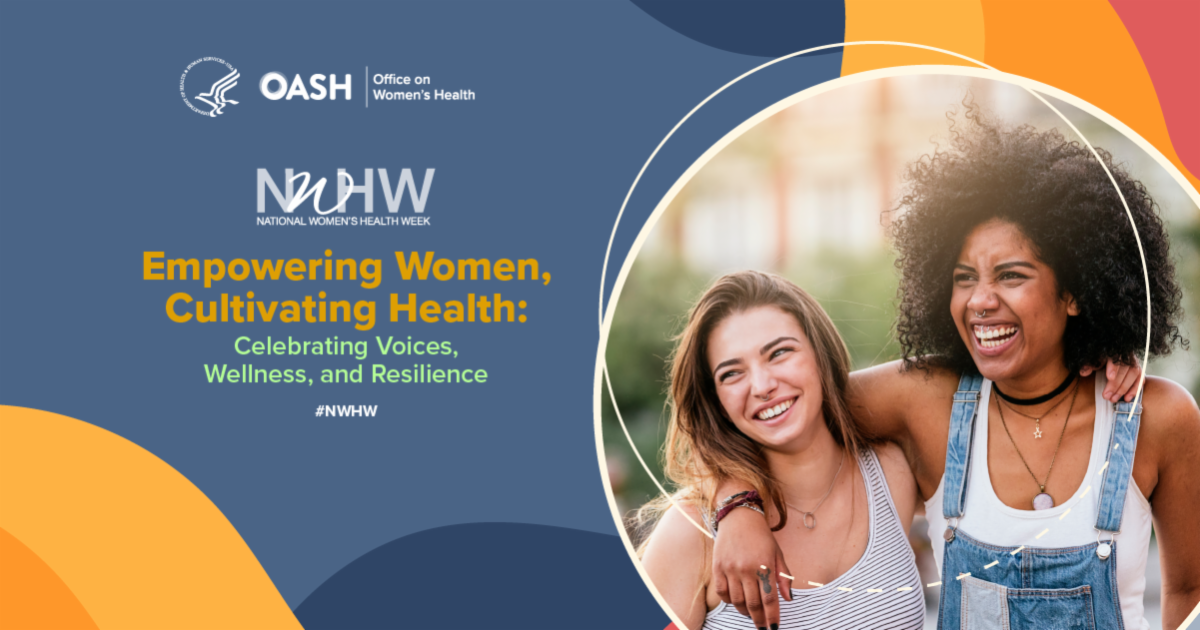
Women's Health Week · May 12-18
This year’s theme is dedicated to empowering women to take charge of their health journeys and shining a light on health issues unique to women. We’re celebrating the strength and determination of women who have taken control of their health and fostering an environment where all women feel supported and empowered to speak up about their health needs and concerns. The NWHW 2024 messaging encourages women to engage in healthy practices, access preventive care, and share their health experiences to inspire others.
| | |
|
10 QUESTIONS WOMEN ARE AFRAID TO ASK THEIR DOCTOR (BUT SHOULD)
It’s very common for women (and men) to have questions they’re uncomfortable asking their doctor. Even women who seem to have lots of self-confidence may shy away from certain topics.
It’s important to overcome that discomfort since avoiding an important conversation can allow a minor condition to develop into something more serious. Plus, it’s stressful to have unanswered questions about your body and your health, and nobody needs more stress!
Below are 10 of the questions that women most commonly hesitate to ask their doctors. General answers are provided here, but you should talk with your doctor about your health in particular, including getting answers to questions not on this list.
-
Should I be concerned if I bleed or experience pain during sex? ...
| |
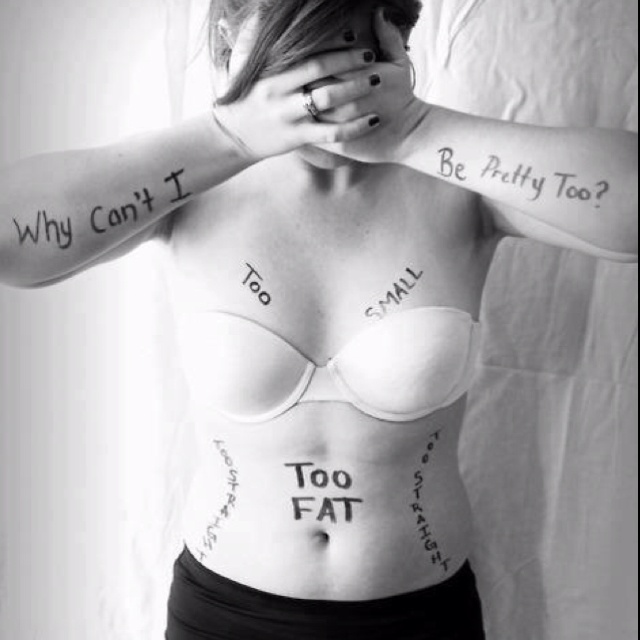 | |
Vagina Too Large? Boobs Too Small? How to Overcome Body Insecurities
If you’re self-conscious about your vagina or other body parts, you are not alone. The unfortunate reality is that a majority of people with female bodies deal with some form of insecurity. California-based psychologist Linda Baggett tells O.school that if you’re struggling with shame about your body parts, make sure you aren’t basing your impression of what’s “normal” on others.
“Anytime people are exposed to such a narrow range of what is presented as ‘attractive,’ it makes it harder to feel that other types of bodily appearance are as valuable.” Exposing yourself to diverse body types is very important to develop a healthy body image, Dr. Baggett asserts.
If you feel like you’ve already taken this step, and still struggle with the way specific body parts look or feel, here’s some information to ease some common insecurities you may have.
I Have A Large Vagina
If you think your vagina is too big, or that it might be an “outie vagina,” never fear: this is completely normal. Every vulva is different, and this refers to shape, size, and appearance. All variations are considered “ordinary."
| |
|
A State of Mind Confronting our Mental Health Crisis in Wyoming
The Mountain West is in the grips of a full blown mental health crisis, and Wyoming is ground zero. Stigma in isolated rural communities prevents people from seeking help, but with addiction, suicide, and PTSD devastating the state, it is time to start a conversation. This documentary series traces patient journeys, weaving expert interviews and man on the street commentary to examine solutions to Wyoming's mental health crisis.
| | |
 | |
9 Tips For Coping With A Positive STI Diagnosis
Testing positive for an STI can negatively affect your mental health. But there are so many resources available to help you cope.
Sexually transmitted infections (STIs) are extremely common, and they’re still shrouded in shame and stigma. So, it’s no wonder your mental health can take a toll if you receive a positive diagnosis.
A small 2019 survey conducted among 100 people living with herpes simplex virus found that:
- 98% of participants reported experiencing symptoms of depression
- 48% of participants reported experiencing suicidal ideation
- 6% of participants attempted suicide because of their diagnosis
A 2015 study suggests that people with chronic hepatitis C (CPC) are also more likely to experience depression and suicidality, especially those who receive interferon therapies. Plus, research from 2019 estimates that 19% of people diagnosed with HIV in the United States experience symptoms of generalized anxiety disorder (GAD) — a much higher percentage than people without the condition.
The mental health side effects of an STI diagnosis are real, but there are ways to cope.
If you’ve recently been diagnosed with an STI and you’re having a hard time handling the news, support is available.
Whether you have a treatable infection like chlamydia or gonorrhea or a manageable one like herpes, HPV, or HIV, these nine coping strategies may help you find mental and emotional relief.
| |
|
How To Support Your Childs Mental Health
May 2-8th is Children's Mental Health Awareness Week
Most parents excel at keeping their kids physically healthy. They work to ensure they are eating well, getting their immunizations, and staying physically active. But a child's emotional and mental well-being is just as important to their quality of life as being physically healthy.
Supporting your child's mental health—just as you would their physical health—helps your child develop the resilience they need to deal with obstacles while growing into well-rounded and mentally healthy adults.
"Our mental health is connected to every aspect of our lives such as our physical, emotional, relational, and spiritual well-being," says Kerry Heath, LPC-S, NCC, CEDS-S, a licensed professional counselor with Choosing Therapy. "Each of these aspects of our lives are interrelated. If/when one or more areas are impacted, our mental health is likely to be adversely affected."
| |
|
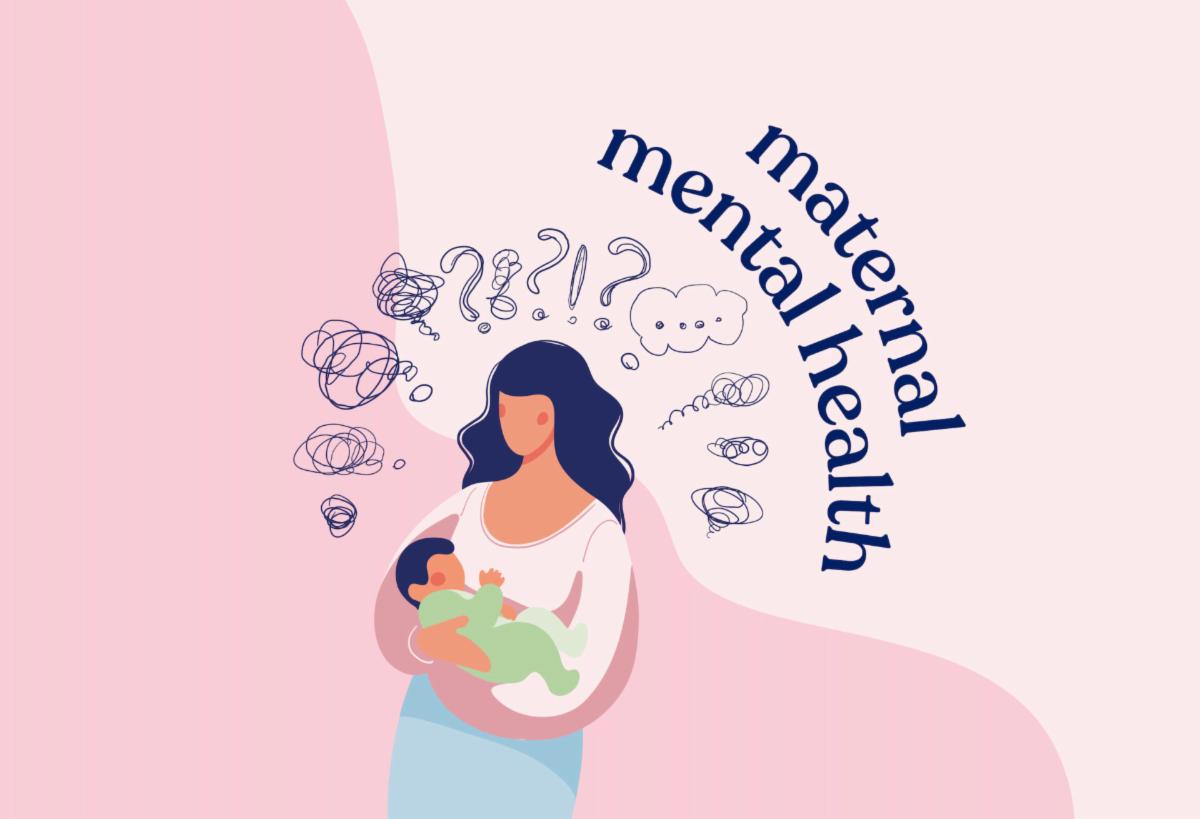
Maternal Mental Health Awareness Month
Did you know that around 1 in 5 women experience mental health issues during pregnancy or in the first year after giving birth?
Although so many women experience these issues, many go without proper treatment and support for several reasons. Women may be scared to speak out about their struggles for fear of judgment, many healthcare providers do not routinely screen for mental health conditions in pregnant people and new parents, and many people find it difficult to get a referral or access proper services for treatment.
The good news is more and more people are sharing their experiences with mental health during and after pregnancy, and accessible resources for women and families are available now more than ever.
| |
No student should have to miss school, no adult should have to miss work, and no person should have to miss out on daily life because they are unable to afford the basic necessities they require.
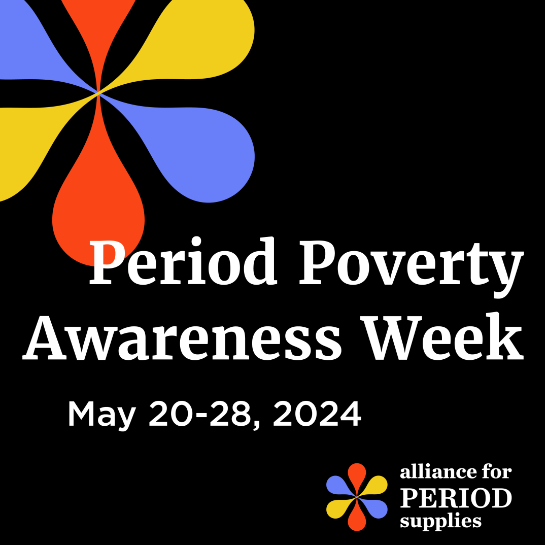
What is period poverty?
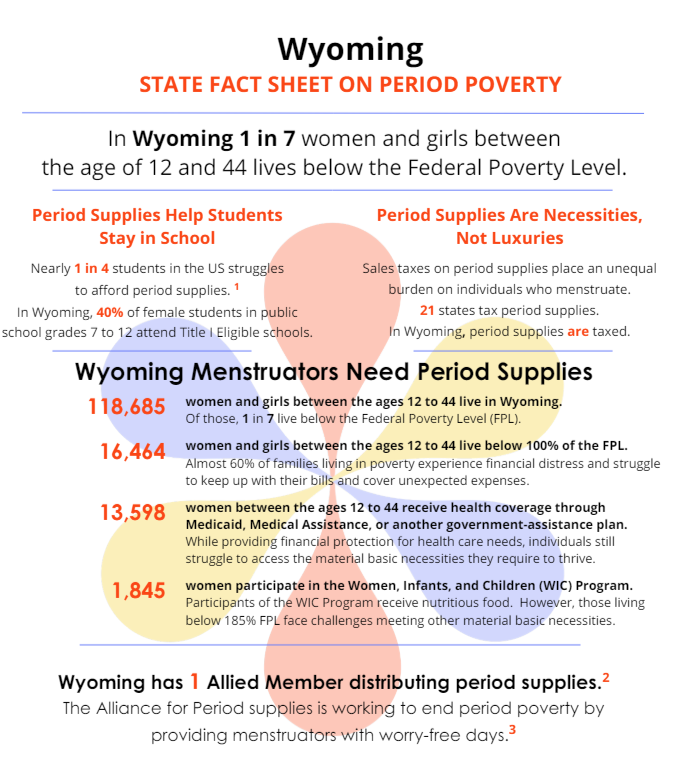
Half of the population menstruates. We all know plenty of people that have a period. But not everyone knows that two in five people struggle to purchase period supplies due to lack of income. This is called period poverty, and chances are we each know someone who has experienced this need – a neighbor, a co-worker, a friend.
No student should have to miss school, no adult should have to miss work, and no person should have to miss out on daily life because they are unable to afford the basic necessities they require to thrive.
Alliance for Period Supplies is a national organization working to ensure that individuals in need have access to essential period products required to participate fully in daily life. With your support, and that of our founding sponsor U by Kotex®, we are improving lives.
| |
Wyoming clinics offer menstruation products! Stop by your local Title X Family Planning Clinic today! | |
This video explains the process of getting a period (menstruation), some common period symptoms and ways to manage them, and reviews disposable and reusable period products. | |
 | |
There will be blood: women on the shocking truth about periods and perimenopause
The menopause brings an end to menstruation – but in the lead-up, many women experience periods that can disrupt their lives and careers
If Emma Pickett needs to make a long journey, she checks her calendar very carefully. She will often take an emergency change of clothes when she goes out, and if giving a lecture for work, has to ensure it is no longer than half an hour. Yet she rarely hears anyone talk about the reason so many older women secretly go to all this trouble; why they’ve started to stick to black trousers, give up the sports they loved, or plan days out – especially with children – meticulously.
“If you have a bunch of 12-year-olds in the car, you can’t say: ‘Sorry chaps, I’m just bleeding heavily today,’” says Pickett, a 48-year-old breastfeeding counsellor and author of The Breast Book, who also happens to be among the one in five British women who suffer from heavy periods in the run-up to menopause (or perimenopause). “You can talk about hot flushes, make a joke about it. But because menstrual blood is gross in our society, there’s no conversation about it. There must be women round the world just pretending they need to dash off for some other reason.”
| | |
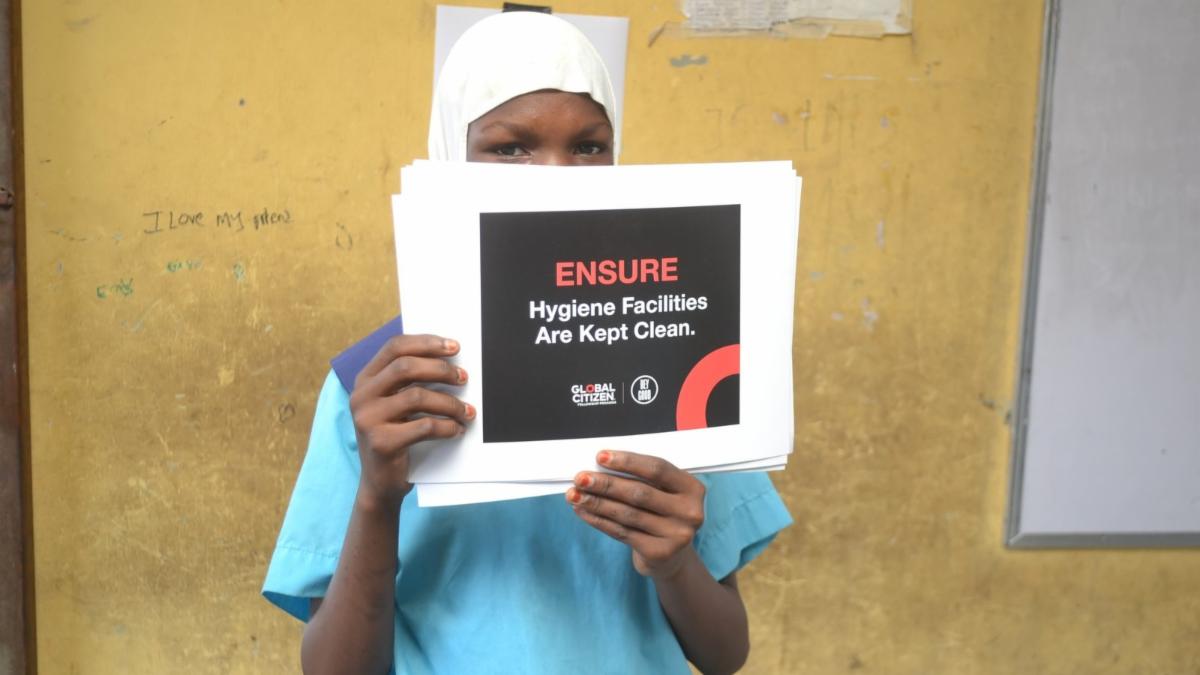 |
We Asked Girls in Africa About Periods & Menstrual Equity. This Is What They Said.
There's been a Virtual Symposium on Menstrual Health and Hygiene in West and Central Africa. There's a whole day internationally dedicated to Menstrual Hygiene, on May 28 each year. There are many reports on period poverty. But the voices that aren't heard enough are those of the people menstruating themselves.
Girls are on the front lines of almost all issues facing the world today. They face gender-based violence including in situations of war and conflict, suffer increased exposure to violence because of climate change, and, because women make up 90% of frontline health care workers globally, they’re on the front lines of health crises too. But despite being the most affected by these issues, their voices are often sidelined and they don't have a seat at the table.
Another issue that women and girls are on the front line of is menstrual equity (or lack of). Of course, getting a period is not an issue that should hold women and girls back. But the sad reality is that it often does, for a variety of reasons.
| | | |
|
Hepatitis C: The Quiet Disease | |
Causes and Risk Factors of Hepatitis
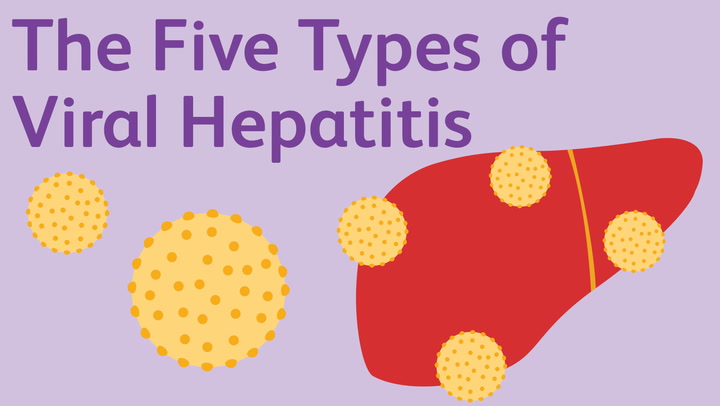
Several things can cause hepatitis, including microbes, harmful substances, and medical conditions. The most common form of hepatitis is viral hepatitis, brought on by viruses hepatitis B and C. Other causes of hepatitis include toxic substances (ex. alcohol or drugs) and autoimmune diseases.
| |
|
This month, we celebrate the Asian American, Native Hawaiian, and Pacific Islander (AA and NHPI) communities, whose ingenuity, grit, and perseverance have pushed our great American experiment forward.
From Native Hawaiians and Pacific Islanders whose ancestors have called their lands home for hundreds of years to Asian immigrants who have newly arrived and those whose families have been here for generations — AA and NHPI heritage has long been a part of the history of our great country and a defining force in the soul of our Nation. As artists and journalists, doctors and engineers, business and community leaders, and so much more, AA and NHPI peoples have shaped the very fabric of our Nation and opened up new possibilities for all of us.
| |
|
Exploring Data Equity To Address Sexual Health Disparities
Asian women in the U.S. have long faced “othering” due to xenophobic stereotypes while also bearing a legacy of deep-rooted shame around women’s health.
For some who come from conservative countries with fewer family planning options, biases collide with internal stigma, including the pressure to live up to “model minority” expectations. As a result, reproductive health is pushed into the shadows.
Katrina Heyrana, MD, PhD
Asian American women, as a whole, have the lowest rate of breast and cervical cancer screening of any ethnic group. Also, Filipinas are more likely to experience preterm birth, teen pregnancy and serious maternal illnesses, such as preeclampsia. Yet, even as the community doubled in size over the past two decades, there have been few scientific efforts to unravel the underpinnings of such inequalities.
| |
 | |
Going to The Doctor When You're Asian in America
Yale community members spoke on the importance of cultural competency in treatment and how Asian American communities may experience and view health care differently.
Wong said that many Asian American and Pacific Islander health care providers grapple with the uncertain role of cultural competency in health care — it is largely unknown how to communicate understanding when it comes to situations specifically influenced by cultural norms. Wong described the cultural training that would guide this approach as being largely absent in nursing education, and only learned either “on the job” or through one’s lived experiences.
In this case, consoling the parents would deserve more time than a few quick minutes, Wong said. There were emotional barriers she recognized coming from the same culture. The process of figuring out how best to apply a cultural lens to the health care setting will require more cases of “learning on the job.” But when caring for AAPI communities, the first barrier to treatment is actually getting the patient to the doctor’s office.
“AAPI folks tend to have really low service utilization,” assistant professor of psychiatry and Yale
CHATogether founder Eunice Yuen said. “Meaning they don’t get help until they’re severely sick, and then show up in the emergency room and need to be hospitalized. And it is not uncommon to hear an AAPI teen or young adult having depression and suicidal thinking for three to four years, and their parents having no idea until it’s really severe.”
| |
 | |
Dear White Guys: Your Asian Fetish is Showing
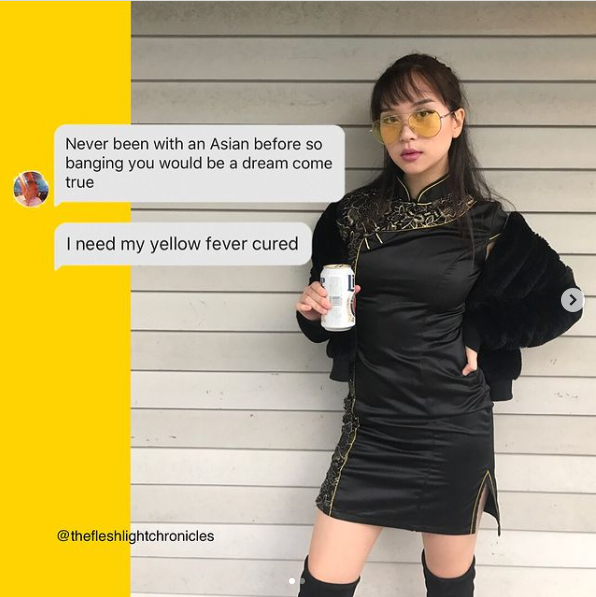
Lillian , A 20-something who lives in New York and Boston, is a single Asian American woman who actively dates. Needless to say, her Tinder inbox is a hot mess.
Those creepy-crawly experiences on dating apps led Lillian to create The Fleshlight Chronicles, an Instagram account where she showcases the worst offenders on Tinder and other apps.
The point of the project is clear: If you’re going to lazily fetishize Asian women, they’re not going to sit back and take it. They’re going to reclaim the experience and laugh at you, very publicly.
“We are not here to satiate your sexual curiosity,” Lillian said. “We are not passive objects. We have our own inner lives. We marvel and we create. We work through shit with our families. Asian Americans are filled with small idiosyncrasies, just like any other human ― though we shouldn’t have to convince anyone of that.”
Lillian’s story in many ways captures the dating landscape for Asian American women today. While Asian men are at a disadvantage dating ― one OkCupid study from 2014 found that Asian men have a harder time with online dating than people of any other race, and it’s not uncommon for Asian men to see the words “no Asians” on peoples’ profiles ― Asian women deal with the reverse problem: rampant fetishization and objectification, on- and offline.
| | |
|
15 Best Podcast From AAPI Creators to Add To Your List
Plug into these entertaining and educational listens from Asian Americans and Pacific Islanders.
| | | |
|
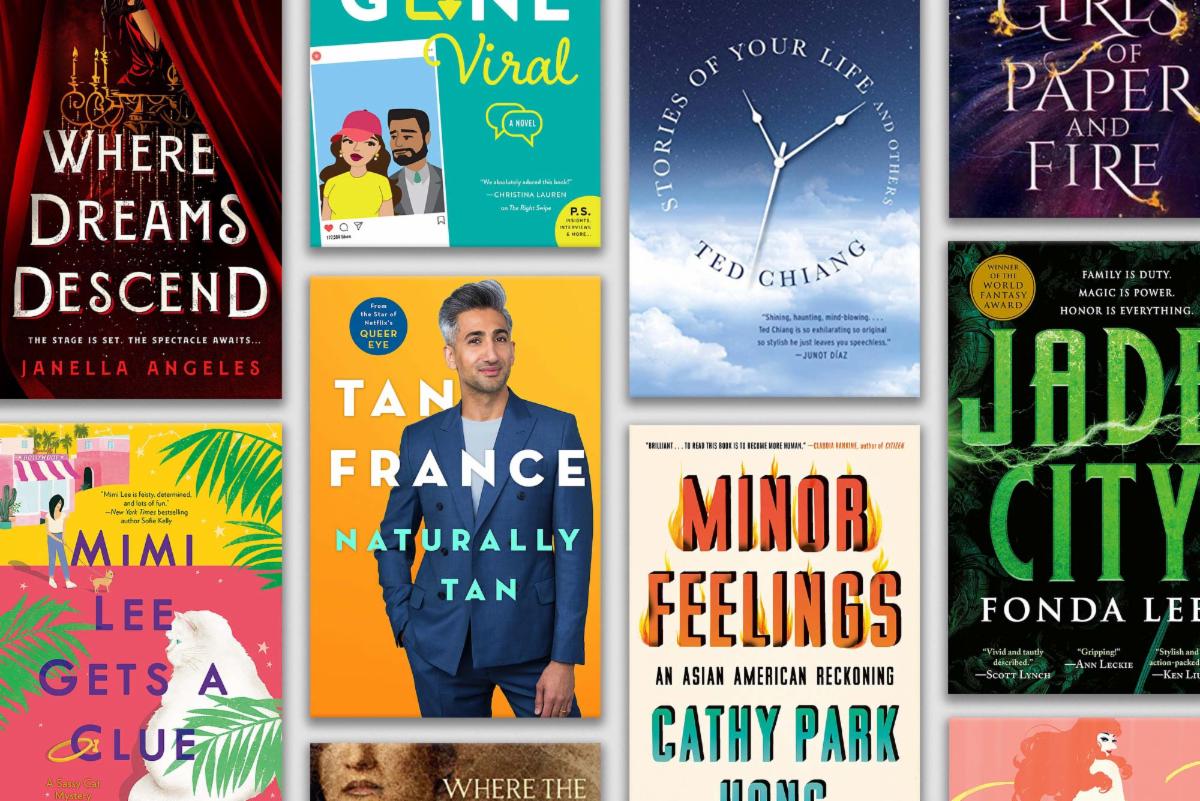
10 Influential Asian American and Pacific Islander Authors
May is a great time to add more titles from Asian American and Pacific Islander authors to our book club lists, library hold requests, and bookstore shopping carts!
| | |
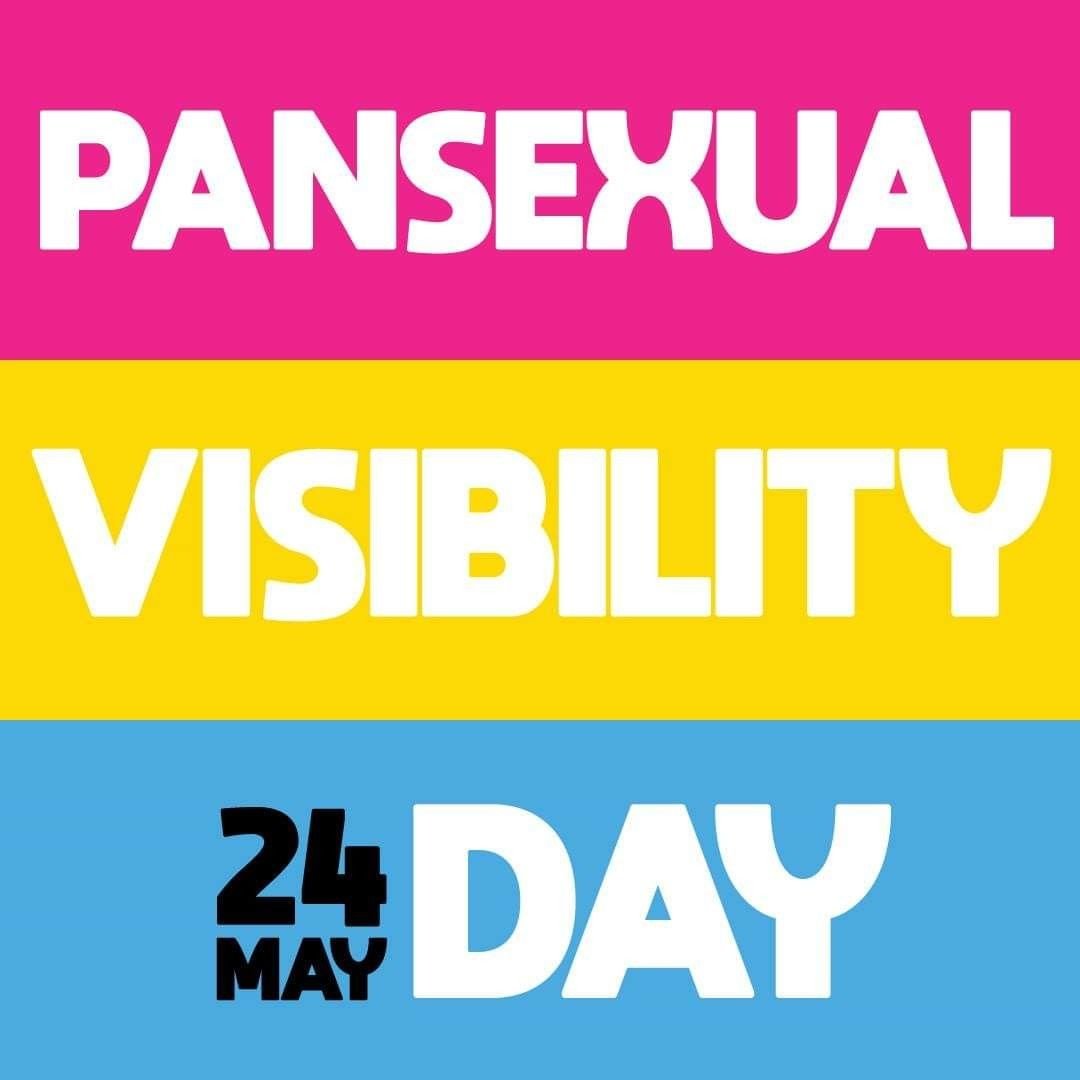
What Is Pansexuality
Pansexuality is one of the identities on the LGBTQ+ spectrum of sexual orientation, which are all wonderful aspects of human diversity. It is, though, one of the less understood identities, because most people just don’t know what it means to be pansexual or the difference between pansexuality and bisexuality.
According to the influential LGBTQ+ organization GLAAD, pansexual is defined as “a person who has the capacity to form enduring physical, romantic and/or emotional attractions to those of any or all genders.”
The term pansexuality first broke in the early 1900s and was coined by Sigmund Freud as part of his work on human sexuality. But it was originally used in a different context. It wasn’t until the 1990’s that a group of people, who were concerned that the existing definition of bisexual upheld the gender binary, started using pansexual because the prefix ‘pan’ in Greek means all, giving them the freedom to articulate their attraction to all people regardless of gender or gender identity.
| | |
2024 Anti-Trans Bills Tracker
In 2024, anti-trans bills continue to be introduced across the country. We track legislation that seeks to block trans people from receiving basic healthcare, education, legal recognition, and the right to publicly exist.
| |
|
10 trans people share how their life satisfaction has changed after transition
Transgender people overwhelmingly describe their lives after transitioning as “happier,” “authentic” and “comforting” despite a deluge of state legislation in recent years that seeks to restrict their access to health care and other aspects of life.
Over the last three years, nearly half of states have passed restrictions on transition-related medical care — such as puberty blockers, hormone therapy and surgery — for minors. Supporters of the legislation have argued that many transgender people later regret their transitions, though studies have found that only about 1%-2% of people who transition experience regret.
Earlier this year, the 2022 U.S. Transgender Survey — the largest nationwide survey of the community, with more than 90,000 trans respondents — found that 94% of respondents reported that they were “a lot more satisfied” or “a little more satisfied” with their lives
| |
Anti-LGBTQ+ Policies Have an Alarming Effect on Youth Mental Health, Survey Finds
Nearly 40% of LGBTQ+ youth have seriously considered attempting suicide in the last year, according to a survey by the Trevor Project, a national suicide prevention organization that operates a hotline and collects data on the mental health of queer youth.
The 2024 Trevor Project survey shows the need for more welcoming communities. Queer youth who reported being physically threatened, harmed, bullied, discriminated against, or subject to conversion therapy had suicide attempt rates that were double than those who did not share those experiences. Most youth reported that these incidents happened to them in school, with 32% saying they were verbally harassed because others thought they were part of the LGBTQ+ community. Another 21% said that they were not allowed to dress in a way that fit their gender identity or expression.
| |
|
In The News
.....Click on links....
| |
WYOMING HEALTH COUNCIL
111 S. Durbin, Suite 200
Casper, WY 82601
Call Us: (307) 439-2033
| | | | | |