Facebook  LinkedIn  Instagram
Visit Jill's Counseling Website - Click Here
Visit Jill's Massage Therapy Website - Click Here

Massage for Pain Relief and Relaxation!

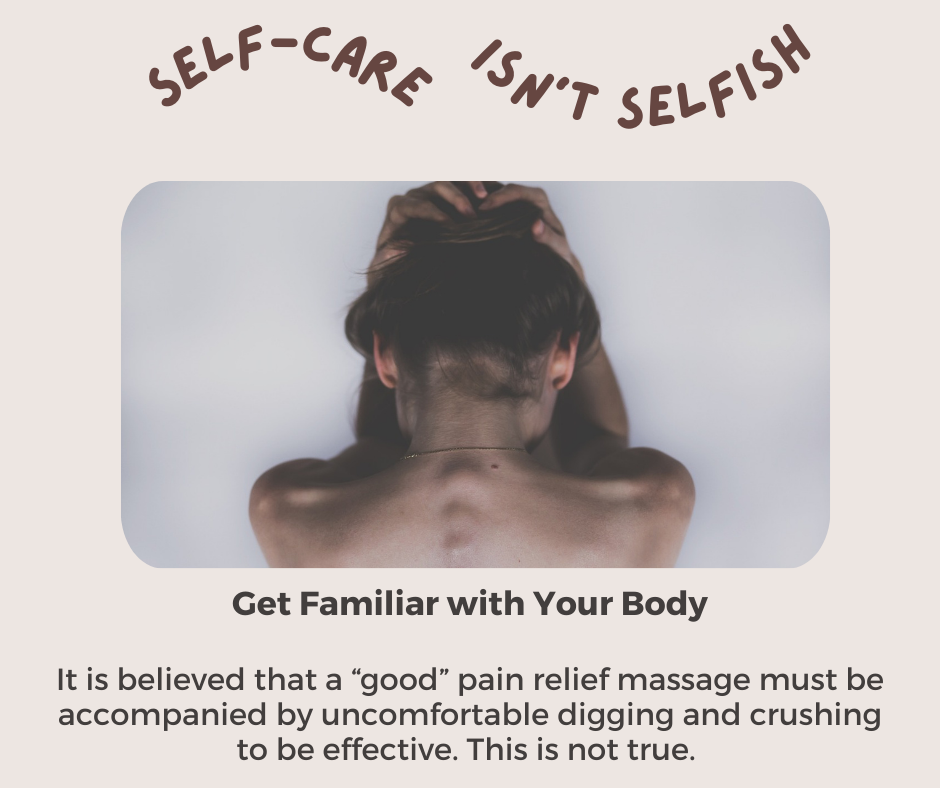
Get Familiar with Your Body

A great massage occurs when pressure is applied to trigger points and tight muscular tissue. The muscles and organs in our bodies account for 50% of our total weight. When muscle tissue becomes knotted, you may experience stiffness, inflexibility, inflammation, and pain.

Knotted muscle tissue has trigger points that hinder proper blood flow. Trigger points result from poor posture, hormonal imbalance, stress, dehydration, nerve impingement, over or underworking of muscles, and more. Tendinitis tissue is a type of fascial strain that occurs when the connective tissue (fascia) becomes tough, causing tenderness, sensitivity, and stiffness. Fascia is the thin layer of tissue surrounding all organs and muscles. It runs from the top of the head to the feet. The fascia consists of 3 layers: the superficial fascia, the deep fascia, and the deepest fascia. Fascia restriction is caused by infection, inactivity, trauma, and stress. Getting familiar with your body means knowing what your body needs. Pain is the language of the body, and we must listen.

Learn Helpful Ways to

Rewind, Restore, Refresh, and

Focus on Your Breath!

BENEFITS OF STRETCHING CLICK HERE AND LEARN MORE

What is Massage Therapy? Is it Really Helpful?

Massage Therapy can be an incredible resource, offering a unique and personal path to overall health and well-being. When we engage in a massage, we are not just passive recipients. We are actively participating in a process where our muscles are being moved, techniques are used to manipulate muscles and soft tissue, blood flow increases to ease muscle tension and relieve symptoms, moderate pressure is applied to relieve pain, and we are receiving the healing power of the human touch.

CLICK HERE THE MANY DIFFERENT TYPES OF MASSAGES

Massage for Pain Relief and Relaxation!

3 Effective Ways to Communicate

Verbal, Non-Verbal, and Written Communication: Effective communication is a key component to help build and maintain a strong and healthy relationship. Often, couples may overlook or fail to practice healthy ways of communicating. Effective communication in relationships is the ability to directly address issues, concerns, or complications so that both partners can be heard, and positive resolutions can be reached. Effective communication can be expressed in 3 ways: verbal, non-verbal, and written. Actively working on effective communication in a positive manner with your spouse could improve team-building skills and resolve conflicts faster. Are you and your spouse effective communicators?

RELATIONSHIP HELPLESSNESS AND DESIRING A FRESH START - ​Collaborative Journey During This Moment In Your Life!!! Click the link below to learn more...

RELATIONSHIP UPLIFT - CLICK HERE AND LEARN MORE

Jill Invites You to JOIN her

FREE Facebook Therapeutic Mindful Group

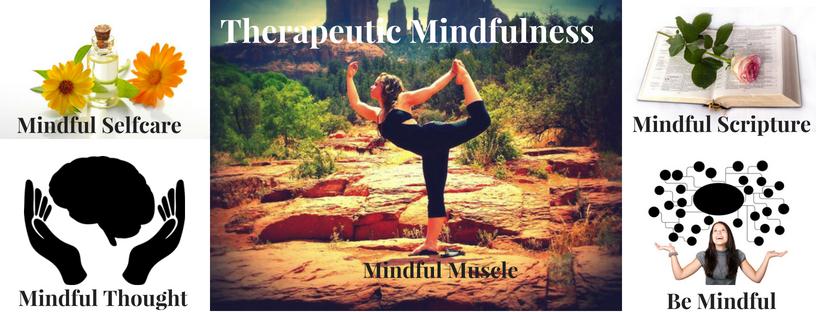
Jill's 5 Therapeutic Mindfulness Topics shared include: #MindfulSelfCare - #MindfulThought - #MindfulMuscle - #MindfulScriptures - #BeMindful


Her Group is a guide that provides TIPS that help us become more aware of ourselves. This awareness supports healing and culminates in the emergence of seeds of potential in our lives. 

THERAPEUTIC MINDFULNESS | CLICK HERE TO LEARN MORE 
LinkedIn Share This Email

Jill White-Huffman

LMBT #1119, LCMHC #7825, MFT