Dear GW-CEPL Alumni and Friends,
Recently, we have learned a lot about the interrelationships of the mind, the brain,the body, and behavior change. Neuroscientists, epigeneticists, and students of behavior change note that, when we try to change our behavior using our conscious mental processes, we are working with a very small portion of our capabilities and, thus, are likely to have little positive impact.
More than 97% of our behavior is shaped by automatic processes and habituated behaviors that lie outside or beneath our conscious awareness. Our subconscious minds, our physical bodies, and our emotions are really what is driving our behavior train. In addition, we find that merely attaining "understanding" is insufficient to support or enable real learning and increased effectiveness. Yet, so much of our leadership development efforts focus on doing just that....acquiring additional understanding.
We, the Center, have come to realize that increased effectiveness and real growth in leadership capabilities is best enabled by a combination of social engagement and peer feedback, physical embodiment of empowering postures and other body positions, active experimentation in safe learning environments, work assignments and challenging projects that take us out of our comfort zones, and structured opportunities for reflection and dialogue. We are continuously evaluating our curricula and integrating more of these learning practices into our leadership development work. Your feedback has been an essential input guiding the evolutionary improvement of our work.
Let us continue the conversation!
Executive Director
GW-Center for Excellence in Public Leadership
|
|
Monthly Spotlight:
Experiential Learning
|
Registrations Open for our Exclusive Summer SLP Program
|
|
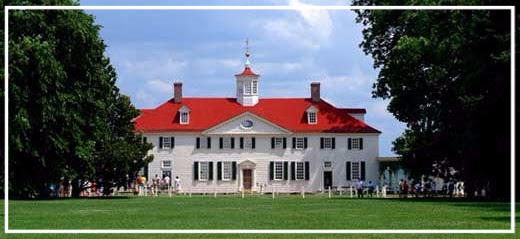
| President George Washington's Mount Vernon estate. |
Join us for a unique learning experience with our
Summer Senior Leader Program
with our featured faculty, Dr. Jared Peatman, a
historian and certified experiential educator from the National Society for Experiential Education.
The program, taking place from
June 5-14,
is designed as a journey of exploration, as you reflect about your own leadership through the art of history. Imagine grasping and grounding all the Executive Core Qualifications (ECQs) in a way that is fun, creative and inspiring, supported by experts and your small group of peers.
We will visit President Lincoln's Cottage, the 1860s version of Camp David in Northwest D.C. where Abraham Lincoln drafted the Emancipation Proclamation, and consider what we can learn from our sixteenth president about building coalitions. A trip to Gettysburg offers participants new insights into the critical competency of
Results Driven. Lastly, an exploration of the way George Washington turned Mt. Vernon into a profitable estate offers a plethora of insights into Business Acumen and sustainability that are as relevant for leaders today as they were 200 years ago.
Here are some of the program highlights:
Night at the Movies/Lincoln Cottage Site Visit Preparation:
- Participants will analyze the common elements of great leaders, and consider the implications for their own leadership style.
Lincoln Cottage Site Visit:
- Analyze and reflect upon the interplay of the five ECQs.
- Explore ways to effectively build coalitions.
- Consider the role of emotional intelligence in leadership, and practice strategies to boost their own emotional intelligence.
Chamberlain Among the Mutineers:
- Identify the primary causes of employee disengagement
- Identify the primary causes of employee engagement
- Identify strategies for reengaging disengaged employees.
Gettysburg Site Visit:
- Explore the competency of Results Driven and practice employing the sub competencies of that qualification by evaluating the decisions made by leaders from all levels at the Battle of Gettysburg.
George Washington Mt. Vernon Visit:
- Explore the sub-competencies of Business Acumen, including financial management, human resource management, and technology management by examining the way George Washington made Mt. Vernon profitable.
- Consider sustainability and how participants can take steps to ensure the sustainability of their operations.
Other learning segments focus on strategic leadership, workforce trends and analytics, cyber security, and innovation.
For more information about our Summer Senior Leadership Program, please contact Ina Gjikondi via phone: 202-994-5313, or email: gjikondi@gwu.edu
|
|
In our Social Media Buzz...
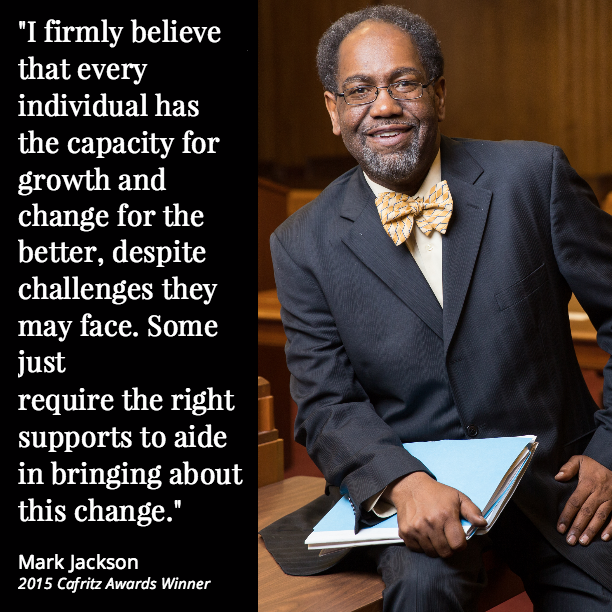
Our Cafritz Awards winners are generating quite a social media storm. Get inspired by their stories, and nominate an exemplary DC Government employee or an innovative team for the 15th Annual Cafritz Awards.
Five winners will each receive $7,500, and a team of DC Government innovators will receive a $15,000 prize!
|
- SAVE THE DATE from 6:30-8:30 p.m. on May 19, 2016 for our annual student and alumni reception. Registration to open soon.
- Do you know what it takes to lead in a multi-sector environment? Here are 8 essential practices to help you build effective and lasting partnerships across the public, private and non-profit sectors.
- If you are an alum of our DISA or NRCS programs, please join us for our targeted info sessions and learn about our credit waivers for our Master's and Graduate Certificate programs. For more information please contact Avery Hymel via phone: 703-248-2800, or email at ahymel@email.gwu.edu.
Let's connect! Join like-minded public sector leaders like yourself via the
GW-CEPL LinkedIn network:
|
|