ACCESS HEALTHCARE SOLUTIONS NEWSLETTER
Securing Tribal Sovereignty Through Wellness
March 2016
|
|
March is Colorectal Cancer Awareness Month.
|
According to the American Indian Cancer Foundation,
cancer has become the leading cause of death for American Indians, surpassing heart disease. While lung cancer is the leading cause of those deaths, it is followed closely by colorectal cancer, and disease rates vary by region and tribes.
Studies have found that the rates of colorectal cancer among American Indians are higher than non-Hispanic white populations, and this has been attributed to smoking, unawareness of treatment options, poor access to health care and cancer screenings as well as other factors.
These grim statistics are disturbing, particularly because colorectal cancer is largely preventable when patients undergo the proper screening processes and have access to quality care.
This edition of the Access Healthcare Solutions Newsletter is focused on colorectal cancer awareness and to providing findings in health news and healthcare, helping you progress in your wellness objectives, reflecting our commitment to the saying, "Health is the greatest of all possessions ..."
Ted Gover
Access Healthcare Solutions
|
|
|
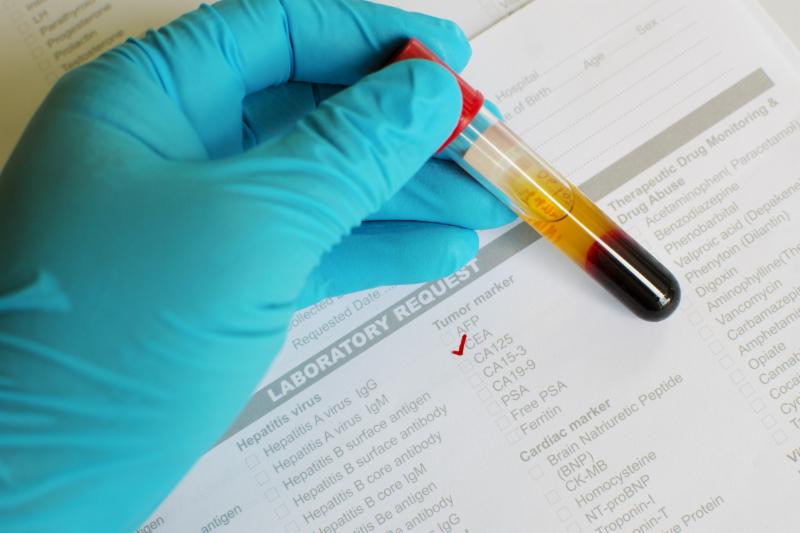
March is Colorectal Cancer Awareness Month
- Know The Facts
|
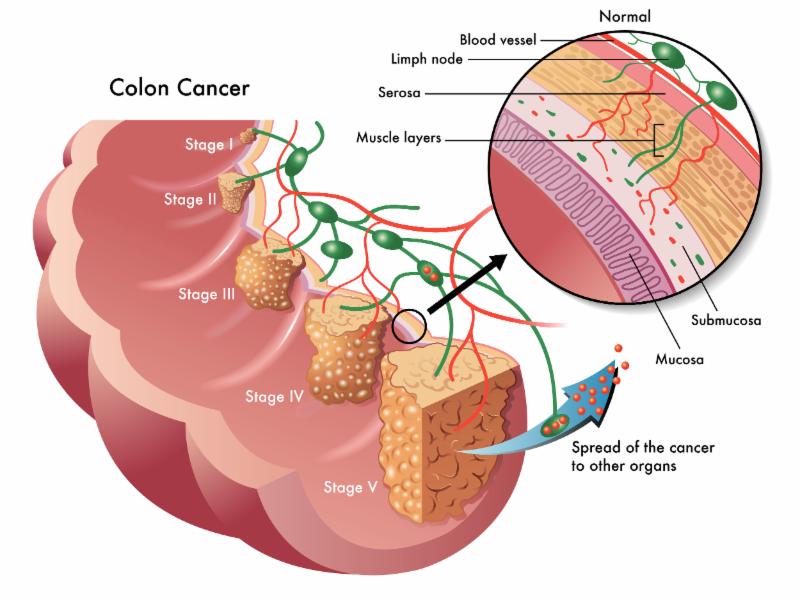
Colorectal cancer - - also known as "colon cancer" - - is one of the leading causes of death in Indian Country. The good news is that this deadly disease is often preventable with yearly screenings, regular exercise and a diet rich in fruits, vegetables, lean meats and fish. Now is the time to learn about and take the necessary steps to combat this form of cancer.
|
Colorectal Cancer:
What You Can Do (Centers For Disease Control & Prevention)
|
Among cancers that affect both men and women,
colorectal cancer
(cancer of the colon or rectum) is the second leading cause of cancer deaths in the United States. Every year, about 140,000 Americans are diagnosed with colorectal cancer, and more than 50,000 people die from it. But this disease is highly preventable, by getting screened beginning at age 50.
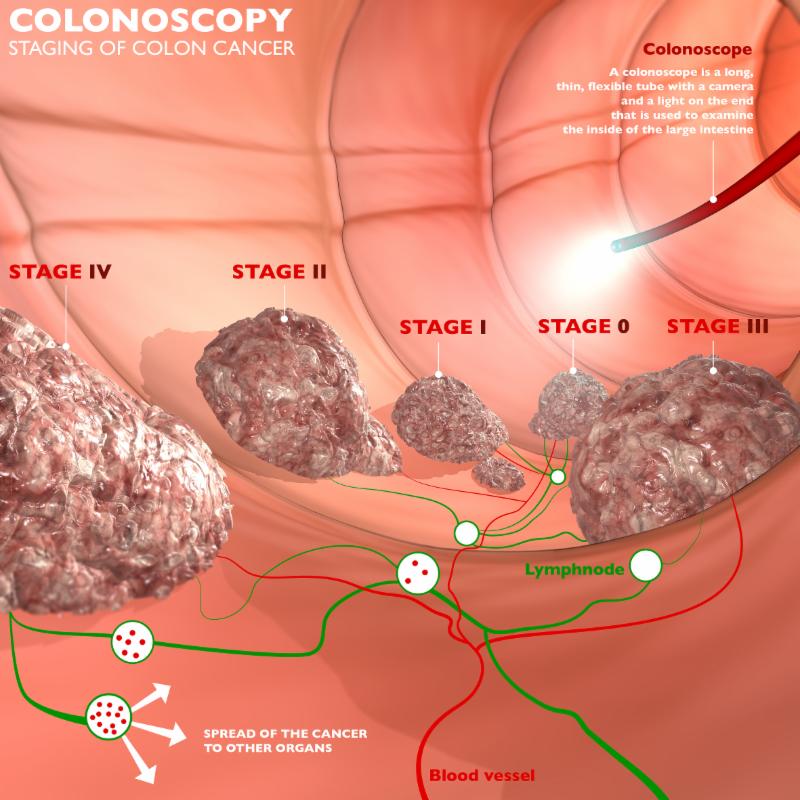
- If you're aged 50 to 75, get screened for colorectal cancer regularly. Screening tests help prevent colorectal cancer by finding precancerous polyps (abnormal growths) so they can be removed. Screening also finds this cancer early, when treatment can be most effective.
|
|
|
 |
Fast Facts
- Risk increases with age. More than 90% of colorectal cancers occur in people aged 50 and older.
- Precancerous polyps and colorectal cancer don't always cause symptoms, especially at first. You could have polyps or colorectal cancer and not know it. That is why having a screening test is so important. If you have symptoms, they may include-
- Blood in or on the stool (bowel movement).
- Stomach pain, aches, or cramps that do not go away.
- Losing weight and you don't know why.
These symptoms may be caused by something other than cancer. If you have any of them, see your doctor.
- Some people are at a higher risk than others for developing colorectal cancer. If you think you may be at high risk, talk to your doctor about when and how often to get tested.
- Colonoscopy (every 10 years).
- High-sensitivity fecal occult blood test (FOBT), stool test, or fecal immunochemical test (FIT) (every year).
- Sigmoidoscopy (every 5 years, with FOBT every three years).
|
|
|
|
A Few Articles for your Health
|
|
A Few Articles on Diabetes For This Month
Have you noticed the price of your insulin has increased? Why this happening:
http://bit.ly/1QHtW0S
Insulin Injection-Free For A Decade - - Life With An Islet Cell Transplant: bit.ly/1QFytuv
Consumer Guide 2016 - - Read Before Buying Your Next Diabetes Device: bit.ly/1LnZ03F
What causes Type 1 Diabetes? It's complicated. But Dr. Thomas Delong identified a possible trigger:
http://bit.ly/1UiFOGl
There's a big link between diabetes, heart disease & stroke. Learn your ABCs and lower your chances:
http://bit.ly/1T0jdPn
& bit.ly/1SaWrn1
|
|
|
|
Monthly Guidance on Nutrition
Food tip: Trout has similar health benefits to those of salmon. It is rich in omega-3s, which help to reduce inflammation, decreasing your risk for heart disease, and may also help to decrease sore muscles after exercising. Recipe here:
5 Key Nutrients You Probably Are Not Getting Enough Of:
Diabetes & Meal Time - - When Should You Eat Your Largest Meal of the Day?:
10 Great Health Foods - - Slide Show From The Mayo Clinic:
|
|
|
Monthly Guidance on Radiology
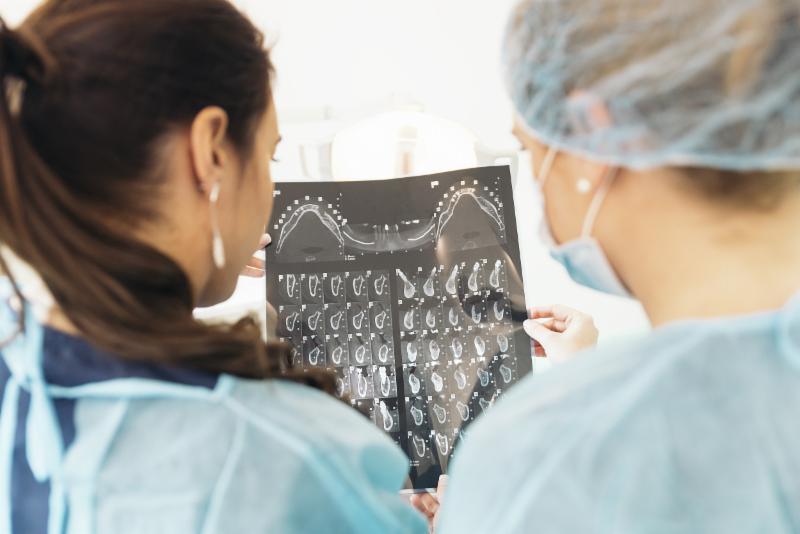
Radiation Therapy To The Head & Neck - What You Need To Know About Swallowing:
bit.ly/1LPKDA1
|
|
|
Monthly Guidance on Skin Care
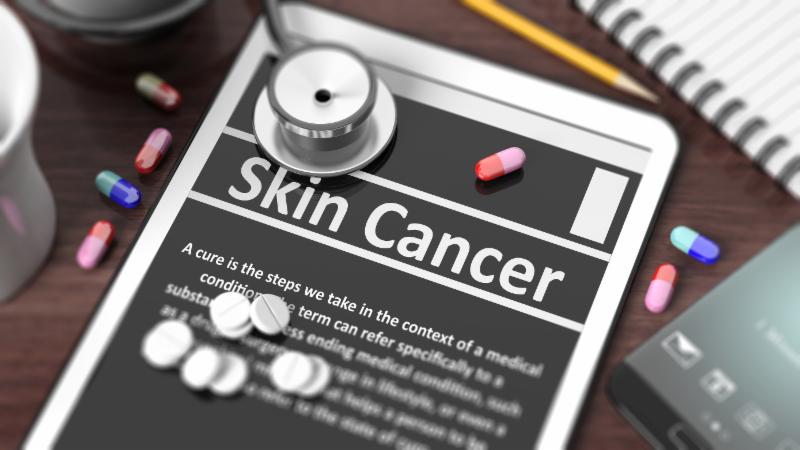
1 in 5 Americans will be diagnosed with skin cancer in their lifetime. Do you know how to do a skin self-exam?:
http://ow.ly/XhUzi
If you hav
e psoriasis,
you are not alone. In the US, about 7.5 million peopl
e have psoriasis:
http://ow.ly/YIfVH
|
|
|
|
|
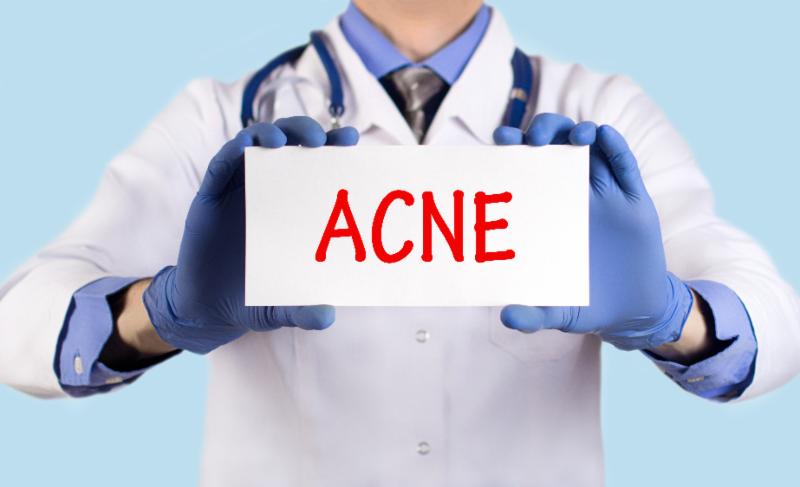
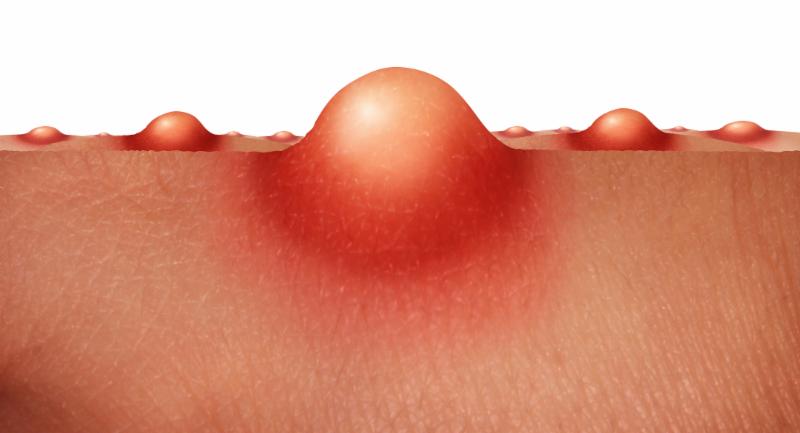
You can reduce your acne by following these skin care tips from dermatologists.
- Wash twice a day and after sweating. Perspiration, especially when wearing a hat or helmet, can make acne worse, so wash your skin as soon as possible after sweating.
- Use your fingertips to apply a gentle, non-abrasive cleanser. Using a washcloth, mesh sponge or anything else can irritate the skin.
- Be gentle with your skin. Use gentle products, such as those that are alcohol-free. Do not use products that irritate your skin, which may include astringents, toners and exfoliants. Dry, red skin makes acne appear worse.
- Scrubbing your skin can make acne worse. Avoid the temptation to scrub your skin.
- Rinse with lukewarm water.
- Shampoo regularly. If you have oily hair, shampoo daily.
- Let your skin heal naturally. If you pick, pop or squeeze your acne, your skin will take longer to clear and you increase the risk of getting acne scars.
- Keep your hands off your face. Touching your skin throughout the day can cause flare-ups.
- Stay out of the sun and tanning beds. Tanning damages you skin. In addition, some acne medications make the skin very sensitive to ultraviolet (UV) light, which you get from both the sun and indoor tanning devices.
- Using tanning beds increases your risk for melanoma, the deadliest form of skin cancer, by 75 percent.
- Consult a dermatologist if:
- Your acne makes you shy or embarrassed.
- The products you've tried have not worked.
- Your acne is leaving scars or darkening your skin.
Today, virtually every case of acne can be successfully treated. Dermatologists can help treat existing acne, prevent new breakouts and reduce your chance of developing scars. If you have questions or concerns about caring for your skin, you should make an appointment to see a dermatologist.
|
|
|
|
|
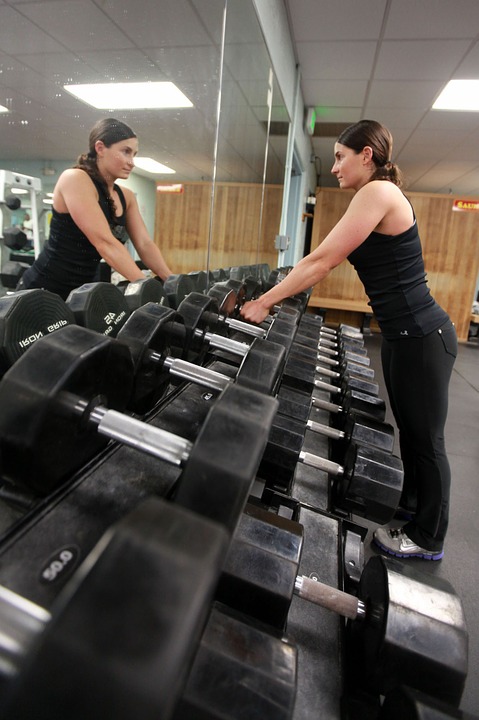
Useful Exercise Tips When Hitting The San Manuel Community Gym!
|
|
|
These Simple Items Can Help You Strengthen Your Core (Harvard Medical School):
bit.ly/1ScxqaY
You needn't spend a cent on fancy equipment to get a good core workout. Many core exercises rely on your body weight alone. But with the help of some simple equipment, you can diversify and ramp up your workouts.
The following items can help you put a new twist on your core exercises. Most of them can already be found around your house or are available at low cost from a sporting goods store.
- Chair. Choose a sturdy chair that won't tip over easily. A plain wooden dining chair without arms or heavy padding works well.
- Mat. Use a nonslip, well-padded mat. Yoga mats are readily available. A thick carpet or towels will do in a pinch.
- Yoga strap. This is a non-elastic cotton or nylon strap of six feet or longer that helps you position your body properly during certain stretches, or while doing the easier variation of a stretch. Choose a strap with a D-ring or buckle fastener on one end. This allows you to put a loop around your foot or leg and then grasp the other end of the strap.
- Medicine balls. Similar in size to a soccer ball or basketball, medicine balls come in different weights. Some have a handle on top. A 4-pound to 6-pound medicine ball is a good start for most people.
- Bosu. A Bosu Balance Trainer is essentially half a stability ball mounted on a heavy rubber platform that holds the ball firmly in place.
|
|
|
|
|
Conditioning Tips To Prepare You For Hiking Sessions on the Rez!:
http://www.thehikinglife.com/health-safety/fitness/
30 Exercises You Can Do Anywhere (Men's Fitness Video):
Strength Training To Be Fit At Any Age:
|
|
|
|
Monthly Guidance on Internal Medicine
|
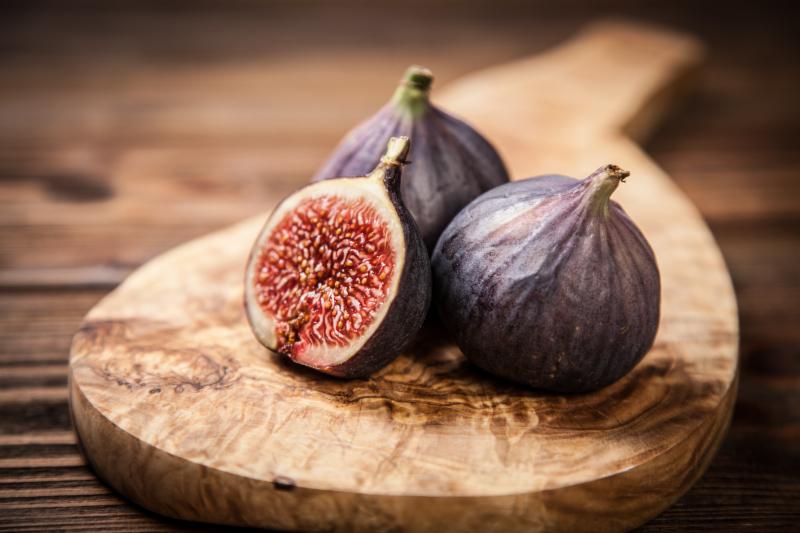
Figs are rated higher in overall nutrients than any other fruit. Here's everything you need to know:
Can vitamin D really improve physical function among elderly adults?:
Your grip strength may provide clues to your heart health:
Learn 4 important ways to avoid mosquito-borne illnesses:
|
|
|
|
A Few Articles on Female Health For This Month
|
Thinking of starting your child on a gluten free diet? Read this first!:
There are lots of things to remember when choosing a crib that is safe for baby. This checklist can help.
http://ow.ly/UUcnt
Physical developmental delays can be a sign of a serious condition. Don't wait. Check symptoms here:
http://ow.ly/YEEhW
Study - - Incorporating exercise into academic lessons boosts test scores:
http://ow.ly/YHe80
|
|
|
Keeping The Tribe on The Cutting Edge of Wellness Technology: Health & Tech
A Do-It-Yourself Revolution in Diabetes Care:
If you suffer from chron
ic hives, read about this
new app that will help you manage your symptoms
:
http://ow.ly/Yx6PQ
Philips to Unveil Wireless Vital Signs Patch for General Wards:
|
|
|
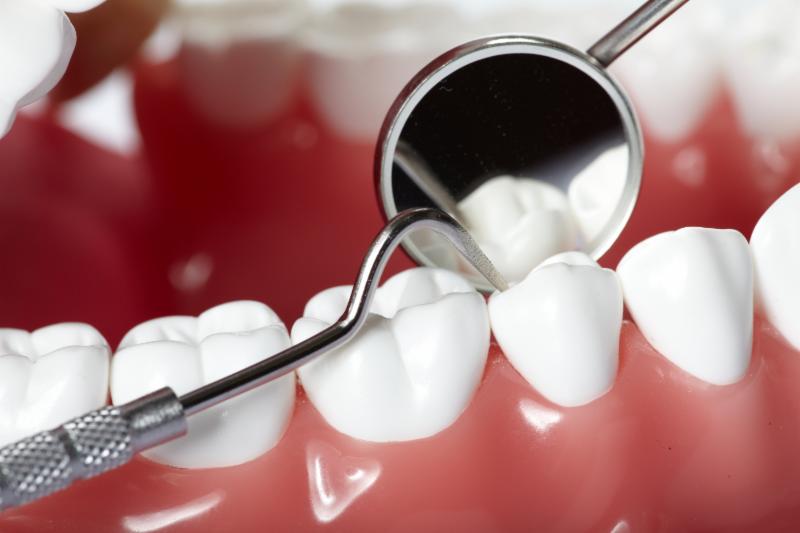
Monthly Guidance on Oral Health
|
Monthly Foot Health Guidance
|
Monthly Guidance on Aging
|
Maintaining muscle mass may help prolong your life
|
UCLA Division of Geriatrics
Recent research suggests that the more muscle mass older Americans have, the less likely they are to die prematurely. The findings add to the growing evidence that overall body composition--and not the widely used body mass index, or BMI--is a better predictor of all-cause mortality.
The study, published online Feb. 20, 2014 in the American Journal of Medicine, is the culmination of previous UCLA research led by Preethi Srikanthan, MD, MS, assistant clinical professor in the endocrinology division at the David Geffen School of Medicine at UCLA, that found that building muscle mass is important in decreasing metabolic risk.
|
|
|
Muscle mass more important than BMI.
"As there is no gold-standard measure of body composition, several studies have addressed this question using different measurement techniques and have obtained different results," Dr. Srikanthan says. "So many studies on the mortality impact of obesity focus on BMI. Our study indicates that clinicians need to be focusing on ways to improve body composition, rather than on BMI alone, when counseling older adults on preventative health behaviors."
The researchers analyzed data collected by the National Health and Nutrition Examination Survey (NHANES) III, conducted between 1988 and 1994. They focused on a group of 3,659 individuals that included men who were 55 or older and women who were 65 or older at the time of the survey. The authors then determined how many of those individuals had died horn natural causes based on a follow-up survey done in 2004.
The body composition of the study subjects was measured using bioelectrical impedance, which involves running an electrical current through the body. Muscle allows the current to pass more easily than fat does, due to muscle's water content. In this way, the researchers could determine a muscle mass index (the amount of muscle relative to height) similar to a body mass index. They looked at how this muscle mass index was related to the risk of death and found that all-cause mortality was significantly lower in the fourth quartile of muscle mass index compared with the first quartile.
"In other words, the greater your muscle mass, the lower your risk of death," says Arun Karlamangla, MD, MS, an associate professor in the geriatrics division at the Geffen School and the study's co-author. "Thus, rather than worrying about weight or body mass index, we should be trying to maximize and maintain muscle mass."
This study does have some limitations. For instance, one cannot definitively establish a cause-and-effect relationship between muscle mass and survival using a cohort study such as NHANES III. "But we can say that muscle mass seems to be an important predictor of risk of death," Dr. Srikanthan says.
"Despite these limitations, this study establishes the independent survival prediction ability of muscle mass as measured by bioelectrical impedance in older adults, using data from a large, nationally representative cohort," Drs. Srikanthan and Karlamangla wrote, adding that BMI's association with mortality in older adults has proven inconsistent. "We conclude that measurement of muscle mass relative to body height should be added to the toolbox of clinicians caring for older adults. Future research should determine the type and duration of exercise interventions that improve muscle mass and potentially increase survival in (healthy), older adults.
|
|
|
|
Contributors to muscle mass.
There are several factors that may affect muscle mass throughout your life. Some of the most notable are:
Protein intake
--Consuming protein increases the amount of amino acids that are available for muscle formation in your body. The recommended daily protein intake for women is 0.8 to 1.0 grams per 1 kilogram (about .03 ounces per 2.2 pounds) of body weight. Foods highest in protein include meat, poultry, fish, and dairy foods, along with plant sources such as lentils, beans, and peas. When it comes to muscle mass, it's better to eat more plant proteins and fewer animal proteins.
Vitamin D
--The "sunshine" vitamin appears to be critical in the preservation of muscle mass and function. You can get vitamin D from foods and exposure to sunlight. However, few foods contain natural vitamin D (some fish, shellfish, and eggs), and too much sunlight exposure raises the risk of skin cancer, so taking supplements is often advised. Discuss your vitamin D level and possible need for supplementation with your doctor.
Dietary acidity
--The acidity of your overall diet appears to affect muscle mass. A diet that contains excess acid-producing nutrients, like meat and dairy, and too few alkaline-producing plant foods, may have negative effects on bone and muscle.
Vitamin B12 and folic acid
--Low intakes of vitamin B12 and folic acid, or folate, have been linked with elevated levels of the amino acid homocysteine, and high homocysteine is associated with declines in physical function and muscle strength.
For all adults, the daily Recommended Dietary Allowance (RDA) of vitamin B12 is 2.4 micro grams (meg), and 400 meg of folate.
Vitamin B12 is found in clams, trout, salmon, tuna, beef, haddock, milk, yogurt, and cheese. Folate sources include spinach, black-eyed peas, asparagus, Brussels sprouts, lettuce, avocado, broccoli, and green peas. Many ready-to-eat breakfast cereals, breads, and other products made from grains are fortified with vitamin B12 and/or folic acid.
If you're concerned about getting an adequate amounts of vitamins and other nutrients, talk to your doctor.
WHAT YOU CAN DO
* Before exercising, warm up for five minutes by doing an easy walk or jog while swinging your arms.
* Work your way up to eight to 12 repetitions of an exercise before increasing weight or adjusting a band's resistance upward; the last two repetitions of the set should feel difficult (but not impossible) to do.
* Alternate body parts--for example, follow a leg exercise with an arm exercise.
* Eat a balance diet, with plenty of fruits and vegetable, to help preserve muscle mass.
|
|
|
|
Keeping The Tribe Informed About Cancer
1 in 7 colorectal cancer patients diagnosed before recommended screening age http://ow.ly/3awkwM
|
|
|
|
Learning About & Controlling Blood Pressure
Your stress level can affect your blood pressure. Learn how to reduce stress to reduce blood pressure:
http://bit.ly/1SzdGyY
|
|
|
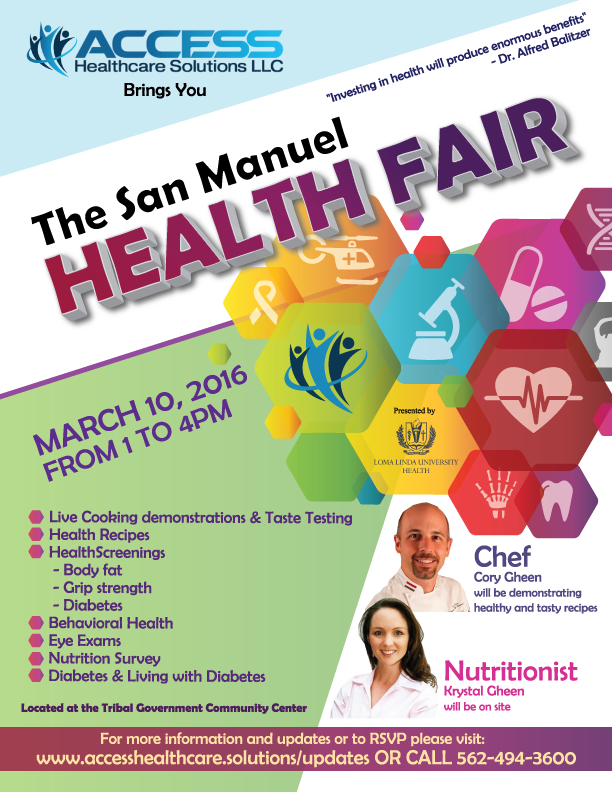
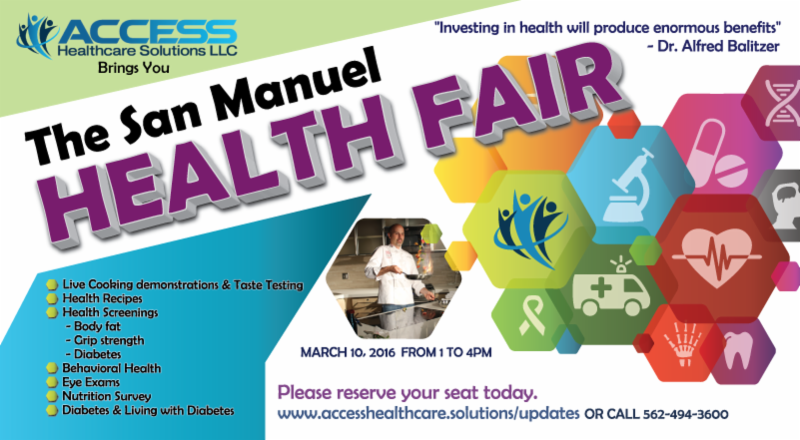
March 10, 1:00-4:00PM Tribal Health Fair
Mark your calendar!
The San Manuel Tribal Health Fair will take place on Thursday, March 10, 2016, 1:00-4:00PM at the San Manuel Community Center.
Free diabetes screenings and basic eye exams will be available, as will instruction
Please take advantage of this opportunity to learn more about these vital topics of health and wellness.
Call 562-505-5600 or e-mail info@accesshealthcare.solutions to sign up today.
on diabetes food plans/preparation, nutrition and healthy lifestyle options.
|
|
|
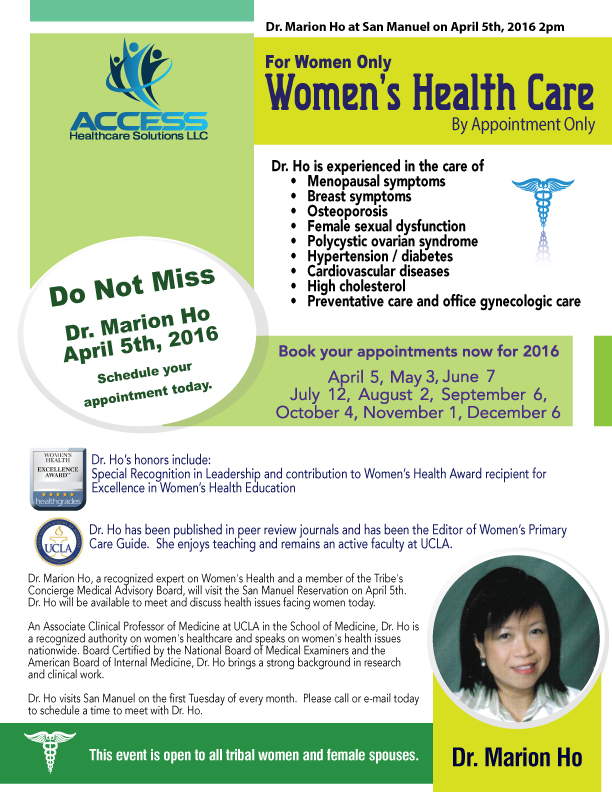
April 5: Dr. Marion Ho at the San Manuel Community Center - - FOR WOMEN ONLY
Dr. Marion Ho, a recognized expert on Women's Health and a member of the Tribe's Concierge Medical Advisory Board, will visit the San Manuel Reservation on April 5. Dr. Ho will be available to meet and discuss health issues facing women today.
An Associate Clinical Professor of Medicine at UCLA in the School of Medicine, Dr. Ho is a recognized authority on women's healthcare and speaks on women's health issues nationwide. Board Certified by the National Board of Medical Examiners and the American Board of Internal Medicine, Dr. Ho brings a strong background in research and clinical work.
Dr. Ho visits San Manuel on the first Tuesday of every month. Please call or e-mail today to schedule a time to meet with Dr. Ho.
|
|
|
|
Did You Know? ... Nuggets of Health Wisdom For Maintaining Tribal Health
|
|
Don't Just Sit There! Being A Chair Tomato Can Be Just As Bad As Being A Coach Potato:
|
|
|
|
New reversible drug shows early promise in preventing dangerous clots - American Heart Association:
Weight Loss Through Diet Changes Can Improve Sleep At Any Body Weight, Says Penn Study:
What People Who Live To Be 100 Eat Each Day:
|
|
|
It's Important To Know About Cholesterol. Here Are a Few Important Review Notes & Important Questions You Need To Be Asking:
http://
rmdy.hm/EjhX0ap
|
|
|
|
Q:
My eyesight is declining, but my eye doctor tells me I do not have any serious eye problems. Are there any vitamins or supplements I can take to protect my eyes?
A:
Based on the most recent research, there is no proven vitamin cocktail to prevent vision loss. The most common causes of vision loss as you grow older are cataracts and age-related macular degeneration (AMD). Since cataracts can be treated with simple surgery, much of the attention for prevention of vision loss has focused on macular degeneration. Initially, there was excitement about antioxidant vitamins, since a combination of vitamins A, C, and E delayed progression of AMD in previously diagnosed individuals. However, the Age-Related Eye Disease Study showed no benefit from antioxidants in people who did not already have AMD. A single study in women (average age 64) reported that a combination of vitamins B6, B12, and folate reduced the development of AMD over a seven-year period. But this study has not been replicated, and it hasn't been done in men, which makes it hard to recommend these supplements.
- William Kormos,
M.D.
Editor in Chief,
Harvard Men's Health Watch
March 1, 2016
|
|
|
|
A:
Don't panic! It's no secret that mammograms are good at detecting breast cancer. However,
mammography
is by no means a perfect tool.
Being told that your mammogram shows a finding that "requires additional imaging studies" can cause a great deal of anxiety for most women. But the fact is, most women who are called back for additional imaging do
not
have breast cancer.
In general, for every 1000 women undergoing screening mammography, approximately 60 to 100 will be called back or "recalled" for additional evaluation, usually consisting of additional tailored mammogram views and often ultrasounds. Of those recalls, 45 to 65 will have a "negative" workup. About 20 will be asked to return in six months for follow-up of a finding that is of very low suspicion for cancer (less than 2 percent likelihood); 15 will be recommended a biopsy, and of those, two to five will ultimately have breast cancer.
What causes false positives on mammograms? There are two basic reasons.
1.Artifact caused by overlapping of normal breast tissue that simulates either an abnormality, or a perceived change from prior exams. The recent addition of
3D Mammography or Digital Breast Tomosynthesis
has helped to reduce the frequency of these callbacks, although they still occur, albeit at a lower frequency. Hoag has been at the forefront of this technology being the first
breast center
in California to perform 3D Mammography in clinical practice.
2.Overlap of the mammographic appearance of some benign processes and
breast cancer
. Sometimes the addition of special mammogram views and/or ultrasounds allows us to differentiate the two, but sometimes it does not. Most breast imagers are able to identify cancer as cancer, and benign findings as benign; and some do this better than others. However, some findings cannot be definitively characterized as benign or malignant, no matter how good the radiologist is. You can biopsy a finding in one patient and it turns out benign. Similarly, you can biopsy an identically appearing finding in another patient and it turns out cancer. That is the reason for false positive biopsies.
With breast cancer awareness at the forefront of public health and advocacy efforts, we have made great strides in informing the public of the fact that
'mammograms save lives,'
which is undeniably true. Unfortunately, the message is often misinterpreted as
'mammograms are the perfect tool for detecting breast cancer'
, which is undeniably false.
The limitations of our ability to detect breast cancer and to avoid false positive call-backs and biopsies are partially inherent to the tools we have available. Access to the most advanced technology, such as 3D Mammography or Tomosynthesis, helps to mitigate some of these limitations. However, the accuracy of these tools is also influenced by the experts who are utilizing them, (i.e. the radiologists).
And the impact of having high quality breast radiologists and technology is critical to detecting breast cancer.
January Lopez, M.D., is a dedicated breast radiologist and interim director of Breast Imaging at Hoag Breast Center in Newport Beach.
|
|
|
|
Please take advantage of this opportunity to learn more about these vital topics of health and wellness.
Enrollment is quick and easy, involving the completion of a simple form.
|
|
|
|