|
ARTICLES
OTHER INFO
- Upcoming Events
- Resources
- Payments Grants and Loans
INFORMATION FOR LIVESTOCK KEEPERS
SURVEYS
| |
|
Maine Weather and Climate Update
The latest National Weather Service (NWS) forecast shows mild weather for the next several days with temperatures near normal for this time of year. On Saturday, daytime high temperatures are forecast in the 30s and 40s north to south, and there may be some lingering precipitation following the passage of a storm system overnight Friday. Sunday is forecast to be cooler with high temperatures generally in the 20s or low 30s, and otherwise breezy with a slight chance of flurries in some areas. Then a quite weather pattern is forecast until the end of the week with daytime high temperatures generally in the mid 20s and mid 40s north to south. By Friday a spring storm system could develop and bring mostly rain statewide. As always, be sure to check weather.gov for the latest weather forecast for your area. For detailed winter weather information refer to the NWS Caribou and Gray forecast office pages.
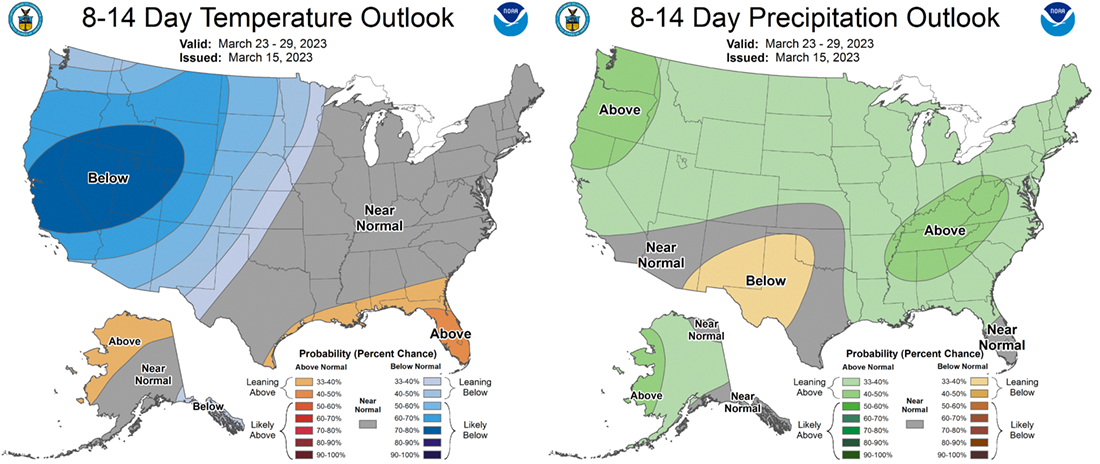
The NWS Climate Prediction Center 8–14 day outlook probability maps for March 23 –29 show near normal temperature and a lean toward above normal precipitation. The one-month outlook for April (issued March 16) leans above normal temperature and equal chance of above or below normal precipitation. Looking further out, the three-month seasonal outlook for April–June (issued March 16) also leans toward above normal temperature and equal chance of above or below normal precipitation.
Hydrology: The Northeast Drought Early Warning System Dashboard shows that streamflow and groundwater levels are normal or above normal statewide, and recent significant snowstorms have brought snowpack to near normal for this time of year statewide. Visit the NWS Regional Snow Analysis to see the latest snow depth and other related maps.
Sean Birkel, Assistant Extension Professor, Maine State Climatologist, Climate Change Institute, Cooperative Extension University of Maine. For climate/weather questions related to agriculture, send Sean e-mail at birkel@maine.edu
| | |
|
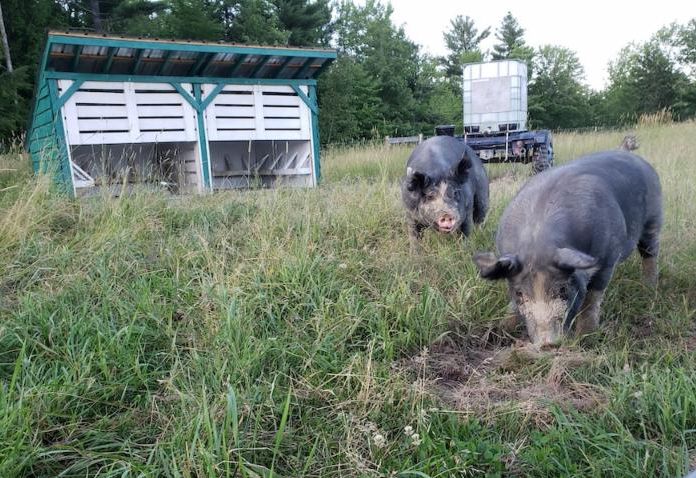
Swine 101: Raising Pastured Pork
This seminar will be held in multiple locations across the state, and a meal will be provided at no cost (smoked pork!). Join Dr. Colt W. Knight, UMaine Extension State Livestock Specialist, for a 2-hour primer on raising pastured pork. Topics include: breed selection, basic reproductive information, swine nutrition, fencing, housing, meat yield, and more.
Wednesday, March 22, 2023. 11:00 AM to 1:00 PM
Monday, March 27, 2023. 11:00 AM to 1:00 PM
Thursday, April 27, 2023. 11:00 AM to 1:00 PM
More info and registration.
| | |
|
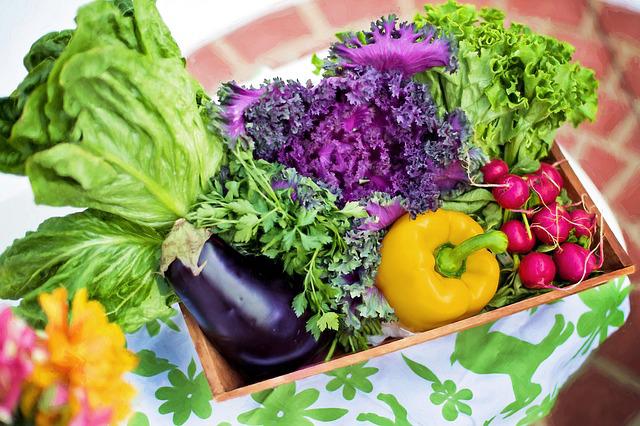
Maine Vegetable and Fruit School
Reserve your seat for the Maine Vegetable and Fruit School and earn two pesticide credits!
Join us in Augusta on March 29th from 8:30am-4:00pm. Lunch will be provided. Topics include winter injury in berry crops, health implications of tick diseases for farmers, cover crops and under seeding, farmer resilience, growing quality cauliflower, invasive plants, weed management, and the Maine New Farmer Project. Presenters include experts from UMaine Extension and state officials.
For more info, click on the event's Registration Page. Please register by March 23rd for catering purposes.
| | |
|
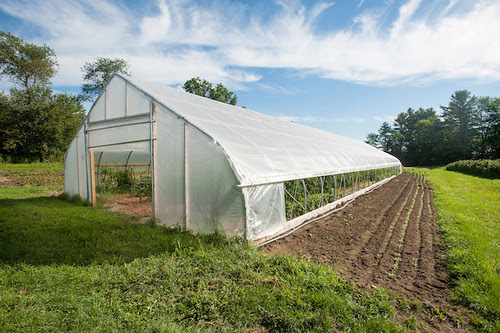
High Tunnels & Greenhouses: A Guide for Municipalities
This new bulletin from DACF (High Tunnels & Greenhouses – A Guide for Municipalities) provides a baseline of shared vocabulary and preliminary guidance on how tunnels, greenhouses, and other ag accessory structures might be approached by town governments and municipal staff. It might not solve all the headaches that come up trying to explain what a high tunnel is and why a $6,000 building permit might not make sense – but it might get the conversation started on the right foot. A legislative solution to provide some guidance on the unanswered questions may be in the works in the future - but hopefully this provides some support in the interim.
| | |
|
|
Rural Energy for America Program Funds Still Available
This is a reminder of the upcoming Rural Energy for America Program (REAP) grant application deadline of 4:30 p.m. on March 31, 2023.
Currently, if all applications that have been submitted are determined to be eligible, we will only use approximately 76% of our Unrestricted funds and 21% for $20,000 and less funds. Funds that are not used will be sent back to the National Office. Let's get those applications in so we can fund projects in Maine! Here is an information sheet to help with completing your application. Contact Katrina Shaw, USDA RD at 207-990-9129 or katrina.shaw@usda.gov.
| | |
|
|
Wabanaki Public Health & Wellness invites farms to donate to Mobile Food Pantry
The Wabanaki Mobile Food Pantry is a refrigerated food truck that delivers fresh, healthy and traditional foods to the five tribal communities across the state at no cost, with a goal to increase access to healthy, traditional and nutritious foods, supplementing the resources of the tribal food pantries and not taking their place. The mobile unit has the space to transport and store large amounts of food. As the growing season quickly approaches, Wabanaki Public Health & Wellness (WPHW) is asking Maine’s non-native growers and producers to consider donating a portion of their harvests to the Wabanaki Mobile Food Pantry. They can accept all donations of fruits, vegetables, meats, nuts, eggs, dairy and more. Landowners with access to wild edibles or wild game are highly encouraged to reach out. Please contact Amelia St. John, WPHW’s food sovereignty coordinator, for more information at 207-944-8525 or astjohn@wabanakiphw.org.
| | |
|
|
SARE Fellows Program Now Accepting Applications
Applications are now being accepted for the SARE Fellows program. SARE Fellows is a unique professional development opportunity for agricultural professionals to:
- Build new relationships with colleagues across the nation.
- Deepen their understanding of the concepts and intentions of sustainable agriculture.
- Visit with innovative producers and partners nationwide who are striving to sustain agriculture for future generations.
- Increase their awareness about educational opportunities and approaches in sustainable agriculture.
Applications must be submitted by May 8, 2023. Apply online now.
| | |
|
|
Community Food Councils Play an Important Role in our Local Food Systems
The Maine Network of Community Food Councils (MNCFC) began in 2011 and now has 10 councils, covering much of Western, Southern and Central Maine, and tackling a variety of issues in our local food systems. Councils range in size, makeup, and mission, but are united by a shared desire to make Maine’s food systems more healthy, just, and sustainable for all.
What makes food councils special is their ability to fill in gaps and connect groups and individuals who are doing important work within local food systems. Some help to provide on-the-ground work like gleaning and food delivery. Some help create paid training opportunities for future farm workers. Some help promote local farms. There are no directives handed down by our network leadership, so councils are free to be fluid in their work and decide for themselves what they are most able to contribute to their communities.
We hope, in time, to have councils representing all corners of our state. Perhaps you see a need that a Community Food Council may be able to fill in your community! To learn more, reach out anytime to: mainefoodcouncils@gmail.com.
| | |
|
|
Hygienic Equipment Design for Vegetable Growers
This workshop is hosted by Chris Callahan, UVM Extension Associate Professor: Agricultural Engineering; the Maine Dept. of Agriculture, Conservation & Forestry (DACF); the University of Maine Cooperative Extension; and Bell Farms.
The workshop will go over hygienic design & evaluation, cleaning & sanitizing, writing Standard Operating Procedures, as well as hands-on equipment evaluation. We will be working with a green bean sorter, harvest totes and worktables, and possibly a potato wash/pack line.
This will take place on Thursday April 6th. This is limited to 24 participants, so don't forget to register soon! Participants will get 2 pesticide applicator recertification credits. Click here for more details and to sign up.
| | |
|
|
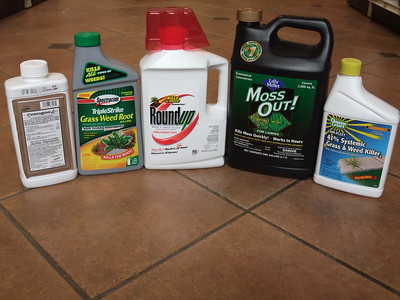
There are many pesticide products that were registered in 2022 that are still not registered for 2023. This is mostly due to new requirements to register a pesticide for sale in Maine. If a company does not register a product, then after the registration deadline, that product cannot be brought into Maine for sale or distribution to end users until it is registered for the current year. Below is the information from the Board of Pesticide Control. Questions should be directed to their office at 207-287-2731 or pesticides@maine.gov .
2023 Registered Pesticides List (XLSX) - This list was generated March 17, 2023 at 8:00 AM. Please recognize that registrations are being submitted continuously and this list will become out of date almost immediately. Check back for an updated list. The extension end date is March 21, 2023. This extension will allow for the continued distribution of products registered in 2022 by those registrants who intend to renew their product registrations for 2023.
| | |
|
|
Maine Senior FarmShare Invites Participants, Farmers
Maine Senior FarmShare, a program that provides eligible older adults the opportunity to receive a share (worth $50) of first-quality, fresh, local produce at no cost directly from local Maine farmers during the growing season, recently received funding to serve more eligible participants and farmers. Help spread the word and find out more here.
| |
Meetings - Webinars - Upcoming Events | |
|
Sessions preceded by ** are eligible for Pesticide Re-certification Credits.
-
Mar 20 – 21: Dairy Financial Tri-State Workshop, Augusta
-
Mar 21: National Ag Day
-
Mar 21: Managing Forests for Carbon and Climate Change, online
-
Mar. 21: Four Phases of Feeding the Dairy Goat Kid, online
-
Mar 22 - 27: Swine 101: Raising Pastured Pork, various locations
-
Mar 22: Maker Series: Basics of Maple, Falmouth (for youth age 5 - 10)
-
**Mar. 22: Sustainable Ag Workshop, Presque Isle
-
Mar. 22: People, Performance, and Productivity: Mentoring to Retain Workers, online
-
Mar. 23: Innovative AgriSolar Design Roundtable Discussion, online
-
Mar 23: Farmer Climate Forums: Whole Farm Water Management online
-
Mar 23 and 30: The How’s and Why’s of Growing and Selling Saffron 2023, online
-
Mar 24: Soil Health Mini School, online
-
Mar. 26: Seed Swap & Scion Exchange, Unity
-
Mar. 27: Cultivating Compliance: A grower’s guide to complying with the agricultural-related worker protections, online
-
Mar. 27: Dealing with Drought: Aligning farmer needs and advisor confidence, skills, and expertise, Orono and online
-
Mar 27: New farmers' Guide to Ag Related Worker Protections, online
-
Mar 28: Healthy Gardens Start with Healthy Plants, online
-
Mar 28: Fairs, Festivals and Farmers Markets: Preparation for and running a booth, online
-
Mar 29: Maine Fruit and Vegetable School, Augusta
-
Mar 29: New Farmer Farm Visit Series: Seedling Production, Damariscotta
-
Mar 30: Forest Farming Series: Ramps / Wild Leeks, online
-
April 1: 29th Rural Living Day, Mt. View HS, Thorndike
-
April 3: Low Infrastructure Agritourism: Picnicking and Walking Trails, online
-
April 4: Growing Great Tomatoes, Peppers, Melons and More!, online
-
Apr. 6: Identity and Identification in Rural Collective Entrepreneurship (agritourism focus), Orono or online
-
**Apr. 6 Hygienic Equipment Design for Vegetable Growers, Auburn
-
April 11: Beyond the Apple: Growing Unique Fruit in Maine, online
-
April 18, 19, 27, 28: F2I: Farm to Institution New England, online & Rhode Island
-
April 20-21: Produce Safety Alliance Grower Training, online
-
May 12 – 14: Maine Fungi Fest, Portland
-
July 21: Northeast Mechanical Weed Control Field Day, Thorndike
| |
|
Positions Available
-
UMaine Extension Position Openings: Postdoctoral Associate in PFAS Research and Outreach, Numerous Community Education Assistant, Administrative, Summer Camp, and Food Service positions
| |
Information for Animal Keepers | | |
|
|
HPAI Found in Nova Scotia
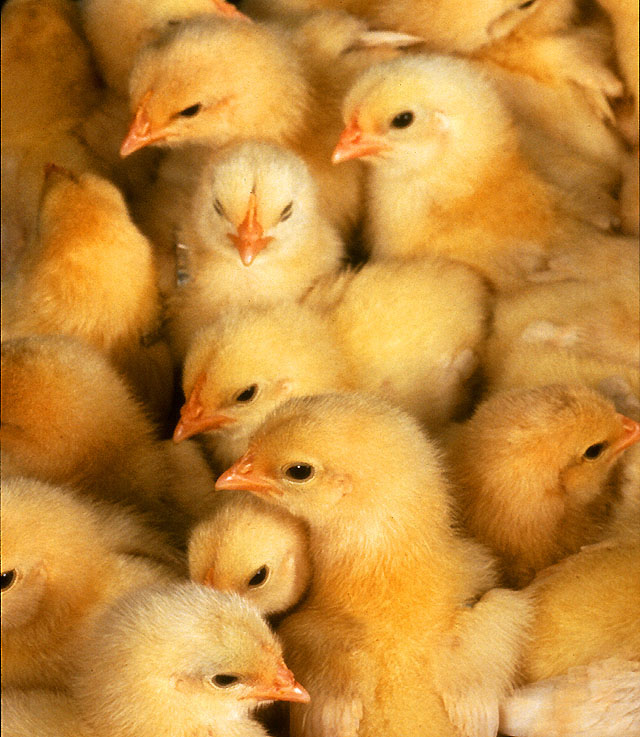
The Canadian Food Inspection Agency (CFIA) announced a small flock of mixed poultry, about 20 birds (ducks, geese, chickens, and guinea fowl) have been killed by Highly Pathogenic Avian Influenza (HPAI.)
A reminder that HPAI is highly contagious virus that can spread in various ways from flock to flock, including through wild birds, contact with infected poultry equipment, and on clothing and shoes of caretakers.
Although it spreads quickly and is often fatal among birds, transmission to humans only happens "on rare occasions" according to the CFIA.
| |
|
National Cover Crop Survey -
Farmers are invited to share their thoughts on cover crops in an online survey at bit.ly/CoverCrop23. Why do you plant cover crops…or why don’t you? What do you want to know? Your insight will help guide research, communications, seed development, and more. After completing the questionnaire, you may enter a drawing for one of three $100 Visa gift cards.
Project ITCH: “Is Tick Control Helping?”
The New England Center of Excellence in Vector-Borne Diseases (NEWVEC) is seeking your help in better understanding residential tick control recommendations and results.
Phase 1, NEWVEC survey about what you are doing at your home to reduce the incidence of ticks and tick bites. Participants in this survey will be eligible for consideration for Phase 2.
Phase 2, NEWVEC through a lottery process select residential properties to participate in a research study to test what’s working. Participating selected households will get free evaluation of their property.
To learn more about NEWVEC and Project ITCH, and/or sign-up to receive updates on NEWVEC projects go to their website.
Fruit and Vegetable Grower Feedback Needed on Produce Safety Costs, Needs, and Barriers
The Produce Safety Alliance (PSA) Team and personnel from the Northeast Center to Advance Food Safety (NECAFS) at the University of Vermont would like to understand the costs and the barriers of beginning or expanding food safety practices on farms and in packinghouses to make educational materials more relevant to fruit and vegetable growers and packers. To do this, we have developed a survey to collect food safety information from fruit and vegetable growers across the country.
| |
|
USDA Ag Marketing Service
| |
Edited by:
Brett Johnson, Extension Professional,
Nick Rowley, Extension Professional,
Chris Howard, New Farms Project
| |
Information in this publication is provided purely for educational purposes. No responsibility is assumed for any problems associated with the use of products or services mentioned. No endorsement of products or companies is intended, nor is criticism of unnamed products or companies implied.
Photos by Edwin Remsberg and others.
| |
|
University of Maine Cooperative Extension: Penobscot County
307 Maine Ave Bangor, ME 04401 207-942-7396 or 800-287-1485
Visit Our Website
University of Maine Cooperative Extension: Piscataquis County
207-564-3301 or 800-287-1491
Donna Coffin - Voicemail 207-262-7726
Visit Our Website
University of Maine Cooperative Extension: Cumberland County
(207) 781-6099 or 1-800-287-1471
Visit Our Website
University of Maine Cooperative Extension: Oxford County
207.743.6329 or 1.800.287.1482
Visit Our Website
University of Maine Cooperative Extension: Somerset County
207.474.9622 or 1.800.287.1495
Visit Our Website
University of Maine Cooperative Extension: Androscoggin / Sagadahoc Counties
207.353.5550 or 1.800.287.1458
Visit Our Website
| |
In complying with the letter and spirit of applicable laws and pursuing its own goals of diversity, the University of Maine System does not discriminate on the grounds of race, color, religion, sex, sexual orientation, transgender status, gender, gender identity or expression, ethnicity, national origin, citizenship status, familial status, ancestry, age, disability physical or mental, genetic information, or veterans or military status in employment, education, and all other programs and activities. The University provides reasonable accommodations to qualified individuals with disabilities upon request. The following person has been designated to handle inquiries regarding non-discrimination policies: Director of Equal Opportunity, 101 Boudreau Hall, University of Maine, Orono, ME 04469-5754, 207.581.1226, TTY 711 (Maine Relay System). 11/22 | | | | |