|
Climate Silence
Jeopardizes Students’ Future
| |
Student activists from Fridays for the Future join Earth Day rally and march to the White House on April 22. Kevin Wolf/AP | |
|
Shatter the Silence: Make Some Noise
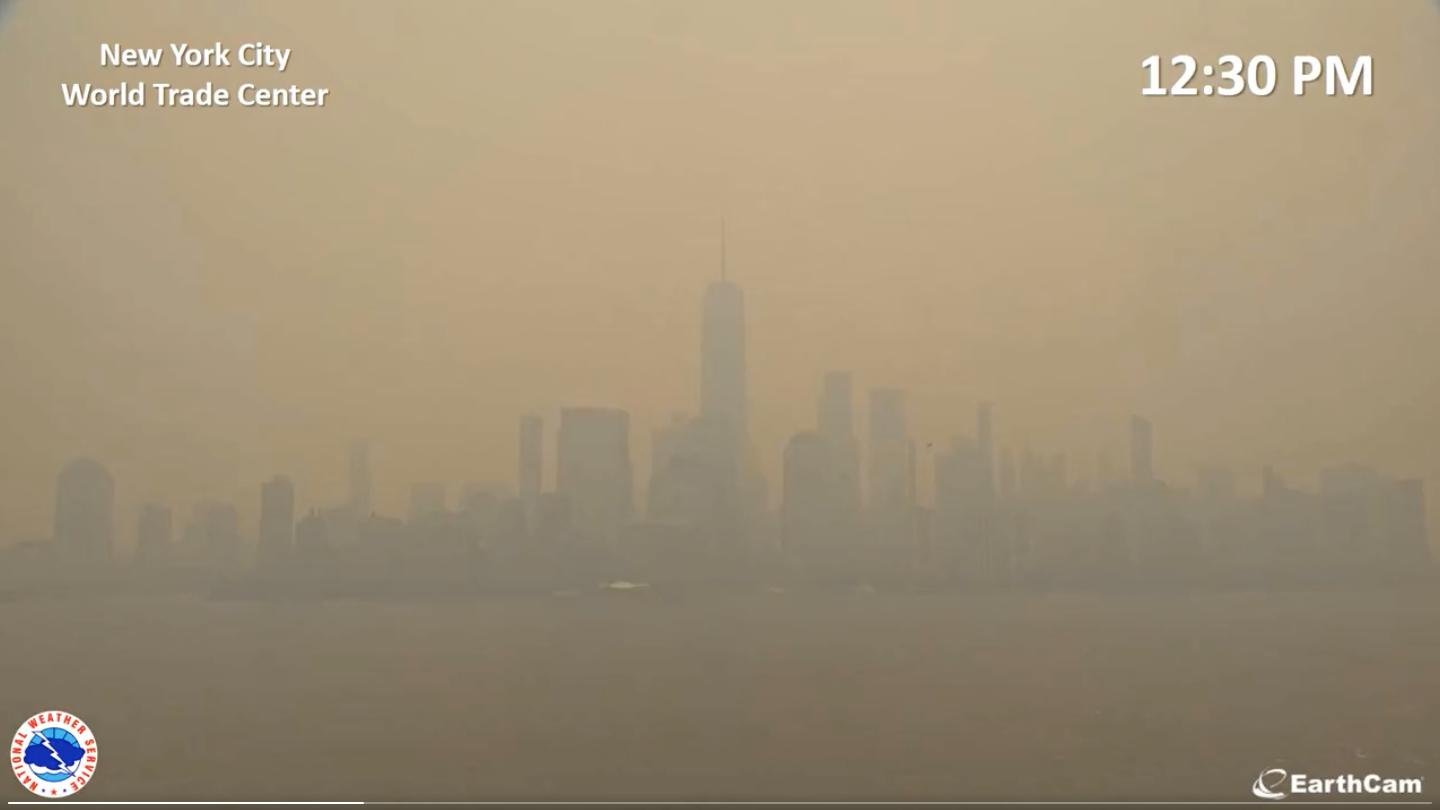
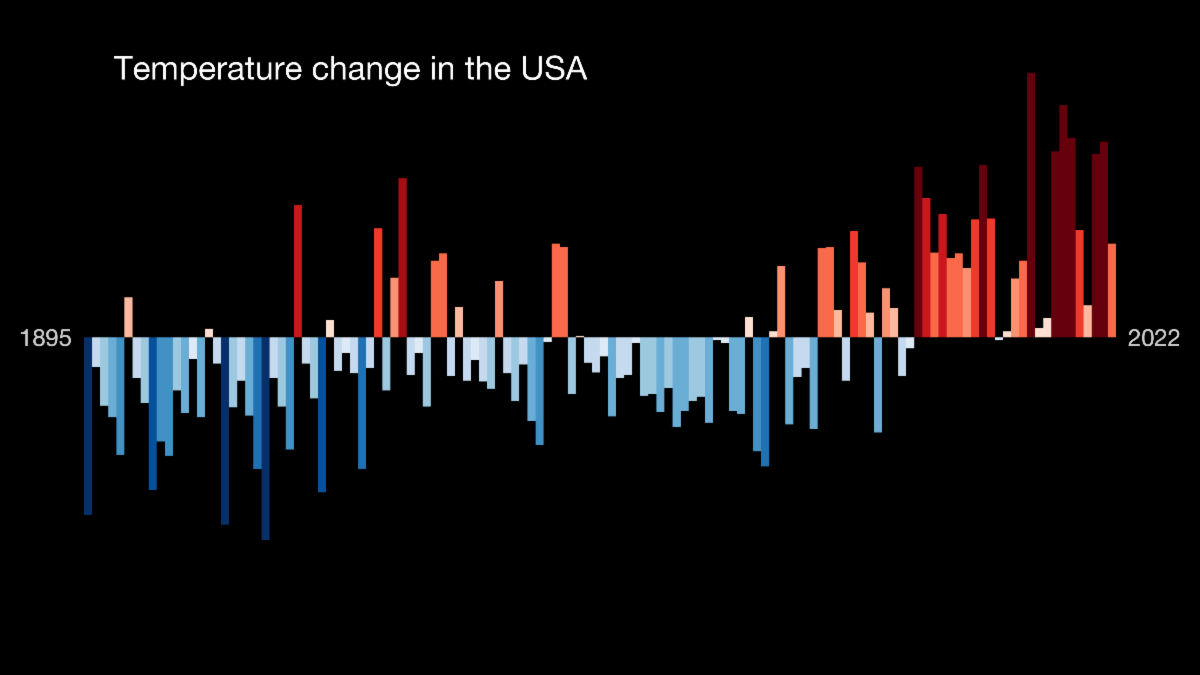
In the face of media silence, educators must fill the gap. Teachers can equip students to recognize the breadth of the climate emergency, to grasp how it is pounding so unequally around the world, to probe its social and economic causes, and to come to see themselves as activists for a just society and a stable climate.
| |
We offer #TeachClimateJustice campaign resources, including free downloadable lessons, recommended books and films for the classroom, articles, and a sample school board climate justice resolution. | |
The Zinn Education Project has filled a huge gap in my Earth and Environmental Science curriculum. Climate change will be the most relevant scientific topic in their adult lives and giving them the perspective that the Zinn Education Project resources afford them is crucial to making them significantly better informed citizens for a better future. — Shawn Moore, high school science teacher, Lenoir, North Carolina | | |
|
Teaching about climate justice requires bravery. The right’s anti-history education laws replicate the media’s climate silence in the classroom. As Bill Bigelow explains in a Rethinking Schools column, the laws deny students climate literacy. The curricular gag rules label lessons on racism as “divisive.” Yet, racial inequality — and the struggle against it — is at the heart of the climate crisis.
We ask everyone to defend the right to teach truthfully. Our future depends on what young people learn today.
| |
|
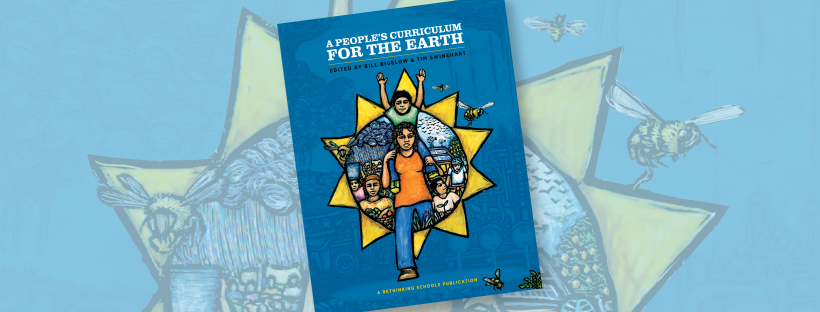
A People’s Curriculum for the Earth is a collection of articles, role plays, simulations, stories, poems, and graphics to help breathe life into teaching for environmental justice.
The book features some of the best articles from Rethinking Schools magazine, alongside classroom-friendly readings on climate change, energy, water, food, and pollution — as well as on people who are working to make things better.
| |
|
Featured Lesson
Water and Environmental Racism
| |
|
In this Rethinking Schools lesson by Matt Reed and Ursula Wolfe-Rocca, students learn about the struggle of residents to access safe water for drinking, cooking, and bathing in the majority-Black cities of Flint, Michigan; Jackson, Mississippi; and Newark, New Jersey.
By bringing the circumstances of these different locales into conversation with one another, students see that these water crises are not simply accidents that could have happened anywhere; they are manifestations of racism, past and present, that happen in some places — and to some people — far more than others.
| |
|
Spotlight
Prentiss Charney Fellow
| |
The Zinn Education Project hosts the Prentiss Charney Fellowship to support a cohort of people’s history educator leaders to study, learn, and organize. Today we celebrate fellow Destiny Andrews, a fifth grade teacher in Oakland, California. | |
|
In her eight years in the classroom, Destiny has organized a Teaching for Black Lives study group and is an active member of her local union. For her fellowship, Destiny is working on a lesson to introduce elementary students to the life, activism, and organizing philosophy of Ella Baker.
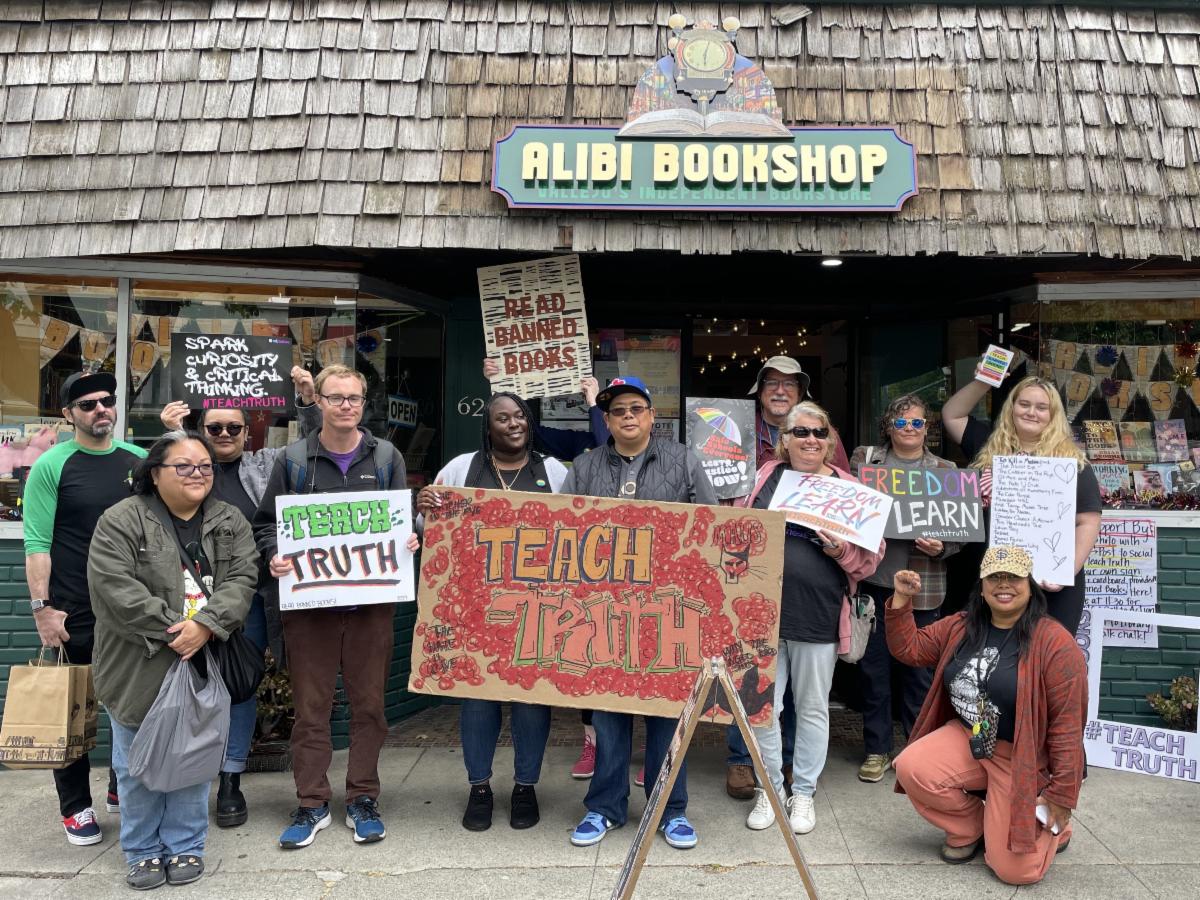
In June of 2023, Destiny organized a Teach Truth Day of Action event in Vallejo. They rallied at Alibi Bookstore and then marched through a farmer’s market to a library. Destiny is kneeling in the photo above.
| |
|
We are lucky to teach, learn, and organize alongside Destiny and all the Prentiss Charney Fellows.
Consider a donation to continue and expand the fellowship in honor of classroom education activist and union leader Michael Charney and leading education lawmaker in Ohio, C. J. Prentiss.
| |
All the lessons we provide are free, thanks to your donations. Help us add more lessons and defend teachers’ right to teach them. | | |
|
PO BOX 73038, WASHINGTON, D.C. 20056
| | | | |